
7 Mistakes to Avoid When Using Kratom Powder
Deep within the verdant, steamy jungles of Southeast Asia, nature has cultivated a botanical treasure that has slowly but surely woven its way into the daily rituals of the modern world, offering a unique bridge between ancient tradition and contemporary wellness. Navigating the world of this particular plant can feel like learning a new language, where the vocabulary consists of vein colors, drying processes, and distinct regional origins that all contribute to the final experience. For the uninitiated, the sheer variety of options and the passionate community surrounding this botanical can seem daunting, yet the allure of its potential to provide tranquility and focus is undeniable. Many who stumble upon this leaf are looking for a shift in their daily routine, a way to find a moment of bliss amidst the chaos of modern life, but they often dive in without fully grasping the nuances of proper etiquette and usage. It is a journey that rewards patience and education, as the difference between a profoundly uplifting afternoon and a lackluster experience often comes down to a few critical decisions made before the powder even touches water. Approaching this botanical with a mindset of respect and curiosity is essential, as it possesses a complexity that rivals coffee, tea, or fine wine, demanding more than just a casual or haphazard engagement. By understanding the landscape before you take your first step, you position yourself to unlock the full spectrum of benefits that this storied plant has to offer.
Unearthing the Roots and Nuances of Mitragyna Speciosa
To truly appreciate the role Kratom plays in the lives of millions, one must first look back to its geographical and historical origins, which are deeply rooted in the rich soils of countries like Thailand, Indonesia, Malaysia, and Papua New Guinea. The tree itself, scientifically known as Mitragyna speciosa, is a tropical evergreen that belongs to the coffee family, a biological connection that hints at its potential to influence energy and focus. For centuries, laborers and farmers in these humid regions would pluck the fresh leaves straight from the branches, chewing them to endure long hours of hard work under the blistering sun. This traditional usage was not merely about sustenance; it was an integral part of the social and cultural fabric, used to welcome guests or conclude a day of community effort. The resilience of the tree, which can grow to impressive heights in swampy, nutrient-rich environments, is mirrored in the enduring popularity of its leaves, which have traversed oceans to reach Western markets. Understanding this lineage helps users appreciate that they are participating in a ritual that is centuries old, connecting them to a history of natural wellness that predates modern supplements.
The magic of Kratom lies primarily in its complex chemical composition, which’s a symphony of over forty distinct alkaloids that work together to produce its signature effects. The primary conductor of this orchestra is an alkaloid called Mitragynine, along with its more potent counterpart, 7-hydroxymitragynine, both of which interact with the body’s systems in a fascinatingly unique manner. Unlike simple stimulants that just push the accelerator, or pure sedatives that just slam on the brakes, these alkaloids create a balanced modulation that can shift depending on the amount consumed. This biological interaction is what provides the feeling of "euphoria" or "bliss" that many enthusiasts seek, creating a sense of well-being that feels organic rather than forced. It is important to recognize that this is a plant product, meaning the alkaloid content can vary from harvest to harvest, influenced by factors like sunlight, rain, and soil acidity. This natural variability adds a layer of depth to the experience, as no two batches are ever exactly 100% identical, keeping the relationship between the user and the plant dynamic and ever-evolving.
- Red Vein: Typically associated with the most tranquil and soothing experiences, often fermented or dried in bags to alter the alkaloid profile toward relaxation.
- White Vein: Generally, this is harvested earlier and dried indoors to preserve a profile that is more uplifting, sharp, and energizing, making them favorites for morning routines.
- Green Vein: Sits comfortably in the middle, offering a hybrid experience that balances the blissful calm of the reds with the alertness of the whites.
- Yellow/Gold Vein: This is actually a variety, typically produced by a unique drying, aging, or blending process rather than a natural leaf vein color, that offers a balanced effect often described as a middle ground between the stimulating white strains and the calming red strains.
Understanding this color spectrum is the first step in tailoring the experience to your specific needs, allowing you to choose a "mood" rather than just a product.
Now, another fascinating characteristic of Kratom that sets it apart from almost any other botanical is its dose-dependent effect profile, often summarized by the counter-intuitive phrase "less is more". At lower servings, the plant tends to exhibit more stimulating qualities, providing a boost in sociability, focus, and physical energy that can help one power through a to-do list. Conversely, as the serving size increases, the effects shift dramatically toward the sedative end of the spectrum, promoting deep relaxation, physical comfort, and a heavy, tranquil sensation. This dual nature means that a single bag of powder can serve two completely different purposes depending on how much you decide to scoop out on a given day. Mastering this sliding scale is something of an art form, requiring the user to listen to their body and adjust accordingly to achieve the desired state of mind. It is this versatility that makes Kratom such a valuable tool for so many, capable of adapting to the changing demands of a week.
Finally, it is impossible to discuss Kratom without acknowledging the current regulatory and cultural landscape, which is currently in a state of rapid evolution and maturation. While the plant is federally legal in the United States, there is a patchwork of state and local regulations that users must be aware of to ensure they remain on the right side of the law. In response to the need for safety and consistency, the American Kratom Association (AKA) has established Good Manufacturing Practice (GMP) standards to help legitimize the industry and protect consumers from adulterated products. This shift toward self-regulation has created a tiered market, where reputable vendors who test their products stand in stark contrast to questionable sources that cut corners. Being an informed consumer in this space means understanding that the industry is fighting for recognition and standardization. By choosing to support compliant brands, users are not only protecting their own well-being but are also voting for the continued availability and legitimacy of this botanical.
Deconstructing the Powder: Form, Function, and Utility
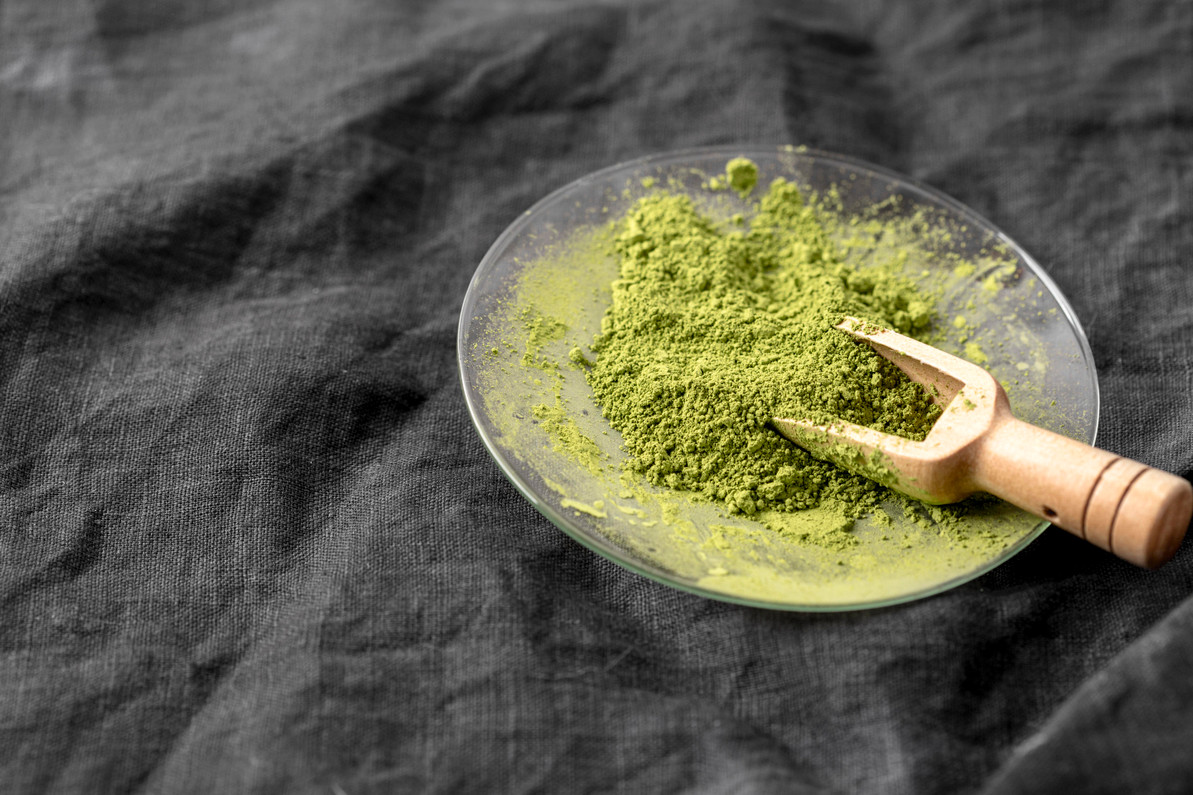
Kratom powder is the most ubiquitous form of this botanical, representing the raw, unadulterated essence of the leaf in its most versatile state. The journey from a living leaf on a tree to the fine dust in your package involves a meticulous process of washing, drying, and grinding that significantly impacts the final quality. After the leaves are harvested and cured according to their strain requirements, they are crushed and pulverized into a micronized flour-like consistency. This fine texture is crucial because it increases the surface area of the plant matter, allowing for a more rapid and efficient absorption of the alkaloids once they enter the digestive system. Unlike extracts or tinctures, which isolate specific compounds, the powder retains the "full spectrum" of the plant's chemistry, ensuring that users benefit from the entourage effect of all the alkaloids working in unison. This raw format is favored by purists who believe that consuming the whole plant provides a more rounded, longer-lasting, and authentic experience.
The versatility of Kratom powder is one of its strongest selling points, as it allows for a wide variety of consumption methods that can be tailored to personal preference and lifestyle. The most famous, albeit controversial, method is the "toss and wash," where a user places a scoop of powder on their tongue and immediately washes it down with a swig of water or juice. While this is the most direct and fastest way to introduce the alkaloids to the system, it requires a certain tolerance for the plant’s strong flavor and texture. For those who prefer a more ritualistic approach, brewing the powder into a tea is a popular alternative, often involving simmering the leaves with lemon juice to help extract the alkaloids before straining out the plant matter. This method can be gentler on the stomach and offers a warm, soothing beverage that can be sipped slowly, turning the act of consumption into a relaxing break in the day. Others may choose to mix the powder into smoothies, protein shakes, or yogurt to mask the taste while still ingesting the full leaf.
Speaking of taste, the flavor profile of Kratom powder is a significant hurdle for many and is often described as intensely earthy, bitter, and reminiscent of strong green tea or dried grass. This bitterness is a natural indicator of the high alkaloid concentration, but it can be a shock to the palate for those accustomed to sweetened supplements. To mitigate this, experienced users have developed a glossary of "mixers" that help neutralize or mask the grassy notes, with citrus juices like orange and grapefruit being top contenders due to their acidity and sweetness. Chocolate milk is another surprising but effective vehicle, as the creaminess and cocoa bitterness tend to blend well with the earthy tones of the powder. Some users bypass the taste entirely by using oblate discs—thin, edible films made of starch—to wrap the powder into a swallowable parcel, essentially creating a custom capsule on the fly. Navigating the flavor is a rite of passage for every Kratom user, and finding a method that is palatable is key to maintaining a consistent routine.
Proper storage of Kratom powder is an often-overlooked aspect of usage that can have a dramatic impact on the potency and longevity of the product. Like any organic botanical, Kratom is sensitive to environmental factors such as oxygen, light, and moisture, all of which can degrade the delicate alkaloids over time. When left exposed to the air or sitting in direct sunlight, the vibrant green color of fresh powder can fade to a dull brown, a visual sign that the product is losing its efficacy. To maintain the "blissful" potential of your stash, it is essential to keep the powder in airtight containers, such as resealable foil bags or glass jars with rubber gaskets, stored in a cool, dark place. For those who buy in bulk, dividing the supply into smaller, daily-use containers while sealing away the rest can prevent constant exposure to air. Treating the powder with the same care you would give to fresh spices or premium coffee beans ensures that the last scoop is just as potent and enjoyable as the first.
Navigating the Pitfalls in Order to Ensuring a Positive Kratom Powder Experience
Embarking on a journey with Kratom powder opens the door to a world of potential botanical benefits, but like any tool, it requires skill and knowledge to use effectively. The difference between a session that leaves you feeling tranquil and accomplished versus one that leaves you feeling wobbly and uneasy often boils down to avoiding a few specific, common errors. New users often approach Kratom with the same mindset they use for other supplements, assuming that it is foolproof or that "more is always better," only to find that this plant demands a more nuanced approach. The learning curve can be steep, but by identifying these pitfalls in advance, you can shortcut the trial-and-error phase and move straight to enjoying the best the plant has to offer. The following seven mistakes are the most frequent stumbling blocks that prevent enthusiasts from finding their perfect rhythm. By steering clear of these errors, you ensure that your relationship with Kratom remains safe, sustainable, and consistently positive.
Mistake #1: The "Eyeball" Estimation Error
One of the most pervasive and risky habits that new users fall into is the refusal to use a precise scale, opting instead to "eyeball" their serving sizes using kitchen spoons. While it might seem convenient to just scoop a teaspoon and assume it equals a specific gram amount, the reality is that the density of Kratom powder can vary wildly between strains, batches, and even grind consistency. A heaping teaspoon of a fluffy, nano-ground Green Malay might weigh 2.5 grams, while a packed level teaspoon of a coarser Red Bali could weigh upwards of 4 grams or more. This discrepancy might sound small, but in the world of Kratom, a difference of 1.5 grams is massive and can completely change the effects from energetic to heavily sedating. Relying on volume measurements introduces a variable of chaos into your routine, making it impossible to replicate a good experience or pinpoint why a bad one occurred. Without precision, you are essentially gambling with your comfort every time you prepare a serving.
How to Avoid This Mistake: The solution to this issue is simple, affordable, and non-negotiable for anyone serious about their experience: purchase a digital scale that measures down to 0.1 grams. These scales are widely available and inexpensive, yet they provide the control necessary to dial in your "sweet spot" with scientific accuracy. By weighing your dose every single time, you create a consistent baseline, allowing you to know exactly how 2.4 grams feels compared to 2.8 grams. This practice empowers you to adjust your intake based on the specific potency of a new batch or your current needs, removing the guesswork entirely. Furthermore, keeping a simple log or journal of your weighed doses and the resulting effects can help you map out your personal tolerance and preferences over time. Treat the scale as an essential part of your kit, just as important as the powder itself, and you will find that your experiences become far more predictable and enjoyable.
Mistake #2: Sourcing from Unverified Vendors
In the rapidly expanding Kratom market, not all vendors are created equal, and making a purchase based solely on the lowest price or convenience can lead to disappointing or even unsafe outcomes. Many gas stations, smoke shops, and obscure websites sell Kratom that is sourced from the bottom of the barrel, often bypassing the critical testing and safety protocols that reputable companies adhere to. This "gas station Kratom" is frequently old, dry, and lacking in the vibrant alkaloid profile that provides the desired euphoric or calming effects. Worse than just being weak, untested products can be contaminated with heavy metals, pesticides, salmonella, or even adulterated with other substances to artificially boost potency. When you consume a product that hasn't been vetted, you are putting your trust in a supply chain that may not have your best interests at heart. The result is often a headache, nausea, or simply a complete lack of effects, which can discourage a new user from ever trying the plant again.
How to Avoid This Mistake: To protect yourself and ensure you are getting a genuine product, you must become a vigilant consumer who demands transparency from your suppliers. Look exclusively for vendors who are endorsed by the American Kratom Association (AKA) or who voluntarily adhere to Good Manufacturing Practice (GMP) standards. Before you buy, check the website for third-party Certificates of Analysis (COAs) that verify the purity and potency of the specific batch you are purchasing. These documents should be readily available and should confirm that the product is free from biological and chemical contaminants. Read reviews from independent forums and communities to gauge the reputation of the vendor, paying attention to comments about consistency and customer service. While premium, tested Kratom may cost a few dollars more than the generic alternative, the peace of mind and the guarantee of a clean, potent product are well worth the investment.
Mistake #3: Stagnant Strain Syndrome
A subtle but significant mistake that many long-term users commit is falling in love with a single strain and using it exclusively for months on end. It is easy to find a Green Maeng Da that works perfectly for your morning routine and decide that it is the "only one" you need, but the human body is incredibly adaptive. Over time, your receptors can become desensitized to the specific alkaloid profile of that one strain, leading to a phenomenon often called "Stagnant Strain Syndrome" or simply tolerance buildup. As the effects diminish, the natural reaction is often to increase the dose, which only accelerates the tolerance and increases the risk of side effects. By limiting yourself to one color or one region, you are also missing out on the broad spectrum of experiences that other varieties offer. This monotony can turn a once-magical botanical into a mundane habit that yields diminishing returns.
How to Avoid This Mistake: The most effective strategy to combat tolerance and keep the experience fresh is to implement a robust rotation schedule involving multiple different strains and vein colors. Try to have at least three or four different varieties in your rotation, ensuring that you do not use the exact same strain two days in a row. For example, you might use a White Borneo on Monday, a Green Malay on Tuesday, and a Red Bali on Wednesday, cycling through them to expose your body to slightly different alkaloid ratios. This variation keeps your receptors "guessing" and prevents them from adapting too efficiently to a single chemical profile. Additionally, be open to trying blends or new strains that appear on the market, as variety is truly the spice of life when it comes to maintaining the efficacy of Kratom. By rotating, you can often keep your dosage lower and your burns—the community term for a Kratom session—more consistent and impactful.
Mistake #4: Neglecting Hydration
One of the most purely physiological mistakes users make is underestimating just how dehydrating Kratom powder can be to the human body. As a fibrous plant matter that is often diuretic in nature, Kratom demands a significant amount of water to be processed and eliminated by the system. When a user consumes the powder without increasing their fluid intake, they often experience a "Kratom headache," dry mouth, fatigue, and perhaps most uncomfortably, constipation. These physical side effects can ruin the sense of tranquility or focus you were aiming for, replacing bliss with a throbbing temple or sluggish digestion. Many people mistakenly attribute these symptoms to a "bad batch" of Kratom, when in reality, it is simply a signal from the body that it’s parched. The plant acts somewhat like a sponge in the digestive tract, absorbing moisture, which means you need to actively replenish those fluids to keep everything moving smoothly.
How to Avoid This Mistake: The fix for this is straightforward but requires conscious effort: you must aggressively hydrate before, during, and after your Kratom session. Make it a rule to drink a full large glass of water with every dose you take, and continue sipping water throughout the duration of the effects. Investing in a high-quality electrolyte powder or drink can also be a game-changer, as Kratom can deplete essential salts along with water. If you are prone to the digestive slowdowns associated with dry plant matter, adding a magnesium supplement to your nightly routine can help maintain regularity and counteract the binding effects of the powder. Listen to your body’s thirst signals but try to stay ahead of them; if you feel thirsty, you are already slightly dehydrated. By prioritizing hydration, you eliminate the vast majority of the physical "hangovers" or discomforts associated with Kratom use, leaving you with only the positive benefits.
Mistake #5: Chasing the Effects
In our culture of immediate gratification, there is a temptation to "chase" the feeling if the initial dose doesn't hit as hard or as fast as expected. A user might take a dose, wait thirty minutes, feel only a mild shift, and immediately decide to double down with another scoop. This impatience is a recipe for disaster, often leading to a condition known in the community as "the wobbles." The wobbles are characterized by difficulty focusing the eyes, dizziness, nausea, and a general sense of dysphoria—the exact opposite of the euphoric state being sought. Kratom has a ceiling effect; past a certain point, taking more does not increase the good feelings, it only increases the negative side effects. The onset time can vary based on stomach content and metabolism, meaning that the first dose might still be working its way into your system when you prematurely decide to add more.
How to Avoid This Mistake: Patience is a virtue that pays dividends when working with this botanical; always wait at least 60 to 90 minutes before even considering a second serving. Understanding your personal metabolism is key, but as a general rule, you must respect the lag time between ingestion and absorption. If you find that a dose was too weak, take a mental note (or write it in your log) and try a slightly higher amount for your next session, rather than trying to fix it in the moment. Remember the "less is more" philosophy: often, a lower dose provides better energy and mood lift than a high dose, which can become heavy and sedating. If you accidentally take too much and get the wobbles, the only cure is time, water, and lying down—experiences that teach you quickly not to be greedy with your dosing. Trust the process and accept that some days the effects will be subtler than others.
Mistake #6: Disregarding the "Empty Stomach" Rule
The debate over whether to take Kratom on an empty or full stomach is a common one, but disregarding how your specific digestion interacts with the powder is a major mistake. Generally, taking Kratom on an empty stomach allows for faster absorption and more pronounced effects, which is what most users prefer. However, for those with sensitive stomachs, tossing raw plant fiber into an empty gastric system can lead to immediate nausea, unsettled digestion, or acidity. Conversely, taking Kratom immediately after a heavy, fatty meal can severely dampen the effects, making it feel like you didn't take anything at all because the alkaloids are getting lost in the food. Failing to find your personal balance between these two extremes can lead to inconsistent experiences where one day feels amazing and the next feels like a waste of powder.
How to Avoid This Mistake: You need to experiment to find your personal "digestive window" that offers the best balance of potency and comfort. A popular strategy is to take Kratom roughly two to three hours after a meal, or 30 to 45 minutes before a meal. This timing ensures that the stomach is not completely full, allowing for good absorption, but not so empty that the raw powder irritates the lining. If you are prone to nausea, try eating a small, light snack—like a handful of crackers or a piece of fruit—about 20 minutes after taking your dose to help settle the stomach and kickstart digestion. Avoid heavy, greasy meals right before a session, as the fats can slow down absorption significantly. By paying attention to your hunger levels and timing your doses around your eating schedule, you can maximize the efficiency of the powder while minimizing gastric distress.
Mistake #7: Mixing with Alcohol
Perhaps the most counterproductive and potentially unsafe mistake is combining Kratom powder with alcohol. While some might think that pairing a "relaxing" tea with a "relaxing" drink will lead to ultimate bliss, the reality is often a messy, nauseating physiological clash. Alcohol is a depressant that causes dehydration and places strain on the liver, while Kratom also requires hydration and liver metabolism. Combining the two amplifies the dehydration and can lead to severe nausea, dizziness, and a "spin" that is incredibly unpleasant. Furthermore, alcohol tends to dull the subtle, clean euphoria of Kratom, replacing the botanical’s clarity with the sloppy intoxication of booze. The nuances of the Green or White vein are completely lost when drowned out by the effects of ethanol, effectively wasting the potential of the plant.
How to Avoid This Mistake: The best practice is to keep your Kratom and alcohol habits completely separate. If you are planning to enjoy Kratom, let it be the star of the show and enjoy it with water, tea, or juice. If you plan to drink alcohol, skip the Kratom for that evening. If you are using Kratom as a way to unwind socially, try to view it as an alternative to alcohol rather than a companion to it. Many users find that Kratom actually reduces their desire to drink, offering a social lubricant and relaxation aid without the hangover or loss of coordination. If you must consume both in the same day, space them out by several hours to ensure that the peak effects do not overlap. Respecting the distinct nature of each substance ensures that you stay safe, hydrated, and able to fully appreciate the unique qualities that Kratom brings to the table.
Final Reflections on the Botanical Path
Mastering the use of Kratom powder is less about rigid rules and more about developing a heightened sense of self-awareness and respect for the natural world. It is a relationship that evolves over time, where the user learns to listen to the subtle cues of their body and adjust their routine to harmonize with the plant’s complex character. By avoiding these seven common mistakes, you strip away the noise and discomfort that often cloud the experience for beginners, revealing the true potential of this ancient leaf to provide focus, calm, and a renewed sense of vitality. As you continue to explore the different veins and varieties, let your journey be defined by mindfulness and moderation, ensuring that this botanical remains a beneficial ally rather than a source of frustration. Ultimately, the most rewarding experience comes not just from the powder itself, but from the intentionality and care you bring to every single preparation.
Recent Posts
-
7 Mistakes to Avoid When Using Kratom Powder
Deep within the verdant, steamy jungles of Southeast Asia, nature has cultivated a botanical treasur …Jan 30, 2026 -
A Cannabinoids Interaction: Ways Delta 8 THC Interacts with THCV
The landscape of hemp-derived compounds has evolved from a simple curiosity into a sophisticated mar …Jan 28, 2026 -

Sugared vs Sugar-Free Hemp-Based Drinks & Beverages: Which Choice Should You Go With?
The modern beverage landscape is currently undergoing a radical transformation that goes far beyond …Jan 27, 2026