
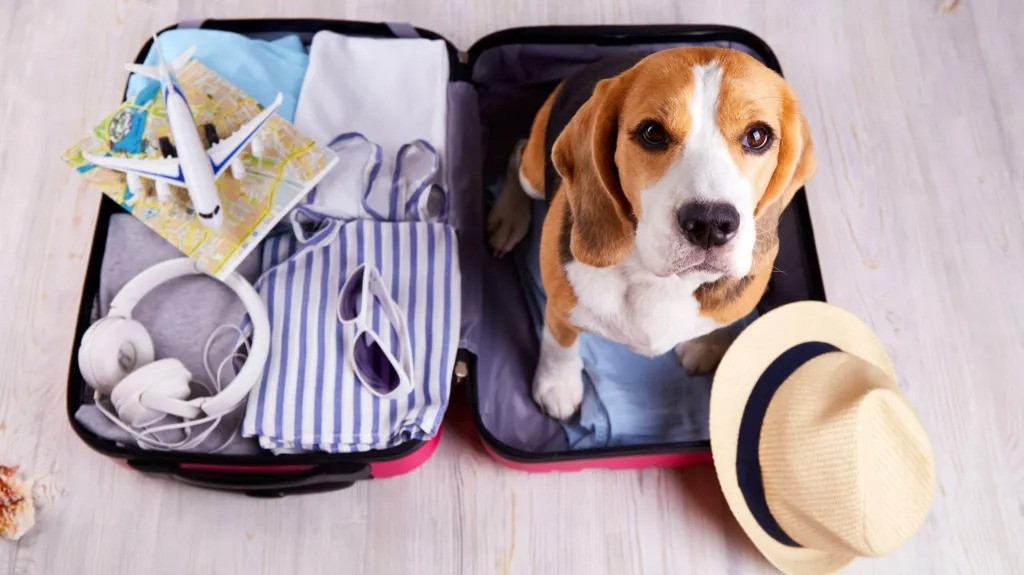
How to Properly Keep Your Pet Calm When They’re Traveling with You
For virtually all pet owners, we spend almost all of our time with our furry friends at home. This domestic environment serves as the foundational "base camp" for our pets’ lives. It is a controlled ecosystem where the smells are familiar, the temperature is regulated to their liking, and the daily rhythm of feeding, sleeping, and playing occurs with predictable regularity. In this safe haven, our pets build their confidence and form the deep bonds that make them such integral parts of our families. However, life is rarely static, and circumstances often dictate that we must leave this sanctuary. But, sometimes, we need to take them with us, whether it be to the veterinarian in town or across the country on vacation.
Whether it is a routine check-up that requires a quick jaunt down the road or a massive relocation to a new state, the necessity of travel is a reality of pet ownership. We might be planning a month-long road trip to visit relatives, moving to a new house, or simply taking a necessary trip to the groomer. Regardless of the destination or the duration, the act of transporting an animal removes them from the environmental cues they rely on for safety. And so, the reality is that a lot of pets just don’t like to travel. For many animals, the concept of a "trip" is nonexistent; there is only the immediate removal from safety and the introduction of chaos. The vibration of a car engine, the confinement of a crate, the changing air pressure of a plane—these are alien experiences that defy their evolutionary understanding of the world.
Seeing our pet in distress is never easy, but it can be all the more upsetting to us when we have no choice but to take them with us somewhere, despite their clear signs of anxiety. This creates a complex emotional burden for the owner. We feel a profound sense of guilt when we see our dog trembling in the backseat or hear our cat yowling in their carrier. We want to explain to them that it will be okay; that the trip has a purpose, but the language barrier makes this impossible. Furthermore, our own stress levels often rise in response to their distress, creating a feedback loop where the pet senses our tension and becomes even more agitated. It feels like a betrayal of their trust to force them into a situation they clearly fear, yet we are often bound by necessity.
So, is there anything pet owners can do when they absolutely need to travel with their pet, whether it be by car or by plane? Is the situation hopeless, or are there concrete, actionable steps we can take to mitigate this terror? Fortunately, animal behaviorists and veterinarians have spent decades studying the stress responses of companion animals. Luckily, yes – there are all kinds of tricks that pet owners have found provide their furry friend with a sense of calm while they’re in transit as you’ll soon find out here today.
Why Do Pets Struggle with Traveling?
To effectively help our pets, we must first empathize with their perspective. There are all kinds of different reasons why your cat or dog may absolutely despise traveling. It is rarely a case of an animal simply being "difficult" or "stubborn". Instead, their reaction is usually a deeply ingrained survival response. In the wild, being moved from one's territory against one's will usually meant being carried off by a predator. While our domesticated friends are far removed from their wild ancestors, these instincts remain dormant in their DNA.
Notoriously, cats tend to be a lot worse at traveling than dogs – you rarely see a cat’s face hanging out a car window as it drives by, after all. Felines are solitary hunters who are fiercely territorial. Their sense of security is tied directly to their physical location—their "territory". When you remove a cat from its home, you are stripping away its primary source of confidence. Dogs, on the other hand, are pack animals. They are generally more attached to their social group (you) than to a specific location. However, this does not make them immune to travel anxiety.
But the truth is that both species can experience intense anxiety and fear when they’re away from home, especially if they’re in a car or on a plane, and this can be due to one or more causes, such as:
- Trauma/Negative Associations: Sometimes, a pet will hate traveling because they associate it with a traumatic memory. Animals possess excellent associative memories, which is a survival mechanism designed to help them avoid danger. If a specific event caused pain or fear in the past, they will vividly remember the circumstances leading up to it. For example, if your cat associates getting into the car with having to go to the vet, then it’s likely they won’t ever feel happy about being driven around. To a cat, the appearance of the travel carrier is the first link in a chain of events that leads to a cold examination table, strange smells, handling by strangers, and potential pain (like injections). They aren't afraid of the car; they are afraid of what the car represents. Similarly, if your dog, say, got sick one time in your vehicle, then they may forever associate being in a car with feeling unwell. Just as a human might avoid a certain food after getting food poisoning, a dog that has vomited in a car may begin to salivate and tremble the moment the engine starts, anticipating the nausea that terrified them previously.
- Existing Anxiety: If a pet already has an anxiety condition, then anything that’s outside of their ordinary routine can really stress them out, including travel. Pets that suffer from Generalized Anxiety Disorder (GAD), separation anxiety, or noise phobias are essentially living with a nervous system that is constantly on high alert. Their "stress threshold" is much lower than that of a confident pet. A pet who is already prone to anxiety is likely to feel extremely uneasy when they’re traveling, because they don’t know where they’re going, and really dislike the feeling of being out of their comfort zone. For these sensitive souls, the loss of control is terrifying. They cannot predict what will happen next, and this uncertainty floods their bodies with cortisol and adrenaline, triggering a "fight or flight" response even if no immediate danger is present.
- Motion Sickness: Something that a lot of pet owners don’t realize is that cats and dogs can get carsickness, just like humans can. This is a physiological issue, not a behavioral one. It occurs when there is a conflict between the visual inputs the brain receives and the sensations from the inner ear. A pet’s inner ear is particularly sensitive to motion sickness, as their sense of equilibrium is easily thrown off – remember that pets are not designed to travel by car like we’ve become adapted to since childhood. Human children often outgrow motion sickness as their vestibular systems mature and they learn to anticipate the movement of a vehicle by looking out the windshield. Pets, however, are often in crates or unable to see out the window, preventing them from synchronizing their vision with the motion. This results in nausea, dizziness, and lethargy. Cats are usually more sensitive to motion sickness than dogs. This is why a cat might drool excessively or foam at the mouth during a car ride; it is a physical symptom of extreme nausea.
- Unpredictability: Generally, pets are creatures of habit. They thrive on a schedule. They know that when the sun comes up, they get fed; when you grab the leash, they go for a walk. This predictability signals safety. They really don’t like changes in their routine, and something as simple as rearranging your living room furniture, or changing their feeding time, can make them feel very uneasy. If moving a sofa can cause stress, imagine the magnitude of disruption caused by a cross-country flight. Hence, it’s not surprising that traveling with a cat or dog is going to make them nervous, since they don’t know where they are, where they’re going, or when they’ll be back home. They lack the cognitive ability to understand the concept of a temporary vacation. For all they know, this chaotic state is their new permanent reality. Remember that cats and dogs aren’t adapted to traveling long distances like humans are, and so the concept of traveling is extremely foreign to them. In nature, an animal would only travel long distances to migrate or escape a threat, both of which are high-stress activities.
- Overstimulation: Being in a car or a plane can be extremely overstimulating to a pet. Their sensory perception is far superior to ours. Dogs can hear frequencies much higher than humans, and cats have a sense of smell that is fourteen times stronger than ours. There are loads of new smells, sounds, and sights that they’re not used to, many of which can be overwhelming – like the sound of driving on a highway, or crowds of cars or people. The roar of a jet engine, the high-pitched whine of tires on pavement, the smell of jet fuel, or the thousands of overlapping scents at a rest stop can bombard their brains with too much information at once. Cats and dogs are extremely sensitive to new sensory experiences, and so it’s easy to see why traveling could push their nervous system into overload. This sensory overload can lead to a shutdown, where the animal becomes catatonic, or an explosion of frantic energy as they try to escape the stimuli.
Flying vs. Driving with Pets
When planning a trip, the mode of transport is the first major hurdle. While we’re on the topic of traveling with pets, a lot of pet owners wonder whether it’s better to travel with their furry companion to a distant location via car or plane. This is a valid debate with strong arguments on both sides. Driving offers control and flexibility. You can stop whenever your pet needs a bathroom break, you can control the temperature and music in the car, and your pet remains with you the entire time. However, driving can prolong the stress if the trip takes several days. Flying is much faster, turning a three-day drive into a six-hour ordeal, but it often involves surrendering control of your pet to airline staff or cargo handlers.
And the answer really depends. There is no "one size fits all" solution. There are a lot of factors to consider, like the length of time each will require, and whether a particular airline can make special accommodations for your pet. For a small dog or cat that fits in a carrier under the seat, flying might be the less stressful option because they stay by your side. However, for a large Golden Retriever that must fly in the cargo hold, the experience can be terrifying, loud, and lonely.
We do recommend doing research on the subject, because in some cases, air travel can be very dangerous for pets, so please make your decision wisely. You must investigate the specific policies of the airline. Some airlines have temperature embargoes; they will not allow pets in the cargo hold if the runway temperature is too hot or too cold, to prevent heatstroke or hypothermia. Furthermore, breed is a critical factor. Brachycephalic (flat-faced) breeds like Pugs, Bulldogs, Boxers, and Persian cats are at a significantly higher risk of respiratory distress and death during air travel due to their compromised airways. For these animals, driving is almost always the safer, albeit longer, choice.
How Do You Know if Your Pet is Uncomfortable with Traveling?
Recognizing the early warning signs of anxiety is crucial for intervening before your pet reaches a state of panic. Some pet owners ask us how they can tell whether or not their pet is uncomfortable with traveling, and that’s a good question, as many cats and dogs are very skilled at hiding their distress. This is an evolutionary holdover; in the wild, a sick or frightened animal is a target for predators. Therefore, they will often mask their pain or fear until it becomes unbearable. This means that by the time a pet is whining or trembling, they may have been anxious for quite some time.
Some pets are also more prone to anxiety than others, so in reality, some cats and dogs really can handle traveling just fine, especially if they got started traveling when they were very young. A dog that was socialized to car rides as a puppy may view the car as a "magic adventure machine" that leads to parks and hikes. These dogs might happily jump into the backseat and fall asleep. However, you should never assume your pet is fine just because they are quiet. Silence can sometimes indicate a "freeze" response, which is a state of extreme terror where the animal shuts down completely.
Still, if your cat or dog is demonstrating clear signs of anxiety, you’ll want to give them extra-special care, so that you can minimize their anxiety while in transit, and in turn, minimize your own as well. By learning to read their body language, you can make adjustments—like stopping for a break, covering the crate, or offering reassurance—that can de-escalate their stress.
Below are the signs that your pet is particularly uneasy in a new environment:
- Disinterest in Affection: A pet who isn’t showing any interest in interacting with their owner or receiving affection is likely struggling with some feelings of anxiety, and a lack of safety. If your dog, who usually nudges your hand for pets, suddenly turns their head away, stiffens when touched, or avoids eye contact, they are signaling that they are not comfortable. They are too focused on assessing the "threat" of the environment to engage in social bonding.
- Refusing to Eat: One of the signs of distress that’s the easiest to spot is a disinterest in food, which can be evident if you try to give them a treat while in transit. The body has a hierarchy of needs. When the sympathetic nervous system (the "fight or flight" response) is activated, blood is diverted away from the digestive system and towards the muscles and heart to prepare for action. As a result, appetite vanishes. For almost every pet, they’ll go back to eating once they are no longer in transit. Once the cortisol levels drop and the parasympathetic nervous system ("rest and digest") takes over, their hunger will return. But, if a pet continues to refuse to eat after they’ve arrived at their destination, you may need to be patient as pets can continue showing signs of anxiety when they’re away from home. It might take 24 to 48 hours for a pet to feel safe enough in a hotel room or rental house to resume eating.
- Destructive Behaviors: It’s far from uncommon for a dog or cat to display destructive behaviors when they feel uneasy. This is rarely done out of spite. Often, it is "displacement behavior"—an outlet for nervous energy that has nowhere to go. It can also be an escape attempt. This can mean destroying items like toys, scratching the inside of your car, and so on. You might find your dog chewing frantically on the seatbelt, or your cat clawing at the mesh of their carrier until their paws are raw. This is a sign of panic and a desperate desire to exit the situation.
- Aggression: An aggressive pet is usually an anxious pet, whose survival instincts are telling them that they need to stay in fight or flight mode. Fear aggression is a defensive mechanism. If a pet feels trapped in a car or carrier and perceives a threat (even if the "threat" is just a toll booth operator), they may lash out. If your dog or cat is displaying aggressive behavior when traveling, you may need to get a professional involved, as aggressive behavior can be very unpredictable, and potentially dangerous to you or someone else in your family. Snapping, growling, lunging, or hissing are all distance-increasing behaviors—they are saying, "Stay away, I am scared."
- Chewing at Their Skin: One sign of distress that can be harder to spot is chewing of the skin and fur. This is known as psychogenic grooming. The repetitive action of licking or chewing releases endorphins in the brain, which can provide a temporary self-soothing effect for the animal. It is similar to a human biting their nails or twisting their hair when nervous. It’s hard to spot because unless you’re actually watching them do it, you probably wouldn’t know to have a look at their skin and fur for signs that it’s taking place. Over time, this can lead to "hot spots," bald patches (alopecia), and skin infections. If you notice wet patches of fur on your pet’s legs or flank after a trip, this is likely what happened.
- Hyperactivity: To an extent, there are times when it’s expected for a pet to demonstrate excessive activity. Young animals are naturally full of vigor. For instance, puppies and kittens have high amounts of energy, and even require a lot of stimulation to tire them out. However, anxiety-induced hyperactivity looks different than playful energy. But if a dog or cat is overly rambunctious when they’re away from home, this may because their nervous system is over-stimulated due to anxiety. This manifests as frantic pacing, an inability to settle, jumping on and off furniture repeatedly, or running in tight circles. They are physically trying to outrun their anxiety.
- Excessive Vocalizing: Dogs and cats are more likely to vocalize in unusual or excessive ways when traveling – like a cat yowling while in a car, or a dog whimpering. These vocalizations are distress signals. A cat’s deep, guttural yowl in the car is heartbreaking and distinct from a request for food. A dog might whine high in their throat, bark rapidly and monotonously, or howl. These sounds are involuntary expressions of their internal emotional state.
- Shaking/Panting/Pacing: Shaking, panting, and pacing are all clear indicators that your pet is experiencing acute anxiety. Trembling usually begins in the legs and can overtake the whole body. Panting is a very reliable stress indicator in dogs; if the car is cool and the dog hasn't been exercising, but they are panting with their tongue spatulate (wide at the bottom), they are stressed. Pacing is a sign of restlessness and an inability to find a "safe" position.
What to Do About a Stressed-Out Pet Who Dislikes Traveling
Now, let’s talk about ways you can make your pet feel more at ease when they’re traveling, whether they’re actively in transit (in other words, while they’re in a car or on a plane) or when they’re at a destination away from home. The goal here is management and mitigation. We may not be able to turn a fearful cat into an adventure-loving traveler overnight, but we can certainly take the edge off their panic. This requires a multi-faceted approach that addresses their physical environment, their sensory inputs, and their internal emotional state. Matter of fact though, if your pet does show more severe signs of anxiety when traveling; and traveling with them is something that you can’t avoid, then we recommend talking to your vet about a more advanced solution. Sometimes, behavioral modification alone is not enough for deep-seated phobias, and medical intervention becomes a kindness rather than a shortcut.
With all that being said, let’s get into what can be done:
- Start Them Young: This is a preventative tip as opposed to one you can apply once your pet is an adult, but the sooner you get a cat or dog used to being in a car, the better. Puppies and kittens have a critical socialization window—usually up to 14 weeks for dogs and 7 weeks for cats—during which they are most receptive to new experiences. During this time, their brains are rapidly mapping out what is "safe" and what is "scary." If you’ve a kitten or puppy, we recommend taking them on the road about once every 2 weeks or so, for short rides, which will help them get acquainted with the idea of travel, while ideally desensitizing them to motion sickness. Start by simply sitting in the parked car with the engine off, offering treats and praise. Then, turn the engine on without moving. Finally, progress to a drive around the block. By graduating these steps slowly, you prevent the overwhelming fear response from ever taking root.
- Try Pet Pheromone Products: One product that a lot of vets recommend is pet pheromones, which often come in spray form. Pheromones are chemical signals that animals use to communicate with members of their own species. They are undetectable to humans but carry powerful messages for our pets. These are products that contain pheromone extracts from their species, which are particularly calming – sort of like pet Xanax, but completely natural. For cats, products like Feliway mimic the F3 facial pheromone, which cats deposit on objects when they rub their cheeks against them to mark the territory as safe and familiar. For dogs, products like Adaptil mimic the "dog appeasing pheromone" that a mother dog releases to comfort her nursing puppies. You could spray these products on car upholstery, or onto a blanket or toy in their carrier. Doing this 15 minutes before travel allows the alcohol carrier in the spray to evaporate, leaving behind only the calming chemical signal that tells your pet, "This is a safe space."
- Provide Familiar Smells: If you can, bring along something that your pet uses daily, like a blanket or toy, as a familiar smell from home can put them a little bit more at ease. The olfactory bulb in an animal's brain is closely linked to the amygdala, the center for emotions and emotional memory. A brand-new travel crate smells like sterile plastic and factory chemicals, which is alienating. By placing a t-shirt you’ve slept in or their unwashed bedding inside the crate, you envelop them in a scent bubble that smells like their pack and their sanctuary. This is a great way to help your pet feel connected to their “safe place” no matter where they are. It creates a portable anchor of familiarity in a sea of unknown scents.
- Keep Noise and Smells to a Minimum: Another thing you can try to control (as best as possible) is the sensory exposure factor. The modern world is incredibly loud and pungent, and travel amplifies this. Keep new sounds and smells to a minimum to avoid overwhelming your pet’s already-stressed nervous system. This means not playing loud music while traveling, and avoiding new and strong smells, like air fresheners that are used in cars. Those "new car scent" trees or heavy perfumes can be nauseating to a pet with sensitive smell, potentially triggering motion sickness. Instead, keep the car quiet, or play "bio-acoustic" music designed for pets—slow tempo, simple melodies—which has been clinically shown to lower heart rates in dogs.
- Cover Their Carrier (If They’re in One): When traveling with a pet in a car or through an airport/on an airplane, it might be helpful to cover their carrier with a blanket or towel. Visual stimuli can be just as triggering as auditory ones. Seeing telephone poles whiz by at 60mph or watching hundreds of strangers walk by in an airport terminal can be terrifying. Like we said, new sounds and smells can be overwhelming to a pet, so the less sensory overload they experience, the better. Covering their carrier means that at least they’re not being exposed to anxiety-triggering sights, and at the same time, it feeds into their natural instinct to hide when they’re nervous. Most animals seek a dark, enclosed den when they feel threatened. By darkening their environment, you are essentially building them a cave where they can feel invisible and protected. Just be sure the blanket is breathable so airflow isn't restricted.
- Provide Treats: As most pet owners will tell you, some treats can go a long way. Food is a powerful motivator and a way to change emotional associations. This is known as "counter-conditioning." If every time the car engine starts, a piece of high-value chicken appears, the dog begins to predict good things rather than bad things. For one thing, it’s a form of positive reinforcement, so that they associate traveling with a reward. Besides that, it’s a good way to distract them in moments of stress. Chewing and licking are also self-soothing behaviors that release endorphins. Lick mats or puzzle toys loaded with peanut butter can keep a dog occupied for miles. However, one thing we do want to mention is that it’s very normal for a pet to refuse food when they’re stressed, so if they choose not to eat the treats that you’re trying to give them, that’s okay. Do not force the issue. If they refuse a high-value treat, it is a diagnostic tool telling you they are over their stress threshold.
- Give Them Lots of Verbal Attention: Our pets are extremely sensitive to our moods, and they can sense our stress. This is a phenomenon called "emotional contagion." If you are silent and tense, they assume there is a predator nearby. While a pet is traveling, they are likely to be pretty on edge, so talking to them consistently in a calm, loving voice can help alleviate some anxiety. Use a "happy puppy" voice—slightly higher pitched and slow. Avoid sharp, loud commands or scolding, even if they are whining. If they know that you’re calm, this can help them relax to an extent, and it keeps you in communication with them so that they feel connected to you throughout the experience. You are their leader; if the leader is calm, the pack is safer.
- Consider Medication: A pet who experiences extreme anxiety when traveling may benefit from some type of sedative, prescribed by a veterinarian. There’s no shame in using pharmaceutical help for a pet that is truly suffering. Modern veterinary medicine offers options like Gabapentin (for cats and dogs) or Trazodone, which can take the edge off panic without necessarily knocking the animal out completely. For instance, if traveling cross country with your pet because you’re moving, it may make sense to get an anti-anxiety medication from your vet so that the trip goes as calmly as possible. This prevents the formation of new traumatic memories. Talk to your vet about your pet’s medical history and even make sure to give them the medication exactly as prescribed. Always do a "trial run" of the medication at home a week before the trip to see how your pet reacts to it in a safe environment.
- Give Them CBD: Other than medications, you may be wondering if there’s something you can give them to help them feel as calm as possible while they’re away from home. Many owners prefer a holistic route before trying prescription drugs. Again, you should always have a conversation with your veterinarian when thinking about giving them anything new that’s intended to reduce anxiety. One thing that many pet owners are finding is that cannabidiol (CBD) acts as a fantastic way to alleviate a pet’s stress and anxiety. CBD is the nonintoxicating and nontoxic dominant compound in the hemp plant. Unlike THC, it does not produce a "high" or impairment. It’s a type of compound known as a cannabinoid, which interacts directly with the body’s ECS, the control center for our homeostasis. Homeostasis is the biological state of balance—keeping temperature, mood, and pain perception in the "Goldilocks zone."
- CBD is as safe for our pets as it is for us, since all mammals have an endocannabinoid system. This is an ancient biological system found in nearly all animals, from dogs to humans. This system is a network of cannabinoid receptors found in all systems of the body, and when the body is fed cannabinoids, they attach to these receptors to enable regulatory effects. These receptors (CB1 and CB2) are found in the brain, nervous system, immune system, and organs. What CBD ultimately does is allow physiological processes to be regulated, including pain tolerance, inflammation, immune function, sleep, stress levels, cognitive functions, and more. By supporting this system, CBD helps the body help itself.
- CBD has been studied for its effects for pets, and thankfully, it turns out that there are no concerns for safety. The World Health Organization has deemed CBD generally well-tolerated with a good safety profile. Like we said, a dog’s body also uses cannabinoids like CBD to support the endocannabinoid system.
- However, the source of the CBD matters immensely. One thing that’s very important to stress is that cats and dogs cannot tolerate psychoactive cannabinoids like THC, which can be dangerous even in small doses for felines and canines. Animals have a higher density of CB1 receptors in their cerebellum (the part of the brain that controls balance) than humans do. This means that THC, which binds to CB1 receptors, causes static ataxia—a condition where they lose balance, drool, and become terrified. Therefore, you must ensure any product is hemp-derived and compliant with federal law, containing less than 0.3% Delta 9 THC.
- CBD has been found to regulate important nervous system functions like stress and sleep. It acts on serotonin receptors (5-HT1A) in the brain, which are the same receptors targeted by many anti-anxiety medications. Naturally, a pet who is traveling is likely to experience stress. Thus, CBD may help them mellow out, by subduing the “fight or flight” mode that all mammals go into when they feel threatened or in distress. It doesn't sedate them into unconsciousness; it simply turns the volume down on the anxiety. At the same time, CBD may help your pet sleep more easily while on the road, which is great if you’re going to be traveling for a long period of time. A sleeping pet is a stressed-free pet, and sleep allows the time to pass quickly for them.
- But, there is one thing to consider, which’s whether or not your pet is taking medications. Interaction checks are vital. No studies have been done yet to determine potential interactions between CBD and canine medications. However, we know that CBD suppresses CYP3A4 – an enzyme that breaks down many medications prescribed to humans. This enzyme is the liver's "traffic cop," processing drugs out of the system. As a result, certain drugs could stay in the blood for longer, and accumulate with each dose, which could, in rare cases, cause overdose. For example, if your dog is on phenobarbital for seizures, CBD might slow down how fast the phenobarbital is cleared, leading to higher-than-intended levels in the blood. Again, always consult your vet to determine the best timing for administration.
Tips for Being Away with Your Pet
We’ve talked a lot about traveling with pets when it comes to the actual transport from one place to another. But, what about bringing your pet to a new destination, like when you’re on vacation?. The journey is only half the battle; settling into a new environment can be just as disorienting. Here are several viable tips:
- Create a Scent Anchor: Bring items with you from home that a pet is used to interacting with, like their bed, their favorite toys, etc. This way, they’re surrounded by the smells of home, and feel a sense of familiarity no matter where they are. When you arrive at your hotel or rental, immediately set up a specific "pet corner." Place their bed, water bowl, and toys there. This establishes a territory within the new territory. Do not wash these items before the trip; you want them to smell as much like home as possible.
- Maintain the Schedule: Make a point to stick to their daily routine as much as possible. This means sticking to the same feeding time, walk time (for dogs), and so on. If you usually feed them at 7:00 AM, do not sleep in until 10:00 AM just because you are on vacation. Pets use these biological markers to tell time. Pets are very dependent on their routine, to the point that even subtle changes can make them feel uneasy. The more consistency you provide to your pet, the more at ease they will be. Routine tells them that despite the new surroundings, the rules of their world still apply.
- Know Their Limits: We love our pets so much that many of us would love to bring them along to everything we do. We want them to see the world with us. But, remember that not all pets are as adventurous as we are. A bustling outdoor market, a loud concert, or a steep mountain trail might be fun for you, but terrifying for them. You may love the idea of taking a boat ride or extensive hike with your furry friend, but ask yourself if that’s really something they’d enjoy as much as you. Sometimes, the kindest thing you can do is leave them in the quiet, air-conditioned hotel room (if allowed) for a few hours. Also, keep in mind that cats are less likely to enjoy adventurous activities than dogs. While some "adventure cats" exist, most felines prefer the safety of a secure base.
- Create a Safe Zone: Wherever it is that you’re staying, whether it be a hotel or a rental home, make sure there’s a quiet space for your pet to hide, whether it be a closet with some blankets laid down, or a covered bed that allows them to get away from people when they’re feeling overwhelmed. If you are visiting family, this is especially important, as new people will want to pet and play with the animal. The pet needs a "no-go" zone where they know they will not be bothered.
- Verify Accommodations: Of course, you’ll need to make sure that wherever you are staying, pets are allowed to be there. Never assume that a place is pet-friendly. Sneaking a pet in is a recipe for disaster and potential eviction. Check for size limits, breed restrictions, and pet fees. Also, check the surrounding area—is there a safe place to walk the dog? Is the balcony cat-proof?
A Blissful Pet When Traveling is a Happy Pet
When you take your pet traveling, it’s important to do everything you can to keep their anxiety to a minimum. The effort you put into preparation—the crate training, the pheromones, the route planning—pays dividends in the form of a companion who can actually enjoy the trip with you. Of course, there’s only so much we can do, but a little effort can really go a long way. Even reducing their stress by 20% can make the difference between a traumatic ordeal and a manageable journey. If you’re interested in providing your dog or cat with a natural way to ease their nervous systems (after having a discussion with your vet first), then CBD, be it pet treats or pet tinctures, really could be the answer.
Recent Posts
-

How to Actually Determine the Effectiveness of CBD + Melatonin Products
The transition from a high-velocity workday to a state of profound nocturnal tranquility often requi …Mar 24, 2026 -

A New But Simplistic Kratom Decision: Kratom Tablets vs. Kratom Capsules
Modern botanical enthusiasts are increasingly trading the cluttered mess of loose powders for a more …Mar 20, 2026 -

Give Your Drinks & Beverages a Nice Boost with THC Drink/Beverage Enhancers
For many people, there’s a specific kind of anticipation that builds when realizing their favorite m …Mar 17, 2026