
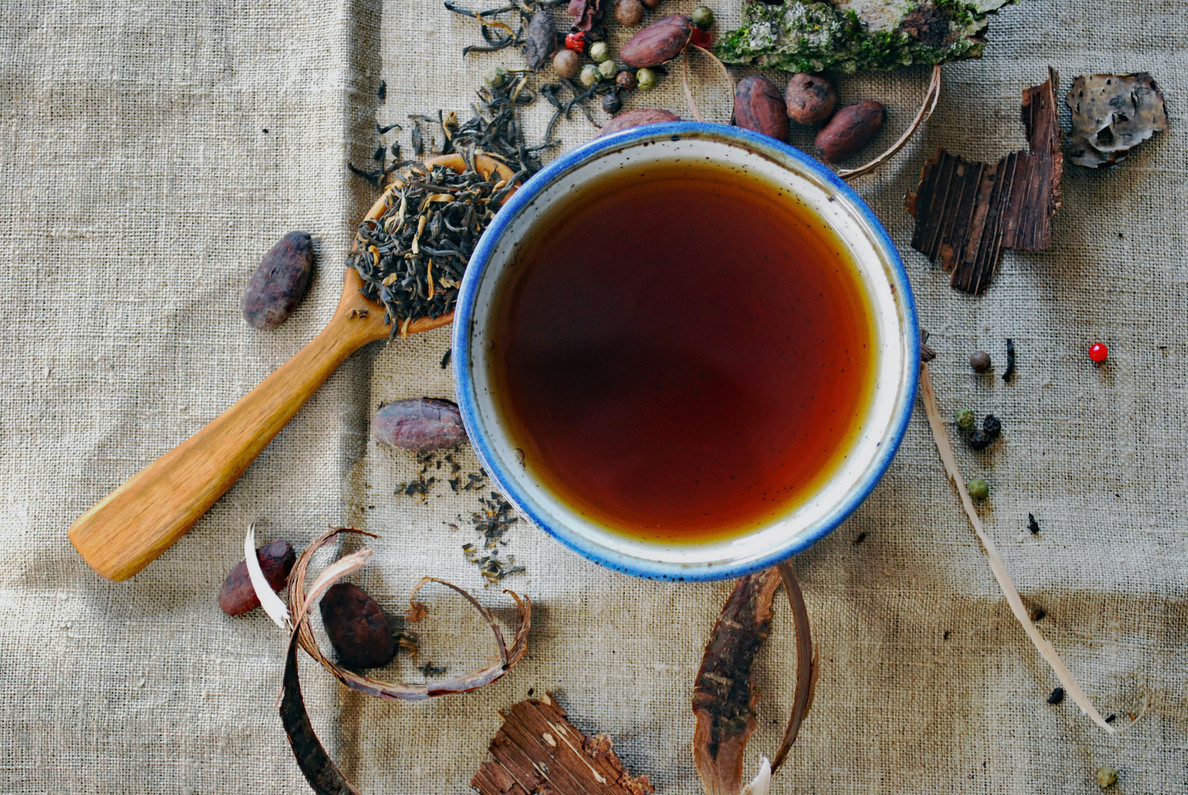
Something to Sip On: Cannabinoid-Infused Teas vs. Kratom-Infused Teas
The simple act of brewing a cup of tea is a ritual that connects us to thousands of years of human history, a quiet moment of alchemy where hot water transforms dried leaves into a comforting, aromatic elixir. It is a tradition steeped in culture, a beverage that can warm a cold morning, punctuate a social gathering, or provide a serene pause in a hectic day. In our modern era, the quest for beverages that do more than just hydrate or caffeinate has led to a fascinating evolution of this ancient practice. The shelves of our local shops and the pages of online catalogs are now brimming with functional beverages, and the world of tea has not been left behind. This innovation has brought botanicals once relegated to niche circles directly into the mainstream, creating an entirely new category of infused teas that promise unique experiences, leading many people to explore novel ways to unwind, uplift, or simply find their center in a new and flavorful way.
The Timeless Elixir: A Deep Dive into Tea
Before we can properly explore the modern infusions that are making waves, we must first pay respect to the beverage that serves as their vessel. What is "tea"? The answer is simultaneously simple and profoundly complex. At its most basic, true tea is any beverage made from the steeped leaves of a single plant: Camellia sinensis. This evergreen shrub, native to East Asia, is the mother of thousands of different tea varieties. The staggering diversity of flavors, aromas, and colors—from the palest white to the darkest black—is not a result of different plants, but of human intervention. It is the artful manipulation of the leaves after they are plucked, specifically the level of oxidation they are allowed to undergo, that creates the primary categories of tea we know and love.
The history of tea is part of this story, a narrative that begins with legend. According to Chinese myth, the discovery of tea occurred around 2737 B.C. when the emperor Shen Nung, a scholar and herbalist, was boiling water in his garden. A few leaves from a nearby Camellia sinensis tree drifted into the pot, and the emperor, intrigued by the color and aroma, tasted the resulting infusion. He was supposedly delighted by its properties, and tea as a beverage was born. While this is a charming origin story, archaeological evidence confirms that tea cultivation and consumption were well-established practices in China's Han Dynasty (206 B.C. – 220 A.D.).
Initially, tea was consumed very differently. Leaves were pressed into bricks, broken off, and boiled with water, salt, and other ingredients, creating a thick, savory soup rather than the delicate beverage we think of today. It was during the Tang Dynasty (618–907 A.D.) that tea culture flourished, becoming an art form and a central part of social and monastic life. The famous "Tea Sage," Lu Yu, wrote the Cha Jing (The Classic of Tea), the first-ever monograph dedicated to the cultivation, preparation, and appreciation of tea. This period also saw the rise of powdered tea, which would later be adopted and perfected in Japan.
Tea’s journey across the world was slow and methodical. Buddhist monks studying in China brought tea seeds back to Japan, where it became intertwined with Zen philosophy, eventually evolving into the intricate and highly spiritual Japanese tea ceremony, or Chanoyu. The Silk Road and other trade routes carried tea bricks westward, but it wasn't until the 16th century that Portuguese priests and merchants living in the East brought back the first reports (and samples) of this curious beverage to Europe. The Dutch East India Company soon established a commercial monopoly, making tea a fashionable, albeit astronomically expensive, luxury for the European aristocracy.
By the 17th and 18th centuries, tea had conquered Britain. Its popularity was fueled by figures like Catherine of Braganza (the Portuguese wife of King Charles II) and solidified by the British East India Company, which imported it on a massive scale. It became a symbol of British identity, leading to the establishment of "afternoon tea" and fueling a global empire. It also, famously, played a pivotal role in American history; the escalating taxes on tea, seen as an act of tyranny by the colonists, culminated in the 1773 Boston Tea Party, a symbolic act of defiance that helped ignite the American Revolution.
The plant itself, Camellia sinensis, has two primary varietals. Camellia sinensis var. sinensis is a smaller-leafed shrub native to China, which thrives in cooler, higher-altitude regions and is known for producing more delicate and complex flavors. Camellia sinensis var. assamica is a larger-leafed tree discovered in the Assam region of India, which prefers warmer, tropical climates and yields robust, malty, and brisk infusions. Nearly all teas are derived from one of these two varietals, or a hybrid of them.
The magic, as mentioned, is in the processing, via these main types of true tea:
- White Tea: This is the most minimally processed of all teas. It is typically made from the youngest, unopened buds of the tea plant, which are often covered in fine, silvery-white hairs that give the tea its name. The leaves are simply plucked and withered (allowed to air-dry) over a period of several days. There is no rolling or shaping, and oxidation is minimal and occurs naturally during the slow withering. The resulting brew is pale yellow and has an exceptionally delicate, subtle, and often sweet flavor profile, with notes of apricot, peach, and flowers.
- Green Tea: The defining characteristic of green tea is that oxidation is halted entirely, or as close to it as possible. This is done by applying heat to the freshly plucked leaves, which denatures the polyphenol oxidase enzymes responsible for browning. The method of heating creates a crucial split in the world of green tea. In China, leaves are typically "pan-fired" in large woks, a process that imparts a gentle, toasty, or nutty character, as seen in the famous Dragon Well (Longjing) tea. In Japan, the leaves are "steamed," a method that preserves a more vibrant green color and imparts a distinctive grassy, vegetal, and sometimes savory umami or oceanic quality, characteristic of teas like Sencha or Gyokuro.
- Oolong Tea: Oolong teas represent the "in-between" category, a vast and complex spectrum of semi-oxidized teas. After plucking, the leaves are withered and then shaken or "bruised," which breaks down the cell walls and encourages partial oxidation. The tea master must be exceptionally skilled, stopping the oxidation at the precise desired moment, which can range anywhere from 10% to 80%. Lighter oolongs (like Tie Guan Yin or "Iron Goddess of Mercy") are closer to green teas, offering heady floral and buttery notes. Darker oolongs (like Da Hong Pao or "Big Red Robe") are closer to black teas, with roasted, stone-fruit, and honeyed flavors.
- Black Tea: To create black tea, the leaves are intentionally and fully oxidized. After withering, the leaves are "rolled" or "crushed," a process that ruptures the cell walls and fully exposes the enzymes to oxygen. The leaves are then left to oxidize in a cool, humid environment, turning them from green to a dark copper-brown. This process fundamentally changes the chemical composition, converting the catechins into more complex compounds called theaflavins and thearubigins, which give black tea its characteristic dark color, briskness, and robust, malty, or fruity flavors. Famous examples include Assam (malty), Darjeeling (muscatel grape), and Keemun (wine-like and fruity).
- Pu-erh Tea: This is a category all its own, a post-fermented tea from the Yunnan province of China. Pu-erh undergoes a secondary microbial fermentation and aging process after the leaves have been dried. There are two types: Sheng ("raw") Pu-erh, which is aged naturally over many years, gradually developing complexity and mellowing, and Shou ("ripened") Pu-erh, which is created through an accelerated fermentation process where the tea is piled, dampened, and then covered, in turn, developing a dark, rich, and incredibly earthy flavor profile in a matter of months.
Finally, we must address the "teas" that are not true teas. These are tisanes, or herbal infusions. A tisane is any beverage made from steeping herbs, spices, flowers, fruits, or roots in hot water. Chamomile, peppermint, ginger, rooibos (South African "red bush"), and hibiscus are all popular tisanes. This distinction is critical because, technically, both cannabinoid-infused teas and Kratom-infused teas fall into this category. They are herbal infusions, or they are blends that use a true tea (like green or black) as a base for their botanical ingredients. It is this familiar, comforting, and culturally ingrained ritual of sipping a tisane or a true tea that makes it such an appealing delivery system for these new botanicals.
Why the Market Has Introduced Cannabinoid and Kratom-Infused Teas
The surge in popularity of both cannabinoid-infused teas and Kratom-infused teas is not a random occurrence or a fleeting fad. It is a direct and calculated response to a "perfect storm" of converging cultural, legal, and commercial trends that have fundamentally reshaped what modern consumers look for in a beverage. The last decade has witnessed the meteoric rise of the "functional beverage" industry, a market built entirely on the premise that a drink should do more than simply hydrate or caffeinate. We have moved far beyond the era of sugary sodas and basic fruit juices. Today's consumers, armed with unprecedented access to information, are exploring products that are part of a larger lifestyle—beverages that are perceived to help them wind down, gear up, find their focus, or simply achieve a moment of enhanced well-being.
This "wellness boom" has fostered a culture of profound curiosity and a willingness to experiment. People are actively researching botanicals, adaptogens, and natural compounds as supplements to their daily routines. This curiosity, however, would have remained a niche interest if not for the single most significant catalyst for the cannabinoid market: the 2018 Farm Bill. This landmark piece of federal legislation was the "Big Bang" for the entire hemp industry. By federally legalizing Cannabis sativa L. (hemp) containing less than 0.3% Delta 9 THC by dry weight, the bill instantly created a massive, legal, and fertile playing field for entrepreneurs. It opened the floodgates for the extraction and sale of a whole host of hemp-derived compounds that were previously inaccessible, including CBD, CBG, and CBN.
Crucially, the bill’s "0.3% by dry weight" definition created a legal loophole that the beverage industry seized upon. A can of tea or seltzer is mostly water, giving it a significant amount of weight. This means a 12-ounce (355g) can/bottle could legally contain up to 1,065mg of Delta 9 THC and still be under the 0.3% limit. While no brand does this, it illustrates the point: a beverage can easily carry a psychoactively effective 5mg, 10mg, or even 25mg serving of Delta 9 THC and remain a perfectly legal "hemp product." This legal nuance is almost single-handedly responsible for the explosion of psychoactive hemp-derived teas and seltzers. For Kratom, the legal landscape is different but has a similar effect. At the federal level, Kratom is not a scheduled substance. This "unregulated" status (though it is monitored by the DEA as a "drug of concern") places it in a grey area that permits its sale in most states, allowing a parallel industry for botanical infusions to flourish.
This new legal and cultural landscape allowed brands to innovate, and they quickly recognized a key psychological insight. While tinctures, capsules, and vapes were effective delivery systems, they often felt sterile, medicinal, or inconvenient. They lacked the ritualistic, comforting appeal of a familiar product. Tea, with its millennia-old association with relaxation, warmth, mindfulness, and health, was the perfect vessel. It provided an existing, beloved framework to introduce these new botanicals. The act of sipping a warm cup of CBD-infused chamomile tea before bed feels infinitely more holistic, natural, and integrated into a nightly routine than dropping a bitter oil under the tongue or taking a pill. It transforms the consumption of these botanicals from a sterile, supplemental act into a rich, enjoyable, multi-sensory experience.
This "experience-focused" desire is at the heart of the movement. Consumers are no longer just buying a product; they are buying a curated mood. They don't just want to feel something; they want to enjoy the process of getting there. The market has responded by creating products that are explicitly labeled for these desired states: "Unwind", "Bliss", "Focus", "Social", "Sleep". A cup of tea is a multi-sensory journey—the warmth in the hands, the aromatic steam, the complex flavor profile, and finally, the gentle onset of the botanical's properties. Blending modern compounds into this ancient ritual creates a product that feels simultaneously novel and timeless, a perfect fit for the contemporary consumer.
This innovation led to the bifurcated retail landscape we see today, a landscape driven largely by regulation, product type, and consumer comfort:
- Online Marketplaces: The digital "Wild West" became the primary frontier for both cannabinoid and Kratom teas. Direct-to-consumer (DTC) websites allow brands to build a national customer base, educate consumers directly without the filter of a retail employee, and offer a much wider, more specific variety of products than a physical store could ever stock. Consumers can browse different blends, cannabinoid spectrums (isolate vs. full-spectrum), specific Kratom strains (White Maeng Da vs. Red Bali), and read extensive customer reviews—all from the privacy and comfort of their homes. This discreet, convenient access, combined with subscription models, is a massive driver of online sales for enthusiasts.
- Brick & Mortar Stores: The physical retail space is more complex and tells a story of normalization.
- Direct & Specialty Stores: This is where the highest concentration and expertise can be found. This category includes state-licensed cannabis dispensaries (which are the only places to legally sell marijuana-derived, high-Delta 9 THC teas). It also includes the thousands of specialty hemp/CBD stores that popped up post-2018, as well as the "smoke shops" or "vape shops." These shops were among the first to adopt hemp-derived products (like Delta 8) and Kratom, as their adult-oriented clientele was already receptive to and curious about alternative botanicals.
- Indirect & Mainstream Stores: This is the clearest sign of normalization and the "functional" trend. You can now find CBD-infused teas lining the shelves of health food chains like Whole Foods, wellness boutiques, and even some mainstream grocery chains, right next to the kombucha and vitamin-infused waters. Kratom teas, particularly the pre-made bottled "shots" or drinks, have become a staple in convenience stores, gas stations, and kava bars. This "indirect" availability places these products alongside energy drinks and other functional shots, marketing them as quick, on-the-go solutions for energy or relaxation, further cementing their place in the modern beverage market.
A Cup or Bottle of Indulgence: Cannabinoid-Infused vs. Kratom-Infused Teas
Understanding the components of cannabinoid-infused and Kratom-infused teas is crucial for consumer safety and informed decision-making. Deconstructing these specialized beverages allows individuals to properly assess the potential effects and interactions of the active ingredients. This detailed knowledge is key to managing personal wellness and avoiding unforeseen contraindications. Furthermore, knowing the exact composition helps distinguish between various product claims and ensures proper dosage. Ultimately, a thorough breakdown empowers users to responsibly integrate these unique teas into their lifestyle. So, let’s get into it, shall we.
Breaking Down the Brew: Cannabinoid-Infused Teas
Cannabinoid-infused teas are beverages, either pre-made or self-prepared, that have been infused with one or more of the many active compounds derived from the Cannabis sativa L. plant. Again, thanks to the 2018 Farm Bill, the vast majority of these teas are made from federally legal hemp. To truly understand these teas, one must first appreciate the fundamental scientific hurdle that producers had to overcome: cannabinoids are lipids (oils), and oil and water do not mix.
This is a profound challenge. If you were to simply drop a standard CBD oil tincture into a cup of hot water, it would immediately pool on the surface, creating an oily film. The first sip would be an unpleasant mouthful of oil, while the rest of the tea would have virtually no cannabinoids. More importantly, the human body, which is mostly water, would struggle to absorb this non-dispersed oil. This is called low bioavailability.
To solve this, the industry developed several sophisticated infusion technologies that are now the standard for pre-made beverages:
- Nano-emulsification: This is the most high-tech and popular method. It uses high-frequency ultrasound waves (sonication) to shatter the cannabinoid-rich oil into microscopic droplets, some as small as 25 nanometers. These "nano" droplets are so tiny that they can be effectively suspended in water, creating a stable, homogenous mixture. This process dramatically increases the surface area of the cannabinoid oil, which in turn is believed to significantly increase its bioavailability (how much your body can absorb) and speed up its onset time, as the tiny particles can be absorbed more readily.
- Water-Soluble Powders: Another common method involves taking the cannabinoid extract and binding it to a water-soluble "carrier" powder. This can be a plant-based fiber (like acacia gum), a starch (like maltodextrin), or a sugar. The resulting powder can be stirred directly into water, or, more commonly, it is pre-mixed with the dry tea leaves in a tea bag. When you add hot water, the carrier dissolves, releasing the cannabinoids into the beverage.
- Lipid-Based Infusion: This is a more "whole-food" approach. Since cannabinoids bind readily to fats, some companies infuse the extract into a powdered fat source, such as coconut milk powder or avocado powder. This powder is then blended with the tea. When the consumer adds hot water, they are essentially creating a creamy, "latte-like" beverage, where the cannabinoids are happily bonded to the fats, which in turn emulsify into the tea.
When exploring this world, consumers will encounter two main formats:
- Pre-Made Teas (Tea Bags, Powders, or Bottled Drinks): These are the most common "entry point." The cannabinoid extract is already infused directly into the tea leaves, powders, or liquid by the manufacturer, using one of the methods described above.
- Pros: The primary advantages are convenience, consistency, and flavor. The dosing is done for you, with each tea bag or bottle containing a specific, clearly labeled amount (e.g., "25mg CBD"). The formulation is professionally handled for optimal bioavailability. Furthermore, these teas are often expertly blended by seasoned herbalists, creating synergistic blends: CBD with chamomile and lavender for a "nighttime" blend, or CBG with green tea and ginger for an "uplifting" blend. The tea itself often masks any residual "hempy" taste.
- Cons: This convenience comes at a price; pre-made teas are significantly more expensive per serving than a DIY approach. The consumer is also limited to the blends, tea types, and cannabinoid profiles offered by the brand. The quality of the "base" tea itself can sometimes be secondary, with brands using lower-grade tea "fannings" (small particles) in their bags.
- The DIY Method (Adding Tinctures or Isolates): This method involves the consumer brewing their own cup of tea—any tea they like, from a basic bag to a high-grade loose-leaf—and then adding a cannabinoid product to it.
- Pros: The benefits are all about control, quality, and cost-effectiveness. The user can select their absolute favorite high-quality loose-leaf Sencha or Earl Grey, brew it to perfection, and then decide on the infusion. They have complete and total control over the dose, able to add 5mg, 10mg, or 50mg of their preferred cannabinoid. This method is also highly economical, as buying a 1000mg bottle of tincture is often much cheaper per milligram than buying a 10-pack of 25mg tea bags.
- Cons: The main drawback is the return of the oil-and-water problem. If you add a standard oil-based tincture to hot tea, it will pool on the surface. To mitigate this, it is essential to add an emulsifier—a substance that helps oil and water mix. Common and effective emulsifiers already found in a kitchen include honey, agave nectar, or a splash of fat-rich milk (whole dairy milk, heavy cream, or a fatty non-dairy milk like coconut, oat, or soy). The trick is to stir the tincture into the honey or milk before adding the mixture to the tea, which helps it disperse much more evenly. Dosing can also be less precise than with pre-made products.
To navigate the options, you must understand the "cast" of compounds:
- CBD (Cannabidiol): The non-intoxicating star of the wellness industry. CBD does not produce a "high" or any euphoric, mind-altering effects. It is sought after by individuals looking to promote a sense of calm, support a feeling of well-being, and find balance in their day. It's the "baseline" cannabinoid, often used to "take the edge off." It is found in Isolate (99%+ pure CBD), Broad-Spectrum (CBD + other minor cannabinoids, 0.0% THC), or Full-Spectrum (CBD + all other cannabinoids, including <0.3% D9THC).
- CBN (Cannabinol): CBN has gained a powerful anecdotal reputation as the "nighttime" cannabinoid. It is a minor cannabinoid that is not produced directly by the plant in large amounts but is formed as Delta 9 THC degrades over time due to exposure to oxygen and heat. It is non-intoxicating in typical doses. Because of its strong association with rest and relaxation, CBN is almost exclusively found in "Sleepytime" tea blends, often paired with CBD and other relaxing herbs like valerian root, passionflower, or chamomile to create a potent winding-down beverage.
- CBG (Cannabigerol): Often called the "mother of all cannabinoids" or "the stem cell." CBG is the precursor compound from which other major cannabinoids like CBD and THC are synthesized in the young cannabis plant. It is non-intoxicating and is gaining significant interest for its unique properties. Anecdotally, users often report CBG as having a more "focused," "energizing," or "uplifting" feel than CBD, without any intoxication. Because of this, you are more likely to find CBG-infused teas blended with green tea, yerba mate, or citrus, marketed as a way to find "calm focus" or start the day on a positive, clear-headed note.
- Delta 9 THC (Delta-9-Tetrahydrocannabinol): This is the compound famous for the primary psychoactive and euphoric effects associated with the cannabis plant. Thanks to the 2018 Farm Bill's "dry weight" loophole, hemp-derived Delta 9 teas are fully legal and widely available. These products are sought after by consumers specifically seeking that classic "high" for recreational purposes, such as enhancing a social gathering, enjoying music or movies, or simply experiencing a profound state of euphoric bliss and relaxation.
- Delta 8 THC (Delta-8-Tetrahydrocannabinol): Delta 8 is an "isomer" of Delta 9, meaning it has the same chemical formula but a slightly different molecular structure (a double bond on the 8th carbon chain instead of the 9th). This small change makes a big difference. It is also psychoactive but is reported by the vast majority of users to be significantly milder than Delta 9. The experience is often described as more "clear-headed," "body-focused," and "chilled-out." It offers a state of gentle euphoria and blissful relaxation, often without the same level of mental "fog" or intensity that can accompany Delta 9.
Breaking Down the Brew: Kratom-Infused Teas
Shifting our focus, we find Kratom-infused teas, as Kratom itself is derived from an entirely different plant: Mitragyna speciosa. This is not a cannabis plant; it’s a tall, tropical evergreen tree native to the rainforests of Southeast Asia (specifically Thailand, Indonesia, Malaysia, and Papua New Guinea) and is, fascinatingly, a member of the coffee (Rubiaceae) family. For centuries, laborers and indigenous peoples in this region have chewed the fresh leaves or brewed them into a potent tea as part of their daily cultural practice.
The primary active compounds in Kratom leaves are alkaloids, most notably Mitragynine and 7-hydroxymitragynine. It is these compounds, particularly Mitragynine, that are responsible for the plant's unique properties. The most crucial concept to understand about Kratom—and what makes it fundamentally different from cannabinoids—is that its reported effects are intensely dose-dependent. This is the central paradox of Kratom because…
- At Lower Doses (e.g., 1-4 grams of powder): Kratom is widely reported to be stimulating. Users often describe feeling a clean wave of energy, alertness, sociability, and an uplifted mood, similar in character (though not identical) to a strong cup of coffee or a high-caffeine tea but often described as "smoother" or more "glowing."
- At Higher Doses (e.g., 5-8+ grams of powder): The effects are reported to pivot dramatically. The stimulation recedes and is replaced by deeply relaxing, sedating, and tranquil properties, providing a powerful sense of comfort, peace, and a euphoric "glow."
This dose-dependency is paired with another unique factor: the "vein" color. The "veins" (referring to the color of the vein and stem of the leaf) are traditionally believed to indicate the leaf's maturity. These leaves are then processed using different, often proprietary, drying techniques, which may alter the final alkaloid profile. While often marketed as "strains" (like Red Bali or White Maeng Da), the primary categories are:
- Red Vein: These leaves are often harvested when most mature and are reportedly put through a more extensive drying or fermentation process, sometimes in direct sunlight or in special bags, which can give the resulting powder a reddish tint. Red vein Kratom is by far the most popular and is universally associated with relaxing, calming, and soothing properties. It is the go-to choice for individuals looking to unwind in the evening, find comfort, and achieve a state of profound peace and tranquility.
- Green Vein: This is the "middle path" of Kratom. These leaves are typically dried indoors, often in air-conditioned rooms, and then sometimes moved outside for a short period to finish. This process is believed to preserve a high and balanced Mitragynine content. Green veins are reported to offer a balanced experience: a smooth, clean energy boost combined with a clear-headed, positive mental outlook. It's often described as being less "edgy" than white vein and far less sedating than red vein, making it a popular "social" or "afternoon" blend.
- White Vein: These leaves are often harvested earlier in their life cycle and are dried entirely indoors, often with little to no light exposure. This process is believed to preserve a different alkaloid balance that favors stimulating properties. White vein Kratom is associated with the most energetic and euphoric effects. It's often used as a coffee replacement, with users reporting a "get-up-and-go" feeling, heightened focus, and a bright, cheerful mood, making it a "morning" favorite.
Like cannabinoids, Kratom tea can be found in pre-made or DIY formats, but the challenges are very different:
- Pre-Made Teas (Bottled Shots, Cans, or Tea Bags): The Kratom "shot" is a very common product, often found in convenience stores. These are small (2-4 oz) concentrated liquid beverages, typically heavily flavored and sweetened. You can also find canned Kratom seltzers or teas, as well as tea bags containing crushed Kratom leaf.
- Pros: The overwhelming advantage is masking the taste. Unadulterated Kratom is notoriously bitter and earthy, often described as tasting like lawn clippings or mud. Pre-made drinks use potent sweeteners (sugar, high-fructose corn syrup, stevia) and strong flavors (like berry, citrus, or passionfruit) to make it palatable. They are also convenient and clearly dosed, often stating the exact milligram content of Mitragynine.
- Cons: These drinks can be very expensive for the serving size. They also often contain extremely high amounts of sugar or artificial sweeteners. Many shots use potent extracts, which can be very powerful and may not provide the "full-spectrum" feel of the whole leaf, making it easier for a new user to take too high a dose.
- The DIY Method (Powder, Crushed Leaf, or Extracts): This is the most common, cost-effective, and traditional way enthusiasts consume Kratom.
- Pros: This method is vastly cheaper. The user has complete and total control over the dose (down to the gram or half-gram) and can select from hundreds of different strains and vein colors from specialty online vendors. They can fully customize their experience.
- Cons: The taste. This cannot be overstated. The bitterness of Kratom is a significant barrier for many. The various DIY methods all have their own challenges:
- "Sludge" Tea (Mixing Powder): The simplest method. The user just stirs their dose of Kratom powder into hot (not boiling) water. The plant matter does not dissolve, creating a thick, gritty "sludge" that must be choked down. It's fast, but texturally unpleasant for most.
- Traditional Brew (Crushed Leaf): This is the "cleanest" method. The user simmers the crushed leaves (not powder) in water for 15-30 minutes, often with a squeeze of lemon juice (the acid is thought to help extract the alkaloids). They then strain the liquid through a cheesecloth or coffee filter, resulting in a "clean" tea without the plant matter. It's time-consuming, but the taste is "cleaner" (though still bitter).
- Managing the Taste: This is the key DIY skill. To combat the bitterness, users will almost always add potent mixers. The most effective are citrus (lemon juice, orange juice, or grapefruit juice, as the acid cuts the bitterness) and strong sweeteners (honey, agave, or maple syrup). Strong-flavored teas like ginger, peppermint, or chai are also used as a base.
Navigating Your Sip: What to Know Before, During, and After
Choosing between a cannabinoid-infused tea and a Kratom-infused tea is a journey into modern botanical infusions. Now that we have a deep understanding of what they are, how they are made, and the variety they offer, it's essential to consider the practical aspects of the experience. The preparation of a beverage is, in itself, a kind of ritual that sets the stage for the effects to come. Being an informed consumer is not just about knowing what's in the cup, but about understanding how to approach the experience responsibly, what to expect during, and how to reflect on it after. The context in which you choose to enjoy these teas—your setting, your frame of mind, and your knowledge of the substance—is just as important as the botanical itself.
|
Feature |
Cannabinoid-Infused Teas |
Kratom-Infused Teas |
|---|---|---|
|
Primary Source |
Cannabis sativa L. (Hemp) plant. |
Mitragyna speciosa tree (a member of the Coffee family). |
|
Key Active Compounds |
Cannabinoids (e.g., CBD, CBG, CBN, Delta 8 THC, Delta 9 THC). |
Alkaloids (Primarily Mitragynine and 7-hydroxymitragynine). |
|
Reported Character |
Compound-Dependent: CBD/CBG/CBN: Non-intoxicating; associated with calm, balance, and focus. D8/D9 THC: Psychoactive; associated with euphoria, altered perception, and deep relaxation. |
Dose-Dependent: • Low Dose: Generally reported as stimulating, energizing, and uplifting. • High Dose: Generally reported as relaxing, sedating, and tranquility-inducing. Also varies by vein color (Red = Relaxing, White = Stimulating, Green = Balanced). |
|
Flavor Profile |
Generally mild. Can have a "grassy," "hempy," or "earthy" undertone, but this is very easily masked by the tea itself (e.g., peppermint, black tea) and sweeteners like honey or lemon. |
Notoriously potent and bitter. The flavor is intensely earthy, vegetal, and astringent, often compared to matcha powder or dirt. It is a major barrier for new users. |
|
Bioavailability & Prep |
Challenging. Cannabinoids are fat-soluble (hydrophobic): • Pre-Made: Uses Nano-emulsification for good water solubility. • DIY: Adding a tincture/oil requires an emulsifier (e.g., milk, honey, coconut oil) to prevent it from floating on the surface. |
Excellent. Alkaloids are readily water-soluble: • Pre-Made: Simple to formulate, though heavily sweetened. • DIY: Brewing crushed leaf is a very effective extraction. Mixing powder results in a gritty suspension (sludge). |
|
Onset Time (as a Hot Tea) |
Generally slower. Must be processed by the digestive system, similar to an "edible". Typical onset is 30 to 90 minutes, but can take up to 2 hours, especially if consumed with a heavy meal. |
Can be quite fast, especially on an empty stomach. The alkaloids are absorbed relatively quickly. Typical onset is 20 to 40 minutes. |
|
Duration of Effects |
Tends to be long-lasting. When ingested, the effects of psychoactive cannabinoids (D8/D9) can last for 4 to 8 hours. This is a significant commitment. |
Generally shorter than ingested cannabinoids. The primary effects are often reported to last between 2 and 5 hours, with the experience peaking earlier and fading more gently. |
|
Primary Challenge for Producers |
Solubility & Stability. Getting the oil-based cannabinoids to dissolve evenly and stay stable in a water-based product without tasting "hempy" is a significant scientific challenge. |
Flavor Masking. The intense, persistent bitterness of Kratom is the #1 hurdle. This requires strong flavor agents and/sugars, which can compromise the "healthy" image of tea. |
|
Primary Challenge for Consumers |
Dosing & Patience: This is due to: • (Psychoactive): For D8/D9 teas, the slow onset tempts users to "re-dose" too early, leading to an overly intense experience. • Cost (Pre-Made). Nano-emulsified, pre-made teas are expensive per serving. |
Taste & Dosing (Paradox). The taste is a major deterrent. Finding the correct dose "sweet spot" is difficult; taking too much can flip the effects from pleasant to uncomfortable (nausea, "wobbles"). |
|
Common Pairings |
Synergistic Herbs: • CBD/CBN: Chamomile, Lavender, Valerian. • CBG: Green Tea, Yerba Mate, Ginger. • D8/D9: Fruity/Hibiscus (flavor-forward). |
Strong Masking Agents: • Citrus: Lemon, Orange, or Grapefruit juice are essential for cutting bitterness. • Sweeteners: Honey, Agave, Maple Syrup. • Spices: Strong Ginger or Chai blends. |
|
Social Context of Use |
"Sip & Chill": • CBD/CBG teas are used like any wellness beverage (morning, work, night). • D8/D9 teas are often used as a social alternative for gatherings, or for solo "chill" activities like watching movies or listening to music. |
Highly Variable: • Low-Dose White/Green: Used as a coffee replacement for work, focus, or as a pre-workout or "social" beverage. • High-Dose Red: Almost exclusively used at home, in the evening, for deep relaxation and unwinding. |
|
Legal Complexity (USA) |
This is broken down into three categories: • Hemp-Derived: Federally legal if the product contains <0.3% D9 THC by dry weight. • State-Specific: Some states have independently banned or restricted psychoactive isomers like Delta 8 THC. • Marijuana-Derived: Only legal in states with adult-use cannabis programs. |
This is broken down into two categories: • Federally: Not a controlled substance, but it is not regulated by the FDA and is monitored by the DEA. • State/Local: Banned in several states (e.g., Alabama, Arkansas, Indiana) and numerous cities/counties. Its legal status is a shifting patchwork and must be checked locally. |
|
Guiding Philosophy |
"Start Low, Go Slow" (This is essential for psychoactive D8/D9). An "edible" high is a commitment. You can always add more, but you can never take less. |
"Less is More" This is the central mantra of the Kratom community. Finding the "sweet spot" dose is key. Taking too much doesn't enhance the experience; it can flip it or cause discomfort. |
The Steeped Frontier for Choosing Your Cup of Tea is Yours to Take
The cupboards of the modern world are filled with choices that extend far beyond the traditional breakfast blend. We stand at a fascinating intersection of ancient ritual and botanical science, where the simple act of brewing a cup of tea has become a deeply personal choice. The emergence of cannabinoid and Kratom-infused teas is not a fleeting trend, but a reflection of a deeper desire for personalized experiences and functional harmony in our lives. These are not just drinks; they are invitations to explore, to unwind, or to energize, all wrapped in the familiar comfort of a warm mug. The decision between them is not about which is "better," but about which is more aligned with the specific experience an individual is seeking. As this steeped frontier continues to expand, the most valuable ingredient will always be knowledge, paired with a healthy respect for the botanicals themselves and the rich, complex histories they bring to our cups. If you're looking for premium Kratom and cannabinoid-infused teas, the Calm Leaf provides a curated selection to enhance your tea experience.
Recent Posts
-
A New But Simplistic Kratom Decision: Kratom Tablets vs. Kratom Capsules
Modern botanical enthusiasts are increasingly trading the cluttered mess of loose powders for a more …Mar 20, 2026 -
Give Your Drinks & Beverages a Nice Boost with THC Drink/Beverage Enhancers
For many people, there’s a specific kind of anticipation that builds when realizing their favorite m …Mar 17, 2026 -
A Newly Simplistic Shrooms Decision: Mushroom Tablets vs. Mushroom Capsules
The realm of botanical exploration has undergone a massive transformation recently, shifting from th …Mar 12, 2026