
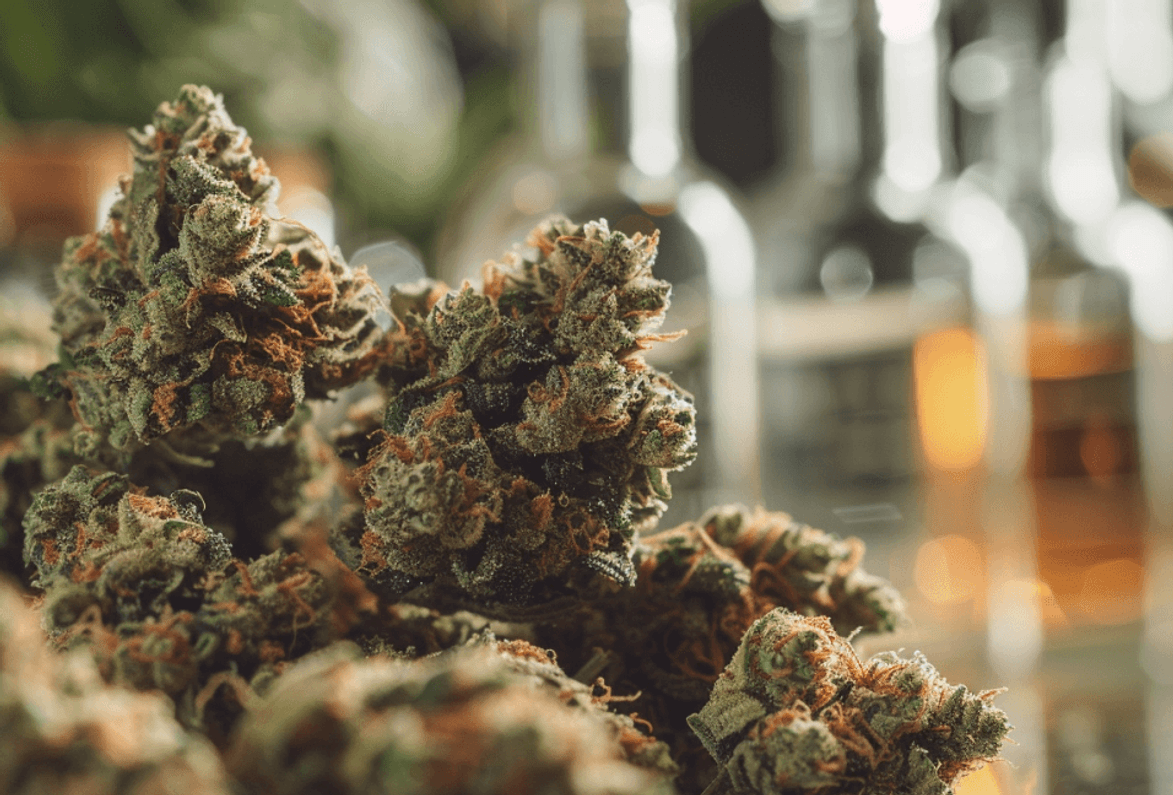
What Can Impact the Potency of a Cannabis Strain?
The quest for understanding cannabis often begins with a simple question about strength, yet the answer unfurls into a breathtakingly complex tapestry of science, agriculture, and personal experience. It's a journey that moves far beyond a single number on a label, venturing into the very essence of what makes each cultivar a unique botanical masterpiece. To ask what makes a strain potent is akin to asking what makes a symphony moving; it is not merely the loudness of the instruments, but the intricate harmony of every note, the timing of the conductor, and the acoustics of the hall itself. The experience derived from cannabis is a deeply personal concert, composed by nature and conducted by chemistry. Exploring this world reveals that potency is not a monolithic peak to be conquered, but a dynamic landscape with countless peaks, valleys, and vistas, each shaped by an astonishing array of interacting forces. This intricate dance between genetics, cultivation, and consumption ultimately defines the profound and varied effects of this remarkable plant.
What Exactly is Cannabis?
At its core, cannabis is a genus of flowering plants in the Cannabaceae family, which also includes hops. For botanical and legal purposes, the species is often referred to as Cannabis sativa L. Within this single species, however, lies an incredible diversity, leading to the colloquial and horticultural classifications we know today, such as Indica, Sativa, and Hybrid. The true magic of the plant, and the source of its varied effects, resides within its complex chemical composition.
The plant produces hundreds of unique chemical compounds. These can be broadly categorized into three main groups that are critical to our understanding of potency:
- Cannabinoids: These are the most famous compounds produced by cannabis, and for good reason. They are the primary drivers of the plant's interactive effects with the human body. The plant produces these compounds in their acidic form, such as Tetrahydrocannabinolic acid (THCA) and Cannabidiolic acid (CBDA). It is only through a process called decarboxylation, typically initiated by heat (like smoking, vaping, or baking), that these acidic precursors are converted into their active forms, such as the well-known Delta 9 THC and CBD. The specific profile and ratio of these cannabinoids in a strain is the foundational element of its potential potency. The epicenter of cannabinoid production is in the plant's trichomes—the tiny, crystalline, mushroom-shaped glands that cover the surface of the flowers and, to a lesser extent, the leaves. These trichomes are veritable chemical factories, working tirelessly to create the resin that carries the plant's signature compounds.
- Terpenes: If cannabinoids are the lead singers of the band, terpenes are the rest of the orchestra. These are the aromatic oils that give cannabis strains their distinctive smells and flavors, from the sharp citrus of a Super Lemon Haze to the earthy pine of an OG Kush or the sweet berry notes of a Granddaddy Purple. However, their role extends far beyond simple aroma. Emerging research suggests that terpenes work in synergy with cannabinoids to modulate and shape the overall experience, a phenomenon known as the "entourage effect." A strain's terpene profile can influence whether the experience is more uplifting or more relaxing, adding layers of depth and nuance to the effects of the cannabinoids.
- Flavonoids: This is a lesser-known but still important class of compounds. Found throughout the plant kingdom, flavonoids contribute to the pigmentation of the cannabis plant (giving some strains purple or reddish hues) and also possess their own unique properties that add to the plant's overall chemical signature. While their role in the direct experience of potency is still being studied, they are an integral part of the plant's holistic chemical profile.
A Journey Through Time
The history of cannabis is as rich and complex as its chemistry. Its use dates back thousands of years, with archaeological evidence suggesting its cultivation in East Asia as early as 10,000 BCE, primarily for its durable fiber (hemp) and nutritious seeds.
The first documented use of cannabis for its experiential qualities comes from ancient China. The legendary Emperor Shen Nung, considered the father of Chinese medicine, is said to have included cannabis in his pharmacopeia around 2737 BCE, noting its psychoactive properties. From China, its use spread across Asia. In India, cannabis became deeply ingrained in religious and cultural practices, famously associated with the Hindu deity Shiva. Texts from the Vedas, dating back to around 1500 BCE, refer to cannabis as one of five sacred plants, used in ritual drinks like bhang to achieve states of elevated consciousness and connection.
The Scythians, nomadic warriors of the Eurasian steppes, were known to use cannabis in funerary rites, as documented by the Greek historian Herodotus around 440 BCE. They would burn cannabis seeds and flowers in enclosed tents, inhaling the vapor in a form of ritual purification. Through trade and migration, cannabis gradually made its way into the Middle East, Africa, and eventually Europe.
Its journey to the Americas came with colonial expansion. While hemp was cultivated for rope and textiles, the psychoactive properties of cannabis became more widely known in the 19th and early 20th centuries, particularly through immigration from Mexico and the Caribbean. It was during this period that the tide began to turn. In the United States, a wave of fear-mongering and xenophobia led to the demonization of the plant. This culminated in the Marihuana Tax Act of 1937, which effectively criminalized cannabis nationwide, a policy that would be mirrored in many other parts of the world.
For the better part of a century, the plant was driven underground. Research stalled, and breeding was done in secret, away from the eyes of scientists and regulators. However, in the late 20th and early 21st centuries, a renaissance began. Activists and patients began to demand access, and scientists, like Dr. Raphael Mechoulam who first isolated THC in 1964, began to unlock the secrets of the endocannabinoid system—the network of receptors in the human body that cannabis compounds interact with. This new understanding, coupled with a shift in public perception, has led to the wave of decriminalization and legalization movements we see today, allowing for unprecedented research, cultivation, and exploration into the very nature of cannabis potency.
Demystifying Indica, Sativa, and Hybrid Strains
Anyone who has stepped into a modern cannabis dispensary has encountered the three pillars of strain classification: Indica, Sativa, and Hybrid. This framework has long served as the primary shorthand for predicting a strain's effects. While modern cannabis science suggests that the real story is more complicated, understanding this traditional system is crucial because it informs the language, culture, and breeding goals that have shaped the cannabis on the market today. It's the foundational vocabulary for discussing strain characteristics, even as we evolve to a more chemically nuanced understanding.
Indica: The Embodiment of Relaxation
The term "Indica," from Cannabis indica, was first identified by French biologist Jean-Baptiste Lamarck in 1785. He noted that plants from India were physically distinct from the hemp being cultivated in Europe. These strains adapted to the harsh, mountainous climate of the Hindu Kush region near Afghanistan and Pakistan.
- Physical Characteristics: Indica plants are typically short, bushy, and dense. They have broad, dark green leaves, a morphology suited to surviving in colder, more variable climates. Their flowering cycle is relatively short, making them a favorite for cultivators in regions with shorter summers.
- Traditional Effects: The classic Indica experience is almost universally described as relaxing and sedating. It's often associated with a powerful, full-body sensation, sometimes leading to the famous "couch-lock" where movement feels like a significant effort. Consumers often seek out Indica strains in the evening to unwind, decompress, and sink into a state of deep physical tranquility. Words like "chilled out," "serene," and "heavy" are frequently used to characterize the feeling.
- Common Terpene Profile: While not a universal rule, many classic Indica strains exhibit a dominance of the terpene Myrcene. Myrcene is known for its earthy, musky, and slightly fruity aroma and is believed to contribute significantly to the sedating and relaxing qualities attributed to Indica varieties.
Sativa: The Catalyst for Uplifting Euphoria
In contrast to Indica, Cannabis sativa strains originated in the hot, humid, and sunny climates near the equator, in regions like Central and South America, Southeast Asia, and Africa. They were first classified by Carl Linnaeus in 1753.
- Physical Characteristics: Sativa plants are the visual opposite of Indicas. They grow tall and lanky, sometimes reaching heights of over 12 feet. Their leaves are long, slender, and typically a lighter shade of green. This structure allows for better air circulation in humid environments. They also have a much longer flowering cycle, a trait made possible by the long, consistent daylight hours of their native habitats.
- Traditional Effects: The Sativa experience is stereotypically cerebral, uplifting, and energetic. Instead of a heavy body feeling, users often report a "heady" or "cerebral" journey, marked by feelings of euphoria, creativity, and sociability. It’s the type of strain one might choose for a daytime adventure, a creative project, or a lively social gathering. The associated feelings are often described as "buzzy," "uplifting," "giddy," and "invigorating."
- Common Terpene Profile: Sativa strains frequently feature high concentrations of terpenes like Limonene (with its bright citrus scent) and Pinene (with its sharp pine aroma). These terpenes are often associated with mood elevation and alertness, which aligns perfectly with the classic Sativa profile.
Hybrids: The Best of Both Worlds
In the modern cannabis market, truly pure Indica or Sativa strains are increasingly rare. The vast majority of what is available today are Hybrids. As the name suggests, Hybrids are created by crossbreeding Indica and Sativa plants. This practice began in earnest in the underground cultivation era of the 1970s and 80s, as growers sought to combine the most desirable traits of each lineage.
- The Goal of Hybridization: Breeders create hybrids for a multitude of reasons. They might want to combine the uplifting euphoria of a Sativa with the shorter flowering time of an Indica. They might seek to blend the body relaxation of an Indica with the cerebral clarity of a Sativa to create a more balanced experience. The goal is ultimate customization, creating new strains with unique combinations of effects, flavors, and growing characteristics.
- Types of Hybrids: Hybrids are typically categorized based on their genetic lineage and the effects they tend to produce:
- Sativa-Dominant Hybrids: These strains lean more towards the Sativa end of the spectrum, providing a primarily cerebral experience but often with a touch of body relaxation to temper the energetic buzz.
- Indica-Dominant Hybrids: These strains offer the profound physical relaxation of an Indica but are often bred with a Sativa to introduce a degree of mental uplift, preventing the experience from becoming overly sedating.
- Balanced Hybrids (50/50): These cultivars aim to provide a harmonious blend of head and body effects, offering both euphoria and relaxation in equal measure.
A Modern Caveat - Going Beyond the Triad
While the Indica/Sativa/Hybrid model is an indispensable starting point, it's crucial to acknowledge its limitations. The effects we attribute to these categories are not caused by the plant's physical stature but by its specific chemical profile. It is entirely possible for a strain that looks like a Sativa (tall and lanky) to have a terpene and cannabinoid profile that produces classic Indica-like effects. The true driver of the experience, and therefore the "potency" in its fullest sense, is the unique symphony of cannabinoids and terpenes within a specific strain, a concept often called the "chemovar" (chemical variety). The Indica/Sativa labels are best used as a general guide, but a deeper look at the chemical data is the key to truly predicting an experience.
The Aromatic Architects: A Deep Dive into Cannabis Terpenes
To truly grasp the concept of potency, we must move beyond THC percentages and the Indica/Sativa dichotomy and venture into the fragrant world of terpenes. These volatile organic compounds are the unsung heroes of the cannabis experience. They are responsible for the plant's vast aromatic and flavor palette, but more importantly, they are potent modulators of the effects of cannabinoids. Terpenes are the "directors" that guide the raw power of cannabinoids like THC, shaping the narrative of the experience from a simple feeling of intoxication into a nuanced journey of bliss, creativity, or profound relaxation. This synergistic relationship is the cornerstone of the entourage effect.
Found throughout the plant kingdom, terpenes are not exclusive to cannabis. They are what give pine trees their distinct smell, lavender its calming aroma, and lemons their zesty scent. In nature, they serve critical functions, such as repelling predators and attracting pollinators. In cannabis, they are produced in the same trichomes as cannabinoids, and over 150 different terpenes have been identified in the plant. Let’s explore some of the most prominent and influential architects of the cannabis experience:
- Myrcene: Often the most abundant terpene in modern commercial cannabis, Myrcene is a key player in defining a strain's effects.
- Aroma: Musky, earthy, herbal, with notes of clove and a hint of fruitiness, reminiscent of ripe mangoes.
- Associated Experience: Myrcene is strongly linked to the classic "Indica" effects. It is widely believed to promote calming and relaxing sensations. Strains high in Myrcene are often sought after for their potential to induce a serene, sedating, and deeply chilled-out state. It is the terpene most associated with the "couch-lock" phenomenon, making it a popular choice for evening use.
- Limonene: As the name suggests, Limonene is characterized by its vibrant citrus aroma.
- Aroma: Strong, bright notes of lemon, orange, and grapefruit. It's the scent of freshness and zest.
- Associated Experience: Limonene is the aromatic equivalent of a burst of sunshine. It is strongly associated with mood elevation, euphoria, and an overall sense of well-being. Strains rich in Limonene are often described as uplifting and invigorating, making them a popular choice for daytime activities and social situations where a positive and bubbly mood is desired. It's the terpene behind many of the "giddy" and "happy" feelings attributed to classic Sativas.
- Caryophyllene (Beta-Caryophyllene): Caryophyllene holds a unique status among terpenes because it is the only one known to also act as a cannabinoid.
- Aroma: Spicy, peppery, woody, with a distinct funk reminiscent of black pepper, cloves, and cinnamon.
- Associated Experience: What makes Caryophyllene so special is its ability to bind directly to the CB2 receptors in the body's peripheral endocannabinoid system. This interaction is thought to produce a soothing and comforting sensation throughout the body without any intoxicating effects of its own. It adds a warm, relaxing quality to a strain's profile, contributing to a sense of physical ease.
- Pinene (Alpha-Pinene & Beta-Pinene): Responsible for one of nature's most iconic scents, Pinene is another major player in the cannabis aroma wheel.
- Aroma: The crisp, refreshing, and unmistakable scent of a pine forest.
- Associated Experience: Pinene is often associated with feelings of alertness, focus, and mental clarity. It is thought to counteract some of the haziness that can be associated with high-THC strains, leading to a more clear-headed and attentive experience. This makes Pinene-dominant strains a potential choice for tasks requiring concentration and a spark of creativity.
- Linalool: Best known as the primary aromatic compound in lavender, Linalool brings a delicate floral touch to the cannabis experience.
- Aroma: Sweet, floral, and slightly spicy, with the unmistakable fragrance of lavender and a hint of citrus.
- Associated Experience: Linalool is universally associated with calming and serene effects. Its presence in a strain's profile often imparts a profoundly tranquil and peaceful quality to the experience. It's the terpene one might seek when looking to melt away the day's tensions and drift into a state of mellow contentment.
- Humulene: This terpene is also found in abundance in hops, and it contributes to the signature "hoppy" aroma of many craft beers.
- Aroma: Earthy, woody, and subtly spicy, with notes of hops and fresh soil.
- Associated Experience: Humulene offers a grounding, earthy quality to the cannabis experience. Its effects are often described as subtle and nuanced, contributing to a feeling of overall balance and well-being. It works in concert with other terpenes and cannabinoids to create a more rounded and less overwhelming effect.
- Terpinolene: While less common as a dominant terpene, Terpinolene has one of the most complex aroma profiles.
- Aroma: A multifaceted bouquet of fruity, floral, piney, and herbal notes. It is often described as smelling like lilacs, nutmeg, and apples.
- Associated Experience: Terpinolene is most frequently found in Sativa-dominant strains and is associated with an energizing and uplifting experience. However, its effects can also have a calming quality, making it a unique modulator that can produce a clear-headed yet relaxed state, preventing the experience from becoming too racy.
- Ocimene: Valued in the perfume industry for its sweet and pleasant aroma, Ocimene also plays a role in cannabis.
- Aroma: Sweet, herbaceous, and woody, with tropical and fruity undertones.
- Associated Experience: Ocimene is thought to contribute to an uplifting and invigorating experience. It can add an energetic quality to a strain's profile, though its effects are generally considered milder and work in support of more dominant terpenes like Limonene or Terpinolene.
The specific combination and ratio of these aromatic architects are what give each strain its soul. A high-THC strain rich in Myrcene will produce a vastly different experience than a high-THC strain rich in Limonene and Pinene. The former might lead to a night of deep relaxation on the couch, while the latter could inspire a day of creative brainstorming. Therefore, any true assessment of a strain's "potency" must look beyond the cannabinoid content and deeply consider the guiding influence of its terpene profile.
The Entourage Effect – Traditional vs. Hemp-Derived Products
The concept of the "entourage effect" is perhaps the single most important theory in understanding the nuances of cannabis potency. First proposed by cannabis researchers Shimon Ben-Shabat and Raphael Mechoulam in 1998, this theory posits that the hundreds of compounds in the cannabis plant work together in synergy. The therapeutic and experiential effects of the whole plant are greater than the sum of its isolated parts. Cannabinoids, terpenes, and flavonoids act like a musical ensemble, where each instrument plays a vital role in creating the final symphony. A solo violin is beautiful, but an entire orchestra can create a much richer, more complex, and more powerful experience.
This principle is fundamental when comparing traditional cannabis products with the new wave of hemp-derived products that have flooded the market, especially since the passage of the 2018 Farm Bill in the United States. This legislation legalized hemp, defining it as cannabis containing no more than 0.3% Delta 9 THC by dry weight. This created two distinct pathways for product creation, each with its own implications for the entourage effect and overall potency.
Traditional Cannabis: The Full, Natural Ensemble
When referring to "traditional cannabis" (often legally defined as "marijuana"), we’re talking about products derived from cannabis plants that’re cultivated to produce significant amounts of Delta 9 THC, well above the 0.3% threshold.
- Chemical Profile: These plants are bred and grown to express a rich, diverse, and naturally occurring spectrum of compounds. When you consume traditional cannabis flower, for example, you are inhaling a complex cocktail that includes high levels of THC, along with a supporting cast of other cannabinoids like CBD, CBG, and CBN, and a full, native profile of terpenes and flavonoids that developed together in the plant.
- The Entourage Effect in Action: In this context, the entourage effect is in full force. The CBD can temper the intensity of the THC, leading to a more balanced experience. The Caryophyllene can add a soothing body sensation. The Limonene can steer the THC towards a more euphoric and uplifting outcome. The potency is not just a function of the THC percentage; it's a result of this intricate, natural interplay. A strain with 20% THC and a rich terpene profile might feel more subjectively "potent" and be more enjoyable than a strain with 30% THC but a muted or one-dimensional terpene profile. The synergy creates a holistic and nuanced effect that is difficult to replicate.
Hemp-Derived Products: A Reconstructed Orchestra
The rise of the legal hemp industry has been a marvel of botanical chemistry and market innovation. It has given consumers access to a wide array of cannabinoids that were previously obscure. However, the way these products are often made presents a different take on the entourage effect:
- The Process: Most hemp-derived products start with massive amounts of hemp biomass, which is rich in Cannabidiol (CBD) or Cannabigerol (CBG) but very low in Delta 9 THC. This biomass is processed to create a highly pure extract or isolate of CBD or CBG. From this starting point, chemists can use a process called isomerization to convert the CBD or CBG into other cannabinoids, such as Delta 8 THC, Delta 10 THC, HHC, and others.
- Reintroducing the Entourage: The resulting product is often a highly pure distillate of a single "alternative" cannabinoid. To create a more appealing and effective product, manufacturers then reintroduce terpenes. This is a crucial step.
- Cannabis-Derived Terpenes (CDTs): Some manufacturers will extract terpenes from traditional cannabis plants and add them to their hemp-derived cannabinoid distillate. This is the closest one can get to recreating a natural strain profile, like taking the horn section from one orchestra and having them play with the string section of another.
- Botanically-Derived Terpenes (BDTs): More commonly, manufacturers will use terpenes extracted from other plants (like lemons for Limonene or pine trees for Pinene) and mix them together to mimic the profile of a famous cannabis strain. This is like assembling a group of talented musicians who have never played together and giving them the sheet music for a famous symphony. They can play all the right notes, but the subtle, intuitive interplay might be different.
- Implications for Potency: The potency of a hemp-derived product is therefore a constructed experience. The primary effect is driven by the isolated cannabinoid (e.g., Delta 8 THC), and the flavor and experiential nuance are provided by the added terpenes. While these products can be highly effective and enjoyable, the nature of their "entourage" is fundamentally different from that of a traditional cannabis flower. The synergy might be less complex, leading to an experience that can sometimes feel more one-dimensional compared to its whole-plant counterpart. This isn't necessarily a negative, as some users prefer the more predictable and targeted effects of these products. However, it's a critical distinction in the grand discussion of what impacts potency.
In essence, traditional cannabis offers a potency born from natural, holistic synergy. Hemp-derived products offer a potency born from precise, targeted formulation. Both can lead to powerful experiences, but the path they take to get there, and the nature of the chemical "team" involved, are fundamentally distinct.
The Modern Marketplace – A Tour of Cannabis Product Formats
The way you choose to consume cannabis is not merely a matter of preference; it is a critical factor that directly and profoundly impacts the perceived potency, onset time, duration, and overall character of the experience. The modern market offers a dazzling array of product formats, each with its own unique mechanism of delivering cannabinoids and terpenes to your system. Understanding these differences is essential to navigating the landscape of potency and finding the experience that aligns with your expectations. Essentially, each of these consumption methods represents a different path to a destination. Keep in mind too, that the potency of a strain is not a static property; it is activated and transformed by the very method you choose to experience it.
Flower: The Original and Timeless Classic
This is cannabis in its most elemental form: the dried and cured buds of the plant. Whether smoked in a pipe, a bong, or rolled into a joint, flower is the benchmark against which all other products are often compared. Inhalation delivers the compounds directly to the lungs, where they are rapidly absorbed into the bloodstream and cross the blood-brain barrier. The onset of effects is very fast, typically within minutes. This allows for easy titration, as the user can take a small puff and wait to see how they feel before consuming more. The potency of flower is a direct reflection of its genetic and cultivation quality—the full, unadulterated profile of cannabinoids and terpenes is delivered, providing the complete entourage effect in its natural state. The curing process is also vital; improperly cured flower can have a harsh taste and degraded terpene and cannabinoid content, reducing its overall quality and potency.
Vapes: Concentrated Convenience and Flavor
Vaping has exploded in popularity due to its convenience, discretion, and flavor-forward experience. This category includes disposable vape pens and pre-filled cartridges that attach to a battery. Vaping also involves inhalation, so the onset is just as rapid as smoking flower. However, the material being vaporized is typically a highly concentrated cannabis extract, known as distillate. This distillate is often very high in a single cannabinoid (like Delta 9 THC or Delta 8 THC), frequently testing at 80-95% purity. Terpenes are then reintroduced to provide flavor and steer the effects. Because the starting material is so concentrated, vapes are generally considered much more potent on a per-puff basis than flower. A single deep draw from a vape pen can deliver a significant dose of cannabinoids, which can be overwhelming for novices.
Concentrates: The Apex of Potency
This is the category for a powerful and immediate experience. Concentrates, also known as extracts or "dabs," include a variety of products like wax, shatter, budder, rosin, and live resin. They are consumed by flash-vaporizing a small amount on a heated surface (a "nail" or "banger") and inhaling the vapor. Like vaping, this is a form of inhalation with a near-instantaneous onset. The key difference is the sheer concentration. These products are the most potent form of cannabis available, with cannabinoid levels that can soar past 90%. "Live resin" and "live rosin" are particularly prized because they are made from fresh-frozen cannabis plants, which preserves a much more vibrant and complete terpene profile compared to extracts made from dried material. Dabbing is not for the faint of heart; the experience is intense, profound, and immediate. It represents the peak of raw cannabinoid potency.
Gummies and Edibles: The Long and Winding Road
Edibles encompass any food or drink infused with cannabis, from classic brownies and cookies to sophisticated gummies, chocolates, and beverages. This is where the delivery method completely changes the game. When you eat an edible, the cannabinoids travel through your digestive system to your liver before entering your bloodstream. In the liver, Delta 9 THC is metabolized into a different compound called 11-hydroxy-THC. This new compound is significantly more potent than Delta 9 THC and is more effective at crossing the blood-brain barrier. This metabolic conversion is why the experience from edibles is often described as much stronger, longer-lasting, and more intensely corporal than inhaled cannabis. The onset is very slow (anywhere from 30 minutes to 2 hours), and the effects can last for 6-8 hours or even longer. This delayed and powerful effect makes dosing critical; the mantra is "start low and go slow."
Drinks and Beverages: A Faster Edible Experience
A newer category on the market, cannabis-infused drinks offer a unique twist on edibles. While still ingested orally, many cannabis beverages utilize Nanoemulsion technology. This process breaks down the cannabis oil into tiny, water-soluble particles. This allows for faster absorption through the stomach lining and soft tissues, leading to a much quicker onset than traditional edibles, sometimes as fast as 15-20 minutes. The experience is often described as more similar to smoking or vaping—a "headier" feel rather than the deep body load of a gummy—but still with a longer duration than inhalation.
Tinctures: Sublingual Speed and Versatility
Tinctures are alcohol- or oil-based cannabis extracts that come in a dropper bottle. Tinctures are designed for sublingual absorption. By holding the liquid under your tongue for 60-90 seconds, the cannabinoids and terpenes are absorbed directly into the bloodstream through the rich network of capillaries there. This method bypasses the digestive system and liver, leading to a faster onset than edibles (typically 15-45 minutes). The effects are often described as cleaner and clearer than edibles. Any tincture that is swallowed will be processed like a traditional edible. This dual absorption path gives tinctures a unique potency profile, combining a relatively fast onset with a long duration.
A Spectrum of Cannabinoid Potencies
The word "potency" in cannabis is most often used as a synonym for the intensity of the psychoactive experience. This intensity is primarily dictated by which cannabinoids are present in a product and how strongly they interact with the body's endocannabinoid system, particularly the CB1 receptors located in the brain and central nervous system. The modern market, fueled by both traditional breeding and innovative hemp chemistry, has unveiled a vast constellation of cannabinoids, each with its own unique character and position on the potency spectrum. Understanding this spectrum is key to deciphering the potential impact of any given product.
Non-Intoxicating Types: The Modulators and Foundational Pillars
These cannabinoids do not produce the classic euphoric "high" associated with THC. Instead, they have crucial roles as foundational compounds and modulators of the overall experience:
- CBD (Cannabidiol): The second most famous cannabinoid, CBD is entirely non-intoxicating and non-euphoric. It does not bind strongly to CB1 receptors. Instead, it is known for producing a sense of calm, comfort, and general well-being. Crucially, CBD can act as a modulator of THC, often tempering its intensity and leading to a more balanced and less overwhelming experience.
- CBG (Cannabigerol): Known as the "mother of all cannabinoids," CBG's acidic form, CBGA, is the chemical precursor from which other cannabinoids like THC and CBD are synthesized in the plant. On its own, CBG is non-intoxicating and is associated with feelings of focus and contentment.
- CBC (Cannabichromene): Another non-intoxicating major cannabinoid, CBC is thought to work synergistically with other cannabinoids to enhance their overall effects, contributing to the entourage effect and promoting a sense of well-being.
- CBN (Cannabinol): CBN is not directly produced by the plant in large quantities. Rather, it is the degradation product of THC. As THC ages and is exposed to oxygen and light, it converts into CBN. It is non-intoxicating on its own but is widely associated with deeply sedating and relaxing properties, often sought after for promoting a restful state.
- CBDA & CBGA: These are the raw, unheated acidic forms of CBD and CBG. They have their own unique properties and are being studied for their potential, but they do not produce intoxication.
Mild Potency Types: The Functional and Nuanced Cousins
This group offers a gentle introduction to the world of intoxicating cannabinoids, often described as more functional, clearer, and less intense than traditional THC:
- Delta 10 THC: A minor cannabinoid typically created from hemp-derived CBD, Delta 10 is known for producing a mild to moderate euphoric experience. Its effects are often compared to a Sativa, characterized by an energizing, creative, and uplifting buzz with less of the paranoia or mental fog that can sometimes accompany stronger cannabinoids.
- Delta 6 THC (Δ6a10a or D6a): A lesser-known isomer of THC, Delta 6 is another mildly potent cannabinoid. Users often report a gentle, clear-headed buzz that is functional and not overwhelming, making it suitable for daytime use.
- THCV (Tetrahydrocannabivarin): THCV is a fascinating cannabinoid with a unique profile. In low doses, it may not be intoxicating, but in higher doses, it produces a clear, stimulating, and energetic euphoria that is short-lived compared to Delta 9 THC. Its energizing properties have earned it the nickname "weederall" in some circles.
- HXY-10 THC (Delta-10-Hydroxy-THC): This is the metabolized form of Delta 10 THC. Similar to how Delta 9 becomes 11-Hydroxy-THC, when Delta 10 is processed by the body (especially in edibles), it becomes HXY-10 THC. It is thought to be more potent than Delta 10 itself, offering a more pronounced and longer-lasting experience.
Moderate Potency Types: The Gold Standard and its Variations
This category contains the most well-known and widely consumed intoxicating cannabinoid, Delta 9 THC, along with its close relatives and precursors:
- Delta 9 THC (Tetrahydrocannabinol): This is the primary psychoactive compound in traditional cannabis and the benchmark for potency. It is responsible for the classic cannabis "high," characterized by euphoria, altered perception, relaxation, and giddiness. Its potency is the standard against which all others are measured.
- Delta 8 THC: An isomer of Delta 9 THC, Delta 8 became immensely popular due to its legal status when derived from hemp. Its potency is generally considered to be about 50-70% that of Delta 9 THC. Users describe the experience as much more clear-headed, functional, and physically relaxing, with a significantly lower chance of inducing feelings of anxiousness. It's often called "Delta 9's nicer younger sibling."
- THCA (Tetrahydrocannabinolic Acid): This is the raw, non-intoxicating acid precursor to Delta 9 THC found in fresh cannabis plants. When THCA is heated (decarboxylated), its molecular structure changes, and it becomes the intoxicating Delta 9 THC. Therefore, the "potency" of cannabis flower is really a measure of its THCA content, as this represents its potential to become THC.
- Delta 11 THC: Not to be confused with 11-hydroxy-THC, Delta 11 is another isomer of THC that is found in trace amounts. It is now being synthesized from hemp and is reported to be significantly more potent than Delta 9 THC, perhaps by a factor of two or three, delivering a powerful and fast-acting experience.
- HXY-11 THC (11-Hydroxy-THC): This is not a cannabinoid you consume directly, but the potent compound your body creates when it metabolizes Delta 9 THC in the liver. Its high potency and ability to cross the blood-brain barrier are what make edibles feel so strong and last so long.
- THCM (Tetrahydrocannabinol Methoxy): A very rare and newly explored cannabinoid. Early reports and anecdotal evidence suggest that while THCM might not be strongly intoxicating on its own, it may have a powerful synergistic effect, potentially amplifying the potency of other cannabinoids it is paired with.
Strong Potency Types: The New Frontier of Intensity
This group consists of rare, novel, and often semi-synthetic cannabinoids known for their exceptionally high potency. They bind to the CB1 receptor with much greater affinity than THC, thus leading to profoundly intense experiences:
- THC-P (Tetrahydrocannabiphorol): Discovered in 2019, THC-P is a naturally occurring cannabinoid that has a longer alkyl side chain than THC, allowing it to bind to the CB1 receptor an estimated 33 times more effectively than Delta 9 THC. This translates to an incredibly potent experience that is reported to be much more intense and longer-lasting.
- THC-H (Tetrahydrocannabihexol): Similar to THC-P, THC-H has a longer side chain (a hexyl chain) than THC, making it significantly more potent. It is estimated to be around 10-25 times stronger than Delta 9 THC, producing a powerful and euphoric rush.
- THC-B (Tetrahydrocannabutol): Another powerful analogue of THC, THC-B has a butyl side chain. It is more potent than Delta 9 THC, binding more effectively to both CB1 and CB2 receptors, leading to a strong, full-bodied experience.
- HHC (Hexahydrocannabinol): HHC is typically created by hydrogenating THC, a process that makes the molecule much more stable. Its potency is debated, but generally falls somewhere between Delta 8 and Delta 9 THC. It's known for producing a very clear, functional, and long-lasting euphoria.
- HHC-O (HHC Acetate): An acetate ester of HHC, HHC-O is a prodrug, meaning the body must metabolize it to feel its effects. It is estimated to be about 1.5 times more potent than standard HHC, delivering a smoother and stronger experience.
- HHC-P (Hexahydrocannabiphorol): Applying the same logic as THC-P, HHC-P is the hydrogenated version of THC-P. It is an extremely potent cannabinoid, with users reporting effects that are even stronger than THC-P, making it one of the most powerful cannabinoids available.
- THC-JD (Tetrahydrocannabioctyl): Yet another novel cannabinoid with an even longer (octyl) side chain, THC-JD is reported to be exceptionally potent, perhaps around 19 times stronger than THC, producing a deep and profound body sensation along with intense euphoria.
- PHC (Hydrox4phc): A newer derivative in the hemp market, PHC is a metabolite of Delta 9 that is created to offer a long-lasting experience, with effects that are said to be delayed but then persist for many hours, similar to an edible.
The potency of a strain or product is therefore a complex equation written by its specific cannabinoid profile. A product featuring a blend of Delta 9 THC with THC-P will be exponentially more powerful than a product with the same amount of Delta 9 THC alone.
Unraveling the Factors that Shape Strain Potency
We have journeyed through the foundational elements of cannabis, from its ancient history to its modern chemical complexities. Now, we arrive at the core of our investigation, the grand synthesis where all these threads converge. To truly understand what impacts the potency of a cannabis strain, we must discard the simplistic notion that potency is merely a single number on a label. Instead, it is a dynamic and multifaceted experience, a holistic outcome born from a chain of interconnected events. It is an intricate dance between a plant's absolute potential and its ultimate expression, filtered through the lens of consumption and individual biology. Let's delve deeply into the seven critical factors that, together, define the true nature of a strain's power and character.
Factor #1: Genetics (The Foundational Blueprint)
Before a single seed ever touches soil, the story of its potency has already begun. The genetic code locked within a strain is the non-negotiable blueprint that dictates its potential. This is the absolute foundation upon which everything else is built. Think of it as the difference between the architectural plans for a skyscraper and those for a single-family home; both can be executed perfectly, but their ultimate potential is fundamentally different from the outset:
- Chemovar, Not Cultivar: Modern science is moving away from thinking purely in terms of "cultivars" (plant varieties) and towards "chemovars" (chemical varieties). A strain's genetics dictates its chemovar—its inherent ability to produce a specific suite of compounds. This genetic programming determines the upper limit of THCA it can produce, whether it has the capacity to create significant amounts of CBG or THCV, and which specific terpenes—from Myrcene to Limonene to Linalool—it can synthesize. A plant genetically coded to be high in CBD will never spontaneously produce 30% THC, no matter how well it's grown.
- Breeding for Nuance: For decades, underground breeding focused almost exclusively on maximizing Delta 9 THC content. Today, in legal and sophisticated markets, breeders are artists of genetics. They meticulously cross-breed strains to select for far more nuanced traits. A modern breeder might aim to create a strain that combines moderate THC levels with a high concentration of the terpene Caryophyllene and the cannabinoid CBG, targeting a very specific type of clear, comforting experience. This genetic selection is the first and most powerful act in defining a strain's ultimate effect.
Factor #2: Cultivation (The Art of Nurturing)
A master blueprint is worthless without a skilled craftsperson and high-quality materials to bring it to life. Cultivation is the process of nurturing a plant to help it achieve its maximum genetic potential. A single, genetically identical clone given to two different growers will result in two vastly different final products. The cultivator's art is to provide the perfect environment that encourages the plant to express its desirable traits to their fullest:
- Light, The Engine of Photosynthesis: Light is a plant's primary food source. Expert cultivators obsess over the light spectrum and intensity. During the vegetative stage, blue-spectrum light promotes robust, leafy growth. During the flowering stage, a shift to red-spectrum light signals the plant to focus its energy on producing dense, resinous buds. The intensity of the light (measured in PAR, or Photosynthetically Active Radiation) directly fuels the production of the trichomes where cannabinoids and terpenes are born.
- Nutrients and Medium: The "diet" of the plant is critical. A precise balance of macronutrients (Nitrogen, Phosphorus, Potassium) and micronutrients (Calcium, Magnesium, etc.) at different stages of the life cycle fuels the creation of complex molecules. The growing medium, whether it's organic living soil teeming with beneficial microbes or a sterile hydroponic system allowing for precise nutrient delivery, dramatically impacts how the plant absorbs these building blocks.
- Controlled Stress for Potency: Paradoxically, a perfectly pampered plant might not be the most potent one. In nature, cannabis produces sticky, psychoactive resin as a defense mechanism—to deter pests, protect against harsh UV rays, and prevent fungal growth. Cultivators can mimic these conditions with "controlled stressors." Techniques like introducing supplemental UV-B light, carefully managing water deficit late in the flower cycle, or slightly lowering temperatures can signal to the plant that it needs to defend itself, kicking resin production into overdrive and resulting in a more potent final product.
Factor #3: Harvesting & Curing (The Crucial Finishing Touch)
A grower can do everything right for months, but the entire crop's quality can be made or broken in the final two stages: harvesting and curing. This phase is about capturing and preserving the peak potency that was so carefully cultivated:
- The Trichome Window: The timing of the harvest is a science. Growers don't just look at the plant; they look at the trichomes under magnification.
- Clear Trichomes: The plant is immature. Cannabinoid content is low, and the resulting experience is often described as weak and "racy."
- Milky/Cloudy Trichomes: This is the peak window for THC production. Harvesting here yields the most intense, euphoric effects.
- Amber Trichomes: This indicates that the THCA has begun to degrade into CBN (Cannabinol). Harvesting at this stage will result in a product with more sedating, tranquilizing, and less intensely euphoric effects. A grower can literally steer the final potency profile by choosing to harvest a few days earlier or later.
- The Art of the Cure: After harvesting, the plant must be dried and cured. A slow, controlled dry (often 7-14 days at around 60°F and 60% humidity) is essential to preserve volatile terpenes, which can evaporate in high heat. After drying, the buds are placed in airtight containers (typically glass jars) for curing, which can last for weeks or even months. During this time, the jars are periodically "burped" to release moisture and gases. This process does two things: it breaks down the remaining chlorophyll (eliminating a harsh, "grassy" taste) and allows the cannabinoid and terpene profiles to mature and homogenize, resulting in a smoother, more flavorful, and more potent experience. Improperly cured cannabis is harsh, smells like hay, and has a muted, one-dimensional effect because its soul—the terpenes—has been lost.
Factor #4: The Cannabinoid Profile (The Main Actors on Stage)
We've established that the percentage of Delta 9 THC is just the headliner. The true potency of the experience is shaped by the entire cast of cannabinoids present. These compounds work in concert, modulating, amplifying, and balancing one another to produce the final effect:
- THC as the Engine: Delta 9 THC (and its high-potency cousins like THC-P) is the primary engine of the psychoactive experience due to its strong binding affinity with the brain's CB1 receptors. It provides the raw power.
- CBD as the Brakes: CBD is a fascinating modulator. It doesn't bind strongly to CB1 receptors itself, but it can get in the way of THC, effectively acting as a dimmer switch. In a strain with a 1:1 ratio of THC to CBD, the CBD can temper the intensity of the THC, smoothing out the ride and reducing the likelihood of overwhelming or anxious feelings. This makes the strain feel less "potent" in terms of raw intensity, but often more pleasant and functional.
- Minors as the Supporting Cast: The "minor" cannabinoids play crucial supporting roles. A notable presence of CBN can lend a profoundly relaxing and sleepy quality. A high level of CBG can contribute to a feeling of focus and clarity. A strain rich in THCV can produce a uniquely energetic and appetite-suppressing effect. These minors add layers of nuance that a pure THC distillate simply cannot replicate.
Factor #5: The Terpene Profile (The Directors of the Experience)
If cannabinoids are the actors, terpenes are the directors, telling the actors what kind of performance to give. This is the heart of the entourage effect. Terpenes are the primary drivers of the character and quality of a strain's potency. Two strains with the exact same cannabinoid profile but different terpene profiles will produce wildly different experiences.
A strain testing at 25% THCA and dominated by Myrcene (earthy, musky) is likely to direct that THC power into a heavy, full-body, "in-da-couch" experience of deep relaxation. Another strain also testing at 25% THCA but dominated by Limonene (citrusy) and Terpinolene (fruity, floral) will direct that same THC power into an energetic, giggly, cerebral state of euphoria. The raw power is identical, but the terpenes have steered it to completely different destinations. This is the single most misunderstood aspect of potency among casual consumers. They dictate whether the potency feels blissful, sleepy, focused, or creative.
Factor #6: Consumption Method (The Delivery System Transformation)
The very same piece of perfectly grown and cured cannabis can produce dramatically different effects based on how you consume it. The delivery method is not just a preference; it's a chemical transformer that fundamentally alters the potency profile of the product:
- Inhalation vs. Ingestion: When you smoke or vape cannabis, the cannabinoids are rapidly absorbed into the bloodstream via the lungs for a fast-acting (onset in minutes) but shorter-lasting experience. When you ingest an edible, the story changes completely. The cannabinoids travel to your liver, where Delta 9 THC is metabolized into a new, powerful compound: 11-hydroxy-THC. This metabolite is significantly more potent than Delta 9 THC and crosses the blood-brain barrier with much greater efficiency. This is why edibles have a delayed onset (30-120 minutes), a much longer duration (6+ hours), and a perceived potency that can feel exponentially stronger and more immersive than smoking the same amount.
- Bioavailability and Onset: The perceived potency is also tied to onset speed. A "dab" of concentrate provides an immediate, overwhelming rush of cannabinoids, which feels incredibly potent due to its speed and intensity. A tincture used sublingually bypasses the liver for a faster onset than an edible but a slower one than smoking, providing a balanced and controllable experience. The consumption method is a powerful variable that the user controls, directly impacting the final expression of potency.
Factor #7: Individual Biology (The Unique Audience)
Finally, after the journey from genetics to consumption, the cannabis compounds arrive at their destination: you. And you are not a passive observer. Your unique biology is the final, and perhaps most critical, filter that shapes the experience of potency. The same product can affect two different people in vastly different ways:
- Endocannabinoid System (ECS) Tone: Every person has a unique ECS, with different baseline levels of their own endocannabinoids (like anandamide) and varying densities of CB1 and CB2 receptors. Someone with a naturally lower "endocannabinoid tone" may be far more sensitive to the effects of cannabis than someone with a higher tone.
- Metabolism and Liver Enzymes: The CYP family of enzymes in your liver (specifically CYP2C9 and CYP3A4) are responsible for breaking down THC. Genetic variations in these enzymes mean some people are "fast metabolizers" while others are "slow metabolizers." A slow metabolizer will find that the effects of cannabis, especially edibles, are much stronger and last much longer.
- Tolerance and Mindset: Tolerance is a direct physiological adaptation. With regular use, the brain reduces the number of available CB1 receptors to maintain balance, meaning a seasoned user will need a much higher dose to achieve the same perceived potency as a novice. Furthermore, your psychological state (set) and physical environment (setting) play a huge role. A positive mindset in a safe setting can turn a potent dose into pure bliss, while a nervous mindset in a chaotic setting can make that same dose feel overwhelming.
A Detailed Potency Matrix Guide
|
Factor |
In-Depth Description |
Example of Influence |
|
Genetics |
The inherent DNA of the plant. This is the foundational blueprint that determines the potential range of cannabinoids (THC, CBD, CBG) and terpenes (Myrcene, Limonene) the plant can possibly create. |
A Girl Scout Cookies seed is genetically programmed to produce a high-THC, Caryophyllene-dominant profile. It can never become a high-CBD strain like ACDC, regardless of cultivation. |
|
Cultivation |
The techniques and environment used to grow the plant. This includes light spectrum/intensity, nutrient regimen, temperature, humidity, and the use of controlled stressors to maximize resin production. |
Two identical clones are grown. Grower A uses advanced lighting and nutrient timing, achieving 28% THCA. Grower B uses basic methods, achieving only 18% THCA from the same genetics. |
|
Harvest & Cure |
The precise timing of the harvest (based on trichome color) and the subsequent slow-drying and aging process. This stage is crucial for preserving and maturing the chemical profile. |
A strain harvested with amber trichomes will have more CBN, leading to a more sedating, "stoney" feeling. A poorly cured batch will smell like hay and feel harsh, with its terpene-driven character almost entirely lost. |
|
Cannabinoid Profile |
The complete ratio and mixture of all cannabinoids in the final product. This goes far beyond just THC and includes crucial modulators like CBD and potent amplifiers like THC-P. |
A 20% THC strain with 10% CBD will feel significantly less intense and more balanced than a 20% THC strain with 0% CBD. Adding even 1% THC-P can make a product feel twice as potent. |
|
Terpene Profile |
The specific blend of aromatic oils. Terpenes direct the character of the potency via the entourage effect, determining whether the experience is uplifting, relaxing, creative, or euphoric. |
Two strains have 22% THC. Strain A is high in Myrcene and Linalool, producing a potent "couch-lock." Strain B is high in Limonene and Pinene, producing a potent, energizing, "heady" experience. |
|
Consumption Method |
The mechanism used to deliver the compounds to the body. This fundamentally alters onset time, duration, bioavailability, and even the chemical form of the cannabinoids. |
Smoking 20mg of THC provides a fast, 2-hour experience. Eating 20mg of THC is metabolized into more potent 11-hydroxy-THC, providing a powerful, 6+ hour experience that feels much stronger. |
|
Individual Biology |
The user's unique physiology and psychology. This includes their endocannabinoid system (ECS) tone, metabolic rate (liver enzymes), tolerance level, and their mental state ("set") and environment ("setting"). |
A novice user might feel profound euphoria from a 10mg gummy. A daily user with high tolerance might barely notice the same dose. The same vape pen can cause bliss at a party but unease when used during a stressful day. |
The Ever-Evolving Canvas of Cannabis
As we draw our exploration to a close, it becomes abundantly clear that the potency of cannabis is not a simple destination, but a continuous and deeply personal journey of discovery. The true character of a strain is a living mosaic, assembled from ancient genetics, masterful cultivation, and the intricate ballet of chemistry within the plant itself. It is a story told not just by a single heroic molecule, but by an entire ensemble of compounds working in concert. The quest to understand this synergy is a reminder that nature often operates with a complexity that humbles our desire for simple answers. In the end, the most potent experience is not necessarily the one with the highest number, but the one that resonates most perfectly with our own unique biology and intent. This ever-evolving canvas of cannabis promises a future of even greater nuance, personalization, and appreciation for the profound artistry of this remarkable plant.
Recent Posts
-

How to Actually Determine the Effectiveness of CBD + Melatonin Products
The transition from a high-velocity workday to a state of profound nocturnal tranquility often requi …Mar 24, 2026 -
A New But Simplistic Kratom Decision: Kratom Tablets vs. Kratom Capsules
Modern botanical enthusiasts are increasingly trading the cluttered mess of loose powders for a more …Mar 20, 2026 -
Give Your Drinks & Beverages a Nice Boost with THC Drink/Beverage Enhancers
For many people, there’s a specific kind of anticipation that builds when realizing their favorite m …Mar 17, 2026