
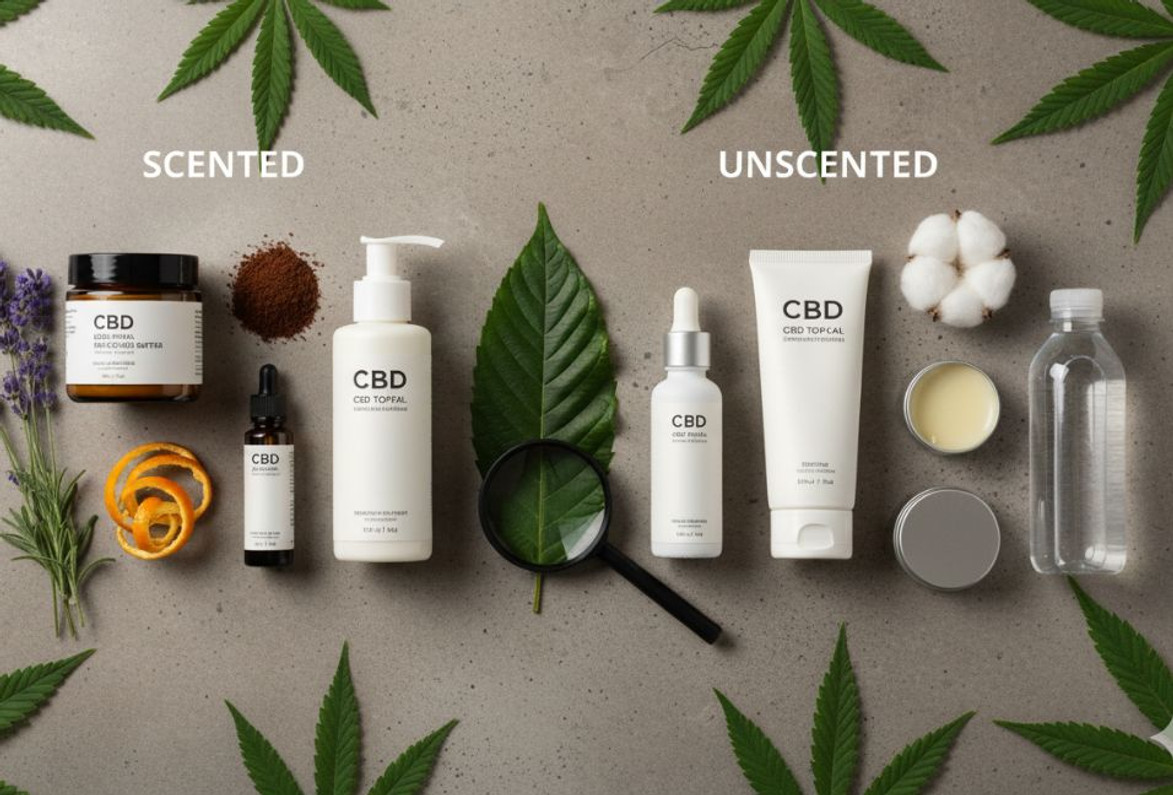
Your 2025 Guide to Choosing Between the Scented or Unscented CBD Topicals
The moment you untwist the cap of a new topical cream or balm, a multi-sensory experience begins, yet one sense often announces itself before all others: smell. The aroma that greets you—whether it's the invigorating rush of peppermint, the calming whisper of lavender, or the subtle, earthy perfume of natural oils—plays a powerful role in shaping your perception and experience with the product. In the burgeoning world of CBD-infused topicals, this olfactory dimension presents a fundamental choice for the consumer. The shelves are lined with options that are either deliberately formulated with captivating fragrances or intentionally left in their pure, unadorned state. This decision point between scented and unscented varieties goes far beyond mere personal preference; it delves into the very chemistry of the product, the needs of your skin, and the nature of the self-care ritual you wish to create. This exploration will illuminate the nuances of each path, empowering you to select the topical that aligns perfectly with your body and lifestyle.
What is CBD?
In the vast and complex world of botanical science, few compounds have captured the public's imagination and scientific curiosity in recent years quite like cannabidiol (CBD). CBD stands as one of over one hundred naturally occurring compounds called cannabinoids found within the versatile Cannabis sativa L. plant, a species with a rich and storied history intertwined with human civilization for millennia. For much of modern history, the cannabis plant was primarily recognized for a different, more famous cannabinoid: Delta-9 Tetrahydrocannabinol, or Delta 9 THC, the compound responsible for the intoxicating, euphoric "high" associated with marijuana. CBD, however, operates on a completely different level. It is fundamentally non-intoxicating, meaning it does not produce any of the mind-altering effects characteristic of Delta 9 THC. This crucial distinction is the primary reason for CBD's meteoric rise in the wellness sphere, as it allows individuals to explore the unique properties of the cannabis plant without any psychoactive experience, making it a suitable option for a wide range of lifestyles and daily routines.
To comprehend how CBD interacts with the body, one must first explore a remarkable and intricate biological system known as the “Endocannabinoid System (ECS)”. Discovered by researchers in the early 1990s during their investigations into the effects of THC, the ECS is a complex and pervasive cell-signaling network found in virtually all vertebrate animals. It is now widely considered to be a master regulatory system, playing a pivotal role in maintaining the body's delicate internal balance, a state of equilibrium known as homeostasis. The ECS helps to regulate a vast array of physiological processes, ensuring they function within a narrow, optimal range for health and well-being. The system is composed of three core components that work in concert: endocannabinoids, which are cannabinoids produced naturally by the body (like anandamide and 2-AG); cannabinoid receptors (primarily CB1 and CB2) that are found on the surface of cells throughout the central and peripheral nervous systems, immune cells, and even the skin; and metabolic enzymes that are responsible for creating the endocannabinoids when needed and breaking them down once they have fulfilled their signaling purpose.
Now, CBD's interaction with this vital system is notably nuanced and indirect, which sets it apart from its more famous counterpart, Delta 9 THC. Whereas Delta 9 THC fits neatly into CB1 receptors in the brain like a key in a lock, causing its signature psychoactive effects, CBD exhibits a very low binding affinity for both CB1 and CB2 receptors. Instead of acting as a direct agonist, CBD is thought to function as a sophisticated modulator of the endocannabinoid system. One of its most well-studied potential mechanisms of action involves the inhibition of an enzyme called “FAAH (fatty acid amide hydrolase)”. The primary job of the FAAH enzyme is to break down anandamide, a key endocannabinoid often called the “bliss molecule” due to its association with feelings of contentment and well-being. By slowing down the activity of FAAH, CBD may allow anandamide to persist and circulate in the body for longer periods, thereby amplifying its natural calming and balancing effects on the system.
When navigating the diverse and ever-expanding marketplace of CBD products, consumers will encounter three primary forms of hemp extract, each with a unique chemical profile:
- Full-Spectrum Extract: The most holistic option that contains all the naturally occurring cannabinoids (including the federally legal trace amount of Delta 9 THC), terpenes (the aromatic compounds that give plants their scent), and flavonoids (compounds that contribute to plant color) found in the hemp plant. Many proponents believe these compounds work together in a synergistic harmony known as the “entourage effect”, where the collective therapeutic effect is greater than that of any single compound acting alone.
- Broad-Spectrum Extract: Provides a similar profile, containing a wide array of cannabinoids and terpenes, but it undergoes an additional refinement process to specifically remove all detectable traces of Delta 9 THC. This makes it a popular choice for individuals who want the potential benefits of the entourage effect without consuming any THC.
- CBD isolate: The purest form available, consisting of over 99% pure cannabidiol with all other plant compounds, including cannabinoids, terpenes, and flavonoids, meticulously removed.
Enter CBD Topicals
Without a doubt, CBD has made a significant and lasting impact in the realm of skincare and body care through a popular and versatile category of products known as topicals. This broad classification includes any cream, lotion, balm, salve, oil, or gel that has been infused with a hemp-derived CBD extract and is designed to be applied directly onto the skin's surface. The fundamental principle behind a CBD topical is its localized effect. When you massage a CBD cream into your shoulders after a long day or apply a rich balm to your hands and knuckles, the cannabinoids and other active ingredients primarily interact with the dense network of endocannabinoid receptors (specifically CB2 receptors) found within the various layers of the skin, including the epidermis and dermis. Unlike ingestible products like tinctures or edibles, which enter the bloodstream and have a systemic effect throughout the entire body, the compounds in a topical product work locally, right where they are applied. Due to the skin's protective barrier, significant absorption into the circulatory system does not typically occur. This localized action makes topicals a superb choice for individuals who wish to target specific external areas of their body.
The creation of a high-quality CBD topical is a meticulous and science-driven journey that begins with a humble hemp plant and ends with a rigorously tested, safe, and effective final product. Each step in this process is crucial to maintaining the integrity, purity, and potency of the formulation:
- Hemp Cultivation and Sourcing: The entire process starts with premium-grade hemp. Reputable and transparent manufacturers source their plants from dedicated farms that utilize organic and sustainable agricultural practices. This ensures the foundational plant material is free from harmful contaminants like pesticides, herbicides, and heavy metals that can be absorbed from the soil. The plants are often cultivated from specific genetic strains that are naturally rich in CBD and are harvested at their peak moment of maturity to capture the full spectrum of beneficial compounds.
- Extraction: Once harvested, the valuable cannabinoids and terpenes must be separated from the raw plant material. The undisputed industry gold-standard method for this process is supercritical CO2 extraction. This sophisticated technique uses pressurized carbon dioxide (CO2) in a state where it behaves as both a liquid and a gas, allowing it to act as a clean, safe, and highly efficient solvent. The supercritical CO2 is passed through the plant matter, where it expertly pulls the desired compounds from the hemp. When the pressure is released at the end of the process, the CO2 simply evaporates completely, leaving behind a pure, potent, and unadulterated extract with absolutely no harsh chemical residues.
- Refinement and Purification: The initial crude extract, while potent, contains other plant components like fats, waxes, and chlorophyll that can affect the product's final texture and stability. This extract is then further purified. It undergoes a process called winterization, where it's mixed with alcohol and frozen to solidify and remove these unwanted fats and waxes. Following this, it is often distilled using heat under a vacuum, which further concentrates the CBD and removes any remaining impurities, resulting in a cleaner, more refined, and aesthetically pleasing oil.
- THC Removal (for Broad-Spectrum) or Isolation: If the end product is intended to be THC-free, the refined oil undergoes an additional, highly technical step. Advanced scientific techniques, most commonly preparative chromatography, are used to specifically target and remove the Delta 9 THC molecules from the extract, creating a broad-spectrum oil. To produce CBD isolate, these purification and isolation processes are continued until only the crystalline CBD molecule is left, achieving a purity level of 99% or higher.
- Formulation: This is the creative stage where the topical itself takes shape. The purified CBD extract is carefully and precisely blended with a carrier base, which serves as the vehicle to deliver the CBD to the skin. Common carriers include nourishing and moisturizing ingredients like coconut oil, shea butter, mango butter, or aloe vera gel. Formulators then add other complementary ingredients, which may include other beneficial botanical extracts (like arnica or calendula), essential oils for fragrance and effect, and natural preservatives (like vitamin E or rosemary extract) to ensure shelf stability and prevent microbial growth.
- Third-Party Lab Testing: The final, non-negotiable step for any trustworthy and consumer-focused brand is independent laboratory testing. A sample from every single batch of the finished product is sent to an accredited third-party laboratory that has no affiliation with the manufacturer. This lab verifies the product's potency and purity, confirming the amount of CBD and other cannabinoids present and screening for a comprehensive list of potential contaminants, including pesticides, heavy metals, residual solvents, and microbes. The results are published in a document called a Certificate of Analysis (COA), which provides consumers with full transparency and unwavering confidence in the product's safety, quality, and label accuracy.
The world of CBD topicals is rich with variety, offering a diverse and exciting array of products tailored to different needs, preferences, and lifestyles. When choosing a product, one will encounter several key variables that define its character and function:
- Full or Broad Spectrum: This choice, as previously discussed, determines the range of hemp compounds present. Full-spectrum products offer the complete plant profile for a potential "entourage effect," while broad-spectrum provides a similar range but without the presence of Delta 9 THC.
- Milligram Strengths: The potency, indicated by the total milligrams (mg) of CBD per container, varies widely from as little as 100mg to 3000mg or more. Higher strengths deliver a greater concentration of cannabinoids to the target area with each application, which may be desirable for those seeking a more powerful effect.
- Forms: The physical form of the topical dictates its texture, feel, and ideal use case. Balms and salves are typically oil- and wax-based (like beeswax), creating a thick, occlusive consistency that provides a protective layer over the skin. Creams and lotions are emulsions of oil and water, making them more hydrating, spreadable, and quick to absorb. Gels are often water-based and can provide a light, cooling, and non-greasy feel upon application. Roll-ons offer a convenient, mess-free application method, while patches are designed to provide a slow, continuous release of CBD over several hours.
- Scented or Unscented: This is the critical choice at the heart of our discussion. Products are either meticulously formulated with added fragrances from essential oils and terpenes or intentionally left in their natural state to remain free of any added scents, presenting two distinct sensory pathways.
The purposes for which people seek out CBD topicals are as varied as the products themselves. Many individuals integrate them into their daily skincare routines, leveraging the profoundly moisturizing and nourishing properties of the carrier ingredients like shea butter and jojoba oil to support a healthy, supple, and vibrant complexion. A very common use is for targeted application following periods of physical activity. After a strenuous gym session, a long hike, a challenging yoga class, or a demanding day working in the garden, individuals often massage a topical into their muscles and joints to impart a soothing, comforting, and restorative sensation. Furthermore, the very act of applying a topical can become a powerful ritual of relaxation. The tactile sensation of a self-massage, especially when paired with pleasant and calming aromas, can be a wonderful way to unwind, release the tension of the day, and promote a state of chilled-out bliss as you prepare for a restful evening.
Choosing Between Scented or Unscented CBD Topicals
The decision between a scented and an unscented CBD topical is a significant fork in the road on your personal wellness journey. This choice is far more than a simple aesthetic preference for a particular smell; it directly impacts the product's complete ingredient list, its potential effects on both your skin and your mood, and its overall suitability for your unique skin type, sensitivities, and lifestyle. The path you choose will fundamentally define the sensory experience of your self-care ritual, either introducing the complex and evocative world of aromatherapy or embracing the elegant purity of a minimalist formulation. To make the most informed and beneficial choice for your needs, it's essential to delve deeply into the nature of both scented and unscented products, including their distinct advantages and potential drawbacks.
Scented CBD Topicals
Scented CBD topicals are products that have been deliberately and thoughtfully formulated with specific aromatic compounds to create a pleasing fragrance and enhance the overall user experience. In high-quality, natural products, these scents are not typically derived from artificial or synthetic perfumes, which can be harsh and irritating. Instead, the inviting aromas come from two primary botanical sources: essential oils and terpenes. Essential oils are highly concentrated hydrophobic liquids containing volatile chemical compounds from plants. They are potent extracts from plants like lavender, peppermint, eucalyptus, chamomile, rosemary, and citrus fruits, each possessing its own unique and complex scent profile and a well-documented history of use in the ancient practice of aromatherapy. Terpenes, on the other hand, are aromatic organic compounds found naturally in a wide variety of plants, and they are responsible for the characteristic scent of everything from pine trees to oranges. While a full-spectrum CBD extract will contain its own native terpenes from the hemp plant, formulators often add specific isolated terpenes like limonene (which has a bright, citrusy aroma) or linalool (known for its floral, lavender-like scent) to create a more pronounced and targeted scent profile that aligns with the product's intended purpose.
The intentional addition of these aromatic compounds transforms the topical from a purely functional product into a rich, multi-sensory experience. The fragrance is designed to work in synergy with the CBD and other active ingredients to create a more holistic and encompassing effect. For instance, a topical designed to be part of an evening relaxation routine might be infused with lavender and chamomile, two scents that are widely associated with promoting feelings of calmness and tranquility. Conversely, a post-workout product intended to soothe tired muscles might feature peppermint and eucalyptus, aromas known for their invigorating, cooling, and refreshing sensations that can make you feel revitalized. This thoughtful pairing of ingredients elevates the simple act of application into a true self-care ritual, engaging the powerful sense of smell to influence mood and enhance the overall feeling of well-being. This approach makes the experience feel more luxurious, spa-like, and profoundly enjoyable.
Pros & Cons
Navigating the vibrant world of scented topicals involves carefully weighing their enhanced sensory benefits against the potential for skin sensitivities and other considerations.
Pros:
- Provides Aromatherapeutic Benefits: This is arguably the most significant advantage. The essential oils and terpenes are not just for show; they can offer their own well-established benefits through aromatherapy. Scents like lavender can help foster a sense of calm, while citrus scents can be uplifting, and minty scents can be invigorating, allowing you to tailor your experience to your mood.
- Creates a Ritualistic Experience: A pleasant and consistent scent can transform the simple, mundane act of applying a cream into a more mindful, enjoyable, and spa-like ritual. It becomes a moment you can look forward to each day, a deliberate act of self-care rather than a chore.
- Masks the Natural Hemp Scent: Let's be honest, some people find the natural, earthy, and sometimes grassy smell of hemp extract to be unappealing or too potent. Added fragrances from essential oils effectively mask this inherent aroma, replacing it with a more conventional and widely accepted pleasant scent.
- Synergy with Other Ingredients: Certain scents provide more than just an aroma; they can produce a tangible physical sensation on the skin. Fragrances like peppermint, wintergreen, or menthol can create a distinct cooling effect, while scents like camphor or cinnamon can produce a gentle warming sensation, which works in synergy with the other ingredients to enhance the product's overall comforting effects.
- Positive Psychological Association: Over time, your brain can develop a powerful positive psychological association with a particular scent. This is similar to how the smell of freshly baked cookies can evoke feelings of comfort and home. Simply smelling your favorite topical can begin to trigger a feeling of relaxation and comfort even before the product is fully absorbed into your skin.
- Wider Product Variety: The market for scented topicals is vast and creative, offering an enormous range of scent combinations tailored for specific purposes. You can find "sleep" blends with lavender and chamomile, "muscle" blends with peppermint and arnica, and "calming" blends with frankincense and ylang-ylang.
- Enhanced User Enjoyment: Simply put, using a product that smells wonderful can make the entire experience more pleasurable, indulgent, and luxurious. This increased enjoyment can also improve consistency, making you more likely to use the product regularly.
- Can Double as a Light Fragrance: A beautifully scented lotion or balm can leave a subtle, pleasant aroma on your skin that lasts for a while after application, acting as a light, natural, and sophisticated alternative to synthetic perfumes or colognes.
Cons:
- Potential for Skin Irritation: This is the most critical drawback. Essential oils and other natural fragrance compounds are among the most common causes of allergic contact dermatitis and skin irritation. Even natural ingredients can be problematic for those with sensitive or reactive skin.
- Risk of Allergic Reactions: Beyond general sensitivity, individuals can have specific allergies to the plants from which essential oils are derived. Someone with a known allergy to plants in the mint family, for example, could have an adverse allergic reaction to a topical containing peppermint oil.
- Can Be Overpowering: Scent perception is highly subjective. A fragrance that one person finds delightful and subtle, another might find overwhelmingly strong and cloying. This can be an issue for the user or for those around them, particularly in close quarters like an office or on public transport.
- Clashes with Personal Fragrances: The aroma from a distinctly scented topical can clash or compete with your favorite perfume or cologne. This can create a discordant and unpleasant mix of scents rather than a harmonious personal scent profile.
Unscented CBD Topicals
Unscented CBD topicals represent a steadfast commitment to purity, gentleness, and simplicity in formulation. It is crucial, however, to understand precisely what "unscented" truly means in this context. It does not mean the product has zero smell whatsoever. Rather, it means that no additional fragrances—either natural essential oils or artificial perfumes—have been added to the product for the specific purpose of creating a scent or masking the natural aroma of its base ingredients. An unscented topical will therefore smell exactly like the sum of its parts: the characteristic earthy, slightly herbal, and sometimes nutty scent of the hemp extract itself, combined with the subtle, inherent aromas of its carrier oils and butters, such as the faint sweetness of shea butter or the clean note of fractionated coconut oil. This minimalist approach is a deliberate and thoughtful choice made by manufacturers for a specific type of consumer who prioritizes ingredient integrity above all else.
The core philosophy behind unscented topicals is to deliver the primary benefits of the CBD and the nourishing carrier ingredients without any potentially irritating or functionally unnecessary additives. This "less is more" approach makes them the default and safest choice for individuals with highly sensitive skin, a history of allergies, or chronic skin conditions like eczema and psoriasis, who are often advised by dermatologists and estheticians to avoid all fragranced products to prevent flare-ups. Furthermore, unscented options appeal to wellness purists who want to experience the authentic, unadulterated character of the hemp plant and its natural components. It also offers a level of discretion and versatility that scented products cannot match. An unscented cream can be used anytime, anywhere, without announcing its presence to everyone in the room or interfering with other personal fragrances, making it an exceptionally practical choice for everyday, on-the-go use, from the office to the gym.
Pros & Cons
The primary appeal of unscented topicals lies in their inherent purity and gentleness, though this straightforward approach comes at the expense of a more complex, multi-sensory experience.
Pros:
- Ideal for Sensitive Skin: The complete absence of added fragrances, which are known potential irritants, dramatically reduces the risk of skin irritation, redness, itchiness, contact dermatitis, and other adverse reactions. This makes it the safest and most reliable choice for anyone with sensitive or easily reactive skin.
- Hypoallergenic Profile: By eliminating the common allergens that can be found in many essential oils and synthetic perfumes, these products are inherently more hypoallergenic. This makes them suitable for a much wider range of people, including those with known allergies or compromised skin barriers.
- Suitable for Scent-Free Environments: They are the perfect solution for use in workplaces, healthcare facilities, schools, and other public environments that have increasingly common "scent-free" or "fragrance-aware" policies in place to accommodate sensitive individuals.
- Does Not Clash with Other Fragrances: An unscented topical is a blank canvas. It will not interfere, compete, or clash with your chosen perfume, cologne, or other scented body products like deodorants or hairsprays, allowing you to curate and control your personal scent profile without any unwanted aromatic interference.
- Perfect for Facial Application: The skin on the face is generally thinner and more sensitive than the skin on the rest of the body. For this reason, unscented formulations are often the preferred and recommended choice for CBD-infused facial creams, serums, and cleansers to minimize the risk of irritation near the eyes and on delicate facial skin.
- Focus on Purity and Simplicity: These products often feature shorter, simpler, and more straightforward ingredient lists. This appeals directly to consumers who follow a minimalist, "clean beauty," or "less is more" philosophy in their personal care choices.
- Experience the Natural Hemp Aroma: For those who genuinely appreciate the authentic, earthy, and organic scent of the hemp plant and its natural terpenes, an unscented product allows that unique character to shine through without being covered up or altered.
- Versatility of Use: Without a specific "calming" scent like lavender or an "invigorating" scent like peppermint, an unscented topical is a truly neutral, all-purpose product. It can be used at any time of day, for any reason, without its aroma dictating a specific mood or time for application.
Cons:
- Lacks Aromatherapeutic Benefits: With an unscented product, you miss out entirely on the potential mood-influencing and profound sensory benefits that aromatherapy from thoughtfully chosen essential oils can provide. The experience is purely functional, not multi-sensory.
- The Natural Scent May Be Undesirable: The same natural hemp scent that some users appreciate, others may genuinely dislike. The earthy, grassy, or herbal smell of natural hemp extract and certain carrier oils can be off-putting to some, who would much prefer it to be masked.
- A Less Luxurious Experience: For many, the absence of a beautiful, curated fragrance can make the application feel more medicinal or utilitarian. It can lack the luxurious, pampering, and spa-like quality that turns a simple routine into an indulgent self-care ritual.
- Can Still Have a Smell: It's a common misconception that needs to be reiterated: "unscented" is not the same as "odorless." The product will still carry the natural, subtle scent of its base ingredients, which, while usually mild, might still be noticeable to some users or those in close proximity.
A Final, Topically Fragrant Thought
Ultimately, the choice between a scented and an unscented CBD topical is a deeply personal one, a final brushstroke on the canvas of your wellness routine. There is no single correct answer, only the answer that is correct for you, your body, and your senses. This decision invites you to conduct a brief, internal audit, considering not just the practical needs of your skin but also the nuanced desires of your senses and the specific context of your daily life. Do you seek a multi-sensory, spa-like ritual that transports you with every application, or do you crave the quiet purity of a simple, unadorned formulation? By weighing the vibrant, evocative world of aromatherapy against the gentle, steadfast assurance of a fragrance-free product, you are consciously curating an experience that is uniquely and authentically your own. This deliberate choice elevates the simple act of applying a topical into a true signature of self-care, a quiet moment perfectly aligned with your personal philosophy of well-being.
Recent Posts
-

How to Actually Determine the Effectiveness of CBD + Melatonin Products
The transition from a high-velocity workday to a state of profound nocturnal tranquility often requi …Mar 24, 2026 -
A New But Simplistic Kratom Decision: Kratom Tablets vs. Kratom Capsules
Modern botanical enthusiasts are increasingly trading the cluttered mess of loose powders for a more …Mar 20, 2026 -
Give Your Drinks & Beverages a Nice Boost with THC Drink/Beverage Enhancers
For many people, there’s a specific kind of anticipation that builds when realizing their favorite m …Mar 17, 2026