
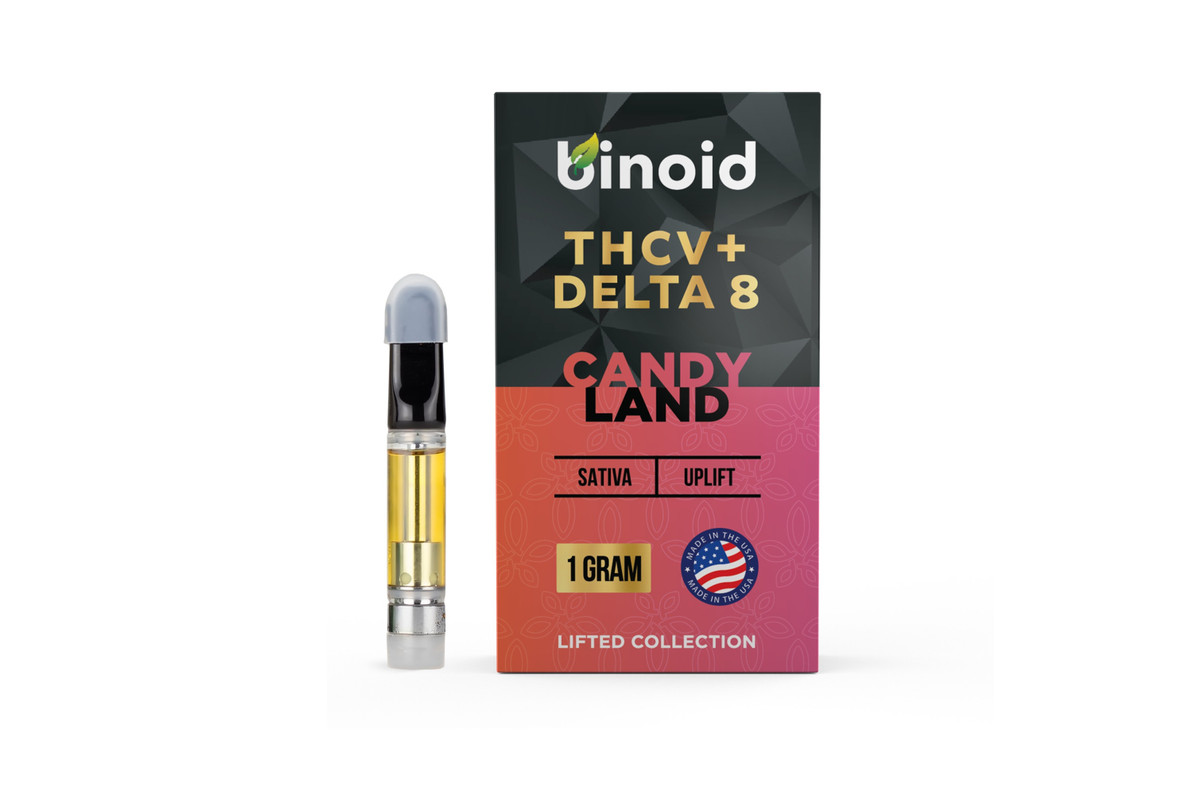
A Cannabinoids Interaction: Ways Delta 8 THC Interacts with THCV
The landscape of hemp-derived compounds has evolved from a simple curiosity into a sophisticated marketplace where enthusiasts can tailor their experiences with remarkable precision. We are no longer limited to a singular, monolithic experience, but rather have access to a vast library of botanical compounds that each offer something distinct to the human body and mind. As consumers become more educated, the focus has shifted from high potency alone to the nuances of how different plant elements work in harmony to create specific outcomes. This sophisticated approach allows for the blending of unique profiles, creating synergies that can enhance productivity, relaxation, or creativity depending on the desired effect. Among these fascinating combinations, the pairing of established favorites with emerging, rare cannabinoids is capturing the attention of connoisseurs everywhere. The interaction between well-known compounds and their rarer counterparts offers a glimpse into the future of botanical wellness, where customization is king. Exploring these dynamic duos reveals a level of complexity that elevates the entire experience beyond the standard expectations of the past.
What You Need to Know About Cannabinoids First
To truly appreciate the nuance of specific interactions, one must first grasp the sheer complexity and biological mastery of the cannabis plant’s chemical factory. The hemp plant is not merely a source of fiber or simple extracts; it is a bio-chemical powerhouse capable of synthesizing over one hundred distinct cannabinoids, each with a unique molecular structure and potential physiological impact. These compounds are secondary metabolites, created by the plant not for human enjoyment originally, but as a defense mechanism against pests, ultraviolet radiation, and environmental stress. Over millennia of evolution, these compounds have developed a peculiar ability to interact with the mammalian system in ways that are both profound and subtle. Understanding this baseline is crucial because it frames every product and every sensation within the context of biological compatibility. Without this foundational knowledge, the distinction between one compound and another might seem arbitrary, when in fact, it is rooted in deep molecular science. The sheer variety of these compounds means that the potential for unique combinations is practically infinite, offering a lifetime of exploration for the curious user.
The mechanism that allows these plant-derived compounds to affect us so deeply is known as the Endocannabinoid System (ECS) – a vast network of receptors found throughout the human body. This system is arguably one of the most important physiological systems involved in establishing and maintaining human health, as it plays a key role in regulating a wide range of functions including mood, memory, appetite, and sleep. The ECS consists primarily of two types of receptors: CB1 receptors, which are predominantly located in the brain and central nervous system, and CB2 receptors, which are found mostly in the peripheral organs and immune system cells. When we consume hemp-derived products, the phytocannabinoids from the plant mimic our body's own endocannabinoids, binding to or influencing these receptors to signal changes in physiological activity. This "lock and key" relationship is what triggers the feelings of calmness, euphoria, or alertness that users report after consumption. It is a biological handshake between the plant kingdom and the animal kingdom that has existed for thousands of years. The efficiency and sensitivity of this system explain why even small changes in the cannabinoid profile can lead to drastically different user experiences.
While many people are familiar with the major players in the cannabinoid world, the plant produces a spectrum of compounds that are categorized as either major or minor depending on their natural abundance. Major cannabinoids typically appear in large concentrations within the plant biomass, making them easier to extract and more historically prominent in cultural usage. Minor cannabinoids, however, often exist in trace amounts, sometimes constituting less than one percent of the plant's total chemical profile. Despite their scarcity, these minor compounds are not minor in terms of their potential impact; they often possess unique properties that can significantly alter the overall effect of a blend. Modernized agricultural science and advanced breeding techniques are now allowing cultivators to encourage the production of these rarer elements, bringing them into the spotlight. This shift has democratized access to the full spectrum of the plant's potential, allowing for products that are far more specialized than ever before. It is within these minor cannabinoids that much of the current excitement and innovation in the industry is currently concentrated.
A critical concept that ties all of this together is the "entourage effect" – a theory proposing that cannabinoids work better together than they do in isolation. This phenomenon suggests that the sum of the plant's parts is greater than the whole, as the various compounds modulate and balance each other's effects in real-time. For instance, one cannabinoid might provide a potent psychoactive ceiling, while another might mitigate potential edginess, resulting in a smoother and more enjoyable ride. Terpenes, the aromatic oils responsible for the plant's scent, also play a vital role in this synergy, acting as steering wheels that guide the direction of the experience. The entourage effect is the primary reason why full-spectrum and broad-spectrum products are often preferred by experienced users over pure isolates. It transforms a one-dimensional effect into a multi-faceted experience that feels richer and more complete to the user. This biological teamwork is the secret sauce behind the most effective and beloved hemp blends on the market today.
Finally, the modern era of cannabinoid science has introduced sophisticated methods of isolation, conversion, and synthesis that have changed the game entirely. Because some cannabinoids appear in such low quantities naturally, scientists have developed methods to convert abundant compounds like CBD into other desired forms through safe and regulated chemical processes. This technological advancement is what has made it possible to bring rare cannabinoids to the mass market at affordable prices. It ensures that consumers can access consistent, high-purity products without relying solely on the unpredictability of seasonal harvests. These processes require rigorous third-party testing to ensure that the final product is free from harmful byproducts and accurately labeled for potency. This commitment to science and safety has legitimized the industry, moving it away from the shadows and into the realm of trusted wellness supplements. As we move forward, this fusion of nature and chemistry will continue to unlock new possibilities for personalized cannabinoid experiences.
A Deeper Look at Two Specific Cannabinoids: Delta 8 THC and THCV
Now that you have a better understanding of what cannabinoids are how they interact with the human body, let’s dive deeper into two types that have been quite popular amongst the hemp/cannabis masses.
The Relaxed Innovator Known as Delta 8 THC
Δ⁸-Tetrahydrocannabinol (Delta 8 THC) has rapidly ascended the ranks to become one of the most popular and widely discussed cannabinoids in the modern hemp marketplace. Chemically, it’s an isomer of the more famous Delta 9 THC, meaning it shares the exact same chemical formula but possesses a slightly different atomic arrangement. The primary difference lies in the location of a double bond on the carbon chain; for Delta 8, this bond is on the eighth carbon chain, whereas for Delta 9, it resides on the ninth. This seemingly microscopic shift in molecular structure results in a significant difference in how the compound interacts with the body’s endocannabinoid receptors. Specifically, Delta 8 binds to the CB1 receptor with slightly less affinity than its Delta 9 counterpart. This reduced binding affinity is largely responsible for its reputation as a smoother, more manageable compound. It allows users to tap into psychoactive effects without the overwhelming intensity that can sometimes accompany other forms of THC.
The experience of using Delta 8 THC is often described by enthusiasts as the perfect middle ground between CBD and Delta 9 THC. Users frequently report a distinct feeling of physical relaxation and a clear-headed euphoria that does not descend into heavy sedation or mental fog. It is often celebrated for providing a "functional" high, allowing individuals to go about their daily tasks or creative hobbies while feeling uplifted and tranquil. The body load tends to be pleasant and grounding, making it a favorite choice for evening relaxation or winding down after a stressful day. Unlike some stronger cannabinoids that can trigger feelings of paranoia or anxiousness in sensitive users, Delta 8 is renowned for its lower psychotropic potency. This characteristic makes it an approachable entry point for those who are curious about THC but wary of an overly intense experience. It provides a sense of bliss that feels controlled and sustainable.
From a regulatory and production standpoint, Delta 8 THC occupies a unique and fascinating position within the industry. It is typically produced by converting CBD extracted from federally legal hemp plants, a process made possible by the 2018 Farm Bill. Since Delta 8 occurs naturally in cannabis plants but only in negligible trace amounts, direct extraction is not economically viable for mass production. Therefore, reputable manufacturers utilize advanced isomerization techniques to convert hemp-derived CBD into pure Delta 8 distillate. This process requires skilled chemists and state-of-the-art laboratory equipment to ensure that the final product is potent and free from unwanted impurities. The legality of Delta 8 has sparked widespread debate and varying regulations across different states, but it remains a federally legal hemp derivative in many jurisdictions. This accessibility has been a major driver of its explosive growth and consumer adoption.
Delta 8 THC’s versatility is another factor contributing to its widespread acclaim and integration into countless product types. It is highly stable and boasts a long shelf life, making it an ideal candidate for infusion into edibles, vape cartridges, and tinctures. Because it is resistant to oxidation, products containing Delta 8 maintain their potency and efficacy for extended periods, providing value to the consumer. The compound’s effects also tend to last longer than some other cannabinoids, providing a sustained duration of relief and enjoyment. This longevity is particularly appealing to those who prefer not to re-dose frequently throughout the day or night. Whether enjoyed in a gummy that kicks in slowly or a vape that offers immediate gratification, Delta 8 adapts well to various delivery methods. Its reliability and consistent profile have solidified its status as a staple in the cannabinoid community.
The Rare Gem Known as THCV
Tetrahydrocannabivarin (THCV) is often referred to as "sports weed" or "diet weed" within the cannabis community due to its unique energetic properties. Structurally, it’s similar to THC, but it possesses a propyl (3-carbon) side chain instead of the pentyl (5-carbon) group found in Delta 9. This variation in the side chain is critical because it fundamentally alters how the molecule engages with the body’s receptor sites. While it is psychoactive, the high associated with THCV is described as distinctly clear-headed, stimulating, and short-lived compared to other cannabinoids. It tends to come on quickly and fade faster, which is ideal for users who want a brief enhancement without a lingering duration. This distinct profile sets it apart from the heavy, couch-locking effects often associated with traditional indica strains. It is a compound that favors activity, focus, and mental acuity over physical sedation.
One of the most remarkable characteristics of tetrahydrocannabivarin is its biphasic behavior; meaning it acts differently depending on the dosage consumed. at lower doses, THCV actually acts as a CB1 receptor antagonist, which means it can block or dampen the effects of other cannabinoids like THC. This is why it is often cited as a compound that can reduce the "fog" or "intoxication" of a high, providing a grounded sense of clarity. At higher doses, however, it switches roles and becomes a CB1 agonist, producing its own unique psychoactive effects that are stimulating and euphoric. This dual nature makes it a complex and fascinating tool for formulating specific cannabinoid blends. It allows formulators to dial in the exact type of experience they want to offer, whether it's a subtle mood boost or a full-blown energetic lift. This pharmacological versatility is rare and highly widespread value among educated consumers.
Perhaps tetrahydrocannabivarin’s most famous attribute is its potential relationship with appetite suppression, distinguishing it sharply from the "munchies" induced by most THC variants. While Delta 9 and Delta 8 are known for stimulating the appetite and making food taste incredible, THCV has been observed to have the opposite effect in many users. Anecdotal reports frequently mention that THCV helps curb cravings and reduces the desire to snack mindlessly. This has positioned THCV as a popular choice for wellness-focused individuals who are practicing intermittent fasting or simply watching their caloric intake. It provides a way to enjoy the benefits of hemp without the potential downside of raiding the refrigerator late at night. This unique property has earned it a dedicated following among those who use cannabinoids as part of an active, health-conscious lifestyle. It represents a functional shift in how we view the utility of recreational hemp products.
Historically, THCV has been difficult to source because it is naturally found in very low concentrations in most common cannabis strains. It is most abundant in landrace sativa strains from Africa, such as Durban Poison, but even there, the percentages are relatively small. This scarcity has historically made THCV one of the most expensive cannabinoids to produce and purchase on the market. However, advances in selective breeding and isolation technology are slowly making it more accessible to the general public. As cultivators focus on genetics that are dominant in "varin" cannabinoids, the supply chain is stabilizing, leading to a wider array of affordable products. The effort to bring THCV to the mainstream is a testament to its high value and the intense consumer demand for its specific benefits. It stands as a prime example of how the industry is evolving to meet specialized needs.
Coming Across Products That Contain Delta 8 THC & THCV
Navigating the current market reveals a treasure trove of innovative formulations that combine the reliability of Delta 8 with the sparkling energy of THCV. Manufacturers have recognized that these two compounds complement each other perfectly, creating a balanced experience that covers both the body and the mind. Finding high-quality blends requires looking for reputable brands that provide transparent lab testing and clear ingredient sourcing. The following product categories represent the most popular and effective ways to experience this dynamic synergy:
- Disposable Vape Pens: Represent the pinnacle of convenience and ease of use for consumers looking to try the Delta 8 & THCV combination. These sleek, all-in-one devices come pre-charged and pre-filled with a specific blend of distillate and terpenes, eliminating the need for any setup or maintenance. The immediacy of inhalation means that the effects are felt almost instantly, allowing users to gauge their tolerance and the unique interplay of the cannabinoids in real-time. In a disposable format, the energetic kick of THCV is often felt first, providing a cerebral lift, followed by the smooth, grounding body relaxation of Delta 8. This makes disposables perfect for on-the-go use, hiking, or social gatherings where portability is key. Manufacturers often formulate these with sativa-leaning terpenes to further accentuate the uplifting nature of THCV. The hardware is designed to heat the oil to the optimal temperature, preserving the flavor and potency of the minor cannabinoids. Once the oil is depleted, the entire unit can be responsibly discarded, making it a hassle-free entry point into complex blends.
- Pre-Filled Vape Cartridges: For those who already own a standard 510-thread battery, pre-filled vape cartridges offer a customizable and often more cost-effective way to enjoy Delta 8 & THCV. These cartridges are filled with high-viscosity distillate that combines the two cannabinoids in precise ratios, often leaning towards a higher concentration of Delta 8 for base potency, spiked with enough THCV to alter the character of the high. The advantage of using a cartridge system is the ability to control the voltage of the battery; lower voltages can preserve the delicate terpene flavors and the unique "sparkle" of THCV, while higher voltages provide massive vapor production. Cartridges allow users to swap between different strains and blends throughout the day, perhaps using a Delta 8 heavy cart for the evening and a THCV blend for the morning. The glass and ceramic construction of premium cartridges ensures a clean taste and minimizes clogging, which can be a concern with thicker distillates. This format is beloved by daily users who value consistency and the ritual of vaping. It represents the standard for versatility in the hemp vaping market.
- Gummies: Represent the singular edible format for experiencing the sophisticated interaction between Delta 8 THC & THCV, offering a unique metabolic journey that results in a deeper and longer-lasting effect. When these soft chews are consumed, the cannabinoids must travel through the digestive system and liver, where they are metabolized before fully entering the bloodstream. This internal process converts Delta 8 into a more potent metabolite, while the THCV works in tandem to modulate the overall intensity and character of the experience over several hours. The onset is inherently slower than inhalation, typically requiring 45 minutes to an hour, but the duration is significantly extended, often providing four to eight hours of sustained focus and bliss. Within this specific gummy format, the renowned "anti-munchie" properties of THCV are particularly valuable, potentially counteracting the appetite stimulation that often accompanies the peak of an edible experience. These treats are meticulously pre-dosed, typically ranging from 10mg to 50mg per piece, which effectively eliminates the guesswork often associated with other consumption methods. They are designed to be discreet and travel-friendly, featuring a variety of curated flavors that effortlessly mask the natural earthiness of the hemp extract.
- Tinctures: Tinctures provide the most traditional and precise method for consuming cannabinoid blends, appealing to users who prioritize accuracy and sublingual absorption. A tincture consists of the cannabinoid extract dissolved in a carrier oil, such as MCT oil or hemp seed oil, and is administered using a dropper under the tongue. This sublingual method allows for faster absorption than edibles, as the compounds enter the bloodstream directly through the mucous membranes, bypassing some of the digestive breakdown. Tinctures containing Delta 8 & THCV allow the user to dial in their exact dose drop-by-drop, making it easy to find the "sweet spot" where mental clarity meets physical relaxation. They are also highly versatile; they can be added to morning coffee, smoothies, or taken directly. Because tinctures lack the heating element of vapes, the cannabinoids remain chemically unaltered until consumption. This format is often preferred by wellness-focused consumers who are integrating cannabinoids into a daily supplement regimen. It offers a clean, calorie-free, and highly controlled experience.
Ways Delta 8 THC Interacts with THCV
The biological interaction between Delta 8 THC and THCV is a fascinating study in pharmacological synergy, where two distinct compounds work to balance and enhance one another. When taken together, they create a hybrid effect that many users find superior to using either in isolation, as the weaknesses of one are often covered by the strengths of the other. This combination effectively widens the therapeutic window and alters the subjective experience in profound ways. Here are the detailed ways in which these cannabinoids interact:
- Modulating Appetite and Cravings: One of the most significant and sought-after interactions between these two cannabinoids is their opposing effects on appetite. Delta 8 THC is historically known for being a potent appetite stimulant, often inducing the "munchies" even more intensely than Delta 9 for some users. Conversely, THCV is famous for its appetite-suppressing qualities, acting as an antagonist at the CB1 receptors that regulate hunger signaling. When combined in a blend, THCV can help to mitigate the voracious hunger often caused by Delta 8. This results in an experience where the user can enjoy the relaxation and mood lift of Delta 8 without feeling an uncontrollable urge to consume calories. For recreational users who want to relax without breaking their diet, this interaction is a game-changer. It creates a "guilt-free" high where the user feels satisfied and content rather than ravenous. The balance isn't always a complete negation of hunger, but rather a manageable reduction that puts the user back in control of their dietary choices.
- Balancing Energy Levels and Sedation: Delta 8 THC generally leans towards the sedative side of the spectrum, providing a heavy, comforting body load that promotes rest and physical ease. THCV, on the other hand, is structurally wired to promote energy, focus, and mental alertness, often described as akin to a strong cup of coffee without the jitters. When these two interact, the THCV acts as a lifting agent, preventing the Delta 8 from causing excessive lethargy or "couch-lock." The result is a "floating" sensation where the body feels relaxed and tension-free, but the mind remains sharp, engaged, and ready for activity. This combination allows for daytime use of Delta 8, unlocking its potential for creative work, chores, or social outings. It transforms a compound that is usually reserved for the evening into a versatile all-day companion. The interaction creates a functional equilibrium, giving the user the best of both worlds—physical relief without the slump.
- Refining Mental Clarity and Reducing Brain Fog: A common critique of THC-based products is the potential for mental fogginess or a scattering of thoughts, which can make complex tasks difficult to perform. Delta 8 is already clearer than Delta 9, but it can still produce a dreamy, hazy headspace. The addition of THCV sharpens this headspace significantly. Because THCV acts as a CB1 antagonist at lower doses, it can block some of the intoxicating effects that cloud judgment and memory. This interaction leads to a "lucid" high where the user feels euphoric and blissful but retains full cognitive faculty. It is particularly beneficial for artists, writers, and professionals who use cannabinoids to enter a flow state. The THCV essentially polishes the experience, removing the static and leaving a clean, bright mental signal. This clarity is a hallmark of the D8-THCV synergy and a primary reason for its rising popularity.
- Managing Anxiety and Paranoia: While Delta 8 is already celebrated for being less anxiogenic than Delta 9, some sensitive users may still experience slight apprehension or rapid heartbeat with high doses. THCV has shown promise in studies and anecdotal reports as a compound that can reduce panic and regulate emotional responses. When interacting with Delta 8, THCV appears to smooth out the "edges" of the psychoactive peak. It grounds the experience, providing a sense of stability and confidence that might be missing from a pure THC experience. This buffering effect makes the blend incredibly approachable for novices or those with a lower tolerance. It ensures that the transition into the ‘high’ is gentle and that the peak remains enjoyable rather than overwhelming. The interaction fosters a sense of tranquility and safety, allowing the user to fully surrender to the blissful sensations.
- Altering the Duration and Onset of Effects: The interaction between Delta 8 and THCV also seems to influence the temporal aspects of the experience. THCV is known for a rapid onset and a shorter total duration, while Delta 8 is known for a slower creep and a long-lasting presence. When combined, users often report a "wave" effect. The experience begins quickly with the cerebral sparkle of THCV, providing instant gratification and a mood lift. As the THCV effects begin to plateau, the longer-lasting warmth of Delta 8 rises to take its place, extending the overall experience. This staging prevents the abrupt "comedown" that can happen with short-acting stimulants. The interaction creates a seamless transition from energy to relaxation over the course of several hours. It maximizes the utility of the product, providing an immediate shift in perspective followed by sustained comfort.
The Symphony of Synergy
As we continue to unravel the mysteries of the hemp plant, the combination of Delta 8 THC & THCV stands out as a shining example of botanical perfection. This pairing moves beyond the binary of "high" or "not high", offering a nuanced, sophisticated experience that caters to the complex needs of the modern individual. By leveraging the stabilizing, euphoric nature of Delta 8 against the energetic, clarifying properties of THCV, we unlock a state of being that’s both productive and peaceful. It is a testament to the fact that the future of cannabinoids lies not in isolation, but in the intelligent blending of these powerful compounds. So, whether you’re seeking a spark of creativity, a way to manage your day without lethargy, or simply a new way to feel blissed out, this dynamic duo offers a pathway worth exploring. As innovation continues, we can only expect these synergies to become more refined, delivering even greater heights of wellness and enjoyment.
Recent Posts
-
A Newly Simplistic Shrooms Decision: Mushroom Tablets vs. Mushroom Capsules
The realm of botanical exploration has undergone a massive transformation recently, shifting from th …Mar 12, 2026 -

A Powerfully Sweet Kratom Choice: Kratom Gummies vs. Kratom Hard Candy vs. Kratom Chocolate
The botanical landscape has undergone a monumental shift as enthusiasts seek more refined and palata …Mar 11, 2026 -
Making a Psychoactive Seltzer Choice: THC Seltzer vs. Kratom Seltzer
The modern landscape of social beverages has shifted dramatically toward botanical infusions that of …Mar 08, 2026