
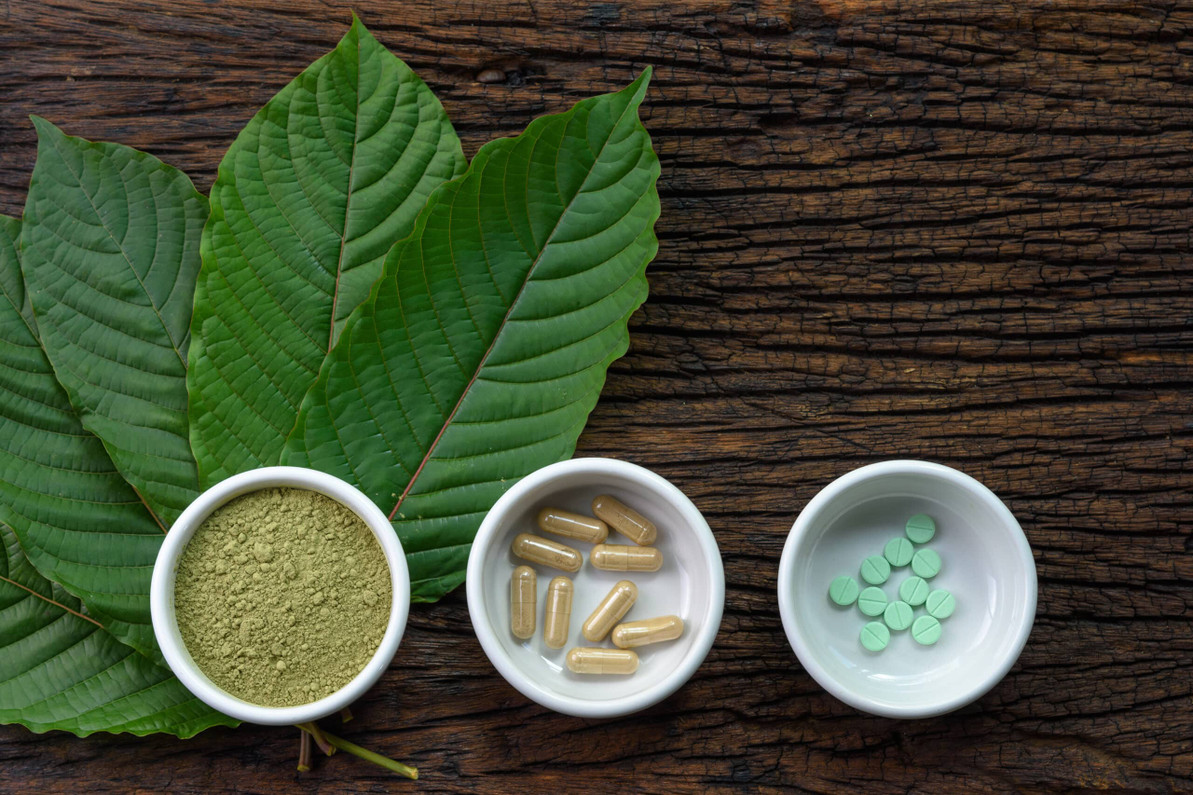
A New But Simplistic Kratom Decision: Kratom Tablets vs. Kratom Capsules
Modern botanical enthusiasts are increasingly trading the cluttered mess of loose powders for a more streamlined and precise approach to their daily routines. This transition toward pre-measured units reflects a broader desire for a frictionless engagement with the Mitragyna speciosa leaf, prioritizing efficiency without sacrificing the plant’s traditional potency. Navigating the selection between a rugged, compressed tablet and a smooth, encapsulated shell is a common crossroads for those who value a no-nonsense path to their botanical goals. Each format carries its own physical logic, influencing how the natural alkaloids are carried through the day and eventually introduced to the body. Finding the right balance between these two primary contenders involves looking past the surface to see how compression and enclosure shift the very nature of the ritual. This simplistic decision acts as a final hurdle in mastering a customized regimen that fits the high-speed demands of a contemporary lifestyle.
Kratom 101
The Mitragyna speciosa tree, more commonly recognized by the global community as Kratom, stands as a magnificent and towering emblem of the verdant Southeast Asian rainforests where it has flourished for countless millennia. This tropical evergreen is a member of the Rubiaceae family, sharing a surprising botanical lineage with the coffee plants that drive the morning routines of millions across the globe. In its native habitats of Thailand, Indonesia, Malaysia, and Papua New Guinea, the tree can reach staggering heights, often surpassing eighty feet as it reaches for the sun through a thick canopy of competing foliage. The leaves are characterized by a deep, waxy green hue and prominent veins that tell a story of maturation and chemical complexity to those who know how to read them. For centuries, the indigenous populations of these regions have lived in harmony with the Kratom tree, harvesting its leaves as a staple of their cultural and labor-intensive daily lives. This historical connection is not merely incidental; it is a foundational part of how the plant is viewed today as a tool for endurance and vitality. The transition from these humid forest floors to the shelves of modern boutiques is a testament to the enduring appeal of the plant's unique botanical profile. Comprehension of this deep-rooted history allows modern consumers to appreciate the craftsmanship involved in turning raw leaves into the concentrated extracts found in today’s compressed formats.
The biological composition of the Kratom leaf is a complex tapestry of over forty distinct alkaloids, each contributing to the overall character and reputation of the plant. These naturally occurring compounds are the primary drivers of the botanical experience, interacting with the body's internal systems in a way that is both intricate and varied. The specific ratio of these alkaloids can change significantly based on a multitude of factors, including the soil chemistry where the tree grows, the amount of rainfall it receives, and the exact timing of the harvest. Because the trees thrive in such a specific equatorial climate, the leaves are able to develop a rich and potent chemical profile that is difficult to replicate in other parts of the world. Harvesters often wait until the leaves reach a peak level of maturity before beginning the collection process, ensuring that the botanical material is as robust as possible. This raw material then undergoes a series of drying and fermentation steps, which further refine the alkaloid content and prepare the leaves for the extraction or grinding process. Every step of this biological odyssey is vital, as even minor changes in the environment or processing can lead to disparate results in the final product. Securely capturing the essence of the living tree is the primary goal of every reputable creator in the modern Kratom industry.
One cannot discuss the power of Kratom without focusing on its most abundant and well-studied alkaloid, which is fundamentally known as Mitragynine. This specific compound often makes up the vast majority of the total alkaloid content in the leaf, acting as the primary engine for the plant's vibrant and uplifting reputation. Mitragynine is prized for the way it fosters a sense of mental presence and a refreshed outlook, especially when utilized in the morning or early afternoon. Scientific research into this compound has accelerated in recent years, with experts mapping out how it binds to receptors to provide a sustained and unforced sense of momentum. Because Mitragynine is primarily fat-soluble, it behaves uniquely when integrated into different delivery systems, a fact that influences the design of modern tablets and capsules. The extraction of this alkaloid requires sophisticated equipment to isolate the pure compound from the fibrous plant material while maintaining its structural integrity. This result is a concentrated and clean base that can be precisely measured to guarantee a consistent experience in every serving of a compressed product. For the enthusiast, Mitragynine is the cornerstone of the Kratom ritual, offering a reliable pathway into the plant's most sought-after properties.
While Mitragynine provides the foundation, the alkaloid known as 7-Hydroxymitragynine is often viewed as the more potent and nuanced component of the Kratom profile. Although it is typically found in much lower concentrations than its more abundant cousin, its influence on the overall atmosphere of the experience is incredibly significant. 7-Hydroxymitragynine is frequently associated with the more relaxing and heavy attributes of the plant, making it a key element in red vein varieties and products intended for evening use. The presence of this compound can transform a bright and energetic tone into something much more atmospheric and grounded, providing a sense of finality to a busy day. Because it is so potent, even minor fluctuations in its levels can lead to a noticeably disparate result, which is why precision in the extraction process is so vital. Modern creators often utilize specialized techniques to concentrate this alkaloid, creating "high-7-OH" products for those who prioritize a more intense and calming interaction. This chemical interplay between the two primary alkaloids is what creates the diverse "strains" that help consumers navigate the market with confidence. Grasping the balance between Mitragynine and 7-Hydroxymitragynine is the key to mastering your personal Kratom ritual and achieving your desired goals.
The Kratom leaf’s maturation is traditionally categorized by the color of its veins, which serves as a visual indicator of its chemical maturity and processing method:
- White Vein: These leaves are often harvested early and dried indoors with minimal light exposure, resulting in a profile that is primarily characterized by a bright, spirited, and active tone.
- Green Vein: These varieties represent a balanced middle ground, where the leaves reach full maturity and are dried through a mix of indoor and outdoor methods to provide a versatile and all-day experience.
- Red Vein: These leaves are typically the most mature and may undergo a fermentation process that deepens the color and shifts the alkaloid profile toward a more relaxed and heavy character.
Each of those distinctions are very useful when formulating edibles, as a creator can select a specific vein color to match the intended vibe of a gummy or a chocolate bar. For example, a "Focus" gummy might utilize a white vein extract, while a "Mellow" chocolate would favor the more atmospheric red vein alternative. This color-coded system provides a sense of structure to the vast market, helping enthusiasts to predict how a certain treat might influence their afternoon or evening. While the science behind vein color is intricate, the practical application remains a fundamental part of the Kratom culture worldwide.
Now, the modern Kratom industry has evolved into a highly professionalized and transparent sector, where quality control and consumer safety are the top priorities for reputable brands. In the United States, this transition has led to the adoption of rigorous third-party testing protocols that verify the purity and alkaloid content of every batch of powder or extract. This commitment to transparency helps to eliminate the guesswork for the consumer, guaranteeing that what is listed on the label is exactly what is contained within the capsule or tablet. The rise of standardized delivery methods is a direct result of this technological progress, as refined materials are far more stable and easier to quantify than raw plant foliage. This evolution has also permitted a more sophisticated conversation about the plant's role in a balanced lifestyle, moving away from the outdated stigmas of the past. Today, Kratom is celebrated for its botanical complexity and its ability to offer a unique and natural shift in perspective for a wide range of individuals. As the legal landscape continues to stabilize at both the state and federal levels, the focus remains on securing a safe and accessible market for this remarkable Southeast Asian leaf. The future of Kratom is undeniably bright, defined by technical innovation, botanical integrity, and a deep respect for the traditions that started it all.
What to Know About Kratom Combined with Kava
The union of Kratom and Kava represents a masterful synergy between two of the most revered botanical roots from the Southeast Asian and Pacific Island traditions. Kava, derived from the Piper methysticum plant, has a legendary history in Polynesian cultures, where it is consumed ceremonially to foster a sense of social harmony and a deeply relaxed, grounded perspective. When these two botanical powerhouses are combined, they create a "Pacific blend" that many find offers a more comprehensive and atmospheric experience than either plant could provide on its own. The kavalactones in the Kava root provide a soothing and tranquil foundation that perfectly complements the more active and focused energy of the Kratom alkaloids. This pairing is particularly popular in concentrated tablets and capsules, where the disparate chemical profiles can be harmonized into a single, convenient serving for the user. Because both plants have such deep cultural roots, their combination feels like a natural evolution of traditional herbalism for the modern era.
Developing a solid product that features both Kratom and Kava is a technical challenge that requires a deep comprehension of ingredient interaction and compression stability. Both plants possess incredibly strong and distinct earthy profiles, but in tablet or capsule form, the flavor is entirely bypassed, allowing the focus to remain purely on the botanical synergy. Kava is famous for its slightly numbing sensation on the tongue, while Kratom brings a sharp, grassy bitterness to the table; however, these sensory challenges disappear when encapsulated. This synergy is about more than just avoiding taste, however; it is about the way the two plants work together to provide a sustained sense of calm presence throughout the day. For many, the Kratom and Kava combination is the ideal "after-work" ritual, providing a perfect way to transition into a quieter space without losing a sense of mental clarity. As the market for botanical blends continues to grow, this traditional duo remains a favorite for those who value heritage, balance, and a truly unique physiological odyssey.
What to Know About Kratom Combined with CBD or CBG
The integration of Kratom with hemp-derived cannabinoids like CBD and CBG has created a new category of "hybrid" products that prioritize a balanced and holistic experience.
Cannabidiol (CBD) is vastly notable for its ability to provide a stabilizing and grounded foundation that helps to smooth out the overall interaction of other botanical compounds. When paired with Kratom, CBD acts as a natural "anchor," ensuring that the vibrant energy of the Mitragynine is introduced to the body in a way that feels gentle and harmonious. This combination is a staple for those who prefer a more centered and collected state of being, as the CBD helps to maintain a steady and predictable tone. Because both Kratom and CBD interact with the body's internal regulatory systems, their synergy can feel incredibly natural, as if they are working in concert to foster a sense of botanical equilibrium. This pairing is especially popular in the wellness-focused sector of the market, where the goal is a subtle and sustained sense of support that fits seamlessly into a busy routine.
Cannabigerol (CBG) is often heralded as the "mother of all cannabinoids". It brings a disparate set of attributes to a Kratom blend, often leaning into a more focused and mentally engaged tone. While CBD focuses on stabilization, CBG is frequently associated with a refreshed outlook and an enhanced sense of clarity, making it the perfect partner for white or green vein Kratom extracts. When these two are combined in a capsule or tablet, the result is often a highly "productive" profile that many find ideal for tackling complex creative projects or demanding professional tasks. The CBG appears to highlight the cognitive aspects of the Kratom alkaloids, resulting in an experience that feels sharp, curious, and entirely unforced by external stimulants. This pairing is a favorite for daytime use, as it helps to maintain a sense of momentum and mental agility throughout the afternoon. By fostering an engaged perspective, the Kratom and CBG duo provides a sophisticated botanical tool for anyone looking to optimize their daily performance.
The physical formulation of compressed solids containing both Kratom and cannabinoids requires a sophisticated grasp of solubility and the way these compounds behave within a dry matrix. Because both the Kratom alkaloids and the hemp-derived cannabinoids are primarily lipophilic, they benefit from high-quality carriers or specific extraction methods to ensure they remain active. This shared chemistry permits a more efficient and synchronized release, where the various botanical elements enter the body in a coordinated fashion for a more consistent result. For the consumer, this means that the onset of the Kratom and the cannabinoids usually occurs within the same window, providing a smooth and unified transition into the botanical tone. This level of precision in formulation is a hallmark of the high-end market, where every ingredient is selected for its ability to enhance the primary botanical source. As the demand for comprehensive botanical solutions continues to rise, the combination of Kratom and cannabinoids is likely to remain one of the most versatile and respected options available. It represents a forward-thinking, science-backed approach to plant-based synergy that respects the unique strengths of both the cannabis and Kratom families.
What to Know About Kratom Combined with Other Ingredients
The modern Kratom tablet or capsule is rarely a solitary experience, as manufacturers frequently include a variety of other natural botanical ingredients to tailor the tone to a specific lifestyle or goal. In fact, these additions in particular below can influence everything from the speed of the onset to the clarity of the mental atmosphere, providing a more customized interaction with the primary alkaloids:
- Caffeine: The addition of this energetic stimulant to a white vein tablet creates a formidable botanical duo that defines the active lifestyle of many modern professionals. By introducing a familiar "kick" to the mix, manufacturers provide a profile that mirrors the vibrant energy of a fresh morning while supporting a high-tempo afternoon. This pairing works in perfect harmony with the plant's natural properties, providing a sense of physical momentum that feels both lively and sustainable throughout the day. Many enthusiasts prefer this combination because it helps to maintain a bright and spirited outlook during long hours, acting as a reliable bridge through the mid-day hours when a refreshed perspective is most needed. It is a classic choice for those who appreciate a more vocal and spirited botanical experience, as the Caffeine provides a recognizable lift that pairs seamlessly with the Mitragynine found in the leaf. This synergy transforms a simple compressed solid into a functional tool that mirrors the high-energy demands of a contemporary schedule.
- Ginseng: As a legendary root with a deep history in various traditional practices, Ginseng is the perfect companion for "vitality" focused capsules. When blended with high-quality Kratom extracts, it helps to foster a sense of physical and mental resilience that is vital for navigating a demanding and crowded workday. This pairing is particularly popular among those who value a sturdy and robust botanical foundation, providing a sense of fortitude that feels incredibly grounded in nature. Rather than just offering a temporary shift in tone, the presence of Ginseng supports a long-lasting state of readiness and poise that carries through even the most labor-intensive tasks. It is a sophisticated addition that honors the botanical heritage of both the root and the leaf, resulting in a well-rounded and versatile product that many find indispensable for maintaining a steady pace. This combination is often sought out by individuals who prefer a more "earthy" sense of vitality that feels balanced and entirely unforced by synthetic additives.
- L-Theanine: Sourced directly from the waxy leaves of the tea plant, this unique amino acid is the premier choice for creating a focused yet calm atmosphere within a Kratom capsule. Its primary role in a compressed solid is to act as a botanical stabilizer, helping to smooth out the more intense or spirited aspects of the alkaloids for a more refined transition. Many individuals find that L-Theanine facilitates a sense of "tranquil clarity," making it the ideal partner for those who need to remain sharp and collected during complex, information-heavy projects. This synergy provides a clean and balanced sensation that avoids any unwanted mental noise, promoting a state of quiet and intentional presence that is highly valued by creators and students alike. It is a favorite for evening rituals or high-focus endeavors where a gentle, steady tone is the primary objective of the botanical ritual. By utilizing this tea-derived compound, manufacturers can curate a profile that feels both sharp and serene, mirroring the quiet focus of a traditional tea ceremony.
- Lion’s Mane Mushroom: This iconic nootropic fungus has become a staple in "brain-boosting" Kratom solids, where it works alongside the primary alkaloids to support a sharp and engaged mental perspective. The cascading white spines of the mushroom are as unique as the cognitive edge it provides, helping to foster a sense of curiosity and mental agility throughout the busy afternoon. When paired with Mitragynine, the Lion’s Mane Mushroom appears to highlight the natural clarity of the leaf, creating a multifaceted experience that feels both innovative and deeply grounded. Enthusiasts often reach for this combination when they want to maintain a high level of mental presence and a refreshed outlook on their creative or professional endeavors. It represents a modern, science-forward approach to botanical synergy that highlights the best of the fungal and plant kingdoms in a single, convenient tablet or capsule. This duo is particularly appealing to those who view their botanical intake as a way to enhance their natural cognitive flow and maintain a curious, engaged state of being.
The Simplistic Kratom Decision: Kratom Tablets vs. Kratom Capsules
Navigating the choice between Kratom tablets and Kratom capsules is an exercise in personal efficiency and ritualistic preference. While both formats offer a high degree of discretion and eliminate the need for measuring loose powders, they each possess unique physical characteristics that affect how the botanical alkaloids are released. Understanding the subtle differences in compression, surface area, and dissolution rate is key to selecting the option that best fits your daily rhythm. Let's take a deep dive into the two primary contenders in this straightforward decision-making process.
Product Type Contender #1: Kratom Tablets
Kratom tablets are the pinnacle of compressed botanical technology, offering a dense and highly portable format that has quickly become a favorite for seasoned enthusiasts. These solids are created by subjecting high-purity Kratom powder or extract to immense pressure, binding the material into a small, durable shape without the need for an external shell. This manufacturing process results in a product that is incredibly space-efficient, allowing a significant amount of botanical material to be packed into a very tiny footprint. Because they are solid throughout, tablets are more resilient to environmental factors and are much less likely to break or leak than other formats. When you hold a Kratom tablet, it feels substantial and precisely crafted, reflecting the high-tech equipment used to stamp it into its final form.
The experience of using a Kratom tablet is characterized by its steady and controlled release, as the compressed material takes a bit more time to break down in the digestive tract. This gradual dissolution provides a consistent introduction of Mitragynine into the body, often resulting in a tone that feels smooth and long-lasting. Many users prefer tablets because they offer a sense of precision that is unmatched; each tablet is stamped to contain an exact milligram count of alkaloids, ensuring a repeatable experience every single time. This level of accuracy is vital for those who like to track their intake with a high degree of scrutiny to maintain a balanced routine. Whether you are using a white vein tablet for morning momentum or a red vein solid for evening relaxation, the tablet format provides a no-nonsense, reliable delivery method.
One of the most significant advantages of the Kratom tablet is its extreme durability and portability, making it the ideal choice for those who are always on the move. You can easily toss a few tablets into a pocket or a small travel container without worrying about them crushing, spilling, or becoming damaged by moisture. Unlike capsules, which can sometimes soften or stick together in humid conditions, tablets remain solid and ready for use regardless of the environment. This ruggedness makes them a favorite for outdoor adventurers, travelers, and professionals who need a dependable botanical tool that can survive a busy day. The tablet format is the ultimate "set-it-and-forget-it" option for those who value practicality and physical resilience above all else.
Furthermore, tablets often represent a "purer" form of the botanical, as they typically require fewer additives or binding agents than one might expect. Modern compression techniques have advanced to the point where the Kratom extract itself can often be pressed into a stable form with minimal help from external ingredients. This results in a product that is highly concentrated and free from the extra materials sometimes found in capsule shells or flavored edibles. For the minimalist enthusiast, the tablet offers a clean and direct way to access the plant's properties without any unnecessary layers. It is a sophisticated, high-density delivery method that respects the potency of the Kratom leaf while providing the ultimate in modern convenience.
Pros & Cons
When deciding if a tablet is the right fit for your routine, it is helpful to look at the specific advantages and the few limitations that this compressed format brings to the table.
Pros:
- Extreme Durability: Tablets are solid and rugged, making them immune to the leaking or crushing issues that can plague other delivery methods.
- High Potency Density: The compression process allows a large amount of botanical material to be packed into a very small and portable size.
- Precision Measurements: Each tablet is stamped with an exact alkaloid count, providing the most consistent and repeatable experience possible.
- Minimalist Composition: Modern tablets often contain fewer fillers or extra materials, offering a very clean and direct botanical interaction.
- Superior Environmental Stability: They are highly resistant to heat and humidity, ensuring they remain effective and easy to handle in any climate.
Cons:
- Slower Dissolution Rate: Because they are so densely compressed, tablets take longer to break down in the stomach than the thin shells of capsules.
- Slight Taste Presence: Since there is no outer shell, you might catch a brief hint of the earthy Kratom flavor before swallowing the tablet.
Product Type Contender #2: Kratom Capsules
Kratom capsules are the classic and most widely recognized delivery method in the industry, consisting of two interlocking shells that contain finely ground leaf powder or extract. These shells are usually made from gelatin or a plant-based cellulose alternative, providing a smooth and flavorless barrier between the user and the botanical material. The capsule format is favored by many because it is incredibly easy to swallow and completely eliminates the challenging, bitter taste that is inherent to the Kratom leaf. This makes the ritual of taking your daily alkaloids a much more pleasant and streamlined experience, especially for those who are sensitive to strong herbal flavors. Capsules have a long history of use in the botanical world, and their familiarity makes them an easy entry point for those new to the plant.
The experience of using a Kratom capsule is defined by its relatively quick onset, as the thin outer shell is designed to dissolve rapidly once it comes into contact with stomach acid. Once the shell gives way, the loose powder or extract inside is immediately released and can begin to be processed by the body, often leading to a more noticeable transition. For those who want a faster "kick-off" for their afternoon or morning routine, the capsule format is often the preferred choice over the more slowly-dissolving tablet. This rapid release provides a more immediate sense of the botanical's presence, which many enthusiasts find helpful for timing their routine with specific tasks or events. The capsule remains a staple of the industry because it works exactly as expected, providing a reliable and efficient delivery system.
One of the greatest benefits of the Kratom capsule is the absolute masking of the flavor and texture of the botanical material. The earthy, grassy, and often sharp bitterness of raw Kratom is completely contained within the smooth shell, ensuring that you never have to experience the palate-challenging aspects of the leaf. This "flavor-free" experience is a massive advantage for those who want the benefits of the plant but cannot tolerate the taste of teas or raw powders. Capsules allow you to integrate Kratom into your life with the same ease as a standard vitamin, making the entire process feel normal and routine. This convenience is one of the primary reasons that capsules remain the most popular format for daily users who prioritize comfort and ease of use.
Additionally, the capsule format provides a layer of protection for the botanical material inside, shielding the powder or extract from direct exposure to light and air until the moment of consumption. While they may not be as rugged as tablets, capsules are still very portable and come in standardized sizes that are easy to count and manage throughout the day. They provide a clean and mess-free way to enjoy Kratom, as the powder is securely locked away within the shell and cannot spill or create a dusty residue. Whether you are at home or on the go, the capsule offers a tried-and-true method that has supported the growth of the Kratom community for decades. It is a versatile, approachable, and highly effective way to access the unique properties of the Mitragyna speciosa leaf.
Pros & Cons
To see if the capsule format aligns with your specific needs, consider these strengths and the minor limitations that define this encapsulated delivery method.
Pros:
- Complete Flavor Masking: The smooth outer shell ensures that you never have to taste the bitter or earthy profile of the Kratom material.
- Rapid Onset Potential: The thin shell dissolves quickly in the digestive tract, leading to a faster release of the alkaloids compared to compressed tablets.
- Easier Swallowing Experience: Many find the smooth and slightly flexible surface of a capsule much easier to get down than a dry, solid tablet.
- Familiar and Standardized Format: Capsules look and feel like common vitamins, making them a very low-friction addition to any existing routine.
- Mess-Free Portability: The powder is securely contained within the shell, preventing any accidental spills or botanical dust from escaping.
Cons:
- Sensitivity to Moisture: Capsule shells can become soft or stick together in high humidity, requiring more careful storage than solid tablets.
- Increased Bulk: Because the material inside isn't compressed, capsules are often larger than tablets containing the same amount of botanical extract.
Which Kratom Option Will You Choose?
Kratom’s evolution from raw, traditional preparations to these sophisticated and standardized solids marks a new era of respect for the heritage of the Southeast Asian leaf. Selecting between the compressed, rugged efficiency of a tablet or the smooth, flavorless transition of a capsule is a personal act that mirrors your own daily rhythm and lifestyle goals. Each medium offers a specialized pathway for Mitragynine to enter your routine, whether prioritizing the extreme durability and density of a tablet or the rapid onset and familiarity of an encapsulated shell. Essentially, this choice provides the freedom to curate your mental atmosphere with precision, turning an ancient herbal tradition into a celebrated and intentional highlight of your modern schedule.
Recent Posts
-
A New But Simplistic Kratom Decision: Kratom Tablets vs. Kratom Capsules
Modern botanical enthusiasts are increasingly trading the cluttered mess of loose powders for a more …Mar 20, 2026 -
Give Your Drinks & Beverages a Nice Boost with THC Drink/Beverage Enhancers
For many people, there’s a specific kind of anticipation that builds when realizing their favorite m …Mar 17, 2026 -
A Newly Simplistic Shrooms Decision: Mushroom Tablets vs. Mushroom Capsules
The realm of botanical exploration has undergone a massive transformation recently, shifting from th …Mar 12, 2026