
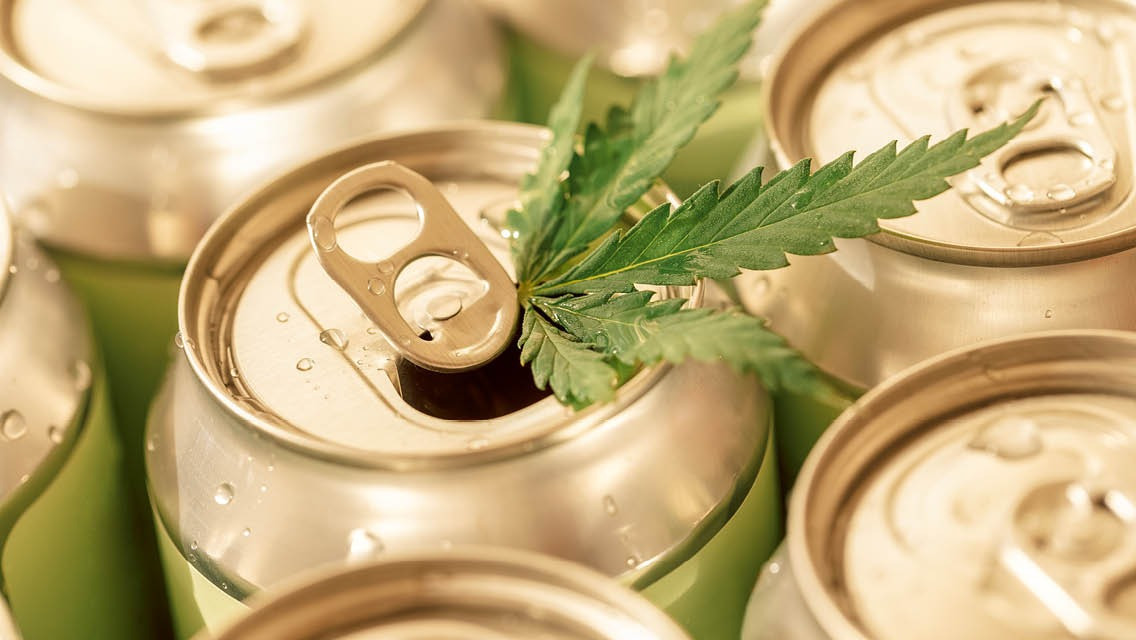
Could Cannabinoid-Infused Drinks & Beverage Actually Expire?
There is a particular kind of anticipation that comes with cracking open a cold beverage, especially one that promises a unique, elevated experience beyond just simple hydration. You have likely spent time researching the best flavor profiles, reading reviews about the quality of the ingredients, and perhaps even saving the drink for a special moment of relaxation or social connection. The weight of the can or bottle in your hand feels like a small investment in your own enjoyment, a promise of a specific vibe that you are eager to unlock. However, few things disrupt that expected moment of bliss quite like taking that first sip and realizing something is undeniably "off" about the taste or the effect. It raises a natural concern for anyone investing in the rapidly growing world of hemp-derived social tonics and sippables: does this liquid gold have a shelf life that demands our attention? We often check the dates on milk or juice without a second thought, yet we sometimes assume that shelf-stable functional beverages are impervious to the ravages of time. Understanding the lifespan of these products is not just about avoiding a stale taste; it is about ensuring that the tranquility and enjoyment you’re seeking remain potent and intact when you finally decide to indulge.
Getting to Know the Chronology of Freshness by Defining Expiration
To truly understand what happens to your beverage over time, we must first dissect what "expiration" actually means in the context of consumable goods, as it is rarely a black-and-white issue. In the broadest sense, expiration refers to the point at which a product is no longer fit for consumption, but this definition splits into two distinct categories: safety and quality. A product that has "expired" in terms of safety may harbor harmful bacteria or pathogens that could cause illness, which is a strict line that should never be crossed. On the other hand, a decline in quality—often indicated by "best by" dates—suggests that the food or drink is safe to consume but may not offer the peak sensory experience the manufacturer intended. This nuance is critical because many shelf-stable beverages will technically remain safe to drink for years, yet the flavor profile may flatten, the carbonation may vanish, and the vibrant colors may fade into a dull, unappealing hue.
The primary culprit behind this degradation process is usually oxidation, a chemical reaction that occurs when the ingredients in your beverage come into contact with oxygen. Even in sealed containers, microscopic amounts of oxygen can sometimes remain or permeate over long periods, slowly reacting with the volatile compounds responsible for flavor and aroma. This process can transform bright, citrusy notes into something resembling cardboard or metal, completely altering the intended profile of the drink. Furthermore, light exposure plays a significant role in this deterioration, particularly for beverages housed in clear glass or plastic bottles. Ultraviolet rays can break down chemical bonds within the liquid, accelerating spoilage and causing "lightstruck" off-flavors that are notoriously unpleasant.
Another critical factor in defining the lifespan of a product is the stability of its ingredients, which act as the building blocks of the entire drinking experience. Preservatives, whether natural like citric acid or artificial, are added to extend this window of freshness, but even they have their limits and will eventually break down. The interaction between different components—such as sugars, acids, and emulsifiers—can shift over time, leading to changes in texture or mouthfeel that might feel unfamiliar or unappetizing. For instance, natural fruit juices used for flavoring are far more susceptible to spoiling or fermenting than synthetic flavorings, meaning a "clean label" product might actually have a shorter prime window than its more processed counterparts.
Ultimately, expiration is a sensory cliff where the product falls from "enjoyable" to "acceptable" and finally to "objectionable," regardless of whether it is technically safe to digest. Our palates are incredibly sensitive instruments capable of detecting minute changes in chemical composition, often interpreting them as "stale" or "rotten" long before the product becomes hazardous. In the context of functional beverages, this degradation is doubly important because you are not just consuming for hydration; you are consuming for a specific effect or feeling. If the active ingredients degrade alongside the flavor, the product fails on its primary promise, rendering it "expired" in utility even if it won't make you sick.
The Architects of the Vibe: Understanding Cannabinoids
Cannabinoids are a diverse class of chemical compounds that naturally occur in the cannabis and hemp plants, serving as the primary engine behind the effects these products provide. They are unique in nature because they are capable of interacting with a vast network of receptors found throughout the human body, known as the endocannabinoid system. This system acts as a master regulator for various physiological processes, helping to maintain balance or homeostasis within the body. When you consume a cannabinoid-infused product, these plant-derived compounds mimic our internal neurotransmitters, binding to receptors to produce varying sensations ranging from subtle relaxation to profound euphoria. While there are over one hundred identified cannabinoids in the plant, the industry primarily focuses on a select few that offer the most desirable effects for consumers.
The most famous of these compounds are undoubtedly Delta 9 THC and CBD, but the modern market has expanded to include a variety of minor cannabinoids that play significant roles in formulating these drinks. CBD is widely celebrated for its non-intoxicating properties, often associated with a sense of calm and grounding without the heady shift in perception. Conversely, variants of THC, such as Delta 8 or Delta 9, are sought after for their ability to produce a euphoric lift and a more distinct "high." We also see the rise of compounds like CBG and CBN, which are often marketed for specific times of day or specific vibes, such as daytime focus or nighttime tranquility. These molecules are relatively robust, but they are not invincible; their chemical structure determines how they interact with the world around them, including the other ingredients in your drink.
A defining characteristic of cannabinoids is that they are lipophilic, meaning they love fat and generally repel water, which presents a fascinating challenge for beverage makers. In their natural state, cannabinoid extracts are thick, viscous oils that would simply float on top of a water-based drink if not properly processed. This oil-based nature makes them inherently stable in isolation, especially when stored away from light and heat, but mixing them into a liquid solution changes the dynamic of their stability. The industry has had to develop sophisticated methods to coax these oil-loving molecules into mingling with water, ensuring that every sip contains a consistent amount of the active ingredient.
The source and quality of the cannabinoid extract also play a pivotal role in the longevity and efficacy of the final product. Manufacturers typically use either isolates, which are pure 99% cannabinoids, or distillates and full-spectrum oils, which contain a broader range of plant compounds including terpenes and flavonoids. Isolate is generally more stable because it lacks the other volatile plant matter that can degrade or change flavor over time. However, full-spectrum oils are often prized for the "entourage effect," where the combination of plant compounds works synergistically to enhance the overall experience. This complexity means that a drink made with full-spectrum oil might be more susceptible to flavor changes as those delicate terpenes oxidize, whereas an isolate-based drink might taste consistent for longer.
Finally, it is crucial to understand that cannabinoids themselves can undergo chemical changes over time, independent of the beverage they are suspended in. When exposed to heat, oxygen, and UV light, cannabinoids can degrade into other compounds; for example, THC can slowly convert into CBN, a cannabinoid known for being much more sedating and less psychoactive. This means that an old drink might not just taste different; it might actually feel different, delivering a sleepy, heavy sensation rather than the uplifting spark you were expecting. This chemical evolution is slow, but it is a fundamental reality of organic chemistry that dictates the true shelf life of any infused product.
Getting to Know the Landscape of Hemp-Derived Drinks & Beverages
In the rapidly evolving landscape of adult consumables, hemp-derived beverages have carved out a significant niche, offering a sophisticated alternative to alcohol and traditional sodas. These drinks are essentially functional beverages infused with varying concentrations of cannabinoids, designed to offer a social lubricant or a personal unwind tool without the hangover associated with booze. They bridge the gap between the ritual of drinking—the cracking of the can, the fizz, the sipping—and the desire for a cleaner, more mindful buzz. From sparkling waters to complex botanical tonics, these beverages are crafted to fit seamlessly into social gatherings, dinner parties, or quiet nights at home. They represent a fusion of culinary science and cannabis technology, aiming to deliver a consistent, predictable, and enjoyable experience in a familiar format.
Crafting these beverages is a feat of modern chemistry, as oil-based cannabinoids do not naturally mix with water-based liquids, requiring sophisticated technology and precise engineering to create a stable and enjoyable product. The process begins with high-quality hemp extract, but the magic lies in how that extract is treated to ensure it disperses evenly throughout the drink rather than floating on top or sticking to the side of the can/bottle:
- Extraction and Refinement: The journey begins with sourcing premium, organically grown hemp plants, which are then subjected to advanced extraction methods like Supercritical CO2 or Cryogenic Ethanol extraction. These processes pull the raw cannabinoid oil from the plant material, which is subsequently "winterized"—a purification step that removes undesirable fats, waxes, and chlorophyll—and distilled to isolate the specific cannabinoids (like CBD or THC) in their purest, most potent form.
- Nano-Emulsification: This is widely considered the most critical step in beverage manufacturing. Using high-shear mixers or ultrasonic technology, the refined cannabinoid oil is blasted into microscopic nanoparticles and encapsulated in a water-friendly surfactant shell. This transformation turns a hydrophobic (water-hating) oil into a hydrophilic (water-loving) liquid, drastically increasing the "bioavailability" of the hemp, allowing your body to absorb the effects in minutes rather than hours.
- Formulation and Blending: Once the water-soluble emulsion is ready, it is introduced to the bulk liquid base. This is where flavor chemists work their magic, balancing the emulsion with filtered water, sweeteners (sugar or sugar-free), acids for pH stability, and natural flavorings. This stage is crucial for masking the naturally bitter, earthy terpene profile of hemp, ensuring the final taste is crisp and refreshing rather than grassy or medicinal.
- Homogenization: After the ingredients are combined, the mixture undergoes high-pressure homogenization. This process forces the liquid through a narrow valve at extreme pressure, further breaking down particle sizes and ensuring the oil emulsion is perfectly and permanently dispersed throughout the water. This prevents the "cream layer" effect, ensuring that the first sip has the exact same potency as the last sip.
- Quality Assurance and Potency Testing: Before the liquid ever touches a can, a critical "missing link" in many basic guides is the pre-packaging lab analysis. Samples of the homogenized batch are sent to a laboratory to verify that the dosage is accurate, the emulsion is stable, and the liquid is free from any microbial contaminants. This ensures that a drink labeled as "10mg" actually contains exactly 10mg.
- Pasteurization and Preservation: To guarantee shelf stability and safety without refrigeration, the beverage usually undergoes a pasteurization process (such as tunnel pasteurization) or is treated with natural preservatives like potassium sorbate. This step neutralizes any potential bacteria and yeast, locking in the freshness and ensuring the drink doesn't spoil or ferment while sitting on a shelf.
- Carbonation and Sealing: If the beverage is a sparkling seltzer or soda, precise levels of carbon dioxide are infused into the liquid at cold temperatures to create that signature fizz. The liquid is then immediately transferred into cans or bottles.
- Packaging with Liner Compatibility: The final and often overlooked technical hurdle is the container itself. The liquid is filled into cans that feature specialized, non-BPA interior liners designed specifically to prevent "scalping"—a phenomenon where the aluminum can absorbs the cannabinoids from the liquid, reducing potency. The cans are then seamed, labeled, and boxed, ready for distribution.
The diversity within the hemp beverage market is staggering, mirroring the vast variety found in the traditional beverage aisle to cater to every possible taste preference. You are no longer limited to a simple hemp water; the shelves are stocked with artisanal creations that rival craft beers and high-end sodas in complexity:
- Sparkling Seltzers: These are the darlings of the health-conscious crowd, offering crisp, highly carbonated waters infused with subtle fruit essences like blood orange, yuzu, or blackberry. They typically boast zero calories and zero sugar, providing a light, refreshing mouthfeel that is perfect for social gatherings where you want to sip something sophisticated without the heaviness of a sugary drink.
- Craft Sodas: For those craving a more nostalgic and indulgent experience, hemp-infused craft sodas deliver the full-bodied, sugary satisfaction of classic cola, root beer, or ginger ale. These beverages often use cane sugar or agave to create a rich, syrupy texture that coats the palate, masking the hemp flavor almost entirely and serving as a delightful "cheat day" treat or dessert alternative.
- Hemp-Infused Teas and Coffees: These functional beverages masterfully combine the alert, cognitive kick of caffeine with the smoothing, balancing properties of hemp to create a jitter-free state of flow. Options range from ready-to-drink cold brew coffees and matcha lattes for morning focus to soothing chamomile or hibiscus herbal teas designed to help you unwind and decompress in the evening.
- Mocktails and Social Tonics: Designed specifically to replace alcohol in social settings, these complex formulations blend botanicals, bitters, and adaptogens to mimic the "burn" and flavor complexity of a traditional cocktail. They often come in sophisticated glass bottles and feature adult flavor profiles—like smoky mezcal alternatives or spicy margaritas—allowing you to partake in the ritual of drinking without the hangover.
- Energy Drinks: A far cry from the jitter-inducing monsters of the past, these formulations pair cannabinoids with natural caffeine sources (like green tea or yerba mate), B-vitamins, and nootropics. The goal is to provide a "clean" energy lift that sharpens mental focus and physical stamina while the hemp keeps anxiety and restlessness at bay.
- Functional Shots: These are highly concentrated, small-volume liquids (usually 2-3 ounces) designed for rapid consumption and specific, targeted effects rather than sipping. Whether it is a "sleep shot" with melatonin and CBN or a "focus shot" with CBG and ginseng, they are built for utility and convenience for people on the go.
- Still Waters & Enhanced Hydration: Not everyone wants bubbles; this category caters to the fitness and wellness demographic by offering non-carbonated, hemp-infused still waters. often enhanced with electrolytes and minerals. They offer a smooth, gulpable hydration experience that is ideal for post-workout recovery or simply maintaining daily wellness without the bloat of carbonation.
- Dealcoholized Beers & Wines: Bridging the gap for traditionalists, some brewers are removing the alcohol from craft IPAs, stouts, and dealcoholized wines, and replacing it with hemp emulsions. This allows beer and wine lovers to enjoy the familiar hoppy bitterness or tannic profile they love, but with a buzz derived from cannabinoids instead of alcohol.
A key distinction in this market is the divide between non-psychoactive and psychoactive beverages, a difference that fundamentally alters the consumer's experience and intent. Non-psychoactive drinks are typically infused with CBD (Cannabidiol) or CBG (Cannabigerol), cannabinoids that do not produce a "high" but are sought after for their ability to promote a sense of calm, focus, and bodily ease. These are often marketed as wellness products, suitable for consumption at any time of day, whether before a big meeting or after a heavy workout. Conversely, psychoactive hemp beverages contain legal, hemp-derived isomers like Delta 8 THC, Delta 9 THC (within legal limits), or HHC, which actively engage the brain's receptors to create feelings of euphoria, mild intoxication, and a blissful state of mind. These drinks serve as a direct alternative to alcohol, offering a buzz that helps users unwind and disconnect, making them popular for parties, concerts, or deep relaxation sessions at home.
The target demographic for these beverages is incredibly broad, reflecting the shifting attitudes toward wellness and intoxication in modern society. These drinks are tailored for individuals who are looking for something different than the status quo, often seeking to enhance their lifestyle without the negative repercussions of other substances:
- The Sober-Curious: This rapidly growing group consists of individuals who are actively reducing their alcohol intake or abstaining completely—often referred to as "California Sober"—but still crave the ritual of a sophisticated "adult" drink. They want to hold a can at a party or social event that looks and tastes premium, allowing them to feel included in the celebration without dealing with the "hangxiety," dehydration, or sluggishness the next morning.
- Fitness Enthusiasts: From marathon runners to gym rats, these active individuals are seeking natural ways to support "active recovery" and physical relaxation without sabotaging their progress. They gravitate toward hemp beverages because they offer a way to unwind muscles and the mind without the empty calories, sugar spikes, or dehydrating effects of alcohol, fitting perfectly into a high-performance regimen.
- Creative Professionals: Writers, artists, coders, and musicians are increasingly turning to hemp beverages to unlock a "flow state" or shift their perspective during stagnant projects. They aren't looking to get intoxicated; rather, they seek a mild cognitive lift that helps silence inner chatter and reduce mental clutter, allowing for focused, uninhibited creativity.
- Wellness Advocates: These are the label-readers and bio-hackers who prioritize holistic health and view cannabinoids as essential supplements rather than recreational drugs. They are interested in the potential balancing effects of hemp to maintain homeostasis and often incorporate these drinks into a daily routine alongside vitamins, green juices, and meditation.
- Chill Seekers: This group represents the everyday person who simply wants to disconnect and decompress after a long, stressful day at the office. They are looking for a direct alternative to the "glass of wine" or "beer after work" ritual, seeking a mild, euphoric buzz that leaves them feeling tranquil, rested, and ready for a good night's sleep without the grogginess.
- The Cannabis Newcomers & Seniors: A massive, often overlooked demographic includes older adults or those who are completely new to cannabis and feel intimidated by smoking joints, using vape hardware, or dosing gummies. For them, drinking a beverage is a familiar, low-barrier, and non-stigmatized activity; they know exactly how to sip a drink, making this the most approachable entry point into the world of hemp.
- Busy Parents: Often looking for an alternative to "wine mom" culture, parents are turning to these beverages for a discreet way to take the edge off the chaos of parenting without losing functionality. They appreciate that hemp drinks leave no lingering smoke smell, offer precise and manageable dosing, and allow them to relax while remaining present and capable for their families.
The Question at Hand is This, Do Cannabinoid-Infused Drinks & Beverages Expire?
The short answer to whether cannabinoid-infused drinks expire is a resounding “yes”, but the timeline and manifestation of that expiration can be quite complex. Unlike a carton of milk that sours and chunks, a hemp beverage is more likely to experience a slow, graceful decline in quality and potency rather than an abrupt spoilage event. Most commercially available cannabinoid drinks are formulated to be shelf-stable for at least six months to a year, provided they remain unopened and stored correctly. However, "shelf-stable" does not mean "immortal", and the clock starts ticking the moment the product is manufactured. Over time, the chemical bonds that hold the flavor, color, and cannabinoid emulsion together begin to weaken, leading to a product that is technically safe to drink but practically disappointing.
One of the most significant aspects of expiration in this category is the degradation of potency, which is distinct from food spoilage. As previously noted, cannabinoids are sensitive to their environment, and over extended periods, especially in less-than-ideal storage conditions, the milligram strength stated on the can may no longer match what is in the liquid. The nano-emulsion—the technology keeping the oil mixed with the water—can also destabilize over time, causing the cannabinoids to stick to the liner of the aluminum can or the sides of the bottle. This phenomenon, known as "scalping," means that a portion of the active ingredient essentially gets plated onto the packaging, leaving you with a drink that is significantly weaker than advertised. If you drink a two-year-old hemp soda, you might find the effects are barely noticeable, not because the THC disappeared into the ether, but because it is no longer suspended in the liquid you are swallowing.
Flavor degradation is another major component of the expiration equation, often occurring faster than potency loss. The delicate terpenes and natural fruit extracts that give high-end hemp beverages their sophisticated taste are highly volatile and prone to oxidation. A beverage that once burst with zesty blood orange or floral hibiscus notes may eventually taste flat, metallic, or vaguely like wet cardboard. This "flavor fade" can turn a premium sipping experience into a chore, making the drink unpalatable even if it still delivers a mild effect. Furthermore, changes in pH over time can alter the mouthfeel, potentially making a sparkling beverage feel less bubbly or a creamy beverage feel slightly separated or gritty.
While rare in properly manufactured, pasteurized products, biological spoilage is the final and most serious form of expiration. If there was any flaw in the canning process—such as a compromised seal or insufficient pasteurization—bacteria or yeast could theoretically grow within the container. This is usually immediately obvious upon opening: the can might be bloated or misshapen due to gas buildup, or the liquid might smell foul and look cloudy. While the acidity and carbonation of most sodas and seltzers create a hostile environment for pathogens, it is never zero risk. Therefore, checking the bottom of the can for a manufacturing date or a "best by" stamp is always a prudent first step before taking that first sip.
Proper Storage Techniques for Preserving the Bliss
To truly ensure that your cannabinoid-infused beverages maintain their sparkle, flavor profile, and precise milligram potency for as long as possible, how you store them must be approached with the same level of care as their initial crafting. It is not simply a matter of tossing them into the refrigerator and forgetting about them; the ideal storage environment is heavily dictated by whether the vessel is aluminum, glass, or plastic, as well as the acidity level of the liquid and the stability of the botanical ingredients swirling inside. By tailoring your storage habits to the specific physical and chemical makeup of your drink, you can effectively pause the aging process and ensure that the experience remains consistent from the day of purchase to the moment of consumption. So, here’s essentially what you need to know and try to implement:
- The Container Material Hierarchy (Cans vs. Glass vs. Plastic): Your first line of defense is understanding the vessel.
- Aluminum Cans: These act as a fortress against UV light, making them the superior choice for long-term potency retention in well-lit areas, but they conduct ambient heat rapidly, requiring a stable temperature environment.
- Glass Bottles: Chemically inert, glass will not interact with the liquid, but it is critically vulnerable to light. Clear or green glass bottles must be stored in complete darkness, as UV rays can degrade cannabinoids and cause "skunking" within hours.
- Plastic (PET) Bottles: While durable and convenient, standard plastic is microscopically porous. It allows oxygen to seep in and carbonation to escape faster than glass or metal, leading to quicker oxidation (stale flavor). Furthermore, plastic offers zero UV protection unless completely opaque, so these require the strictest adherence to dark, cool storage.
- Combating "Scalping" in Plastics and Lined Cans: A major hidden enemy of potency is "scalping," where the active ingredients stick to the packaging rather than staying in your drink. This is most prevalent in plastic bottles because plastic is lipophilic (fat-loving), just like cannabinoids. Over time, the plastic walls literally absorb the cannabinoid oil, significantly reducing the potency of the liquid you drink. Similarly, for acidic canned beverages (like sour lemonades or colas), the acidity can eventually degrade the can's internal liner, causing cannabinoids to bind to the metal walls. To mitigate this, prioritize consuming drinks in plastic bottles or acidic canned drinks earlier in your rotation; do not "cellar" them for months.
- Ingredient Vulnerability (Real Juice & Dairy vs. Seltzers): Check the label for the source of the flavor. Beverages formulated with real fruit purees, natural juices, or dairy bases (like hemp-infused cold brews or lattes) are biological ticking clocks compared to clear, essence-flavored seltzers. Real sugars and fats are susceptible to fermentation or spoilage even when sealed, especially if they experience temperature spikes. These nutrient-dense drinks should be treated exactly like fresh groceries: store them in the main body of the refrigerator (not the door, which fluctuates in temperature) to prevent bacterial growth or texture separation.
- Protecting the Nano-Emulsion from Thermal Shock: The technology that keeps the cannabis oil evenly mixed with the water—the nano-emulsion—is a delicate equilibrium that hates change. Repeatedly moving a beverage from a cold fridge to a hot car or warm room and back again (thermal cycling) can cause the emulsion to break, leading to "ringing" where the oil separates and forms a ring around the neck of the bottle or can. To maintain a consistent dose in every sip, choose a storage temperature—ideally "chilled"—and keep it there permanently to prevent the active ingredients from falling out of suspension.
- Vertical Storage to Minimize Oxidation: Gravity is a useful tool in preservation; always store cans, glass, and plastic bottles in an upright position. For bottles (plastic or glass), this prevents the cannabinoid-rich liquid from constant contact with the cap liner, which acts as a potential point of failure for sealing. For all containers, upright storage ensures that the surface area of the liquid exposed to the "headspace" (the small pocket of air at the top) is minimized, slowing down the oxidation rate that dulls the crispness of the flavor.
- Handling Multi-Serving Syrups vs. Single-Serve Carbonation: Differentiate your storage strategy based on the serving type. Carbonated drinks, once opened, are on a one-way trip to flatness; no amount of sealing will save the texture for more than 24 hours, so plan to finish them. However, for non-carbonated, multi-serving products like concentrated hemp syrups or drink mixers, cleanliness is key to longevity. Always wipe the rim of the bottle clean before resealing to prevent sugar crystallization that can compromise the airtight seal, and store these strictly in the fridge to inhibit mold growth once the factory vacuum seal is broken.
The Final Sip
Treating your cannabinoid-infused beverages with a degree of care and awareness is the best way to honor the craftsmanship that went into creating them. These are not merely functional tools for hydration, but curated experiences designed to bring a moment of tranquility or joy into your day. By understanding the science behind their shelf life and taking small, proactive steps to store them correctly, you ensure that every can you crack open delivers the full spectrum of flavor and feeling you paid for. It is about respecting the integrity of the ingredients and maximizing the potential of your downtime. Ultimately, the best approach is to buy what you plan to enjoy in the near future, keeping your stock fresh and your experiences vibrant, rather than letting these liquid treasures fade away in the back of a cupboard.
Recent Posts
-
A Newly Simplistic Shrooms Decision: Mushroom Tablets vs. Mushroom Capsules
The realm of botanical exploration has undergone a massive transformation recently, shifting from th …Mar 12, 2026 -

A Powerfully Sweet Kratom Choice: Kratom Gummies vs. Kratom Hard Candy vs. Kratom Chocolate
The botanical landscape has undergone a monumental shift as enthusiasts seek more refined and palata …Mar 11, 2026 -

Making a Psychoactive Seltzer Choice: THC Seltzer vs. Kratom Seltzer
The modern landscape of social beverages has shifted dramatically toward botanical infusions that of …Mar 08, 2026