
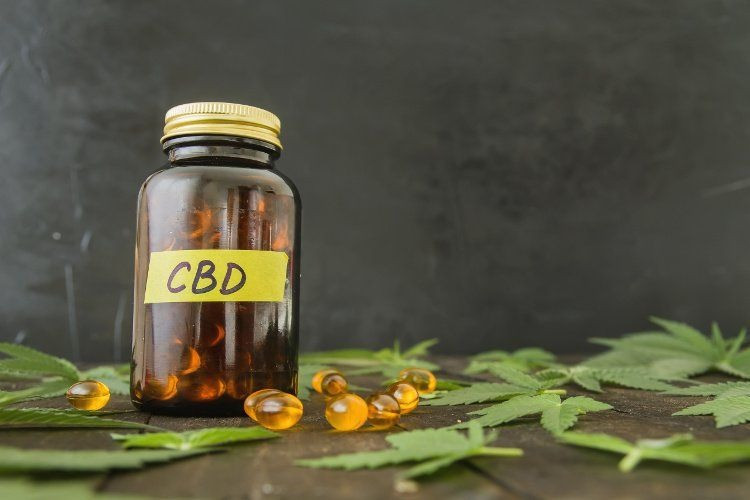
Do Cannabinoid-Infused Capsules Actually Expire?
We have all been there. Rummaging through a pantry, a medicine cabinet, or a wellness drawer, our hands land on a forgotten bottle. It might be a vitamin, a supplement, or in today's world, a sleek container of cannabinoid-infused capsules that we bought with the best of intentions. Our eyes instinctively search for a date, that tiny stamp of reassurance or condemnation. This behavior is automatic, a learned reflex from a lifetime of interacting with perishable goods. When it comes to these modern botanical products, the question feels even more pressing. Do these capsules, which seem so neatly contained and protected, truly fall victim to the ravages of time? The simple answer is a resounding "yes," but that "yes" is just the opening line of a much more complex and fascinating story. It’s a journey that involves chemistry, biology, and the three mortal enemies of all botanical products: heat, light, and air.
Unlocking the Botanical Code: A Deep Dive into Cannabinoids
Before investigating the lifespan of what’s inside the capsule, we must first establish a deep, foundational understanding of the cargo itself. The term "cannabinoid" has become a household word, yet it represents a vast, diverse, and often misunderstood family of chemical compounds. These are not a single entity, but a wide-ranging class of molecules that share a special relationship with the human body. They are the "keys" to a "kingdom" within us, and understanding their individual personalities is the first step to understanding why time is a critical factor in their use.
The Plant's Natural Architects (Phytocannabinoids)
When most people speak of cannabinoids, they are referring to phytocannabinoids. The prefix "phyto-" simply means "plant-derived." These are the organic compounds produced by the hemp and cannabis plant in their sticky, resinous glands called trichomes. These trichomes are, in effect, tiny chemical factories. While science has identified over one hundred different phytocannabinoids, a few "lead characters" have taken center stage, each with a unique chemical structure and a different corresponding set of effects:
- Tetrahydrocannabinol (THC): This is, without a doubt, the most famous cannabinoid. It is the primary compound responsible for the euphoric, uplifting, and blissful feelings associated with the plant. It is the key that unlocks the psychoactive experience.
- Cannabidiol (CBD): The other "A-list" star, CBD, rose to fame for what it doesn't do. It is non-intoxicating, meaning it doesn't produce that classic euphoric "high." Instead, CBD is associated with a wide range of balancing and centering effects. It's the compound that brought the plant out of the shadows and into the mainstream wellness conversation, championed for its ability to promote a sense of well-being.
- Cannabigerol (CBG): Often referred to as "the mother" or "the stem cell" of cannabinoids. In a young, developing hemp plant, CBG (or its acidic form, CBGA) is the precursor molecule. As the plant matures, plant enzymes convert this CBG into other cannabinoids, including THC and CBD. This means that, typically, mature plants have very little CBG left. However, modern cultivators have bred plants specifically to be high in CBG, allowing us to harness its unique, non-intoxicating effects, which many users describe as uplifting and focusing, making it a popular choice for "daytime" formulas.
- Cannabinol (CBN): This cannabinoid is perhaps the most relevant to our conversation about expiration. CBN is not directly produced by the plant in large quantities. Instead, it is the primary byproduct of THC degradation. As THC is exposed to oxygen and light over time, it breaks down and transforms into CBN. This is a critical point: time and exposure do not just destroy THC; they change it. CBN is non-intoxicating like CBD, but it has gained a massive reputation for its association with a "sleepy," "chilled out," and deeply relaxed feeling, making it the star of many nighttime preparations.
The Inner Dialogue: The Body's Own System
The discovery of phytocannabinoids led to an even more profound question: why do these plant compounds have any effect on us at all? The answer, discovered in the late 1980s and early 1990s, was a biological revelation. We have our own, vast, and previously unknown signaling network called the Endocannabinoid System (ECS). The "endo-" prefix means "from within."
This system, which is present in all vertebrates, is effectively a master regulator. Its entire job is to maintain homeostasis, or a stable, balanced internal environment, no matter what chaos the outside world throws at us. The ECS is a complex web of messengers and receptors that help modulate everything from mood and sleep cycles to appetite and immune response.
This system is made of three key components, which we can explain without lazy bullet points. First, you have the endocannabinoids themselves, which’re the "messengers" our body produces on demand, such as anandamide (often called the "bliss molecule"). Second, you have the receptors (like CB1 and CB2), which are the "locks" or "docking stations" on the surface of our cells that the messengers bind to. Finally, you have the enzymes, which are the "cleanup crew" that breaks down the endocannabinoids once their message has been delivered.
The entire "green revolution" is based on one simple fact: the phytocannabinoids from the hemp plant are so structurally similar to our own endocannabinoids that they can interact with this system. They can mimic our messengers, boost their effectiveness, or modulate the receptors. In short, they "talk to" our ECS, helping to support its primary mission of maintaining balance.
The Modern Alchemist's Creations (Hemp-Derived Cannabinoids)
The story has one more crucial chapter: the rise of hemp-derived cannabinoids. Key legislation in 2018 made hemp (which is legally defined as cannabis with less than 0.3% THC) federally legal to cultivate. This created a massive supply of hemp, and therefore, a massive supply of CBD. Talented chemists soon discovered that they could take this abundant, legal CBD and, through a clean chemical process called isomerization, convert it into other, rarer cannabinoids.
This innovation is the entire reason the market has exploded with new options. These are not "synthetic" in the old sense of the word; they are "converted" from a natural plant-based material. This has given us:
- Delta 8 THC (Δ8-Tetrahydrocannabinol): An isomer of the more famous Delta 9 THC. It is psychoactive, but almost universally reported as a "milder" and "clearer" experience. It's often described as a more "chilled out" and "body-focused" bliss, with less of the mental intensity that some dislike.
- HHC (Hexahydrocannabinol): A cannabinoid that is structurally different (it's "hydrogenated," or has had hydrogen atoms added) and is known for its remarkable stability. Its effects are often placed somewhere in between the bliss of Delta 8 and Delta 9.
- THC-P (Tetrahydrocannabiphorol): An extremely potent cannabinoid that is found in nature, but in such tiny amounts that it was only recently identified. It is reported to bind to the CB1 receptor with far greater affinity than traditional THC, resulting in a much more profound experience.
Understanding this entire, diverse family—from CBD to CBG to CBN to Delta 8—is critical. A capsule is not just a "capsule." It's a vessel for one, or many, of these specific compounds. And since each has a different chemical structure, each will have a different relationship with time.
The Vessel of Wellness: What Are Cannabinoid Capsules, Really?
Now that we understand the incredibly diverse and valuable "cargo," we can turn our attention to the "vessel" itself. On the surface, a cannabinoid-infused capsule seems self-explanatory: it’s a pill. But that simple description betrays the sophisticated design and deliberate engineering that goes into creating a high-quality, stable, and effective product. The capsule is not just a container; it is a delivery system. Its form is inextricably linked to its function, its purpose, and, most importantly, its shelf life.
Deconstructing the Capsule: More Than a Simple Pill
A cannabinoid-infused capsule is a two-part system: the shell (the casing) and the fill (the payload). Both are subject to innovation and have a direct impact on the user's experience and the product's longevity.
The most common form you'll encounter is the softgel. This is a single-piece, hermetically sealed capsule that is purpose-built to hold liquids—in this case, cannabinoid-infused oil. The softgel casing itself is a marvel. It is typically made from gelatin, a protein derived from animal collagen, mixed with a plasticizer like glycerin to make it soft, flexible, and easy to swallow. The encapsulation process creates an airtight seal, which is the softgel's single greatest advantage in the fight against expiration. It provides a near-impenetrable fortress against oxygen, a primary enemy of cannabinoid potency.
However, as the market grew, the demand for a non-animal-based option exploded. This led to the rise of plant-based or vegan softgels. These sophisticated shells are crafted from ingredients like tapioca starch or a seaweed-derived substance called carrageenan. Achieving the same flexibility and airtight seal as gelatin was a significant manufacturing challenge, but modern "veg-caps" are now just as effective, opening the market to a much wider, more inclusive audience.
You may also occasionally see hard-shell (two-piece) capsules. These are the classic "vitamin-style" capsules that consist of a "body" and a "cap" that are pressed together. Because they cannot reliably hold oil without leaking, they are used for powders. A formulator can take a pure cannabinoid isolate (a 99%+ pure crystalline powder) and mix it with a dry, inert filler, like microcrystalline cellulose.
The Heart of the Matter: The Extract and the Carrier
What's inside the shell is where the real magic, and the real chemistry of expiration, happens. The "fill" is almost never pure cannabinoid. It is a precise blend of two critical components: the cannabinoid extract and the carrier oil.
First, the extract defines the product's core identity. Formulators have three main choices:
- Isolate: This is the purest form. Through extensive refinement, a single cannabinoid (like pure CBD or pure CBG) is stripped away from every other compound. The result is a 99%+ pure powder, which is then dissolved in the carrier oil. The appeal is straightforward: it's tasteless, odorless, and contains zero other compounds, including THC.
- Full-Spectrum: This is the "whole plant" philosophy. A full-spectrum extract contains all the cannabinoids, terpenes (aromatic compounds), and flavonoids (phytonutrients) that were present in the original hemp plant, including the trace, legal amount of THC. This is based on the popular Entourage Effect theory.
- Broad-Spectrum: This is the "best of both worlds" compromise. A broad-spectrum extract starts as a full-spectrum oil, and then goes through an additional process to specifically remove the THC. The result is a rich blend of CBD, CBG, CBN, and terpenes, but with zero detectable THC.
The Entourage Effect is a theory suggesting that these plant compounds work better together than they do in isolation. It’s the idea that the "whole is greater than the sum of its parts"—that the terpenes help "steer" the experience, the minor cannabinoids like CBG add their own layer, and the trace THC "activates" the blend. This is a key purpose for choosing a spectrum-based capsule.
Second, and just as important, is the carrier oil. This is not a "filler." Cannabinoids are lipophilic (fat-loving), which means they dissolve in oil, not water. Our bodies, which are mostly water, have a hard time absorbing these fat-based molecules. The carrier oil is the essential vehicle that "carries" the cannabinoids through our digestive system and helps our body absorb them—a process known as increasing bioavailability. The choice of carrier oil below is a critical factor in both the product's effectiveness and its shelf life:
- MCT Oil (from Coconut): This is the undisputed king of carriers. MCT stands for Medium-Chain Triglyceride. These fats are metabolized differently, absorbed quickly, and converted directly into energy. Crucially for our topic, MCT oil is extremely stable and has a very long shelf life, making it a formulator's dream. It's also colorless and odorless.
- Hemp Seed Oil: This is the "thematic" choice. What better to carry a cannabinoid extract than an oil from the seed of the same plant? (It's important to note hemp seed oil contains no cannabinoids itself). It's highly nutritious, but it is less stable than MCT oil and has a shorter shelf life.
- Olive Oil: A classic, stable, and well-understood carrier oil, rich in healthy fats.
The "Why": The Purpose and Appeal of the Capsule Form
Why go to all this trouble? The capsule's rise to dominance is based on a set of unique and powerful advantages that no other format can quite match:
- Precision Dosing: This is the number one purpose. With a tincture, you're counting drops; with an edible, you're hoping it was mixed evenly. A capsule is a pre-measured, scientifically precise, and perfectly consistent unit. If the bottle says "25mg," every single capsule has 25mg. This allows a user to create a reliable, repeatable, and trackable wellness routine.
- Ultimate Discretion: The capsule is the "stealth" delivery system. It is visually indistinguishable from a Vitamin D or fish oil supplement. It has no smell, produces no vapor, and can be taken in seconds with a sip of water. It allows users to integrate cannabinoids into their lives—at the office, on a plane, or at the gym—without drawing any attention.
- Bypassing the Palate: Many full-spectrum extracts have a very strong, "earthy" or "grassy" flavor. For many, this "hempy" taste is a major barrier to using tinctures. The capsule completely solves this problem, as it bypasses the taste buds entirely.
- The "Low and Slow" Experience: A capsule is an ingestible, which means it must pass through the entire digestive system. This means it takes longer to feel the effects (typically 30-90 minutes) because it has to be broken down and then metabolized by the liver (a process called "first-pass metabolism").
- Long-Lasting Duration: The trade-off for the slow onset is a dramatically longer duration. Because the liver processes and releases the cannabinoids slowly over time, the effects—whether it's a sense of bliss from THC or a feeling of balance from CBD—can last for 4 to 8 hours. This makes the capsule the perfect tool for a "set it and forget it" all-day experience.
The "Plus Factor": Synergistic Ingredients in Modern Capsules
For a time, the mere existence of a precise, tasteless, and long-lasting cannabinoid capsule was enough. The market was dominated by single-ingredient products. But as the industry matured, so did the consumer. People stopped asking "what is this?" and started asking "what is this for?" This shift from general curiosity to goal-oriented wellness sparked the next great wave of innovation: the functional blend.
Formulators realized that the cannabinoid was a powerful base, but it didn't have to be the entire story. By combining a specific cannabinoid with other well-known botanicals, vitamins, and adaptogens, they could "steer" the capsule's effects toward a specific, desired outcome. This transformed the capsule from a simple supplement into a purposeful tool. This evolution is also a critical component of our expiration question, as every single ingredient added to the blend brings its own shelf life to the party.
Crafting an Experience: The Rise of the "Functional Blend"
The core idea is synergy. Instead of just offering a "CBD Capsule", brands began offering a "Sleep" capsule, a "Focus" capsule, or a "Relax" capsule. This specialization acknowledges that a person's needs in the morning are vastly different from their needs before bed. It allows for a level of personalization that a single-ingredient product could never provide.
The Nighttime Roster: For a Chilled-Out Evening
One of the most popular and immediate applications for functional blends was in creating formulas for relaxation and a "chilled-out" evening. People sought a way to unwind, quiet their minds after a hectic day, and prepare for a restful night:
- The Cannabinoid Base: The star here is almost always CBN (Cannabinol). As we discussed, its reputation as the "sleepy" cannabinoid—formed from the aging of THC—makes it the perfect anchor for a nighttime formula.
- The Synergistic Additions:
- Melatonin: This is the most common addition. Melatonin is a hormone our body naturally produces to signal to the brain that it's time to sleep. Adding a small, measured dose can help support the body's natural sleep-wake cycle.
- L-Theanine: This amino acid, found naturally in green tea, is a powerhouse of relaxation. It's famous for promoting a feeling of "wakeful relaxation" or "calm focus." It helps to quiet mental chatter without causing drowsiness, making it a perfect partner for CBN.
- Calming Botanicals: This is where formulators draw from centuries of traditional herbalism. You will frequently find extracts of Chamomile, the classic "sleepy-time tea" flower used for generations to promote a sense of calm. You'll see Lavender, the aromatic purple flower whose scent alone is associated with a peaceful atmosphere. You might also find Valerian Root, a potent herb with a long history of use for promoting deep relaxation, and Passionflower, a gentle botanical often used to help soothe a "busy" mind.
The Daytime Team: For Focus and Uplift
The logical opposite of the nighttime capsule is, of course, the "daytime" formula. These are designed to be taken in the morning to promote a smooth, clear, and productive flow-state—a gentle uplift without the jitters:
- The Cannabinoid Base: The go-to choice here is often CBG (Cannabigerol). The non-intoxicating, "mother" cannabinoid's uplifting and "focusing" reputation makes it the ideal foundation.
- The Synergistic Additions:
- B-Vitamins: Specifically Vitamin B12 and B6, which are essential for the body's natural energy-production processes. They are the building blocks of energy metabolism.
- Caffeine (or Green Tea Extract): A small, measured dose of caffeine provides a gentle lift. Many formulators prefer green tea extract, as it provides not only caffeine but also the aforementioned L-Theanine, which "smooths out" the caffeine's edges for a clear-headed focus.
- Adaptogens & Nootropics: This is where the formulas get truly sophisticated. You'll find Lion's Mane Mushroom, a nootropic prized for its potential to support mental clarity. You'll also see Cordyceps Mushroom, an adaptogen famously used to support vitality, stamina, and athletic performance. Other adaptogens like Ashwagandha (for helping the body maintain equilibrium) and Rhodiola Rosea (for mental endurance) are also popular.
The Daily Balance Brigade: For Foundational Well-Being
Finally, there is a third category of functional capsules. These are not for "up" or "down" but for "balance." They are designed as a daily staple to support the body's general wellness:
- The Cannabinoid Base: This is often a Full-Spectrum CBD oil, leveraging the complete Entourage Effect.
- The Synergistic Additions:
- Turmeric (Curcumin): This bright yellow root, or more specifically its active compound curcumin, has a history spanning thousands of years in Ayurvedic and traditional systems for its powerful properties.
- Black Pepper Extract (Piperine): This is the "helper" ingredient. Curcumin is notoriously difficult for the body to absorb. Piperine has been shown to dramatically increase its bioavailability, ensuring the body can actually use it. This also has the side benefit of potentially helping to absorb the cannabinoids more efficiently.
- Ginger: Another root with a long history of use for its soothing properties, especially for digestive harmony. Given that these are oral capsules, adding ginger is a smart, holistic touch.
The Clock is Ticking: How Cannabinoid Capsules Can Expire
We have now established that a cannabinoid capsule is not a simple, inert "pill". It’s a complex, multi-layered "system" of active cannabinoids, spectrum-based extracts, sensitive carrier oils, functional botanicals, and a delicate outer casing. With this in-depth understanding, we can finally and definitively answer our core question.
Yes, cannabinoid-infused capsules absolutely expire. They are not like a diamond or a piece of gold, which are timeless. They are botanical, organic products, and like any other supplement, food, or oil in your pantry, they have a finite shelf life.
Expiration, in this context, rarely means the product will become acutely "dangerous". It's not like spoiled meat. Instead, expiration means degradation. It means the product is no longer what you paid for. The potency has diminished, the chemical profile has shifted, and the experience you were seeking—whether it be bliss, relaxation, or balance—is no longer in the bottle.
The Cannabinoid's Kryptonite: The Three Enemies of Potency
To understand how a capsule expires, we must meet the three universal villains that are relentlessly trying to break down your product. The entire science of "shelf life" is a battle against these three forces:
- Oxygen (Oxidation): This is, without question, Public Enemy Number One. Oxidation is the process of a substance reacting with oxygen. It's what rusts iron, and it's what makes a cut apple turn brown. When the delicate cannabinoid molecules and, just as importantly, the carrier oils, are exposed to oxygen, they begin a chemical chain reaction that breaks them down, changing their structure and effectiveness. This is what causes an oil to go "rancid."
- Light (Photodegradation): Light, especially UV light from the sun, is pure energy. When this energy hits a sensitive organic molecule like a cannabinoid, it acts like a microscopic hammer, smashing the molecule's chemical bonds and breaking it apart. This process is called photodegradation. This is the entire reason why quality cannabinoid products are always packaged in opaque, dark containers, like amber, green, or cobalt blue bottles.
- Heat (Thermal Degradation): Heat is another form of energy. It makes molecules vibrate faster, which accelerates every chemical reaction—including the ones that cause degradation. High temperatures can not only break down the cannabinoids themselves but can, quite literally, melt the softgel casing, turning your bottle of 100 individual capsules into one giant, useless, gelatinous blob.
The Great Transformation: What Happens When Cannabinoids Degrade?
This is the most fascinating part. The compounds don't just "disappear." They transform. And the most classic, well-understood example is the one we've already touched upon.
When THC, the compound sought for euphoria and bliss, is exposed to oxygen and light over time, it undergoes a chemical change. It doesn't vanish; it converts into CBN, the "sleepy" cannabinoid.
Let that sink in. The "uplifting" daytime capsule you bought a year and a half ago, which has been sitting in a bright, warm kitchen cabinet, is no longer an "uplifting" capsule. By the time you take it, a significant portion of that THC may have transformed into CBN. Instead of the clear-headed bliss you were expecting, you might just feel groggy and "chilled out." The product's entire purpose has been defeated by time.
Other cannabinoids like CBD and CBG also degrade. While their transformation is less-studied than the "THC-to-CBN" pathway, they break down into other, less-effective (or completely-ineffective) compounds. The 25mg of CBD you are taking is no longer 25mg. The potency is lost, and the "balancing" effect you're looking for is a pale shadow of what it should be.
The Weakest Link: When Other Ingredients Go Bad
A capsule is only as strong as its weakest ingredient. Often, the first thing to expire in a capsule is not the cannabinoid at all:
- The Carrier Oil: This is the most likely culprit. While MCT oil is very stable, other popular carriers like hemp seed oil, olive oil, or flaxseed oil are polyunsaturated fats. This means they are highly susceptible to oxidation (going rancid). You will know this has happened. The product will have a sharp, bitter, "off" smell, often compared to "old crayons" or "stale nuts." While taking a rancid oil isn't acutely toxic, it will taste horrible (that "capsule burp" will be unpleasant), can cause digestive upset, and the rancidity process can create free radicals that are the opposite of "wellness."
- The Functional Ingredients: What about that "functional blend"? The Vitamin C in your "focus" capsule is notoriously unstable and will lose its potency very quickly. The delicate herbal extracts like chamomile or lavender will also degrade, losing their aromatic properties and their effectiveness.
- The Casing Itself: The softgel shell is designed to be tough, but it's not invincible. If stored in a high-humidity environment (like a bathroom), the gelatin will absorb moisture, becoming sticky, "sweating," and clumping together. Eventually, your entire bottle will become a single, unusable "capsule-brick." If it's too hot, they melt. If it's too dry and old, they can become brittle and crack, leaking the precious, and now-oxidizing, oil everywhere.
Reading the Signs: How to Tell if Your Capsules Have Expired
To tell, you can simply:
- Trust The Date: The "Best By" or "Use By" date on the bottle is your first and most important guide. This date isn't a random guess. It's (hopefully) based on stability testing done by the manufacturer. It represents the last day the company will guarantee the product meets the potency claimed on the label. Typically, this is 1-2 years from the date of manufacture.
- Do the "Clump" Test: Are the capsules all stuck together in one giant ball? This is a sign of humidity or heat damage. The integrity of the product is compromised.
- Do the "Smell" Test: Open the bottle and take a deep sniff. Does it smell neutral, or perhaps faintly like the herbs inside? Or does it have that sharp, waxy, "off" smell of rancid oil? Trust your nose. It's your best defense against a bad product.
- Do the "Visual" Test: Are the capsules leaking? Is the oil inside (if visible) turned from a clear, golden color to a dark, sludgy, or cloudy brown? This is a visual sign of oxidation and degradation.
- Do the "Effect" Test: This is the most subjective, but often the most telling. Does it just... not work anymore? If you used to take one capsule to feel relaxed, and now you have to take two or three to feel anything at all, the potency is gone. The cannabinoids have degraded, and you are no longer getting what you paid for.
The Preservation Protocol: Storing Your Capsules for Maximum Freshness
Now that we understand the enemies—Heat, Light, and Air—we can write the battle plan. Proper storage is not a passive act; it is an active preservation protocol. You have invested in a high-quality, complex botanical product. It is your job to protect that investment. Fortunately, it's incredibly simple.
The Golden Rules: Your New Storage Mantra
The entire strategy can be boiled down to three words: as this is the mantra you must repeat:
- COOL: This does not mean "cold." The refrigerator is, in fact, a bad idea for capsules. While it's cool, it's also a high-humidity environment. Every time you open that cold bottle in your warmer-air kitchen, condensation will form, introducing moisture and making your softgels stick together. A stable, "room temperature" or "cool" location is ideal. Think of a pantry, a cellar, a cabinet, or a drawer. The "cool" part is really about avoiding heat. Never store your capsules in a car, on a sunny windowsill, or in a cabinet above your stove.
- DARK: This is non-negotiable. As we learned, light is a high-energy destroyer of cannabinoids. Even if your bottle is a dark, opaque amber color (which it should be), that's just the first line of defense. The bottle's job is to protect the product during a "storage mistake." Your job is to not make that mistake. Keep the bottle inside a cabinet, a drawer, or a medicine chest where it is in 100% darkness 99.9% of the time.
- DRY: This is the most commonly-broken rule. Where do most people keep their supplements and pills? In the bathroom medicine cabinet. This is, without question, the single worst place you could possibly store your capsules. The bathroom is a "steam cabinet" that floods with humidity every single time someone takes a hot shower. That moisture is a death sentence for softgels, guaranteeing they will become a sticky, clumped-together mess.
Mastering Your Container: From Bottles to Pouches
The type of packaging your capsules come in will also dictate part of your storage strategy, such as:
- The Classic Bottle (Glass or Plastic): This is the industry standard. It's rigid, which protects from crushing, and it's (hopefully) opaque, which protects from light. The key here is the seal. That little foam or paper freshness seal you peel off when you first open it? That was its "virginity," its 100% protection from oxygen. The moment you open it, the clock really starts ticking.
- The "Headspace" Problem: The biggest issue with a 100-count bottle is "headspace," or the amount of air in the bottle. On day one, the bottle is 1% air. After you've used half the capsules, the bottle is 50% air. Every single time you open and close that bottle, you are "refreshing" the supply of a primary enemy: oxygen.
- Your Action: Always, always screw the lid on TIGHT. Don't be lazy. That lid is your only defense against new air getting in.
- The Resealable Pouch ("Mylar Bags"): These are increasingly popular, especially for smaller quantities. They are excellent at blocking light, and their flexibility is good for shipping.
- The "Seal" Problem: Their weakness is the "zipper" seal. It is notoriously fallible. It's easy to think you've sealed it when you've only sealed 90% of it.
- Your Action: Squeeze as much air out of the pouch as possible before sealing. Then, run your fingers across the zip-seal twice to ensure it's fully closed. These are better for short-term use (like a 30-day supply) than for long-term "stockpiling."
- The Vacuum-Sealed Pack: If your product arrives in a non-resealable, "tear-open" vacuum-sealed bag (which then contains your bottle or pouch), that is "archive-grade" storage. It is 100% oxygen-free. Do not open it until you are ready to start using the product.
- The Blister Pack: This is, from a freshness perspective, the gold standard of preservation. In a blister pack, each individual capsule is sealed in its own tiny, airtight, light-protected pocket. It completely solves the "headspace" problem of the bottle. You can take one capsule today, and the capsule right next to it will remain perfectly fresh and unexposed to oxygen for another year. It ensures that the last capsule in the box is just as potent and fresh as the first.
To Freeze or Not to Freeze? The Great Storage Debate
This is a common question. If heat is the enemy, is the freezer the ultimate savior? For cannabinoid capsules, the answer is a resounding NO, DO NOT FREEZE THEM.
You see, while freezing is a fine way to store a pure, "raw" oil extract, it is a terrible idea for a softgel. The casing contains moisture, and the oil inside has different properties. Freezing will introduce ice crystals, which can cause the delicate softgel casing to crack. When you thaw it, you will be left with a sticky, wet, possibly-leaking mess. The rapid change in temperature and the moisture from condensation will do far more harm than good.
The refrigerator, as mentioned, is also a poor choice due to humidity. The simple, non-tech solution is the best: a cool, dark, and dry pantry or cabinet.
The Ticking Clock and the Conscious Consumer
Time, in the end, is the one element we can never truly stop. It is the ultimate tax on all organic matter, and that bottle of capsules in your cabinet is no exception. It is not a static object; it is a dynamic, complex botanical product in a state of slow, graceful (or not-so-graceful) decline from the moment it was made. Understanding that this "best before" date is not a mere suggestion, but a scientific boundary, is the final step in becoming an educated consumer. This knowledge is not a chore; it is an act of respect for the product, for the complex plant it came from, and for your own wellness journey. By mastering the simple art of preservation—the cool, dark cabinet and the tightly-sealed lid—you are taking control of the narrative. You are ensuring that the experience you paid for, that precise and purposeful blend of bliss or balance, is the one you actually get, from the very first capsule to the very last.
Recent Posts
-

What Should Pet Owners Know About CBG for Pets?
Entering the world of pet wellness today often feels like entering a futuristic apothecary where the …Mar 02, 2026 -

An In-Depth Look at the O.pen Sesh Portable Electric Dab Rig w/510-Thread Cart Compatibility
The culture surrounding concentrates has shifted from heavy, stationary setups to a more streamlined …Feb 27, 2026 -

The Next Psychoactive Combination: Liquid Diamonds & Mushroom Blends
Entering the ultimate threshold of a new era in botanical synergy, the modern enthusiast is witnessi …Feb 26, 2026