
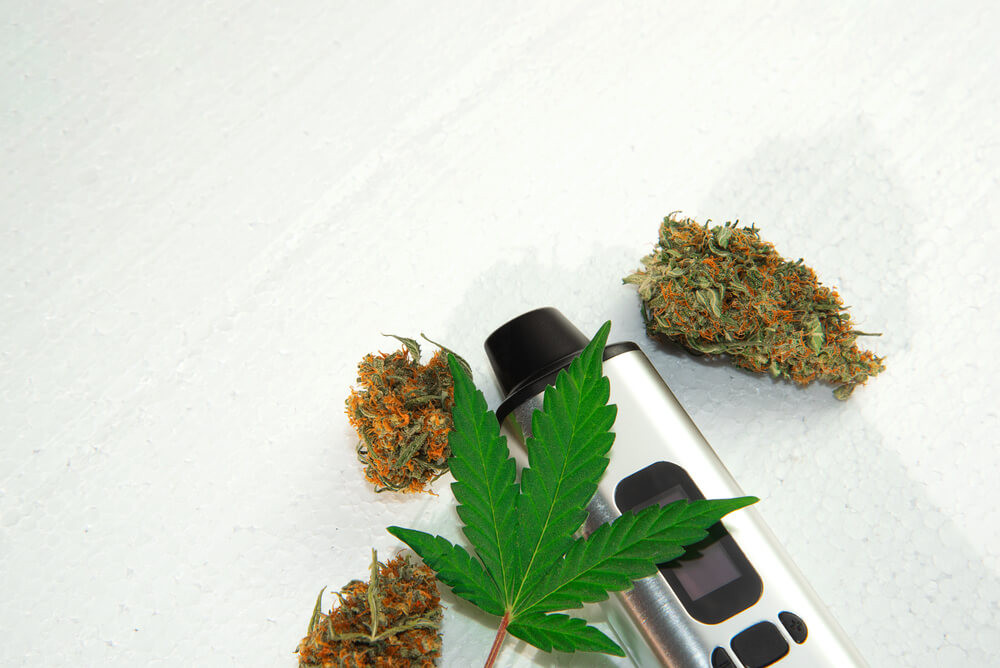
How Should Dry Herbs Smell When Being Vaped in a Portable Vaporizer?
The moment the light on a portable device turns from a pulsing amber to a solid, inviting green, a specific transformation begins to unfold within the palm of your hand. This transition is not merely mechanical; it is a sensory awakening that signals the release of complex botanical profiles into the surrounding air. For many enthusiasts, the initial inhalation provides a crisp, clean introduction to the plant's true character, far removed from the heavy, acrid cloud associated with older methods of consumption. Instead of a thick, clinging fog, the vapor should emerge as a delicate mist that carries the distinct, sharp notes of the garden. Recognizing the nuances of this aroma is the primary way to gauge the quality of your session and the state of your materials. It is an olfactory guide that tells a story of temperature, timing, and purity with every breath you take.
The Olfactory Fingerprint of Quality Botanicals
Before the heating element even begins its work, the scent of the dry herb itself serves as a vital blueprint for what is to come. When you peel back the lid of a storage jar, the air should immediately fill with a vibrant, multifaceted bouquet that feels alive and punchy. High-quality herbs possess a pungency that can range from the sharp zest of a lemon peel to the deep, grounding scent of a damp pine forest. This "loudness" is a primary indicator that the volatile compounds responsible for the experience are intact and ready to be activated. If the material smells faint, dusty, or reminiscent of old hay, the resulting vapor will likely mirror that lack of vitality, offering a flat and uninspired session.
The complexity of this raw scent is found in the terpenes—those tiny, aromatic molecules that define the personality of the plant. A well-preserved specimen might offer a nose-tingling spiciness or a sweet, floral undertone that lingers in the nostrils. These scents are fragile; they are the first things to vanish if the herb is exposed to too much light, air, or heat during storage. Therefore, the pre-vape "sniff test" is more than just a ritual; it is a diagnostic tool. When the raw material smells robust and distinct, it promises a vapor path that is equally rich and expressive, setting the stage for a sophisticated sensory experience.
Deciphering the Terpene Profile
When the device reaches the lower end of the temperature spectrum, usually between 350°F-370°F, these terpenes are the first to make their grand entrance. This phase of the session is often the most aromatic and flavorful, as the heat is sufficient to volatilize the delicate oils without reaching the point where the plant matter begins to toast heavily. At this stage, the vapor should smell remarkably similar to the raw herb, but with an added warmth that amplifies the individual notes. You might notice a sudden burst of bright citrus or a cooling sensation in the nose that suggests mint or eucalyptus.
Moreover, the scent at low temperatures is incredibly fleeting and light. It does not hang in the air for long, nor does it saturate fabrics or hair with a stubborn odor. Instead, it wafts past like the steam from a freshly brewed cup of herbal tea. If the vapor smells overly "green" or like steaming vegetables, it might suggest that the material is a bit too moist. On the other hand, if it immediately starts to smell like roasted nuts, your temperature might be set a bit higher than you intended for a flavor-forward start.
The Mid-Session Metamorphosis
As the session progresses and the heat penetrates deeper into the herb chamber, the aroma undergoes a fascinating shift. The bright, sharp highs of the initial draw begin to mellow out, making way for a more robust, earthy profile. This is the "sweet spot" for many users, where the vapor feels thicker and the scent becomes more "savory" than "floral." Think of it as the difference between smelling a fresh orange and smelling an orange zest being warmed over a fire. The underlying character is still there, but it has been transformed by the heat into something deeper and more resonant.
This middle phase is characterized by a "toasty" quality that is pleasant and comforting. It should never smell sharp or irritating to the nose. Instead, it should remind you of the way a kitchen smells when you are lightly browning spices in a pan. There is a richness here that speaks to the extraction of the plant's heavier compounds. If you are using a portable unit that relies on convection—where hot air is pulled through the herb—this smell might remain cleaner for longer. In conduction-based units, where the herb sits against a heated wall, this toasty aroma may arrive sooner and feel a bit more intense.
The Science of the "Toasted" Note
What you’re smelling during this mid-session transition is actually a mild version of the Maillard reaction, the same chemical process that gives toasted bread or roasted coffee its alluring scent. While we aren't "cooking" the herb in a culinary sense, the heat is breaking down complex sugars and oils within the plant material. This creates a spectrum of aromatic compounds that weren't present in the raw state. This is why a session can start smelling like blueberries and end up smelling like a warm muffin.
A healthy mid-session aroma should be:
- Warm and earthy without being acrid.
- Suggestive of roasted grains or seeds.
- Consistent throughout the draw.
- Free from any "burnt" or "singed" undertones.
If the scent suddenly takes a turn toward the sharp or sour, it is often a sign that the airflow is restricted or that the material is being heated unevenly. A gentle stir of the chamber (if your device allows it) can often reset this aroma, bringing the fresher, unheated material from the center to the edges to restore that balanced, toasty bouquet.
Decoding the Toasted Telegraph
Every session eventually reaches a point of diminishing returns, and your nose is the most reliable instrument for detecting this finish line. As the active compounds are depleted, the vapor will lose its complexity and settle into a very specific scent: toasted popcorn. This is the universal signal among enthusiasts that the material in the chamber is "spent." While some people enjoy the flavor at this stage, the aroma is a far cry from the vibrant garden notes that started the session. It is a dry, singular smell that lacks the moisture and oil-rich "weight" of the earlier draws.
The "popcorn" smell occurs because the botanical oils have been largely replaced by the scent of the drying plant cellulose. It is not an unpleasant smell—in fact, it can be quite nostalgic—but it indicates that the peak of the experience has passed. If you continue to heat the herb beyond this point, the scent will shift from toasted popcorn to something more akin to overcooked grains or charred wood. This is the threshold you want to avoid. While vaporization is not combustion, the plant matter can still become singed if pushed too far, leading to a "heavy" smell that lingers much longer than the clean vapor of the early session.
Identifying the "Done" Point
Recognizing exactly when to stop is an art form. If the vapor begins to smell "thin" or "wispy" while also carrying that heavy toasted grain note, the chamber is likely exhausted. Many portables use a timer to end a session, but these are often arbitrary. Trusting your olfactory senses allows for a more tailored experience. When the scent loses its "zip" and becomes monotonous, it’s time to empty the chamber. The leftover material, often referred to as "already vaped" herb, should be a uniform chocolate brown color and smell like a dry, earthy tobacco or roasted barley. If it smells like an ashtray, you’ve gone too far; if it still smells like the original plant, there was still more to be extracted.
The Ghost of Vapor Past: Device Maintenance
Sometimes, the way your herb smells has less to do with the plant and more to do with the device itself. Portable units are compact, which means that oils and fine particles can easily accumulate in the vapor path, the mouthpiece, and the chamber screens. Over time, these residues are heated repeatedly, creating a "stale" or "sour" aroma that can mask the fresh scent of even the highest-quality botanicals. If you find that every session, regardless of the herb variety, starts to smell like an old attic or a dusty radiator, your device is likely crying out for a deep clean.
A clean vaporizer should have a neutral scent when it is empty and cold. If you take a "dry hit" (inhaling through the device while it is off), you shouldn't taste or smell anything other than perhaps a faint hint of the last session. The buildup of "reclaim"—the condensed vapor that turns into a sticky resin—has a very distinct, heavy, and somewhat "cooked" smell. This residue can act like a sponge, soaking up the fresh terpenes from your new herb and replacing them with a flat, muddled odor. Regular maintenance is the only way to ensure that the olfactory profile of your vapor remains "high-definition."
To keep your sessions smelling like a botanical garden rather than a basement, focus on these areas:
- The Mouthpiece: This is where the most condensation occurs. If it smells sour, soak it in an appropriate cleaning solution.
- The Screens: Fine mesh screens can trap particles that eventually char. A charred screen will give off a tiny bit of smoke-like smell that ruins the vapor's purity.
- The Air Path: Some devices have isolated air paths that can be cleaned with a small brush. Dust or lint in the air path can smell like "burning hair" when heated.
By maintaining a pristine device, you allow the true, unadulterated scent of the herb to shine. It’s like cleaning a window; you don’t realize how much of the view you were missing until the streaks are gone. A clean device ensures that the transition from "raw" to "toasted" is a clear, enjoyable progression rather than a muddy mess.
Environmental Discretion and Dissipation
One of the most significant advantages of using a portable device is the nature of its environmental impact. Unlike the heavy, invasive odor of combustion, vapor is light and relatively "socially acceptable." However, "smell-less" is a myth. There is absolutely a scent, but its behavior in a room is entirely distinct. When you exhale, the aroma should be a fleeting reminder of the botanicals you just vaped. It should smell like the plant, but without the "burnt" undertone that sticks to curtains and upholstery.
Because vapor is essentially a collection of tiny oil droplets rather than solid carbon particles (smoke), it doesn't have the same "sticky" quality. The scent will waft through a room and usually dissipate within minutes if there is even a slight amount of airflow. To a bystander, the smell might be mistaken for an exotic incense, a strong herbal tea, or even a localized cooking aroma. It lacks that tell-tale "skunky" weight that can travel through walls or under doors. If your vapor smells "heavy" enough to linger for an hour, it usually means you are vaping at a temperature that is dangerously close to combustion, or your device has significant residue buildup.
For those who value discretion, understanding how the scent travels is key. The "nose" of the vapor is most potent at the moment of exhalation. However, because it lacks the tar and resins of smoke, the scent molecules break down quickly when exposed to the open air. In a well-ventilated space, the aroma is often gone by the time the next person enters the room. This "clean" dissipation is one of the hallmarks of a high-functioning portable unit. If you notice a "stagnant" smell that persists, it’s a sign that the vapor is too dense or that the material is being overheated.
Convection vs. Conduction Along with the Moisture Content and the "Steaming" Effect
The mechanical way your portable device heats the herb can subtly change the olfactory profile of your session.
Conduction units, which heat the walls of the chamber, tend to produce a "warmer" and more "roasted" scent from the very beginning. Because the herb is in direct contact with the heat source, the "toasted popcorn" notes often arrive a bit sooner. This creates a very robust, "cooked" aroma that some find deeply satisfying and others find a bit too intense.
In contrast, convection units—where the herb is heated by a stream of hot air—tend to preserve the "fresh" scent for a much longer duration. Because the herb isn't sitting on a hot plate, it only releases its aromatics when you are actually taking a draw. This results in a "brighter" bouquet that feels more like the raw plant throughout the majority of the session. The scent from a convection unit is often described as "crisper" and more "defined," allowing you to pick out individual terpene notes with greater ease.
Neither is objectively better, but they offer two different ways to experience the plant’s aromatic potential.
Also, the moisture level of your dry herbs has massive role in how the session smells. If your herbs are too "fresh" or haven't been cured properly, the initial draws will smell more like steam and wet grass. This is because the device is essentially boiling off the water content before it can get to the oils. This "steamy" smell can be a bit distracting and can lead to a lack of flavor. Conversely, herbs that are bone-dry will skip the floral phase entirely and go straight to the toasted grain scent.
Finding that "Goldilocks" zone of moisture—where the herb is dry enough to snap but still has a bit of "give"—is the secret to achieving the most complex and rewarding olfactory profile.
The Ritual of the Senses
Ultimately, learning to "read" the scent of your vapor is about more than just avoiding a burnt taste. It is about engaging with the plant on a deeper level. The nose is a direct line to our perception of quality and enjoyment. When a session smells "right," it feels right. The transition from the sharp, resinous notes of the start to the warm, comforting toastiness of the end is a natural cycle that should be savored. It is a reminder that you are working with a natural, complex botanical product that reacts to heat in predictable yet fascinating ways.
By paying close attention to these aromatic shifts, you become a more proficient user. You know when to turn the temperature up to find those hidden notes, when to stir the chamber to refresh the bouquet, and exactly when to call it quits to avoid a lackluster finish. The portable vaporizer is a tool of precision, and your nose is the calibration device. When both are in sync, the resulting vapor is a clean, evocative, and deeply enjoyable experience that respects the plant's true nature.
The Final Olfactory Reflection
Mastering the aromatic language of your portable device transforms a simple habit into a refined sensory practice. When you can distinguish between the vibrant citrus of a fresh terpene and the roasted depth of a spent chamber, you unlock a much higher level of appreciation for the nuances of your botanicals. The scent serves as your most honest companion, offering real-time feedback on the health of your device and the quality of your materials without ever saying a word. This clean, fleeting bouquet is the hallmark of a sophisticated extraction process that prioritizes purity over intensity. By trusting your nose as the ultimate guide, you ensure that every session remains a fresh, flavorful, and elevated experience.
Recent Posts
-

How Should Dry Herbs Smell When Being Vaped in a Portable Vaporizer?
The moment the light on a portable device turns from a pulsing amber to a solid, inviting green, a s …Apr 09, 2026 -
Bringing a Blast from the Past: Cipher Nautilus V3 Churchwarden Stem Kit
Imagine the candlelit silence of an 18th-century library, where the only sound is the soft crackle o …Apr 07, 2026 -

Why CBD & Honey Make a Very Sweet Duo
Picture a golden, viscous liquid catching the light as it swirls slowly off a wooden dipper, a timel …Apr 05, 2026