
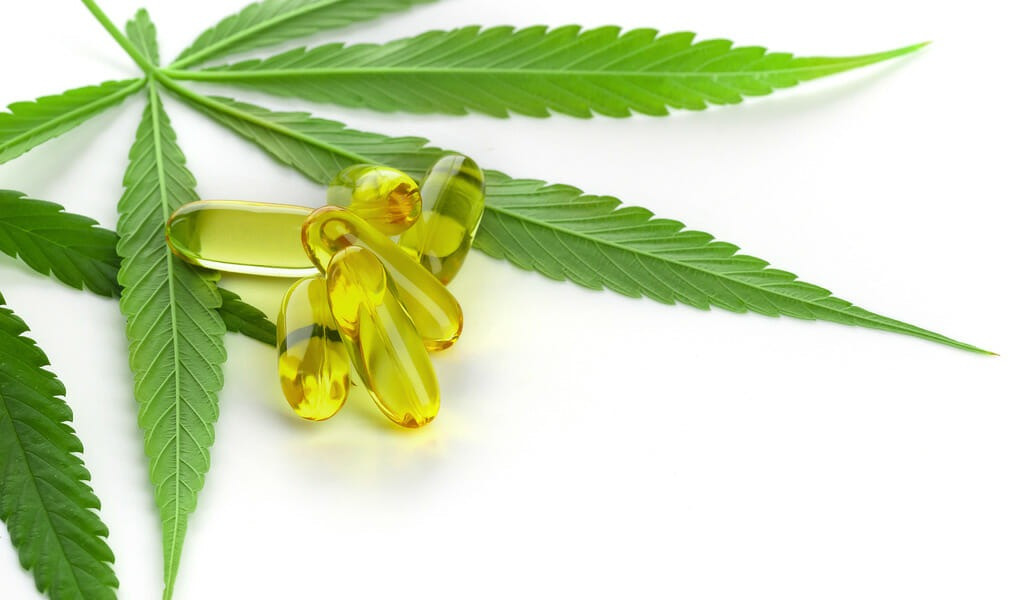
The Rise and Evolution of Cannabinoid-Infused Capsules
In the vast and rapidly expanding universe of wellness, few items have managed to bridge the gap between ancient botanicals and modern convenience quite like the humble capsule. Once relegated to the realm of vitamins and pharmaceuticals, this simple delivery system has become the vessel of choice for a new generation of consumers seeking balance and a sense of well-being. The journey of the cannabinoid-infused capsule, in particular, mirrors the maturation of an entire industry—a shift from niche curiosity to mainstream staple. It represents a move toward precision, discretion, and a personalized approach to wellness that was previously unattainable. This is not just the story of a pill; it's the story of how a sophisticated understanding of plant-based compounds met the demands of a discerning, modern consumer. We are witnessing a quiet revolution, one that is neatly contained within a small, easy-to-swallow capsule/softgel. This transformation has been subtle but profound, charting a course from simple formulas to highly specialized, functional blends that are redefining what it means to integrate botanicals into our daily lives.
Unlocking the Green Code: A Primer on Cannabinoids
Before we can appreciate the sophisticated vessel that is the capsule, we must first understand the precious cargo it's designed to carry. The term "cannabinoid" has entered the global lexicon with remarkable speed, yet it remains a source of much confusion. At its core, a cannabinoid is simply a type of chemical compound that interacts with a vast signaling network in the human body. This interaction is the key to everything that follows. These compounds are not a monolith; they are a diverse family of molecules, each with its own unique structure and properties. They are found in nature, produced by our own bodies, and even synthesized in laboratories. Understanding the distinctions between them is the first step in understanding the purpose-driven evolution of cannabinoid products.
The Plant's Natural Library: Phytocannabinoids
When most people hear "cannabinoid," they are thinking of phytocannabinoids. The prefix "phyto"- simply means "derived from a plant." These are the compounds that the cannabis and hemp plants produce naturally in their resinous glands, or trichomes. Scientists have identified over one hundred different phytocannabinoids, but a few key players have dominated the conversation and driven the market.
First, there is the most famous compound, Tetrahydrocannabinol, or THC. This is the primary compound responsible for the euphoric, uplifting, and blissful feelings associated with the cannabis plant. It primarily interacts with a specific receptor in the brain and central nervous system. In its raw, "living" plant form, this compound actually exists as THCA, or tetrahydrocannabinolic acid. This acidic precursor is not psychoactive; it only becomes the compound we know as THC through a process called decarboxylation, which is typically triggered by heat (like in smoking, vaping, or cooking).
Next, and arguably the compound that truly launched the modern wellness boom, is Cannabidiol, or CBD. CBD is the non-intoxicating counterpart to THC. It does not produce the same intense, euphoric "high." Instead, its mechanism is far more subtle. It's often described as a modulator or regulator. It doesn't bind as strongly to the main cannabinoid receptors; instead, it works more indirectly, influencing other receptors and enzyme systems to help the body maintain a state of equilibrium and balance. The discovery that one could get the wellness benefits of the hemp plant without the intoxicating effects was, for many, the "green light" they needed to explore this world.
Beyond these "big two" lies a fascinating world of "minor" cannabinoids, which are now becoming major players in the evolution of capsules:
- Cannabigerol (CBG): Often called the "mother" or "stem cell" cannabinoid, CBG is a critical precursor. In the young hemp plant, CBG is the building block from which other cannabinoids, including THC and CBD, are synthesized. As the plant matures, the CBG content typically decreases as it converts into these other compounds. However, cultivators have learned to breed plants that are high in CBG, allowing for its isolation. It's a non-intoxicating compound that is gaining a reputation for its uplifting and focus-enhancing qualities, making it a popular choice for "daytime" formulas.
- Cannabinol (CBN): If CBG is the "mother," CBN is the "aged" relative. CBN is not directly synthesized by the plant in large amounts. Instead, it is primarily the result of THC degrading over time due to exposure to oxygen and light. For a long time, it was seen as a byproduct of old, poorly stored material. But researchers soon discovered that this "sleepy" cannabinoid, as it's often called, has its own unique set of properties. It is non-intoxicating in the same way as THC, but many users associate it with a profound sense of relaxation and calm, making it the star of "nighttime" and "unwind" formulations.
The sheer variety within this plant library, from the euphoric THC to the balancing CBD and the functional CBG and CBN, provides a rich palette for formulators. This diversity is the entire reason that a "one-size-fits-all" approach is insufficient and why the capsule has had to evolve to meet specific needs.
The Body's Inner Dialogue: Endocannabinoids
Perhaps the most fascinating discovery in this entire field was not in a plant, but within ourselves. In the late 1980s and early 1990s, scientists were trying to understand how phytocannabinoids like THC affected the human body. In doing so, they stumbled upon a massive, previously unknown biological system: the Endocannabinoid System (ECS). The "endo-" prefix means "within," as in "produced within the body."
It turns out that our bodies create their own cannabinoids, called endocannabinoids. This system, which is present in all vertebrates, is effectively a master regulator. Its primary job is to maintain homeostasis, or a state of stable, internal balance, despite the fluctuations and challenges of the outside world. The ECS is involved in regulating a vast number of bodily processes, including mood, appetite, sleep cycles, immune response, and our perception of sensation.
The ECS has three main components:
- Endocannabinoids: These are the "messengers" our body produces on-demand. The two most well-understood are anandamide (often called the "bliss molecule") and 2-AG.
- Receptors: These are the "locks" or "docking stations" on the surface of cells that the messengers bind to. The two main receptors are CB1 (found primarily in the brain and central nervous system) and CB2 (found primarily in the peripheral nervous system, digestive tract, and immune cells).
- Enzymes: These are the "cleanup crew" (like FAAH and MAGL) responsible for breaking down the endocannabinoids once their message has been delivered, ensuring they only act for as long as they are needed.
The entire "green revolution" is built on a simple premise: the phytocannabinoids from the hemp plant are so structurally similar to our body's own endocannabinoids that they can interact with this system. They can mimic our endocannabinoids, boost their levels, or modulate the receptors, helping to support the ECS in its mission to maintain balance. This system provides the entire biological context for why these compounds are more than just inert plant matter.
The Lab-Crafted Counterparts: Synthetic and Derived
The final category is the broadest. It includes compounds created from scratch in a lab, often for research purposes, which are generally not part of the mainstream wellness market. However, a much more relevant and rapidly growing sub-category is "hemp-derived" cannabinoids. These aren't synthesized from scratch, but are rather converted from one phytocannabinoid into another using a chemical process.
For example, a formulator can take abundant, hemp-derived CBD and, through a process called isomerization, convert it into other cannabinoids that are only found in tiny amounts in the plant, such as Delta 8 THC. This process has opened up a whole new frontier, which is the driving force behind the current evolution of cannabinoid capsules. This ability to create novel compounds from a legal hemp source is precisely why the market has been able to move beyond CBD and into a new-age of specialized, experience-driven products.
The Modern Vessel: Deconstructing the Cannabinoid Capsule
With a firm grasp of what cannabinoids are and the bodily system they interact with, we can now turn our attention to the delivery system itself. On the surface, a capsule is just a capsule. But in the world of cannabinoids, the form is inextricably linked to the function. The choice to put a cannabinoid-infused oil into a softgel is not merely a matter of convenience; it is a complex, deliberate decision that solves numerous problems and unlocks a hostof benefits. This "in-depth" look is not just about a pill, but about the science of stability, bioavailability, and user experience.
To start, a cannabinoid-infused capsule is a sophisticated system with two primary components: the casing (what's on the outside) and the fill (what's on the inside). Both have been subject to intense innovation.
The Casing: A Protective Shell
The vast majority of cannabinoid capsules on the market are softgels. These are single-piece, hermetically sealed casings that are perfect for holding liquids:
- Gelatin-Based Softgels: The industry standard for decades, these casings are made from gelatin, a protein derived from animal collagen. They are incredibly effective. The gelatin is mixed with a plasticizer (like glycerin) to make it soft and flexible. The encapsulation process creates an airtight seal, which is critically important. Cannabinoids and their carrier oils are sensitive; exposure to oxygen and light will cause them to degrade, losing their potency and altering their chemical profile. A well-made softgel provides a fortress against this oxidation, dramatically improving the product's shelf-life and stability. They are also smooth and easy to swallow.
- Vegan/Plant-Based Softgels: The one major drawback of gelatin is that it's an animal byproduct, making it unsuitable for vegans or those with certain dietary restrictions. As the market grew and diversified, the demand for a plant-based alternative exploded. This led to the rise of "veg-caps," which are typically made from a plant-based starch (like tapioca or corn) or a seaweed-derived substance called carrageenan. Achieving the same flexibility and airtight seal as gelatin was a significant manufacturing challenge, but modern plant-based softgels are now just as effective, opening the market to a much wider audience.
- Hard-Shell (Two-Piece) Capsules: While less common for oils, you will also see these. These are the classic "vitamin-style" capsules that consist of two interlocking pieces. They are not suitable for holding oils, which would leak. Instead, hard-shell capsules are used for powders. A formulator can take a pure cannabinoid isolate (which looks like a crystalline powder) and mix it with a dry filler, like microcrystalline cellulose, to create a powdered, oil-free capsule. This is a niche but important part of the market for those who may have sensitivities to carrier oils.
The Fill: The All-Important Contents
What's inside the shell is where the real magic happens. The fill is almost always a combination of two things: the cannabinoid extract and a carrier oil.
1. The Cannabinoid Extract: Isolate vs. Spectrums
When a formulator decides to make a capsule, their first choice is what kind of extract to use. This choice fundamentally defines the product:
- Isolate: This is the purest form. Through a complex refinement process, a single cannabinoid (like CBD) is isolated from everything else. The end result is a 99%+ pure crystalline powder. A capsule made with isolate is just that: pure CBD, a carrier oil, and nothing else. The appeal is straightforward: it's tasteless, odorless, and the user knows exactly what they are getting. It contains zero THC, which is a major point of assurance for many.
- Full-Spectrum: This is the "whole plant" philosophy. A full-spectrum extract contains all the cannabinoids, terpenes (aromatic compounds), and flavonoids (phytonutrients) that were present in the original hemp plant, including the legal, trace amount of THC (less than 0.3%). The primary belief behind this approach is a concept known as the Entourage Effect.
- The Entourage Effect: This is a theory, first proposed by cannabinoid researchers, that these plant compounds work better together than they do in isolation. It's the idea that the whole is greater than the sum of its parts. In this view, the terpenes don't just provide flavor; they help modulate the experience. The minor cannabinoids like CBG and CBN work in synergy with the CBD. The trace amount of THC "activates" the other compounds. For proponents of this theory, a full-spectrum capsule is the only way to get the true, holistic benefit of the plant, as nature intended.
- Broad-Spectrum: This is the "best of both worlds" compromise. It's designed for people who want the Entourage Effect without the THC. A broad-spectrum extract starts as a full-spectrum oil, and then it goes through an additional process called remediation to specifically remove only the THC. The result is an oil rich in CBD, CBG, CBN, and terpenes, but with zero detectable THC. This has become an incredibly popular option for those who are a-risk-averse but still want more than just an isolate.
2. The Carrier Oil: The Unsung Hero
The second part of the fill is the carrier oil. This is not just a "filler." Cannabinoids are lipophilic, which means they are "fat-loving"—they dissolve in oil, not water. Our bodies, which are mostly water, have a hard time absorbing pure, fat-based molecules. The carrier oil is the essential vehicle that "carries" the cannabinoids through the digestive system and helps the body absorb them—a process known as increasing bioavailability:
- MCT Oil (from Coconut): This is, by far, the most popular choice. MCT stands for Medium-Chain Triglyceride. Unlike the long-chain fats in many foods, these medium chains are metabolized differently. They are absorbed more quickly by the body and converted directly into energy in the liver. This means they are a very efficient vehicle for delivering the cannabinoids into the bloodstream. MCT oil is also colorless, odorless, and has a very long shelf-life, making it a perfect, neutral base.
- Hemp Seed Oil: This is the "thematic" choice. What better to carry a cannabinoid extract than an oil from the same plant? It's important to note that hemp seed oil contains no cannabinoids itself. However, it is a nutritional powerhouse, rich in Omega-3 and Omega-6 fatty acids. Using it as a carrier creates a "full-plant" product that appeals to purists.
- Olive Oil: A classic and effective carrier, olive oil is rich in monounsaturated fats and antioxidants. It's very stable and familiar to consumers, making it another solid choice for formulators.
The "Why" Behind the "What": The Purpose and Appeal of Capsules
Now that we've built a capsule from the inside out, the question becomes: why go to all this trouble? Why not just stick with a simple tincture or a basic edible? The answer lies in the unique combination of benefits that only the capsule form can provide.
The Pillar of Precision: Dosing Without Guesswork
This is, without a doubt, the number one reason for the capsule's rise. The cannabinoid world is governed by the personal journey of finding the right "sweet spot." With a tincture, this involves fumbling with a glass dropper, trying to count drops, and never being 100% sure if you've taken 20mg or 23mg. With an edible like a chocolate bar, it means breaking off a square and hoping the cannabinoids were distributed evenly in the mix. The capsule eliminates all of this. It is a pre-measured, precisely-dosed, and perfectly consistent unit. If a bottle says "25mg Softgels," the user can be confident that every single softgel contains 25mg. This consistency is empowering. It allows a user to start low, track their experience, and slowly increase their dose with scientific precision until they find what works. It turns a guessing game into a reliable, repeatable wellness routine.
The Virtue of Discretion: Invisible Wellness
The social factor cannot be overstated. Despite widespread acceptance, there is still a significant portion of the population that is not comfortable with the act of consumption. They have no interest in pulling out a vape pen in public or dropping a pungent oil under their tongue at their work desk. The capsule is the ultimate "stealth" delivery system. It is visually indistinguishable from a Vitamin D or fish oil supplement. It has no smell, it produces no smoke, and it can be taken with a simple sip of water in seconds. This "invisibility" allows users to integrate cannabinoids into their daily life—at the office, in the gym, or while traveling—without drawing any attention or inviting. It normalized the act by making it look... well, normal.
The Flavor-Free Advantage: Bypassing the Palate
Let's be blunt: many cannabinoid extracts, especially full-spectrum ones, do not taste good. They are often described as "earthy," "grassy," or "hempy," and for many, that's being generous. This strong flavor is a major barrier to entry for tinctures, which must be held under the tongue. Gummies and edibles mask this taste with sugar and artificial flavorings, which many wellness-minded consumers are trying to avoid. The capsule neatly sidesteps this entire problem. By encapsulating the oil, it bypasses the taste buds completely. The user gets all the benefits of the oil with none of the unpleasant taste, making for a much more agreeable experience.
The Digestive Journey: Long-Lasting Effects
The capsule is an ingestible, which means it takes a different path through the body. Unlike inhalation (which is near-instant) or a tincture (which absorbs sublingually), a capsule must travel through the entire digestive system. It's broken down by stomach acid, and the contents are then metabolized by the liver in a process called "first-pass metabolism." This has two major consequences:
- Slower Onset: Because of this long journey, the effects are not immediate. They can take anywhere from 30 minutes to 90 minutes, or even two hours, to be felt. This is not a "fast-acting" solution.
- Longer Duration: The trade-off for the slow onset is a much, much longer duration. Because the liver processes the cannabinoids and releases them slowly into the bloodstream over time, the effects can last anywhere from 4 to 8 hours.
This "low and slow" profile is not a bug; it's a feature. The user who chooses a capsule is not looking for a rapid "hit." They are looking for a steady, foundational, "background" effect. They want to take a capsule in the morning and feel a sense of balance and well-being throughout their entire workday, not just for an hour. The capsule is the perfect delivery system for this all-day, "set it and forget it" wellness approach.
The "Plus" Factor: Crafting Capsules with a Purpose
For a time, the mere existence of a precise, flavorless, and discreet cannabinoid capsule was enough. The market was dominated by simple, single-ingredient formulas: "CBD 25mg." But as the industry matured and consumers became more educated, "what's in it" became less of a question than "what's it for?" This shift in consumer consciousness—from passive curiosity to active, goal-oriented wellness—sparked the next great phase of innovation: the "functional" capsule. Formulators realized they didn't have to rely on the cannabinoid alone to create an effect. They could create synergistic blends, adding other well-known botanicals, vitamins, and adaptogens to "steer" the capsule's profile toward a specific, desired outcome.
Beyond the Cannabinoid: The Rise of "Functional" Blends
The core idea of the functional blend is to build a team of ingredients that all work in harmony. Instead of just offering a "CBD capsule," brands began offering a "Sleep" capsule, a "Focus" capsule, or a "Relax" capsule. The cannabinoid (or a specific cannabinoid) became the foundation, the base upon which a more complex and targeted formula was built. This approach acknowledges that a person's needs in the morning are vastly different from their needs before bed. It allows for a level of personalization that a single-ingredient product could never provide. This specialization was a natural and necessary step, transforming the capsule from a simple container into a sophisticated, purpose-driven tool.
The Relaxation Roster: Ingredients for a Chilled-Out Vibe
One of the most popular and immediate applications for functional blends was in creating formulas for relaxation and a "chilled-out" evening. People sought a way to unwind, quiet their minds after a hectic day, and prepare for a restful night. This led to the creation of "nighttime" capsules that often combine a specific cannabinoid base with a classic roster of calming ingredients.
The star cannabinoid here is, almost universally, CBN (Cannabinol). As discussed, CBN is the "aged" cannabinoid often associated with a heavy, relaxed, and "sleepy" feeling. It became the perfect anchor for a relaxation blend.
To this CBN base, formulators add other well-known botanicals:
- Melatonin: This is the most obvious addition. Melatonin is not a sedative; it's a hormone our body naturally produces to signal to the brain that it's time to sleep. Adding a small amount to a capsule can help support and regulate the body's natural sleep-wake cycle.
- L-Theanine: This amino acid, found naturally in green tea, is a powerhouse of relaxation. It's famous for promoting a feeling of "calm focus" or "wakeful relaxation." It helps to quiet mental chatter without causing drowsiness, making it a perfect partner for CBN.
- Calming Botanicals: This is where formulators draw from centuries of traditional herbalism. You will frequently find extracts of:
- Chamomile: The classic "sleepy-time tea" flower, used for generations to promote a sense of calm.
- Lavender: The aromatic purple flower whose scent alone is associated with relaxation and a peaceful atmosphere.
- Valerian Root: A potent herb with a long history of use for promoting deep relaxation and supporting a good night's rest.
- Passionflower: A gentle botanical often used to help soothe a "busy" mind and ease everyday tensions.
When all these ingredients are combined with CBN in a single softgel, the result is a powerful, synergistic formula where each component enhances the others.
The Energy & Focus Enhancers: Ingredients for a Productive Day
The flip side of the nighttime capsule is, of course, the "daytime" formula. These are capsules designed to be taken in the morning, not to create a jarring "jolt" of energy, but to promote a smooth, clear, and productive flow-state. The goal is to feel uplifted, focused, and ready to tackle the day with a balanced mind.
The cannabinoid foundation for these blends is often CBG (Cannabigerol). The "mother" cannabinoid's non-intoxicating and uplifting profile has made it the go-to for formulators looking to create an "on" switch.
To this CBG base, a range of "get-up-and-go" ingredients are added:
- B-Vitamins: Specifically Vitamin B12 and B6, which are essential for the body's natural energy-production processes. They don't provide energy themselves, but they are crucial for metabolizing the food we eat into usable fuel.
- Caffeine (or Green Tea Extract): A small, measured dose of caffeine can provide a gentle lift. Many formulators prefer using green tea extract, as it provides not only caffeine but also the aforementioned L-Theanine, which can "smooth out" the caffeine's edges, a clear-headed focus without the jittery feelings.
- Adaptogens & Nootropics: This is where the formulas get truly sophisticated.
- Nootropics are compounds that support cognitive function. Lion's Mane Mushroom is a superstar in this category, prized for its potential to support mental clarity and focus.
- Adaptogens are herbs and mushrooms that are believed to help the body "adapt" to and manage the effects of everyday challenges. Ashwagandha, for example, is a famous adaptogen used to help the body maintain a state of equilibrium and balance. Rhodiola Rosea is another, often used to support stamina and endurance, both mental and physical. Cordyceps Mushroom is another popular adaptogen, often used by athletes to support energy and vitality.
A capsule that combines CBG with Lion's Mane, B12, and Rhodiola is a far cry from a simple "CBD pill." It is a highly specialized nootropic blend designed for a specific and modern need.
The General Wellness Warriors: Ingredients for Bodily Balance
Finally, there is a third category of functional capsules. These are not for "up" or "down" but for "balance." They are designed to be a daily staple, supporting the body's general wellness and foundational systems. These often start with a base of broad-spectrum or full-spectrum CBD, leveraging the full power of the Entourage Effect.
The most common addition here is Turmeric, or more specifically, its active compound, Curcumin. Turmeric has a history spanning thousands of years in Ayurvedic and traditional systems for its powerful properties in supporting the body's natural response to inflammation. It is a perfect wellness partner to CBD.
However, curcumin is notoriously difficult for the body to absorb. This leads to the inclusion of another key ingredient: Black Pepper Extract (Piperine). Piperine has been shown to dramatically increase the bioavailability of curcumin, ensuring the body can actually use it. This "bioavailability enhancer" has a secondary benefit: it is also believed to help the body absorb the cannabinoids more efficiently, making the entire formula more effective.
You might also find Ginger in these blends, another root with a long history of use for its soothing properties, especially for digestive harmony. Given that these are oral capsules that pass through the digestive tract, adding ginger is a smart, holistic move.
This "functional" trend is the single most important development in the use of capsules, proving that the market is responsive, intelligent, and moving toward a future of truly personalized wellness.
From Niche to Mainstream: Charting the Capsule's Ascent
The evolution from a simple extract to a complex functional blend didn't happen in a vacuum. It was driven, and made possible, by a seismic cultural shift. The cannabinoid-infused capsule, in many ways, was the right product at the right time. Its explosive rise in popularity can be attributed to a "perfect storm" of legal changes, cultural acceptance, and a format that perfectly aligned with the modern consumer's psyche. It was the Trojan horse that carried the "green revolution" into the most skeptical and mainstream of households.
The "Green Wave" of Acceptance
The most significant catalyst was, without question, the changing legal landscape. The 2018 Farm Bill in the United States, for example, federally legalized the cultivation of hemp (cannabis with less than 0.3% THC). This single piece of legislation unlocked a multi-billion dollar industry overnight. It effectively separated "hemp" (the wellness product) from "marijuana" (the recreational drug) in the eyes of the law and the public. This legal clarity gave farmers, manufacturers, and retailers the confidence to invest, innovate, and bring products to a national market. It was the "starting gun" that allowed cannabinoids like CBD to move from shady head shops to bright, clean, premium wellness aisles in major retail stores.
The "Wellness" Revolution Meets the Vitamin Cabinet
This legal "green wave" crashed onto the shores of a culture already in the midst of a massive "wellness" revolution. Consumers, armed with information from the internet, were taking a more proactive, holistic, and "natural" approach to their own well-being. The supplement industry was already booming, with consumers spending billions of dollars a year on fish oil, vitamin D, probiotics, and turmeric. People were already deeply familiar and comfortable with the act of taking a daily capsule for their health.
This is where the genius of the cannabinoid capsule becomes clear. It didn't ask the consumer to adopt a new, strange, or intimidating behavior. It didn't require them to learn to use a vape pen or a glass dropper. It simply said, "Here is one more wellness supplement for your existing routine." The cannabinoid capsule slid perfectly into the vitamin cabinet, right between the multivitamin and the fish oil. It was non-intimidating. It was familiar. It was an easy "yes" for a curious but cautious mainstream audience. The capsule format was the key that unlocked the door to this massive, pre-existing market of wellness-minded consumers.
The Quest for Consistency (Revisited)
As this new, mainstream audience entered the market, their expectations were different from those of the early adopters. This was not an "experimental" crowd. This was an audience of busy professionals, parents, and active seniors. They weren't looking for a "trip"; they were looking for a tool. They demanded the same things from their cannabinoid product that they demanded from their coffee, their vitamins, or their Tylenol: reliability, predictability, and consistency.
As we've established, the capsule is the only format that can perfectly deliver on this promise. The ability to buy a bottle and know, with 100% certainty, that you are taking exactly 25mg every single morning is the cornerstone of its mass-market appeal. This reliability transformed cannabinoids from a "weekend experiment" into a "daily ritual." This shift from experimentation to integration was the most important step toward mainstream normalization, and the capsule was the vehicle that made it possible.
The "Non-Smoker" Market: An Untapped Audience
We must not forget the simple, physiological reality that a huge portion of the adult population has absolutely no interest in inhalation. Whether due to pre-existing lung health concerns, a distaste for the act of smoking, or the social and professional stigma associated with the smell of smoke or vapor, this "non-inhalation" demographic is massive. Before the rise of capsules and edibles, this entire audience was effectively locked out of the cannabinoid market. They were curious about the benefits, but they were not, under any circumstances, going to smoke.
The capsule, along with its cousin the gummy, blew this door wide open. It offered a completely smoke-free, lung-friendly, and odorless way to experience the exact same compounds. This suddenly made the market accessible to millions of new consumers—from the yoga enthusiast to the corporate CEO to the active grandparent—who were eagerly waiting for a delivery system that respected their preferences. The capsule's success is not just about what it is, but about what it isn't: it isn't smoke, it isn't vapor, and it isn't messy.
The Medical-Adjacent Appeal
Finally, we must consider the psychology of the form itself. In our culture, a pill has a certain "seriousness" to it. We associate the capsule form with medicine, with doctors, with serious, targeted-action. A colorful, sugar-coated gummy, by contrast, can feel playful, recreational, and perhaps even a bit juvenile. For the consumer who is turning to cannabinoids for a foundational sense of well-being, the no-nonsense, "medical-adjacent" format of a capsule can be a major draw. It feels more serious, more potent, and more "legitimate." It aligns with the intent of the user, which is not to "get a buzz" but to support their body's balance. This psychological alignment between the capsule's clinical form and the user's wellness-driven intent is a subtle but powerful driver of its popularity.
The Cutting Edge: How the Cannabinoid Capsule Continues to Evolve
The rise of the capsule was just the beginning. The story of this delivery system is one of constant and accelerating evolution. The market is not static; it is a dynamic, high-speed laboratory where consumer demand, scientific innovation, and regulatory changes collide to create "what's next." The capsule that was considered "advanced" just five years ago now looks quaint. The evolution has progressed through distinct phases, moving from simple, single-molecule products to the high-tech, potent, and novel blends that are defining the cutting edge today.
Phase 1: The Pioneers (CBD, THC, and Spectrums)
The first phase was all about the "big two". The initial wave of capsules was simple, and for the time, revolutionary:
- CBD Isolate Capsules: This was the vanguard. The "CBD 25mg" softgel was the flagship product for the entire industry. It was simple, effective, and non-intoxicating, making it the perfect entry point for millions of new users.
- THC Capsules: In parallel, in legal adult-use markets, simple THC-infused capsules emerged, offering a smoke-free, precisely-dosed alternative for those seeking a more pronounced, euphoric experience.
- The Spectrum Evolution: Quickly, the conversation evolved from "how much" to "what kind." The popularization of the Entourage Effect theory led to the first major branching of the market. Formulators began offering Full-Spectrum capsules (for the purists) and Broad-Spectrum capsules (for the cautious-but-curious), giving consumers their first real, meaningful choice.
Phase 2: The "Minor" Majors (CBG & CBN)
This was the "Functional" phase we explored earlier. The market realized that "one size fits all" was an inefficient model. The industry's gaze turned to the "minor" cannabinoids, and two were quickly promoted to the "majors":
- CBN for Night: The discovery (or re-discovery) of CBN and its association with relaxation and rest was a game-changer. It led to the creation of the first, and most successful, specialized capsule category: the "nighttime" or "sleep" formula.
- CBG for Day: In lockstep, CBG was identified as CBN's counterpart. Its uplifting and non-intoxicating profile made it the perfect base for "daytime", "focus", and "energy" capsules.
This phase was a critical maturation step. It proved that consumers were ready for a more nuanced menu of options, and that the capsule was the perfect vehicle for delivering these specialized, functional blends.
Phase 3: The Hemp-Derived Renaissance (Delta 8, HHC, THC-P)
This is the current, and most exciting, phase of evolution. Driven by the legal framework of the 2018 Farm Bill, chemists discovered they could use abundant, legal hemp-derived CBD as a base material to convert into other, more exotic cannabinoids that are only found in trace amounts in the plant. This "hemp-derived" renaissance has introduced a whole new class of compounds to the market:
- Delta 8 THC: The first superstar of this new wave. Delta 8 THC is an isomer of the more famous Delta 9 THC. While chemically similar, it has a slightly different structure that results in a different experience. It is still psychoactive, but users almost universally report it as a "milder" and "different" kind of bliss. They describe it as a "chilled out," "body-focused" euphoria, often with less of the mental "raciness" that some associate with Delta 9. The capsule became a wildly popular way to experience Delta 8, as the precision dosing allowed users to find their perfect, relaxed "cruising altitude."
- HHC (Hexahydrocannabinol): This is another popular hemp-derived compound. HHC is not a "THC" at all; it's a cannabinoid that has been "hydrogenated," a process that changes its molecular structure (it's similar to the process that turns vegetable oil into margarine). The result is a compound that is anecdotally reported to be very stable, with a long shelf-life, and an experiential profile that many describe as being somewhere between Delta 8 and Delta 9. For users looking for a novel, euphoric feeling that is distinct from THC, HHC capsules offered a new path.
- THC-P (Tetrahydrocannabiphorol): This is perhaps the most fascinating of the new discoveries. THC-P is a naturally-occurring cannabinoid (first identified in 2019) that is present in very, very small amounts. What makes it remarkable is its structure: it has a longer "tail" than Delta 9 THC, which allows it to bind to the CB1 receptor with far greater affinity. The result is a compound that is reported to be significantly more potent than traditional THC.
This is where the capsule's role as a safety tool becomes paramount. With compounds this potent, "eyeballing" a dose is not just inconvenient; it's a recipe for an overwhelming experience. The precision of a capsule is no longer just a "nice-to-have" feature. It is an essential component. A 1mg or 2mg THC-P capsule allows a user to explore this new frontier with confidence and control, which would be nearly impossible with any other format.
The Future of the Form: Nano-emulsion and Beyond
The evolution of the cannabinoid capsule did not stop with functional blends and novel compounds. As the industry's understanding of chemistry and biology deepened, formulators turned their attention to solving the one major, persistent drawback of all traditional oil-based ingestibles: the "bioavailability problem." This singular challenge has been the catalyst for a new wave of high-tech capsules that are fundamentally changing the user's experience, moving the humble softgel from a simple container to a sophisticated, high-performance delivery system.
The "Achilles' heel" of any oil-based capsule is a two-fold issue. First, our bodies are mostly water, and cannabinoids are lipophilic (fat-loving). This means they do not dissolve in water, and our digestive system struggles to absorb them efficiently, much like oil and vinegar separating in a salad dressing. Second, whatever is absorbed must first pass through the liver before entering the general bloodstream. This "first-pass metabolism" is a tollbooth where liver enzymes break down a significant portion of the cannabinoids, rendering them inert. The result is a one-two punch of inefficiency: a slow, delayed onset (often 60-120 minutes) and low bioavailability, meaning only a small fraction of the 25mg in a capsule might ever reach your system.
The "Fast-Acting" Revolution: Nano-emulsion
The first, and most transformative, solution to this problem is nano-emulsion. This is not a new ingredient, but a high-tech manufacturing process that fundamentally changes the form of the cannabinoid oil. The goal is simple: to take large, hydrophobic (water-hating) oil droplets and shatter them into particles so small they behave like they are water-soluble.
This process is typically achieved in one of two ways. The first is high-pressure homogenization, where the cannabinoid oil is "blasted" through a special valve at an incredibly high pressure, shearing the large droplets into microscopic particles. The second, and more common, method is ultrasonic sonication. Here, the oil is subjected to high-frequency sound waves. These sound waves create intense vibrations, forming and collapsing millions of microscopic "cavitation" bubbles every second. This violent-sounding (but precisely controlled) process shatters the oil into particles that are typically less than 100 nanometers in size—so small they are invisible to the naked eye.
But tiny droplets are not enough; left to their own devices, they would just clump back together, like oil and water. This is where the most critical, and often unmentioned, component comes in: the emulsifier (or "surfactant"). A food-grade emulsifier, such as lecithin (derived from soy or sunflower), is added to the mixture. This molecule has a "water-loving" (hydrophilic) head and a "fat-loving" (lipophilic) tail. The "tail" grabs onto the tiny nano-sized oil droplet, while the "head" faces outward, creating a stable "nano-droplet" that can now disperse perfectly in water. This is the "water-compatible" or "water-dispersible" liquid that is then put into a softgel.
When you ingest this "nano-capsule," the results are transformative:
- Dramatically Higher Bioavailability: Because the cannabinoid is now presented to the body in these tiny, "water-compatible" packets, the digestive system can absorb them far more easily. The massive increase in surface area means absorption can begin almost immediately in the stomach and small intestine, before the liver's first-pass effect can take its full toll. This means a 10mg nano-capsule might provide a more pronounced effect than a 25mg or 30mg traditional oil capsule, offering better value and efficiency.
- Rapid, Predictable Onset: The 60-120 minute wait time is obliterated. Because the body doesn't have to do the hard work of breaking down and emulsifying the oil (it's already been done by the machine), the effects can be felt much faster. Users of nano-emulsion capsules often report a much faster onset, closer to 15-30 minutes, which is similar to a sublingual tincture. This is a complete paradigm shift, changing the capsule from a "plan-ahead" supplement to a near "on-demand" tool for finding a relaxed, chilled-out state.
- Improved Consistency: This technology can also help bypass the "roll of the dice" of individual digestion. The effectiveness of a traditional oil capsule can vary wildly depending on a person's metabolism or what else they've eaten. A nano-emulsion is far more stable and predictable, delivering a more consistent experience from person to person and from dose to dose.
The "Beyond" Frontier: Next-Generation Delivery
While nano-emulsion is the current gold standard, it is just the beginning. The future of the capsule form is moving toward even more sophisticated, "pharmaceutical-grade" technologies designed for total precision.
1. Liposomal Encapsulation
This is the next step up from emulsification. A liposome is not just an oil droplet coated in an emulsifier; it is a tiny, hollow "bubble" or vesicle made from a double layer of phospholipids—the exact same material that makes up our own cell membranes. In this method, the cannabinoid payload is encapsulated inside this "cellular shipping container."
The benefit is profound: the liposomal "bubble" acts as a suit of armor, completely protecting its precious cargo from the harsh, acidic environment of the stomach and the destructive enzymes in the digestive tract. This protected vesicle can then travel to the small intestine, where it can be absorbed more efficiently, or even "fuse" with cells to deliver its payload directly. This is a true, targeted "delivery system" that can achieve even higher levels of bioavailability than nano-emulsion.
2. Targeted Release & Enteric Coating
This innovation is not about the oil inside the capsule, but about the outside of the capsule itself. An enteric-coated capsule is a "smart capsule" that is coated with a special, pH-sensitive material. This coating is completely resistant to stomach acid.
Why is this important? The stomach is a "destructive" environment, not an "absorptive" one. The real "sweet spot" for cannabinoid absorption is the much more alkaline environment of the small intestine. An enteric-coated capsule bypasses the stomach entirely. It travels through, unharmed, and then, upon sensing the change in pH, it dissolves in the small intestine, releasing its full, un-degraded oil payload at the exact location of optimal absorption. This "location, location, location" approach is a simple but brilliant way to enhance effectiveness.
3. Multi-Phase & Timed-Release Capsules
The current "holy grail" of capsule technology is creating a single-dose product that can control time. We've seen how nano-emulsion can provide a "fast-acting" effect. But what about an effect that also lasts for 10-12 hours? A timed-release capsule is the solution.
These advanced capsules are often filled with a variety of "beads" or "beadlets," each with a different release profile:
- Phase 1: Some beads might be nano-emulsified, designed to dissolve and be absorbed immediately for a rapid onset (e.g., in the first 15-30 minutes).
- Phase 2: Other beads might have a standard oil-based formulation, designed to be absorbed through the normal digestive path for a "mid-range" effect (e.g., 2-4 hours).
- Phase 3: A final set of beads could be encased in a thick, slow-dissolving coating that doesn't release its payload until 5 or 6 hours after ingestion, providing a "booster" wave of effects.
This "multi-phase" approach would give a user the best of all worlds: a rapid, blissful feeling, a steady "cruising altitude" for several hours, and a delayed release to carry them through the rest of their day or night, all from a single, intelligent capsule.
The Enduring Capsule: A Vessel for the Future
The journey of the cannabinoid-infused capsule is a remarkable story of adaptation and sophistication. What began as a simple, utilitarian "pill" to deliver a single compound has transformed into a high-tech, specialized, and personalized delivery system. It is a perfect microcosm of the cannabinoid industry itself—an industry that has matured from a fringe curiosity into a serious, science-driven wellness powerhouse. The capsule's success was its chameleonic ability to be exactly what the consumer needed it to be: a discreet, flavorless, and precise vehicle. It was the familiar face that introduced a revolutionary new class of compounds to a mainstream audience, bridging the gap between ancient botany and the modern vitamin cabinet. Today, as it evolves to carry functional blends, novel psychoactives, and nano-emulsified technology, the capsule proves it is far from finished. It endures not just as a container, but as a symbol of an industry that values precision, innovation, and the personal, empowered wellness journey.
Recent Posts
-

What Should Pet Owners Know About CBG for Pets?
Entering the world of pet wellness today often feels like entering a futuristic apothecary where the …Mar 02, 2026 -

An In-Depth Look at the O.pen Sesh Portable Electric Dab Rig w/510-Thread Cart Compatibility
The culture surrounding concentrates has shifted from heavy, stationary setups to a more streamlined …Feb 27, 2026 -

The Next Psychoactive Combination: Liquid Diamonds & Mushroom Blends
Entering the ultimate threshold of a new era in botanical synergy, the modern enthusiast is witnessi …Feb 26, 2026