

What Could Impact the Size, Shape, Weight, and Density of Pre-Packaged Hemp Flower Buds?
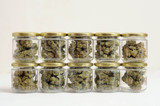
Unwrapping a fresh jar of hemp flower often feels like a sophisticated ritual, where the visual appeal of the buds sets the stage for the experience to follow. Enthusiasts often find themselves marveling at the sheer variety found within pre-packaged options, ranging from massive, tree-like structures to small, tight clusters. While it is easy to assume that every jar should contain identical specimens, the reality of botanical growth is far more complex and fascinating. The journey from a tiny seed to a shelf-ready product involves a multitude of environmental and biological factors that dictate the physical characteristics of the final flower. These traits—size, shape, weight, and density—are the visible language of the plant's history and health. Understanding what influences these physical attributes allows for a deeper appreciation of the craftsmanship involved in modern cultivation. By peeling back the layers of how these buds are formed, we gain insight into why some varieties offer a dense, rocky texture while others remain light and airy. This knowledge transforms a simple purchase into a journey of discovery, where every nuance of the flower tells a story of its origin and care. It is this intersection of nature and nurture that creates the diverse landscape of hemp products available today.
The Genetic Blueprint of Botanical Structure
At the most fundamental level, the physical characteristics of a hemp bud are predetermined by its lineage. Genetics act as the primary architect, laying down the structural foundation that environmental factors will later influence. Certain strains are naturally inclined to produce elongated, spear-like buds that stretch toward the light, while others are predisposed to grow in thick, rounded "golf ball" shapes. These ancestral traits are often the first thing a cultivator considers when selecting which varieties to bring to market, as they directly impact the visual "bag appeal" of the pre-packaged product. While the environment can tweak these results, it rarely overrides the deep-seated biological instructions contained within the plant’s DNA.
In the world of professional hemp production, the distinction between different cultivars is profound. Some plants are bred specifically for their robust, chunky flowers that hold their weight exceptionally well after the drying process. These varieties often exhibit a tighter internodal spacing, meaning the flowers grow closer together on the branch, resulting in a more cohesive and dense structure. On the other hand, some varieties prioritize a more "lacy" or open structure, which can be advantageous in humid environments to prevent moisture buildup. When opening a package and see a specific shape or size, you are looking at the culmination of generations of selective breeding designed to highlight these exact physical features.
The Influence of Heritage on Weight and Density
The density of a bud—how much plant matter is packed into a specific volume—is one of the most highly sought-after traits for those looking for a premium experience. This density is heavily tied to the resin production and the cellular structure of the bracts, which are the small, leaf-like parts that make up the flower. Strains with a heritage rooted in harsher, high-altitude climates often develop denser structures as a natural defense mechanism against the elements. This biological toughness translates into a heavier, more substantial bud that feels "rock-hard" to the touch and provides a satisfying sense of value when weighed out.
Conversely, varieties that trace their lineage to tropical or equatorial regions may exhibit a lighter, more ethereal weight. These plants often produce flowers with more "foxtailing", a growth pattern where the buds sprout in thin, vertical towers rather than solid clumps. While these might appear larger in terms of physical dimensions, they often lack the sheer mass of their high-altitude cousins. Understanding this genetic background helps explain why two jars of the same weight can look so vastly different in terms of volume; one may be filled with small, dense nuggets, while the other contains large, airy plumes that take up more space.
Environmental Variables in the Cultivation Space
While genetics provide the blueprint, the environment serves as the builder. The conditions inside a greenhouse or an indoor facility act as the day-to-day pressure that shapes the developing flowers. Light intensity is perhaps the most significant environmental factor; plants that receive optimal levels of high-quality light generally produce much larger and denser buds. The plant uses the energy from light to fuel the production of complex carbohydrates and resins, which fill in the gaps of the flower's structure. Without sufficient light, the plant may produce "larf"—small, wispy flowers that lack the weight and visual impact of their well-lit counterparts.
Temperature and humidity also have a balancing act in determining the final shape and density of the hemp flower. High temperatures during the peak of the flowering stage can cause the buds to stretch or become "airy" as the plant focuses on cooling itself rather than building mass. On the contrary, controlled, cooler temperatures often encourage the plant to pack on density and may even trigger the expression of vibrant colors like purple or deep blue. Humidity levels must be meticulously managed; too much moisture can lead to thick, heavy buds that are difficult to dry properly, while a very dry environment might cause the flower to become brittle and lose its structural integrity before it ever reaches the package.
Atmospheric Pressure and Airflow Nuances
Airflow is often the unsung hero of bud development. Constant, gentle movement of air not only prevents stagnant pockets of moisture but also physically "trains" the plant to be stronger. Much like an athlete building muscle, a hemp plant that has to withstand a steady breeze will develop thicker stems and more robust floral structures to support its own weight. This physical strengthening often leads to a more compact and resilient bud shape that holds up better during the mechanical processes of harvesting and packaging.
The concentration of carbon dioxide (CO2) in the atmosphere is another "invisible" factor that can significantly impact the weight and size of pre-packaged buds. In professional cultivation environments, CO2 is often supplemented to allow the plant to photosynthesize at an accelerated rate. This surplus of energy is often channeled directly into the flowers, resulting in an "explosion" of growth that increases the overall mass of each bud. When you encounter a hemp flower that feels unusually heavy for its size, there is a high probability that it was grown in an environment where every atmospheric variable was optimized to push the plant to its biological limits.
The Impact of Nutrition and Irrigation Strategies
The "diet" of a hemp plant is directly reflected in the quality and weight of its flowers. Essential nutrients like phosphorus and potassium are the primary drivers of floral development. During the middle to late stages of flowering, the plant’s demand for these elements skyrockets. If the nutrition is perfectly balanced, the plant can produce large, swollen calyxes that stack on top of one another, creating a dense and heavy flower. However, over-fertilization can backfire, leading to "nutrient burn" or a harsh chemical buildup that can cause the buds to become shriveled or misshapen.
Irrigation—the timing and volume of water—also dictates the "plumpness" of the bud. A plant that is consistently hydrated but not overwatered will have the turgor pressure necessary to maintain a full, healthy shape. If a plant experiences frequent wilting due to underwatering, the resulting flowers may be smaller and less dense, as the plant has had to redirect its energy toward survival rather than reproduction. The relationship between water and mineral uptake is the engine that drives the physical expansion of the bud, ensuring that it reaches its full potential in terms of both size and weight.
Now, while the "big three" nutrients get most of the attention, micronutrients like calcium and magnesium are vital for the structural integrity of the plant's cell walls. Calcium, in particular, acts as the "mortar" between the bricks of the plant cells. A plant with a robust calcium supply will produce flowers that are physically tougher and more resistant to being crushed or flattened during the packaging process. This structural strength is what allows a bud to retain its beautiful, natural shape even after it has been sitting in a container for several weeks.
Sulfur and other trace minerals also contribute to the overall "finish" of the bud. These elements are involved in the production of the oils and resins that coat the surface of the flower. A heavy coating of resin not only adds to the bliss and euphoria associated with the product but also adds significant physical weight. This "sticky" factor is often what gives a premium hemp bud its density; the resin fills the microscopic voids between the plant fibers, turning a light, airy structure into a solid, weighty nugget.
Harvest Timing and the Peak of Maturity
Timing is everything when it comes to the final dimensions of a hemp flower. There is a specific "sweet spot" in the plant's life cycle where the buds have reached their maximum size and weight but have not yet begun to degrade. If a cultivator harvests too early, the buds will be underdeveloped, lacking the density and resin coverage that define a high-quality product. These early-harvested flowers often appear "leafy" and light, failing to provide the satisfying visual and tactile experience that consumers expect.
Conversely, waiting too long to harvest can also have negative physical consequences. As a plant passes its peak maturity, the bracts may begin to dry out or become overly brittle while still on the stem. The resin glands can also begin to break down, leading to a loss of weight and a change in the bud's overall shape as it loses its "plumpness." Professional growers use magnification tools to inspect the clarity of the resin glands, ensuring they harvest at the exact moment when the weight and density are at their absolute peak. This precision is what ensures that every pre-packaged bud represents the best possible version of that specific strain.
The Swell Phenomenon in Late Bloom
In the final two weeks of the flowering cycle, many hemp varieties undergo what is known as "the swell". This is a period of rapid expansion where the individual parts of the flower fill with water, nutrients, and resin. This late-stage growth can account for a significant portion of the final weight of the bud. Cultivators who are patient enough to let this process finish are rewarded with flowers that are noticeably larger and more "filled out" than those that were cut short. During the swell, the shape of the bud can also shift. What might have looked like a loose collection of flowers begins to merge into a single, cohesive structure. This is often when the "crowning" happens, where the top of the bud rounds out and becomes a dense, heavy cap. This phase is the plant’s final push to be as attractive as possible for pollination, and in the absence of seeds, all that biological energy is focused on creating the dense, resinous flowers that eventually find their way into pre-packaged jars for a relaxed afternoon.
Post-Harvest Processing and the Art of the Trim
Once the flower is removed from the plant, the way it is handled continues to impact its final physical form. The drying and curing process is a delicate dance of moisture removal. If a bud is dried too quickly, the outer layers can harden while the inside remains moist, leading to a "shrunken" appearance and a loss of density. A slow, controlled dry allows the plant fibers to settle naturally, preserving the bud's shape and ensuring that it retains its "springy" texture. This process can take anywhere from a few days to two weeks, and it is a critical step in maintaining the weight and integrity of the flower.
The trimming process—the removal of the "sugar leaves" that surround the bud—is the final architectural touch. Hand-trimmed buds generally retain their natural shape and size much better than those processed by machines. A skilled human trimmer can navigate the unique contours of each flower, removing only what is necessary while leaving the dense "heart" of the bud intact. Machine trimming, while efficient, can sometimes "shave" the edges of the bud, leading to a more uniform, rounded shape that may sacrifice some of the flower’s original size and character.
Curing is more than just a flavor-enhancing step; it is also a vital part of the flower's structural evolution. During the cure, the remaining moisture inside the bud is redistributed evenly. This "sweating" process allows the flower to become more stable, preventing it from becoming overly brittle or crumbling. A well-cured bud will feel dense and substantial, even if it is on the smaller side. This stability is what keeps the flower from "flattening out" in the jar, ensuring that when you open it, the buds look just as fresh and vibrant as the day they were packed.
The weight of the bud also stabilizes during the cure. As the chlorophyll breaks down and the moisture levels reach an equilibrium, the "true" weight of the flower is revealed. This is why some budget-friendly options can feel "wet" or unusually heavy; they may not have been cured long enough, meaning you are paying for water weight rather than plant matter. Premium pre-packaged hemp flower is always cured to the point where the weight is a true reflection of the plant’s density and resin content, providing a more chilled out and honest value for the enthusiast.
The Role of Packaging and Storage Conditions
The final container that holds the hemp flower is the last line of defense for its physical attributes. Pre-packaged buds are often susceptible to being crushed or compressed if the packaging is not designed correctly. Glass jars or rigid containers are generally preferred over flexible bags because they provide a "hard shell" that protects the buds from external pressure. This ensures that the beautiful, spear-like shape or the dense, round structure remains intact from the facility to your home.
Environmental factors continue to matter even after the product is sealed. Light, heat, and air are the enemies of bud density and weight. If a package is stored in a warm or brightly lit environment, the resins can begin to melt or evaporate, leading to a loss of mass and a change in the bud's texture. High-quality pre-packaged hemp often includes humidity control packs that maintain a perfect internal environment, preventing the flowers from drying out and becoming "dusty." These small details are what keep the buds feeling heavy, dense, and "alive" for weeks or even months after harvest.
Friction is another factor that can impact the "look" of a hemp bud. In large-scale packaging operations, buds can rub against each other or the sides of the container, causing the delicate resin glands to fall off. This loss of "kief" not only reduces the weight of the flower but also makes it look "smooth" or dull. Minimizing the "shake" in the jar is a priority for premium producers who want their flowers to arrive in pristine condition. When buds are packed too tightly, they can become "bricked" or flattened, losing the airy, three-dimensional qualities that make them so visually appealing. A thoughtful packaging strategy leaves just enough "headspace" in the jar so that the buds have room to breathe without being tossed around. This careful balance of protection and space is what allows you to open a package and find a collection of flowers that look like they were just plucked from the branch, ready to deliver a state of pure bliss.
Cultivator Skill and the Human Element
Beyond the science and the technology, there is an undeniable "art" to producing consistent, high-quality hemp flowers. The intuition of the grower—knowing when to push the nutrients, when to dial back the heat, and exactly when to harvest—is a variable that cannot be easily quantified. A master cultivator can coax the best possible size, shape, and density out of a strain that might otherwise produce mediocre results in less experienced hands. This human element is what often separates the "good" products from the truly "great" ones.
The attention to detail throughout every stage of the plant's life is what ultimately dictates what you see in the pre-packaged jar. From the initial selection of the phenotype to the final hand-trim, every decision is a vote for the final physical form of the flower. When you find a brand that consistently offers large, dense, and perfectly shaped buds, you are seeing the result of a dedicated team that respects the biology of the plant. This commitment to excellence ensures that the consumer can always rely on a premium experience that invites a sense of euphoria and complete relaxation.
The Evolution of Consumer Preferences
As the hemp market matures, so do the preferences of the consumers. In the early days, "bigger was always better", and people sought out the largest buds possible. However, as enthusiasts have become more educated, the focus has shifted toward density and resin coverage rather than sheer size. Many people now understand that a medium-sized, dense "top" flower can often be superior to a massive, airy bud that was grown further down the plant. This shift in perspective has led to more honest packaging practices, where "smalls" or "popcorn buds" are sold as a separate category. These smaller flowers often have the same density and weight-to-volume ratio as their larger counterparts but are offered at a different price point. This transparency allows consumers to choose exactly what fits their needs, whether they are looking for the "wow factor" of a giant cola or the practical efficiency of smaller, dense nuggets. Regardless of the size you choose, understanding the factors that impact these physical traits makes the experience of enjoying hemp flower that much more rewarding.
The Final Architecture of Serenity
The physical integrity of the flower is the definitive hallmark of a process that prioritizes botanical excellence and sophisticated craftsmanship. While the complex interplay of biological factors dictates the initial formation of each bud, it is the careful management of the environment and handling that preserves the final density. Recognizing these specific attributes allows for a more intentional selection process, ensuring that each variety aligns perfectly with a desired state of bliss or euphoric relaxation. Every dense nugget or airy plume serves as a visible expression of the unique history and health of the plant. By understanding how these physical traits are influenced by growth and processing, you can navigate the landscape of pre-packaged options with heightened appreciation. This deeper connection to the structural nuances transforms a standard purchase into a grounded ritual of tranquility and mindfulness. Ultimately, the weight and shape of the flower represent a commitment to quality that leads to a consistently chilled out and rewarding result
Recent Posts
-
What Could Impact the Size, Shape, Weight, and Density of Pre-Packaged Hemp Flower Buds?
Unwrapping a fresh jar of hemp flower often feels like a sophisticated ritual, where the visual appe …Mar 04, 2026 -

What Should Pet Owners Know About CBG for Pets?
Entering the world of pet wellness today often feels like entering a futuristic apothecary where the …Mar 02, 2026 -

An In-Depth Look at the O.pen Sesh Portable Electric Dab Rig w/510-Thread Cart Compatibility
The culture surrounding concentrates has shifted from heavy, stationary setups to a more streamlined …Feb 27, 2026