
What is Alpha-GPC and How Well Does It Work with CBD and CBG?
The modern world moves at an unrelenting pace, and with it, the quest for personal balance and enhanced well-being has become more sophisticated than ever. We are no longer just looking for a single solution, but rather a holistic symphony of support that nurtures both mind and body. This journey often leads us down paths of nutritional science and botanical discovery, exploring compounds that have long histories and others that are just now stepping into the spotlight. We seek clarity, focus, and a sense of calm—often all at the same time. It’s in this search for a balanced state that intriguing combinations of compounds begin to emerge, moving beyond singular ingredients to explore dynamic, synergistic partnerships. Three such ingredients, each a powerhouse in its own right, are now at the center of this conversation: Alpha-GPC, CBD, and CBG. Separately, their mechanisms are fascinating; together, they represent a compelling new approach to supporting our daily equilibrium.
The Cognitive Keystone: Unpacking Alpha-GPC
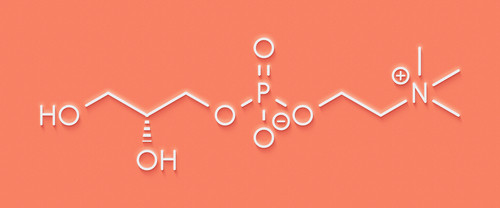
Before we can understand the partnership, we must first deeply understand the individuals. We begin with the compound that serves as a fundamental building block for one of the brain’s most critical communication systems: Alpha-GPC. Its full name, L-alpha-glycerylphosphorylcholine (mercifully shortened to Alpha-GPC), sounds like a complex mouthful from a chemistry textbook, and for good reason. It is a highly specific and sophisticated compound. At its core, Alpha-GPC is a natural choline-containing phospholipid. To break that down, it’s a special type of fat molecule that includes choline, a nutrient essential for many bodily functions.
Unlike some nutrients, Alpha-GPC is not just a passive ingredient. It is a key player in our neurochemistry. It is found naturally in the human brain, where it acts as a precursor—a raw material—for one of the most important neurotransmitters in our entire nervous system. It’s also found in small amounts in various food sources, such as milk, eggs (particularly the yolk), soy, and certain types of meat. However, the concentrations in food are often not high enough to achieve the levels used in dedicated supplementation, which is why it has garnered so much attention as a standalone ingredient.
The true marvel of Alpha-GPC lies in its bioavailability and its efficiency. Its unique chemical structure allows it to be readily absorbed by the body after ingestion. Even more critically, it is one of the few choline-containing compounds that can effectively and reliably cross the blood-brain barrier. This "barrier" is a highly selective, protective membrane that separates the circulating blood from the brain's extracellular fluid, safeguarding the brain from toxins and pathogens. The fact that Alpha-GPC can pass through this protective gate is what makes it so valuable.
To truly appreciate this, it helps to compare Alpha-GPC to other common choline sources. For example, choline bitartrate is a popular and inexpensive form, but it's a simple salt. It has more difficulty crossing the blood-brain barrier, and a large portion of it is metabolized in the liver before it ever gets a chance to reach the brain. Another form, Citicoline (or CDP-Choline), is also excellent and does cross the barrier. However, it functions slightly differently, splitting into choline and cytidine (a precursor to uridine). Alpha-GPC, by contrast, is a more direct delivery system for choline into the brain, making it a highly efficient precursor for what comes next. Once it enters the brain, it gets to work, embarking on a two-pronged mission that supports both cognitive function and structural integrity.
The Acetylcholine Engine: Alpha-GPC's Primary Role
The most celebrated role of Alpha-GPC is its function as a precursor to acetylcholine (ACh). Acetylcholine is a chief neurotransmitter in both the central nervous system (CNS) and the peripheral nervous system (PNS). To call it "important" is an understatement; it's fundamental to our conscious experience.
Imagine your brain as a vast, intricate network of electrical wiring. Acetylcholine is one of the primary messengers that travels along these wires, carrying signals from one neuron to the next. It is the star player in what is known as the cholinergic system. This system is intimately involved in a vast array of functions, most notably:
- Learning and Memory: Acetylcholine is critical for neuroplasticity, the brain's ability to reorganize itself by forming new neural connections. It helps encode new memories and allows us to retrieve old ones. When you're learning a new skill, studying a complex subject, or simply remembering a name, acetylcholine is hard at work. This process, known as synaptic plasticity, is the cellular basis of learning. ACh is a key modulator of long-term potentiation (LTP), a process where the connection (synapse) between two neurons is strengthened through repeated signaling. Think of it as blazing a trail in a forest; the more you walk it (signal with ACh), the clearer the path (the memory) becomes.
- Attention and Focus: The ability to sustain attention, filter out distractions, and concentrate on a single task is heavily modulated by the cholinergic system. A well-functioning acetylcholine supply is like having a clear, stable spotlight for your consciousness. This isn't just a vague feeling; the cholinergic system, originating from specific nuclei in the brainstem and basal forebrain, projects widely throughout the cortex, the "thinking" part of the brain. It acts like a "wake-up" signal, increasing the "signal-to-noise ratio" of your thoughts, which allows you to "tune in" to relevant information (like this article) and "tune out" background noise (like a ticking clock or a distant conversation). It supports selective attention (choosing what to focus on) and sustained attention (holding that focus over time).
- Muscle Contraction: This is a function many people don't associate with a "brain" supplement, but it's one of acetylcholine's most fundamental roles. In the peripheral nervous system, acetylcholine is the only messenger that carries the signal from your motor neurons to your skeletal muscles, telling them to contract. This connection point is called the neuromuscular junction. Every single voluntary movement you make—from the rapid, fine-motor flicker of your eyes as you read this, to the gross-motor action of lifting a heavy weight—is initiated by a puff of acetylcholine from a nerve ending.
So, where does Alpha-GPC fit in? When Alpha-GPC crosses the blood-brain barrier, it is metabolized (broken down) in a way that hand-delivers choline to the brain. This choline is then synthesized into acetylcholine.
By providing a highly bioavailable source of choline, Alpha-GPC essentially ensures that the "fuel tank" for acetylcholine production is kept full. It doesn't force the system to do anything unnatural; rather, it provides the necessary raw materials for the brain to carry out its normal, essential processes more efficiently. It's not a stimulant in the traditional sense, like caffeine, which often works by blocking signals of tiredness (adenosine). Instead, Alpha-GPC is a supporter and a builder, ensuring the machinery of cognition has the parts it needs to run smoothly. When the brain is asked to perform demanding cognitive tasks, it rapidly burns through its supply of acetylcholine. Having an ample reserve of the precursor, choline, allows the system to sustain that high level of output for longer, supporting mental endurance.
The Structural Supporter: A Cell's Best Friend
While its role in acetylcholine production gets most of the attention, Alpha-GPC has a second, equally vital function that is often overlooked. This dual action is what truly sets it apart and what makes it so critical to the synergy we'll discuss later.
When Alpha-GPC is metabolized, it doesn't just create choline. Its molecular structure is cleaved into two parts:
- Glycerophosphate: This part is processed, and the choline is "donated" for acetylcholine synthesis.
- Phosphatidylcholine (PC): This component is used for a completely different, yet complementary, purpose: building and repairing cell membranes.
Every single cell in your body, including your billions of neurons, is enclosed in a fatty membrane. This membrane isn't just a passive wall; it's a dynamic, fluid, and incredibly complex "skin" that controls everything that enters and leaves the cell. It's where all cellular communication happens—receptors that receive signals are embedded within it.
This is known as the fluid mosaic model. The "mosaic" part refers to the fact that the membrane is studded with all sorts of proteins, channels, and receptors (like our cannabinoid receptors later on). The "fluid" part is the key. The membrane needs to be fluid and pliable, like a high-quality oil, not rigid and stiff, like cold butter. This fluidity allows the receptors and proteins to move around, change shape, and function correctly.
Phosphatidylcholine (PC) is one of the most important phospholipids for maintaining this essential integrity, fluidity, and health of these membranes. A healthy, fluid membrane ensures that signals are transmitted correctly, that nutrients can get in, and that waste products can get out. In neurons, this is even more critical. The long, wire-like axons and the branching dendrites (the "receivers") are all made of this membrane. The very act of sending an electrical signal (an action potential) relies on the stability of this membrane.
Therefore, Alpha-GPC is a multi-talented molecule. It simultaneously provides the messenger (by fueling acetylcholine) and helps maintain the entire communication infrastructure (by supporting cell membranes). This is a profound dual role. It's not just about sending more signals; it's about ensuring the entire system—the wires, the receivers, the transmitters—is well-maintained, structurally sound, and prepared to send and receive those signals effectively.
This distinction is crucial. It means Alpha-GPC isn't just a "cognitive" compound; it's a "neuro-structural" compound. It supports both the function and the form of the nervous system. This structural support role becomes immensely important when we start talking about receptors for other compounds, because all of those receptors are physically embedded in the very membranes that Alpha-GPC helps to build and maintain.
The Botanical Balancers: A Deep Dive into CBD and CBG
Having explored the intricate world of brain chemistry with Alpha-GPC, we now pivot to the botanical realm and the plant that has captivated human interest for millennia: hemp. From this single plant come hundreds of unique compounds known as cannabinoids. Among them, two non-intoxicating compounds, CBD and CBG, have risen to prominence for their unique and powerful interactions with the body's own internal regulatory network.
The Body's Master Regulator: Understanding the Endocannabinoid System
Before we can discuss CBD or CBG, we must first introduce the system they "talk" to: the Endocannabinoid System (ECS). The discovery of the ECS in the late 1980s and early 1990s was a monumental breakthrough in human biology. It is a vast, ancient, and pervasive signaling system found in all vertebrates, from fish to reptiles to mammals. Its presence across such a wide range of life points to its fundamental importance.
If you think of the nervous system as the body's "Internet" (sending rapid, specific, email-like messages), you can think of the ECS as its "master tuning" system or its "chief of operations." Its primary, overarching job is to maintain homeostasis—a state of stable, internal, physical, and chemical equilibrium. It's the body's ultimate Goldilocks system, constantly working in the background to ensure everything is "just right." Not too hot, not too cold. Not too stimulated, not too sedated.
The ECS is comprised of three core components:
- Endocannabinoids: These are cannabinoid molecules created inside your own body (the prefix "endo" means "within"). The two most well-studied are anandamide (often called the "bliss molecule" from the Sanskrit word "ananda" meaning bliss) and 2-AG (2-arachidonoylglycerol). Your body produces them on demand, precisely when and where they are needed, rather than making them in advance and storing them like other neurotransmitters. This "on-demand" nature is key—it means the ECS is a highly responsive, real-time feedback system.
- Cannabinoid Receptors (CB1 and CB2): These are the "locks" on the surface of cells throughout your entire body. Endocannabinoids are the "keys" that fit into them, and phytocannabinoids (from plants) are like "master keys" that can also interact with them.
- CB1 receptors are found in overwhelming abundance in the brain and central nervous system. They are densely packed in areas related to cognition (hippocampus, cortex), movement (basal ganglia, cerebellum), and emotional response (amygdala). This is the receptor that THC binds to strongly, which is what produces its intoxicating "high."
- CB2 receptors are found predominantly in the peripheral nervous system, especially on cells of the immune system (like the spleen, tonsils, and B-cells). This location strongly suggests their role in regulating the body's response pathways and immune functions.
- Metabolic Enzymes: These are the "cleanup crew" (like FAAH and MAGL) that break down the endocannabinoids once they've delivered their message. FAAH (Fatty Acid Amide Hydrolase) is the enzyme that specifically breaks down anandamide. MAGL (Monoacylglycerol Lipase) is the primary enzyme for breaking down 2-AG. This ensures that endocannabinoids only act for a short time, exactly where they're needed, preventing the system from being perpetually "on".
The ECS is a retrograde signaling system, which is part of what makes it so unique. In a typical-firing synapse, a message flows from a presynaptic neuron (the "sender") across a gap to a postsynaptic neuron (the "receiver"). The ECS often works in reverse. When the postsynaptic "receiver" neuron gets too stimulated or "shouted at," it gets overwhelmed. As a feedback mechanism, it immediately synthesizes and releases endocannabinoids (like anandamide) that travel backward across the synapse. They bind to the CB1 receptors on the presynaptic "sender" neuron, effectively telling it, "You're coming on too strong! Please calm down." The sender neuron then throttles back its release of neurotransmitters.
This is the essence of homeostasis. The ECS is a brake, a modulator, a fine-tuner. It's the "shhh" in a noisy room, the "whoa" for an over-excited system. This is how the ECS regulates... well, almost everything. It fine-tunes a vast range of physiological processes, all in the name of balance.
CBD (Cannabidiol): The Great Modulator
Now, let's introduce cannabidiol (CBD). For years, CBD was the second-most-abundant cannabinoid in the cannabis plant, but it was largely overshadowed by its intoxicating cousin, THC. Today, thanks to specialized cultivation of hemp (cannabis plants with less than 0.3% THC), CBD is readily available and is celebrated for its balancing properties.
What makes CBD so fascinating is its indirect approach.
Many people assume CBD works by binding directly to the CB1 and CB2 receptors, just like other cannabinoids. However, this is a common misconception. CBD has a very low affinity for these receptors. It doesn't try to force the locks open. Instead, CBD is a master modulator and an indirect influencer. It's less of a "key" and more of a "master locksmith" who can tune the entire system.
Here’s how it works its magic:
- Enzyme Inhibition (The "Anandamide Boost"): Remember the "cleanup crew" enzyme, FAAH? Its job is to break down anandamide, the "bliss molecule." CBD has been shown to inhibit the FAAH enzyme. It’s not destroying the enzyme, but rather, it's distracting it and slowing it down. The result? The anandamide your body naturally produces—your own "bliss molecule"—gets to stick around for longer, doing its homeostatic, balancing job. This is a beautiful mechanism. CBD doesn't give you more bliss from an external source; it helps you sustain and appreciate the bliss you already create, promoting a sense of "chilled out" well-being and resilience.
- Receptor Agonism/Antagonism (The "Crosstalk"): While it doesn't bind strongly to CB1 or CB2, CBD does interact with a wide range of other non-ECS receptors in the body. This is crucial. It shows that CBD's influence is incredibly broad.
- Serotonin Receptors: CBD is known to bind to the 5-HT1A serotonin receptor. This receptor is deeply involved in a complex web of processes. By interacting with this system, CBD is essentially "bridging the gap," fostering communication between the endocannabinoid system and the serotonergic system, another one of the body's most critical regulatory networks.
- Vanilloid Receptors: CBD also binds to TRPV1 vanilloid receptors. These receptors are involved in how the body perceives and regulates its environment and sensations.
- Allosteric Modulation (The "Dimmer Switch"): This is perhaps its most sophisticated role. CBD can act as a negative allosteric modulator at the CB1 receptor. This means it binds to the receptor at a different site than the main "lock" (where THC would bind). It doesn't turn the key itself, but by binding nearby, it can change the shape of the lock, making it harder for other compounds (like THC) to bind to it. This is why CBD is often said to "counteract" the "high" of THC. It's also been suggested to act as a positive allosteric modulator at other receptors, acting like a "dimmer switch" to turn their sensitivity up or down as needed.
In essence, CBD doesn't barge in and take over the system. It's more like a skilled conductor, deftly tuning multiple sections of the orchestra at once to bring the entire composition into harmony. Its goal is not to force a specific outcome, but to support the body's own ability to find equilibrium, promoting a "chilled out," relaxed feeling without a "high."
CBG (Cannabigerol): The "Mother" Cannabinoid
If CBD is the popular, well-known modulator, cannabigerol (CBG) is its fascinating and powerful progenitor. CBG has earned the nickname "The Mother of All Cannabinoids" or "The Stem Cell Cannabinoid," and for very good reason.
In a young, developing hemp plant, you won't find much CBD, THC, or another cannabinoid, CBC. Instead, you'll find an abundance of their precursor: CBGA (Cannabigerolic Acid). CBGA is the "mother" molecule. It is the first cannabinoid to be synthesized in the plant. As the plant matures and is exposed to light and heat, natural plant enzymes (called synthases) direct CBGA to convert downstream into the acidic forms of all the other major cannabinoids:
- CBGA → THCA (which becomes THC)
- CBGA → CBDA (which becomes CBD)
- CBGA → CBCA (which becomes CBC)
Any leftover CBGA that doesn't get converted by these enzymes simply converts to CBG (when decarboxylated, or heated). Because CBGA is so efficient at transforming into these other compounds, mature plants traditionally had very low levels of CBG (often less than 1%). It was a "minor" cannabinoid only because it was busy becoming everything else. It was incredibly difficult and expensive to extract.
However, modern cultivators have changed the game. Through specialized cross-breeding, they have developed hemp strains that are genetically programmed to be deficient in the enzymes that convert CBGA. This "enzyme bottleneck" means the CBGA has nowhere to go. It doesn't transform. The plant reaches full maturity with a massive reservoir of CBGA, which then becomes CBG upon extraction. This is why we can now have CBG-dominant products.
This is a huge development, because CBG's mechanism of action is distinctly different from CBD's:
- Direct Receptor Interaction: Unlike CBD, CBG does interact directly with the cannabinoid receptors. It has a notable affinity for both CB1 and CB2 receptors. It's not a strong activator like THC (which is why it doesn't produce a "high"), but it "sits" in the receptor, acting as a buffer or a modulator. This direct engagement with the ECS's primary locks gives it a very different "feel" than CBD. It directly participates in the retrograde signaling we discussed earlier.
- Beyond the ECS (The "Chill" Factor): Like CBD, CBG's influence doesn't stop at the ECS. But its targets are unique and highly complementary.
- Alpha-2 Adrenoceptors: CBG is known to be a strong alpha-2 adrenoceptor agonist. This is a major point of interest. These receptors are a key part of the sympathetic nervous system, the system that controls our "fight or flight" response. Activating alpha-2 receptors (which is what CBG does) has a calming effect. It essentially "pumps the brakes" on the "fight or flight" system, helping to quiet that "on-edge" feeling of being revved up.
- 5-HT1A Receptors: Like CBD, CBG also interacts with these serotonin receptors, suggesting a layered, dual-action approach on this system when the two are taken together.
- GABA Re-uptake Inhibition: There is also research suggesting CBG may act as a GABA re-uptake inhibitor. GABA is the body's primary inhibitory neurotransmitter. It's the main "chill out" signal that tells neurons to stop firing. By inhibiting its re-uptake (its "cleanup"), CBG may allow more GABA to remain in the synapse, further promoting a state of calm.
Where CBD acts like an indirect conductor, CBG acts more like a direct participant, stepping in to interact with the core ECS receptors and other key "calm" systems. It is often described as promoting a feeling of "groundedness," "quiet," or "equilibrium." When used alongside CBD, the two create a comprehensive one-two punch: CBD supports the system indirectly by boosting anandamide, while CBG engages with the receptors and "calm" systems directly. This is a core part of the "entourage effect," the theory that cannabinoids work better together than they do in isolation.
The Dynamic Trio: Weaving Together Alpha-GPC, CBD, and CBG
We have now explored three powerful, distinct, and sophisticated compounds.
- Alpha-GPC: The cognitive supporter, a precursor to the vital neurotransmitter acetylcholine and a building block for healthy cell membranes. It supports the cholinergic system (our "focus" and "action" network) and our physical neural structure.
- CBD: The great modulator, an indirect supporter of the endocannabinoid system that promotes balance by helping preserve the body's natural "bliss molecule," anandamide, and by "talking" to other systems like the serotonergic one.
- CBG: The "mother" cannabinoid, a direct-action compound that engages with ECS receptors (CB1 and CB2) and, critically, with the body's "calm down" systems (GABA and adrenergic).
On their own, each is a testament to the complexity of neurochemistry and botanical science. But the real fascination lies in what happens when we bring them together. How and why do these three molecules—one from our own neurochemistry, two from the hemp plant—work so well together?
The answer is not a simple A + B + C = D. It is a complex, multi-layered synergy where each compound's actions support and enhance the environment for the others to work. This synergy can be broken down into three main concepts: Systemic Interconnection, Complementary Action, and Structural Support.
Systemic Interconnection: The Neurotransmitter Handshake
The most profound layer of this synergy lies in a deep biological fact: the cholinergic system (run by acetylcholine) and the endocannabinoid system (run by endocannabinoids) are deeply and inextricably linked.
These two systems are not isolated islands. They are in a constant, dynamic conversation, influencing and modulating one another's activity. This is a critical area of neuroscience. For example, CB1 receptors (which, remember, are all over the brain's "thinking" parts) are co-located on cholinergic neurons. Activating CB1 receptors (which the ECS does naturally) has been shown to modulate the release of acetylcholine.
This creates a beautiful feedback loop that the trio of Alpha-GPC, CBD, and CBG fits into perfectly:
- Alpha-GPC's Role: It provides the raw, high-quality fuel for the cholinergic system. It ensures the brain has an ample supply of choline to produce acetylcholine, keeping the entire system responsible for focus, learning, and attention well-supplied and ready. It's the "Go" signal.
- CBD & CBG's Role: They work on the other side of the equation. They support the ECS, the body's master regulator. By promoting balance within the ECS (via anandamide, CB1/CB2 modulation), they are essentially fine-tuning the very system that regulates the release of acetylcholine.
Think of it this way: Alpha-GPC is like a high-end fuel delivery service for a high-performance car (your brain's cholinergic system). CBD and CBG are like the master mechanics who tune the car's entire operating environment—the suspension, the electronics, the climate control (the ECS).
You can deliver the best fuel in the world (Alpha-GPC), but if the car's engine is vibrating out of balance (an imbalanced ECS), you won't get a smooth ride. A "hot-running" system might burn through that ACh fuel too quickly. Conversely, you can have a perfectly tuned car (a balanced ECS), but if you have no fuel (low acetylcholine), you're not going anywhere.
The synergy is about supporting both systems simultaneously. The cannabinoids help maintain the "chill" and balance of the master regulatory system, which creates the ideal, calm, and stable platform for the cholinergic system—fueled by Alpha-GPC—to do its job related to focus and clarity. The ECS, supported by CBD and CBG, can effectively "tell" the cholinergic system, "Okay, we are in a safe, balanced state. You have permission to use that fuel for sustained focus, not for a 'fight or flight' response." This interaction prevents either system from over-extending, leading to a state of being that is both alert and at ease.
Complementary Action: The "Focused Calm" Phenomenon
This systemic support leads directly to the experiential synergy, the feeling that users often describe as "focused calm" or "relaxed alertness." This is a highly sought-after state of being, often referred to as a "flow state," where one is productively engaged but not overwhelmed.
Let's look at the complementary nature of their actions on a practical, psychological level:
- The "Go" Signal (Alpha-GPC): Alpha-GPC supports the machinery of focus. It's the "zoom in" molecule, providing the neurochemical support for concentration and mental work. For some people, compounds that support focus can also come with a feeling of being "on" or "wired."
- The "Breathe" Signals (CBD & CBG): The cannabinoids, on the other hand, support the machinery of balance. They are the "zoom out" molecules.
- CBD, by promoting anandamide (the "bliss molecule") and interacting with serotonin receptors, helps to foster a sense of "chilled out" well-being and emotional resilience. It's the "it's all good" signal.
- CBG, by interacting with alpha-2 adrenergic receptors (the "fight or flight" brakes) and GABA systems, contributes a unique "grounding" sensation. It's the "quiet the noise" signal.
When combined, these opposing-yet-complementary forces create a perfect equilibrium. The CBD and CBG provide a "cushion" or a "safety net" of calm. This cushion does two things:
- It prevents the focus-supporting properties of Alpha-GPC from tipping over into a feeling of being over-stimulated or on-edge.
- It allows the focus from Alpha-GPC to shine. By quieting the background "static" of a revved-up system, it clears the mental space for the cholinergic system to do its job.
This is the "bliss" of the combination. It's the ability to be "in the zone," sharp and mentally engaged, while simultaneously feeling relaxed, unbothered, and emotionally centered. It's the opposite of the "jittery" feeling from caffeine or the "foggy" feeling from some relaxation-only compounds. It's the best of both worlds—a smooth, clear-headed euphoria of productivity and peace. It's the very definition of a "flow state," where your high-level cognitive functions (ACh) are fully engaged, while your background "threat-detection" systems (adrenergic) are quiet, and your overall sense of well-being (ECS, serotonergic) is high.
Structural Support: Maintaining the Communication Grid
Finally, we return to the most foundational, cellular level of this synergy. This is where Alpha-GPC's "other job" as a structural supporter becomes unexpectedly and profoundly crucial.
As we discussed, Alpha-GPC is a precursor to phosphatidylcholine, a primary building block for the very membranes that encase every neuron. A healthy, fluid, and well-maintained membrane is essential for all signaling.
Now, consider what CBD and CBG do. They are signaling molecules. They work by interacting with receptors—CB1, CB2, TRPV1, 5-HT1A, alpha-2 adrenergic. And where are all these receptors?
They are physically embedded in, and are part of, the cell membrane.
A receptor isn't just a "button" floating in space. It's a complex protein that is woven into the fatty, fluid phospholipid bilayer of the cell. Its ability to function—to receive a signal and transmit it into the cell—is 100% dependent on the health and fluidity of the membrane surrounding it.
Here is the final-layer synergy, and it's the most elegant of all:
- Alpha-GPC helps build and maintain the "house" (the cell membrane) by providing the structural bricks (phosphatidylcholine). It ensures the "wall" is fluid and pliable.
- CBD and CBG are the messengers that come to ring the "doorbells" (the receptors) on that house.
Let's expand this analogy. If the house wall (the membrane) is crumbling, brittle, or stiff (due to poor maintenance), the doorbells (the receptors) can get stuck. They might be "deaf" to the ring, or the wiring (the signal cascade) inside the wall might be damaged, so the ring never makes it to the inside of the house.
By supporting the fundamental structural integrity of the neural and cellular membranes, Alpha-GPC ensures that the entire "communication grid" is in top-tier condition. It's the ultimate support role. It creates a more efficient, receptive, and healthy environment for the subtle, balancing signals that CBD and CBG are trying to send.
The messages from CBD and CBG (to "chill out," to "be in balance") come through "loud and clear" because the receiving equipment (the receptors) is in perfect working order, thanks to the structural integrity provided by the same molecule that is also fueling the "focus" system.
This is a true bottom-up and top-down approach. Alpha-GPC supports the physical structure of the cell (bottom-up) and the cognitive-level neurotransmitter (ACh, top-down), while the cannabinoids support the homeostatic signaling (ECS) that takes place across that entire, well-maintained structure. Every molecule is supporting the work of the others, creating a holistic and deeply integrated system of support.
Charting a New Course in Personal Wellness
The exploration of compounds like Alpha-GPC, CBD, and CBG, both individually and in concert, signals a new, more sophisticated era in our pursuit of well-being. We are moving beyond the one-dimensional approach of "a pill for an ill" and embracing the concept of holistic, systemic support. This dynamic trio exemplifies this shift, offering a compelling narrative of balance. It's not about forcing the body to perform, but rather about providing it with the resources it needs to find its own optimal equilibrium. The synergy of these three ingredients is a beautiful illustration of high-level function, foundational structure, and master-level regulation all working in concert. It's a reminder that our inner systems—the cholinergic and the endocannabinoid—are not separate, but are instead woven together in a constant dance of communication. By supporting the key players in this dance, at the calm leaf, we are not just pushing a single button for focus or calm; we are helping to tune the entire orchestra.
Recent Posts
-

What Should Pet Owners Know About CBG for Pets?
Entering the world of pet wellness today often feels like entering a futuristic apothecary where the …Mar 02, 2026 -

An In-Depth Look at the O.pen Sesh Portable Electric Dab Rig w/510-Thread Cart Compatibility
The culture surrounding concentrates has shifted from heavy, stationary setups to a more streamlined …Feb 27, 2026 -

The Next Psychoactive Combination: Liquid Diamonds & Mushroom Blends
Entering the ultimate threshold of a new era in botanical synergy, the modern enthusiast is witnessi …Feb 26, 2026