
What Should Pet Owners Know About CBG for Pets?
Entering the world of pet wellness today often feels like entering a futuristic apothecary where the options for our four-legged companions are as diverse as our own. While many are familiar with the calming ripples of more common cannabinoids, a rising star known as CBG is beginning to take center stage for its unique botanical profile. Often referred to as the precursor to other hemp compounds, this specific molecule offers a distinct pathway toward helping pets maintain a sense of bliss and everyday balance. Pet owners are increasingly curious about how this specific hemp extract differs from its more famous relatives in the botanical world. Navigating the science of these plant-based options requires a clear understanding of how they interact with a pet's internal systems to promote a relaxed state. It is not just about adding another supplement to the bowl, but rather about refining the way we support our pets' natural vitality through intentional choices. As we take a closer look at this fascinating compound, a new perspective on holistic animal care begins to emerge.
The Scientific Foundation of the Mother Cannabinoid
To truly appreciate the value of cannabigerol (CBG), a pet owner must look at the very beginning of the hemp plant’s life cycle. Cannabigerol is often called the "Mother Cannabinoid" because it’s the foundational molecule from which other well-known compounds are derived. In the early stages of the plant's growth, it exists primarily as cannabigerolic acid (CBGA) – the acidic form of the molecule. As the plant matures and is exposed to heat and light, enzymes break down this precursor, converting the majority of it into other compounds like CBD or THC. Because a good portion of it is transformed during the growing process, mature hemp plants typically contain only trace amounts of CBG, in turn, making it a rare and precious resource in the world of botanical extracts.
For pet owners, this scarcity is part of what makes CBG pet products so specialized. Because it takes a significant amount of plant material to extract a meaningful volume of CBG, the products formulated for pets are often the result of highly sophisticated cultivation and extraction techniques. This "parent" molecule holds a unique chemical structure that allows it to interact with the body in ways that its "descendant" compounds simply cannot. When a pet owner chooses a CBG-rich formula, they are accessing the very source of the plant’s biological power, offering their companion a direct line to hemp’s foundational wellness properties. This purity of origin is often reflected in the vibrant energy and centered disposition of pets who incorporate it into their routine, providing a sense of euphoria that feels naturally integrated into their personality.
The extraction process itself is an art form that requires precise timing and temperature control. Since CBG is most abundant in young plants, cultivators often harvest specifically for this molecule before it has the chance to convert into other cannabinoids. This specialized harvest ensures that the final product is rich in the foundational elements that support a pet's system. By understanding the origins of this molecule, pet owners can better appreciate the craftsmanship involved in creating high-quality tinctures and treats. This botanical knowledge shifts the perspective from simply buying a product to investing in a scientifically-backed wellness tool that honors the plant’s natural progression and potency.
Exploring the Endocannabinoid System in Four-Legged Friends
The primary way any cannabinoid works within a dog or cat is through the Endocannabinoid System (ECS). Every mammal possesses this complex network of receptors, which acts as a master regulator for maintaining homeostasis—the body’s natural state of equilibrium. While many hemp compounds have a roundabout way of interacting with this system, cannabigerol is notable for its direct approach. It has been found to interface directly with both CB1 and CB2 receptors, which are scattered throughout the brain, nervous system, and immune organs. This direct engagement is part of why pet parents often notice a more immediate shift toward a relaxed and centered demeanor in their animals.
By activating these receptors, CBG helps the body stay in a "tuned-up" state, ensuring that various physiological signals are processed smoothly. Unlike certain other compounds that might cause a drowsy or heavy feeling, the direct receptor binding of CBG is often described as more balancing and clean. This makes it an excellent choice for pets that need to stay sharp and engaged during the day while still enjoying a relaxed vibe. The way this molecule interfaces with the ECS suggests it is less about overriding the body’s natural signals and more about providing the biological support the system needs to regulate itself effectively. When the ECS is properly supported, pets often display a sense of euphoria and an overall zest for their daily walks and interactions.
The presence of these receptors in the digestive tract and the skin also opens up new avenues for support. Because the ECS is so widespread, the benefits of a direct-binding cannabinoid can be felt across multiple systems. This holistic interaction is what makes CBG such a versatile addition to a pet's life, helping them navigate environmental changes with ease. Whether it is supporting a steady appetite or helping an animal stay relaxed during a noisy thunderstorm, the ECS is the bridge between the botanical world and the pet’s internal experience. Understanding this biological connection empowers pet owners to look beyond the surface and support their companion's wellness at a cellular level.
The Biological Nuances on How CBG Interfaces with Different Pet Species
While all mammals possess an endocannabinoid system, the density and distribution of receptors can vary significantly between dogs and cats.
The canine physiological response to CBG is uniquely defined by a remarkably high concentration of endocannabinoid receptors located within the brain and central nervous system. Specifically, dogs possess a significantly greater density of CB1 receptors in the cerebellum and medulla oblongata than most other mammals, creating a highly receptive internal environment for botanical compounds. This anatomical distinctness means that the "Mother Cannabinoid" can bind directly to these sites with incredible efficiency, facilitating a biological dialogue that supports a profound sense of bliss and internal equilibrium. Because CBG interacts directly with both the central and peripheral nervous systems, dogs often experience a comprehensive sense of balance that influences everything from their physical coordination to their overall mental focus. Owners of canine companions often notice that the introduction of high-quality extracts helps maintain a relaxed and centered state, even during transitions in their environment. This direct receptor engagement is a primary reason why CBG is valued for supporting a dog’s natural vitality, ensuring they can navigate their daily routine with a steady and blissful demeanor.
In contrast, the feline response to CBG is dictated by a highly specialized metabolic system that reflects their status as obligate carnivores and affects how they process plant-based molecules. Cats possess a unique liver physiology, most notably a reduced capacity for glucuronidation, which is the body's primary Phase II metabolic pathway for eliminating many botanical substances. Because feline systems lack high levels of specific enzymes, such as UGT1A6, they metabolize cannabinoids like CBG at a much slower rate than their canine counterparts. This slower metabolic turnover means that once a cat achieves a state of euphoria, the botanical influence may linger in their system for a more extended period, requiring a more intentional and paced introduction to the extract. When properly supported, a cat may express its relaxed state through subtle behavioral shifts, such as increased purring or a more social presence, reflecting a deep sense of internal calm. Recognizing these species-specific nuances allows pet owners to interpret the subtle changes that indicate a successful integration of the "Mother Cannabinoid" into a cat's lifestyle.
Beyond the differences between species, the variables of age, weight, and overall metabolic health play a critical role in how CBG is utilized by an animal’s body over time. Younger pets with higher metabolic rates often process plant molecules more rapidly, which may necessitate more frequent support to maintain a consistent state of euphoria throughout the day. Conversely, senior pets often experience a natural downregulation of their own endocannabinoid receptors, making the direct receptor binding of CBG an invaluable external tool for maintaining a relaxed life during their golden years. Weight also significantly impacts the distribution of these fat-soluble molecules; a pet with more adipose tissue may store and release cannabinoids differently than a leaner animal, directly affecting the duration of the blissful effects. Furthermore, the overall efficiency of a pet's digestive tract and liver function dictates the actual bioavailability of the extract, meaning two pets of the same weight might still require different routines to reach the same level of relaxation. Understanding these intricate variables allows pet owners to move beyond a simplified approach and instead provide a truly customized botanical experience that honors the complex biological individuality of their animal.
Distinguishing the Uplifting Nature of CBG from CBD
For most pet owners, the initial foray into hemp-based wellness begins with cannabidol (CBD), but as the market evolves, the distinctions between different cannabinoids become more important. While both CBD and CBG are non-intoxicating, meaning they will never make a pet feel high, they do offer different paths to a similar goal.
CBD is widely known for its indirect influence on the ECS, often working by preventing the breakdown of the body’s own natural endocannabinoids. This creates a gentle, cumulative effect that supports overall comfort and a steady mood over time.
In contrast, cannabigerol’s direct affinity for the receptors allows it to act as a more immediate catalyst for certain wellness markers. Pet owners often find that while CBD is a wonderful go-to for a general sense of relaxation, CBG is specifically valued for its more uplifting and mentally clear profile. It is often described as providing a "focused calm", which’s ideal for pets that may be transitioning into their senior years or those that need a bit of extra support to maintain their typical spirited energy. Understanding these differences allows a pet parent to tailor their approach, perhaps using CBD for evening wind-downs and shifting to CBG for morning support when the goal is a balanced, active state of bliss.
The Power of the Entourage Effect in Pet Formulas
While it is helpful to understand CBG on its own, it is perhaps most powerful when it works in tandem with other hemp-derived molecules. This synergy is a well-documented phenomenon known as the entourage effect. Essentially, when various cannabinoids, terpenes, flavonoids, and phytonutrients are kept together in a full-spectrum or broad-spectrum extract, they work more effectively than any single isolated molecule could on its own. The presence of CBG alongside CBD can amplify the benefits of both, creating a more comprehensive wellness experience for the pet. This combined force helps the animal reach a state of bliss that feels more multi-dimensional and robust.
Many premium pet products are now being formulated with specific ratios, such as a 1:1 blend of CBD and CBG. This combination ensures that the pet receives both the indirect support of CBD and the direct receptor engagement of CBG. For an aging dog or an adult cat, this multi-faceted approach can be the key to maintaining a high quality of life and a consistently relaxed disposition. By providing a wide array of botanical compounds, pet owners can help their companions achieve a deeper state of harmony that addresses multiple areas of wellness simultaneously. This synergistic approach often leads to a pet that feels more relaxed in their environment, showing a renewed interest in engagement and a general sense of euphoria during their favorite activities.
Navigating the Variety of CBG Formats
Speaking of products, choosing the right format for a pet’s CBG intake is often a matter of both convenience and the specific goals of the owner. Every pet is an individual, and what works for a food-motivated Labrador might not be the best choice for a discerning feline. The industry has responded to this variety by offering CBG in three primary formats: tinctures, treats, and topicals. Each of these delivery methods below offers a different absorption profile and level of ease, thus making it possible to find a solution for even the pickiest of companions, as the goal is always to ensure the botanical compounds reach the system in a way that’s stress-free for both the pet and the owner:
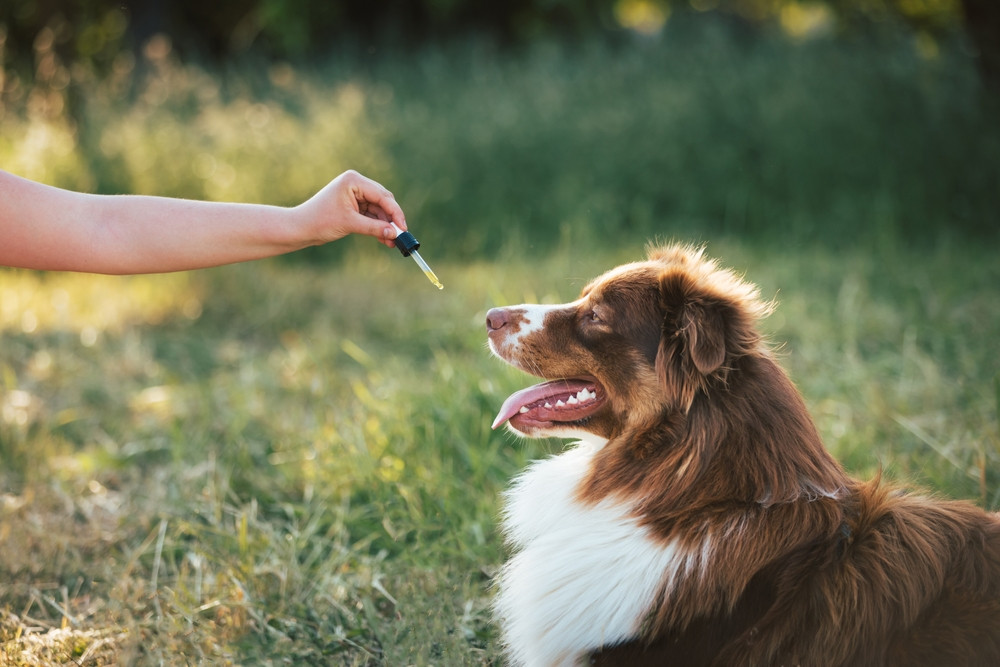
- Tinctures (The Precision of Liquid Administration): Tinctures are often considered the gold standard for those who want absolute precision and fast-acting support. Because they are liquid, they can be administered directly into the mouth or mixed into a favorite wet food. When placed along the gums, the cannabinoids can be absorbed through the soft tissues of the mouth, largely bypassing the first-pass metabolism of the liver. This typically leads to a more rapid onset of that desired relaxed state, making it an excellent option for times when immediate relaxation is the priority. Most high-quality tinctures are formulated with a carrier oil like MCT oil, which not only helps with the absorption of the fat-soluble CBG but also provides a neutral taste that is well-tolerated by most animals.
- Infused Bites (The Convenience of Consistent Servings): For many pet-friendly households, the easiest way to incorporate CBG into a daily routine is through the use of infused treats or soft chews. These are pre-measured, meaning there is no guesswork involved in the serving size, which is perfect for pet owners with a busy schedule. They are often flavored with pet-friendly ingredients like salmon, chicken, or peanut butter, turning a wellness ritual into a moment of pure euphoria for the animal. Because treats must be digested, the onset of effects is typically slower than a tincture, but the results often last much longer as the compounds are gradually released into the system over several hours. This sustained release is ideal for maintaining a relaxed demeanor during a long afternoon at home.
- Topical Solutions (Targeted Support for Outer Vitality): While internal support is a primary focus, the skin is actually the largest organ in a pet's body and is also densely populated with cannabinoid receptors. Certain balms and salves formulated with CBG are designed to be applied directly to areas of interest, such as dry nose leather or cracked paw pads. This localized application allows the cannabinoid to interact with the ECS receptors in the skin without being processed by the digestive tract. Pet owners often find that a CBG-infused topical can help maintain the natural resilience of the skin, leading to a soft and vibrant coat. It is another layer of a relaxed lifestyle, ensuring that a pet is comfortable in their own skin, which in turn supports their overall sense of relaxation.
Determining the Ideal Routine Through Observation
One of the most important things for a pet owner to know about CBG is that there is no universal serving size that fits every animal. The ideal amount depends on a variety of factors, including the pet’s weight, age, metabolic rate, and their individual sensitivity to hemp compounds. Finding the right balance is a process of mindful observation. The goal is to reach a point where the pet is vibrant and happy but remains perfectly relaxed when it’s time to settle down. This requires the owner to be in tune with their companion's subtle behavioral cues and to maintain a consistent schedule.
So, the general rule of thumb in the hemp industry is to "start low and go slow", Beginning with a very small amount and observing the pet’s reaction for several days allows the owner to find the minimum effective serving that achieves a state of bliss. It is always better to start with a conservative amount and gradually increase it rather than starting too high. This methodical approach ensures that the pet’s system has time to acclimate to the new botanical compounds. By taking this patient path, you can ensure the experience remains entirely positive for the animal and avoids any unnecessary drowsiness. Here’s how you go about doing this:
- Start with a minimal serving based on the manufacturer's weight-based guidelines.
- Observe the pet for three to five days before making any adjustments.
- Look for positive markers such as a more centered disposition or a steady appetite.
- Increase the serving size in small increments if the desired relaxed state has not been reached.
- Always maintain a log of the serving size and the pet's response to help track progress.
By keeping a simple diary, you can identify patterns and determine exactly how the CBG is influencing your pet's day. Perhaps they seem more relaxed in the mornings but need a bit more support in the evenings. This data-driven approach takes the guesswork out of the process and ensures you are providing the exact amount of botanical support your pet needs to feel their best. It also provides a helpful reference point to share with your pet’s veterinarian during regular check-ups.
Evaluating Purity with Third-Party Lab Results
In an industry that continues to grow and evolve, the responsibility of verifying product integrity falls directly on the pet owner, making the understanding of laboratory documentation an essential skill. High-quality CBG products should always be accompanied by a Certificate of Analysis, or COA, which serves as a definitive roadmap of the botanical's journey from the field to the bottle. This document is not merely a marketing tool; it is a rigorous, scientific report generated by an independent, third-party laboratory that has no financial stake in the success of the brand. By utilizing an outside facility, manufacturers ensure that the data is unbiased and factually correct, providing a layer of protection for pets that may be more sensitive to impurities than their human counterparts. For the discerning pet parent, a COA is the only way to confirm that the botanical profile matches what is printed on the label, ensuring that the animal receives a precise serving of the "Mother Cannabinoid" to maintain a state of bliss.
The first and most prominent section of a comprehensive lab report focuses on the cannabinoid profile, often referred to as potency testing. This area details the exact milligram count of CBG present in the extract, alongside minor cannabinoids like CBD, CBC, and CBN. It is here that an owner can verify the product is legally compliant, containing less than the federally mandated 0.3% THC. For animals, ensuring a low-THC profile is paramount for maintaining a relaxed and euphoric experience without any unwanted psychoactive effects. This section also allows you to calculate the precise ratio of cannabinoids, which is crucial for those who are trying to replicate a specific routine that has previously resulted in a blissful and centered demeanor for their pet. Without this verification, an owner is essentially guessing the concentration, which can lead to inconsistent results and disrupt the animal’s internal equilibrium.
Beyond the cannabinoid count, a truly professional-grade COA will include a detailed "safety screening" that checks for a wide array of environmental contaminants. Because hemp is a bioaccumulator, it naturally absorbs minerals and substances from the soil in which it grows—rigorous testing for heavy metals such as lead, arsenic, cadmium, and mercury is non-negotiable. These elements can be particularly detrimental to smaller animals with faster metabolisms, so seeing a "Pass" or "ND" (Non-Detected) result in this category is vital for long-term health and vitality. Furthermore, the lab should screen for residual solvents like butane or ethanol, which are sometimes used in the extraction process. Ensuring these chemicals are completely purged from the final tincture or treat ensures that the pet’s journey toward euphoria remains clean and grounded in botanical purity.
Microbiological testing and pesticide screenings represent the final, critical layers of a high-quality laboratory report. These tests check for the presence of harmful molds, yeasts, and bacteria such as E. coli or Salmonella, which can occasionally contaminate plant material during the drying or storage phases. Additionally, a comprehensive pesticide panel ensures that no synthetic chemicals were used during the cultivation of the hemp, protecting the pet from ingesting substances that could interfere with their natural metabolic harmony. Some reports even include a terpene profile, detailing the aromatic compounds like myrcene or limonene that contribute to the entourage effect and support a relaxed atmosphere.
Essentially, by meticulously reviewing these multi-page documents, pet owners can move forward with complete confidence, knowing they are providing a safe, effective, and scientifically-verified path to a life of tranquility for their companions.
Nurturing a Legacy of CBG Balance for Your Pet Can Be Possible
The decision to introduce the foundational properties of CBG into a pet's lifestyle marks a significant turning point in the pursuit of long-term botanical wellness. By focusing on a molecule that directly engages the endocannabinoid system, pet owners are able to provide a uniquely precise form of support that encourages a lasting state of bliss. Whether through the direct administration of a tincture or the simple enjoyment of an infused treat, the delivery of these compounds should always be handled with a deep respect for the animal’s biological individuality. This journey toward a more chilled out existence is most successful when it is built upon a foundation of professional veterinary insight and third-party laboratory verification. Watching a companion maintain their vibrant spirit while enveloped in a sense of relaxed euphoria is a testament to the power of high-quality hemp extracts. This proactive approach ensures that our animals are not merely getting by but are thriving with a sense of mental clarity and physical ease. Ultimately, prioritizing the "Mother Cannabinoid" is a meaningful way to honor the bond between species while fostering an environment of absolute tranquility. Before starting any new botanical regimen, it is vital to consult with a veterinarian to ensure the approach is perfectly tailored to your pet's specific health profile.
Recent Posts
-

What Should Pet Owners Know About CBG for Pets?
Entering the world of pet wellness today often feels like entering a futuristic apothecary where the …Mar 02, 2026 -

An In-Depth Look at the O.pen Sesh Portable Electric Dab Rig w/510-Thread Cart Compatibility
The culture surrounding concentrates has shifted from heavy, stationary setups to a more streamlined …Feb 27, 2026 -

The Next Psychoactive Combination: Liquid Diamonds & Mushroom Blends
Entering the ultimate threshold of a new era in botanical synergy, the modern enthusiast is witnessi …Feb 26, 2026