
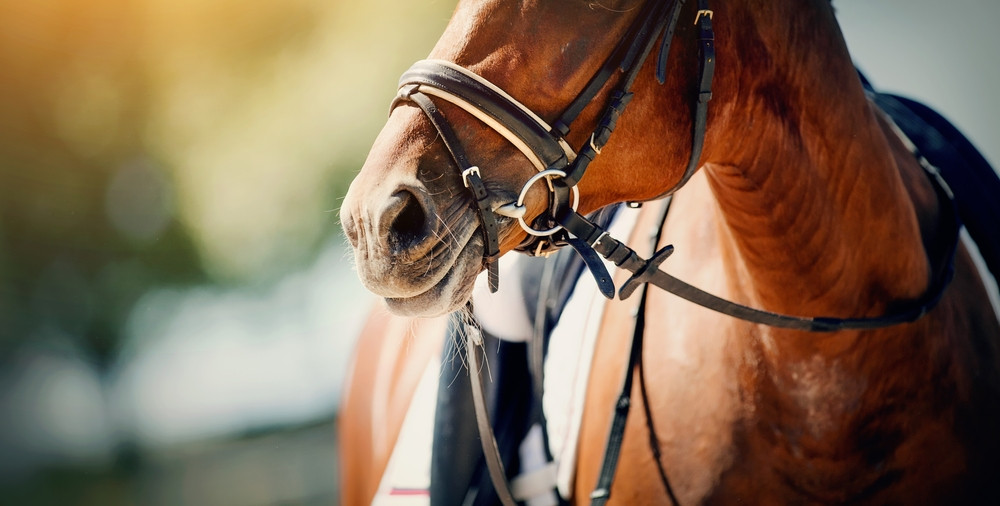
What You Need to Know About CBD in the Equine Space
The early morning light filters through the barn aisle, illuminating the soft dust motes dancing over a row of expectant, nickering faces. For any horse owner, this moment represents the start of a sacred daily ritual centered on the well-being of a creature that gives so much of its spirit to our shared endeavors. As we move from stall to stall, checking legs for heat and observing the brightness of an eye, the conversation around equine care is shifting toward more integrated, botanical solutions. While traditional methods remain the bedrock of horsemanship, a new chapter is being written involving the thoughtful application of hemp-based compounds. This is not about chasing a fleeting trend; it is about honoring the horse’s complex biology with a substance that mirrors its own natural systems. By exploring the role of CBD in the stable, we open a ‘barn door’ to a more nuanced way of supporting our equine partners throughout every stage of their lives.
The Evolution of the Modern Equine Pantry
For decades, the standard equine supplement shelf was a relatively predictable collection of electrolytes, biotin for hooves, and perhaps a joint formula for the older campaigner. However, as our perspective on animal husbandry has matured, so has our willingness to look toward the plant kingdom for more comprehensive support. The horse is a quintessential herbivore, a grazing machine designed to process a wide variety of phytochemicals found in diverse pastures. In the modern world, where many horses live on manicured grass or high-quality hay, they often miss out on the botanical complexity their ancestors enjoyed. Introducing hemp into the equine pantry is, in many ways, a return to this kind of dietary diversity, albeit in a more concentrated and deliberate form. This progression reflects a deeper understanding of how supplemental plants can fill the gaps left by a modern, domesticated lifestyle.
This shift represents a move away from "reactive" care and toward a "proactive" lifestyle. We no longer wait for a horse to show signs of a waning spirit or physical stiffness before we consider how to support their internal balance. Instead, the modern equestrian looks at the horse as a whole system where physical comfort and mental composure are inextricably linked. Hemp-derived products have found a foothold here because they offer a way to support that system without the heavy-handedness of more traditional, synthetic alternatives. It is a more subtle approach, one that prioritizes the horse's natural state of equanimity and seeks to maintain it even when the demands of training or travel become intense. By focusing on the root of systemic balance, we permit the horse to maintain its own vitality more effectively over the long term.
The transition toward a more botanical pantry is also a response to the changing landscape of equine grazing. In a wild setting, a horse would traverse miles of varied terrain, selecting a massive array of "functional forage"—herbs, barks, and deep-rooted weeds that provided a diverse spectrum of phytochemicals. Today’s domesticated horses often live on "improved" pastures that prioritize high-sugar grasses over botanical variety. By reintroducing hemp, we are essentially bridging the gap between the modern manicured paddock and the biodiverse plains of the past. This provides the horse’s system with the complex molecules it was evolutionarily designed to process, moving the diet beyond simple caloric intake and into the realm of systemic support.
Furthermore, we’re seeing a significant move away from the "masking" culture that once dominated the equine industry. In the past, the goal was often to provide a quick, temporary fix for a visible issue, which frequently led to a cycle of reactive care. The modern equine pantry, however, is increasingly stocked with substances like CBD that aim to manage the horse's baseline homeostasis rather than just addressing the outward manifestations of a localized problem. This proactive approach permits the body to utilize its own regulatory systems more effectively. Owners are now viewing their feed rooms as toolboxes for metabolic and behavioral longevity, selecting ingredients that foster a resilient internal environment capable of handling the rigors of modern training.
This evolution also highlights the growing sophistication of the equestrian consumer. We are no longer satisfied with vague "proprietary blends" that offer little transparency regarding their origins or concentrations. The modern horseperson is a researcher, often spending hours diving into the specifics of plant-based wellness to ensure their partner is receiving the highest level of care. This demand for quality has pushed the industry to develop more bioavailable formats—such as cold-pressed hemp oils and air-dried pellets—that preserve the delicate volatile compounds of the plant. As the equine pantry continues to evolve, it becomes clear that the focus has shifted toward a more harmonious, plant-forward philosophy that respects the horse’s history as a sophisticated botanical forager.
Decoding the Equine Biological Framework
To grasp why CBD has become such a focal point in the barn, we must first appreciate the sheer scale of the animal we are discussing. A horse is not simply a "large dog", and its physiological response to any substance is dictated by its unique metabolic rate and its massive, sensitive digestive system. Horses possess a highly developed endocannabinoid system (ECS) – a network of receptors that helps regulate everything from their appetite and temperature to their immune response and physical comfort. Because horses are so large, the way they interact with botanical compounds is a fascinating study in biological efficiency and sensitivity that differs significantly from smaller mammals. Understanding this framework is the first step in implementing a successful wellness program.
The Sensitivity of the Gaps and Gut
A horse’s digestive tract is an incredibly long and winding journey, stretching nearly 100 feet in length and housing a delicate microbiome that can be easily disrupted. When we introduce a hemp extract, we have to consider how it survives this environment and where it is most effectively absorbed. Unlike humans, who might benefit from sublingual application, horses are best served through mediums that can navigate their hindgut fermentation process or be absorbed through the mucosal linings of the mouth. This sensitivity means that the quality of the carrier oil—whether it is MCT oil, hemp seed oil, or another fat—is just as important as the CBD itself. The goal is to provide a delivery system that respects the horse’s "trickle-feed" nature, allowing the compounds to be processed steadily rather than in a single, overwhelming spike.
Bioavailability and the First-Pass Reality
The efficiency of any oral supplement is often hampered by what is known as the "first-pass effect" in the equine liver. When a horse ingests CBD, the substance must first travel through the digestive tract and enter the hepatic portal system, where the liver immediately begins to break it down. In horses, this process is particularly robust, often leading to a significant reduction in the amount of CBD that actually reaches the systemic circulation. Recent pharmacokinetic studies have suggested that the oral bioavailability of CBD in horses can be relatively low, sometimes hovering around 8% to 10%. This doesn't mean the supplement isn't working; rather, it means that the delivery method and the concentration must be calibrated to account for this metabolic hurdle.
To combat this, many advanced equine formulations focus on increasing solubility or using specialized fats to "shield" the CBD through the initial digestive phases. For example, micellar formulations or high-lipid carriers can help the botanical compounds bypass a portion of the liver's filtration, ensuring more of the active ingredient remains intact. This is why you might see a horse respond more vibrantly to a 100 mg dose of high-quality oil than to a 500 mg dose of a poorly formulated powder. It’s not about the total amount you put in the bucket; it’s about how much actually makes it past the liver and into the horse’s receptors.
The Large-Scale System of Receptors and Response
The distribution of cannabinoid receptors in the equine body is extensive, with a high concentration found in the nervous system and the musculoskeletal framework. However, research has highlighted an intriguing density of these receptors in areas specific to equine health, such as the hoof laminae and the skin. CB1 and CB2 receptors are not just located in the brain; they are distributed throughout the dermo-epidermal junction of the hoof. This explains why many equestrians see such positive results when using hemp products to support hoof health or skin integrity. These receptors act as "locks" that, when "unlocked" by hemp compounds, help the body maintain its own internal balance.
In terms of physical movement, these receptors play a key role in how the horse perceives its own body in space—a concept known as proprioception. When a horse is comfortable and its system is in a state of homeostasis, its movements are more fluid, and its recovery from exercise is more efficient. This large-scale response is why we see CBD being used across so many different disciplines, from the slow, steady work of a trail horse to the explosive power of a reining horse. The botanical compounds don't "fix" the horse; they simply provide the body with the tools it needs to regulate itself more effectively, ensuring that the physical and mental gears are turning in perfect harmony.
Getting the Dose Down for a 1,200-Pound Horse
One of the most frequent questions in the barn involves the actual math of supplementation. Calculating the right amount of CBD for a horse is not as simple as multiplying a human dose by ten. Horses are surprisingly sensitive to cannabinoids, and their unique metabolism means that "more" is not always "better." Finding the sweet spot for an individual horse requires an understanding of their weight, their workload, and their individual sensitivity. It is a process that demands observation and a willingness to adjust based on the horse’s outward signs of comfort and composure.
The Sensitivity of the Per-Kilogram Paradigm
While we often think of horses as tough, rugged animals, their internal systems are remarkably finely tuned. Some research suggests that horses may require a lower milligram-per-kilogram ratio than dogs to achieve systemic balance. This sensitivity is likely due to the sheer volume of receptors they possess and the way their bodies distribute fat-loving compounds like CBD. A standard starting point might involve 25 to 50 milligrams for a full-sized horse, but it is not uncommon to see a "warm-up" period where the dose is gradually increased over several weeks. This "low and slow" approach permits the horse’s system to adjust without being overwhelmed by a sudden change in its dietary profile.
Monitoring the horse's response is the most critical part of this calibration. You aren't looking for a "drugged" or "sedated" animal; instead, you are looking for a horse that is more "available" for work and more settled in its environment. A horse that previously pinned its ears during grooming or hesitated to step out in the arena may show a newfound willingness to engage. If you reach a point where the horse seems overly lethargic or loses its "spark," it is a sign that the dose is too high. Conversely, if no change is noted after two weeks, a small upward adjustment is typically the next step. Every horse is an individual, and their internal "dial" will be set slightly differently depending on their breeding, temperament, and age.
Scaling for Mass: From Minis to Drafts
The equine world spans a massive range of sizes, from the 200-pound miniature horse to the 2,000-pound Shire. Naturally, their needs will scale accordingly. A miniature horse may only need a fraction of what a Thoroughbred requires, while a heavy draft horse may need a significantly more concentrated product to see any effect at all. When selecting a product, it is vital to check the total milligrams per milliliter (for oils) or per scoop (for pellets). For a massive draft horse, using a low-concentration "pet" oil is rarely cost-effective or efficient, as you would need to feed half the bottle to reach a functional level:
- Miniature Horses (Under 500lbs.): These little powerhouses often have very high metabolic rates. They typically respond well to starting doses between 10–20 mg per day.
- Light Horses & Ponies (600lbs.–900lbs.): Frequently used for youth riding or light trail work, these animals generally start in the 20–35 mg range.
- Standard Performance Horses (1,000lbs.–1,300lbs.): This is the "average" horse weight, usually starting around 40–75 mg per day, with performance horses often requiring the higher end of that scale for recovery.
- Drafts and Draft-Crosses (1,400lbs.+): Due to their significant muscle mass and larger circulatory systems, these gentle giants may require 100 mg or more to maintain a consistent baseline of support.
Scaling for mass also means considering the horse’s metabolic rate. Easy keepers and hard keepers may process supplements at different speeds. A high-strung Thoroughbred with a racing heart rate may process a dose faster than a laid-back Quarter Horse. This is why many owners prefer a twice-daily administration—once in the morning and once in the evening—to maintain a steady level of support throughout the 24-hour cycle. This split-dosing strategy helps avoid peaks and valleys in the compound's concentration within the bloodstream.
Practical Application in the Daily Barn Routine
Integrating a new supplement into a barn's workflow is often a test of patience and logistics. Horses are creatures of habit, and their caregivers are typically working against a ticking clock of chores and training sessions. For a CBD regimen to be successful, it must be practical enough to survive the realities of the feed room while being consistent enough to produce the desired effects. The administration of these products is an art form in itself, requiring an understanding of the individual horse’s preferences and the specific goals of the owner. Whether you are dealing with a competitive athlete or a retired pasture mate, the way you deliver the hemp extract can significantly impact its efficacy.
Choosing the Medium: Tinctures, Pellets, and Powders
The variety of CBD formats on the market can be overwhelming, but each has a specific role in the stable. Tinctures, or oils, are the most direct method and are prized for their versatility. They can be administered via a syringe for a quick, concentrated dose or drizzled over a treat. Pellets, however, are often the choice for the boarding stable owner. They look just like regular feed and are virtually impossible for the horse to pick out. Powders offer a middle ground, often featuring higher concentrations that are easy to stir into a wet mash or beet pulp.
The Palatability Factor: Masking the "Green" Taste
For the picky eater who can detect a single change in a bucket of oats, introducing a hemp oil can be a challenge. Hemp has a distinct, earthy, and sometimes "grassy" profile that some horses find off-putting. The key is to lean into the horse's existing preferences. Many owners find success by mixing the oil with a bit of unsweetened applesauce, molasses, or even a splash of peppermint oil. This hides the botanical scent and turns the supplement into a reward rather than a chore.
- The "Hollowed Treat" Trick: Inject the oil into the center of a large marshmallow or a cored apple.
- The Mash Approach: Stir the dose into a warm beet pulp or wheat bran mash, which helps the oil emulsify and stick to the forage.
- Flavor Camouflage: Use a drop of anise or licorice extract, as many horses are biologically predisposed to enjoy these strong, sweet scents.
- The "Sandwich" Strategy: Place a dose between two pieces of molasses-dipped bread or within a specialized hollow horse treat.
Integration with Standard Grain Rations
For the barn manager overseeing a large number of horses, simplicity is king. If a supplement requires too many steps, it is more likely to be missed or administered incorrectly. This is why many high-quality equine CBD products are now being formulated as pellets that look and smell just like the horse's regular feed. These can be pre-measured into baggies or scoops, making it easy for the morning feeder to simply toss them into the bucket. Consistency is the most important factor in seeing the benefits of a hemp regimen, and these "user-friendly" formats are the best way to ensure the horse never misses a dose.
When integrating CBD with a standard ration, it is also important to consider the fat content of the meal. Because CBD is fat-soluble, it is often more effectively absorbed when given alongside a meal that contains healthy fats, such as flaxseed, chia, or rice bran. This doesn't mean you need to overhaul the horse's diet, but being mindful of the "carriers" in the bucket can help maximize the value of the supplement. By making the administration a seamless part of the existing feed routine, we reduce the chance of disruption and create a more stable environment for the horse to thrive.
The Performance Edge and Post-Arena Recovery
In the world of the performance horse, the margins between success and a "middle of the pack" finish are incredibly thin. Whether the horse is a show jumper, a dressage athlete, or a barrel racer, the physical toll of competition is significant. These animals are asked to perform feats of incredible athleticism, often on varying surfaces and in high-pressure environments. Supporting these athletes requires a multifaceted approach that addresses the physical strain of the work as well as the need for rapid recovery between sessions. Hemp-derived compounds have become a go-to for many trainers because they support the horse’s natural ability to bounce back without interfering with their competitive drive.
Maintaining Fluidity in the Senior Campaigner
There is something truly special about the "schoolmaster"—the older horse that has seen it all and now spends its days teaching the next generation of riders. These horses are worth their weight in gold, but their years of service often mean they need a bit of extra help to stay comfortable in their work. CBD is an excellent companion for the senior horse because it supports joint fluidity and general physical comfort in a way that feels organic. It helps maintain that "forward" desire, allowing the older horse to step out with confidence rather than feeling restricted by the natural wear and tear of a long career.
For these veterans, the goal is longevity. We want them to remain active and engaged for as long as possible, as movement is often the best thing for their aging bodies. By incorporating hemp into their daily routine, owners can support the horse's internal systems, helping them maintain their topline and their range of motion. This isn't about making them feel "younger" in a reckless way; it’s about providing a foundation of comfort so they can continue to enjoy their jobs and their time in the pasture. A comfortable senior horse is a happy one, and their presence in the barn is a living history that we are lucky to preserve through thoughtful, proactive care.
Supporting Natural Cooling and Circulation
After a strenuous workout, the equine body undergoes a complex process of cooling down and repairing tissues. Proper circulation is essential during this phase, as it helps move nutrients into the muscles and carries away the byproducts of exercise. Many equestrians have found that using CBD as part of the post-workout protocol supports this natural process. Whether through a cooling liniment infused with hemp or an internal dose given immediately after the horse has cooled out, the botanical compounds help the system return to a state of balance more quickly.
This recovery phase is where the "entourage effect" of the hemp plant really shines. When a horse receives a broad-spectrum product, they are getting a variety of terpenes and flavonoids that work together to support the body’s natural cooling mechanisms. This can be particularly helpful for horses that tend to "stock up"—developing minor swelling in the lower legs after being stabled or after a long day of work. By aiding the body’s own recovery systems, we reduce the downtime between training sessions and ensure that the horse enters the arena feeling fresh and ready to give their best effort. It is about maximizing the "up-time" of the athlete while respecting the physical limits of their anatomy.
Navigating the Regulatory Landscape and Competition Standards
For the competitive equestrian, the decision to use CBD is often complicated by the strict rules of governing bodies like the USEF (United States Equestrian Federation) or FEI (International Federation for Equestrian Sports). These organizations have a clear mandate to protect the integrity of the sport and the welfare of the horse, which means they maintain a very short list of permitted substances and a very long list of prohibited ones. Navigating these rules requires a high degree of caution and a thorough understanding of what "THC-free" actually means in a laboratory setting. It is not enough to take a label’s word for it; you must verify the data yourself to protect your show record and your reputation.
The "Detection Window" and LC-MS/MS Testing
Most major equine organizations currently classify CBD as a "prohibited substance" because it can potentially affect the horse's performance or mask other issues. This means that if your horse is tested at a show and any trace of CBD is found in its system, you could face significant fines, suspensions, or disqualification. The "detection window"—the amount of time it takes for a substance to leave the horse's system—is a major source of anxiety for many riders. While every horse's metabolism is different, a general rule of thumb used by many trainers is to discontinue the use of hemp products at least seven to ten days before a competition to allow for complete clearance from the body.
Furthermore, the technology used by show labs is incredibly sophisticated. They often use Liquid Chromatography-Mass Spectrometry (LC-MS/MS), which can detect substances at the parts-per-billion level. This is why "broad-spectrum" and "isolate" products are so critical for the competitive barn. A full-spectrum product contains trace amounts of THC (under 0.3%), which might be perfectly legal to sell but could still trigger a positive test on a sensitive show screen. If you choose to use CBD in your program, you must insist on products that undergo this same level of rigorous testing before they reach your tack room. Transparency is the only way to avoid the heartbreak of a positive test result in the middle of a successful show season.
The Social and Legal Realities of the Barn
Beyond the show ring, there are the everyday logistics of being a horse owner in a communal boarding stable. Many barn managers have their own policies regarding the use of hemp products, often rooted in a desire to avoid any legal ambiguity on their property. It is important to have an open, honest conversation with your barn manager and trainer before you bring a new product into the facility. Providing them with the third-party lab results (COA) can help demystify the product and demonstrate that you are prioritizing safety and compliance:
- Documentation: Keep a folder with the COAs for every batch you use, showing the lack of contaminants and THC.
- Consistency: Ensure that your storage and feeding practices don't lead to cross-contamination with other horses' buckets.
- Professionalism: Treat the supplement with the same respect as a prescription medication, keeping it clearly labeled and out of reach of unauthorized handlers.
- Clarity: Ensure that any staff members involved in feeding understand the exact measurement and timing required for your horse's specific program.
Being a responsible advocate for your horse means being a transparent member of your barn community. When you lead with data and respect for the facility’s rules, you create a more supportive environment for modern wellness practices to take root without causing friction between you and the barn staff.
Seasonal Considerations: Winter Stiffness vs. Summer Heat
The needs of a horse are never static; they shift with the barometer and the thermometer. As the seasons change, the toll on the horse's body changes as well, requiring the owner to be adaptable in their care routines. CBD can play a unique role during these transitions, providing a layer of support that aligns with the specific challenges of each season. Whether you are dealing with the rigid cold of a Midwestern winter or the humid intensity of a Southern summer, understanding how the environment affects the horse's system is key to maintaining their comfort and performance.
Supporting the Senior Horse Through Winter Stiffness
Winter is traditionally the most challenging time for the senior horse or the retired campaigner. Cold temperatures can lead to a decrease in movement, as horses spend more time huddled in stalls or standing still in the paddock to conserve heat. This lack of activity often leads to a noticeable increase in stiffness, particularly in the morning. Using CBD during the winter months can help support joint fluidity and promote a more willing attitude toward movement. When a horse feels comfortable, they are more likely to walk around their pasture, which in turn keeps their circulation moving and their joints lubricated.
In the winter, the "delivery" of the supplement also matters. A horse's metabolism may slow down slightly in the cold, and their water intake often drops, which can lead to thicker blood and slower nutrient transport. Providing a warm mash with a dose of hemp oil can encourage hydration while ensuring the CBD is efficiently processed. It’s about creating a "warming" ritual that supports the horse's internal furnace while addressing the physical restrictions that come with freezing temperatures. A comfortable winter makes for a much easier transition into the spring riding season, as the horse doesn't have to "shake off" months of inactivity and stiffness.
Managing the High-Stakes Heat of Summer
Summer presents a different set of challenges, primarily centered on heat, circulation, and environmental stressors. For the performance horse, summer is often the height of the competition season, meaning they are working harder and traveling more in taxing conditions. Dehydration is a constant risk, and a dehydrated horse is one that cannot effectively process supplements or recover from exercise. CBD can support the body's natural cooling mechanisms by promoting healthy circulation, but it must be paired with diligent hydration and electrolyte management.
The "summer vibe" in a barn can also be quite hectic. Flies, heat, and a busy show schedule can lead to a sense of restlessness in even the most stoic horse. Using a hemp regimen during these months helps maintain a level of mental equanimity, allowing the horse to rest properly between classes or during long, hot trailer rides. Moreover, the topical application of hemp-infused balms can be a lifesaver for summer skin issues—such as "sweet itch" or fly bite sensitivity—or for massaging large muscle groups after a hot afternoon in the arena. It provides a cooling, soothing finish to a long day, helping the horse reset for the next morning.
The Pursuit of Quality: How to Read a COA
With the explosion of interest in the equine CBD space, the market has become flooded with products of varying quality. As stewards of these animals, it is our responsibility to be discerning about what we put into their bodies. Horses have very specific metabolic needs, and "cutting corners" with a cheap, poorly sourced product can lead to lackluster results at best. Transparency in sourcing is the only way to guarantee that you are providing a product that is safe, effective, and ethically produced for an animal of this size and value. This starts with a deep dive into the Certificate of Analysis (COA).
Decoding the Lab Report Line by Line
A COA is more than just a piece of paper; it is a legal and scientific verification of a product's contents. To truly vet a hemp supplement for your horse, you need to look at several key sections of the lab report. A reputable company will make these reports easily accessible via a QR code on the packaging or a batch-search tool on their website. If a company cannot or will not provide a batch-specific COA, that is a major red flag for any horse owner. Here’s what it should have:
- Potency and Cannabinoid Profile: This section lists the concentration of CBD and other cannabinoids in milligrams per gram (mg/g) or milligrams per milliliter (mg/mL). You want to ensure that the amount detected by the lab matches what is promised on the label. This is also where you verify the absence of THC (listed as ND for "Not Detected") if you are using a broad-spectrum or isolate product.
- Pesticide Screening: Because horses are large animals with a high intake of botanical material, they are particularly sensitive to cumulative pesticide exposure. The COA should show "Pass" results for dozens, if not hundreds, of common agricultural chemicals.
- Heavy Metal Analysis: Hemp is a bioaccumulator, meaning it pulls minerals and metals from the soil. A quality COA will test for lead, arsenic, cadmium, and mercury, ensuring the levels fall well below safety thresholds.
- Residual Solvent Report: This section confirms that no harmful chemicals used during the extraction process (like butane or ethanol) remain in the final oil or pellet.
- Microbial Contamination: This report screens for harmful bacteria like E. coli and Salmonella, as well as yeast, mold, and mycotoxins. A "Pass" here is essential for protecting your horse's delicate digestive system.
Quality also manifests in the concentration of the product. An oil that only contains 250 mg of CBD in a whole bottle might be fine for a small pet, but it is virtually useless for a Warmblood. For equine applications, you generally want to look for higher-potency products—often 1,500 mg to 3,000 mg or more per bottle—to ensure you can deliver an effective dose in a small, manageable amount of liquid. By doing the homework and insisting on the highest standards, we not only protect our own horses but also support a higher level of integrity across the entire equine industry. Your horse trusts you to make the best decisions for their care; honoring that trust means never compromising on the purity of their supplements.
A Golden Horizon for the Equine-Human Bond
The journey into the equine CBD space is ultimately a reflection of our deep-seated commitment to the horses that enrich our lives so profoundly. By embracing these botanical tools, we are moving toward a future where equine care is more intuitive, more balanced, and more closely aligned with the natural world. This merger of tradition and modern insight allows us to support our partners with a level of nuance that was once unimaginable. And as we continue to learn more about the profound connection between a horse's internal homeostasis and its outward performance, the role of hemp in the stable will only continue to grow. It is a powerful reminder too, that the best way to honor the spirit of the horse is to provide them with a lifestyle that fosters equanimity, physical vitality, and a quiet, focused mind.
Recent Posts
-

What You Need to Know About CBD in the Equine Space
The early morning light filters through the barn aisle, illuminating the soft dust motes dancing ove …Apr 02, 2026 -

Drinking Your Way to Cannabinoid Bliss and Euphoria with CBD Drink Mix
Transforming a standard drink into a refreshing source of botanical harmony is a simple ritual that …Mar 31, 2026 -
Portable Concentrate and Dry Herb Vaporizer Charging Convenience: Bottom Type-C vs. Side Type-C
The modern landscape of personal handheld technology has undergone a massive transformation where th …Mar 29, 2026