
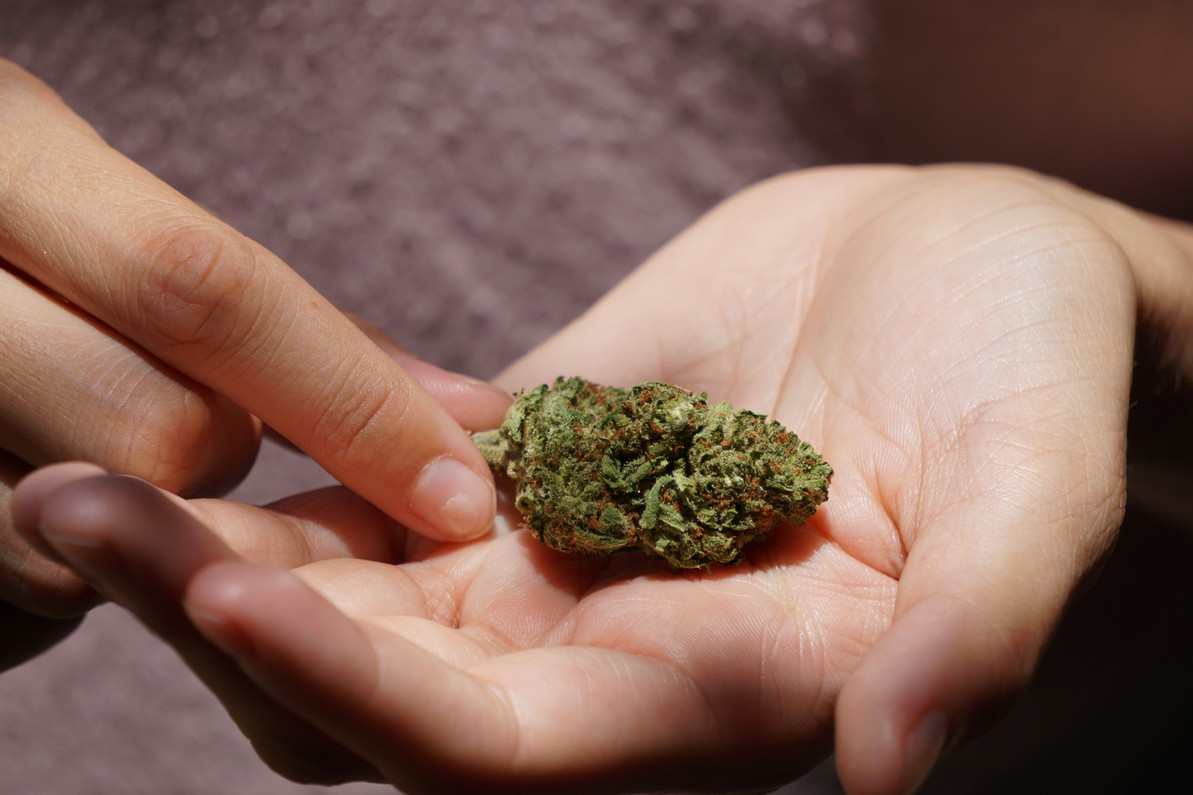
Everything You Need to Know About THCA Flower in 2026
Navigating the botanical landscape of 2026 requires a keen eye for detail and an appreciation for the complex molecular dance occurring within the hemp plant. You may have noticed that the conversation surrounding hemp-derived options has shifted significantly over the last few years, moving away from simple concentrates toward a more raw and authentic experience. THCA flower has emerged as a centerpiece of this movement, offering a bridge between traditional herbal appreciation and the modern regulatory framework that governs our current marketplace. While the terminology can sometimes feel like a maze of acronyms, the core appeal of this particular flower lies in its purity and the way it interacts with the elements. It is not merely about a single compound but rather the holistic symphony of terpenes and cannabinoids that define a truly premium harvest. Understanding the nuances of this flower is essential for anyone looking to make informed choices in a year defined by both incredible innovation and shifting legislative tides. We are currently witnessing a golden age of cultivation where craft techniques meet cutting-edge science to produce results that were once thought impossible. By grounding ourselves in the facts of how these plants are grown, processed, and utilized, we can better appreciate the craftsmanship that goes into every jar.
What is THCA?
Tetrahydrocannabinolic acid (THCA) is the acidic precursor that exists naturally in the living, breathing tissues of the cannabis plant. In its raw state, this molecule features a carboxyl group that changes its physical structure and prevents it from binding to the receptors in the brain in the same way its more famous cousin does. This means that if you were to encounter a fresh plant in a field and consume it raw, the experience would be entirely different from what most people expect from hemp. Cultivators have mastered the art of preserving this acidic form throughout the drying and curing process to ensure the final product remains compliant with current standards. By keeping the plant in this pristine state, the delicate aromatic compounds known as terpenes are often better preserved, leading to a much more flavorful and aromatic profile. It is this chemical "stability" in its raw form that has allowed THCA to become such a massive success in the modern era of botanical exploration.
The science behind this compound is a fascinating study in how temperature and time can fundamentally alter a substance's identity. When you introduce heat to THCA—a process known in the community as decarboxylation—the carboxyl group is released as a gas, and the molecule transforms into its neutral state. This conversion is the "magic trick" that occurs whenever a consumer chooses to vape or smoke the flower, effectively unlocking the potential of the plant at the moment of use. In 2026, this distinction is more than just a chemistry lesson; it is the foundation of an entire industry that prioritizes the raw integrity of the harvest. Many enthusiasts prefer this because it puts the power of the experience directly in their hands, allowing them to decide exactly how and when they want to activate the compounds. Because the plant produces THCA naturally as its primary cannabinoid during the flowering cycle, focusing on this molecule is essentially focusing on the plant's most authentic expression. It is a return to basics that uses our understanding of molecular biology to celebrate the plant's natural life cycle.
In the present landscape, THCA’s purity is often a primary selling point for those who are weary of heavily processed or synthetic alternatives. Unlike some other minor cannabinoids that must be created in a laboratory through complex chemical conversions, THCA is harvested directly from the trichomes of the hemp plant. This makes it a "natural" product in the truest sense of the word, as it is simply the result of good genetics, high-quality soil, and expert farming. The rise of sophisticated testing and lab transparency has allowed consumers to see the exact percentages of this compound in their flower, leading to a more educated and discerning community. When you look at a high-quality bud through a magnifying lens, those shimmering crystals you see are actually packed with THCA waiting to be utilized. This visual confirmation of quality is something that many find deeply satisfying, as it connects the consumer back to the earth and the skill of the grower. It represents a shift away from the "black box" of processed oils and back to the tactile, sensory experience of handling premium flower.
Furthermore, the role of THCA within the plant’s own defense mechanism is a topic of great interest for those who appreciate the ecology of hemp. The plant produces these acidic cannabinoids partly to protect itself from ultraviolet radiation and certain environmental stressors, acting as a sort of natural shield. This high concentration of protective compounds is what makes the flower so resilient and contributes to the robust profiles we see in the 2026 boutique market. Because THCA is so abundant in the resin glands, it acts as a carrier for the terpenes, which are the oils responsible for the distinct scents of pine, citrus, or fuel. When a grower prioritizes a high THCA content, they are often inadvertently prioritizing a high terpene content as well, resulting in a more complex and enjoyable bouquet. This symbiotic relationship between the cannabinoid and the aroma is why many people find the flower to be far superior to isolated extracts. It provides a full-spectrum experience that acknowledges the plant as a complete organism rather than a collection of separate parts.
As we look at how THCA fits into the broader wellness and lifestyle categories of 2026, clearly, its versatility is its greatest strength. For some, the appeal lies in the "chilled out" and "blissful" sensations that can be achieved through various methods of activation. For others, it is about the ritual of the plant itself—the grinding of the buds, the aroma that fills the room, and the visual beauty of a well-cured harvest. The lack of heavy processing means that the natural waxes and flavonoids of the plant remain intact, which many believe contributes to a smoother and more refined experience. We have moved past the era where hemp was seen as a secondary or "diet" version of other plants; today, it stands on its own as a premium commodity. The community has embraced the idea that high-quality THCA flower is a connoisseur’s choice, demanding the same level of respect as a fine vintage of wine or a craft-roasted coffee. This elevation of the product has led to better farming practices and more rigorous safety standards across the board.
Finally, it is worth noting that the global understanding of THCA has evolved to recognize it as a unique entity with its own set of characteristics. In 2026, we no longer talk about it solely in relation to what it "becomes," but also for what it "is" in its raw form. While most people do choose to activate it, there is a growing niche of people who utilize raw THCA in juices or infusions to capture the plant's essence without any transformation. This dual nature—the ability to be a stable, raw botanical or a powerful, activated experience—is what makes it so incredibly dynamic. It fits into a variety of lifestyles, from the person looking for a relaxed evening at home to the enthusiast who wants to explore the deep complexities of different strain profiles. By understanding that THCA is the natural "gold standard" of the hemp plant, we can better navigate the myriad of products available on the market today. It is a molecule that perfectly captures the intersection of nature’s wisdom and human curiosity.
The Go-to Choice for Many Hemp/Cannabis Enthusiasts: THCA Flower
The surge in popularity of THCA flower isn’t merely a trend, but a reflection of a consumer base that values authenticity and variety. This flower has become the preferred option for many because it offers a traditional experience that feels familiar to long-time enthusiasts while remaining within the modern legal framework. Whether someone is looking to achieve a sense of euphoria or simply wants to enjoy a "chilled out" afternoon, the flower provides a customizable experience that is hard to replicate with pre-filled cartridges or edibles. The tactile nature of breaking down a bud and the instant aromatic feedback of a fresh jar are parts of a ritual that many find deeply grounding and enjoyable. As cultivation technology has improved, the gap between "industrial hemp" and "boutique flower" has vanished, leaving us with products that are visually stunning and incredibly potent. People are increasingly turning to this flower because they want to know exactly what they are putting into their bodies, and nothing is more transparent than a raw, unadulterated plant.
One of the most significant advantages of THCA flower is the incredible diversity in how it can be consumed and integrated into daily life. For those who enjoy the classic approach, smoking the flower in a pipe or a well-crafted wrap remains a popular way to appreciate the full flavor profile of the terpenes. Others have moved toward dry-herb vaporization, which allows for a more controlled temperature that can highlight specific notes of the strain without the presence of combustion. This method is often seen as a more "refined" way to experience the flower, as it preserves the most delicate compounds that might otherwise be lost. Beyond inhalation, THCA flower has also become a staple in the kitchens of many hobbyist bakers who enjoy creating their own custom infusions at home. By decarboxylating the flower in an oven, they can transform it into a potent ingredient for oils or butters, allowing for a creative culinary experience. This versatility ensures that regardless of a person’s preferred consumption method, THCA flower can fit seamlessly into their routine.
The way THCA flower is packaged and presented to the consumer has also undergone a massive transformation, moving toward a "luxury" aesthetic that mirrors high-end specialty goods. It is common to find flower sold in UV-protected glass jars that help maintain the humidity and prevent the degradation of the cannabinoids over time. Many suppliers now include detailed information on the packaging, such as the harvest date, the specific terpene percentages, and a QR code that leads directly to a third-party laboratory report. This level of transparency has built a high degree of trust between the growers and the community, ensuring that everyone knows they are receiving a safe and high-quality product. You can find everything from single-gram "tasters" to larger "bulk" bags designed for those who have found their favorite staple strain. The industry has also embraced the "pre-roll" market, offering expertly crafted joints that are ready to use right out of the box for those who value convenience. This range of options means that the market can cater to both the curious newcomer and the seasoned connoisseur with equal ease.
Finally, the social and cultural impact of THCA flower cannot be understated as we move through 2026. It has created a community of "strain hunters" and enthusiasts who treat new harvests with the same excitement as a limited-edition sneaker drop or a rare record release. Online forums and local social groups are filled with people sharing photos of their latest finds, discussing the "nose" of a particular batch, or debating the merits of indoor versus outdoor cultivation. This shared passion has driven the industry to keep innovating, pushing the boundaries of what the hemp plant can achieve in terms of bag appeal and aromatic complexity. The flower serves as a conversation starter, a way to connect with others who appreciate the finer points of botanical science and horticultural skill. It represents a lifestyle that values quality over quantity and prefers the slow, intentional enjoyment of a natural product over the fast-paced world of synthetics. In a world that often feels increasingly digital and detached, THCA flower offers a tangible link to the physical world and the ancient traditions of herbalism.
The Different Types of THCA Flower
As we explore the vast inventory of THCA products available in 2026, no doubt, the method of cultivation and the last preparation of the bud have a massive role in the overall experience. The market has branched out into numerous specialized categories, each designed to highlight a different aspect of the plant's potential, from the environment it was grown in to the way it has been enhanced. Whether you are looking for the raw, earthy simplicity of sun-grown buds or the intense, crystalline power of infused varieties, there is a specific tier and type of flower suited to every preference and budget. Understanding these distinctions below: is the first step in becoming a true expert in the modern hemp landscape, as each category offers its own unique set of characteristics, aromas, and visual appeals:
- Indoor THCA Flower: This category represents the peak of environmental mastery, where every single variable from the light spectrum and carbon dioxide levels to the precise humidity is managed with surgical precision. Most state-of-the-art facilities now utilize advanced LED arrays that can mimic the sun’s most beneficial frequencies while filtering out the harsh radiation that causes cannabinoid degradation. This level of extreme control produces some of the most visually stunning and potent buds possible, typically characterized by a very high trichome density that gives the flower a "sugar-coated" appearance. Because the plants are grown in sterile, sealed environments, they are never exposed to external elements like dust, rain, or pests, ensuring that the "loud" and complex aromatic profile is preserved in its purest form. While this method usually results in a higher price point due to significant operational overhead, enthusiasts often find the crystalline purity and intense flavor to be well worth the investment for a truly "euphoric" experience. Each bud is typically hand-trimmed to perfection, ensuring that only the resinous flower material remains for the consumer to enjoy.
- Outdoor THCA Flower: Often appreciated for its more "natural" and robust terpene profile, outdoor flower is grown under the full, unfiltered spectrum of the sun, which many connoisseurs believe produces a more complex chemical signature than artificial lighting ever could. This traditional cultivation method allows the hemp plant to interact with its unique "terroir," drawing minerals and character from the native soil that contribute to a deeper, more grounded, and earthy flavor profile. While outdoor buds may not always possess the same "frosty" bag appeal or vivid colors as their indoor counterparts, they are often much more affordable and provide a substantial, authentic experience that purists deeply admire. In the current landscape, sun-grown flower is frequently the top choice for those who prioritize sustainable farming practices and a "relaxed" session that feels connected to the natural world. The plants tend to grow much larger in an open-air environment, often leading to a harvest that is rich in minor cannabinoids and secondary metabolites that add to the overall "chilled out" vibe. It is the go-to option for the budget-conscious consumer who refuses to compromise on the botanical integrity of the harvest.
- Greenhouse THCA Flower: Acting as the perfect middle ground between the intensity of indoor growing and the rustic nature of outdoor farming, greenhouse cultivation utilizes the natural power of the sun while providing a protective, climate-controlled structure. This "hybrid" approach allows growers to use light-deprivation techniques to trigger multiple harvests per year, ensuring a constant supply of fresh, high-quality flower for the market. By shielding the plants from unpredictable weather and pests while still utilizing "full spectrum" sunlight, greenhouse flower often rivals indoor varieties in both potency and aromatic complexity. It offers a cleaner and more manicured look than traditional outdoor flower but usually sits at a more accessible price point than boutique indoor options. Many people find that greenhouse-grown buds offer a particularly "blissful" balance, capturing the sun's energy while maintaining the structural density and resin production typical of a controlled room. This method has become increasingly popular as a way to provide premium-grade flower at a value that appeals to a wide range of enthusiasts.
- Exotic THCA Flower: This prestigious category refers to strains that feature rare or exclusive genetics that have been specifically bred for their unusual characteristics and sensory impact. Exotic flower is often recognized by its striking and unconventional color palettes—ranging from deep, royal purples to vibrant, electric oranges—and flavor profiles that venture far beyond the typical "skunk" or "pine" scents. You might encounter buds that smell like ripened tropical fruit, creamy dessert pastries, or even sharp citrus gas, providing a unique sensory journey with every jar. These strains are typically produced in very small batches by boutique craft growers who focus on quality over quantity, ensuring that every flower meets a rigorous standard of excellence. Because these genetics are often difficult to source and require specialized care to reach their full potential, they are highly sought after by collectors and "strain hunters" looking for something distinct. Choosing an exotic variety is about more than just the cannabinoids; it is about exploring the cutting edge of what the hemp plant is capable of expressing through expert breeding.
- AAA Exotic THCA Flower: Representing a significant step up in the industry’s grading system, AAA Exotic flower is reserved for harvests that have been perfectly cured, expertly trimmed, and show zero signs of environmental stress. These buds are hand-selected for their superior density and a trichome coating that is so thick it often obscures the underlying plant material. The terpene profile in this tier is remarkably intense and "mouth-watering," often filling a room with its aroma the moment the seal is broken on the container. Growers who produce AAA Exotic flower typically employ a long, slow curing process in temperature-controlled glass jars to ensure that the flavors are fully developed and the smoke remains incredibly smooth. This category is a favorite for those who want a premium, "high-end" experience that delivers both visual beauty and a profoundly "blissful" sensation. When you hold a AAA Exotic bud, you are seeing the result of months of dedicated labor and a deep understanding of horticultural science.
- AAAA/Boutique THCA Flower: This is the undisputed "top shelf" of the modern market, representing the absolute best of the best where no expense has been spared in any phase of the cultivation or processing cycle. AAAA flower, often referred to as "boutique," is typically hand-trimmed by specialists to preserve every delicate resin gland and then "cold-cured" for several weeks to lock in the most volatile aromatic compounds. The visual appearance of these flowers is often so striking that they look like they belong in a high-fashion photography book, featuring a "diamond-like" sparkle and a perfect structure. This tier is designed for the true connoisseur who is looking for the most "euphoric" and refined sessions possible, with a flavor that translates perfectly from the scent of the bud to the taste of the vapor. Because the production of boutique flower is so labor-intensive and requires such a high level of expertise, it is often released in very limited quantities that sell out almost immediately. It is the ultimate expression of the grower's art, providing a level of quality that sets the standard for the entire global hemp market.
- THCA Flower Popcorn Buds/Smalls: For the savvy and budget-conscious consumer, popcorn buds offer a fantastic way to enjoy premium genetics without the "premium" price tag typically associated with large colas. These are the smaller flowers that naturally grow lower on the plant's branches and do not reach the massive size or visual "weight" of the main top-shelf buds. Despite their smaller stature, they usually retain the exact same cannabinoid potency and terpene concentration as the larger flowers from the same harvest, as they are part of the very same plant. This makes them an excellent value for those who don't mind a smaller aesthetic or who plan on grinding their flower anyway for use in a vaporizer or pipe. Many suppliers offer "smalls" as a way to make their most exclusive strains more accessible to the general public, providing a "chilled out" experience that is light on the wallet but heavy on quality. They are often perfectly cured and offer a consistent, reliable session every time, proving that great things truly can come in small packages.
- THCA Flower Popcorn Nugs: Very similar to the "smalls" category, popcorn nugs are typically slightly more manicured and specifically selected to ensure they are roughly the size of a kernel of popped corn. These are often the preferred choice for enthusiasts who value convenience, as they are the perfect size for dropping directly into a grinder without having to break down large stems or thick branches. Because they are sorted to be uniform in size, they provide a very consistent experience from the top of the jar to the bottom, ensuring that every session is as effective as the last. They are frequently sold in larger quantities, such as half-ounces or full ounces, at a significant discount compared to the "A-grade" large-bud jars. For the regular consumer who goes through a fair amount of flower in their pursuit of a "relaxed" lifestyle, popcorn nugs represent one of the smartest purchases in the current market. They offer the same high-end "frostiness" and aromatic "loudness" as the primary harvest but in a more pragmatic and efficient format.
- THCA Flower Shake: This versatile category consists of the small pieces of flower material and loose trichomes that naturally break off during the professional trimming and handling process of larger buds. While shake may not be the first choice for someone who wants to "show off" the visual beauty of a whole bud to their friends, it is incredibly convenient for those who prefer rolling their own joints or blunts. It is also the ideal "starter material" for at-home baking and infusions, as the increased surface area allows for a more efficient decarboxylation and extraction process. High-quality shake is often surprisingly potent because it contains a high concentration of the "kief" that falls off the premium buds during the curing phase. It remains the most economical way to purchase THCA, allowing consumers to stock up on large volumes of active material for a fraction of the cost of whole flower. For the "chilled out" hobbyist who enjoys experimenting with different consumption methods, a bag of high-grade shake is an essential and multifaceted tool in their botanical kit.
- THCA Flower Snow Caps/Snowballs: These are premium, dense buds that have been carefully coated or "dusted" with a layer of pure, white THCA isolate powder, giving them a bright, wintry appearance that resembles a fresh snowfall. This specialized process dramatically increases the overall cannabinoid percentage of the product, often pushing it well beyond what the plant could naturally produce on its own. The result is a "heavy-hitting" flower that provides a significantly more intense and "euphoric" experience while still maintaining the underlying flavor and aroma of the base strain. "Snow Caps" have become a massive trend among those with a high tolerance who are looking for a more powerful alternative to standard flower without moving entirely into the world of concentrates. They are visually striking and offer a unique texture that burns very slowly and evenly when used in a bowl or a wrap. Because they combine the best of raw flower with the purity of isolated crystals, they represent a high-performance option for those seeking a truly "elevated" state.
- THCA Kief: Kief is the concentrated collection of loose resin glands, or trichomes, that have been delicately separated from the plant material using a series of fine-mesh screens. This shimmering, golden powder is where the vast majority of the plant's cannabinoids and terpenes are stored, making it an incredibly potent addition to any herbal routine. It can be easily sprinkled on top of a bowl, layered inside a joint, or even pressed into "hash" to add a major boost of "relaxation" and flavor to a session. You can find kief that is categorized by its purity, with "blonde" kief representing the cleanest extraction with the least amount of plant matter. It is a favorite for those who want to enhance their existing flower without the stickiness or complexity of using liquid oils or waxes. Because it is so concentrated, even a tiny "pinch" of kief can significantly alter the trajectory of an afternoon, providing a fast-acting and deeply "blissful" sensation that is highly customizable.
- THCA Moonrocks: Often described as the "triple threat" of the hemp world, Moonrocks consist of a dense, premium bud that has been dipped in or coated with a thick layer of hash oil and then rolled in a generous coating of kief. This creates a multi-layered "rock" that is incredibly sticky and long-lasting, providing a complex experience that combines the best attributes of flower, concentrate, and kief all in one package. When you break open a Moonrock, you see the beautiful contrast between the dark oil, the green flower, and the golden powder, promising a very potent and slow-burning session. They are traditionally consumed in a glass pipe or bong, as their high oil content makes them difficult to use in standard joints without specialized techniques. Moonrocks are considered a "special occasion" item or a "heavy-duty" option for those who want to truly sink into a state of deep, "chilled out" bliss. They represent one of the most concentrated forms of flower-based consumption available, offering a flavor and potency profile that is unmatched by standard buds.
- THCA Pre-Rolls: These are ready-to-use, professionally rolled joints that offer the ultimate in convenience and consistency for the modern consumer on the go. Pre-rolls have evolved far beyond the "low-quality" reputation they once had, with many top-tier suppliers now using only high-quality, ground whole flower rather than shake or trim. They are often housed in glass tubes or smell-proof containers to ensure they stay fresh and maintain their structural integrity until you are ready to use them. For those who haven't quite mastered the art of rolling their own or who simply value their time, pre-rolls provide a perfect, even burn every single time. Many brands now offer "variety packs" that allow you to sample several different strains in a single purchase, making it easy to find your new favorite "blissful" profile. They are the perfect social accessory, ready to be shared and enjoyed during a "relaxed" evening with friends without any of the preparation work.
- THCA Blunts: For those who prefer a longer, slower, and more substantial burn, THCA blunts utilize a heavier and more durable wrap to house a larger quantity of ground flower. These are almost exclusively made with high-quality hemp-based wraps or even natural tobacco-free leaves, providing a rich and robust flavor that complements the earthy notes of the flower. Blunts are frequently the choice for social gatherings or longer "chilled out" sessions, as their thickness allows them to stay lit for a significant amount of time compared to a standard joint. Many premium blunts come "glass-tipped" to provide a smoother inhale and a more refined feel in the hand, elevating the experience to a more luxurious level. Because they contain a larger volume of material, they offer a very "deep" and "euphoric" experience that is ideal for a long evening of relaxation. They represent the "slow-smoking" tradition of the community, where the goal is to sit back, take your time, and fully appreciate the complexity of the plant's aromatic profile.
The Use of Live Resin in THCA Flower Loose Buds and Pre-Rolls
As the market has matured, we have seen the rise of "infused" products that seek to combine the best of the plant's raw form with the concentrated power of extracts. Live resin has become the gold standard for these infusions because of the unique way it is produced—by flash-freezing the hemp plant immediately after harvest to preserve the living terpene profile. When this vibrant, aromatic oil is applied to high-quality THCA flower, it creates a "super-bud" that smells exactly like a fresh plant in the field. This process is not just about increasing the percentage of cannabinoids; it is about creating a sensory explosion that captures the "essence" of the strain in a way that dried flower alone sometimes cannot. Consumers have flocked to these live resin-infused options because they offer a "blissful" and deeply aromatic experience that feels incredibly clean and authentic.
The application of live resin to pre-rolls has also revolutionized the "ready-to-smoke" category, turning a convenient product into a true connoisseur's item. In many high-end pre-rolls, the live resin is either mixed directly with the ground flower or applied as a "snake" or coating on the inside of the paper. This allows the oil to vaporize alongside the flower, creating a slow-burning, incredibly flavorful smoke that is often much smoother than standard pre-rolls. Because live resin is rich in "monoterpenes" that are usually lost during the traditional drying process, these products offer a unique flavor palette that can range from bright, zesty citrus to deep, funky earthiness. For many enthusiasts, the addition of live resin represents the ultimate marriage of technology and nature, providing a way to enjoy the "loudest" profiles available on the market today. It has truly set a new bar for what people expect from their "chilled out" sessions, emphasizing quality and terpene integrity above all else.
THCA Diamond-Infused Flower Loose Buds and Pre-Rolls
If live resin is the aromatic king of infusions, then THCA diamonds are undoubtedly the heavy-duty powerhouses. These "diamonds" are actually crystalline structures of nearly 100% pure THCA that’re grown in a lab through a process of slow-pressure crystallization. When these crystals are crushed and infused into flower or pre-rolls, they provide a massive "punch" of potency without altering the natural flavor of the base bud. This is the preferred choice for those who have a high tolerance and are looking for a more "euphoric" experience while still wanting to enjoy the ritual of smoking flower. The diamonds act as a "booster," ensuring that every hit is packed with an incredible concentration of active compounds that melt perfectly into the burning ember. It is a visual and tactile upgrade that many find incredibly appealing, as the tiny shimmering crystals catch the light and promise a very potent session.
In the world of pre-rolls, diamond infusion has become a mark of a "premium" product, often used in what are known as "infused" or "fortified" joints. Some manufacturers will coat the outside of the pre-roll in a thin layer of oil and then roll it in crushed diamonds, creating a sparkling "frosty" look that is as beautiful as it is effective. Others take a more subtle approach, blending the diamonds evenly throughout the flower to ensure a consistent burn and a steady increase in potency from start to finish. This method avoids the "clogging" issues that can sometimes happen with oil-heavy infusions, providing a clean and powerful inhale every time. No wonder, the demand for these diamond-infused options continues to grow, as they offer a reliable way to achieve a "relaxed" state with minimal material. They represent the cutting edge of potency-focused innovation, catering to those who want the most efficient experience possible from their herbal products.
The Rare THCA + THC-P Flower Buds
One of the more interesting developments in the hemp flower market is the strategic blending of different cannabinoids to create a more "layered" or "complex" effect. THCA + THC-P flower is a prime example of this, where cultivators take high-quality THCA buds and enhance them with a small amount of THC-P, a cannabinoid known for its incredible binding affinity. THC-P is naturally occurring but found in very tiny amounts, so by adding a bit more to the flower, growers can create a product that feels much "deeper" and more "long-lasting" than standard flower. This is often described by the community as a "blissful" experience that hits harder and stays with you longer, making it ideal for those who want to truly sink into their couch and relax. It is a niche product that requires a lot of skill to balance correctly, as too much can be overwhelming for some, while the right amount creates a perfectly "chilled out" vibe.
The process of creating these blends is quite delicate, as the THC-P must be applied evenly to ensure there are no "hot spots" in the flower. Many craft producers use a fine misting technique or a specialized infusion chamber to ensure that the extra cannabinoids are absorbed into the plant material without making it feel greasy or unnatural. The result is a bud that looks and smells like traditional flower but carries a "secret" boost that catches many people by surprise. These products are often marketed to "experienced" users who are looking for something new to add to their rotation and who enjoy exploring the synergy between different molecular structures. Currently, we’re seeing more research into how these combinations work together, leading to even more refined versions of these "power-blends". They stand as a testament to the industry's desire to keep pushing the boundaries of what a single plant can provide.
The Even Rarer THCA + Blue Lotus Pre-Rolls
As we look toward the more "exotic" and "botanical" side of the market, the combination of THCA flower with Blue Lotus has become a fascinating trend for those seeking a unique sensory journey. Blue Lotus (Nymphaea caerulea) is a flower that has been used for thousands of years in ancient cultures and is known for its "relaxed" and "dreamy" qualities. When dried Blue Lotus petals are expertly blended with THCA flower in a pre-roll, it creates a floral, aromatic smoke that is unlike anything else on the market. This combination is less about sheer potency and more about the "vibe"—a gentle, "euphoric" sensation that feels both grounded and ethereal at the same time. It appeals to a specific type of consumer who values the historical and ritualistic aspects of plant medicine and wants a "chilled out" experience that feels a bit more sophisticated.
These pre-rolls are often considered "craft" or "specialty" items because they require high-quality Blue Lotus that has been sourced and cleaned properly to ensure a smooth burn. The flavor profile is often described as slightly sweet and floral, which complements the earthy and "gassy" notes of many THCA strains beautifully. These products are often found in "wellness" oriented shops or boutique online retailers that focus on holistic experiences. They represent a move toward "curated" smoking blends that treat hemp as just one part of a larger botanical apothecary. For the enthusiast who wants to explore the "relaxed" side of life without necessarily chasing the highest possible percentage of cannabinoids, THCA + Blue Lotus pre-rolls offer a refreshing and elegant alternative. It is an "old world" approach to relaxation that has found a brand new audience in the modern era.
THCA Flower with Strains vs. THCA Flower without Strains
When shopping for THCA flower, you’ll often find products categorized either by their specific genetic heritage or by a more generic "functional" label. This distinction is important for consumers to understand, as it dictates how much consistency and predictability they can expect from their purchase. Some people are "strain loyalists" who want to know the exact lineage of their plant, while others are more focused on the general experience and are happy to choose based on broad categories like "daytime" or "nighttime." Both approaches have their place in the market, but they cater to very different philosophies of consumption and appreciation. Whether you want to dive deep into the world of terpenes or just want a simple, effective product, understanding these two paths is essential.
THCA Flower with Strains
For the connoisseur, choosing flower based on a specific strain name is about more than just marketing; it is about accessing a specific "chemical fingerprint" that has been stabilized over generations of breeding. When you purchase a well-known strain like "Sour Diesel" or "OG Kush" in its THCA form, you are expecting a very specific aroma, flavor, and "vibe" that is consistent with its genetic history. This allows consumers to build a personal library of favorites, knowing exactly which strains make them feel "euphoric" or which ones are best for a "relaxed" evening. The transparency around genetics has reached an all-time high, with many growers providing "COAs" (Certificates of Analysis) that list the dominant terpenes like Myrcene, Limonene, or Caryophyllene. This level of detail empowers the user to become their own "sommelier," matching their mood to the specific profile of the plant. It creates a much more intentional relationship with the flower, where every session is an exploration of a unique botanical history.
Furthermore, the "strain-specific" market drives a lot of the excitement and innovation in the industry, as breeders are constantly competing to create the next "legendary" cultivar. You might see "limited drops" of rare crosses that only appear once a year, creating a sense of urgency and community among enthusiasts who want to try the latest and greatest. These strains often have backstories involving famous parents or unique geographical origins, adding a layer of storytelling to the product. For many, the joy of THCA flower is found in this variety—the ability to switch between a bright, "citrusy" Sativa-leaning strain in the morning and a deep, "musky" Indica-leaning strain at night. It treats the plant as a diverse and complex species, rather than a singular commodity. By following specific strains, consumers can also track the quality of different growers over time, as a "perfect" batch of a classic strain is often the hallmark of a master cultivator.
Finally, having a specific strain name allows for a much more accurate social exchange and education within the community. When someone says they had a "blissful" experience with a specific strain, others can seek out that same genetic profile to see if it works for them. This collective knowledge base is what has allowed the hemp industry to mature so quickly, as enthusiasts share their findings on social media and review sites. It builds a language around the plant that is shared by millions, creating a culture of appreciation that goes beyond just the effects. Being able to identify a strain by its "nose" or its bud structure is a point of pride for many, representing a deep connection to the craft of cultivation. It turns a simple purchase into a hobby and a passion, ensuring that the "strain-specific" model will always be the backbone of the premium market.
THCA Flower without Strains
On the other side of the spectrum, there is a growing market for THCA flower that is sold without a specific strain name, often referred to as "house blends" or "category-based" flower. These products are usually marketed based on their intended "vibe," such as "Chill", "Focus", or "Elevate", and are designed for the consumer who wants a straightforward and reliable experience without the "homework" of studying genetics. This approach simplifies the buying process, making it much more accessible for newcomers who might be overwhelmed by the thousands of different strain names available. In 2026, these "non-strain" options are often more affordable, as they allow the supplier to source high-quality flower that meets a certain potency and aroma profile without being tied to a specific name. It is a pragmatic choice for those who view the flower as a "utility" product rather than a collectible or a gourmet experience.
While some might see "no-strain" flower as being of lower quality, that is often not the case in the modern market; instead, it is about consistency across batches. A "Nighttime Blend" can be formulated to always feature a high Myrcene content and a specific THCA percentage, even if the actual plants used might change slightly from harvest to harvest. This allows a brand to offer a "signature" experience that feels the same every time you buy it, much like a consistent brand of coffee or tea. For the person who just wants to come home and feel "relaxed" after a long day, this reliability is incredibly valuable. It removes the guesswork and the potential disappointment of a "bad batch" of a specific strain that didn't live up to its name. By focusing on the "effect" rather than the "ancestry," these products cater to a massive segment of the population that prioritizes functional wellness.
Additionally, flower without strains is often the primary choice for those who are using the product as a "base" for their own creations. If you are planning on making a large batch of infused oil or "snowballs" at home, you may not need the high price tag associated with a "boutique" exotic strain. Instead, a high-quality "Gold Blend" or "Silver Grade" flower provides the necessary cannabinoids and a pleasant aroma at a much better price point. This segment of the market ensures that THCA remains accessible to everyone, regardless of their budget or level of expertise. It represents the "everyman's" flower—reliable, effective, and unpretentious.
Is THCA Flower Even Legal in the United States Still?
At the time of this article being written, the question of legality is perhaps the most frequent topic of conversation in the 2026 THCA landscape, as the rules of the game have seen significant shifts since the mid-2020s. To understand where we stand today, one must look at the tension between the original intent of federal law and the rapid evolution of the market that followed. For several years, a perceived "loophole" allowed for the widespread sale of high-THCA flower, provided the Delta-9 THC content remained below a specific threshold. However, as the industry grew from a niche market into a multi-billion-dollar powerhouse, lawmakers and regulatory bodies began to take a much closer look at these definitions. This has led to a complex environment where the status of your favorite flower can depend heavily on which year you are in and which state line you are currently crossing. It is a period of transition that requires consumers to be more informed than ever before to ensure they are remaining on the right side of the law.
On a federal level, the landscape changed dramatically with the introduction and eventual implementation of the 2026 Extensions Act, which was signed into law in late 2025. This legislation was designed to finally "close the gap" by redefining hemp based on "Total THC" rather than just the "Delta-9 THC" concentration. Under these new rules, which began taking effect in November of 2026, the formula for compliance includes the potential conversion of THCA into THC, effectively bringing most high-percentage flower under the same umbrella as traditional controlled substances. This has created a massive shift in how products are marketed and shipped across state lines, as the federal government has sought to re-establish a clear boundary between industrial hemp and intoxicating products. While there is still a significant amount of "legacy" product in the marketplace, the long-term federal outlook is one of much tighter restrictions and increased oversight from the USDA and the DEA. It is a stark departure from the "wild west" era of the early 2020s, signaling a new age of enforcement and standardized testing protocols.
However, the reality on the ground at the state level is often quite different, as individual states have asserted their right to regulate the industry as they see fit. Some states have fully embraced the new federal standards, moving quickly to ban any flower that exceeds the "Total THC" limits in an effort to protect their existing regulated markets. Conversely, other states have chosen to maintain more permissive frameworks, allowing for the sale of THCA flower within their borders under specific state-sanctioned programs. This has created a "patchwork" of legality across the United States, where a product that’s perfectly legal in one city might be strictly prohibited just a few miles away in the next state over. For the consumer in 2026, this means that "knowing your local laws" is no longer just a suggestion, but a necessity for safe participation in the market. Many reputable retailers now use "geo-blocking" technology on their websites to ensure they only ship to jurisdictions where the product remains compliant, adding a layer of protection for both the buyer and the seller.
Can THCA Flower Cause a Failed Drug Test Result to Occur?
One of the most critical things for any consumer to understand is that THCA flower carries a very high probability of causing a positive result on a standard drug screening. Even though the flower is technically "non-psychoactive" in its raw, unheated form, most drug tests are not looking for THCA itself; instead, they are searching for the metabolites that the body produces after processing THC. When you heat the flower through smoking or vaping, you are essentially creating the very compound that these tests are designed to detect. Once that THC enters your bloodstream, your liver breaks it down into a substance called THC-COOH, which is fat-soluble and can linger in your system for an extended period. Because this metabolite is the "gold standard" for most employment and legal screenings, the source of the THC—whether it came from a regulated dispensary or a hemp-derived THCA bud—is completely irrelevant to the test. If you have a job or a legal situation that requires regular testing, you must treat THCA flower with the same level of caution as any other high-potency product.
The window of detection for these metabolites can vary wildly depending on a person’s individual biology, their frequency of use, and the type of test being administered. For an occasional user who might enjoy a "chilled out" session once every few weeks, the THC-COOH might clear their system in as little as three to five days. However, for a regular enthusiast who uses THCA flower daily, the metabolites can accumulate in the body's fat cells, leading to a detection window that can last thirty days or even longer. This "stacking effect" is a common trap for many people who believe that because they are using a "hemp" product, it will somehow be invisible to a screening. The sensitivity of these tests has only increased, meaning that even a relatively small amount of flower can trigger a "fail" result if the test is conducted shortly after use. So, it is always better to err on the side of caution rather than risking your livelihood on a misunderstanding of how cannabinoid metabolism works.
Also worth noting that different types of tests have different "look-back" periods, which can further complicate the situation for the uninformed. A saliva test, which is often used for roadside screenings or quick checks, typically has a very short window of just a few hours to a day or two. On the other end of the spectrum, hair follicle tests can detect the presence of cannabinoids for up to ninety days, providing a long-term "history" of a person's habits. Urine tests, which remain the most common form of workplace screening, sit somewhere in the middle but are notoriously difficult to "beat" once the metabolites have bonded to your fat tissues. Despite the many "detox" kits and "cleansing" drinks marketed online in 2026, the only truly reliable way to ensure a clean test is time and abstinence. Your body needs to naturally metabolize and excrete the compounds at its own pace, a process that cannot be significantly rushed by drinking excessive amounts of water or taking herbal supplements.
Finally, the legal and professional consequences of a failed test are still very real, despite the increasing normalization of hemp products. Most employers do not make a distinction between "legal" THCA and "illegal" marijuana when it comes to their drug-free workplace policies. If a test comes back positive for THC metabolites, the burden of proof is often on the employee to explain the result, which can be an uphill battle in a corporate or legal environment. While some progressive states have passed laws protecting employees who use legal hemp products off-the-clock, these protections are not universal and often do not apply to "safety-sensitive" positions. Therefore, if you value your professional standing or are involved in any legal proceedings where sobriety is a requirement, the responsible choice is to avoid THCA flower entirely. The "blissful" feeling of a session is rarely worth the stress and potential loss of opportunity that comes with a failed drug screen.
How Long Does THCA Flower Last For and How to Store It Properly?
When you invest in high-quality THCA flower, your goal should be to preserve its "freshness" and potency for as long as possible. Like any organic botanical product, flower is susceptible to degradation from four main "enemies": light, heat, air, and moisture. When exposed to direct sunlight, the UV rays can actually break down the THCA molecule, slowly converting it into CBN, which leads to a much more "sleepy" and less "blissful" experience. Similarly, excessive heat can cause the delicate terpenes to evaporate, leaving you with a bud that smells like dry hay rather than the "gassy" or "fruity" profile you paid for. To maximize the shelf life of your harvest, you should aim to keep it in a cool, dark place where the temperature remains consistent. A kitchen cabinet or a dedicated storage drawer is usually an ideal spot, provided it is away from appliances that generate heat like an oven or a dishwasher.
The choice of storage container is the next most important factor in maintaining the integrity of your THCA buds over the long term. While many products come in plastic bags or "pop-top" vials, these are generally not suitable for anything more than short-term storage. For the best results, you should transfer your flower into an airtight glass jar, such as a mason jar or a specialized UV-protected glass container. Glass is non-porous and does not leach any chemicals into the flower, nor does it absorb the precious aromatic oils from the trichomes. By creating an airtight seal, you prevent fresh oxygen from constantly cycling through the jar, which slows down the oxidation process that can turn vibrant green buds into crumbly brown ones. Many enthusiasts use "vacuum-sealed" jars that allow them to pump out the excess air, further extending the life of their premium exotic strains.
Managing humidity within the storage container is a "pro-tip" that can make the difference between a "perfect" smoke and a harsh, dry one. If the flower becomes too dry, the trichomes become brittle and break off, losing much of the potency and flavor that makes THCA flower so special. On the other hand, if the environment is too humid, you run the very real risk of developing mold or mildew, which can ruin an entire jar and make the product unsafe to use. The "sweet spot" for hemp storage is generally considered to be between 58% and 62% relative humidity. This is easily achieved by using "two-way" humidity packs that you simply drop into the jar with your flower. These packs will either release or absorb moisture as needed to keep the environment perfectly balanced, ensuring your buds remain "sticky" and "resinous" for months on end.
If stored correctly using these methods, high-quality THCA flower can maintain its peak potency and flavor for anywhere from six months to a full year. While the flower won't necessarily "expire" after that point in the way milk does, it will gradually lose its "punch" and become less enjoyable to use. You may notice the colors beginning to fade and the aroma becoming much more muted, which are clear signs that the organic compounds are finally reaching the end of their life cycle. However, for most consumers, a well-curated jar rarely lasts that long anyway, as the "blissful" and "relaxed" sessions it provides are too good to leave sitting on a shelf. By taking these few simple steps to protect your investment, you ensure that the last bud in the jar is just as fresh and effective as the first one you pulled out. It is a small amount of effort that pays off in a significantly better experience every time you decide to light up or vape.
What Else Should You Know About When it Comes Time to Purchase THCA Flower?
Buying THCA flower in 2026 is an exercise in discernment, as the market is flooded with options ranging from "gas station" quality to true "boutique" masterpieces. To ensure you are getting a product that is both safe and effective, you must look beyond the flashy labels and focus on the hard data and the reputation of the source. Let’s dive into that further, shall we:
- Third-Party Lab Results (COAs): Never purchase THCA flower from a source that does not provide a comprehensive, up-to-date Certificate of Analysis (COA) for the specific batch you are buying. These documents are the only definitive way to verify that what is on the label matches what is in the jar, providing a transparent look at the cannabinoid breakdown. Beyond just checking for potency, a truly reputable lab report will include "full panel" testing to prove the product is free from heavy metals, residual solvents, pesticides, and harmful microbial contaminants like mold or yeast. In an industry where safety is paramount, these reports serve as a seal of quality that protects the consumer from sub-par or dangerous harvests. If a retailer hesitates to provide these results or if the data appears altered, it is a significant red flag that should lead you to look elsewhere for your botanical needs.
- Grower Reputation and Transparency: You should always look for retailers who are open about where their flower is grown and the specific cultivation philosophies they employ. Brands that take pride in their farmers often highlight advanced techniques like "living soil" or organic mineral programs, which are known to produce a more robust and "blissful" terpene profile. Transparency in the supply chain suggests that the company is invested in long-term quality rather than just quick profits, resulting in a product that truly respects the natural complexity of the plant. When a grower is willing to share details about their light cycles, curing times, and environmental ethics, it builds a level of trust that ensures you are receiving a premium, craft-level harvest. This connection to the source is often what separates "industrial" grade flower from the boutique, hand-tended buds that enthusiasts crave.
- Customer Reviews and Community Feedback: In the modern era, word-of-mouth has become the most powerful tool for discerning the truth about a product’s quality. Before making a purchase, it is wise to check independent forums, social media groups, and verified review sites to see what other enthusiasts are saying about their recent experiences with a particular shop. If a supplier has a history of shipping "muted" flower—buds that have lost their scent and flavor—or if their customer service is unresponsive, the community will almost certainly document these issues. Conversely, a brand that consistently receives praise for its "loud" aromas, fast shipping, and helpful staff is likely a safe bet for your next "chilled out" session. Real-world feedback provides a layer of accountability that static marketing copy simply cannot match.
- Packaging and Shipping Standards: A reputable seller understands that the journey from the farm to your front door is critical, and they will always ship their flower in "smell-proof," discreet packaging to ensure your privacy. Beyond just masking the scent, the flower should be housed in high-quality containers—such as UV-protected glass or thick, nitrogen-flushed mylar—that protect the buds from being crushed or exposed to degrading light during transit. Proper packaging also helps maintain the ideal internal humidity, ensuring that the flower arrives as fresh and resinous as the day it was bagged. If a company cuts corners on their shipping materials, it often indicates a lack of respect for the product and the consumer’s experience. Look for vendors who include humidity control packs in every order to guarantee that your investment is protected from the moment it leaves their warehouse.
- Terpene Profiles and Dominance: To truly customize your experience, you must look beyond the THCA percentage and investigate which terpenes are dominant in the specific strain you are considering. These aromatic oils are responsible for the "vibe" of the flower; for instance, a strain high in Myrcene is often the perfect choice for a "relaxed" evening at home, while a Limonene-heavy profile might be better for a "blissful" and bright daytime session. Many top-tier retailers now include a "terpene map" or a percentage breakdown on their product pages, allowing you to select flowers that align with your sensory preferences. Understanding this synergy between cannabinoids and terpenes—often called the entourage effect—is the key to moving from a casual user to a true connoisseur. By choosing strains with a chemical profile that matches your desired mood, you can ensure every session is exactly what you need it to be.
- Freshness and Harvest Dates: Always prioritize the most recent harvest date possible to ensure that the flower hasn't been sitting in a storage facility for months, slowly losing its aromatic and physical potency. Fresh flower should feel "springy" and slightly "sticky" to the touch, indicating that the resin glands are still intact and full of active compounds. As flower ages, it can become brittle and turn a dull brown color, which often leads to a harsher smoke and a significantly muted flavor profile. A vibrant green or deep purple hue, combined with a "loud" scent that hits you as soon as the jar is opened, are the hallmarks of a fresh, high-quality product. By checking for harvest or "packaged on" dates, you can avoid "legacy" inventory and ensure that you are always enjoying the plant at its absolute peak of performance.
Final Reflections on the 2026 THCA Flower Frontier
The persistent demand for high-integrity harvests signifies a cultural pivot away from the superficial toward a profound respect for the plant's raw, molecular architecture. Choosing to prioritize the unadulterated state of the THCA flower is essentially an act of preserving the ancient link between botanical heritage and the modern standards of transparency. As the industry recalibrates around these standards, the focus shifts from mere availability to the mastery required to stabilize such delicate compounds in a changing legal world. Every session becomes a testament to the fact that quality is not accidental but is instead the result of a deliberate, data-driven commitment to safety and purity. This new era of discernment ensures that the blissful potential of the plant is never compromised by the shortcuts of mass production or the ambiguity of the past. Ultimately, the consumer’s voice remains the most potent force in shaping a marketplace that honors the plant’s complexity as a non-negotiable standard. By grounding our preferences in science and authenticity, we ensure that the future of this botanical frontier remains as robust and vibrant as the trichomes that define it.
Recent Posts
-
Everything You Need to Know About THCA Flower in 2026
Navigating the botanical landscape of 2026 requires a keen eye for detail and an appreciation for th …Feb 08, 2026 -
The Next Psychoactive Combination: Live Resin & Mushroom Blends
Standing on the precipice of a brand-new era in botanical exploration, the modern enthusiast is witn …Feb 06, 2026 -

7 Mistakes to Avoid When Using Amanita Muscaria Powder
The forest floor has always held secrets that captivate the human imagination, but few natural speci …Feb 04, 2026