
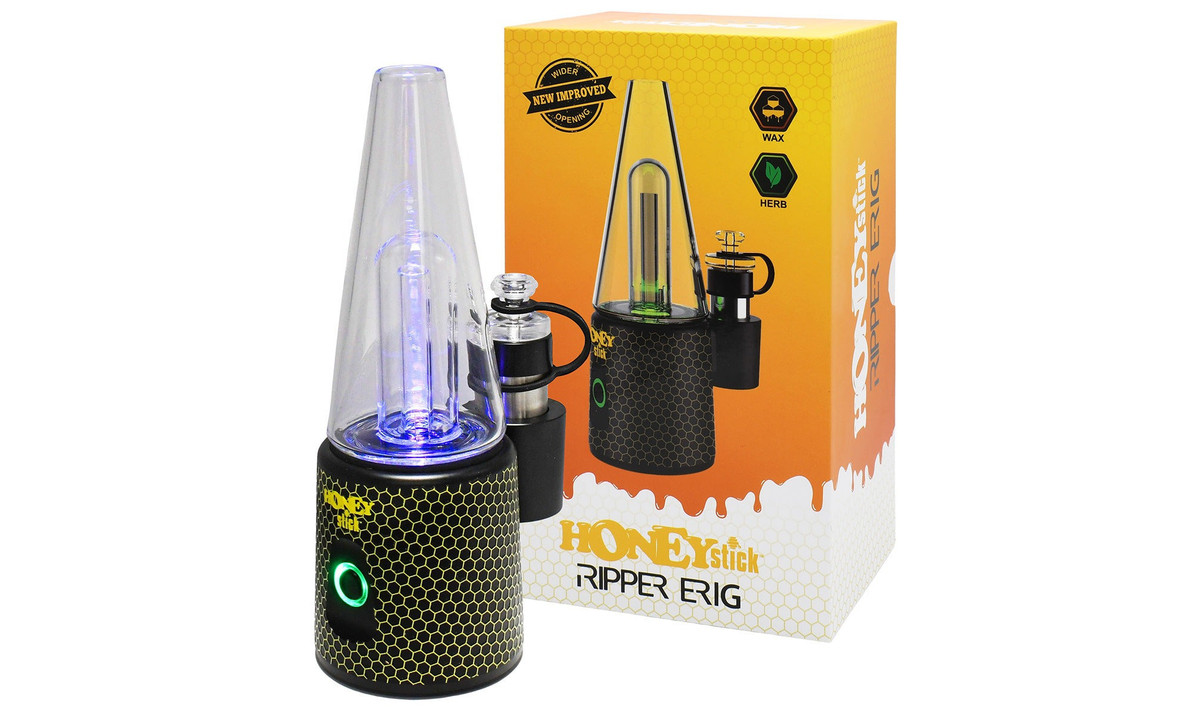
How Should Concentrates Smell When Dabbing with an Electronic Rig (E-Rig)?
The soft haptic buzz of a modern electronic rig signals the beginning of a highly controlled sensory experience that departs significantly from the unpredictable nature of a torch-heated session. As the internal heating element begins to climb toward a precise digital coordinate, the air surrounding the device should remain remarkably neutral, devoid of the gas-heavy scent often associated with traditional methods. This technological precision creates a unique environment where the concentrate is allowed to bloom in slow motion, releasing its aromatic compounds with a clarity that feels almost clinical in its accuracy. When the vapor finally emerges from the glass bubbler, it should carry a crisp, high-definition bouquet that perfectly mirrors the specific botanical profile of the extract. For the enthusiast, this olfactory feedback is the primary way to verify that the device is functioning at its peak and that the material is being treated with the respect its complexity deserves.
The Digital Architecture of Pure Aroma
When transitioning from a manual setup to an electronic rig, the first thing you notice is the total absence of external variables that can muddle the "nose" of your vapor. Because there is no butane flame involved, the ambient air stays clean, providing a transparent backdrop for the concentrate to reveal its true character. The device itself should contribute zero scent to the equation; as the atomizer warms up, you should detect nothing but the sharpening of the cold concentrate’s natural fragrance. This lack of "noise" allows the user to pick up on subtle, fragile notes—like a hint of lavender or a fleeting touch of ripe melon—that might be overshadowed in a more aggressive heating environment.
This digital architecture facilitates a much more intimate relationship with the aromatic compounds found in modern extracts. In an electronic rig, the heat is applied consistently across the surface of the atomizer, which means the scent doesn't "crash" into a singular, burnt note. Instead, it unfolds like a well-composed piece of music, starting with the bright, volatile highs and gradually moving toward the deeper, resinous lows. If the scent feels monolithic or "flat," it often suggests that the temperature calibration is not as precise as it needs to be for that specific variety of concentrate.
The Integrity of the Internal Components
A high-functioning electronic rig is a marvel of materials science, and those materials play a vital role in the olfactory outcome of every draw. The path the vapor takes—from the heated atomizer through the internal air-tubes and finally into the water chamber—must be constructed from inert, medical-grade components. When the device is new, or even after hundreds of uses, the internal circuitry and battery housing should never give off a scent. A "hot electronics" smell, reminiscent of a running vacuum cleaner or an old computer, is an immediate red flag that the heating element is not properly isolated.
Moreover, the seal between the atomizer and the base of the device must be airtight to prevent any rogue odors from entering the vapor path. If you notice a faint, "oily" smell that doesn't match the profile of your concentrate, it might be an indication that some residue has seeped into the connection points. Keeping these digital interfaces pristine is the only way to maintain the "studio-quality" aroma that defines the electronic dabbing experience. When the hardware remains silent and scentless, the concentrate is given the space to be as loud and expressive as possible.
The Evolution of the Cold Load Scent
One of the most satisfying aspects of using an electronic rig is the "cold load" method, where the concentrate is placed into the atomizer before the heat is even activated. This provides a unique opportunity to experience the "pre-vapor" aroma as it gradually warms up. As the device ramps up its temperature, the solid or semi-solid extract begins to melt into a liquid pool, and the scent undergoes a fascinating intensification. You will notice the aroma shifting from a subtle, waxy fragrance to a punchy, vibrant bouquet that seems to expand and fill the atomizer chamber.
This gradual warming process acts like a magnifying glass for the concentrate's terpene profile. Because the heat is rising in a controlled curve, you can actually smell the different layers of the plant's chemistry as they reach their respective boiling points. This is a far cry from a traditional "hot drop," where everything is vaporized instantly. With an electronic rig, the "nose" of the session is a long-form story, offering a series of aromatic peaks that tell you exactly which compounds are being released at any given second.
Deciphering the Terpene Spectrum During Ramp-Up
As the atomizer enters the first stage of heating, the most volatile terpenes are the first to make their presence known. These are the molecules responsible for the "bright" and "sharp" scents that define the initial character of a variety.
- Citrus and Zest: Limonene often appears as a crisp, refreshing note that can smell like freshly cut lemons or a zesty orange peel.
- Floral Sweetness: Linalool provides a soft, lavender-like aroma that adds a layer of sophistication to the vapor's scent.
- Pine and Wood: Pinene brings a cooling, forest-like fragrance that feels like a breath of mountain air.
- Peppery Spice: Caryophyllene offers a savory, spicy kick that rounds out the sweeter notes with a touch of earthiness.
When using an electronic rig, these scents should feel distinct and "separated." You shouldn't just smell a generic "herbal" odor; you should be able to identify the individual players in the aromatic orchestra. If the scent muddled or confusing, it’s often an indicator that the concentrate was extracted with too much heat or that the device is ramping up its temperature too aggressively.
Atomizer Materials and Their Olfactory Influence
The floor of your electronic rig's "oven"—the atomizer or insert—is the stage upon which the aromatic performance takes place. Most modern devices offer a choice of materials, each of which interacts with the concentrate's scent in a slightly different manner. Ceramic is perhaps the most common, prized for its ability to retain heat and provide a very "clean" and "neutral" canvas. When dabbing on ceramic, the scent should feel "creamy" and well-rounded, with a soft edge that highlights the sweeter, more floral aspects of the extract.
Quartz atomizers or inserts, on the other hand, provide a much more "crystalline" and "sharp" olfactory experience. Because quartz is so non-reactive, it doesn't "soften" the vapor at all, allowing the most aggressive and pungent notes to shine through with full intensity. Then there are advanced materials like silicon carbide or aluminum nitride, which are lauded for their incredible thermal conductivity. These materials often produce the most "efficient" scent, where the vapor smells exactly like the cold concentrate, with virtually no "toasted" undertones until the very end of the session.
Maintaining a Neutral Heating Surface
Regardless of the material, the atomizer must be kept in a state of absolute cleanliness to facilitate a pure aroma. Electronic rigs are prone to "chazzing" if the user leaves behind even a tiny bit of residual oil between sessions. This carbonized residue acts like a sponge for old, burnt scents, which will immediately taint the fresh bouquet of your next dab. A clean atomizer should look brand new and smell like nothing at all.
If you notice a "sour" or "charred" smell as the device heats up, even before you've inhaled, it means your cleaning routine needs to be more rigorous. Using a cotton swab to clear the atomizer while it is still warm is the best way to prevent these "ghost" odors from becoming a permanent part of your device. In an electronic rig, where every degree of heat is accounted for, even a microscopic layer of burnt carbon can significantly alter the "nose" of the vapor, turning a vibrant floral profile into a muddled, earthy mess.
Mapping Scent to Digital Temperature Presets
One of the greatest advantages of an electronic rig is the ability to toggle between specific temperature presets, each of which provides a different aromatic landscape. The "nose" of the vapor at a low setting is fundamentally distinct from the "nose" at a high setting, and understanding this spectrum is key to mastering the device.
The Delicate Bloom of Low-Temperature Settings
At the lowest settings (often designated as blue or green on many devices), the goal is aromatic preservation. The vapor at this level should be relatively thin and wispy, but the scent should be incredibly potent and "high-fidelity." This is the zone where the most fragile terpenes are showcased. The aroma should smell "wet" and "fresh," almost as if you were smelling a plant that was just harvested moments ago. There is a lack of "roastiness" here; instead, the scent is all about the floral, fruity, and sweet top notes. If you want to truly experience the artistry of a high-end extract, the low-temperature preset is where the most complex olfactory secrets are revealed.
The Robust Presence of Mid-Range Heat
As you move into the mid-range settings, the vapor becomes denser and the scent takes on a more "weighted" character. The bright citrus notes might step back slightly, making room for the "heart notes" of the plant—the earthy, musky, and spicy aromas that provide the backbone of the experience. This setting often produces the most "balanced" room note, where the fragrance is strong enough to be perceived from several feet away but still retains its botanical clarity. It smells "savory" and "rich," similar to the difference between smelling a fresh spice and one that has been gently toasted to release its oils.
The Heavy Impact of High-Temperature Settings
At the highest presets (red or white), the electronic rig shows its power. The scent becomes much more aggressive and "musky." The "toasted" quality that we associate with traditional dabs arrives much sooner, and the aroma can border on being "sharp" or "punchy." While a high-quality electronic rig will still prevent the material from truly scorching, the scent at this level is much less about the subtle nuances and more about a monolithic, powerful presence. The room will fill with a thick, syrupy botanical fragrance that lingers much longer than the light mist of a low-temp session.
Identifying the Warning Signs of a Malfunctioning Session
While electronic rigs are designed for consistency, they are still complex machines that can occasionally go off-track. Your nose is the best diagnostic tool for catching these issues before they ruin a session. If you ever detect a "burning hair" or "singed plastic" smell while the device is running, it is a sign that something in the vapor path or the heating element itself is failing. This is a sharp, chemical odor that is entirely distinct from the natural, earthy smell of botanicals.
Another common warning sign is a "metallic" tang. This can occur if the atomizer's coil is exposed or if the temperature sensor is malfunctioning, causing the material to heat unevenly. A successful session should never smell "metallic." If the vapor starts to smell like a "hot radiator" or "ozone," it’s time to power down the device and inspect the components. Trusting your olfactory senses in these moments can prevent damage to the device and ensure that you aren't inhaling anything other than pure botanical vapor.
The Difference Between "Toasted" and "Scorched"
It is important to distinguish between the natural, "toasty" smell that occurs at the end of a session and the "scorched" smell of a malfunction. In a healthy electronic rig session, the scent will eventually shift toward a "roasted nut" or "warm grain" profile as the oils are depleted. This is a normal part of the cycle. However, if the scent suddenly turns "acrid," "bitter," or "smoky," it means the device has pushed the material too far. This shouldn't happen with a properly calibrated electronic rig, so a "scorched" smell is often a sign that it’s time to replace the atomizer or recalibrate the temperature settings.
The Ambient Presence of "Sesh Mode" Vapor
Many electronic rigs feature a "session mode" or "sesh mode," which maintains the temperature for an extended period, allowing for multiple draws over a minute or more. This prolonged heating changes the way the scent interacts with the surrounding environment. During a sesh mode session, the "room note" builds gradually, creating a sustained, syrupy atmosphere that is much more pervasive than a single-draw dab. The scent stays "active" in the air, providing a continuous botanical presence that can be quite evocative.
Because the temperature is being held steady, the aroma doesn't fluctuate as much during these sessions. It settles into a consistent, robust fragrance that reflects the "heart" of the concentrate. For those who enjoy the social or atmospheric aspect of dabbing, this is often the most rewarding way to experience the "nose" of the vapor. It feels less like a quick puff and more like lighting a high-end, botanical-themed candle that fills the space with a sophisticated, natural perfume.
Environmental Stealth and Dissipation
Despite the intensity of the aroma during the session, one of the hallmarks of electronic vaporization is how quickly the scent clears once the device is turned off. Because the vapor is composed of microscopic oil droplets rather than solid carbon (smoke), it doesn't have the same "sticky" qualities. Even a heavy "sesh mode" experience will usually dissipate within ten to fifteen minutes in a room with even a small amount of airflow.
The scent that lingers is often described as "sweet" or "earthy," lacking the "stale ashtray" weight of combustion. This makes the electronic rig an exceptionally discreet option for home use. To a bystander in another room, the smell might be mistaken for a strong herbal tea or a specialized cleaning product, rather than anything related to dabbing. This "clean" dissipation is a direct result of the precise temperature control that prevents the creation of heavy, lingering byproducts.
The Hidden Importance of Under-Atomizer Maintenance
In many e-rigs, the scent of the vapor can be compromised by a hidden culprit: the reclaim that accumulates underneath the atomizer. Even with careful use, small amounts of oil can sometimes find their way into the base of the device or the air-path seals. Over time, this trapped oil is repeatedly heated by the proximity of the atomizer, causing it to oxidize and develop a "stale," "sour," or "musty" odor.
If your sessions have started to lose their "zip" and feel a bit "muddied" regardless of how much you clean the glass, the problem is likely in these hidden areas. Periodically removing the atomizer and cleaning the connection points with a small amount of cleaning solution is essential for maintaining olfactory purity. When these hidden reservoirs are clear, the "nose" of the vapor will return to its original, high-definition state. It’s a reminder that in the world of electronic dabbing, the scent is only as good as the cleanliness of the entire system, not just the part you can see.
The Role of Water Purity in Aromatic Definition
Just like a traditional rig, the water in your electronic device acts as a final filter for the aroma. Because electronic rigs are often more compact, the water can become saturated with particulates and oils more quickly. "Old" water will develop a flat, stagnant smell that can actively strip the vibrant top notes away from your vapor. Replacing the water before every session is a small step that makes a massive difference in the "nose" of the experience. Fresh water provides a neutral, cooling environment that allows the complex terpenes to reach your nostrils in their most unadulterated form.
The Sensory Harmony of Digital Precision
Ultimately, dabbing with an electronic rig is about achieving a level of aromatic harmony that is difficult to replicate with any other method. The synergy between the precise heating element, the inert atomizer materials, and the high-quality concentrate creates an olfactory profile that is both powerful and delicate. When the "nose" is right, it provides a sense of confidence that the session is unfolding exactly as intended. You aren't just inhaling vapor; you are engaging with a sophisticated representation of nature's chemistry, enabled by modern engineering.
By paying close attention to the nuances of the scent—from the first "cold load" ramp-up to the final, toasty conclusion—you develop a deeper appreciation for the art of extraction. The electronic rig provides the consistency, but your nose provides the interpretation. This relationship turns every session into a diagnostic and celebratory experience, where the clarity of the aroma serves as the ultimate proof of quality. When technology and nature are in perfect sync, the resulting scent is a vibrant, evocative, and deeply rewarding journey that stays true to the essence of the plant.
The Resonant Signature of a Controlled Session
The sophisticated engineering within an electronic rig serves as a bridge that brings the multifaceted aromatic profile of a concentrate into sharp, digital focus. As the vapor flows through the pristine glass and into the surrounding air, it carries a clean, botanical signature that reflects a perfect balance of power and precision. This high-definition scent is the definitive indicator of a successful session, where every fragile terpene is preserved and every heavy note is delivered with intentionality. Recognizing the subtle shifts in the "nose" as the device navigates its temperature presets allows for a truly immersive and sophisticated sensory experience. By prioritizing the olfactory integrity of the session, you secure a path toward a deeper, more consistent appreciation of the extract's true character.
Recent Posts
-

2026 Cannabinoid Matchup: THCA vs. CBC
Building a well-rounded hemp collection in today’s times has evolved into a personalized craft tailo …Sep 24, 2026 -

Kratom vs. CBGA: How Do They Measure Up Against One Another?
The modern search for plant-based wellness solutions has introduced a diverse spectrum of botanical …Sep 23, 2026 -

Inside the Gel Cap: How Much Kratom is in 1 Capsule?
Holding a pre-filled Kratom capsule between your fingers gives the impression of a perfectly measure …Sep 22, 2026