
What Does "Reserve" THCA Flower Mean?
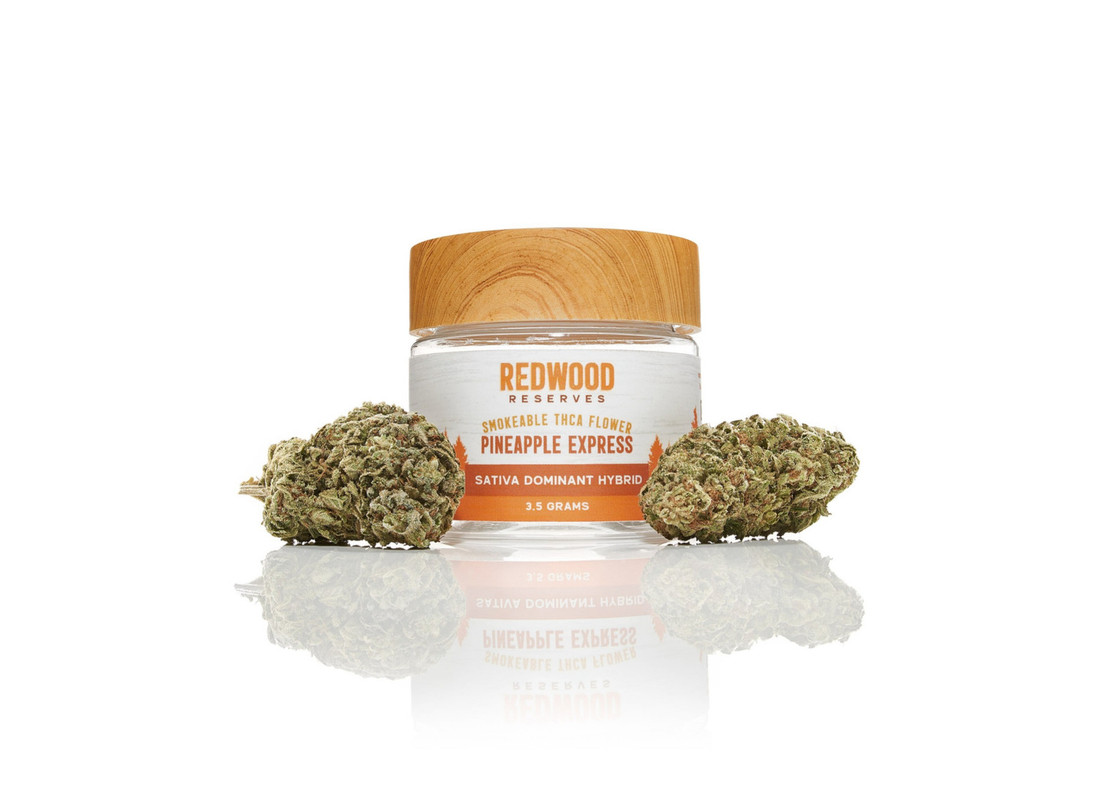
Cracking open a fresh stash jar should hit you with a rush of pungent pine and fuel, but spotting a shiny "Reserve" badge on the glass often leaves seasoned smokers wondering what they're actually buying. In a market flooded with catchy marketing buzzwords and loud packaging, that gold-foil label promises an elevated smoking session without ever explaining the horticulture behind it. At its foundation, every jar starts with raw THCA flower, which holds untouched botanical cannabinoids waiting for a flame to unlock their true potency. The real distinction between standard cured buds and a genuine reserve batch doesn't come down to fancy typography or inflated price tags on a counter. Unpacking what earns a harvest that top-shelf title means looking past the surface hype and examining the canopy position, slow curing schedules, and trichome preservation that separate ordinary flower from the true crown jewels of a grow room.
Raw Acid to Live Resin: The Science Inside the Calyx
Unlocking that dormant punch requires heat through a process known as decarboxylation. When you flick a lighter against a packed glass bowl or the tip of a cone, the thermal energy instantly breaks the acid bond, releasing carbon dioxide (CO2) and converting THCA directly into active THC within the rising smoke. Top-quality THCA flower isn't an industrial concoction sprayed with lab distillates or dusted with synthetic isolates. It's an authentic, cold-cured botanical product boasting intact resin glands, vibrant calyx clusters, and rich natural terpenes that perform identically to traditional top-tier buds the moment fire touches plant material.
From Tray to Flame: Why Smokers Choose Unconverted Buds
Modern consumers have stepped away from mystery vape cartridges and ultra-processed concentrates in search of an authentic smoke that highlights the plant's true character. Rolling up whole, cured buds connects you to the tactile roots of smoking while giving you complete command over the burn rate and flavor profile. Across rolling trays and patio tables everywhere, smokers gravitate toward raw THCA buds for a handful of clear, practical reasons:
- Intact Trichome Glands: Raw flower protects delicate, bulbous resin heads from high-pressure extraction presses and chemical washes, leaving the plant's full cannabinoid matrix right where nature grew it.
- True Botanical Terpene Expression: Because these cured buds don't sit through destructive heat cycles before they hit your pipe, volatile monoterpenes stay trapped inside the calyxes to deliver punchy aromas of skunk, citrus, and diesel.
- The Hands-On Rolling Tradition: Breaking down sticky nugs by hand, feeling the density of the cure, and crafting a custom joint or blunt delivers a tactile satisfaction that pre-packaged oils and gummies simply can't match.
- Direct Thermal Control: Applying an open flame lets you govern decarboxylation in real time, matching your personal draw speed to the heat of the cherry so you get fresh conversion with every single pull.
Embracing the Hype: What "Reserve" Actually Means on the Label
Walk into any smoking lounge and you'll spot jars stamped with reserve tags, private collection seals, and platinum tiers that drive up expectations. While state agricultural guidelines don't enforce a strict legal definition for the word, reputable growers treat the term as an uncompromising standard for their finest harvest cuts. It's a way to distinguish the rare top five percent of a grow room from the massive volume of everyday commercial runs destined for bulk bags. When a cultivator slaps a true reserve label on a cure, it signals three specific physical benchmarks that you can see, smell, and feel before you even strike a match.
Top-Canopy Position and Crown Colas
Plants don't produce uniform buds from top to bottom, which means location on the stalk makes all the difference in the finished smoke. The absolute top of the canopy receives intense direct light, maximum air circulation, and the lion's share of nutrient delivery during late flowering. These prime branches develop dense, swollen crown colas dripping with swollen calyxes, while the lower shaded branches produce looser, airy popcorn buds known in the trade as larf. True reserve batches pull exclusively from those dominant terminal colas, discarding small lower nugs into processing bins for prerolls or edibles. When you dump a reserve jar onto your tray, you aren't sifting through pea-sized scraps or loose foliage; you're looking at massive, fully formed cluster nugs packed with tight calyx geometry.
Extended Cold-Curing Schedules
Commercial growers often rush their drying cycles to turn over warehouse rooms quickly, relying on fast-drying heat tents that bake off flavor in under a week. Reserve flower demands the exact opposite approach, resting in dark, climate-controlled curing rooms for thirty to sixty days under strict environmental controls. Maintaining temperatures around sixty degrees and relative humidity near sixty percent prevents rapid moisture evaporation, giving plant chlorophyll enough time to break down naturally without souring the smoke. This patient cure prevents the harsh, throat-scratching burn common in rushed commercial buds, turning rough green plant matter into velvety, slow-burning flower. More importantly, those chilly conditions prevent volatile terpenes from evaporating into thin air, locking in loud aromas that punch through the seal the second you crack the lid.
Deliberate Hand-Trimming Over Machine Tumblers
Trimming makes or breaks a harvest, and automated industrial trimmers butcher the delicate outer shell of cured flower. Those heavy spinning blades and motorized tumbling drums beat nugs against wire grates, shaving off outer leaves while violently knocking millions of trichome heads straight into collection bins. Machine-trimmed buds end up looking like rounded golf balls, stripped of their sparkling resin caps and pitted with bald spots. Reserve grade demands skilled trimmers who hold each stem by the base, using curved precision shears to snip away water leaves and sugar foliage without ever brushing the bud face. That careful scissor work leaves the exterior trichome blanket pristine, preserving the frosty mushroom-headed glands that hold the plant's richest concentration of cannabinoids and complex terpene oils.
Reading the Frost Before You Spark the Bowl
Spotting genuine reserve flower comes down to trusting your own senses over fancy holographic jar stickers and clever retail phrases. A true top-tier bud will show off intact, shimmering trichome crystals, snap cleanly off the stem with just enough sponge in the cure, and hit your nose with an unmistakable wall of funk. Skipping past commercial filler to track down small-batch crown colas rewards you with a noticeably smoother draw and uncompromised flavor from your rolling papers. When you know how to look for real canopy dominance and patient hand manicuring, finding a jar that truly earns its top-shelf reputation becomes second nature.
Recent Posts
-
What Does "Reserve" THCA Flower Mean?
Cracking open a fresh stash jar should hit you with a rush of pungent pine and fuel, but spotting a …Nov 12, 2026 -

What's Going on with Kratom in The Tar Heel State? Is Kratom Legal in North Carolina?
North Carolina has a long history of looking at novel agricultural commodities with a cautious, prac …Nov 09, 2026 -

Kava vs. CBC: How Do They Measure Up Against One Another?
Finding an effective way to unwind during a demanding week often leads curious wellness seekers towa …Nov 06, 2026