
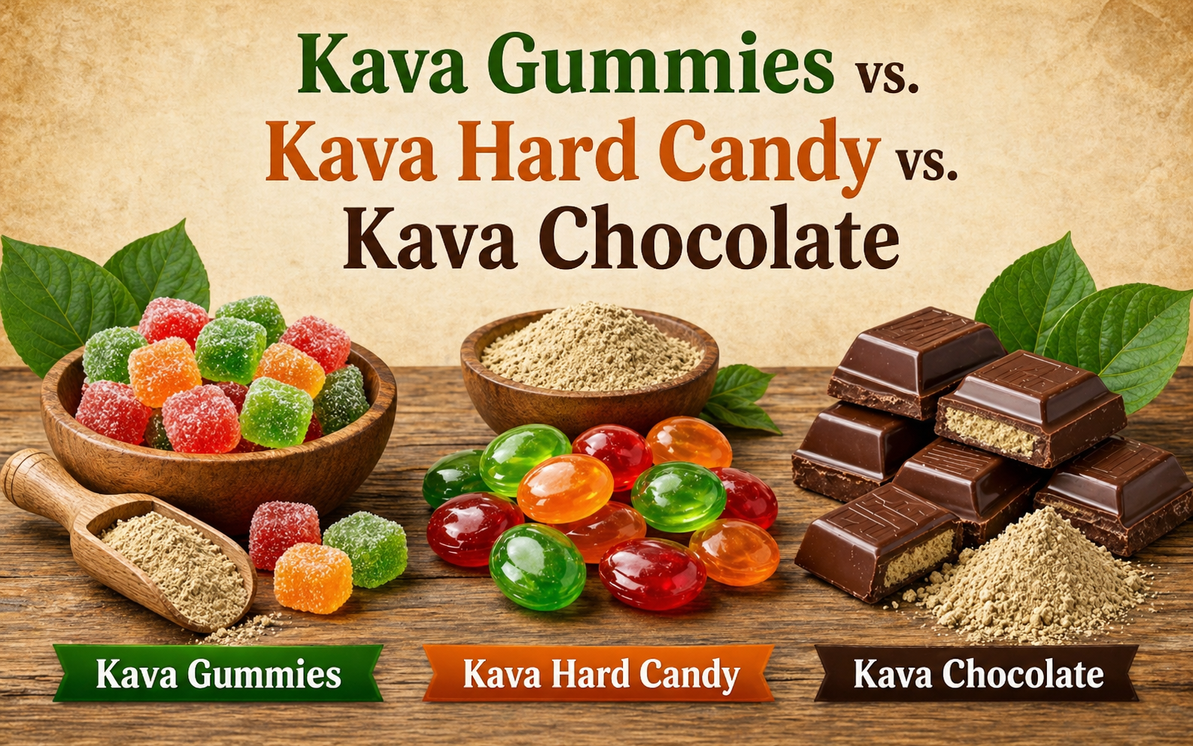
A Powerfully Sweet Kava Choice: Kava Gummies vs. Kava Hard Candy vs. Kava Chocolate
The tropical allure of the South Pacific has long been whispered through the rustling leaves of the Piper methysticum plant, a botanical treasure that is now finding a second home in the world of modern confectionery. For centuries, the traditional preparation of this root was a communal ritual involving labor-intensive grinding and straining, resulting in a beverage that was as earthy as the volcanic soil from which it sprang. Today, however, the landscape of botanical enjoyment is shifting toward more palatable and convenient formats that prioritize flavor without sacrificing the traditional essence of the plant. Enthusiasts are increasingly turning toward sweetened iterations like Kava gummies, hard candies, and decadent chocolates to satisfy their curiosity and their taste buds simultaneously. This transition from a bitter, muddy drink to a sophisticated treat represents a significant evolution in how people interact with this ancient root. By infusing the classic extract into familiar sugary mediums, manufacturers have opened a new door for those who seek the unique sensory profile of Kava in a format that feels like a genuine indulgence.
Kava 101
To truly appreciate the modern marvels of Kava-infused sweets, one must first look toward the deep-rooted history and botanical identity of the Piper methysticum plant, which translates literally to "intoxicating pepper". Native to the lush islands of the South Pacific, including Vanuatu, Fiji, and Tonga, this perennial shrub has been a cornerstone of social and ceremonial life for thousands of years. The plant thrives in well-drained, silty soils under the shade of the tropical canopy, where its heart-shaped leaves drink in the humid air of the archipelago. It is the rhizome, or the root system, of this plant that holds the secret to its popularity, as these subterranean structures contain the concentrated kavalactones responsible for the plant's unique properties. Traditional harvesters often wait several years before a plant is mature enough to yield a high-quality harvest, ensuring that the chemical composition is both robust and balanced. Understanding the origin of the plant helps one grasp why the shift toward edibles is so revolutionary, as the natural state of the root is incredibly fibrous and carries a flavor profile that’s notoriously difficult for the uninitiated to enjoy.
Kava’s chemical makeup is a complex symphony of alpha-pyrones, specifically a group of compounds known as kavalactones that interact with the body in a very distinct manner. There are approximately 18 different kavalactones identified within the root, though only 6 of them are typically responsible for the vast majority of the plant's effects: kavain, dihydrokavain, methysticin, dihydromethysticin, yangonin, and desmethoxyyangonin. Each of these molecules contributes a different nuance to the overall experience, ranging from a characteristic numbing sensation on the tongue to a general sense of relaxation and social ease. The specific ratio of these six kavalactones is referred to as a "chemotype", which helps enthusiasts and researchers categorize different strains based on their potential impact and intensity. Some varieties are prized for their "heady" qualities that promote conversation and lightheartedness, while others are considered "heavy" and are typically reserved for the end of a long day when physical rest is the primary objective. By isolating these compounds for use in edibles, creators can offer a more consistent and predictable experience than what might be found in a variable batch of traditional tea.
The traditional preparation of a Kava beverage is an art form in itself, often involving the manual pounding of dried or fresh roots into a fine pulp before mixing them with cold water or coconut milk. This mixture is then strained through a cloth—traditionally hibiscus fiber or modern cheesecloth—to produce a murky, tan liquid that is consumed quickly from a coconut shell known as a "bilo". The flavor of this traditional brew is intensely peppery and earthy, with a lingering bitterness that can be a significant barrier for many people in the Western world. This "earthy" notes are so strong that many drinkers find they must use a "chaser", such as a piece of fruit or a sweet snack, to cleanse their palate immediately after consumption. Because of this, the move toward flavor-masking techniques in the form of gummies and chocolates isn’t just a matter of convenience, but a necessary innovation for wider appeal. This cultural shift honors the botanical roots while adapting the delivery method to suit a demographic that values both the experience and the enjoyment of the flavor itself.
In the modern marketplace, the distinction between "Noble" and "Two-Day" Kava is a critical point of knowledge for anyone looking to incorporate these products into their routine:
- Noble varieties are those that have been traditionally consumed for centuries and are recognized for their safety, quality, and pleasant, predictable effects that do not linger unpleasively into the next morning.
- "Two-Day" (or tudei) varieties are often avoided by connoisseurs because they contain high concentrations of certain kavalactones that can lead to a prolonged, sluggish feeling that lasts for forty-eight hours.
Most reputable manufacturers of Kava edibles exclusively use Noble varieties to guarantee that their customers have a positive experience that aligns with the traditional use cases of the islands. When these high-quality extracts are utilized in a gummy or a chocolate bar, they provide a reliable way to experience the plant without the unpredictability of lower-grade raw materials. The purity of the extract is fundamental to the success of the final product, as it dictates both the physical sensation and the overall flavor profile of the sweet treat.
Finally, consider the physical sensation that accompanies the first bite of a Kava-infused edible – often a surprising tingle or numbing of the mouth. This phenomenon is caused by the direct interaction of kavalactones with the mucous membranes of the mouth, acting as a local anesthetic that signals the presence of the botanical's active components. In a traditional setting, this numbing is seen as a hallmark of quality, proving that the drink is potent and prepared correctly from fresh or high-quality dried roots. In the context of a hard candy or a gummy, this sensation is often balanced by the sweetness of the sugar or the tartness of the fruit flavoring, creating a multi-sensory experience that is both exciting and comforting. As the edible is broken down and digested, the kavalactones are gradually absorbed, leading to a slow and steady onset of the desired effects rather than the rapid peak associated with liquid consumption. This gradual transition is one of the primary reasons why many people prefer edibles over drinks, as it allows for a more controlled and sustained experience throughout an evening or a social event.
What to Know About Kava Combined with Kratom
When looking into the world of botanical synergy, the combination of Kava and Kratom frequently stands out as a popular pairing for those who enjoy the nuances of plant-based relaxation.
Kratom, a tropical tree native to Southeast Asia, belongs to the coffee family and offers a profile that many find perfectly complements the earthy, grounding nature of the Pacific root. While Kava is primarily utilized for its ability to foster social connection and a calm demeanor, Kratom is often selected for its versatile range of effects that can vary from invigorating to soothing depending on the specific vein color used. When these two botanicals are mixed in a single edible or taken in tandem, they create a balanced interaction where the sharp edges of one are softened by the qualities of the other. Manufacturers are increasingly experimenting with these dual-infused products to provide a comprehensive botanical experience that appeals to enthusiasts who are already familiar with the individual characteristics of each plant.
The physical formulation of a product containing both Kava and Kratom requires a high level of precision to ensure that the flavors do not become overwhelmingly bitter or unpleasant. Because both plants carry strong, distinct botanical notes, the choice of a delivery vehicle like a rich chocolate or a sour gummy is essential to mask the intensity of the raw powders or extracts. The goal of this combination is typically to achieve a state of "synergy," where the sum of the experience is greater than its parts, allowing the user to feel both mentally clear and physically relaxed.
It is important for consumers to recognize too, that the concentrations of each botanical in a pre-made blend are carefully calculated to provide a standardized experience that prevents overconsumption of either ingredient. By choosing a professionally made blend, individuals can avoid the guesswork of manual mixing and enjoy a consistent profile that highlights the best of what both Southeast Asia and the South Pacific have to offer. This pairing represents a growing trend in the botanical industry toward "stacking" different plant extracts to create more complex and tailored sensory outcomes for the modern consumer.
What to Know About Kava Combined with CBD, CBG, CBN, Delta 8, Delta 9, and THCA
The integration of Kava with various cannabinoids has become one of the most intriguing frontiers in the realm of specialized botanical confectionery. This fusion allows for a sophisticated interplay between the kavalactones of the Pacific and the diverse molecular structures found within the hemp and cannabis plants.
Cannabidiol (CBD) is a non-intoxicating cannabinoid that is widely recognized for its ability to promote a sense of balance and physical equilibrium within the body’s internal systems. When it reacts with Kava, the result is often a very smooth and grounded experience where the "peppery" energy of the root is anchored by the steady, calming presence of the hemp extract. This combination is particularly favored by those who want to maintain full mental clarity while enjoying a significant reduction in physical tension or environmental overstimulation. In a gummy or chocolate format, the lipid-soluble nature of CBD allows it to bind effectively with the fats in the edible, potentially aiding in the steady absorption of both active components. The outcome is a reliable, high-quality treat that feels holistically supportive without being overwhelming to the senses or the cognitive faculties.
Cannabigerol (CBG) is often referred to as the "mother cannabinoid" because it’s the precursor from which other cannabinoids like CBD and THC are derived during the plant's growth. When CBG is combined with Kava, the experience tends to lean more toward a state of focused alertness and a bright, uplifting mental atmosphere. CBG is known for its interaction with the body’s receptors in a way that many describe as "clarifying," making it an excellent partner for Kava when used during daytime social gatherings or creative sessions. This pairing helps to mitigate any potential sluggishness that might arise from certain Kava chemotypes, ensuring that the user feels present and engaged with their surroundings. Because CBG is typically found in lower concentrations in the hemp plant, its inclusion in Kava edibles is often seen as a premium feature that speaks to a more advanced level of product formulation. The synergy between these two botanicals is perfect for those who seek a "best of both worlds" scenario involving mental sharpness and social ease.
Cannabinol (CBN) is a cannabinoid that’s most frequently associated with the end of the day, as it’s often formed when THC ages and breaks down over time. When CBN is introduced into a Kava-infused edible, the resulting product is almost exclusively designed for evening use and the promotion of deep, restful states. The combination is particularly effective because both substances share a common goal of slowing down the internal rhythm and preparing the body for a period of stillness. While Kava provides the initial feeling of physical "heaviness" and comfort, the CBN acts as a secondary wave that helps to maintain that sense of tranquility for a longer duration. This makes CBN-Kava chocolates or gummies a favorite for those who struggle to unwind after a high-energy day or who want to maximize the quality of their downtime. The physical sensation is often described as a gentle "melting" into one’s environment, where the world’s noise fades into a soft, manageable background hum.
Delta-8-Tetrahydrocannabinol (Delta 8 THC) is a cannabinoid that offers a milder, more manageable psychoactive experience than its more famous cousin, making it an ideal candidate for pairing with the grounding effects of Kava. When Delta 8 and Kava are consumed together, they create a unique "cushion" of relaxation that is more pronounced than Kava alone but less intense than traditional cannabis products. This combination is often praised for its ability to produce a "weightless" feeling in the limbs and a lighthearted, giggly mental state that is perfect for watching movies or listening to music. The Kava acts as a stabilizing force, preventing the Delta 8 from becoming too cerebral and keeping the experience rooted in physical comfort. This pairing is becoming a staple in social settings where people want to feel a "buzz" that is socially compatible and physically enjoyable without losing their sense of place. It represents a modern take on the traditional Kava circle, where the goal is collective enjoyment and a shared sense of well-centered well-being.
Delta-9-Tetrahydrocannabinol (Delta 9 THC) is the primary psychoactive component of the cannabis plant, and its combination with Kava is often seen as the ultimate "entourage effect" for seasoned enthusiasts. Because Delta 9 has a powerful impact on the internal reward systems and sensory perception, its interaction with the numbing and relaxing kavalactones of Kava can be quite profound. The Kava serves to broaden the physical sensations of the THC, often resulting in a deep sense of contentment and a heightened appreciation for flavors, sounds, and textures. This duo is typically found in high-end artisanal chocolates, where the richness of the cocoa complements the complex botanical notes of both the cannabis and the Kava root. Users of this combination often report a very "complete" feeling, where both the mind and the body are fully addressed by the botanical properties of the blend. Indeed, a potent pairing that should be approached with respect for the individual's tolerance levels and an appreciation for the depth of the botanical synergy.
Tetrahydrocannabinolic Acid (THCA) is the raw, non-psychoactive precursor to THC that is found in the fresh cannabis plant before it is heated or "decarboxylated". When THCA is included in Kava edibles, it provides the physical benefits associated with cannabis without the "high," making it a great option for those who are sensitive to psychoactive effects. The interaction between THCA and Kava is vastly zoned in on physical comfort and the support of a healthy internal environment, as THCA is often praised for its soothing properties on a cellular level. This combination allows the user to experience the full spectrum of the Kava root’s effects while gaining the supplemental support of the raw hemp plant's most abundant acid. In terms of flavor, THCA is much milder than its activated form, allowing the fruity or sugary notes of the edible to shine through more clearly. An excellent choice for a daily wellness-focused routine where the goal is consistent, non-disruptive support for the body’s natural systems.
The physical formulation of edibles that contain both Kava and cannabinoids is a delicate science that requires careful consideration of solubility and heat sensitivity. Kavalactones and cannabinoids are both lipophilic, meaning they dissolve in fats and oils rather than water, which makes chocolate and certain gummy recipes ideal for ensuring a stable and homogenized product. During the manufacturing process, technicians must be careful not to expose the Kava extract or the cannabinoids to excessive temperatures, as high heat can degrade the delicate molecules and reduce the overall efficacy of the edible. Furthermore, the inclusion of lecithin or other emulsifiers is often necessary to guarantee that every bite of the gummy or square of chocolate contains an identical dose of the active ingredients. This level of precision is what separates high-quality professional edibles from homemade versions, providing the consumer with a safe and predictable way to enjoy these complex botanical blends. The result is a sophisticated product that bridges the gap between traditional herbalism and modern food technology, offering a new way to experience the bounty of the natural world.
What to Know About Kava Combined with Other Ingredients
Beyond the world of cannabinoids and Kratom, Kava is frequently paired with a variety of other functional ingredients to enhance its flavor profile or focus its botanical impact. These additions are often selected for their long history in traditional wellness practices or their ability to balance the specific sensory qualities of the Kava root. By combining Kava with these complementary elements, manufacturers can create targeted blends that cater to specific times of day or desired mental states:
- Ginseng: This legendary root from Eastern traditions is often added to Kava products to provide a subtle counter-balance to the root’s more relaxing qualities. While Kava aims to soothe and ground the individual, Ginseng is widely regarded for its ability to support vitality and mental stamina. The combination results in a "calm energy" that allows the user to feel physically relaxed while remaining mentally sharp and ready to tackle tasks. In a Kava-infused candy, the earthy taste of Ginseng blends seamlessly with the natural bitterness of the Kava, creating a complex and sophisticated flavor profile.
- L-Theanine: Commonly found in green tea leaves, this amino acid is a favorite addition to Kava edibles because of its remarkable ability to promote a state of "relaxed alertness." L-Theanine works by supporting the production of alpha brain waves, which are associated with a state of calm focus similar to that achieved during meditation. When paired with Kava, it helps to refine the session, ensuring that the relaxation does not turn into drowsiness or mental fog. This makes it an ideal ingredient for Kava gummies intended for social use or creative work where clarity is just as important as comfort.
- Ashwagandha: As one of the most prominent adaptogens in Ayurvedic tradition, Ashwagandha is a natural partner for Kava in products designed for long-term balance. Adaptogens are substances that help the body adapt to various environmental and internal changes, promoting a general sense of resilience and stability. Combining Ashwagandha with Kava creates a powerful botanical duo that addresses the body’s needs from multiple angles, fostering a deep sense of groundedness. The slightly nutty flavor of Ashwagandha extract is easily masked by chocolate, making it a frequent inclusion in Kava-infused cocoa bars.
- Lion’s Mane Mushroom: This unique functional fungus is gaining massive popularity for its role in supporting cognitive health and neurological well-being. When Lion’s Mane is included in a Kava formulation, the goal is often to provide a "brain-boosting" element to the physical relaxation of the Pacific root. This pairing is especially popular among professionals and students who use Kava to navigate high-pressure environments without sacrificing their mental edge. The mushroom's mild, savory notes are virtually undetectable when blended into a sweet gummy or a hard candy, allowing the primary flavors of the treat to remain front and center.
Those Tantalizing Kava Options: Kava Gummies vs. Kava Hard Candy vs. Kava Chocolate
Choosing the right Kava edible method is just as important as selecting the strain itself, as the format dictates the speed of onset, the flavor duration, and the overall convenience of the indulgence. These three contenders represent the pinnacle of modern Kava innovation, providing a diverse array of textures and tastes to suit any palate or occasion. By understanding the specific strengths and minor drawbacks of each format, only then can you better tailor your botanical routine to fit both your lifestyle and preferences.
Product Type Contender #1: Kava Gummies
Kava gummies have rapidly ascended to the top of the popularity charts, largely due to their familiarity and the sheer variety of fruit-forward flavors they can accommodate. These chewy treats are typically made using a base of gelatin or pectin, which provides a satisfying texture that encourages the user to savor the morsel before swallowing. Because the Kava extract is thoroughly infused into the gummy matrix, the active kavalactones are released steadily as the candy is chewed and subsequently broken down by digestive enzymes. This format’s particularly appealing to those who are always on the move, as a bottle of gummies is discreet, portable, and requires no preparation or cleanup. Furthermore, the vibrant colors and whimsical shapes of gummies help to transform the perception of Kava from a serious, mud-like beverage into a nice and approachable part of a modern lifestyle.
The manufacturing process for Kava gummies allows for a high degree of precision in dosing, which is a major advantage for those who want to carefully monitor their intake. Each individual gummy is formulated to contain a specific milligram count of Kava extract, removing the guesswork often associated with measuring out raw powder or liquid tinctures. This consistency is vital for maintaining a predictable experience, especially for those who are new to the world of Pacific botanicals and want to start with a low, manageable amount. Additionally, the acidic nature of many fruit flavors used in gummies—such as citric acid from lemons or malic acid from green apples—serves to brighten the overall taste and cut through any lingering earthiness. This results in a product that tastes more like a premium snack than a botanical supplement, making it much easier to incorporate into a daily or weekly routine.
Another significant benefit of the gummy format is the way it interacts with the moisture in the mouth to begin the absorption process. While much of the Kava is processed through the digestive tract, the act of chewing and the presence of saliva allow for a small amount of sublingual and buccal absorption to occur through the linings of the cheeks and under the tongue. This can lead to a slightly faster onset of the characteristic numbing sensation that Kava lovers look for, providing an immediate sensory confirmation that the product is working. For many users, this "sneak peek" of the encounter is part of the enjoyment, as they can feel the tingle on their palate while they enjoy the sweet and tart notes of the gummy. The combination of tactile satisfaction and multi-stage absorption makes gummies a versatile and highly effective choice for almost any situation.
The shelf stability of gummies is a practical factor that cannot be overlooked, as they are far less prone to melting than chocolate and do not require the fragile handling of certain liquids. A well-sealed container of Kava gummies can maintain its potency and texture for months, provided it is kept in a cool, dry place away from direct sunlight. This durability makes them the ideal companion for travel, whether you’re heading on a long flight or just keeping a few in your bag for a social gathering after work.
Pros & Cons
The following points offer a focused look at the specific advantages and the few limitations associated with choosing gummies as your primary Kava delivery method.
Pros:
- Exceptional Flavor Masking: The fruit-based flavor systems in gummies are the best at neutralizing the natural bitterness of the botanical extract.
- Precise Dosage Control: Every piece offers a standardized amount of kavalactones, allowing for a consistent and repeatable experience every time.
- Portability and Discretion: These treats look just like ordinary candy, making them perfect for use in public settings or while traveling without drawing unwanted attention.
- Texture and Enjoyment: The chewy resilience provides a tactile satisfaction that makes the act of consumption feel like a genuine treat rather than a chore.
- Long Shelf Life: When stored correctly, gummies maintain their flavor and potency for an extended period, making them a great value for bulk buyers.
Cons:
- Sugar Content: Many gummies rely on corn syrup or cane sugar for their texture and taste, which may be a concern for those monitoring their sugar intake.
- Heat Sensitivity: While more durable than chocolate, gummies can still clump together or lose their shape if left in a very hot environment, such as a car in the summer.
Product Type Contender #2: Kava Hard Candy
Kava hard candy offers a very different sensory experience compared to its chewy counterparts, focusing on a slow and steady release of flavor and botanical properties. These candies are created by boiling sugar and flavorings to a high temperature and then cooling them until they form a crystalline, glass-like structure that is meant to be dissolved slowly in the mouth. This method of consumption is inherently more mindful, as it requires the user to focus on the candy for several minutes as it gradually diminishes in size. For the Kava enthusiast, this slow dissolution is a major benefit, as it provides a prolonged period of contact between the kavalactones and the oral tissues. The result is a much more intense and lasting numbing sensation that many traditionalists find to be the closest approximation of the liquid drinking experience in a sweet format.
The flavor profile of hard candy is often very clean and sharp, as the lack of gelatin or fats allows the pure notes of the flavoring and the Kava to shine through. Common flavors like peppermint, ginger, or butterscotch are frequently used in Kava hard candies because they complement the root's natural spiciness and earthy undertones. Because the candy stays in the mouth for a longer duration, the transition from the initial sweetness to the eventual numbing and peppery finish is more pronounced and nuanced. This "flavor odyssey" is one of the reasons why hard candy is favored by those who enjoy the complexity of the Piper methysticum plant and don't want to hide it completely behind a wall of fruit juice. It is a more sophisticated way to enjoy the botanical, appealing to those who appreciate a slow-burn experience.
From a practical standpoint, hard candies are perhaps the most durable of all Kava edibles, as they are completely resistant to melting under normal environmental conditions. You can carry a handful of these candies in a pocket or a purse without worrying about them becoming a sticky mess, which is a significant advantage over both gummies and chocolates. They are also incredibly cost-effective to produce, which often translates to a lower price point for the consumer without a sacrifice in quality or potency. For those who want to keep a steady supply of Kava on hand for spontaneous social interactions or moments of personal reflection, hard candies provide a reliable and low-maintenance option. The simplicity of the format is its greatest strength, offering a no-frills way to access the benefits of the root whenever the need arises.
Moreover, the act of sucking on a hard candy can be a grounding ritual in its own right, providing a focal point for the senses while the botanical components begin to work. Many people find that the repetitive motion and the constant presence of the flavor help to facilitate a shift in perspective even before the kavalactones are fully absorbed into the system.
Pros & Cons
Hard candies bring a unique set of benefits to the table, along with a few considerations regarding the time required to fully enjoy them.
Pros:
- Extended Numbing Sensation: The slow dissolution ensures that the kavalactones have maximum contact time with the mouth, leading to a superior tingle.
- Superior Durability: These candies do not melt or clump, making them the most rugged and travel-friendly option in the Kava edible lineup.
- Lower Calorie Options: Due to their size and density, it is easier to find hard candies that provide a potent dose with less total sugar per serving than a large gummy.
- Clean Flavor Profile: The simple ingredients allow for a sharp, clear taste that highlights the interesting intersection of the botanical and the flavoring.
- Cost-Effectiveness: Hard candies are often more affordable per milligram of Kava, providing an accessible entry point for those on a budget.
Cons:
- Time-Consuming Consumption: If you are looking for a quick and immediate intake, waiting for a hard candy to dissolve might feel a bit tedious or inconvenient.
- Dental Considerations: The hard, sugary nature of these candies may not be suitable for individuals with sensitive teeth or certain dental work.
Product Type Contender #3: Kava Chocolate
Kava chocolate is often regarded as the most luxurious and indulgent way to experience the South Pacific root, appealing to the connoisseur who values both botanical efficacy and culinary excellence. The marriage of cocoa and Kava is a natural one, as both substances have histories rooted in sacred ritual and social connection across disparate cultures. In a Kava chocolate bar, the high fat content of the cocoa butter acts as a perfect solvent for the lipophilic kavalactones, facilitating a smooth and efficient absorption process once ingested. The rich, complex flavors of dark or milk chocolate provide a sophisticated backdrop that can easily stand up to the strong, earthy notes of the Kava extract. For many, this is the ultimate "treat yourself" delivery method, turning a botanical routine into a moment of pure decadence.
The science behind Kava chocolate is particularly interesting because of how the fats in the chocolate interact with the body's digestive system to enhance the bioavailability of the kavalactones. Because these active compounds are fat-soluble, consuming them alongside a lipid-rich food like chocolate can help to transport them more effectively through the intestinal wall and into the bloodstream. This means that a Kava chocolate bar might feel more potent or have a more rounded effect than a water-based gummy of the same dosage. Furthermore, chocolate contains its own set of beneficial compounds, such as theobromine and various antioxidants, which can work in harmony with the Kava to provide a deeply satisfying physical and mental experience. It is a holistic approach to botanical consumption that engages the entire body in a state of appreciative comfort.
Artisanal Kava chocolates often feature additional ingredients like sea salt, toasted nuts, or dried fruits to further elevate the flavor profile and provide an interesting texture. These inclusions help to distract the palate from any residual peppery notes, ensuring that the primary experience is one of high-quality confectionery. The "mouthfeel" of Kava chocolate is also a major selling point, as the way the chocolate melts on the tongue provides a luxurious delivery system for the kavalactones. As the cocoa butter dissolves at body temperature, it coats the mouth in a velvety layer that carries the Kava's numbing sensation in a gentle, controlled manner. This results in a very elegant experience that feels far removed from the gritty, bitter drinks of the past.
However, choosing Kava chocolate does require a bit more care in terms of storage and handling, as the product is highly sensitive to temperature fluctuations. A chocolate bar left in a warm room can quickly "bloom", where the fats separate and create a white coating on the surface, or melt entirely into an unusable shape. For this reason, chocolate is often reserved for home use or as a special gift rather than an on-the-go snack. Despite this, for those who are willing to put in the effort to keep it cool, the reward is a superlative botanical experience that’s unmatched in its depth and richness.
Pros & Cons
Chocolate offers a premium experience with specific biological advantages, though it demands more careful handling than other edible formats.
Pros:
- Enhanced Bioavailability: The natural fats in cocoa butter help the body absorb kavalactones more efficiently for a fuller experience.
- Gourmet Flavor Profiles: Chocolate is the most successful medium for creating a truly delicious, dessert-like product that masks all bitterness.
- Synergistic Compounds: The presence of theobromine in chocolate complements the relaxing nature of Kava for a well-rounded sensory state.
- Luxurious Experience: The act of eating high-quality chocolate adds a layer of indulgence and self-care to the botanical routine.
- Variety of Strengths: Chocolate bars are easy to divide into smaller or larger portions, giving the user flexibility in their desired intensity.
Cons:
- High Sensitivity to Heat: Chocolate melts easily, making it difficult to transport or store without a climate-controlled environment.
- Higher Calorie Count: As a rich dessert, Kava chocolate is typically higher in calories and fat than gummies or hard candies.
The Sweet Evolution of Botanical Rituals
The decision to choose a Kava-infused sweet over the traditional liquid brew is ultimately a vote for a more integrated, sensory-focused lifestyle where botanical enjoyment isn't synonymous with a difficult palate. This movement away from the "muddy" roots of the past toward the refined sugar-based matrix of today isn't just about masking a flavor; it is about reclaiming the ritual of relaxation in a way that feels like a reward rather than a requirement. We’re witnessing a fundamental shift in how ancient plant chemistry is allowed to exist in a modern pantry, proving that the most potent traditions are the ones that can adapt without losing their soul. And as the botanical landscape continues to expand, these treats serve as a firm reminder that we don't have to choose between cultural authenticity and a superlative tasting experience. No wonder the future of this Pacific treasure lies in these small, powerful moments of sweetness that turn a centuries-old botanical into a modern masterpiece of comfort.
Recent Posts
-

2026 Cannabinoid Matchup: THCA vs. CBC
Building a well-rounded hemp collection in today’s times has evolved into a personalized craft tailo …Sep 24, 2026 -
Kratom vs. CBGA: How Do They Measure Up Against One Another?
The modern search for plant-based wellness solutions has introduced a diverse spectrum of botanical …Sep 23, 2026 -
Inside the Gel Cap: How Much Kratom is in 1 Capsule?
Holding a pre-filled Kratom capsule between your fingers gives the impression of a perfectly measure …Sep 22, 2026