
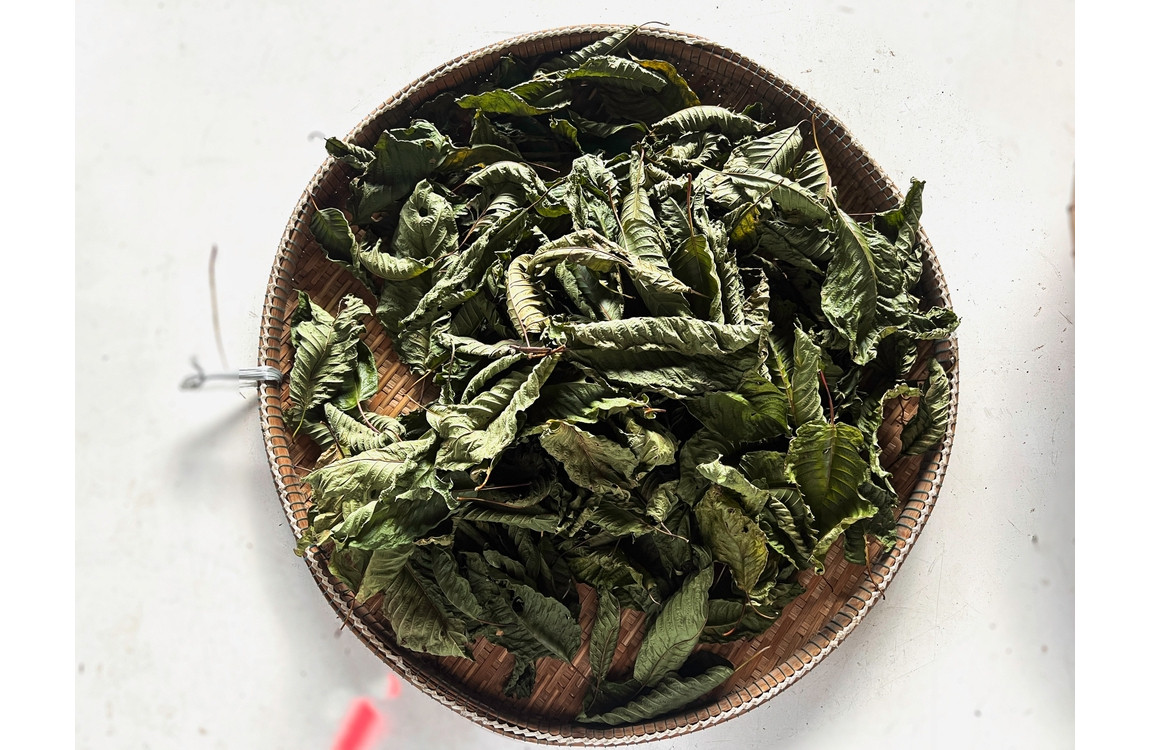
A "Smoking" Kratom Question: Can You Smoke Kratom?
The rapid rise of modern herbal culture has sparked a wave of curiosity regarding alternative consumption methods, leading many to ask a very literal, burning question: can you smoke Kratom? When a botanical product captures widespread attention, people naturally wonder if rolling the dried leaf into a paper or packing it into a pipe will offer a faster, more direct experience. However, human curiosity often collides directly with the physical realities of organic chemistry, as certain plants are simply not designed to withstand high heat. While you technically can physically light the plant matter on fire, doing so is highly discouraged by anyone familiar with how the herb actually operates. This deep dive untangles the science behind why combustion fails and highlights the far superior options available on the market today.
Turning Back the Clock: How Kratom Was Traditionally Consumed
To comprehend why dropping crushed foliage into a smoking apparatus is an ineffective strategy, one must look toward the dense jungles of Southeast Asia, where Kratom has thrived for centuries.
In countries like Indonesia, Thailand, and Malaysia, native populations formed a long-standing relationship with the Kratom tree, weaving its harvest into the fabric of daily rural life. The indigenous peoples who lived alongside these forests did not view Kratom through a lens of modern novelty or look for complicated, destructive ways to alter its natural state. The traditional methods developed by these cultures were remarkably straightforward, completely omitting any form of inhalation or combustion. Instead, field workers, farmers, and laborers would pluck fresh, vibrant Kratom leaves directly from the branches during their morning routines to chew on the raw material throughout the day, extracting the natural properties gradually through saliva and digestion.
When a fresh harvest was not immediately consumed, the traditional preservation process involved drying the mature Kratom leaves thoroughly in the sun or under large, covered pavilions. Once the moisture was entirely removed, the crisp leaves were either crushed by hand or ground into a rustic powder using heavy stone mortars. This dried material was predominantly utilized to brew large pots of hot Kratom tea, which was sipped slowly during periods of intense physical exertion or during communal gatherings. These ancient practices persisted across generations precisely because they perfectly aligned with the plant's biological blueprint.
The human digestive tract is remarkably adept at processing raw organic materials, extracting the core elements steadily as the material passes through the stomach and intestines. Native harvesters recognized through centuries of direct experience that oral ingestion provided a sustained, reliable interaction with the leaf. They never sought to burn Kratom because they respected the natural delivery systems built into the raw foliage, establishing a historic precedent that consumers should carefully consider before trying to reinvent the wheel.
Up in Smoke: The Reality of Lighting It on Fire
When looking into the practical reality of inhaling burned botanicals, it becomes clear that physical capability does not equal logical sense. The modern market contains countless products optimized for various preferences, but raw leaf combustion remains an outright failure across the board.
High Heat Instantly Obliterates Delicate Alkaloids
The foundational flaw with trying to smoke Kratom comes down to basic organic chemistry and the thermal limits of natural plant compounds. The leaf owes its unique properties entirely to a complex group of naturally occurring, nitrogenous organic molecules known as alkaloids, with Mitragynine and 7-hydroxymitragynine taking center stage. These intricate molecular structures are highly volatile, fragile, and possess an exceptionally low tolerance for extreme thermal exposure. When a direct flame from a lighter or match touches the dried leaf matter, the temperature of combustion instantly skyrockets past the point of vaporization, reaching levels that actively char and destroy the chemical bonds of these delicate alkaloids.
Instead of delivering an efficient, clean serving through the lungs, the fire obliterates the vast majority of the active ingredients before they can even clear the edge of the pipe or rolling paper. This massive thermal destruction means that an individual attempting this method would have to burn through an absurdly large, impractical volume of raw material just to get a tiny, microscopic fraction of intact alkaloids into their system. The sheer wastefulness of combustion makes it an incredibly expensive and fruitless endeavor, especially when compared to any standard oral method that preserves one hundred percent of the leaf's natural chemical profile.
The Severe Respiratory Impact of Burnt Jungle Foliage
Beyond the complete waste of active compounds, the actual sensory experience of inhaling the smoke produced by these leaves is remarkably unpleasant and physically punishing. The leaves of the Mitragyna speciosa tree are structurally thick, intensely fibrous, and packed with complex organic binders, heavy plant waxes, dark chlorophyll, and rugged cellulose walls that are simply not designed to burn cleanly or smoothly. When ignited, this dense combination of organic material produces an incredibly thick, acrid, and intensely bitter smoke that instantly coats the mouth and throat with a harsh, soot-heavy residue.
This heavy smoke immediately irritates the sensitive, delicate mucous membranes of the throat, trachea, and respiratory tract, triggering an involuntary, violent coughing reflex in almost anyone who attempts it. Unlike other specific botanicals that have been cultivated over centuries to produce a smooth, inhalable smoke, this plant delivers a punishing, throat-searing draw that leaves the user with an uncomfortable burning sensation, irritated lungs, and a terrible, lingering aftertaste. Because the human respiratory system was never designed to filter the heavy, unrefined carbon outputs of burned jungle foliage, attempting to smoke this herb offers nothing but immense physical discomfort and zero practical returns.
Clean and Efficient Paths in the Modern Marketplace
Because burning raw leaves is such an ineffective and physically unpleasant path, the modern Kratom industry has put immense resources into developing sophisticated alternatives. Today, enthusiasts do not need to rely on crude, harsh, or wasteful methods to enjoy the plant's properties. The contemporary market has evolved into a highly professional space that prioritizes purity, precision, and convenience, making it easier than ever to find a format that fits perfectly into a fast-paced, contemporary lifestyle while completely bypassing the respiratory system.
Going Old School with Raw Kratom Powder
For those who want to stick as close to the traditional roots of the plant as possible, raw Kratom powder remains the undisputed cornerstone of the community. To create this format, harvesters take the mature leaves, dry them thoroughly under specific indoor conditions to protect the delicate alkaloid profile, and grind them down into an incredibly fine, flour-like dust. Because this process involves minimal alteration, raw powder is highly efficient and affordable, but it comes with one massive caveat that every consumer quickly discovers: the taste is incredibly intense, deeply earthy, and brutally bitter.
Because the raw powder does not dissolve easily in liquids and clings to the inside of your mouth, people have spent years developing specific strategies to get it down as quickly and comfortably as possible:
- The Infamous Toss and Wash: This is the most direct and widely utilized method in the community, favored by those who want to get the process over with in seconds. It involves placing a measured spoonful of Kratom powder directly into the back of the mouth, quickly taking a large gulp of water or orange juice, swishing it around rapidly to suspend the powder, and swallowing it all in one swift motion before the bitter taste registers on the tastebuds.
- Simmering Traditional Kratom Tea: For a more relaxed experience, many users choose to simmer the raw powder in hot water for fifteen to twenty minutes, straining out the gritty plant sludge before drinking. Adding a heavy squeeze of lemon juice during the brewing process helps break down the plant walls more effectively, while a generous dollop of honey or agave syrup helps mask the sharp, astringent flavor of the brew.
- Masking the Texture in Smoothies: For those who absolutely cannot stand the earthy flavor or texture, blending Kratom powder into a thick fruit smoothie is a highly effective workaround. The natural sugars and thick consistency of ingredients like frozen bananas, mangoes, or peanut butter do an excellent job of completely hiding the powder, turning a rugged botanical chore into a palatable morning treat.
Ditching the Scale: Kratom Capsules, Shots, and Gummies
If you have ever tried to open a bag of loose Kratom powder at your office desk or in a moving vehicle, you already know why the market shifted toward pre-measured options. Dealing with raw powder requires scales, spoons, liquids, and a high tolerance for an intensely bitter taste. To solve this everyday friction, manufacturers began utilizing concentrated Kratom extracts to build a variety of user-friendly alternatives that fit seamlessly into a normal routine without the mess or guesswork:
- Kratom Capsules: By taking the raw powder or a concentrated extract and enclosing it in a standard vegetable-cellulose shell, companies completely eliminated the flavor barrier. You get a precise, consistent amount of Kratom every single time, with zero cleanup and zero bitter aftertaste. They look just like standard vitamins, making them incredibly discreet and easy to swallow with a quick sip of water.
- Kratom Tablets: These take convenience a step further by eliminating the outer capsule shell entirely. Manufacturers use heavy machinery to compact the material into solid, highly durable discs that resist crushing or breaking in your pocket. They are exceptionally compact and portable, making them a favorite for anyone who needs to manage their routine while traveling light.
- Kratom Shots and Beverages: Packaged in small, pocket-sized bottles, these options contain a concentrated liquid extract that isolates the key alkaloids, stripping away the bulky, indigestible plant fiber entirely. Because the raw leaf material is gone, these shots digest much more quickly and are frequently formulated with natural fruit, berry, or coffee flavors to mask the plant's inherent bitterness for a quick, grab-and-go experience.
- Kratom Gummies: The confectionery sector has embraced the herb by creating sweet, fruit-flavored chewables that taste exactly like standard candy. They provide a familiar, lighthearted way to consume a precise serving that feels exactly like eating a quick snack rather than managing a rugged botanical regimen.
- Kratom Tinctures: These extract liquids offer incredible flexibility for experienced users, allowing you to drop a small, measured amount directly under the tongue for rapid absorption, or stir a few drops straight into your favorite morning juice or tea.
Essentially, these options above show how the present-day Kratom marketplace provides plenty of clean, efficient ways to utilize the herb without ever needing to touch a lighter or inhale harsh smoke.
The Reality of Disposable Kratom Vape Pens
If you’re someone who’s drawn specifically to the physical, hand-to-mouth habit of inhalation, you have probably noticed the recent arrival of Kratom disposable vape pens on the market. This format is the industry’s attempt to cater to consumers who want an inhalable option but want to avoid the absolute failure of burning raw leaves. Instead of lighting crushed Kratom foliage on fire with a lighter, these specialized vape devices utilize a highly refined, liquid Kratom extract that is isolated in a laboratory setting. The pen features a small internal battery that heats the liquid extract just enough to turn it into a smooth, inhalable vapor without ever reaching the point of actual combustion.
This technological shift completely changes the dynamic of how the plant's active elements interact with your system. By avoiding an open flame, this method prevents the immediate heat destruction of the delicate alkaloid structure that occurs when trying to smoke the raw herb. The laboratory extraction process concentrates the Mitragynine into a purified distillate, meaning you only inhale the specific compounds you want rather than a mountain of useless charred material. Because you are inhaling a clean vapor rather than heavy carbon smoke, you also completely skip the violent coughing fits, acrid taste, and lung irritation caused by burning raw Kratom plant fibers. There is no messy ash to clean up, no lingering smoky odor on your clothes, and no need to carry around pipes or rolling papers.
However, it is crucial for consumers to know that you cannot simply pour a standard liquid Kratom shot or a water-based tincture into a standard vape cartridge. These disposable pens are engineered from scratch with specific viscosity requirements and stable carrier bases designed safely for clean vaporization. While it remains a relatively new and niche segment of the market compared to traditional powders, disposable vapes offer a functional, highly efficient alternative for those who insist on an inhalation method but want to avoid the messy, wasteful, and painful reality of traditional smoking.
Keeping the Flame Away From the Herb
Approaching a delicate botanical product like Kratom with a clear view of its chemical boundaries separates aimless experimentation from a genuinely refined experience. Forcing a leaf built for oral consumption into a pipe completely misses the mark, trading efficiency and physical comfort for nothing but a mouthful of acrid ash. The extensive evolution of the current marketplace proves that consumers do not have to choose between convenience and efficacy when moving away from traditional raw materials. Stepping away from the lighter means leaving crude, destructive methods behind and letting the genuine utility of the plant take center stage through clean, reliable craftsmanship.
Recent Posts
-

What's Going on with Kratom in The Beaver State? Is Kratom Legal in Oregon?
Retail establishments and specialty storefronts across the Pacific Northwest feature an expansive se …Sep 21, 2026 -
A Kratom Usage Question: How Long After Taking Suboxone Can I Take Kratom?
People who use Suboxone may wonder how long they should wait before taking Kratom. The most accurate …Sep 14, 2026 -

What's Going on with Kratom in The Wolverine State? Is Kratom Legal in Michigan?
Specialty storefronts and neighborhood herbal markets across The Great Lakes region showcase a diver …Sep 13, 2026