
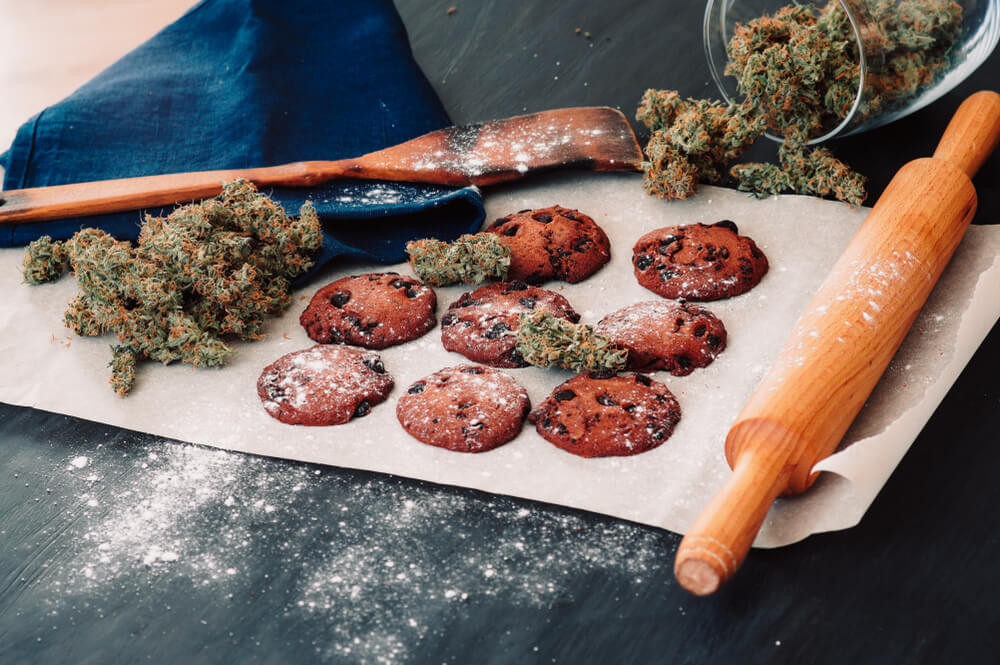
Being a Hemp Chef: Is Baking with THCA Flower Safe to Do?
Stepping into the kitchen to prepare a batch of home-baked goods has taken a fascinating turn as raw hemp blossoms find a regular spot alongside flour and sugar in modern pantries. This culinary shift centers around a raw botanical product that looks and smells identical to top-shelf items found on state dispensary counters. As hobbyist chefs trade their traditional smoking pipes for baking sheets and mixing bowls, curious questions are bubbling up regarding how this raw acid compound handles the heat of a kitchen oven. People want to see if incorporating these colorful green buds into a tray of cookies creates a clean, predictable snack or if the recipe carries hidden complications. Peeling back the apron strings reveals the core scientific facts about what happens when this unique plant element meets homemade food.
What is THCA Flower?
Raw hemp buds represent the unheated, dried blossoms collected directly from the mature branches of the cannabis plant. When you browse the packed display shelves at a local hemp shop or check out a digital storefront, these aromatic products catch your eye with their bright green hues, fiery orange hairs, and thick coatings of silver crystals. Cultivators harvest and cure these specific crops with great care to make sure the delicate structures remain completely intact during transit. The resulting material provides an authentic, whole-plant base that serves as the starting point for a wide range of homemade culinary projects.
The primary compound found within these frosty blossoms is tetrahydrocannabinolic acid, which functions as a completely natural, non-active cannabinoid. At a structural level, this molecule holds a specific chemical extension known as a carboxyl group that changes its physical shape. This extra chemical lock prevents the raw molecule from connecting properly with the internal receptors that control psychoactive changes in your mind. Consequently, chewing on a raw bud or swallowing cold plant tissue will leave your mental focus completely untouched. It takes a specific thermal trigger to break that atomic bond away and change how the substance influences your body.
Transforming a living agricultural crop into a clean, shelf-stable material suitable for culinary infusions requires a precise sequence of steps. Cultivators manage every phase of the post-harvest timeline to protect the raw acid molecules from degrading prematurely under harsh conditions:
- Genetic Selection: Farmers pick out specific plant varieties that naturally produce an absolute maximum amount of the raw acid precursor while keeping other active elements well below legal federal limits. These crops receive balanced soil nutrients and tailored light spectrums inside controlled environments to maximize the density of the resin glands.
- Targeted Harvesting: Field workers examine the tiny crystal heads under magnification to identify the exact window when the raw compounds hit peak concentration. Cutting the stalks at this precise moment prevents natural weathering from breaking down the chemical structure under the open sun.
- Cool Ambient Drying: The cut branches hang upside down inside dark, climate-controlled rooms running heavy air conditioning units to draw out moisture gradually. Maintaining a chilly temperature prevents ambient room heat from accidentally triggering a chemical shift before the consumer receives the batch.
- Patient Container Curing: Trimmed buds rest inside sealed, airtight jars for multiple weeks to allow harsh plant starches and green chlorophyll to break down naturally. This slow aging window removes biting flavors, guaranteeing that your homemade butter or cooking oil carries a smooth taste instead of a bitter, grassy bite.
- Clean Sifting and Packing: Workers use fine hand tools to clip away excess fan leaves, exposing the clean, resinous nuggets underneath for final inspection. The sorted batch is immediately placed into light-blocking bags to preserve the full potency and aroma for the end user.
When shopping for THCA flower at a physical smoke shop or exploring a premium online hemp boutique, you will discover several distinct product categories. Retailers organize their display jars based on the specific cultivation methods used to raise the plants and how the final buds were prepared:
- Indoor THCA Flower: Raised inside fully automated facilities under high-powered artificial lighting, this premium tier receives complete protection from outdoor elements, wind damage, and soil bugs. The resulting buds are dense and completely caked in silver crystals, delivering an exceptionally pure and pungent aromatic profile that enhances gourmet recipes.
- Outdoor THCA Flower: Grown in wide agricultural fields under the natural sun, these crops rely on seasonal weather patterns and real soil ecosystems to mature. The finished buds display a more rustic appearance with looser shapes and earthier tones, offering an affordable option for chefs who need large quantities for bulk batches of oil.
- Greenhouse THCA Flower: This style balances natural sunshine with automated environmental controls by housing the crops inside large glass frames. The structures shield the delicate blossoms from heavy rain or sudden frosts while capturing solar energy, creating a high-quality bud with solid potency at a highly reasonable price point.
- Exotic THCA Flower: This label belongs to rare, small-batch genetics that show off striking visual traits like deep purple leaves, bright pink hairs, and unusual scent notes like sweet cream or sour fuel. Chefs seek out these specialty options to infuse high-end desserts where the specific, complex flavor profiles can complement premium ingredients like dark chocolate.
- THCA Flower Smalls: These are simply the smaller, popcorn-sized buds that break away from the main stems during the standard trimming and sorting phases. They possess the exact same potency, flavor characteristics, and crystal density as the large display pieces, serving as a highly economical option for infusing baking fats.
- THCA Snow Caps/Snowballs: Built for individuals seeking a massive upgrade in overall strength, these buds are heavily coated in a pure white layer of isolated cannabinoid powder. Incorporating this modified product into a recipe introduces a high level of concentration, turning standard baked goods into exceptionally strong treats.
- THCA Moonrocks: This dense, heavy combination layers a choice bud in thick concentrate oil before rolling it through a deep bed of powdery kief crystals. Because they are incredibly sticky and slow-burning, these rocks require sharp kitchen shears to break down and must be mixed thoroughly into warm oil to dissolve properly.
Browsing reveals a distinct division between bags marked with specific strain names and those sold as generic bulk options. Choosing a named variety connects you directly to a well-known genetic lineage that offers a highly predictable set of aromatic traits. This clear profiling lets a kitchen creator pair specific scents, like a citrus-forward variety, directly with complementary recipes like lemon tarts or sugar cookies. On the flip side, generic bulk packages focus entirely on the raw potency percentage while disregarding the historical background of the plant line. These non-strain options are typically far more affordable, making them a favorite choice for practical cooks who simply want a functional ingredient without paying for fancy marketing names. Both styles hold a permanent place on store shelves because they serve completely separate consumer goals and kitchen budgets. Recognizing the difference between these two categories allows you to spend your ingredient fund wisely based on the specific goals of your recipe.
Diamond-infused flower represents another unique variation that combines raw organic buds with ultra-pure crystalline powder. Technicians carefully melt and distribute these concentrated crystals into the cracks of the flower structure without damaging the natural shape of the leaves. This advanced process results in an incredibly potent product that carries a much higher concentration of active precursors than standard crops. When utilized in the kitchen, this infused material allows a chef to achieve high strength while using a smaller volume of physical plant matter. This helps minimize the strong green color and bitter flavor that often overpowers delicate pastries.
Why Do Some People Choose to Bake with THCA Flower?
Shining a spotlight on alternative consumption methods reveals that cooking with raw buds offers a unique set of advantages that traditional smoking simply cannot duplicate. Trading in your lighter for a mixing bowl changes how the active components enter your system and how long the experience lasts. Enthusiasts who frequent online hemp shops or local dispensaries point to several practical reasons for choosing the baking route:
- A Completely Smoke-Free Experience: Choosing to bake with your stash completely avoids the necessity of inhaling hot smoke, ash, or burning paper into your respiratory tract. This provides a highly comfortable option for individuals who prefer to protect their lungs while still enjoying the full profile of the plant. It allows a user to maintain a clean breathing routine while shifting the consumption process entirely to the digestive system.
- Prolonged Operational Timeline: When you consume an infused baked good, your body processes the active components through the liver and digestive tract rather than the lungs. This metabolic path results in a steady, slow release that lasts for several hours, providing an extended experience that far outlasts a brief smoking session. It makes the product highly efficient for individuals who want a long-lasting, continuous presence throughout their personal evening.
- Precise Control Over Ingredients: Preparing your own infused butter or oil at home allows you to select every single ingredient that goes into your food. This eliminates any worries about the mystery preservatives, excessive high-fructose corn syrup, or artificial food dyes frequently found in factory-made commercial edibles. It gives the home chef total freedom to build recipes around specific dietary needs, such as gluten-free or vegan preferences.
- Integration of Whole-Plant Terpenes: Baking with raw blossoms captures the full array of natural aromatic oils that define the specific character of the harvest. When heated gently within a fat base, these terpenes infuse the oil, adding subtle complex notes of vanilla, wood, or mint directly to your pastries. This full-spectrum integration delivers a rich sensory profile that processed chemical distillates completely fail to match.
How is THCA Flower Typically Used for Baking Purposes?
Stepping into the role of a cannabis baker requires a solid grasp of kitchen chemistry to properly unlock the raw plant's hidden capabilities. Merely tossing raw, shredded buds directly into a cookie dough mixture will result in an incredibly gritty texture and a complete lack of effectiveness. The raw chemical precursor requires a deliberate exposure to controlled heat to change its molecular layout before it can interact with your body. Once that thermal shift occurs, the active molecules must bind to a rich lipid base like butter or coconut oil to facilitate smooth absorption during digestion. Following a reliable step-by-step kitchen protocol allows amateur cooks to transform raw agricultural blossoms into a highly potent culinary ingredient:
- Shredding the Blossoms: The kitchen prep starts by breaking down the dense flower clusters into a uniform, medium-coarse consistency using a manual herb grinder or sharp kitchen shears. You want to avoid pulverizing the herb into a fine, powdery dust, as microscopic plant particles will easily slip through your straining screens later and leave a muddy sludge in your pastries. A consistent, flaky break maximizes surface exposure, allowing the oven heat and cooking fat to reach every single resin gland evenly.
- Thermal Oven Activation (Decarboxylation): The crushed herb is spread thin across a baking sheet lined with parchment paper and placed into a home oven preheated to 220°F to 240°F. The chef bakes the dry material for roughly 30 to 45 minutes, utilizing a low and steady thermal environment to snap the carboxyl group off the molecular chain. This crucial step activates the compound completely, turning a passive botanical material into a functional, bioavailable ingredient.
- Infusing the Cooking Fat: The activated herb is combined with a chosen lipid source, such as unsalted dairy butter or unrefined coconut oil, inside a heavy double boiler or a slow cooker. The mixture simmers gently at a low temperature of 160°F to 180°F for 2 to 3 hours, which coaxes the active molecules to dissolve completely into the liquid fats. Keeping a close eye on the heat during this infusion window prevents the butter from burning and shields the active elements from degrading.
- Straining the Infusion: Once the simmering window closes, the warm liquid fat is poured carefully through a double layer of fine cheesecloth or a stainless steel mesh strainer into a glass bowl. The chef squeezes the cloth gently to extract every single drop of infused liquid without forcing bitter plant sediment or rough fibers through the screen. The resulting clean, golden-green oil is set aside to cool down completely until it solidifies into a shelf-stable baking staple.
- Recipe Integration: The completed infusion is substituted directly for standard butter or cooking oil within your favorite baking recipes, such as classic brownies, chocolate chip cookies, or savory pastries. The kitchen creator calculates the overall potency of the batch by dividing the total weight of the raw material used by the number of individual serving portions. Baking the final treats at moderate temperatures keeps the active infusion intact, providing a delicious and effective homemade snack.
Is THCA Flower Safe to Use When Baking?
Evaluating the core safety of cooking with this material requires a close examination of how low-temperature baking alters the raw plant chemistry. When you subject raw buds to a steady oven temperature during the activation and infusion stages, you are triggering a clean molecular transformation. This heat-driven reaction removes the carboxyl ring, transforming the passive acid precursor into active delta-9 THC before it ever touches your mixing bowl. Because this process relies on gentle baking temperatures rather than direct fire, it completely avoids creating toxic carbon byproducts or hot smoke. Inhaling hot smoke carries a well-documented physical impact on your lungs, whereas eating an infused cookie completely bypasses the respiratory system. Therefore, from a purely physical, respiratory standpoint, culinary ingestion stands as a significantly gentler choice for your daily routine. This clean digestive delivery style makes cooking a preferred method for health-conscious consumers who frequent local head shops.
Beyond the basic chemistry of thermal activation, the overall safety of your homemade edibles depends heavily on the purity of the raw flower you purchase. Because hemp products are widely available across multiple platforms, such as digital dispensaries, neighborhood head shops, and local hemp boutiques, quality standards can vary tremendously between processing brands. Clean cultivation operations raise their crops inside sterile indoor facilities or managed greenhouses to prevent exposure to environmental toxins. These top-tier cultivators verify their quality by sending every single harvest batch to independent, third-party testing laboratories for a full chemical breakdown. Reviewing these online laboratory certificates allows home chefs to confirm that their baking material is completely free from residual pesticides, heavy metals, and mold spores. Insisting on total transparency from your retail vendor is the most reliable way to protect your physical health while working in the kitchen. A clean starting ingredient guarantees that your final infused butter remains pure and untainted by agricultural contaminants.
Another critical safety consideration for any hemp chef involves the unique way your body processes digested cannabinoids compared to inhaled vapor. When you eat an infused brownie, the active compounds travel directly through your digestive tract and are metabolized by the liver before entering the bloodstream. This metabolic conversion creates a significantly more potent variation of the compound that delivers a deep, heavy, and long-lasting physical experience. Because this internal process takes anywhere from forty-five minutes to two full hours to become noticeable, impatient users often make the mistake of consuming a second portion too early. This delayed onset requires a high degree of patience and careful personal pacing to prevent overwhelming experiences. Portioning your recipes accurately and waiting long enough between snacks guarantees that your culinary routine remains entirely comfortable and fun. Respecting the slow timeline of human digestion is the golden rule of managing homemade edibles safely.
Finally, proper storage and labeling of your finished kitchen creations represent an essential safety habit that cannot be overlooked. Because infused cookies, cakes, and candies look completely identical to ordinary household snacks, keeping them clearly marked prevents accidental consumption by unsuspecting roommates or guests. Storing your specialized jars inside a dedicated, secure cabinet away from traditional food spaces provides an extra layer of real-world safety. Experienced bakers often utilize distinct containers, bright colored labels, or locked boxes to separate their active infusions from standard grocery items. Taking these basic, common-sense precautions eliminates unnecessary risks and maintains complete clarity within a shared household environment.
Ultimately, the primary responsibility for a safe culinary experience rests on the shoulders of the chef who handles the raw materials. Cultivators who practice these mindful kitchen habits can enjoy the creative process of baking with total peace of mind.
Balancing the Apron and THCA
Stepping into the role of a hemp chef opens up a world of aromatic culinary possibilities that completely redefines your relationship with the raw harvest. Embracing low-temperature oven activation and fat-binding infusions allows you to craft tailored recipes while bypassing the harsh realities of combustion smoke. So long as you verify product purity through third-party testing and practice deliberate patience with your portion sizes, this kitchen method provides a clean and highly effective alternative for your personal routine. Merging a thoughtful approach to cooking chemistry with a solid respect for human digestion turns a basic afternoon of baking into an exceptionally rewarding artisan craft.
Recent Posts
-

A Kratom Usage Question: How Long After Taking Suboxone Can I Take Kratom?
People who use Suboxone may wonder how long they should wait before taking Kratom. The most accurate …Sep 14, 2026 -

What's Going on with Kratom in The Wolverine State? Is Kratom Legal in Michigan?
Specialty storefronts and neighborhood herbal markets across The Great Lakes region showcase a diver …Sep 13, 2026 -

Does Narcan Work on Kratom?
When emergency response tools enter mainstream public awareness, curiosity naturally spreads to how …Sep 10, 2026