
How Long Do Mushroom Edibles Last Before Possibly Losing Their Flavor and/or Potency?
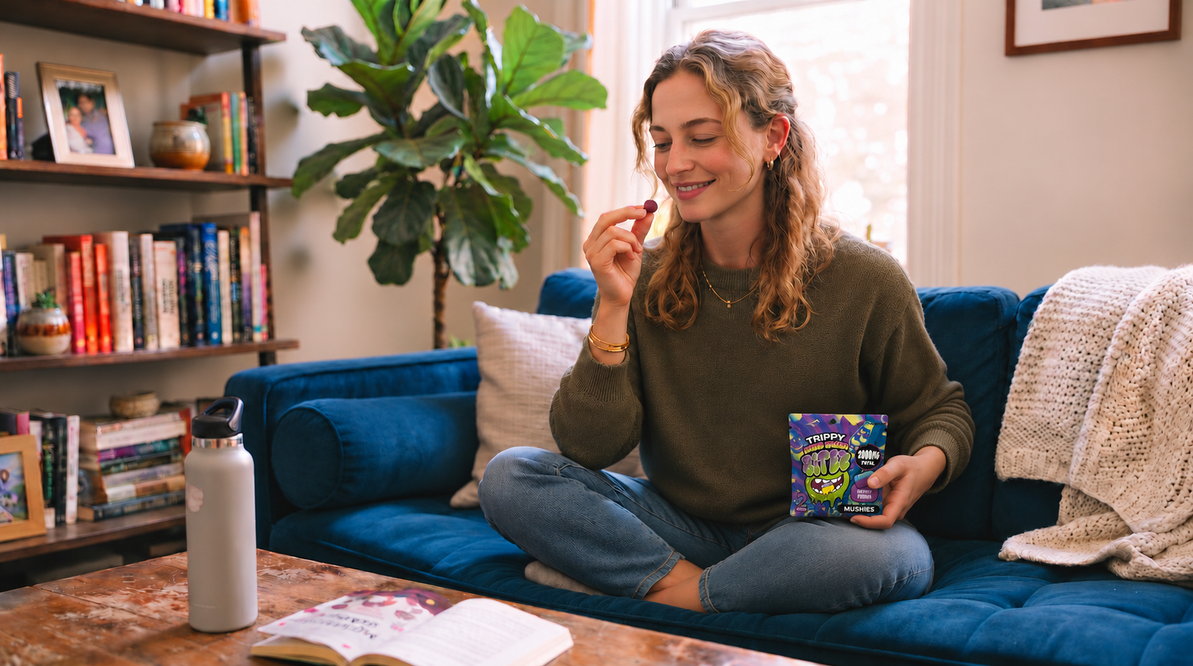
Mushroom edibles give people a flavorful, convenient way to enjoy functional and exotic fungi without chewing on tough, earthy caps. Still, once the novelty wears off, a very practical question pops up: how long do mushroom edibles actually hold onto their fresh taste and active potency? Blending real culinary craft with complex fungal compounds creates a shelf-life dynamic that's far trickier than what you'd expect from an ordinary sweet. Nobody wants to reach for an edible expecting a vibrant taste and full botanical strength, only to end up with a stale texture and muted punch. Knowing what preserves their fresh flavor and active strength comes down to looking closely at the fungi inside, how they're crafted, and how they're handled over time.
Inside Kingdom Fungi and What Makes Mushrooms Tick
Fungi belong to an entirely separate biological kingdom from plants and animals, operating with a cellular structure that sets them apart from anything grown in a typical garden. While plants rely on soft cellulose to build their stems and leaves, mushrooms construct rigid cell walls out of tough, fibrous chitin, the exact same structural polymer found in crab shells and insect exoskeletons. Sealed inside that dense chitinous armor sits a rich collection of active compounds, ranging from long-chain structural carbohydrates to delicate alkaloids and aromatic terpenes. Breaking through that tough cellular barrier is the only way to reach the distinct chemical profiles that separate one fungal species from another.
Amanita Mushrooms
The Amanita genus stands apart from everyday culinary fungi because its natural chemistry centers around specialized isoxazole alkaloids rather than complex carbohydrates. In raw, freshly picked caps, these species primarily hold ibotenic acid, an unstable amino-acid-like compound that converts into muscimol through decarboxylation when exposed to gentle heat or drying air. Looking closely at the two primary varieties reveals sharp variations in alkaloid concentration, cap appearance, and natural stability once harvested.
Muscaria
Amanita muscaria, easily spotted by its vivid scarlet cap covered in white pyramidal warts, grows in symbiotic mycorrhizal partnerships beneath birch, pine, and spruce trees. Inside the fresh white flesh, ibotenic acid dominates the alkaloid profile alongside smaller amounts of muscimol and trace quantities of muscarine. Raw caps give off a distinct savory, umami scent driven by natural glutamic acid derivatives and volatile organic sulfur compounds. Because ibotenic acid is chemically fragile, exposure to gentle heat, airflow, and ambient oxygen strips away a carboxyl group and converts the molecule into muscimol, while direct ultraviolet light can degrade it further into minor byproducts like muscazone. Properly dried caps take on a firm, leathery texture that preserves muscimol well in airtight storage, though lingering humidity slowly breaks down the active isoxazole rings and fades the bright red betalain pigments into a dull yellow-orange.
Pantherina
Amanita pantherina, widely known as the panther cap, features an olive-brown to deep umber cap speckled with chalk-white veil remnants. Although it produces the exact same family of isoxazole alkaloids as its red-capped cousin, pantherina packs those compounds into its tissue at roughly two to five times higher concentrations. The raw flesh carries a heavier, sharper, damp-forest aroma that's noticeably more pungent and musky than Amanita muscaria. Because the alkaloid density is so concentrated, freshly harvested pantherina tissue degrades quickly if it isn't dehydrated right away after foraging. Once dried, its active muscimol molecules show high sensitivity to direct sunlight and warm storage rooms, breaking down rapidly into inert organic acids and leaving the brittle brown tissue flat and lifeless.
Functional Mushrooms
Functional mushrooms form a broad group of non-psychoactive macrofungi prized for dense concentrations of bioactive beta-glucans, triterpenes, and phenolic antioxidants. Rather than producing volatile alkaloids, these species channel their energy into building sturdy structural carbohydrates and protective compounds as they grow on hardwood trees or organic substrates. Each variety carries its own biochemical fingerprint, physical toughness, and natural flavor profile:
- Lion's Mane: Classified scientifically as Hericium Erinaceus, this cascading, icicle-like tooth fungus produces two separate families of active compounds across its anatomy. The shaggy fruiting body synthesizes aromatic hericenones, while the root-like mycelium forms low-molecular-weight diterpenoids called erinacines. Fresh specimens have a tender, stringy bite with a mild, sweet, seafood-like flavor, though drying concentrates its terpenes into an earthier, slightly astringent profile. Its hericenones are sensitive to air and heat, oxidizing quickly if dried tissue sits in unsealed containers.
- Reishi: Known as Ganoderma lucidum, this varnished, reddish-brown shelf fungus grows as a hard, woody bracket on decaying hardwood logs. Its dense cellular frame holds high levels of 1,3-1,6 beta-glucans alongside more than a hundred bitter triterpenes known as ganoderic acids. Those hydrophobic triterpenes create a sharp, lingering bitterness that naturally deters forest insects from eating the cap. Because Reishi tissue is nearly as tough as seasoned timber, its active compounds remain locked behind thick chitin walls until subjected to sustained heat and solvent extraction.
- Cordyceps: Cultivated primarily as Cordyceps militaris on nutrient-rich substrates, this striking fungus grows as bright orange, club-shaped fingers. Its signature bioactive compounds include cordycepin (3'-deoxyadenosine), adenosine, and specialized cordycepic polysaccharides. Unlike woody polypores, Cordyceps offers a mild, savory-sweet flavor profile with gentle earthy undertones. Dried Cordyceps holds its cordycepin levels reliably in cool, dark storage, but persistent moisture and ultraviolet exposure trigger enzymatic breakdown that diminishes its active profile.
- Turkey Tail: Labeled Trametes versicolor, this thin, leathery bracket fungus displays concentric bands of brown, tan, blue, and cream across its fan-shaped cap. The tough, fibrous flesh is loaded with two protein-bound polysaccharides: Polysaccharide Krestin (PSK) and Polysaccharopeptide (PSP). Too chewy and woody to eat fresh, Turkey Tail carries a mild, forest-floor taste when dried and milled. Its tightly bound protein-polysaccharide complexes show remarkable structural resilience, resisting heat-induced breakdown far better than softer, fleshier fungi.
- Chaga: Instead of forming a classic cap and stem, Inonotus obliquus grows as a hard, charcoal-black parasitic mass called a sterile conk or sclerotium on living birch trunks. The cracked black outer crust is packed with fungal melanin, while the warm, rust-orange interior concentrates betulinic acid, inotodiol, and polyphenolic antioxidants absorbed from the host birch tree. Chaga delivers a bold, wood-smoke aroma accented by subtle vanilla notes from naturally occurring vanillin. Exposure to direct sunlight rapidly oxidizes its rich polyphenols, turning the vibrant orange interior dull and flattening its natural aromatics.
- Shiitake: Cataloged as Lentinula edodes, this wood-decay fungus produces broad umbrella caps rich in lentinan, an intricately branched beta-glucan. Its deep, savory umami character comes from free glutamates, guanosine 5'-monophosphate, and cyclic sulfur compounds led by lenthionine. Those volatile sulfur molecules give Shiitake its signature pungent aroma, yet they're notoriously unstable once the mushroom is sliced or dried. Over time in unsealed storage, lenthionine dissipates into a musty odor while the underlying lentinan chains slowly fragment.
- Maitake: Known taxonomically as Grifola frondosa, Maitake clusters in overlapping, ruffled rosettes at the base of oak trees. Its cellular matrix features heavily branched D-fraction and MD-fraction beta-glucans prized for their complex 1,6-branched 1,3-beta-D-glucan architecture. Maitake brings a rich, savory, damp-earth flavor that stands out among wood-loving fungi. While its branched glucans stay intact when thoroughly dried, ambient dampness reactivates native fungal enzymes that cleave those long carbohydrate chains into simple, inactive sugars.
- Tremella / Snow Fungus: Recognized as Tremella fuciformis, this translucent, ruffled jelly fungus thrives on fallen broadleaf branches in humid subtropical forests. Its tissue consists largely of glucuronoxylomannan, an acidic heteropolysaccharide capable of holding several hundred times its dry weight in water. Tremella has a clean, virtually neutral taste with faint floral notes, avoiding the heavy bitterness or pungent umami found in darker species. Thanks to its tightly cross-linked polysaccharide structure, dried Tremella resists moisture degradation and retains its physical integrity over long storage stretches.
- Agaricus: Agaricus blazei Murill, often called the royal sun agaric, is a soil-dwelling mushroom native to Brazil with a thick stalk and a tan, fibrous cap. It packs one of the densest concentrations of 1,3-1,6 beta-glucans in the fungal kingdom alongside unique alpha-glucan complexes. A hallmark of raw Agaricus is its distinct almond-like fragrance, produced by natural benzaldehyde and benzyl alcohol inside the fungal flesh. Because benzaldehyde is highly volatile, dried Agaricus loses its sweet, nutty aroma quickly if left exposed to open air.
- Oyster Mushroom: Belonging to the Pleurotus genus, Oyster mushrooms grow in overlapping, fan-shaped shelves on dead wood and contain high concentrations of ergothioneine alongside naturally occurring lovastatin. Their tender flesh delivers a delicate, velvety umami flavor touched with faint anise notes from trace octen-3-ol and benzaldehyde. While intracellular ergothioneine stays exceptionally stable in dried tissue, lovastatin is chemically fragile and breaks down rapidly when exposed to warmth and oxygen. Unsealed dried Oyster caps gradually darken from pale cream to grayish-brown as oxidation destroys both their lovastatin content and subtle aromatics.
“Magic” Mushrooms
Species within the Psilocybe genus synthesize specialized secondary metabolites belonging to the substituted tryptamine family of alkaloids, led by psilocybin, psilocin, baeocystin, and norbaeocystin. Inside intact, living fungal tissue, psilocybin sits protected as a stable, phosphorylated indole compound. The instant the mushroom's cellular walls are bruised, sliced, or crushed; native phosphatase enzymes cleave that protective phosphate group and convert psilocybin directly into psilocin. Psilocin carries an exposed phenolic hydroxyl group that reacts violently with atmospheric oxygen, triggering an enzymatic cascade driven by laccase enzymes that links the molecules into dark blue quinoid polymers. That familiar blue bruising serves as a real-time visual signal that active alkaloids are actively degrading. Preserving these volatile tryptamines requires prompt, low-temperature dehydration followed by airtight, light-blocking storage; otherwise, ambient humidity and oxygen quickly break the fragile psilocin down into inactive brown byproducts.
Proprietary Blends
Proprietary fungal blends combine multiple mushroom species into unified raw powders or biomass mixtures, creating complex botanical matrices that behave far more unpredictably than single-species lots. A major source of variation comes from mixing whole harvested fruiting bodies with mycelium cultivated on sterilized grain substrates such as oats, sorghum, or brown rice. Whole fruiting bodies deliver concentrated structural beta-glucans with negligible starch, whereas mycelium-on-grain biomass retains substantial residual alpha-glucans and starches from the agricultural grain base. When raw powders with mismatched particle sizes, oil contents, and moisture affinities sit together in one batch, internal instability follows. Hygroscopic species like Tremella pull ambient humidity straight out of the air, forming microscopic damp pockets that accelerate the breakdown of fragile terpenes in Lion's Mane or volatile aldehydes in Agaricus. Without uniform micronization and strict moisture barriers, mixed fungal powders suffer from uneven degradation, clumping, and premature loss of their most delicate active compounds.
How These Mushrooms are Placed into Edibles
Tossing raw, dried mushroom caps straight into a mixing bowl or a pot of melted fat creates an instant culinary mess. Because fungal cell walls are built from tough, fibrous chitin, unextracted mushroom pieces won't dissolve into food bases, leaving behind a gritty mouthfeel, a bitter swampy taste, and locked-up active compounds your body can barely access. Turning rugged forest fungi into smooth, enjoyable edibles requires converting the raw harvest into food-ready ingredients that disperse evenly across an entire batch without ruining texture or flavor.
Makers rely on two primary preparation routes before the fungi ever touch a kitchen recipe. The most common approach is dual extraction, where dried and finely milled mushrooms simmer in pressurized hot water to draw out water-soluble beta-glucans, followed by a food-grade ethanol wash to capture oil-loving triterpenes, aromatic terpenes, and alkaloids. Once the alcohol evaporates, processors reduce that liquid into a thick botanical resin, dissolve it into calibrated tinctures using vegetable glycerin or medium-chain triglyceride (MCT) oil, or spray-dry it into an ultra-fine soluble powder. For richer, darker culinary bases, some producers also work with micronized, steam-treated fruiting body powders, where controlled heat and high-speed milling fracture the chitin walls into a silky flour without stripping away natural fungal fiber.
Integrating those prepared ingredients into fat-based recipes relies on lipid chemistry and natural emulsifiers. When working with melted cocoa butter, dairy butter, or coconut oil, makers whisk oil-soluble extracts or micronized fungal powders directly into the warm lipids alongside sunflower or soy lecithin. Lecithin acts as a molecular bridge between the surrounding fats and the botanical particles, preventing the mushroom extract from clumping into bitter pockets or sinking to the bottom of a mold before the mixture sets. For flour-based batters and doughs, cooks either infuse the fungal extract into melted fats first or sift fine extract powders directly into the dry flour blend so every portion bakes up with uniform potency.
Water-based and sugar-driven recipes demand a separate integration technique so the active compounds stay evenly suspended as the mixture sets. In fruit-pectin or gelatin slurries, makers stir water-soluble spray-dried powders or concentrated liquid tinctures into the warm hydrocolloid base right before pouring into molds. Aerated confections incorporate liquid extracts directly into hot sugar syrup and bloomed gelatin while a high-speed mixer whips air into the foam, trapping microscopic fungal droplets evenly throughout the spongy matrix. For boiled sugar syrups destined to set into firm or chewy pieces, confectioners fold concentrated extracts or alcohol-based tinctures into the molten sugar right after pulling the kettle off the heat, letting any trace carrier alcohol flash off while the cooling syrup locks the active compounds inside.
Managing heat across these kitchen techniques is the final step that separates a potent batch from a ruined one, and each cooking medium follows its own strict thermal window:
- Low-heat lipid tempering takes place at a gentle 31°C to 32°C (88°F to 90°F), posing virtually no thermal threat to delicate fungal alkaloids or aromatic terpenes.
- Fruit-pectin and gelatin slurries cook between 85°C and 108°C (185°F to 227°F) to activate the gelling agents and evaporate excess water, then cool off-heat to 65°C to 85°C (149°F to 185°F) before makers stir in extracts and citric acid.
- Whipped sugar-gelatin foams start with syrup boiled to 115°C to 118°C (240°F to 245°F), yet high-speed aeration cools the mixture rapidly to 45°C to 55°C (113°F to 131°F), creating a mild window for folding in liquid extracts.
- Boiled sugar batches require higher heat: soft-ball and firm-ball syrups cook to 115°C to 121°C (240°F to 250°F) with extract folding happening off-heat between 65°C and 105°C (149°F to 221°F),
- Hard-crack syrups boil to 149°C to 154°C (300°F to 310°F) before cooling slightly to 115°C to 125°C (240°F to 255°F) for rapid extract incorporation right before setting into glass.
- Flour batters bake inside a 175°C (350°F) oven, where moisture evaporation holds the internal crumb temperature between 93°C and 99°C (200°F and 210°F) while surrounding fats insulate the active fungal molecules from breaking down.
The Different Types of Mushroom Edibles
Mushroom edibles come in several distinct confectionery and bakery formats, each requiring specialized packaging to shield delicate fungal extracts from air, light, and ambient humidity. Resealable heat-sealed mylar pouches and opaque barrier bags do the heavy lifting for multi-piece batches by blocking ultraviolet rays and preventing moisture from creeping inside. Dead-fold aluminum foil wrappers, rigid plastic blister packs, and airtight glass or metal tins provide tight individual protection for scored bars and delicate sweets that bruise or melt easily. High-barrier films and sealed trays round out the lineup for fresh-baked treats, locking in internal moisture so the recipe's structure, flavor balance, and active compounds hold together across five popular styles:
- Gummies: Created on either fruit pectin for a clean, firm snap or gelatin for a classic bouncy chew, gummies remain one of the most popular ways to enjoy fungal extracts. Bright fruit purees, tart citric or malic acids, and an outer granular sugar sanding work together to cut right through bitter fungal triterpenes and earthy undertones. Makers pack gummies inside resealable, opaque mylar pouches or airtight jars to stop outside humidity from attacking that outer sugar coat. Because gummies retain higher internal water activity than hard sweets, exposure to warm, humid air pulls moisture out of the pectin or gelatin network in a process called weeping or syneresis, leaving the pieces sticky while speeding up the breakdown of sensitive compounds.
- Chocolate Bars: Molded into scored squares for easy portioning, mushroom chocolate bars suspend fungal extracts inside a rich matrix of tempered cocoa butter, cocoa solids, sugar, and dairy or plant-based milk powders. Deep roasted cocoa notes and mouth-coating fats naturally complement earthy species like Reishi and Chaga, masking bitter botanical edges better than almost any other food base. Producers wrap bars tightly in dead-fold aluminum foil tucked inside a rigid paperboard sleeve or outer barrier pouch to block light, oxygen, and stray odors, since cocoa butter readily absorbs surrounding smells. Because chocolate relies on delicate beta-V fat crystals for its glossy snap, temperature spikes cause cocoa butter to separate and rise as chalky white streaks known as fat bloom, while sudden cold-to-warm condensation dissolves surface sugar into gritty spots called sugar bloom.
- Hard and Soft Candies: This category spans two contrasting sugar textures: rigid, glassy hard candies like lozenges and drops cooked to a solid amorphous state, and pliable soft candies like taffies, caramels, and fruit chews whipped with fats or corn syrup. Bold peppermint, citrus oils, cinnamon, or caramelized butter flavors mask raw botanical notes while delivering a slow, steady release as the piece dissolves or chews. Confectioners rely on individual waxed-paper twists, cellophane wrappers, foil blister packs, or airtight metal tins so individual pieces don't fuse together into one solid lump. Hard candies are fiercely hygroscopic and pull moisture straight out of humid air, turning their smooth glass surface cloudy, grainy, and sticky, whereas soft candies lose internal moisture and turn rock-hard or brittle if their individual wrappers loosen.
- Marshmallows: Light and pillowy, mushroom marshmallows trap thousands of microscopic air bubbles inside a whipped gelatin and sugar-syrup foam, finished with a fine dusting of cornstarch and powdered sugar to keep the cubes from sticking. Sweet vanilla bean, toasted coconut, or berry flavorings soften mild fungal notes, though marshmallow's delicate profile leaves less room to hide heavily bitter extracts than dark chocolate or sour fruit gummies. Makers seal marshmallows inside nitrogen-flushed pillow pouches, heat-sealed barrier bags, or rigid airtight tubs to keep the squishy cubes from getting crushed or drying out. Because marshmallows consist mostly of trapped air stretched across a thin sugar-gelatin web, dry air causes rapid moisture loss that shrinks the foam into tough, rubbery pellets, while excess humidity turns the outer starch dusting gummy and collapses the airy structure.
- Baked Goods: Cookies, brownies, blondies, and mini-muffins bind fungal extracts into a hearty crumb made from wheat or nut flours, sugars, eggs, and rich fats like butter or coconut oil. Dark cocoa powder, brown butter, molasses, and warm baking spices create a comforting, home-style flavor profile that blends naturally with roasted, earthy mushroom notes. Producers typically seal individual portions inside high-barrier foil-laminated wrappers, often paired with food-safe oxygen absorbers inside rigid trays to protect the soft texture. Unlike dry candies, baked goods hold high internal moisture and fat levels, making them vulnerable to starch retrogradation, where baked starches recrystallize into a dry, crumbly texture, as well as lipid oxidation, where exposed baking fats turn stale over time.
How Long Do Mushroom Edibles Last?
Every mushroom edible operates on an internal freshness clock the moment it leaves the cooling tunnel or baking rack. Unlike dry pantry staples that sit unchanged for years, fungal confections balance moisture, fats, sugars, and active botanical compounds that steadily react with their surroundings, hence time and air slowly reshape both texture and potency. Pinpointing then how long your edibles hold onto their best flavor and full botanical punch means looking at four practical stages of eating alongside the recipe and storage variables that speed up or bring about a slowdown to that timeline.
Sitting Unopened in Factory Packaging
Factory-sealed packaging gives mushroom edibles their strongest shield against oxygen, ambient humidity, and light, yet "unopened" never means permanent. Because each confection relies on its own balance of sugar, fat, and water, unopened shelf life varies widely across formats:
- Hard Candies: Boiled to a glassy solid with minimal internal moisture, hard drops and lozenges are the undisputed endurance champions of the edible world. Sealed inside moisture-barrier blister packs or airtight metal tins, unopened hard candies preserve their crisp snap, bright flavor, and active fungal compounds for 12 to 24 months.
- Chocolate Bars: Cocoa butter naturally locks out moisture and shields oil-soluble fungal extracts from oxygen, giving foil-wrapped chocolate bars a solid unopened lifespan of 12 to 18 months. While active fungal compounds stay stable throughout that window, delicate aromatic top notes in dark or milk chocolate often begin muting after 9 to 12 months.
- Gummies: Because pectin and gelatin gummies hold noticeably higher internal moisture than hard sweets, their unopened prime sits at 9 to 12 months inside heat-sealed, opaque mylar pouches. Beyond the 12-month mark, natural fruit acids slowly interact with fungal extracts and gelling agents, softening the chew and dulling bright citrus or berry notes.
- Soft Candies and Marshmallows: Pliable taffies, caramels, and aerated marshmallows rely on delicate sugar-moisture balances that shift faster than rigid sweets. Unopened soft candies hold their smooth chew for 6 to 9 months before sugar crystallization turns them grainy, while nitrogen-flushed pouches of marshmallows stay pillowy and potent for 4 to 6 months before the air-whipped foam begins losing elasticity.
- Baked Goods: Cookies, brownies, and pastries pack high moisture levels alongside perishable fats like dairy butter, coconut oil, and eggs. Even when sealed inside high-barrier foil-laminated wrappers with oxygen absorbers, baked edibles maintain peak crumb softness and fresh flavor for 30 to 90 days at room temperature, though freezing unopened packs can extend their viability up to 6 months.
Taking That First Bite and Letting Air Rush In
The instant you tear open a mylar pouch, peel back aluminum foil, or unseal a bakery wrapper, the protective factory environment disappears. Room air carrying roughly 21% oxygen and fluctuating ambient humidity rushes straight onto the surface of the treat, kicking off slow oxidation and moisture exchange within the first 30 to 60 minutes. On hygroscopic hard candies and sugar-sanded gummies, humid room air immediately clings to the surface, starting the microscopic breakdown that turns glassy drops sticky and makes gummy coatings weep. If you bite directly off a scored chocolate bar or brownie rather than snapping off a clean piece, trace saliva enzymes and mouth bacteria transfer onto the remaining edge, accelerating surface staleness and subtle flavor shifts over the days that follow.
Saving Half-Eaten Treats for Later
Putting an opened package away for another day launches a tug-of-war between air exposure, moisture migration, and storage temperature. Zipping a mylar pouch shut or folding foil back over a chocolate bar helps, yet you're still trapping a pocket of room air right against the remaining pieces. Resealed gummies and marshmallows should be finished within 14 to 30 days once opened; beyond that window, marshmallows dry into tough, rubbery pellets while gummies either harden into jawbreakers in dry climates or turn into a sticky clump in humid rooms. Opened chocolate bars hold up well for 30 to 60 days when re-wrapped tightly in their original foil and tucked inside an airtight container in a cool pantry. Avoid tossing opened chocolate into a standard refrigerator unless it's double-sealed against moisture, because cold-to-warm condensation dissolves surface sugar into gritty white spots called sugar bloom. Half-eaten baked goods stale the fastest due to starch retrogradation, meaning unwrapped brownies or cookies should be eaten within 3 to 5 days at room temperature, or within 7 to 10 days if sealed tightly in the fridge.
Daily Routines vs. Sparing Indulgences
How often you reach for an edible should dictate the exact package size you choose.
Daily consumers who eat a gummy, a square of chocolate, or a lozenge every morning rarely deal with stale treats, since they finish a multi-piece pouch or bar within 15 to 30 days at peak freshness.
Occasional eaters who enjoy an edible 1 or 2 times a week still do well with resealable pouches or foil-wrapped bars, provided they press excess air out before sealing the bag back up.
Sparing consumers who only reach for a mushroom edible once every 30 to 60 days run into trouble with large bulk jars or family-sized bakery packs, which sit half-empty for months and lose both texture and botanical punch. If you only indulge once in a rare while, individually wrapped single pieces, blister-packed drops, or single-serve pouches protect every remaining portion in its own airtight seal until the exact day you want it.
Recipe Clashes and Storage Mistakes That Shorten Shelf Life
Even the best barrier packaging can't stop internal ingredient interactions or harsh storage conditions from wearing down an edible's flavor and active strength. Looking closely at what's blended into the recipe alongside how the batch gets handled reveals why two similar treats can age at completely different speeds:
- Mushrooms Combinations: Pairing fungal extracts with other botanicals, sweeteners, and active compounds creates complex chemical interactions inside food matrices that directly shape how long flavor and potency last:
- Shrooms Combined with Natural and Artificial Flavors: Bright citrus oils, berry esters, and sweet vanilla top notes evaporate and oxidize far faster than sturdy fungal beta-glucans. Over 4 to 6 months in storage, fruit acids inside gummies and hard candies break down those delicate flavoring molecules, stripping away the sweet disguise and leaving raw, bitter, earthy fungal notes front and center.
- Shrooms Combined with Adaptogens (i.e. Ashwagandha, Rhodiola Rosea, Ginseng, Maca Root, etc.): Dense herbal root powders carry heavy payloads of bitter withanolides, rosavins, and glucosinolates alongside extra plant fiber. Inside moisture-sensitive gummies or baked goods, those fibrous root powders pull water away from the surrounding sugar or crumb matrix over 60 to 90 days, creating dry, crumbly textures while magnifying earthy bitterness as sweet aromatics fade.
- Shrooms Combined with Synergistic Nootropic Compounds (i.e. L-Theanine, Magnesium, Cognizin, Alpha GPC, L-Tyrosine, Monohydrate, etc.): Synthesized nootropics introduce serious moisture-stability headaches in solid confections. Alpha GPC and creatine monohydrate are fiercely hygroscopic; inside gummies, soft chews, or marshmallows, they attract water molecules out of the gel network within 30 to 60 days, causing severe surface weeping, sticky melting, and a sharp, chalky aftertaste.
- Shrooms Combined with Herbs (i.e. Ginko Biloba, Bacopa Monnieri, etc.): Botanical leaf extracts bring concentrated plant tannins, saponins, and delicate volatile oils into the recipe. Over 3 to 5 months in fat-based chocolates or baked treats, herbal lipids slowly oxidize when exposed to trapped air, shifting mild green herbal notes into a harsh, stale, grassy astringency.
- Shrooms Combined with Stimulants (Green Tea Extract, Matcha, Caffeine, or Stevia Leaf Extract): Ceremonial matcha and green tea extracts contain sensitive polyphenols that oxidize rapidly when exposed to warmth and oxygen, turning vibrant green chocolates or candies a dull olive-brown within 60 to 90 days while adding sharp bitterness. Pure caffeine stays chemically stable for over 18 months, yet natural steviol glycosides from stevia leaf extract can slowly degrade in acidic fruit gummies over 4 to 6 months, leaving a lingering metallic finish on the tongue.
- Shrooms Combined with Another Cannabinoid (i.e. CBD, CBG, CBN, THC, THCA, Delta 8 THC, THC-P, or HHC): Since cannabinoids are oil-loving compounds that don't mix naturally with water, pairing them with mushroom extracts creates distinct stability dynamics across solid edibles over 4 to 6 months. THC and THCA steadily oxidize into CBN, while high concentrations of CBD, CBG, and CBN can slowly oxidize or recrystallize inside acidic gummies and candies, leaving behind a faint chalky or gritty texture. Hydrogenated HHC, alongside Delta 8 THC and THC-P, resists oxidative breakdown noticeably longer than standard THC, though sustained heat still degrades its active potency over time. Regardless of the specific cannabinoid in the recipe, poorly emulsified oils inside water-based sweets can gradually separate, sweating onto the surface or clinging to the inside of mylar wrappers and robbing the piece of its intended strength.
- Shrooms Combined with Another Cannabinoid + Terpenes: Aromatic terpenes like limonene, myrcene, and linalool act as volatile natural solvents inside solid sweets. Once a pouch or tin opens, terpenes evaporate quickly into the air, and inside pectin or gelatin gummies they can gradually soften the outer gel structure or migrate into plastic packaging liners within 30 to 60 days, leaving the remaining pieces flat and harsh.
- Shrooms Combined with Another Cannabinoid + Extract (i.e. Liquid Diamonds, Live Resin, or Live Rosin): Blending mushroom extracts with specialized cannabis concentrates introduces distinct texture and stability hurdles inside solid treats. Liquid diamonds combine ultra-pure cannabinoid crystals with a volatile high-terpene sauce, meaning temperature swings can cause those crystals to separate or turn slightly gritty inside chocolates and gummies while the aromatic sauce evaporates quickly. Meanwhile, live resin and live rosin retain natural plant waxes and lipids that oxidize faster than refined oils, developing a stale, waxy off-flavor and losing botanical punch within 60 to 90 days if stored in warm rooms.
- Shrooms Combined with Another Active Flower (i.e. Blue Lotus or White Lotus): Mixing mushroom extracts with lotus flowers introduces fragile aporphine and nuciferine alkaloids alongside natural anthocyanin pigments. Both the floral alkaloids and vivid blue or cream pigments break down quickly under light and warmth, turning bright confections a muddy brown while flattening delicate floral notes within 45 to 60 days.
- How and Where That Said Edible is Stored: Ambient temperature, humidity, and light exposure act as the ultimate judges of edible longevity. Heat speeds up chemical decay dramatically, roughly doubling the breakdown rate of delicate alkaloids and fats for every 10°C (18°F) rise in temperature. Leaving a chocolate bar or pouch of gummies in a warm car reaching 40°C (104°F) melts fat crystals, triggers severe gummy weeping, and degrades sensitive compounds in just 1 or 2 days. Direct sunlight through clear jars or bright indoor lighting also breaks down light-sensitive alkaloids and fades natural colors within 14 to 30 days. Storing edibles inside opaque, airtight containers in a cool, dark pantry held between 15°C and 20°C (59°F to 68°F) preserves crisp textures, glossy chocolate temper, and full botanical potency.
- How Long It Was Sitting on the Shelf or in a Warehouse Prior to Purchase: The freshness countdown on any mushroom edible starts the day the batch is sealed at the production kitchen, not the day you unwrap it at home. Finished cases routinely spend 2 to 6 months moving through freight carriers, sitting on pallets in warm regional warehouses, and waiting in backrooms before reaching you. If a pouch of gummies or a chocolate bar spent 4 months sitting in an unconditioned distribution hub during summer heat, a noticeable share of its bright top-note flavorings and fragile compounds has already faded before you ever take the first bite, even if the printed date on the package still shows 8 months remaining.
- Your Tolerance to Shrooms: When a regular mushroom edible suddenly feels milder than it used to, it's easy to blame an aged batch. In reality, steady daily consumption over 14 to 21 days leads to natural physiological habituation as your body adapts to consistent intake of specific fungal compounds. That biological adaptation creates the false impression that your treats have lost their potency, even when lab-level concentrations of beta-glucans, muscimol, or tryptamines inside the package remain completely intact. Stepping back for a 7 to 14 day break resets your baseline sensitivity, making it obvious whether a muted experience came from stale confections or personal tolerance.
Savoring Every Batch While the Botanicals Stay Bold
Fungal treats and confections aren't lifeless factory bricks designed to sit forgotten for years without changing. The real culinary craft and complex mushroom extracts packed into every recipe give these treats genuine character, yet those same natural ingredients leave flavor and active potency vulnerable to the passage of time. Treating mushroom edibles as perishable craft creations rather than permanent shelf fixtures changes how you appreciate each batch from start to finish. When you enjoy your treats while those botanical profiles remain vibrant, every piece delivers the rich taste and full fungal character the maker worked to capture.
Recent Posts
-

How Long Do Mushroom Edibles Last Before Possibly Losing Their Flavor and/or Potency?
Mushroom edibles give people a flavorful, convenient way to enjoy functional and exotic fungi withou …Nov 20, 2026 -

What's Going on with THCA in the Land of Enchantment? Is THCA Legal in New Mexico?
Driving down Central Avenue in Albuquerque or exploring the historic plaza in Santa Fe, you can't he …Nov 19, 2026 -

Choosing Your Next Cannabinoid + Live Rosin: THCA Live Rosin vs. THC-P Live Rosin
Artisanal live rosin has captured the spotlight for anyone who loves rich, vibrant plant flavors and …Nov 16, 2026