
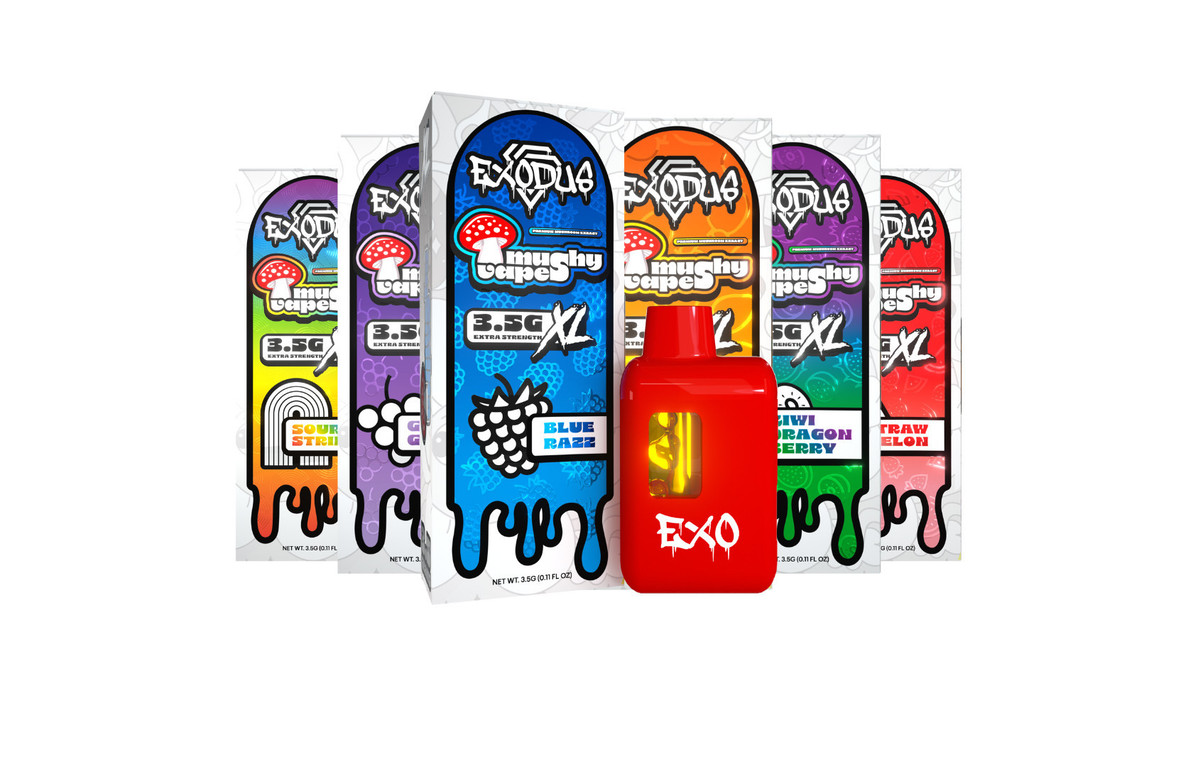
How Long Do Mushroom Vapes Last Before Possibly Losing Their Potency?
Taking the first pull from a fresh mushroom vape delivers a potent botanical experience, but that peak strength isn't a permanent feature. The complex fungal extracts loaded inside these modern disposables are incredibly fragile when forced to interact with everyday environmental stressors. Once a device leaves its protective factory packaging, a silent countdown begins as the delicate liquid reacts to internal hardware and ambient room air. Figuring out exactly when that formula starts losing its edge requires a closer look at the actual science behind volatile alkaloids. Tracking this inevitable chemical breakdown helps you get the full value out of your hardware before the active compounds quietly fade away.
The Fungal Blueprint: Amanita Varieties and Proprietary Formulations
Fungal chemistry operates on an entirely distinct set of rules compared to leafy botanicals or standard concentrated resins. Translating forest-floor caps and stems into a stable, inhalable vapor liquid demands isolating specific active alkaloids while stripping out heavy organic solids that would otherwise bake onto a heating element. Because the market splits sharply between distinct natural mushroom varieties and engineered laboratory formulas, knowing what's actually suspended in your tank marks the starting point for estimating potency decay.
Amanita Muscaria and Pantherina Dynamics
Looking at the natural side of the fungal vape space means getting familiar with two specific caps that dominate commercial formulas. Amanita varieties don't rely on classic psilocybin; instead, they feature water-soluble isoxazole alkaloids that require careful handling during the extraction process. While both species share overlapping active chemistry, their baseline alkaloid ratios and physical behavior inside a vape reservoir vary significantly. Breaking down these natural powerhouses individually helps explain why one mix might hold its strength for months while another demands a much tighter consumption window.
Amanita Muscaria Formulations
Muscaria represents the iconic red-and-white mushroom that most folks immediately picture, but turning its natural tissue into an inhalable concentrate takes serious chemical finesse. The raw cap is naturally packed with ibotenic acid, an unstable compound that readily degrades when exposed to heat or open air. Professional extractors rely on thermal decarboxylation to strip away a carboxyl group, converting that volatile ibotenic acid into stable muscimol before blending it into an e-liquid. Once muscimol dissolves into a balanced liquid base, it creates a relatively resilient suspension that can withstand normal room temperatures without immediately falling apart.
Even with that successful conversion, muscimol isn't immune to the slow march of environmental oxidation inside a clear cartridge. As calendar weeks tick by, ambient air trapped in the reservoir oxidizes the muscimol molecules, turning active compounds into inactive fractions that produce a noticeably muted hit. The lower natural alkaloid ceiling of muscaria means formulators don't have to push carrier saturation limits, which helps prevent unwanted crystalline buildup around the intake ports. Still, if you leave a muscaria blend exposed to bright sunlight or warm ambient rooms, that golden liquid will darken noticeably, signaling that the active compounds are already breaking down.
Amanita Pantherina Formulations
Pantherina takes everything found in muscaria and dials the internal chemistry up to a dramatically higher level of potency. Often sporting a muted brownish cap, this species holds an alkaloid concentration that runs several times heavier than its crimson relative. That sheer density of muscimol and related isoxazole compounds means extractors work with a much thicker, more concentrated resin during the initial blending stage. Because there's such a heavy load of active organic material packed into every milliliter of carrier liquid, holding the blend in a permanent suspension without separation requires precise temperature control during manufacturing.
That intense concentration creates unique vulnerabilities when it comes to long-term storage and potency preservation in a disposable device. High alkaloid density makes pantherina extracts far more susceptible to precipitation, where dense active molecules slowly drop out of the carrier solution and cling to the glass reservoir walls as cloudy residue. Once those alkaloids precipitate out of the liquid matrix, they can't travel through the ceramic wick efficiently, which drastically cuts the strength of the vapor reaching your mouth. While the initial punch of a pantherina blend is undeniably robust, that crowded molecular environment means you can't let the pen sit idle for months without risking visible separation and rapid potency loss.
The Anatomy of Proprietary Blends
Venture beyond the straightforward Amanita label, and you'll run headfirst into the wide world of proprietary blends. These formulas rarely rely on a single isolated mushroom; instead, they blend lab-synthesized tryptamine derivatives, functional mushroom fractions, and botanical alkaloids engineered to simulate classic psychoactive profiles. Manufacturers guard these exact ingredient ratios behind trade-secret labels, which makes predicting their individual chemical lifespans a bit more intricate than tracking a single natural molecule.
These proprietary formulations generally lean on semi-synthetic analogs or tailored tryptamine salts that are chemically engineered to resist rapid oxidation. Because pure natural fungal alkaloids can break down quickly in open air, formulation chemists blend them with stable liquid carriers, botanical terpenes, and synthetic binders designed to lock the molecular lattice in place. When a proprietary blend goes stale, you won't always see the liquid turn dark brown right away. Instead, the synthetic tryptamines or complementary nootropic fractions slowly break their chemical bonds at room temperature. The vapor might still taste crisp and produce thick white clouds, but the distinct mental resonance you experienced during week one will feel muted, shallow, and chemically fatigued by month three.
From Spore to Vapor: Engineering Mushroom Extracts into Disposable Hardware
Turning a wild fungus into something that flows smoothly through a 1.2Ω heating core is a genuine feat of fluid mechanics and organic chemistry. You can't just toss mushroom tea or crude powder into a vape cartridge and expect it to fire. Raw fungal biomass contains high amounts of chitin, a tough fibrous substance that makes up the cell walls of mushrooms. Chitin doesn't melt, vaporize, or dissolve cleanly; if even microscopic traces of raw chitin or natural fungal sugars slip into an e-liquid formula, they will instantly scorch against the hot coil, producing a harsh burnt flavor and clogging the intake ports within two pulls.
To bypass this problem, extractors put harvested caps through extensive multi-stage solvent extractions, utilizing ethanol, supercritical carbon dioxide, or ultrasonic extraction methods. This process isolates the targeted alkaloids while purging all plant lipids, proteins, and insoluble starches. Once the pure extract is isolated, it presents as a dense, resinous wax or a crystalline powder. This dry extract must then be completely solubilized into an inhalable carrier base.
Finding the right carrier liquid is where many formulations succeed or fail. Standard vape juice leans heavily on vegetable glycerin (VG) and/or propylene glycol (PG). While PG acts as a decent solvent for certain organic salts, it struggles to hold heavy fungal resins in a permanent liquid state without separating over time. If the mixture falls out of suspension, you get hot spots of pure extract sitting right next to zones of inert PG.
To overcome separation, modern formulators often utilize specialized botanical terpenes, polyethylene glycol derivatives (PEG-400), or refined, hemp-derived distillates as the primary solvent matrix. The active fungal compounds must achieve total homogenization with these carriers. If the viscosity is too thick, the liquid won't wick quickly enough to keep up with the coil's heating cycle, resulting in dry hits that burn the delicate alkaloids. If it's too thin, the liquid floods the central airway chimney, leaking out through the bottom airflow slots and exposing the entire reservoir to an influx of degrading atmospheric oxygen. Every drop of extract represents a delicate balancing act between chemical solubility, heat resistance, and fluid dynamics.
Simplistic vs. Advanced Hardware: The Physical Housing
The longevity of your vapor liquid depends heavily on the hardware holding it. A premium botanical extract trapped inside low-grade hardware will degrade twice as fast as an extract protected by advanced thermal and physical engineering. Let’s break it down for a moment:
- Simplistic Draw-Activated Disposables: Entry-level pens rely on bare-minimum components: a basic lithium-ion cell, a cotton-wrapped nichrome wire coil, and a cheap plastic reservoir. Cotton wicking materials present a major liability for fungal blends because cotton fibers degrade and become brittle when soaked in dense botanical solvents for more than a few weeks. The single-temperature output on these devices runs hot, often pushing past 3.6 volts from the very first puff. That excessive heat directly scorches heat-sensitive fungal compounds like muscimol right at the coil interface. Furthermore, low-end pens use cheap press-fit plastic caps that lack airtight silicone gaskets, allowing fresh air to continuously seep into the oil chamber and trigger rapid oxidation long before you've finished the tank.
- Advanced Porous Ceramic and Quartz Hardware: Higher-grade disposables swap out cheap cotton for porous ceramic cylinders or quartz heating elements. Ceramic features thousands of microscopic pores that draw thick fungal oils inward via uniform capillary action, completely eliminating direct contact with open wire coils. This ensures the extract vaporizes evenly across a broad surface area without creating scorched hot spots. Advanced hardware also incorporates isolated internal airflow channels, keeping the air path strictly separate from the battery compartment. Premium housings utilize medical-grade borosilicate glass instead of reactive polycarbonate plastics, preventing chemical leaching and maintaining an airtight seal that shields volatile active ingredients from ambient air.
- Variable Voltage and Micro-Tuned Regulators: Cutting-edge disposable hardware integrates intelligent microprocessors that offer adjustable voltage presets, usually ranging between 2.4V and 3.2V. Lower voltages protect the delicate aromatic terpenes and preserve fragile fungal compounds, preventing thermal degradation before the vapor ever leaves the mouthpiece. Advanced chipsets also utilize pulse-width modulation, which rapidly cycles power to the coil to maintain a steady temperature rather than letting the heat spike uncontrollably during longer pulls. Added preheat cycles gently warm viscous oil around the intake ports, preventing dry wicking without subjecting the rest of the reservoir to damaging heat spikes.
The Four Lifespan Phases: Tracking Potency Drop-Off Over Time
Understanding how long a mushroom vape keeps its original punch requires following the device through its natural operational cycle. Active molecules don't simply vanish overnight; they undergo a gradual transformation as physical and environmental stressors mount. By looking at the lifespan of a disposable through four clear operational phases, you can pinpoint exactly where your device sits on the potency spectrum.
Phase 1: The Factory Seal (Unopened Packaging)
Before you peel back the tamper-evident sticker or pull the silicone stopper from the mouthpiece, your vape exists in a state of suspended animation. Premium devices leave the assembly line sealed inside nitrogen-flushed mylar pouches or airtight blister packs. This protective packaging prevents ambient oxygen from making contact with the liquid inside the tank. In this pristine, unopened condition, a high-quality mushroom vape will easily hold its active strength for six to twelve months.
During this first phase, temperature and light remain the only real threats to potency. If the sealed package sits inside a climate-controlled room away from direct sunlight, the internal compounds remain remarkably stable. Muscimol and proprietary tryptamine analogues won't degrade on their own if there's no oxygen to fuel the reaction and no UV radiation to cleave their chemical bonds.
The lithium-ion battery inside the casing slowly loses a small percentage of its resting charge over months of storage, but the chemical integrity of the liquid itself remains intact. If you're stocking up, keeping devices in their factory wrapping inside a cool, dark drawer is the single best way to pause the degradation clock.
Phase 2: The Initial Breach (First Activation)
The moment you pull that silicone plug out of the mouthpiece and take your very first draw, the environmental dynamics shift permanently. Breaking the vacuum seal introduces fresh room air containing roughly 21% oxygen into the reservoir. As you take that inaugural puff, the battery pushes electrical current through the heating core, warming the oil immediately surrounding the intake ports. Capillary action draws fresh extract deep into the internal pores of the wick, establishing a continuous fluid bridge between the liquid reservoir and the heating element.
This first activation starts an irreversible chemical timer. Even if you only take two small puffs and put the pen down, the internal balance has changed. The liquid inside the wicking chamber has experienced a rapid spike in temperature, which slightly alters its viscosity and kick-starts low-level thermal oxidation. Ambient air now fills the microscopic headspace at the top of the tank.
For the first 2-3 weeks following that initial breach, potency remains at 95% to 100% of its original factory level. The flavor profile will taste bright, clean, and punchy, with terpenes masking the earthy fungal undertones. However, the clock is officially running, and the extract will never be quite as chemically stable as it was inside its sealed factory wrapper.
Phase 3: The Occasional Puff (Sparse Use Over Weeks or Months)
Here's where many casual users get caught off guard: nursing a single disposable vape over three, four, or six months. When you only hit your device once every couple of weeks, the ratio of liquid to air inside the tank shifts against you. Every puff vaporizes a small volume of liquid, replacing that oil with an equal volume of ambient air. A half-empty cartridge contains a significant amount of oxygen that sits in constant, direct contact with the remaining extract.
Over 8-12 weeks of sporadic use, slow oxidation changes the physical appearance and chemical profile of the liquid. You'll likely notice the extract darkening from a brilliant light gold to a deep, reddish-amber or muddy brown, especially around the intake apertures where previously heated oil seeps back into the general supply. The active fungal compounds gradually lose their structural integrity as they react with the trapped oxygen.
Furthermore, carrier solvents like PG or delicate terpenes evaporate at microscopic rates into the air chamber, causing the remaining liquid to thicken. When you finally pick the pen up after a month of silence, the first pull will taste distinctly flat, stale, or harsh. The active potency during this extended phase can easily drop by 20%-40%, meaning you need noticeably more draws to achieve the same botanical response you felt when the pen was new.
Phase 4: The Daily Session (Frequent, High-Heat Cycling)
On the other end of the spectrum lies the daily routine, where a disposable is tapped multiple times a day and emptied within one to two weeks. In this rapid-use scenario, environmental oxidation from long-term air exposure isn't what diminishes potency; thermal stress is the primary culprit. When you hit a disposable pen repeatedly throughout an afternoon, the heat generated by the atomizer doesn't stay confined to the coil. It radiates upward through the metal center post and warms the entire oil reservoir.
Repeatedly heating and cooling the liquid multiple times an hour accelerates molecular breakdown far faster than ambient air exposure ever could. Heat degrades muscimol and breaks down fragile synthetic blend components, effectively boiling away subtle aromatic terpenes and leaving behind a chemically fatigued fluid.
Frequent vaping also strains the battery. As the lithium cell discharges rapidly under heavy use, its voltage output drops, forcing the atomizer to fire at lower, inefficient temperatures that produce thin vapor and boil the oil without fully atomizing it.
Additionally, vaporized liquid that condenses along the walls of the central chimney slowly drips back down into the heating core as dark, burnt reclaim. If you run through your device within ten to fourteen days, you'll dodge long-term oxidation, but chain-vaping will noticeably degrade the final quarter of your tank through raw heat exposure alone.
External Catalyst Factors: Secondary Potency Influences
Beyond basic device hardware and operational habits, a collection of secondary chemical and physical variables directly dictates how fast active compounds degrade. Knowing how these external forces below interact with your extract keeps you from prematurely retiring a good device or wasting money on a stale one:
- Mushroom Combinations: Mushroom combos can consist of the following, all depending upon the manufacturer and the device type it’s placed in:
- Shrooms Combined with Functional Mushroom Blends: Blending psychoactive extracts with functional varieties like Lion's Mane, Cordyceps, or Reishi introduces complex polysaccharides and beta-glucans into the liquid matrix. While these functional mushrooms carry exceptional wellness reputations in powdered form, their large molecular structures don't dissolve easily into standard vape carriers. Over time, these dense botanical compounds tend to separate from the active psychoactive fractions, forming cloudy sediments that coat the atomizer wick. This physical separation prevents the active alkaloids from vaporizing cleanly, giving the impression that the device has lost its strength when the active components are simply blocked by gummy functional residues.
- Shrooms Combined with Another Cannabinoid (CBD, THC, THCA, or Delta 8 THC): Introducing cannabinoids creates a combined botanical base with its own distinct decay curve. Cannabinoids act as thick, viscous lipophilic carriers that can help keep fungal alkaloids in an even suspension. However, cannabinoids carry their own oxidation timelines; Delta 8 and CBD slowly oxidize into CBN when exposed to light and oxygen, shifting the physiological impact toward heavy lethargy. THCA presents an additional hurdle because it naturally wants to crystallize out of liquid solutions over time. If THCA crystals form inside a mushroom vape, they lock up the active liquid, starve the wick, and alter the operational chemistry of the entire blend.
- Shrooms Combined with Another Cannabinoid + Extract (Liquid Diamonds or Live Resin): Live resin and liquid diamond infusions introduce high concentrations of native cannabis terpenes and unrefined plant waxes into the mix. Live resin brings an intensely aromatic profile, but those native, unrefined terpenes are extremely volatile and break down rapidly when exposed to air. Liquid diamonds—melted THCA isolate—raise the overall purity of the cannabinoid base, but they demand higher vaporization temperatures to atomize cleanly. This dynamic creates a conflict: the high heat needed to vaporize the diamond fraction runs the risk of scorching the far more delicate fungal alkaloids sharing the same tank.
- Shrooms Combined with Another Cannabinoid + Terpenes: Terpenes aren't just added for pleasant flavor; they serve as natural botanical thinners that adjust the viscosity of thick extracts. Monoterpenes like myrcene, limonene, and pinene have very low boiling points and evaporate rapidly under ambient exposure. Sesquiterpenes like caryophyllene hold up slightly better under thermal stress, but they still oxidize into harsh compounds over time. When added terpenes degrade, the vapor loses its smooth delivery, resulting in a biting throat hit that masks the flavor and accelerates the breakdown of the surrounding fungal compounds.
- Shrooms Combined with Another Active Flower (i.e. Blue Lotus): Blending mushroom extracts with active flower botanicals like Blue Lotus introduces a whole new class of delicate alkaloids, specifically nuciferine and aporphine. Blue Lotus extracts are notorious for their chemical sensitivity to thermal fluctuations and direct sunlight. When suspended alongside muscimol or proprietary tryptamines, these floral alkaloids degrade at an accelerated rate, often losing their botanical punch within a matter of weeks after opening. The resulting vapor can turn harsh and lose its signature floral aroma long before the primary fungal compounds reach their expiration date.
- How the Device is Stored: Leaving your vape sitting on a sunlit windowsill or inside a hot car glovebox is the quickest path to complete potency ruin. Ultraviolet radiation directly cleaves the molecular bonds of muscimol and synthetic tryptamines, rendering them inert in a matter of days. High ambient heat thins the liquid, causing it to breach internal silicone seals and flood the chimney, while cold environments cause the oil to seize up and refuse to wick. Storing the pen upright in a cool, dark space between 60°F and 70°F preserves liquid viscosity, prevents leaks, and keeps active molecules chemically stable.
- How Long the Device Was Sitting on a Shelf or Warehouse Prior to Purchase: Not every device you buy is fresh off the production line. Many disposables spend weeks sitting in non-climate-controlled shipping containers, followed by months resting on dusty warehouse shelves before reaching your hands. If an unopened vape sat in a warm distribution hub for nine months before purchase, it's already well into its secondary aging phase. Checking batch dates or packaging codes gives you an immediate read on whether you're purchasing an extract at its peak or buying hardware that has already burned through half of its optimal shelf life.
- How You Pull on the Device: The physical force and duration of your inhale directly dictate coil temperature. Taking prolonged, aggressive eight-second draws—commonly called "blinker" hits—forces the internal heating element to reach extreme temperatures upwards of 400°F. Fungal alkaloids simply can't survive that level of thermal punishment without decomposing into useless char. Taking measured, gentle pulls lasting two to three seconds allows the heating core to atomize the liquid within its optimal temperature window, preserving the molecular structure of the extract and extending the lifespan of your coil.
- Your Tolerance to Mushrooms: Sometimes the device hasn't lost an ounce of chemical potency—your own neurochemistry has simply adapted to it. Fungal alkaloids like muscimol interact directly with central GABA-A receptors, while proprietary tryptamine blends target serotonin pathways. Both receptor systems down-regulate rapidly when stimulated repeatedly over short periods. If you hit the same vape three days in a row, the third day will deliver a noticeably muted response compared to the first, leading you to believe the pen has gone bad. Taking a structured break of 5 to 7 days resets your baseline sensitivity, allowing you to accurately gauge whether the vape has genuinely degraded or if your receptors just needed a rest.
Reading the Final Shroom Vapor Signals
Botanical extracts this specialized have an undeniable prime, and treating them like indestructible consumer goods only leads to wasted draws and dull sessions. The minute electrical current runs through that internal atomizer, you're dealing with delicate chemistry that reacts to every degree of thermal shift and atmospheric exposure. Catching that full-bodied richness means staying proactive about your personal stash rather than letting a half-spent cartridge gather dust across changing seasons. When aligning your pacing with the natural physical limits of the oil itself, every draw delivers the crisp, potent profile the extractor intended.
Recent Posts
-

How Long Do Mushroom Vapes Last Before Possibly Losing Their Potency?
Taking the first pull from a fresh mushroom vape delivers a potent botanical experience, but that pe …Sep 29, 2026 -
Kava vs. CBN: How Do They Measure Up Against One Another?
Finding an effective way to unwind when twilight settles in often leads curious wellness seekers tow …Sep 28, 2026 -

2026 Cannabinoid Matchup: THCA vs. CBC
Building a well-rounded hemp collection in today’s times has evolved into a personalized craft tailo …Sep 24, 2026