
How Should Dry Herbs Smell When Being Vaped in a Desktop Vaporizer?
The moment you clear a space on your desk for a stationary heating unit; the entire atmosphere of your session undergoes a fundamental shift toward the deliberate and the powerful. Unlike the hurried, discreet draws of a pocket-sized device, a desktop vaporizer invites a more expansive sensory exploration that begins the second the internal element starts to radiate heat. As the temperature climbs, the air around the device should remain neutral and crisp, signaling a clean path for the botanicals soon to follow. When the dry herbs finally meet that steady, fan-assisted or whip-drawn convection current, the resulting aroma is often described as a high-fidelity version of the plant’s true essence. It is a robust, room-filling bloom that provides an immediate, olfactory map of the herb's quality and the device's precision. Understanding the specific nuances of this scent is the key to mastering the stationary experience and recognizing the peak of a truly sophisticated session.
The Neutrality of the Pre-Heating Phase
Before a single flake of botanical material enters the chamber, a high-quality desktop unit should pass a very specific "nose test." As the ceramic, glass, or high-grade stainless steel internals reach their target temperatures, there should be a complete absence of any metallic, plastic, or "burnt electronic" odors. This neutrality is the hallmark of a premium device that uses inert materials to guarantee that the only thing you experience is the herb itself. If you notice a sharp, chemical tang during the warm-up period, it often suggests that the device needs a thorough burn-off session or that the internal components are not of the highest caliber. A pristine desktop unit acts like a clean canvas, waiting for the first brushstrokes of aromatic vapor to define the space.
This initial silence of scent is vital because desktop units often utilize more powerful heating elements than their portable counterparts. These "engines" are designed to maintain rock-solid stability even when large volumes of air are being pulled through the system. Consequently, the lack of an initial smell is a testament to the integrity of the vapor path. When the device is finally ready, and the herb is introduced, the contrast should be immediate and striking. The air should transform from nothingness into a vibrant, multifaceted garden bouquet that feels thick enough to touch, yet remains remarkably clean and evocative.
The Radiant Bloom of High-Powered Convection
One of the most distinct characteristics of the desktop experience is the sheer volume of the aromatic "bloom" that occurs during the first few draws. Because these devices often feature larger chambers and more aggressive airflow, the release of volatile oils is more concentrated and impactful. The scent should hit the nostrils with a punchy, resinous quality that mirrors the raw herb but with an added dimension of warmth. You aren't just smelling a hint of pine or citrus; you are experiencing a three-dimensional representation of the plant’s terpene profile. This is the stage where the "nose" of the vapor is at its most articulate, offering a clear distinction between various botanical varieties.
In this high-fidelity phase, the vapor should smell incredibly fresh, almost like a walk through a botanical conservatory after a light rain. There is a "wetness" to the aroma that indicates a high concentration of moisture and essential oils still present in the material. If the scent feels dry or dusty from the very first inhalation, it likely means the herbs have lost their potency through age or poor storage. A healthy desktop session provides a scent that is so vivid it can almost be tasted on the back of the tongue before the vapor even reaches your lips. This is the peak of the olfactory experience, where the complexity of the plant is laid bare by the precision of the heat.
The Influence of Glass and Silicone
The materials used in your desktop’s delivery system—whether it be a long silicone whip or a complex glass water tool—act as a secondary filter for the aroma. Glass is the gold standard for those who want the most unadulterated scent possible. It is a non-reactive material that allows every subtle floral note to pass through without interference. When drawing through glass, the vapor should smell crystalline and sharp. Conversely, a high-quality silicone whip might slightly "soften" the aromatic edges, providing a more mellow and rounded scent profile.
However, there is a caveat to this material influence. New silicone can sometimes carry a very faint, sweet smell that should dissipate after a few uses. If a whip or glass piece has been used extensively without a deep cleaning, it will begin to harbor a "stale" or "resinous" odor that can severely muddle the fresh scent of the herbs. Maintaining these pathways is essential; a clean glass stem ensures that the first draw smells like a crisp morning in the mountains, whereas a dirty one can make even the finest botanicals smell like an old storage unit.
The Balloon’s Captured Atmosphere
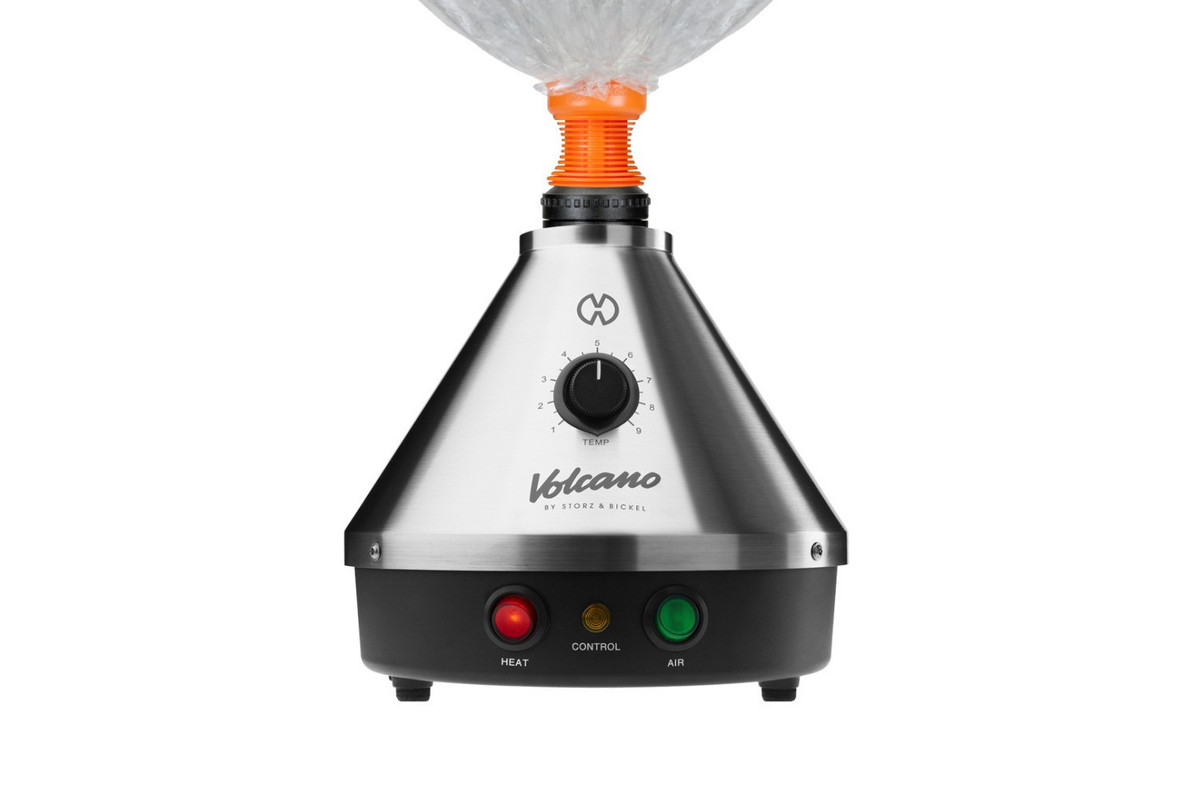
For those who prefer a bag-and-valve system, the olfactory experience is entirely unique. When a desktop unit fills a large balloon, it is essentially capturing a concentrated snapshot of the herb’s aromatic peak. The scent inside the bag should be dense, opaque, and incredibly potent. When you look at the vapor swirling inside the plastic, the smell should match that visual density—a heavy, sweet, and deeply herbal aroma that lingers. Because the vapor is slightly cooled by the time it reaches the user, the sharp "bite" of the terpenes is often replaced by a smoother, more "sugary" scent profile.
The interesting thing about the balloon method is how the scent evolves within the bag itself. If the vapor is left to sit for more than a few minutes, the heavier oils will begin to condense against the plastic walls. This causes the aroma to shift from a vibrant, active "cloud" to a flatter, more one-dimensional scent. To get the best olfactory results from a balloon, it should be enjoyed while the vapor is still "milky" and fresh. At this stage, the scent is a concentrated marvel, offering a level of aromatic intensity that is difficult to replicate with any other delivery method.
While the bags used in desktop vaporization are made from food-grade, heat-resistant materials, they should never contribute their own scent to the experience. If you ever detect a "crinkly" or "hot plastic" smell while the bag is filling, it is a significant cause for concern. This usually indicates that either the temperature is set far too high, causing the material to singe, or the bag itself has reached the end of its lifespan. A fresh, high-quality balloon should be an invisible vessel, allowing the deep, earthy, and floral notes of the dry herb to take center stage without any synthetic interference.
The Long-Form Session and the Savory Shift
Desktop vaporizers are built for endurance, often allowing for sessions that last twenty minutes or more with a single chamber of herb. This extended timeframe means that the aromatic profile will go through a more gradual and visible metamorphosis than it would in a portable unit. After the initial burst of bright, floral terpenes, the scent will settle into a "mid-toned" earthiness. This is a savory phase, reminiscent of roasting seeds or warm spices. It feels more "grounded" and "weighted" than the airy, citrusy notes of the beginning.
During this middle period, the vapor should smell consistent and robust. There is a specific "warmth" to the air that feels incredibly comforting. If you are using a whip, you will notice that the aroma becomes more "toasty" with every successive draw. This is the Maillard reaction in full swing, as the heat begins to interact with the carbohydrates and heavier oils within the plant. It is a sign of a successful extraction; the device is efficiently pulling the "meat" of the botanical profile out of the chamber. If the scent remains too light or "green" for too long, it might suggest that the fan speed is too high or the temperature is too low to penetrate the core of the herb.
The Toasted Popcorn Threshold in High Definition
Every session must come to a close, and the desktop unit provides a very loud olfactory signal when that moment arrives. Because of the sheer volume of air and heat being moved through the system, the transition to the "spent" stage is often quite dramatic. The vapor will lose its multifaceted complexity and settle into the unmistakable scent of toasted popcorn or roasted grains. This is the universal "finish line." The scent is dry, singular, and lacks any of the resinous "stickiness" that characterized the earlier stages of the session.
In a desktop unit, this toasted smell can be quite pervasive because of the higher quantity of herb being processed. It is a dry, slightly nutty aroma that isn't necessarily unpleasant, but it clearly indicates that the volatile compounds have been exhausted. If you continue to push the session beyond this point, the scent will move from "toasted" to "scorched." While vaporization prevents the creation of smoke, the plant cellulose can still be heat-damaged if left in a high-convection stream for too long. A charred or "smoky" smell in a desktop unit is a sign that you have overextended the session, and it can leave a lingering, heavy odor in the glass and silicone components that is difficult to remove.
The "Spent" Herb Diagnostic
Once finished the session, the "already vaped" herb (AVB) provides a final olfactory lesson. When you empty the chamber, the material should smell like dry tobacco or a box of roasted cereal. It should be a uniform, deep brown color. If the material still smells like the original plant, you’ve left valuable compounds behind. If it smells like an ashtray, you have pushed the temperature too far. The goal is a clean, earthy, and dry scent that signals a complete and efficient extraction. This spent material can often be reused for other purposes, provided it hasn't been scorched into a bitter, charred mess.
Managing the Ambient Presence in Your Space
One of the most significant differences between portable and desktop vaporization is the "room note"—the way the scent lingers in your environment. A desktop unit is a powerhouse, and a full session can easily fill a medium-sized room with a noticeable botanical cloud. However, because this cloud is composed of vapor rather than smoke, the way it interacts with your home is fundamentally different. The scent should be perceived as a "bloom" that lingers for a short while before dissipating into a neutral, clean atmosphere.
Unlike smoke, which contains heavy tar and carbon that "stick" to surfaces, vapor is made of microscopic oil droplets that break down quickly. Even a heavy desktop session should not leave a permanent odor on curtains, clothing, or furniture. To a person entering the room, it might smell like someone is brewing a very strong herbal tea or using a high-end aromatherapy diffuser. If the scent feels "heavy" or "stale" and persists for hours, it is usually an indicator that the device is running too hot or that the room lacks basic ventilation. A simple cracked window or a ceiling fan is usually enough to clear the "vape-cave" atmosphere within minutes of the session ending.
The Importance of the Pristine Vapor Path
To ensure that your dry herbs always smell exactly as they should, you must respect the "memory" of the vapor path. Over time, the internal glass, screens, and whips of a desktop unit will accumulate a golden resin. This resin is not inherently bad, but as it is heated and reheated, it begins to oxidize and develop a "cooked" or "sour" aroma. This "reclaim" can act as a mask, hiding the delicate top notes of your fresh herb behind a wall of muddled, earthy heaviness. Regular maintenance is the only way to keep your desktop unit smelling like a professional-grade instrument.
A deep clean involves more than just a quick wipe. The screens in a desktop unit are often larger and can trap more particulate matter, which can eventually singe and create a "burnt" scent. Glass water tools and whips should be soaked in appropriate cleaners until they are crystal clear. When your device is truly clean, it should have no scent at all when running "dry." This baseline of neutrality is what allows the specific "terpene signature" of a new botanical variety to really shine. If you can’t tell the difference between two different herbs through the "nose" of the vapor, it’s a sign that your vapor path needs immediate attention.
Banishing the Resinous Ghost
To maintain olfactory purity, consider the following maintenance schedule:
- The Screens: Inspect after every three to five sessions. If they look clogged or smell "toasty" while the device is empty, replace or clean them.
- The Glassware: Rinse with hot water after every use and perform a deep soak weekly. This prevents the "old water" smell from tainting the vapor.
- The Whips: Silicone can eventually "absorb" scents. If a whip smells sour even after a cleaning, it is time to replace the tubing.
By keeping the "ghosts" of past sessions out of your device, you guarantee that every new experience starts with a clean slate. This is especially important for desktop users who often invest in high-quality, specialty herbs that deserve to be smelled in their purest form.
Temperature Precision and the Scent Spectrum
Desktop units are famed for their precision, and even a ten-degree adjustment can radically alter the scent of the vapor. At the lower end of the spectrum (around 330°F-350°F), the scent is incredibly delicate and floral. It smells like a fresh-cut garden, with almost no "toasted" notes at all. This is the "connoisseur’s zone," where the most fragile aromatic compounds are preserved. The vapor might be thinner, but the "nose" is at its most complex and rewarding.
As you climb toward the 390°F to 410°F range, the scent becomes much more aggressive and "musky." The floral notes are quickly overtaken by deep, woody, and spicy aromas. This is where the desktop unit shows its muscle, producing thick, opaque clouds that smell like a roasting hearth. Understanding this spectrum allows you to "tune" the aroma of your room and your session. If you want a light, energizing scent, stay low. If you want a rich, heavy, and savory experience, the higher temperatures will provide that "roasted" bouquet that many find so satisfying.
The Ritual of the Desktop Senses
The desktop vaporizer is more than a machine; it is a centerpiece for a dedicated botanical ritual. The way the herbs smell as they transition through the heating cycle is a direct reflection of the care you put into the session. From the initial "sniff test" of the raw material to the final "popcorn" notes of the spent load, every phase offers a unique sensory reward. The nose is a powerful tool for diagnosing the performance of your device and the quality of your botanicals, providing an honest, real-time assessment that no digital screen can match.
When you master the aromatic language of your desktop unit, you elevate the entire experience. You learn to appreciate the "cleanliness" of the glass, the "power" of the convection fan, and the "vibrancy" of the plant itself. It is a holistic practice that engages the mind and the senses, turning a simple session into a sophisticated exploration of nature’s chemistry. The desktop unit provides the power and the precision; your nose provides the interpretation. Together, they create a world of scent that is as rewarding as it is refined.
The Lingering Echo of a Perfect Session
Embracing the full spectrum of scents provided by a stationary unit facilitates a connection to the botanical world that feels both intimate and expansive. As the final wisps of toasted air dissipate, they leave behind a testament to the purity that only precise, high-powered convection can achieve within a home setting. This olfactory mastery is the true marker of a successful session, where the machine fades into the background and the plant's inherent character takes center stage. Recognizing the transition from the first floral spark to the last earthy note turns a simple habit into a refined, sensory-driven art form. By placing your trust in the nose as the primary diagnostic tool, you provide the necessary conditions for every encounter to remain as vibrant and clean as the very first draw.
Recent Posts
-

2026 Cannabinoid Matchup: THCA vs. CBC
Building a well-rounded hemp collection in today’s times has evolved into a personalized craft tailo …Sep 24, 2026 -

Kratom vs. CBGA: How Do They Measure Up Against One Another?
The modern search for plant-based wellness solutions has introduced a diverse spectrum of botanical …Sep 23, 2026 -
Inside the Gel Cap: How Much Kratom is in 1 Capsule?
Holding a pre-filled Kratom capsule between your fingers gives the impression of a perfectly measure …Sep 22, 2026