
Inside the Gel Cap: How Much Kratom is in 1 Capsule?
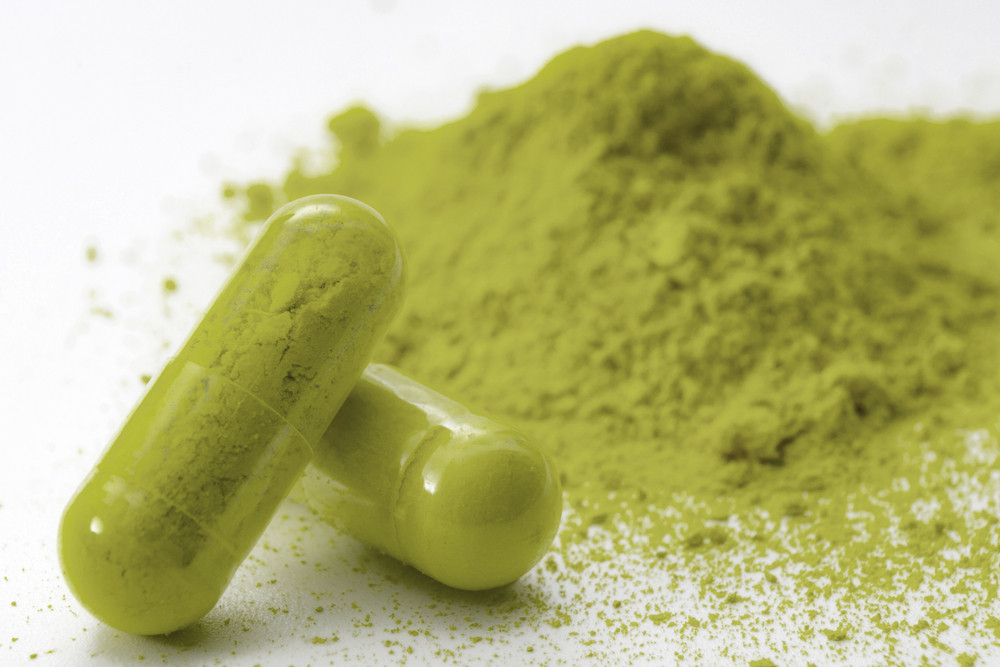
Holding a pre-filled Kratom capsule between your fingers gives the impression of a perfectly measured, uniform product ready to use on the go. Many people turn to these convenient gel caps to avoid the strong, earthy taste of loose Kratom powder without realizing how much the contents inside can fluctuate. While a smooth, green-filled shell looks simple on the outside, packing dry botanical leaf into a tiny container involves far more physics and production mechanics than most consumers imagine. From the dimensions of the capsule casing itself to the exact pressure applied during manufacturing, several technical variables determine how many milligrams sit inside. Unpacking these physical factors reveals the exact measurements, sizing standards, and processing methods that establish how much Kratom actually fits into a single capsule.
The Botanical Roots of the Kratom Tree
To understand what fills a capsule, you have to look at where the raw material originates. Kratom comes from the leaves of Mitragyna speciosa, a tropical evergreen tree in the Rubiaceae family, which also includes the coffee plant. Indigenous to the lush riverbanks and tropical rainforests of Southeast Asia, these trees grow abundantly in regions across Indonesia, Thailand, Malaysia, and Borneo. In these fertile, equatorial environments, the trees reach heights of over eighty feet, producing broad, glossy leaves marked by distinct central veins.
Local communities in Southeast Asia have cultivated and harvested Kratom for generations. Experienced farmers harvest mature leaves by hand, selecting foliage that has reached peak maturity on the tree. The physical characteristics of raw Kratom leaves are surprisingly robust; they are thick, flexible, and filled with natural plant sap and moisture. In this fresh state, the leaves cannot simply be dropped into a capsule. They must first undergo a rigorous drying and curing phase that alters both their physical density and chemical profile, preparing the wild agricultural foliage for clean processing.
From Forest Canopy to Powdered Kratom Leaf
Turning fresh tropical foliage into the fine green powder found in retail products requires several precise post-harvest steps. Once workers harvest the leaves from mature trees, they transport the harvest to regional processing stations for cleaning, sorting, and drying. This post-harvest handling removes environmental debris and carefully extracts moisture from the plant tissue. How processors handle this stage establishes the final texture, particle size, and weight of the Kratom powder.
De-Stemming and Crushed Leaf Preparation
Before drying the harvest, workers separate the broad leaf tissue from the tough central stems and thick lateral veins. The central rib of a Kratom leaf consists largely of dense, fibrous material that does not break down smoothly during milling. Leaving these woody stems mixed with the leaf blade would introduce tough, splintered fragments that lower the overall quality of the batch.
Processors run the dried leaves through specialized screening machines or mechanical sifters to strip away the woody ribs. This leaves behind pure leaf lamina, widely known in the industry as crushed leaf Kratom. Because crushed leaf contains only the tender tissue of the plant, it dries evenly and creates a uniform raw material that responds predictably to commercial grinding equipment.
Milling Techniques and Particle Consistency
After the leaf material is fully dry and de-stemmed, it moves into heavy-duty milling equipment. Older, traditional setups relied on simple rotary crushers that produced a coarse, granular texture resembling crushed oregano. While suitable for brewing teas, coarse powder contains large, irregular particles with jagged edges that trap empty air pockets when packed into small containers.
Modern commercial facilities rely on industrial air-classifying mills and micro-pulverizers to reduce the leaf into a fine consistency. These machines pulverize the dried Kratom until it reaches a fine 100-mesh or even 300-mesh particle rating, often called nano Kratom. This ultra-fine powder behaves much like culinary flour, flowing smoothly through machinery and settling tightly together with very little empty space between individual grains.
Anatomy and Materials of the Capsule Casing
The outer shell that holds the Kratom powder is an engineered container designed to protect the botanical material from light and air. These two-piece hard shells consist of a wider cap that slips over a longer body, creating a mechanical seal that locks the powder inside. Choosing the right casing material impacts everything from storage stability to how smoothly the product runs through automated bottling lines.
Gelatin vs. Plant Cellulose (HPMC) Shells
The vast majority of commercial Kratom capsules are manufactured using one of two base materials: traditional animal gelatin or plant-derived cellulose. Gelatin shells are made from hydrolyzed collagen, usually derived from bovine sources. They are favored by large-scale manufacturers for their high mechanical strength, natural flexibility, and resistance to splitting when running through high-speed encapsulation machinery.
Vegetarian capsules, on the other hand, are constructed from hydroxypropyl methylcellulose, commonly abbreviated as HPMC. Sourced from natural plant fibers like pine cellulose, HPMC capsules provide a completely plant-based alternative to animal gelatin. Vegetarian shells naturally hold less internal moisture—typically four to six percent compared to thirteen to sixteen percent in gelatin shells. This lower moisture level makes HPMC shells exceptionally stable when filled with dry Kratom powder, which can absorb ambient water over time.
Shell Weight and Dissolution Rates
When calculating the total amount of Kratom in a finished product, you must account for the physical weight of the empty shell. An empty capsule has a distinct mass that registers clearly on a sensitive scale. Depending on the size and thickness of the casing, an empty two-piece shell weighs anywhere from 60mg to over 130mg before any green powder is added.
Once consumed, both gelatin and HPMC shells are designed to break down rapidly when they come into contact with warm liquids in the stomach. The outer casing softens and dissolves within ten to twenty minutes, allowing the compacted Kratom powder inside to disperse naturally. This reliable breakdown lets users take their measured serving without having to experience the naturally bitter, astringent flavor of raw leaf powder.
Sizing Up: “How Much Kratom Fits in 1 Capsule?”
The supplement and pharmaceutical industries use a standardized numerical sizing system to categorize two-piece capsule shells. This scale runs in reverse: larger numbers indicate smaller capsules, while the largest shells are designated by strings of zeros. Knowing the exact volume of each size makes it easy to calculate how much dry Kratom leaf can physically fit inside.
Here is a quick breakdown of standard capsule sizes and the typical amount of Kratom powder each one holds under standard manufacturing conditions:
- Size 000: Holds approximately 800mg to 1,000mg+ (0.8g to 1.0g+).
- Size 00: Holds approximately 500mg to 700mg (0.5g to 0.7g).
- Size 0: Holds approximately 350mg to 50 mg (0.35g to 0.5g).
- Size 1: Holds approximately 250mg to 350mg (0.25g to 0.35g).
- Size 2: Holds approximately 150 mg to 250 mg (0.15 g to 0.25 g).
Size 000: The Extra-Large Format
Size 000 is the largest standard capsule shell produced for consumer use, measuring about 26 millimeters long with an internal volume of 1.37 milliliters. Because of its large interior capacity, a Size 000 shell can hold anywhere from 800 milligrams up to a full gram (1,000 milligrams) or more of densely compacted Kratom powder.
While this large capacity appeals to those who want fewer total capsules per serving, the sheer physical size of a Size 000 shell can be difficult for many people to swallow comfortably. As a result, while some specialty brands offer Size 000 options, they are far less common in retail stores than the standard sizes.
Size 00: The Commercial Industry Benchmark
Size 00 is the undisputed industry standard for pre-packaged Kratom capsules. Measuring roughly 23 millimeters in length with an interior volume of 0.91 milliliters, it strikes the ideal balance between a comfortable swallowing size and a practical storage volume. Under normal automated packing conditions, a Size 00 shell comfortably holds between 500 milligrams (0.5 grams) and 700 milligrams (0.7 grams) of Kratom powder.
Most reputable Kratom brands calibrate their production equipment to pack exactly 500 milligrams (half a gram) of pure leaf powder into each Size 00 capsule. Setting the target fill to 500 milligrams makes serving calculations simple and straightforward for consumers. If you pick up a standard bottle of Kratom capsules at a retail shop, you are almost certainly holding Size 00 shells.
Sizes 0, 1, and 2: The Moderate and Smaller Profiles
Below the double-zero standard are several smaller options that offer lower capacities for specialized formulations or users who prefer smaller shells. A Size 0 capsule holds an interior volume of 0.68 milliliters, which translates to roughly 350 to 500 milligrams of powdered Kratom. Its slimmer profile makes it noticeably easier to swallow than a Size 00.
Sizes 1 and 2 step down even further in volume, offering 0.50 milliliters and 0.37 milliliters of space, respectively. A Size 1 capsule holds between 250mg-350mg, while a Size 2 shell typically tops out around 150mg-250mg of Kratom powder. Because raw leaf requires several hundred milligrams for a typical serving, these smaller sizes are rarely used for plain leaf powder, though they occasionally appear in concentrated extract blends.
Mechanical Factors That Change Kratom Capsule Weight
Even when working with the exact same size capsule, the actual weight of the Kratom inside can vary from one batch to the next. Plant matter does not behave like a uniform liquid; its density shifts based on moisture, grain size, and the amount of physical force used during the packing process. Understanding these mechanical variables explains why two capsules of the same size might register slightly different weights on a scale.
Industrial Tamping Pressure vs. Manual Hand Packing
The type of machinery used to fill the capsules has an enormous impact on the final fill weight. Many small-scale operations and home hobbyists use manual capsule filling trays. These hand-operated devices rely on basic gravity and a manual plastic tamping tool to press the powder down. Because manual tamping applies light, uneven pressure, hand-filled Size 00 capsules often hold only 400mg to 500mg of Kratom.
In contrast, commercial manufacturing facilities utilize fully automated, continuous-motion encapsulation equipment. These high-speed industrial machines use calibrated metal tamping pins that press the Kratom powder into a dense, solid plug before inserting it into the capsule body. By applying consistent mechanical compression across multiple stations, commercial machines can pack up to 700 milligrams of powder into a Size 00 shell without damaging the casing.
Leaf Vein Colors, Curing Styles, and Moisture Content
The harvesting style and curing protocol used for different Kratom strains also influence the physical density of the dried powder. Kratom is categorized into three primary vein types based on the coloration of the leaf veins and the specific curing techniques applied after harvest:
- Red Vein Kratom: Leaves undergo longer drying cycles, often involving indoor drying or light fermentation in sealed bags, resulting in a deeper color and altered moisture profile.
- Green Vein Kratom: Leaves are typically dried indoors under controlled airflow with minimal direct sunlight, preserving the natural green chlorophyll and fine leaf structure.
- White Vein Kratom: Leaves often incorporate a portion of stem material or undergo rapid drying with controlled indoor light to maintain a lighter hue and distinct texture.
These varied curing methods leave behind subtle differences in residual moisture content, which normally ranges between six and ten percent in finished Kratom powder. Powder with slightly higher moisture is naturally heavier and packs more densely under pressure than bone-dry leaf material, causing small variations in the final milligram weight.
Powder Aeration and Bulk Density Fluctuations
Bulk density measures how much mass a powder has relative to the total volume it takes up, including the air between individual particles. When Kratom powder is freshly milled or poured into a hopper, it becomes aerated—meaning millions of microscopic air pockets become trapped in the mixture, making it light and fluffy.
If an encapsulation machine attempts to fill shells with aerated powder, the resulting capsules will come out underweight. Commercial facilities use vibrating feed trays and mechanical augers to settle and de-aerate the powder before it enters the dosing chamber. De-aerating the powder increases its tapped density, allowing the machine to achieve a consistent, uniform fill weight across thousands of capsules in a single production run.
Avoiding Common Scale Errors by Knowing Gross Weight vs. Net Fill
A frequent mistake among consumers is confusing the gross weight of a filled capsule with the net weight of the Kratom inside. When you place a full capsule onto a digital scale, the number on the screen reflects the total combined mass of both the green Kratom powder and the outer shell casing. Assuming this total number represents pure Kratom leaf leads to inaccurate calculations.
To find the true net weight of the Kratom, you must subtract the tare weight of the empty shell casing. For example, if a filled Size 00 capsule weighs 620 milligrams on your scale, the empty casing itself makes up roughly 120mg of that total. Subtracting the shell weight reveals that the capsule actually contains between 500mg and 520mg of pure Kratom powder.
Accurately verifying these weights requires a precision digital milligram scale calibrated to three decimal places in grams (0.001g) or at least two decimal places (0.01g). Standard kitchen food scales lack the sensitivity to detect small milligram differences and will often round up or down inaccurately. If you want to check your own capsules, weigh ten full capsules together, subtract the weight of ten empty shells, and divide the remaining number by ten to find the true average net fill.
Total Kratom Weight vs. Natural Alkaloid Levels
Another critical factor to keep straight is the difference between total physical Kratom weight and the actual concentration of active alkaloids inside that leaf material. When a product bottle says it contains 500 milligrams of Kratom per capsule, that number refers entirely to the physical weight of the crushed leaf powder. It does not mean the capsule contains 500 milligrams of pure, isolated plant compounds.
Raw Kratom leaves naturally contain dozens of organic alkaloids, with the primary and most abundant compound being Mitragynine, along with secondary alkaloids such as 7-hydroxymitragynine, speciogynine, and Paynantheine. In high-quality dried Kratom leaf, the natural Mitragynine content typically ranges from 1.0% to 1.8% of the total dry weight.
To put that into practical numbers:
- A 500mg capsule of standard Kratom leaf with a 1.4% Mitragynine concentration contains about 7mg of natural Mitragynine.
- A 600mg capsule of standard Kratom leaf with a 1.5% Mitragynine concentration contains about 9mg of natural Mitragynine.
- A 1,000mg (1.0g) Size 000 capsule with a 1.2% Mitragynine concentration contains about 12mg of natural Mitragynine.
This distinction becomes even more important when comparing plain raw leaf capsules to enhanced extract capsules. Extract products use specialized laboratory processing to concentrate the natural alkaloids into a purified powder. An extract capsule might only contain 300 milligrams of total physical powder inside a smaller Size 1 shell, yet provide a far higher concentration of active alkaloids than a half-gram capsule of plain crushed leaf. Always check whether a product is labeled as raw leaf powder or concentrated extract to understand its true strength.
Quality Standards, Lab Testing, and Weight Verification
Trustworthy botanical brands maintain strict quality control standards to ensure that every capsule contains the exact amount of Kratom stated on the label. Because plant material naturally varies from tree to tree and harvest to harvest, reputable processors rely on standardized manufacturing protocols and third-party laboratory verification to maintain complete batch consistency.
When shopping for high-grade Kratom capsules, look for these key indicators of manufacturing quality and packaging transparency:
- Explicit Capsule Sizing: The product label clearly identifies the exact shell size used (such as Size 00 or Size 000).
- Declared Net Weight: The packaging lists the net weight of Kratom per capsule in milligrams (e.g., 500mg per cap) rather than just gross weight.
- Third-Party Lab Results: The brand provides a batch-specific Certificate of Analysis (COA) verifying alkaloid content, purity, and the absence of contaminants.
- cGMP Facility Certification: Encapsulation takes place in a certified cleanroom environment following Current Good Manufacturing Practices to control humidity and prevent contamination.
- Clean Ingredients: The label confirms that the capsule contains pure Kratom leaf without synthetic binders, artificial flow agents, or cheap fillers.
In a certified cGMP facility, automated checkweighers inspect filled capsules in real time, automatically discarding any individual shells that fall outside a strict tolerance range of plus or minus three percent. This mechanical precision guarantees that consumers receive a dependable, uniform product in every bottle they purchase.
A Clear Look at Botanical Gel Cap Precision
Looking past the glossy shell of a Kratom capsule reveals that every half-gram of green leaf relies on a careful balance of mill size, shell volume, and machine calibration. By recognizing how empty casing weights factor into the total mass on a digital scale, consumers can read product packaging with genuine precision and spot authentic quality. Whether a bottle contains standard Size 00 shells or heavy Size 000 options, knowing the exact physical fill weight bridges the gap between raw botanical agriculture and clean, modern manufacturing. Real confidence in choosing pre-measured Kratom comes from understanding the craftsmanship, laboratory testing, and physical density packed inside that small container.
Recent Posts
-
Inside the Gel Cap: How Much Kratom is in 1 Capsule?
Holding a pre-filled Kratom capsule between your fingers gives the impression of a perfectly measure …Sep 22, 2026 -

What's Going on with Kratom in The Beaver State? Is Kratom Legal in Oregon?
Retail establishments and specialty storefronts across the Pacific Northwest feature an expansive se …Sep 21, 2026 -

A Kratom Usage Question: How Long After Taking Suboxone Can I Take Kratom?
People who use Suboxone may wonder how long they should wait before taking Kratom. The most accurate …Sep 14, 2026