
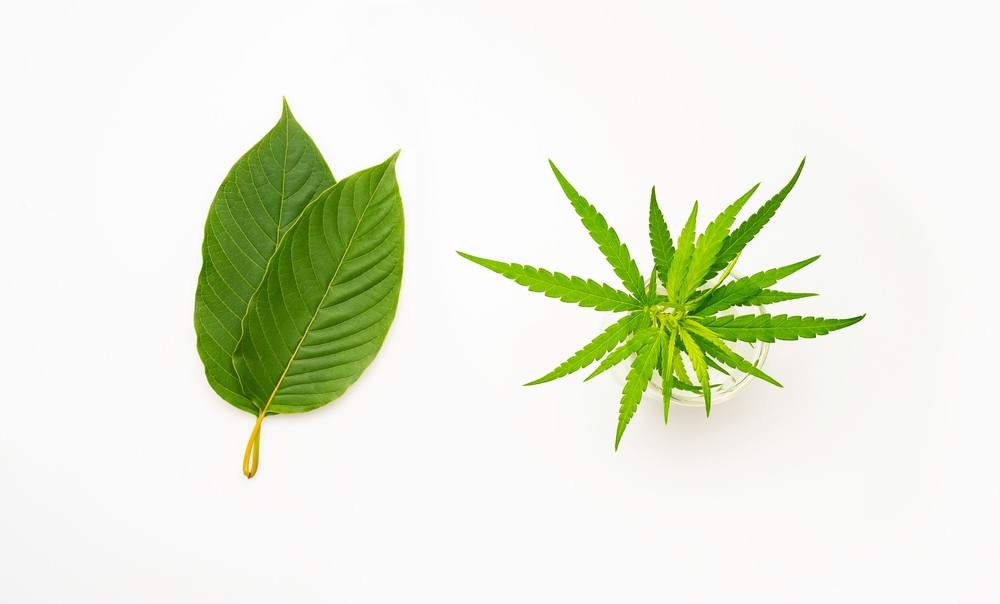
Kratom vs. CBC: How Do They Measure Up Against One Another?
The modern wellness market is currently bursting with unique plant-derived options, leaving many folks curious about which botanical path fits their daily routine best. As natural alternatives gain traction, two names often spark curiosity for their distinct ways of supporting our daily physical harmony and mental clarity. While one comes from an ancient tree native to the tropical forests of Southeast Asia, the other is a subtle powerhouse hidden within the hemp plant that thrives on teamwork. Looking into how these options function provides a clear window into how nature can enhance our lifestyle.
Contender #1: Kratom
Kratom refers to the dried, crushed, or ground leaves harvested from the Mitragyna speciosa tree, a tropical evergreen native to Southeast Asia. Cultivated for generations in places like Indonesia, Malaysia, and Thailand, this botanical has carved out a substantial presence globally. The leaves of this tree naturally develop specialized compounds called alkaloids, which interact with receptors in our bodies to influence how we feel both physically and mentally. When people consume this herb, the organic compounds interface with pathways that help govern mood, energy levels, and general comfort.
This herbal option presents itself in several unique variations, widely classified by its region of origin and the color of the leaf veins at harvest time. As the leaves progress through their natural growth cycle, the structural veins shift in color from white to green, and finally to red. This visual transformation signals a shift in the internal composition of the plant, indicating which specific alkaloids are most prominent at that exact moment. Consequently, picking a particular vein color helps consumers identify whether a product leans more toward a vibrant, refreshing profile or a deeply relaxing, soothing experience.
Can I Get High off of Kratom?
Kratom can introduce a noticeable shift in your state of mind because its natural alkaloids bind to receptors in the brain that help dictate our perception of comfort and mood. Because of these interactions, higher amounts can create an intoxicating or deeply euphoric sensation. The exact nature of this experience, along with how pronounced it feels, relies heavily on the specific portion size consumed, alongside the chosen strain and vein coloration.
Is Kratom Legal?
On a national scale, Kratom remains completely legal under United States federal law, enjoying a steady position in the open marketplace. Despite this federal status, local jurisdictions retain the authority to implement their own regulations or outright prohibitions. Currently, a handful of states have banned the sale and possession of this botanical outright, including:
- Alabama: Banned since 2016 (classified as a Schedule I controlled substance).
- Arkansas: Banned since 2015 (classified as a Schedule I controlled substance).
- Connecticut: Classified as a Schedule I controlled substance, ban effective March 25, 2026.
- Indiana: Banned under synthetic/controlled substance analogues.
- Louisiana: Total ban took effect on August 1st, 2025.
- Vermont: Banned and classified as a regulated drug.
- Wisconsin: Banned (classified as a Schedule I controlled substance).
- Washington D.C.: Prohibited under local restrictions.
- Tennessee: Banned effective July 1st, 2026, under Matthew Davenport's Law
Additionally, several individual towns, counties, and municipalities have enacted local bans even within states where the herb is perfectly legal under state law. These are local & synthetic bans:
- Massachusetts: While the state has not enacted a total ban, local cities and towns (such as Belchertown, Lowell, Dracut, Chelmsford, and Canton) enforce municipal bans on retail sales. Statewide legislation is pending.
- New York: State lawmakers unanimously passed legislation to prohibit the sale of synthetic, high-potency varieties (7-hydroxymitragynine), awaiting the governor's signature.
- Ohio: Issued an emergency rule temporarily restricting synthetic formulations.
- Other State Restrictions: Over 30 states have enacted the Kratom Consumer Protection Act (KCPA) or similar regulations, which strictly enforce age limits (21+) and ban high-potency lab concentrates.
For this reason, it is always a wise practice to verify your local ordinances and state statutes regularly to stay fully informed of any sudden regulatory adjustments.
Does Kratom Have Benefits?
Because this Southeast Asian botanical is a relatively recent addition to the Western wellness scene, scientific researchers are still conducting early studies to fully document its full range of properties. Even so, standard consumer experiences and preliminary literature suggest that it possesses the capacity to assist with several lifestyle areas:
- Boosting natural daily energy, mental focus, and alertness.
- Encouraging a calm, serene frame of mind.
- Elevating overall mood and emotional wellness.
- Providing a sense of physical comfort and soothing relief.
- Supporting healthy, restful evening relaxation.
Does Kratom Have Side Effects?
Like any potent botanical, this herb can occasionally cause unwanted responses, particularly if someone consumes a larger portion than intended or if their specific body chemistry reacts poorly. Being mindful of serving sizes helps minimize these occurrences. Some common temporary issues include:
- Mild stomach upset or temporary nausea.
- Unintended drowsiness or a heavy sensation.
- Slight physical unsteadiness.
- An elevated heart rate.
- Dry mouth and increased thirst.
- Irritability or brief mental cloudiness.
What Kinds of Kratom Products are There?
Manufacturers have created an expansive selection of Kratom products/delivery methods to fit into a wide array of personal preferences, making it simple to find an ideal match for your routine:
- Kratom Powder: The unaltered, dried leaves crushed into a fine consistency, which can be blended directly into beverages or customized mixtures.
- Liquid Extracts: Highly concentrated fluid solutions designed to deliver a rapid, robust experience in a compact serving size.
- Infused Drinks: Pre-made beverages like teas, flavored sodas, or sparkling waters that incorporate the plant's active elements seamlessly.
- Capsules: Convenient, pre-measured shells filled with powder, perfect for individuals who want a clean method to fit into an existing supplement lineup.
- Edibles: Formats such as gummies that provide a flavorful taste and a slow, sustained release of properties over an extended period.
Contender #2: CBC
Now let's turn our attention to cannabichromene (CBC). Discovered decades ago, CBC is recognized as one of the major phytocannabinoids found within the cannabis sativa plant family, alongside options like CBD, THC, and CBG. While it is incredibly vital to the hemp plant's natural development, it typically appears in relatively low concentrations within the raw plant material. Modern extraction techniques allow processors to isolate this compound, making it accessible for wellness enthusiasts seeking its unique attributes.
Unlike kratom, which relies on completely individual alkaloid pathways, CBC functions entirely within the mammalian endocannabinoid system, or ECS. The ECS is a vast regulatory network spread across the entire body, tasked with maintaining internal balance and harmony across various physiological processes. CBC exhibits a fascinating trait: it does not bind strongly to the primary CB1 receptors in the brain, meaning it operates through distinct cellular channels, such as TRP channels, to encourage comfort and full-body equilibrium.
A vital detail to note regarding CBC is how it appears in consumer products. In the manufacturing world, CBC is virtually always combined with other cannabinoids (such as CBD, CBG, CBN, THC, Delta 8, or THCA) rather than being sold as an isolated compound. This is because CBC functions as a profound amplifier, dramatically elevating the performance of its fellow hemp compounds through a phenomenon known as the entourage effect. By weaving CBC into a broad-spectrum or full-spectrum blend, the overall wellness synergy becomes significantly more effective than any single compound working alone.
Can I Get High off of CBC?
On its own, CBC is entirely non-intoxicating and will not produce a psychoactive high. It will not alter your perception or cause cognitive impairment. However, because CBC is always paired with other hemp elements, the overall psychoactive potential of a product depends entirely on its partner ingredients. If your CBC product is blended with a non-psychoactive element like CBD, you will remain completely clear-headed; if it is formulated alongside THC or Delta 8, you will experience the characteristic intoxicating effects of those specific cannabinoids, though amplified by CBC's presence.
Is CBC Legal?
Thanks to the implementation of the 2018 United States Farm Bill, hemp and all of its natural derivatives are completely legal under federal law, provided the final product contains a Delta-9 THC concentration of no more than 0.3% by dry weight. Because CBC is sourced directly from industrial hemp, it enjoys this broad federal protection across the country.
Even with this federal framework in place, certain states have taken steps to restrict or ban specific hemp-derived cannabinoids, especially those that are psychoactive or altered during processing. While CBC itself is non-psychoactive, it is frequently packaged alongside compounds that face restrictions in specific areas. Always cross-reference your state's current hemp regulations to verify compliance in your local area.
Does CBC Have Benefits?
While extensive clinical trials are ongoing, a growing collection of data highlights CBC's exceptional potential within a daily wellness routine. When integrated into a cannabinoid blend, CBC helps to:
- Brighten and uplift general mood by supporting natural brain chemicals,
- Encourage a deeply soothing sensation throughout physical muscles and joints,
- Foster an overarching feeling of full-body relaxation and ease,
- Optimize the efficiency of companion cannabinoids like CBD or CBG,
- Support healthy skin functions and natural cellular balance,
Does CBC Have Side Effects?
Hemp-derived compounds are widely celebrated for having an excellent safety profile, meaning severe reactions are remarkably rare. Most people tolerate CBC blends beautifully, but minor issues can arise if an individual takes an unusually large portion. These temporary side effects might include:
- A slight feeling of dry mouth or mild thirst.
- Mild sleepiness or a relaxed, heavy feeling.
- Changes in appetite, depending on the companion cannabinoids present.
- A temporary softening of blood pressure.
What Kinds of CBC Product Types are There?
Because CBC is specialized to boost other cannabinoids, you will find it woven into several popular product options on the market:
- Blended Tinctures: Liquid oils meant to be dropped under the tongue, allowing for rapid absorption and long-lasting body harmony.
- Targeted Gummies: Flavorful treats packed with a precise ratio of CBC and other cannabinoids, offering a delicious method for sustained relaxation.
- Vape Cartridges: Pre-filled tanks that combine CBC with psychoactive or non-psychoactive distillates, providing immediate effects within minutes.
- Capsules and Softgels: Pre-measured options that fit cleanly into a morning or evening routine without any lingering hemp flavor.
How Do They Measure Up Side-by-Side?
When deciding how these two contenders measure up against one another, the choice ultimately comes down to your personal wellness goals and how you want your body to interact with botanical elements. Kratom provides a singular, highly focused approach driven by traditional tropical leaves. It acts independently, offering a direct, pronounced shift in energy or relaxation based on your chosen dosage. It is a standalone force that does not require additional botanical helpers to make its presence felt.
CBC, conversely, is the ultimate team player of the hemp world. Because it is always combined with another cannabinoid, it operates as a cooperative amplifier designed to elevate an entire hemp formulation. Rather than overwhelming your receptors with a single potent alkaloid, CBC blends gently mesh with your built-in endocannabinoid system to encourage systemic equilibrium and full-body harmony. If you prefer a distinct, energetic lift or specific traditional soothing, the Southeast Asian leaf stands ready; if you prefer a harmonious, multi-layered approach to daily relaxation, a CBC-infused hemp blend is an exceptional choice.
Choosing Your Path to Botanical Balance
Selecting the ideal addition to your daily regimen depends entirely on whether you favor a singular, robust botanical extract or the cooperative harmony of a blended cannabinoid routine. While the traditional heritage of Southeast Asian leaves offers a direct avenue for personal vitality, the targeted reinforcement of hemp-derived blends invites a comprehensive approach to bodily equilibrium. Recognizing your own lifestyle goals makes it simple to pick the option that aligns beautifully with your personal wellness philosophy. Embracing these natural gifts provides an excellent opportunity to discover how tailored plant properties can elevate your everyday vitality.
Recent Posts
-

What's Going on with Kratom in The Beaver State? Is Kratom Legal in Oregon?
Retail establishments and specialty storefronts across the Pacific Northwest feature an expansive se …Sep 21, 2026 -
A Kratom Usage Question: How Long After Taking Suboxone Can I Take Kratom?
People who use Suboxone may wonder how long they should wait before taking Kratom. The most accurate …Sep 14, 2026 -

What's Going on with Kratom in The Wolverine State? Is Kratom Legal in Michigan?
Specialty storefronts and neighborhood herbal markets across The Great Lakes region showcase a diver …Sep 13, 2026