
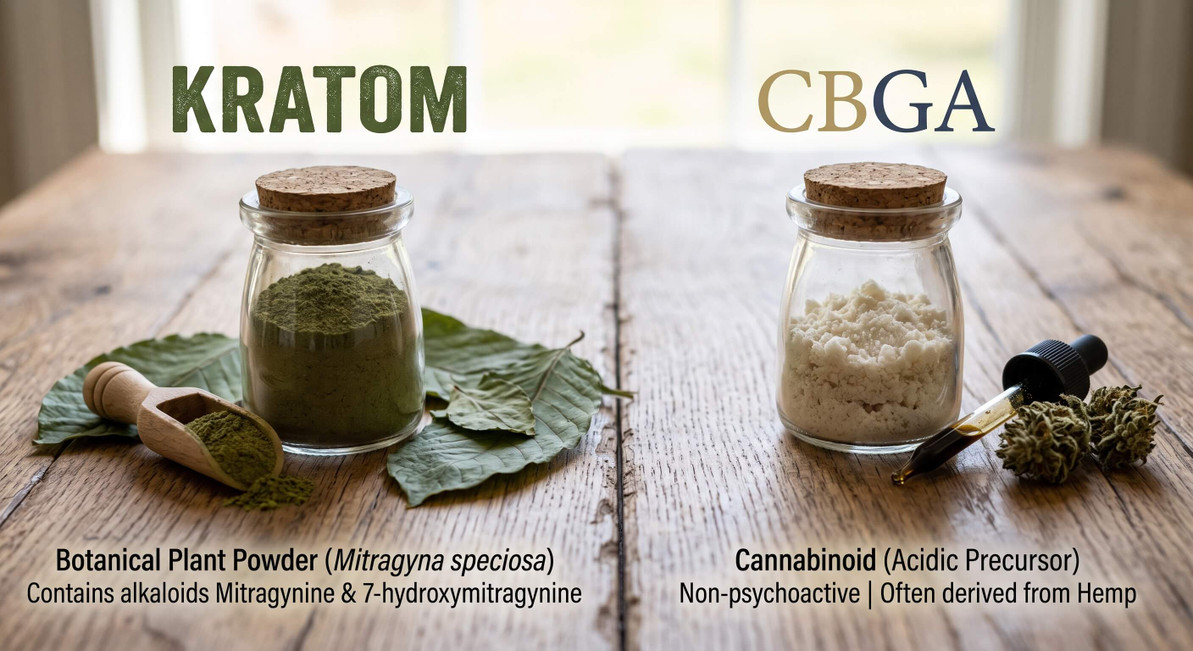
Kratom vs. CBGA: How Do They Measure Up Against One Another?
The modern search for plant-based wellness solutions has introduced a diverse spectrum of botanical options to store shelves and digital catalogs. Among the intriguing herbs capturing popular interest, Southeast Asian kratom and hemp-derived CBGA represent two distinct avenues for personal vitality and daily balance. While both plants provide unique ways to elevate your everyday lifestyle, their origins, active compounds, and bodily interactions could hardly be more varied. One option stems from the lush tropical forests of the Pacific rim, while the other emerges from the raw biochemical foundation of the hemp plant. Comparing these remarkable natural solutions reveals how their individual profiles deliver distinctive experiences for anyone looking to refine their personal wellness routine.
Contender #1: Kratom
Kratom comes from the leaves of Mitragyna speciosa, an evergreen tree belonging to the Rubiaceae family, which also includes the common coffee tree. Native to the rich, tropical soils of Southeast Asian nations such as Thailand, Indonesia, Malaysia, and Papua New Guinea, this botanical has been utilized by indigenous farmers and rural laborers for generations. The power of the leaf resides within its rich complex of natural alkaloids, most notably Mitragynine and 7-Hydroxymitragynine. When absorbed by the body, these active alkaloids interact with specialized sensory receptors across the central nervous system—helping to shape overall mood, physical comfort, and stamina.
Botanical harvesters typically categorize kratom by the coloration of the leaf veins at the time of harvesting, as well as the regional origin of the tree. As the foliage matures under tropical sunlight, the veins transition through white, green, and red phases. White vein varieties are harvested early in the plant cycle and are celebrated for providing an energetic, uplifting daytime lift. Green vein selections represent mid-maturity leaves that provide a harmonious middle state between physical ease and clear mental alertness. Meanwhile, mature red vein leaves undergo extensive outdoor drying and curing, producing a soothing profile that encourages deep bodily comfort and evening relaxation.
Can I Get High off of Kratom?
Kratom possesses the capacity to produce a noticeable shift in physical and mental sensations, though the nature of the experience depends largely on the serving size and vein selection. At modest servings, the alkaloids deliver a mild boost in alertness, social confidence, and physical stamina. When consumed in significantly larger amounts, the botanical transitions into a heavier state characterized by deep muscular ease and peaceful sensations. While this robust physical comfort can feel pronounced, it does not produce the disorienting sensory distortions typical of conventional intoxicating substances. Instead, it provides a smooth, centering wave of comfort that lets your thoughts remain organized and aware.
Is Kratom Legal?
At the United States federal level, kratom remains an unregulated herbal commodity and is legal to buy, sell, and possess. However, the regulatory landscape across individual state lines is far more nuanced, with several states enacting outright prohibitions. States that have banned the sale and possession of kratom include Alabama, Arkansas, Indiana, Rhode Island, Vermont, and Wisconsin. Additionally, certain counties and municipalities within otherwise legal states have instituted local retail bans. Because state legislatures and local city councils regularly review botanical regulations, checking local statutes before placing an order is always a prudent practice.
Does Kratom Have Benefits?
Thanks to a long history of cultural usage alongside expanding modern research, the unique attributes of this Southeast Asian leaf are becoming clearer. When integrated mindfully into a daily wellness schedule, quality kratom products have the potential to:
- Enhance natural energy, daytime focus, and physical endurance during demanding routines.
- Elevate your daily mood and encourage a bright, cheerful outlook.
- Provide soothing physical comfort to tired, overworked muscles and joints.
- Facilitate smooth social engagement and conversational ease in group settings.
- Promote a tranquil, peaceful transition into nighttime rest when enjoyed in the evening.
Does Kratom Have Side Effects?
Like any potent botanical, kratom should be approached with moderation and respect for individual tolerance. Consuming excessive serving sizes or choosing products that are too strong for your baseline can lead to temporary, unwanted reactions. Common mild side effects include digestive sensitivity, dry mouth, temporary dizziness, minor lethargy, or brief sensations of nausea. These reactions are generally temporary and subside as the plant alkaloids work their way through your system. Starting with small, measured servings and maintaining proper hydration helps support a smooth, pleasant experience.
What Kinds of Kratom Products are There?
The modern Kratom marketplace offers a wide variety of formats designed to suit every lifestyle preference:
- Kratom Powder: The traditional form created by drying and finely pulverizing the raw foliage, easily stirred into warm tea, juice, or citrus drinks.
- Kratom Liquid Extracts: Highly concentrated botanical liquids packaged in compact bottles for swift absorption and robust, fast-acting physical comfort.
- Kratom Bottled Drinks: Refreshing, ready-to-consume beverages and sparkling waters infused with water-soluble alkaloids for a convenient, flavorful sip.
- Kratom Teas: Whole or crushed leaves packaged inside brewing pouches, providing an aromatic, time-tested method to extract active phytochemicals in hot water.
- Kratom Gummies: Pre-measured chewable sweets that disguise the raw, earthy taste of the leaf while providing sustained comfort that unfolds gradually.
- Kratom Capsules: Standardized gelatin or vegetable capsules filled with dried leaf powder, making them ideal for an orderly, flavor-free daily supplement routine.
Contender #2: CBGA
Cannabigerolic Acid (CBGA) holds a prestigious title in plant science as the foundational "mother cannabinoid". Synthesized naturally within the glandular trichomes of living hemp plants (Cannabis sativa L.), CBGA serves as the fundamental biochemical building block for the entire cannabinoid family. During early plant maturation, specialized plant enzymes convert CBGA into raw acidic compounds like THCA, CBDA, and CBCA. If the hemp crop is harvested early or specifically bred to preserve its raw acid content, this delicate compound can be captured before it undergoes thermal conversion or natural degradation.
Unlike decarboxylated cannabinoids that have been exposed to high heat, CBGA retains its unique carboxylic acid chain, giving it a distinctive shape and biological profile. This raw molecular structure allows CBGA to interact with non-cannabinoid biological pathways, such as peroxisome proliferator-activated receptors (PPARs) and lipid-signaling pathways throughout the human body. By engaging these cellular receptors, CBGA supports foundational internal balance, metabolic wellness, and overall physiological equilibrium without altering mental acuity. For wellness enthusiasts seeking unheated, whole-plant botanical synergy, this foundational hemp compound represents an exciting frontier in modern cannabinoid science.
Can I Get High off of CBGA?
CBGA is entirely non-intoxicating and will not produce any form of psychoactive high. Because its raw, acidic molecular structure does not bind directly to the brain's CB1 cannabinoid receptors in an intoxicating manner, it leaves your mind completely clear, sharp, and focused. Whether you consume a modest serving in the morning or a higher concentration throughout the afternoon, your cognitive faculties and motor skills remain undisturbed. The sensory experience is best described as a clean, steady wave of physical ease and mental clarity that fits seamlessly into a productive work schedule.
Is CBGA Legal?
Under the federal 2018 United States Farm Bill, all hemp-derived cannabinoids, isomers, and extracts are fully legal across the nation, provided they contain no more than 0.3% Delta-9 THC on a dry weight basis. Because CBGA is a naturally occurring, non-psychoactive hemp component that complies with these strict THC thresholds, it enjoys broad legal status in all fifty states. Consumers can freely purchase CBGA products through online wellness boutiques, specialized hemp shops, and health food stores without requiring medical prescriptions or special permits. Selecting reputable manufacturers who publish independent, third-party certificates of analysis is always recommended to verify purity, potency, and legal compliance.
Does CBGA Have Benefits?
Scientific interest in raw acidic cannabinoids has expanded rapidly, highlighting the valuable role CBGA plays in supporting whole-body wellness. Incorporating this foundational compound into your daily routine can:
- Support cellular balance and general physiological harmony throughout the body.
- Provide soothing comfort to tired muscles and joints following athletic exertion.
- Foster clear-headed mental focus and daytime cognitive vitality.
- Encourage balanced metabolic function and support a healthy appetite.
- Complement the body's natural defense systems to sustain daily vitality.
Does CBGA Have Side Effects?
CBGA exhibits a remarkably gentle safety profile and is well-tolerated by the vast majority of consumers. Because it is non-toxic and non-intoxicating, significant adverse reactions are exceptionally rare, even when consumed in generous quantities. Minor, infrequent side effects may include subtle dry mouth, mild changes in digestive comfort, or temporary drowsiness if combined with other calming herbs. These gentle reactions typically dissipate quickly as the compound naturally clears your system. Starting with a conservative serving size allows you to evaluate your body's personal response and tailor your intake accordingly.
What Kinds of CBGA Products are There?
While raw cannabinoids require specialized extraction methods to avoid heat degradation, manufacturers have crafted several convenient CBGA product options:
- CBGA Tinctures: Pure liquid extracts blended with nourishing organic carrier oils like MCT coconut oil, taken sublingually beneath the tongue for swift, efficient absorption.
- CBGA Gummies: Delicious, fruit-infused chewables that deliver precise, pre-measured servings of raw cannabinoids in a portable, flavorful treat that unfolds smoothly over several hours.
- CBGA Capsules: Standardized softgels or vegetable-based capsules containing raw extract, offering an easy, flavorless way to incorporate foundational cannabinoids into an orderly morning vitamin regimen.
- CBGA Isolate Powder: A refined, crystalline powder containing purified CBGA in its purest form, perfect for blending into morning smoothies, cold beverages, or custom wellness concoctions without any heat exposure.
Choosing Your Optimal Botanical Companion
Choosing between Southeast Asian kratom and raw hemp CBGA comes down to whether you desire immediate, experiential comfort or foundational daily balance. Traditional kratom leaves excel at delivering noticeable daytime vitality or deep evening physical relaxation through its dynamic spectrum of natural alkaloids. In contrast, CBGA operates as an unheated botanical anchor, nurturing internal harmony, cellular wellness, and clear mental focus without any intoxicating shifts. Exploring these exceptional plant extracts gives you the freedom to customize your personal wellness regimen with confidence, bringing time-tested botanical solutions directly into your everyday life.
Recent Posts
-
Kratom vs. CBGA: How Do They Measure Up Against One Another?
The modern search for plant-based wellness solutions has introduced a diverse spectrum of botanical …Sep 23, 2026 -
Inside the Gel Cap: How Much Kratom is in 1 Capsule?
Holding a pre-filled Kratom capsule between your fingers gives the impression of a perfectly measure …Sep 22, 2026 -

What's Going on with Kratom in The Beaver State? Is Kratom Legal in Oregon?
Retail establishments and specialty storefronts across the Pacific Northwest feature an expansive se …Sep 21, 2026