
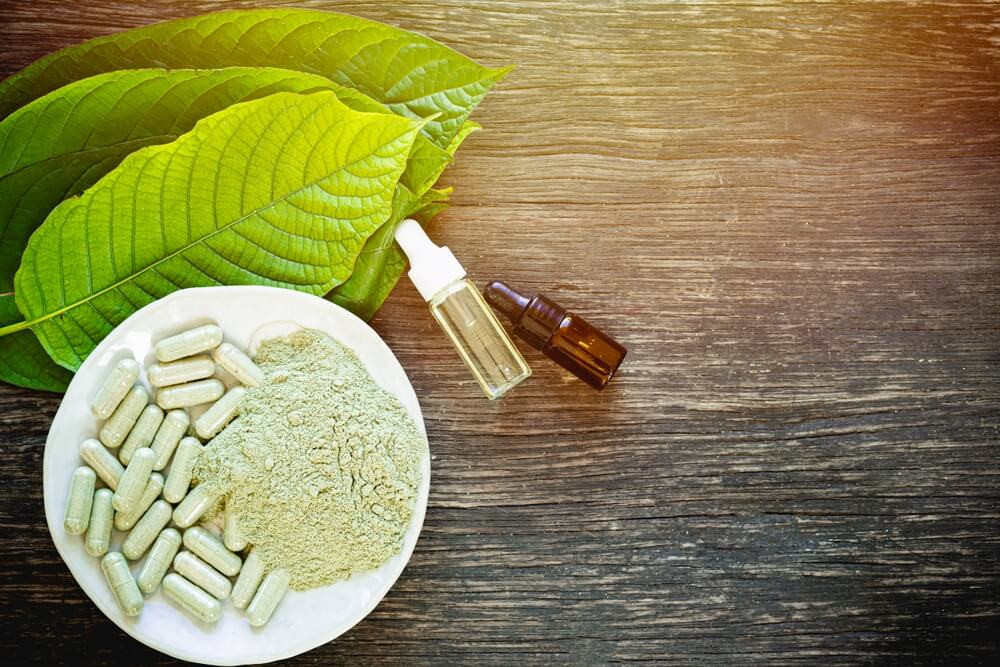
Making a Mitragyna Speciosa Choice: Kratom Extract vs. Powder
Whether you’re browsing a brightly lit storefront in the city or scrolling through a specialized digital marketplace from your couch, the sheer variety of botanical options can feel slightly overwhelming. You might find yourself comparing a tiny, concentrated vial to a large bag of raw green leaf, trying to determine which one actually fits into the rhythm of your daily life. Hence, the “Kratom extract vs. powder” decision often comes down to a choice between the time-tested tradition of raw materials and the modern efficiency of refined concentrates. And so, making the right selection requires a look at how you prefer to interact with the plant and what kind of ritual you want to build around it.
Some Quick Insights into Kratom
Biologically speaking, Kratom’s a member of the Rubiaceae family, which makes it a distant cousin to the common coffee plant that many people enjoy every morning. These trees can grow to impressive heights, sometimes reaching over eighty feet, with broad, glossy leaves that capture the intense sunlight of the equatorial sun. The most distinctive feature of the leaf is the color of the veins that run through it, which typically appear in shades of red, green, or white. These vein colors are not just visual markers; they indicate the specific stage of maturity the leaf has reached, and the unique profile of alkaloids contained within. Collectors and cultivators pay close attention to these colors because they signify the diverse qualities that the finished product will possess once it reaches the consumer. The presence of Mitragynine and 7-hydroxymitragynine, the two primary alkaloids, varies depending on the tree’s age and the specific region where it was grown. Because of this biological complexity, no two harvests are ever exactly the same, providing a varied experience for those who appreciate the nuances of the plant.
Once the leaves are harvested, they undergo a rigorous drying process that is perhaps the most critical step in determining the final character of the botanical. Depending on the desired result, farmers may dry the leaves indoors in darkened rooms, outdoors under direct sunlight, or even inside specialized fermentation bags. This exposure to light and air triggers a transformation in the leaves, altering the alkaloid concentrations and shifting the color from a bright, grassy green to deeper, darker tones. For example, some varieties are left to dry for longer periods to encourage a more robust profile, while others are processed quickly to maintain a vibrant, fresh aroma. This careful manipulation of the drying environment is a skill passed down through generations, requiring a keen eye for detail and a deep grasp of how moisture levels affect the organic material. If the leaves are dried too quickly, they might lose their potency; if they are dried too slowly in high humidity, they risk becoming unusable. This delicate balance is what separates a premium botanical product from a generic one found on a bargain shelf.
In recent years, the transition of this plant from a local Southeast Asian tradition to a global phenomenon has spurred a massive increase in consumer education and product transparency. Enthusiasts are no longer content with just knowing the name of a strain; they want to see laboratory results and know the exact origin of the leaves they are purchasing. This shift toward a more professional and transparent industry has led to the creation of advocacy groups that work to establish high standards for safety and quality control. Vendors who are committed to the longevity of the industry often participate in third-party testing to verify that their products are free from contaminants and accurately labeled. This level of scrutiny helps to build trust between the supplier and the consumer, ensuring that the botanical experience remains consistent and reliable. As the community continues to grow, the focus remains on the plant’s natural properties and the traditional methods that have made it a staple in its home countries for centuries. This ongoing dialogue between tradition and modern standards is what makes the study of this botanical so engaging for people from all walks of life.
The Botanical Matchup: Kratom Extract vs. Powder
Selecting the right format for your routine is less about finding a "winner" and more about identifying which version aligns with your daily habits. Some people prefer the slow, methodical process of measuring out raw materials, while others need a more streamlined and efficient approach. Both the concentrated extracts and the traditional powders offer distinct advantages that cater to varied preferences. By comparing these two contenders side-by-side, we can see how the manufacturing process changes the way the plant interacts with your senses. Matter of fact, this “Kratom extract vs. powder” breakdown will help you determine if you value the raw, full-spectrum nature of the leaf or the refined potency of a concentrate.
Contender #1: Kratom Extract
A Kratom extract is fundamentally a more concentrated version of the plant, created by isolating and intensifying the alkaloids found within the raw leaves. To produce an extract, manufacturers take a large volume of leaf material and subject it to a series of boiling and straining steps, often using water or food-grade solvents to draw out the active components. As the liquid evaporates, it leaves behind a thick, dark resin or a highly potent powder that is much stronger than the original starting material. This process is similar to how a person might reduce a soup to make a thick sauce, focusing all the flavor and characteristics into a much smaller serving. Because of this high concentration, extracts are typically measured in much smaller quantities than their powder counterparts. This makes them a popular choice for those who have been using botanicals for a long time and require a more robust profile to meet their needs.
There are several varied forms of extracts available on the market today, ranging from liquid tinctures and shots to enhanced powders and solid resins. Liquid extracts are often the most convenient, as they come in small bottles with droppers that allow for precise measurements and quick consumption. Some manufacturers also offer "enhanced" powders, which are created by taking traditional leaf powder and mixing it with a certain percentage of pure extract to boost its profile. The visual appearance of these products is often a telltale sign of their concentration; while raw powder is usually a dull green or brownish color, extracts can appear almost black or a shimmering amber. The aroma’s also much more intense, often carrying a sharp, bittersweet scent that reflects the high density of alkaloids. This diversity in form allows users to pick an extract that fits into a specific window of time, whether they are at home or on the move.
The lifestyle fit for an extract user usually involves a need for portability and a desire to avoid the bulk associated with raw plant material. If finding yourself traveling frequently or having a busy workday where you cannot easily mix a drink, a small vial of liquid extract can be a lifesaver. It eliminates the need for scales, spoons, and large containers of water, providing a discrete and fast way to enjoy the botanical. However, because of the potency involved, it requires a higher level of responsibility and a more cautious approach to serving sizes. It is not generally the starting point for someone who is brand new to the world of botanicals, as the intensity might be a bit much for a beginner. Instead, it serves as a specialized tool for those who have a deep familiarity with the plant and know exactly how their body responds to concentrated alkaloids.
Pros & Cons
Before making a final decision on extracts, it is helpful to weigh the practical benefits against the potential drawbacks of such a concentrated format. These points reflect the feedback of many long-term users who have integrated concentrates into their regular schedules.
Pros:
- High Potency in Small Volumes: The most obvious benefit is that you only need a tiny amount to achieve the desired effect, which reduces the amount of material you have to ingest.
- Ultimate Portability: Small bottles or vials fit easily into a pocket or a small bag, making it the most travel-friendly option for those with active lifestyles.
- Faster Onset: Because the alkaloids are already isolated and often in liquid form, the body can process them much more quickly than it can break down raw plant fibers.
- Cleanliness: Using an extract avoids the mess often associated with loose green powder, which can easily spill and stain clothing or furniture.
- Consistency: High-quality extracts are often standardized, meaning you get a very specific and predictable amount of alkaloids in every single drop or milligram.
Cons:
- Higher Price Point: The intensive manufacturing process and the large amount of raw leaf required to make a small amount of extract result in a higher cost for the consumer.
- Rapid Tolerance Build-Up: Due to the concentrated nature of the product, using extracts exclusively can lead to a quicker increase in your personal tolerance levels.
Contender #2: Kratom Powder
Kratom powder is the traditional, time-honored way to consume this botanical, consisting simply of dried leaves that have been ground into a fine, flour-like consistency. This format is as close to the natural state of the plant as you can get without actually chewing on a fresh leaf in the middle of an Indonesian forest. When using powder, you’re consuming the entire leaf, which means you get the "full spectrum" of alkaloids, flavonoids, and plant fibers. Many enthusiasts believe that this whole-plant approach provides a more balanced and nuanced experience because all the organic components work together in their natural ratios. The powder is incredibly versatile, serving as the base for teas, capsules, or the popular "toss and wash" method used by many veterans. Because it is the most common form of the plant, it is also the most affordable and widely available version on the market.
The texture of the powder can vary depending on the milling process used by the vendor, with some offering a coarse grind and others providing a "micronized" or nano-powder. A finer grind is generally preferred because it mixes more easily into liquids and has a smoother mouthfeel, though it can be more prone to becoming airborne if you aren't careful. The color of the powder is often a vibrant indicator of its freshness and the drying method used, with bright greens often coming from indoor-dried leaves and darker reds coming from sun-dried or fermented batches. When opening a bag of high-quality powder then, you should be greeted by a fresh, earthy aroma that smells somewhat like a mix of green tea and forest floor. This sensory connection to the raw material is part of the appeal for many users, as it feels more grounded and authentic than a refined liquid. The ritual of measuring out a serving and preparing a drink can also be a calming part of the day, allowing for a moment of mindfulness.
Customization is the biggest selling point for the powder format, as it allows users to blend various strains together to create a personalized profile. You might mix a bit of a White Vein powder with a Green Vein to find a balance that works perfectly for your afternoon routine. This level of control is harder to achieve with extracts, which’re usually sold as a finished, singular product. Furthermore, the slow digestion of the plant fibers means that the experience of the powder often feels more gradual and sustained over a longer period. For those who enjoy the process of trial and error and like to experiment with different preparation techniques, the powder offers an endless array of possibilities. It remains the backbone of the botanical community, serving as the standard by which all other formats are measured.
Pros & Cons
While powder is the most popular choice, it comes with its own set of logistical challenges that every user should be aware of before stocking up. Understanding these trade-offs will help you prepare your kitchen and your schedule for the integration of raw leaf material.
Pros:
- Extremely Cost-Effective: On a gram-for-gram basis, raw powder is significantly cheaper than extracts, making it the best choice for those on a budget.
- Full Spectrum Profile: By consuming the entire leaf, you benefit from the complete range of natural compounds exactly as they exist in nature.
- Unmatched Versatility: You can use powder to make tea, bake it into foods, put it into capsules, or mix it into a wide variety of beverages.
- Easier Serving Control: With a digital scale, you can adjust your serving size by tiny increments, allowing for a very precise and customized experience.
- Wider Selection of Strains: There are hundreds of distinct regional strains available in powder form, whereas extracts are often limited to a few general categories.
Cons:
- Acquired Taste: The raw, bitter flavor of the leaf can be quite strong and unpleasant for some people, requiring them to find creative ways to mask the taste.
- Messy Preparation: Handling fine green powder can lead to dust on your counters and green stains on your favorite shirts if you have a clumsy moment.
What Else Should You Know About Taking Either Kratom Extract or Kratom Powder?
Regardless of which format you eventually choose, there are several universal principles that apply to the responsible use of these botanicals. Proper storage, sourcing, and serving sizes are the three pillars that will determine the quality of your long-term relationship with the plant. Taking the time to educate yourself on these logistical details will help you avoid common pitfalls and maintain the integrity of your products. Here is a breakdown of the additional factors you should keep in mind as you begin your botanical collection:
- Prioritize Third-Party Lab Testing: Never purchase a product from a vendor who cannot provide updated certificates of analysis for their batches. These tests confirm that the material is free from heavy metals, mold, and harmful bacteria, while also verifying the alkaloid content. A reputable vendor will be proud to show you their lab results and will often include a QR code on the packaging for easy access.
- The "Less is More" Philosophy: Whether you are using a potent extract or a standard powder, it is always best to start with the smallest possible serving size and slowly move up. This allows you to find your "sweet spot" without overwhelming your system or unnecessarily increasing your tolerance. Many users find that they actually get better results from smaller amounts than they do from large, heavy servings.
- Storage Matters More Than You Think: Light, heat, and moisture are the enemies of botanical freshness, as they can cause the alkaloids to break down and lose their potency. Store your powder or extracts in an airtight container, preferably in a dark cupboard or drawer away from any heat sources like the stove or dishwasher. If you buy in bulk, consider using vacuum-sealed bags for long-term storage to keep the air out.
- Hydration is Your Best Friend: Because the plant material is quite fibrous and can be dehydrating, it is vital to increase your water intake throughout the day. Drinking a full glass of water with every serving will help your body process the material more efficiently and keep you feeling your best. Many enthusiasts keep a dedicated water bottle with them to ensure they stay on top of their hydration goals.
- Respect the Legality and Regulations: Botanical laws are constantly shifting, and what’s legal in one state or city might be restricted in another. Always stay updated on the local regulations in your area and the places you plan to travel to avoid any legal complications. Supporting vendors who follow the Kratom Consumer Protection Act (KCPA) guidelines is a great way to ensure you are buying from those who care about the future of the industry.
- Rotate Your Strains Frequently: To prevent your body from becoming too accustomed to a specific alkaloid profile, it is a good idea to rotate between different vein colors and regions. If you use a Green Vein on Monday, consider switching to a Red Vein or White Vein on Tuesday. This variety keeps the experience fresh and helps you maintain a lower tolerance over time.
- The Importance of a Scale: While many people try to eye-ball their servings using measuring spoons, the density of powder can vary wildly between strains. A small digital scale that measures to the 0.1-gram level is an inexpensive investment that provides the accuracy needed for a consistent routine. This is especially important when dealing with extracts, where a tiny difference in weight can mean a huge difference in potency.
Cultivating Your Personal Botanical Standard on the “Kratom Extract vs. Powder” Debate
Finding the right balance between the raw tradition of leaf powder and the streamlined efficiency of modern extracts is a personal process that evolves as you gain more experience. Instead of viewing these two formats as opposing choices, think of them as complementary tools that serve different purposes depending on the demands of your day. By respecting the plant's origins and maintaining a high standard for the products you bring into your home, you create a sustainable and enjoyable routine. The real magic lies in the ability to tailor this ancient Southeast Asian botanical to fit the unique rhythm of your modern life.
Recent Posts
-

2026 Cannabinoid Matchup: THCA vs. CBC
Building a well-rounded hemp collection in today’s times has evolved into a personalized craft tailo …Sep 24, 2026 -
Kratom vs. CBGA: How Do They Measure Up Against One Another?
The modern search for plant-based wellness solutions has introduced a diverse spectrum of botanical …Sep 23, 2026 -
Inside the Gel Cap: How Much Kratom is in 1 Capsule?
Holding a pre-filled Kratom capsule between your fingers gives the impression of a perfectly measure …Sep 22, 2026