
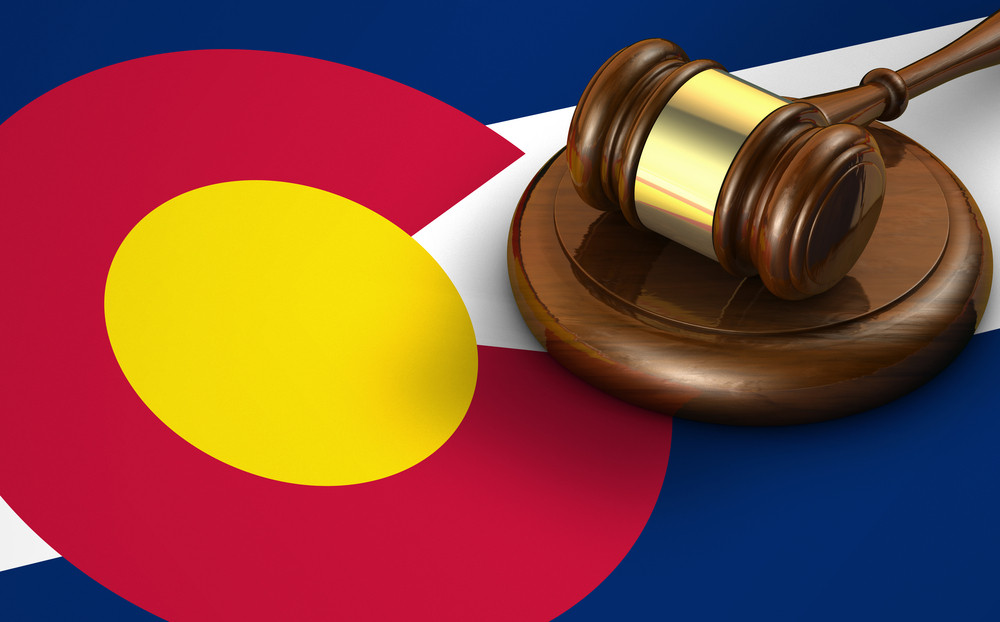
What’s Going on with THCA in The Centennial State? Is THCA Legal in Colorado?
Colorado earned its reputation as a trailblazer when it became one of the first states to open a regulated adult-use cannabis market more than a decade ago. Today, the local landscape faces a complex regulatory conversation surrounding a single, unheated cannabinoid known as THCA. While federal policy opened a massive national market for hemp-derived options, the authorities in Denver chose to implement a much stricter approach within state borders. Local boutique retailers and consumers alike are trying to make sense of a legal framework that treats raw cannabis flower and finished retail products with completely separate sets of rules. Today, we’ll be separating retail reality from industry rumor to reveal exactly where this sought-after compound stands in The Centennial State. That’s the only way to answer the question of “is THCA legal in Colorado?”.
The Molecular Blueprint: Heat and Activation
To make full sense of the local legal structure, one must first explore the underlying science of the plant itself. In its raw, growing state, the cannabis plant does not naturally produce Delta-9 THC in high quantities. Instead, it synthesizes raw cannabinoid acids, with THCA being the most prominent compound found in traditional harvested material. In this raw state, the acid molecule possesses a distinct crystalline structure that does not bind to the body's internal receptors in a way that causes intoxicating effects. It remains a non-psychoactive component until a specific environmental catalyst triggers a structural change.
That catalyst is heat, a process chemically recognized as decarboxylation. When a consumer applies a flame, vaporization heat, or oven temperatures to raw material, the heat removes a carboxyl group from the acid molecule. This chemical shift instantly transforms the raw compound into active Delta-9 THC, unlocking the familiar euphoric properties associated with cannabis consumption. Because raw products can look and smell identical to traditional marijuana while remaining non-activated, it has forced legislators across the country to rethink how they classify the plant. This creates an operational puzzle where a product can sit under one legal definition on a Tuesday afternoon but change its legal identity the moment it is introduced to heat on a Tuesday evening. This chemical reality serves as the foundation for the diverse product types now flooding the market, each interacting with state law based on how it is consumed.
Inhalation and Heat: When Combustion Changes the Rules
The retail market for THCA products extends far beyond simple harvested flower. Manufacturers have developed a sophisticated inventory of inhalable options designed to mimic the traditional dispensary experience while operating under the umbrella of hemp labeling. For these products, the act of consumption inherently triggers the chemical transformation from an inactive acid into an active psychoactive compound.
The Pre-Roll and Blunt Evolution
Pre-rolled joints and blunt wraps stuffed with high-acid hemp flower represent the most direct application of combustion in this retail sector. Producers gather legal hemp biomass that has been specifically bred or treated to maximize acid percentages while keeping active Delta-9 THC below the federal threshold. These items are rolled into paper or tobacco leaves, packaged in child-resistant tubes, and distributed to retail shelves. The moment a consumer lights the tip of a pre-roll or blunt, the open flame induces instantaneous decarboxylation. The smoke pulled through the cylinder delivers a high concentration of activated Delta-9 THC directly to the lungs. Because the physical preparation and consumer use of these products are identical to traditional marijuana, CO law views them with extreme scrutiny. Main street novelty shops cannot legally stock these items, as their chemical potential upon lighting violates the state's unified stance on intoxicating inhalables.
Concentrates and the Extraction World
For consumers seeking greater purity, the extraction market offers high-potency concentrates derived from raw hemp. These products appear in various textures including wax, shatter, live resin, and crystalline isolate. Extraction technicians use specialized chemical solvents or mechanical pressure to separate the cannabinoid-rich trichomes from raw plant material, carefully avoiding heat throughout the cycle to prevent the acid from dropping its carboxyl group. The resulting concentrates boast exceptionally high concentrations of the raw acid, sometimes exceeding ninety percent by volume. However, because concentrates are designed exclusively for vaporization through specialized glass rigs or electronic devices, they are entirely dependent on high temperatures for consumption. When the extract hits a heated surface, it instantly flashes into active THC vapor. Colorado regulators recognized that these concentrates serve as a highly potent delivery system for psychoactive compounds, leading to an outright prohibition of their sale in non-licensed retail environments.
Pre-filled Cartridges and Disposable Vape Hardware
Vaporization technology has streamlined the consumption of raw extracts through the use of pre-filled cartridges and all-in-one disposable vape pens. These devices combine a reservoir of liquified extract with a small, battery-powered heating element or ceramic coil. To maintain the liquid consistency required for a vape pen, manufacturers often mix raw acid isolates with natural botanical terpenes or thinners, creating a product that remains stable on a retail shelf. When a vaper activates the battery, either by pressing a button or drawing through the mouthpiece, the internal coil quickly reaches temperatures necessary to vaporize the liquid. This thermal exposure transforms the raw acid stream into active Delta-9 vapor before it enters the mouth. Because vape hardware provides a highly discrete and portable method for accessing active compounds, Colorado authorities treat these devices as intoxicating products, restricting their distribution strictly to adult-use dispensaries.
The Raw Ingestion Conundrum: Unheated Forms
While inhalable products rely on heat to function, a separate category of products introduces the raw acid directly to the human body without any thermal exposure. These options highlight a vital distinction in cannabis science: if you ingest the raw acid without heating it, the molecule remains fully intact throughout the digestive process.
Gummies and the Edible Regulatory Wall
Gummies and chewable candies infused with raw hemp extracts have become incredibly popular across the country. In these formulations, the manufacturer introduces raw acid crystals directly into the gelatin or pectin mixture during the cooling phase, ensuring the temperature never rises high enough to trigger decarboxylation. When a consumer eats one of these regular confections, the acid molecule passes into the stomach completely unchanged. Because the human digestive tract does not generate the intense heat required to remove the carboxyl group, the compound enters the bloodstream as raw THCA. It interacts with the body as a non-psychoactive nutrient, never producing the characteristic euphoric high associated with standard cannabis edibles. Despite this complete lack of psychoactive effect, Colorado’s Senate Bill 23-271 establishes a rigid regulatory barrier for these items. The state’s mathematical equation combines all forms of THC when calculating retail compliance, meaning a raw gummy is subject to the same strict milligram limitations as an activated edible, effectively preventing high-dose raw options from appearing in mainstream grocery or convenience stores.
Tinctures and Sublingual Applications
Liquid tinctures offer a traditional drop-by-drop method for consuming raw plant compounds. These products feature raw extracts dissolved into a carrier fluid, such as medium-chain triglyceride oil derived from coconuts or high-proof agricultural alcohol. Consumers typically use a dropper to place the liquid under the tongue, allowing the active ingredients to absorb directly through the oral mucosal membranes. Just like edibles, sublingual tinctures do not involve combustion or vaporization, meaning the raw acid entering the body never converts into active Delta-9 THC. The consumer experiences the pure, unadulterated properties of the raw plant acid. However, Colorado’s enforcement agencies demand that these liquid products undergo strict batch analysis. If the total calculated potential of the liquid exceeds state limits, the product faces immediate removal from independent retail spaces, forcing manufacturers to look toward specialized registration pathways to remain compliant.
Topicals and Localized Alternatives
The most specialized segment of the market involves topical formulations such as lotions, balms, salves, and transdermal patches infused with raw extracts. These products are designed for direct application to the skin, targeting localized areas rather than entering the central bloodstream. Because topicals are rubbed into the skin at room temperature, there is absolutely zero risk of thermal conversion occurring during application. Now, while topical creams containing raw plant acids are relatively rare compared to standard CBD salves, they represent a fascinating area of botanical product development. The raw acid remains locked in its initial molecular structure, absorbing into the upper dermal layers without ever migrating to the brain or causing intoxicating outcomes. Colorado law treats cosmetic topicals with a distinct set of standards, yet any product clearly highlighting high cannabinoid concentrations on its main label must still verify its exact source material through rigorous state-approved documentation.
The Statutory Enforcement of Senate Bill 23-271
Faced with this massive variety of product types, Colorado realized that a simple definition based on active Delta-9 THC was insufficient to regulate a mature market. The passage of Senate Bill 23-271 allowed the state to construct a comprehensive barrier against the sale of unregulated intoxicating options, regardless of whether those products require heat to function.
The Math Behind Total Potency Metrics
The true power of Colorado's current enforcement strategy lies in its mandatory mathematical conversion protocol for lab testing. Rather than looking solely at the active Delta-9 percentage listed on a product label, state inspectors require laboratories to calculate the absolute potential of the material using a specific formula. This equation accounts for the structural weight difference that occurs during the decarboxylation process: Total THC = Δ⁹-THC + (0.877 × THCA)
By multiplying the raw acid percentage by a factor of 0.877 and adding it to any existing active Delta-9, the state determines the true potency of the product upon consumption. If this final calculated value exceeds the state's tight restrictions for non-dispensary sales, the item is immediately classified as an intoxicating substance. This uniform math effectively bridges the gap between different product types, ensuring that pre-rolls, vapes, and concentrates are judged by their real-world impact rather than their shelf-stable status.
The Safe Harbor Threshold and Ratio Rules
For finished retail items to legally sit on a standard commercial shelf outside of the dispensary network (and even online companies), they must navigate a strict set of chemical limitations. The basic rule mandates that any non-safe harbor ingestible product contain no more than 1.75 milligrams of total THC per serving, with a strict cap of 5 milligrams per entire package. This metric makes it nearly impossible to sell effective quantities of raw acid flower or high-potency concentrates in independent spaces.
|
Product Category |
Maximum Total THC Per Serving |
Maximum Total THC Per Package |
Required CBD-to-THC Ratio |
|---|---|---|---|
|
Standard Retail Ingestible |
1.75 mg |
5.0 mg |
Minimum 15:1 |
|
Safe Harbor Full-Spectrum |
2.50 mg |
10.0 mg |
Minimum 15:1 |
|
Dispensary Marijuana Item |
Under Adult-Use Caps |
Under Adult-Use Caps |
No Ratio Required |
To provide a very narrow exception for genuine full-spectrum hemp products, the state created a specialized "Safe Harbor" classification. Under this pathway, qualified products can contain up to 2.5 milligrams of total THC per serving and 10 milligrams per package, provided they maintain a strict, certified CBD-to-THC ratio of at least 15:1. This mandatory ratio effectively neutralizes the intoxicating potential of any trace active components, ensuring that any hemp product sold on main street remains centered on non-psychoactive applications.
Storefront Realities vs. Online Sourcing
This aggressive regulatory environment has caused an undeniable division between traditional main street retail shops and the state-licensed adult-use dispensary system. For a standard consumer walking into a local specialty shop or vapor retail outlet, the options for purchasing raw, high-potency options in any form are non-existent. Because inhalable options like pre-rolls and vapes naturally convert into active compounds upon use, and ingestible options like gummies are restricted by strict milligram caps, local shop owners cannot stock them without facing severe operational penalties. This has preserved the economic territory of the state's official dispensaries, which operate under heavy tax codes and tracking software.
Consequently, if an adult resident wishes to purchase high-potency raw options inside state lines, they must do so by entering a licensed marijuana dispensary, presenting valid identification proving they are at least twenty-one years of age, and paying the state's standard retail marijuana excise taxes. This framework treats raw acid products precisely like any other strain of standard marijuana. The strategy protects the state's established licensed operators who paid significant licensing fees to participate in the legal market, preventing out-of-state producers from undercutting local prices via a regulatory shortcut. While this system provides exceptional consumer safety through mandatory state tracking, it has completely changed the economic landscape for small, independent shop owners who originally hoped to capitalize on the national hemp boom.
Looking Toward the Autumn Deadline
The legislative choices made by officials in Denver have taken on an entirely new meaning as the national regulatory landscape shifts closer to Colorado's model. Late last year, federal lawmakers passed a massive appropriations package containing Section 781, a statutory rewrite designed to fundamentally alter how the national government defines industrial hemp. This updated federal rule officially implements a nationwide total THC testing standard, combining both active compounds and their raw acid precursors under the federal definition, with full enforcement scheduled to begin on November 12, 2026. This means that the national loophole that allowed high-acid products to circulate freely through interstate commerce for nearly eight years is rapidly coming to a definitive close.
By moving early to pass Senate Bill 23-271, the state effectively insulated its local market from the sudden operational shocks that many other states are currently experiencing. Local regulators created a stable, predictable commercial environment where the boundaries between agricultural hemp and adult-use marijuana were settled long before the federal government took action. As other states scramble to rewrite their local agricultural codes ahead of the autumn deadline, the local “Colorful Colorado” market stands as a fully operational blueprint for how a state can balance consumer demand with rigid public safety protocols. This early adoption guarantees that local businesses and consumers are already accustomed to a strict total THC marketplace, eliminating the sudden legal chaos currently impacting out-of-state distributors.
A Century of Botanical Adaptation
As the nationwide conversation surrounding the botanical boundaries of cannabis hits a critical turning point, the Rocky Mountain State continues to demonstrate that clear commercial categorization is the path to market stability. By choosing proactive consumer protection and structural integration over outright prohibition, state regulators successfully integrated raw acid compounds directly into an established, transparent adult-use framework. This balanced approach protects both the economic integrity of licensed local small businesses and the safety of consumers who demand verified, accurately labeled products. While the era of open-market loopholes is drawing to an end, the clear path forward lies in acknowledging the true chemical potential of the plant within a fair, modern regulatory system.
Recent Posts
-
A Kratom Usage Question: How Long After Taking Suboxone Can I Take Kratom?
People who use Suboxone may wonder how long they should wait before taking Kratom. The most accurate …Sep 14, 2026 -

What's Going on with Kratom in The Wolverine State? Is Kratom Legal in Michigan?
Specialty storefronts and neighborhood herbal markets across The Great Lakes region showcase a diver …Sep 13, 2026 -

Does Narcan Work on Kratom?
When emergency response tools enter mainstream public awareness, curiosity naturally spreads to how …Sep 10, 2026