
Why is Kava a Potential Alternative to THC?
The shift in how we approach our evening rituals is becoming increasingly apparent as the legal world continues to rewrite the rules for what we can and cannot enjoy. Many people are starting to look past the usual options and are discovering that the Pacific Islands have held a secret for centuries that fits perfectly into a modern, fast-paced life. It isn’t just about finding a replacement for a favorite product, but rather about finding a botanical that offers a sense of connection and presence without the baggage of changing laws. This transition represents a deeper move toward plants that have a long history of social use and a clear, stable path forward in our current market. Making the right choice now is about getting a handle on the roots of these plants and how they can serve your lifestyle in a more reliable way.
Know What Kava and THC are First, Before Getting into Why Kava Could Be the Alternative to THC (Due to the Upcoming Ban)
Before we can dive into why one is becoming a standout choice over the other, we need to take a clear look at the biology and history, and even the product types of both Kava and THC. These two plants interact with the human system in very distinct ways, and having a solid handle on their basics is the only way to see why the market is shifting so drastically right now.
Kava 101
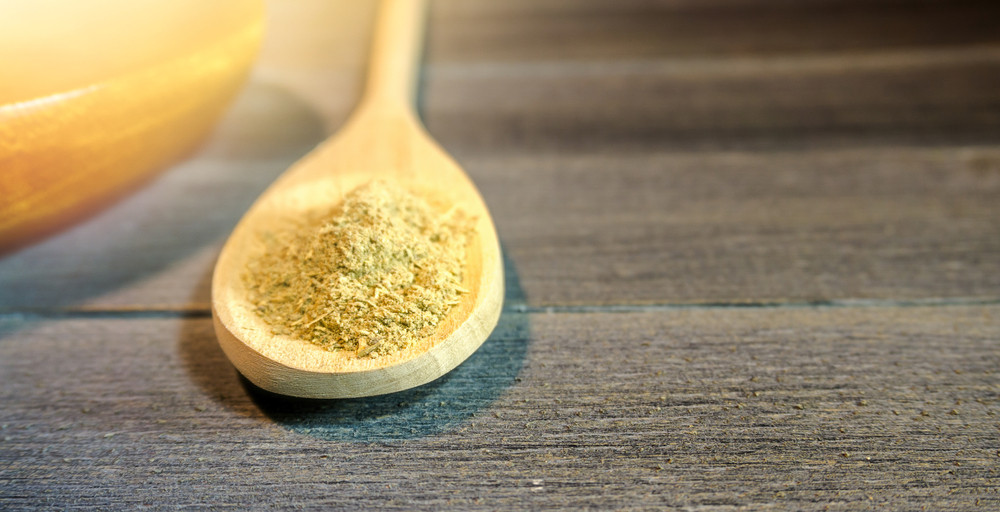
Stepping into the world of Kava is like opening a door to a tradition that has anchored Pacific Island cultures for thousands of years. Known scientifically as Piper methysticum, which translates roughly to "intoxicating pepper", this shrub is a member of the pepper family and thrives in the volcanic soils of the South Pacific. Unlike many other plants that’re grown for their leaves or flowers, the magic of Kava lies entirely within its roots. When these roots are harvested, dried, and prepared into a beverage, they release a group of active compounds known as kavalactones. These compounds are what provide the signature experience that has made the plant a cornerstone of social, political, and religious life in places like Fiji, Vanuatu, and Tonga. As Western consumers start to look for ways to unwind that don't involve the legal complexities of other substances, Kava is emerging as a top-tier botanical choice for the modern age.
Kava’s history is a deep and winding narrative that follows the migration of Polynesian and Melanesian peoples across the vast expanse of the Pacific Ocean. It has served as a bridge between tribes, a way to seal peace treaties, and a central part of welcoming honored guests into a community:
- 3,000 Years Ago: The earliest evidence of Kava use traces back to the migration of people through the islands of Melanesia, where they discovered the plant's unique ability to foster community.
- 1773: Captain James Cook and his crew were among the first Europeans to document a Kava ceremony during their voyages, though they initially struggled to describe the earthy, numbing sensation of the drink.
- Late 19th Century: Western botanists began to categorize the different varieties of the plant, noticing that "noble" strains were far superior for daily use compared to "tudei" varieties.
- 2002: The botanical faced a temporary setback in Europe due to a misunderstanding of how the roots were processed, but these bans were later overturned when the safety of traditional preparations was proven.
- 2021–Present: Kava bars have become a massive trend in the United States, providing a social alternative to traditional bars and creating a new space for botanical enthusiasts to gather.
When beginning to exploring the different types of Kava available in a shop (or online), you will often notice that the color of the powder or the root itself can vary quite a bit. These colors below usually indicate how the root was processed or the specific part of the plant that was used, which can change the flavor and the overall experience:
- Yellow/Beige: The most common color you will find, representing the dried and ground heart of the root, which offers a classic, earthy profile.
- Green: Refers to roots that’re processed while they are still fresh or frozen, preserving a much brighter, "grassy" flavor that many find to be more potent than the dried version.
- Orange/Dark Brown: These varieties, which often come from the lateral roots or from specific strains, have a higher concentration of certain kavalactones, leading to a much more robust and "spicy" character.
Each of these colors brings its own personality to the bowl, allowing you to choose a variety that fits the specific vibe you are looking for that day.
Now, Kava’s effects are often described as a "reverse" experience compared to other botanicals, as it tends to settle the body while keeping the mind remarkably clear. When you take your first sip (or hit), you will likely notice a distinct numbing sensation on your tongue and lips, which is a sign that the kavalactones are active and working. As the experience continues, a sense of heavy relaxation often spreads through the muscles, making it a favorite for those who spend their days on their feet or behind a desk. What makes it truly special is that it doesn't cause the mental fog or the "lost" feeling that people often associate with other evening rituals. You remain fully present, able to hold a deep conversation or focus on a book, all while feeling a sense of quiet contentment and social ease. This unique balance of physical comfort and mental sharpness is why it has been used for centuries to resolve conflicts and bring people together in a spirit of harmony.
From a legal standpoint in the United States, Kava occupies a much more stable position than many of the newer hemp-derived products that’re currently under fire. Kava’s classified as a dietary supplement by the FDA, which means it can be sold and consumed legally in all fifty states, provided that it’s marketed responsibly and doesn't make unproven claims. The industry has worked hard to establish quality standards, focusing on "noble" varieties that have been safely consumed for generations and avoiding the stems or leaves of the plant. While some local jurisdictions might have their own specific rules for Kava bars, the overall federal landscape is one of acceptance and growth. This legal clarity is a breath of fresh air for consumers who are tired of having to check the news every morning to see if their favorite product has been banned. It allows you to build a routine around a plant that has a permanent and respected place in the American botanical market.
As the demand for Kava has surged, the industry has moved far beyond the traditional method of straining root powder through a cloth bag in a communal bowl. While the ritual is still a major part of the draw for many, modern extraction techniques have created a wide variety of Kava formats that fit into a busy, on-the-go lifestyle, such as:
- Powders: You can find traditional medium-grind powder for a slow ritual, or micronized and instant powders that dissolve quickly in any beverage without the need for straining.
- Shots & Beverages: Liquid extracts that’re often flavored to make the experience more enjoyable and provide a quick, portable way to get your serving on the go.
- Capsules: For those who want the benefits without the taste, capsules provide a precise amount of Kava extract in a format that is as easy to take as a daily vitamin.
- Edibles: A tasty way to enjoy Kratom that makes it feel much more like a treat than a botanical supplement, as you can find it in gummies, chocolates, candies, and mints.
- Tinctures: High-potency liquid drops that can be added to water or taken directly under the tongue for a fast-acting effect.
- Disposable Vapes: A new and innovative way to enjoy the botanical, this hardware allows for a quick and convenient experience that’s perfect for those who are already familiar with the vaping lifestyle.
THC 101
To truly appreciate why Kava is being viewed as such a strong alternative, we have to look at the giant in the room, Tetrahydrocannabinol (THC) – the primary compound in the cannabis plant that is responsible for the psychoactive "high" that has made it a household name for decades. It works by mimicking natural chemicals in the body and binding to receptors in the brain that control everything from mood and memory to how we perceive the world around us. For a long time, THC was the only real player in the natural relaxation market, leading to a massive industry built around flower, concentrates, and infused products. However, the intensity of THC and the complex legal web that surrounds it are starting to drive people toward options that feel a bit more manageable and a lot more legal in the eyes of the federal government.
Tetrahydrocannabinol’s discovery was the key that unlocked our current era of cannabinoid science, but the history of the plant itself goes back to the very beginnings of human agriculture. From ancient textiles to traditional rituals, cannabis has been a constant companion to humanity, even if we didn't always have the tools to isolate its most famous chemical component:
- 2737 BC: The legendary Chinese Emperor Shen Nung included cannabis in his official pharmacopeia, noting its use in a variety of traditional herbal preparations.
- 1964: Dr. Raphael Mechoulam successfully isolated and synthesized THC in a lab in Israel, providing the scientific foundation for the modern legal industry.
- 1970: The Controlled Substances Act in the U.S. placed cannabis in the most restricted category, which slowed down research and pushed the plant into the shadows for a generation.
- 1996: California's move to legalize medical use started a wave of state-level changes that eventually led to the widespread recreational market we see in 2026.
- 2018–2026: The Farm Bill created a massive market for hemp-derived THC, but this era is now coming to a close as new federal rules move to ban these intoxicating products.
THC’s effects are often described as a total shift in consciousness, where your perception of time, humor, and even flavor can be radically altered. For many, this brings a sense of euphoria and a deep disconnection from the day's events, which is why it is so popular for winding down or social gatherings. However, this shift can also come with a significant amount of mental fog and a loss of focus, making it difficult to engage in tasks that require a sharp mind. Some people find that the intensity of modern THC products is simply too much, leading to a feeling of being "stuck" or uncomfortably out of sync with their environment. This unpredictability is a major reason why some consumers are looking for a botanical that provides a more "anchored" and clear-headed sense of relaxation. While THC is undeniable in its power, it isn't always the right fit for someone who wants to stay present and active in their own life.
The market for THC has exploded into a dizzying array of products that have made it more accessible than ever before, but this variety is now being threatened by the 2026 Farm Bill updates. From the gas station shelf to the high-end online boutique, you can find THC in almost any format you can imagine, tailored to every possible preference, such as:
- Drinks & Beverages and Shots: These are becoming very popular as a social alternative to alcohol, standard consumer drinks, and energy or nighttime shots, offering a way to enjoy the effects in a familiar liquid format.
- Capsules: A simple and discreet way to get a precise amount of THC without any smoke or smell, making them popular for those who want a pharmaceutical feel.
- Tablets: These are often designed to dissolve slowly or be swallowed, providing a consistent experience that lasts for a long time.
- Edibles: This is the biggest category in the market, as it turns the consumption process into a delicious delight that can be enjoyed anywhere, be it a gummy, baked good, chocolate, candy, mint, or any other snacks.
- Tinctures: Liquid drops that’re simple to use and allow for a lot of control over the exact amount of THC you are putting into your system.
- Topicals: Creams, lotions, balms, salves, gels, etc. that’re applied directly to the skin, allowing the compound to work on a specific area without affecting the whole mind.
- Vapes: A very fast-acting method where the oil is heated and inhaled inside the cartridge or in a disposable vape pen’s tank, making it the top choice for hemp vapers who want results in a matter of minutes.
What the Upcoming THC Ban Means
The hemp industry is currently standing at a massive crossroads as the 2026 Farm Bill moves forward with language that is specifically designed to end the era of "intoxicating hemp". For years, a loophole in the law allowed businesses to sell products like Delta 8 and THCA because they were technically derived from hemp, even though they provided an experience very similar to traditional marijuana. This led to a multi-billion dollar market where you could find these products in almost every town in America, regardless of the local marijuana laws. However, lawmakers have made it clear that this was never the intention of the original 2018 Farm Bill, and they are now moving to shut down this "grey market" once and for all. The new rules are aimed at protecting consumers from unregulated products, but they also mean that a massive variety of popular items are about to become illegal at the federal level.
This upcoming ban is centered around a very strict definition of what qualifies as legal hemp, focusing on the total amount of THC in a product rather than just the Delta 9 variety. The proposed limit is a staggering 0.4 milligrams of total THC per container, which is so low that it would effectively disqualify almost every hemp-derived gummy, vape, and shot currently on the market. In the past, companies could stay legal by keeping Delta 9 levels low while packing the product with other versions of THC, but those days are numbered. This change is going to wipe out the "legal high" industry as we know it, leaving both businesses and consumers scrambling to find a new way forward. For many, this feels like a sudden and harsh return to the days of prohibition, especially in states that don't have their own legal recreational marijuana programs.
The impact of this ban on the average consumer is going to be felt almost immediately as shops begin to clear their shelves to avoid federal trouble. If you have grown accustomed to picking up a pack of hemp-derived gummies at your local shop or ordering them online, you are likely going to find that those options vanish by late 2026. This isn't just a minor change in the rules; it is a total reset of the market that is going to leave a massive void in the lives of people who rely on these products to unwind. This is exactly why so many people are starting to pay more attention to Kava, which operates under a completely different set of rules and isn't being targeted by this new legislation. Consumers are realizing that if they want a reliable and legal botanical routine, they need to look toward plants that have a more stable and accepted place in the eyes of the law.
From an economic perspective, this ban is expected to be a total earthquake for the thousands of small businesses that have built their lives around the hemp industry. Farmers who transitioned to hemp in hopes of a new "green gold" rush are now finding that their crops may be worth far less if they can't be used for intoxicating extracts. Retailers are also in a tough spot, as they have to figure out how to fill the empty space on their shelves with products that won't land them in legal hot water. This atmosphere of uncertainty is driving a massive wave of innovation, as brands look for other botanicals that can provide a satisfying experience without the legal risk. Kava is the primary beneficiary of this shift, as it offers a proven, social, and legal alternative that fits perfectly into the space that THC is about to vacate.
Ultimately, the 2026 Farm Bill is a reminder that the "Wild West" era of hemp-derived cannabinoids was always on borrowed time. While it provided a lot of choice and convenience for a few years, the government has decided that the risk of unregulated intoxicants is simply too high. This move is intended to return hemp to its roots as a crop for industrial uses and non-intoxicating wellness products. For the consumer who still wants a natural way to shift their perspective and enjoy a social evening, the message is clear: it is time to look at other plants that have a deeper history and a more secure legal future. Kava is standing ready to fill that role, providing a rich cultural tradition and a reliable experience that doesn't depend on a legal loophole to exist.
Now That you Know What Kava is, What THC is, and the Upcoming THC Ban, Why is Kava a Potential Alternative to THC Then?
As the legal landscape for hemp-derived products continues to tighten, many people are finding that Kava offers a more grounded and reliable path for their botanical routines. Making the switch isn't just about avoiding a ban; it’s about discovering a plant that provides a unique type of relaxation that fits seamlessly into a productive and social life. Need more convincing? We have got some reasons why this Pacific Island root is becoming the standout alternative for those who are ready to move past the uncertainty of the THC market:
- Legal Stability and Peace of Mind: The most immediate reason to consider Kava as an alternative is the sheer stability of its legal status in the United States. While THC products are constantly caught in a tug-of-war between state and federal lawmakers, Kava has spent decades as a well-established dietary supplement with a clear and accepted presence on the market. You don't have to worry about a sudden "emergency ban" or a new Farm Bill wiping out your favorite variety overnight. This long-term security allows you to build a routine with confidence, knowing that the plant you enjoy today will still be legally available and socially accepted for years to come. In a world of shifting rules, Kava represents a solid and dependable choice for anyone who values a consistent lifestyle.
- Maintaining Full Mental Presence: One of the biggest drawbacks for many people who use THC is the mental fog and the "disconnect" that can make it hard to stay engaged with the world around them. Kava is famous for its ability to provide a deep sense of physical comfort while keeping the mind remarkably sharp and focused. You can enjoy a bowl or a shot of Kava and still be fully capable of having a complex conversation, working on a creative project, or simply being present for your family. It doesn't rob you of your focus or your memory, which makes it a much better "functional" botanical for people who have lives to lead and responsibilities to manage. You get the relaxation you want without the mental tax that often comes with intoxicating substances.
- A Natural Connection to Social Rituals: Kava has been a social lubricant for thousands of years, and this tradition is perfectly suited for the modern "sober curious" movement that is taking over American cities. Unlike THC, which can sometimes lead to a feeling of being "in your own world" or a bit withdrawn, Kava is specifically used to bring people together and encourage open, harmonious conversation. This is why Kava bars have become such a popular alternative to traditional taverns; they provide a space where you can unwind and connect with others without the fogginess of alcohol or the intensity of a high. It’s a botanical that thrives in a group setting, making it the perfect choice for anyone who wants to maintain a vibrant social life while moving away from intoxicants.
- The Unique Phenomenon of Reverse Tolerance: Most people are used to substances where you need more and more over time to get the same effect, but Kava often works in the opposite way. Many users report a "reverse tolerance" where they actually need less of the plant to achieve their desired vibe as their body becomes more familiar with the kavalactones. This means that instead of having to constantly increase your serving and your spending, you may find that your routine becomes more efficient and affordable over time. This unique biological interaction is a huge plus for those who want a sustainable, long-term relationship with a botanical rather than a cycle of increasing needs. It makes the plant a very cost-effective and steady companion for your daily evening ritual.
- A More Predictable and Gentle Curve: THC is known for having a very distinct peak that can sometimes feel a bit overwhelming, especially if the product is more potent than you expected. Kava offers a much smoother and more predictable curve, providing a gentle sense of "settling" that builds slowly and doesn't lead to a sudden, uncomfortable high. This predictability makes it a much safer choice for anyone who has felt "on edge" after using a THC product or who simply wants a more controlled experience. You can find your perfect level of comfort and stay there, without the peaks and valleys that can make other evening rituals feel like a bit of a gamble. It is a reliable way to shift your environment without losing control of the experience.
- Physical Comfort Without Intoxication: For those who spend their days in a high-intensity environment, the heavy physical relaxation of Kava is one of its most prized attributes. It has a way of helping the muscles feel loose and comfortable, making it a favorite for athletes or people who spend long hours on their feet. What makes this special is that this physical "unwinding" happens without the mental intoxication that would normally prevent you from getting things done. You can feel a sense of total physical ease while still being able to drive, work, or engage in your favorite hobbies with total confidence. This makes it a superior "all-day" botanical for those who need a bit of comfort but can't afford to be impaired by a psychoactive substance.
- Complete Discretion and Versatility: While the smell of THC is unmistakable and often carries a certain social weight, Kava is virtually indistinguishable from any other natural supplement or herbal drink. You can enjoy your Kava routine in a park, at a family dinner, or even at the office without drawing any unwanted attention or having to worry about a lingering scent. This freedom allows you to take your routine with you wherever you go, providing a level of discretion that is hard to achieve with vapes or traditional smoke. Whether you prefer a quick capsule, a tasty gummy, or a traditional bowl, you can integrate Kava into your life with complete privacy and social ease. It removes the barrier of having to step away from your life just to enjoy a botanical lift.
- Superior Transparency and Whole-Plant Integrity: The Kratom and THC markets have been flooded with synthetic "conversions" and laboratory-created chemicals, but the Kava industry remains rooted in the natural, whole plant. High-quality "noble" Kava is a product of simple harvesting and drying, preserving the natural balance of kavalactones that have been safely consumed for thousands of years. For the consumer who values an authentic and natural experience, this whole-plant approach is a major draw. You don't have to worry about "mystery oils" or chemical alterations; you are simply enjoying a root that has been prepared with respect for its tradition. This transparency provides a level of trust that is becoming increasingly hard to find in the modern botanical market.
- A Balanced and "Anchored" Sensory Experience: Instead of distorting your perception or making the world feel distant, Kava helps you lean into and enjoy your surroundings with a clear and appreciative mind. It provides a sense of sensory enhancement that feels more anchored and real, allowing you to enjoy a sunset, a movie, or a conversation with a heightened sense of presence. It doesn't create the "haze" that can sometimes make your favorite activities feel like a blur the next morning. By keeping you connected to the present moment, Kava ensures that your relaxation doesn't come at the cost of your awareness. It is a way to make your life feel a bit more vibrant without stepping out of it entirely, providing a sense of harmony that is truly unique.
- Significant Long-Term Economic Value: Because Kava is a well-established global crop with a stable supply chain, it often offers a much better value for the consumer compared to the "premium" price tags of legal THC products. When you factor in the reverse tolerance and the lack of excessive taxes that plague the marijuana and hemp markets, the cost-per-serving of Kava is very competitive. This affordability makes it a sustainable choice for anyone who wants to make a botanical routine a permanent part of their budget without feeling a financial pinch. You get a high-quality, culturally rich experience that fits into a normal person's life, proving that you don't have to spend a fortune to enjoy a natural and effective way to unwind.
Disclaimer: The information shared in this post is presented for educational purposes and should not be viewed as a replacement for professional advice from a healthcare expert. Because every person has a unique relationship with botanical products, it is recommended to consult with your doctor before introducing anything new to your daily ritual. Since the legal landscape for these plants is subject to abrupt shifts, staying informed about your local and state regulations is a necessary part of being a responsible consumer.
A New Chapter for Your Botanical Ritual
Choosing a new path forward doesn't have to be a stressful experience, even when the laws around us are changing so rapidly. By looking at what a plant like Kava has to offer, you’re opening the door to a tradition that is both ancient and perfectly suited for the modern world. This is about taking control of your own routine and finding a botanical partner that is as reliable as it is versatile. As the dust from the 2026 shifts finally begins to settle, those who did their homework and made the pivot early are going to be the ones who feel the most settled and prepared for the future of natural wellness.
Recent Posts
-
Inside the Gel Cap: How Much Kratom is in 1 Capsule?
Holding a pre-filled Kratom capsule between your fingers gives the impression of a perfectly measure …Sep 22, 2026 -

What's Going on with Kratom in The Beaver State? Is Kratom Legal in Oregon?
Retail establishments and specialty storefronts across the Pacific Northwest feature an expansive se …Sep 21, 2026 -

A Kratom Usage Question: How Long After Taking Suboxone Can I Take Kratom?
People who use Suboxone may wonder how long they should wait before taking Kratom. The most accurate …Sep 14, 2026