
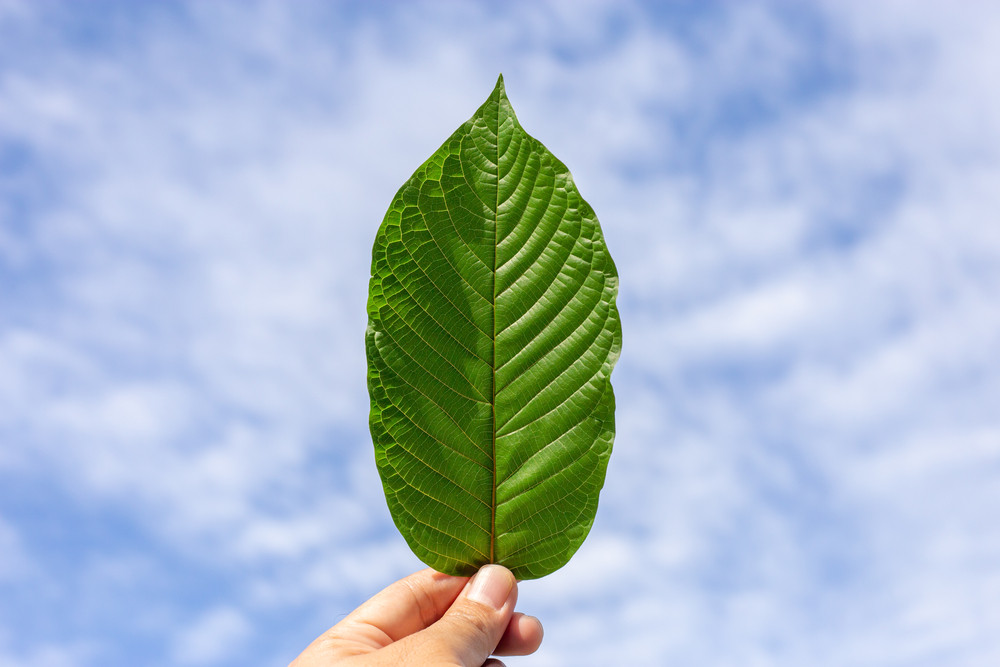
Why is Kratom a Potential Alternative to THC?
The modern botanical world is changing faster than most of us can keep up with, and the latest shifts in the legal landscape are forcing many to rethink their daily rituals. It feels like every time we get comfortable with a routine; a new piece of legislation comes along to shake things up and leave us looking for a new path. This is exactly where the conversation around Kratom and THC starts to get interesting, especially for those who want a natural way to unwind without the legal headache. We are moving into a time where knowing the details of what you’re putting in your body is more than just a hobby; it is a necessity for staying ahead of the curve. This isn’t just about switching one leaf for another, but rather figuring out which botanical partner is gonna stick around when the dust finally settles.
Know What Kratom and THC are First, Before Getting into Why Kratom Could Be the Alternative to THC (Due to the Upcoming Ban)
Understanding both Kratom and THC is essential because they interact with entirely different systems in the body, with THC targeting cannabinoid receptors and Kratom acting primarily on opioid receptors. Not only that, but it’s good to know their history, all the way up to the types of products you can find them in.
Kratom 101
Stepping into the world of Kratom feels a lot like walking into a deep, lush forest that has been kept a secret from the West for far too long. Known in scientific circles as Mitragyna speciosa, this tropical evergreen tree is a close relative of the coffee plant and grows naturally in the humid, iron-rich soils of Southeast Asia. For the people living in places like Indonesia, Thailand, and Malaysia, this plant isn’t a trendy new supplement, but a staple of their local culture and daily labor. The leaves of the tree are the primary focus, as they contain a unique profile of natural compounds that interact with the body in a way that provides a versatile experience. As you start to look closer at what this leaf actually is, you realize that it offers a lot more than a simple botanical lift. It is a complex, hardy plant that has survived through centuries of changing climates and political shifts to become one of the most talked-about herbs in the modern market.
The story of Mitragyna speciosa isn’t some new-age discovery, but a deep-rooted tradition that has been a part of rural life in Southeast Asia for as long as anyone can remember. While the Western world only started paying attention recently, the timeline of this leaf reveals a plant that has been helping people navigate their daily lives for centuries:
- Ancient Traditional Use: For hundreds of years, manual laborers and farmers in Thailand and Malaysia have chewed fresh Kratom leaves to help them get through long, grueling hours under the tropical sun.
- 1839: Dutch botanist Pieter Korthals officially described the plant and gave it the name Mitragyna speciosa, noting the shape of the flower stigmas which reminded him of a bishop’s mitre.
- 1943: Thailand passed the Kratom Act, which was one of the first major legislative attempts to control the plant, largely driven by the government's desire to protect tax revenue from the opium trade.
- Late 20th Century: The plant began to make its way to the United States and Europe, initially gaining a small following among botanical enthusiasts and those looking for natural lifestyle additions.
- 2014-2016: The plant saw a massive explosion in popularity in the United States, leading to the first major push for regulation and the birth of the Kratom Consumer Protection Act.
- 2021-Present: Today, the industry is more professional than ever, with dozens of states passing laws to ensure that every product sold is tested and safe for adult consumption.
When you start shopping for Kratom, the first thing you’ll notice is that the products are categorized by the color of the veins in the leaves. These colors are a result of when the leaf was harvested and how it was dried, which leads to distinct qualities for each variety:
- Red Vein Kratom: These leaves are harvested at peak maturity and often dried under specific light conditions to create a profile that is widely known for being deeply soothing and perfect for the end of a long day.
- White Vein Kratom: Harvested early in the life cycle, these leaves are dried indoors with no light to preserve a profile that is often sought after for its ability to provide a bright, motivating sense of focus.
- Green Vein Kratom: This is often considered the balanced choice, as it is harvested at a middle maturity and offers a blend of the qualities found in both red and white varieties.
- Yellow/Gold Vein Kratom: This variety is created through a specialized, longer drying process or fermentation, resulting in a unique and mellow experience that stands out from the standard primary colors.
Beyond the colors, you’re going to see a lot of names that refer to the specific regions where the trees are grown, and these names help you figure out the character of the leaf. In fact, each of these locations has a slightly different soil composition and climate, which affects how the plant develops its natural strength:
- Bali: Perhaps the most famous name on the list, it originally comes from the island of Bali, but now is often grown in Borneo using traditional Balinese drying techniques.
- Maeng Da: Another big one, which translates to a high-grade selection of leaves that have been carefully handled to provide a very robust and consistent profile.
- Malay: These strains come from Malaysia and are prized for their smooth, long-lasting presence that doesn't feel too heavy.
- Borneo: These strains are harvested from the world's third-largest island and are known for their sturdy, reliable nature.
- Sumatra: Its leaves reflect the wild, volcanic soil of that specific Indonesian island, often resulting in a very raw and punchy botanical experience.
- Thai: Legendary for their history in Thailand and are usually the go-to for anyone looking for a more uplifting and energetic vibe.
Now, the potency and power of any given Kratom batch are not just a matter of luck, but a result of several key factors that happen before the product ever reaches your door. The most important factor is the alkaloid content, specifically Mitragynine and 7-hydroxymitragynine, which’re the natural compounds that do the heavy lifting. The age of the tree and the specific time of year it was harvested play a huge role in how these alkaloids develop, as a tree grown during the rainy season might have a very distinct profile compared to one harvested in the dry months. Processing is another big piece of the puzzle, as the way the leaves are dried and fermented can either lock in these compounds or let them degrade. Lastly, the dosage you choose is the final determining factor, as the plant is unique in that small amounts tend to be more refreshing, while larger amounts lean more into a relaxing and quiet territory.
Kratom’s U.S. legal status is something that every consumer needs to pay attention to, as it is a patchwork of different rules and regulations. At the federal level, the plant remains legal, but the government has been keeping a close eye on it for years, leading the community to push for the Kratom Consumer Protection Act at the state level. This act is a brilliant piece of legislation that requires companies to test for purity, label their products clearly, and prevent sales to anyone under the age of eighteen or twenty-one depending on the state. While it is legal in most of the country, there are a few states and individual counties that have passed their own bans, so it is always a smart move to double-check your local laws. The overall trend is moving toward more transparency and safety, which is a great sign for anyone who wants to make this plant a permanent part of their wellness routine.
As the industry has grown, the ways you can use/consumer Kratom have expanded far beyond the traditional method of just chewing on raw leaves or making a bitter tea. Modern extraction techniques have made it possible to create products that’re consistent, easy to use, and fit into a fast-paced lifestyle, such as:
- Powders: The classic format where dried leaves are ground into a fine dust that can be mixed into drinks or made into a concentrated tea.
- Shots & Beverages: Liquid extracts that are often flavored to make the experience more enjoyable and provide a quick, portable way to get your serving on the go.
- Capsules: The perfect choice for anyone who wants to avoid the taste entirely, as they contain pre-measured amounts of powder in a convenient form.
- Tablets: These are made of compressed extract or powder, offering a high-density option that’s very easy to carry and swallow.
- Edibles: A tasty way to enjoy Kratom that makes it feel much more like a treat than a botanical supplement, as you can find it in gummies, chocolates, candies, mints, and even honey sticks.
- Tinctures: Highly concentrated liquid drops that are usually used for rapid results and precise control over the amount you are using.
- Vapes: An emerging niche where the active compounds are infused into an e-liquid that’s then placed into either a vape cartridge or an AIO (all-in-one) disposable vape pen, providing a very fast way for the botanical to enter the system in a vapor form.
THC 101
To understand why so many people are looking at alternatives, you need to have a clear picture of what THC actually is and how it has dominated the market for so long. Tetrahydrocannabinol (THC) is the primary compound found in cannabis that is responsible for the "high" that people experience when they use marijuana or hemp products. It works by interacting with a complex system in the human body that regulates things like mood, appetite, and your perception of time. While people have been using this plant for thousands of years, the last decade has seen a massive shift in how it is produced and sold, moving from a black-market item to a multi-billion dollar legal industry. This explosion in availability has made it the default choice for anyone looking to unwind, but the changing laws in 2026 are starting to make people realize that relying on just one plant might not be the best long-term strategy.
Tetrahydrocannabinol’s discovery was a major turning point in modern science, as it allowed researchers to finally understand why people had been using the cannabis plant for so many generations. The timeline of this compound is a fascinating mix of ancient tradition and high-tech lab work that has led us to the massive variety of products we see on shelves today:
- 2737 BC: Chinese Emperor Shen Nung was one of the first people to document the use of cannabis in writing, noting its presence in traditional herbal routines.
- 1964: Dr. Raphael Mechoulam and his team in Israel were the first to successfully isolate and synthesize THC, which opened the floodgates for all the cannabinoid research that followed.
- 1970: The United States passed the Controlled Substances Act, which placed cannabis in the most restricted category and made it very difficult for scientists to study the plant for decades.
- 1996: California led the way by legalizing the plant for medical use, which started a massive wave of state-level changes across the entire country.
- 2018-Present: The Farm Bill created a massive loophole for hemp-derived THC, leading to a "grey market" that is now being shut down by new federal rules.
Now, when using a product containing THC, the effects are usually felt quite quickly and can stay with you for several hours depending on how you consumed it. The most common experience is a sense of euphoria or a "lifting" of the mood, which is why it is so popular for social situations or relaxing after a hard day. It can also lead to a heightened sense of awareness where colors seem brighter and music sounds more detailed, but it can also cause a bit of a mental fog that makes it hard to focus on a conversation. Some people find that the experience is a bit too intense, especially with the high-potency products that are common today, leading them to look for something that feels a bit more "clean" and manageable. The effects vary widely from person to person, which’s why some people swear by it, and others find it a bit too much for their daily routine.
The way we consume THC has also changed more in the last decade than it did in the previous hundred, as brands have found ways to put the compound into nearly every type of product imaginable. This variety is great for choice, but it also means that the upcoming bans are going to affect a huge range of things that people have come to rely on for their daily comfort. The products you can find currently are:
- Drinks & Beverages and Shots: These are becoming very popular as a social alternative to alcohol, standard consumer drinks, and energy or nighttime shots, offering a way to enjoy the effects in a familiar liquid format.
- Capsules: A simple and discreet way to get a precise amount of THC without any smoke or smell, making them popular for those who want a pharmaceutical feel.
- Tablets: These are often designed to dissolve slowly or be swallowed, providing a consistent experience that lasts for a long time.
- Edibles: This is the biggest category in the market, as it turns the consumption process into a delicious delight that can be enjoyed anywhere, be it a gummy, baked good, chocolate, candy, mint, or any other snacks.
- Tinctures: Liquid drops that’re simple to use and allow for a lot of control over the exact amount of THC you are putting into your system.
- Topicals: Creams, lotions, balms, salves, gels, etc. that’re applied directly to the skin, allowing the compound to work on a specific area without affecting the whole mind.
- Vapes: A very fast-acting method where the oil is heated and inhaled inside the cartridge or in a disposable vape pen’s tank, making it the top choice for hemp vapers who want results in a matter of minutes.
What the Upcoming THC Ban Means
The hemp industry is currently facing its biggest challenge since the 2018 Farm Bill was passed, and it all comes down to new language being introduced in the 2026 funding bills. For the last several years, businesses have been using a technicality to sell products like Delta 8, Delta 10, THC-P, HHC, and even THCA because they were technically derived from hemp rather than marijuana. This allowed these "intoxicating hemp" products to be sold in places where marijuana was still illegal, creating a massive market that many people have grown to love. However, the federal government has finally decided to close this gap by redefining what qualifies as legal hemp in a way that’s much more restrictive than it used to be. The new rules are specifically designed to target any product that is intended to provide a high, effectively putting an end to the "grey market" that has thrived in smoke shops and gas stations across the nation.
This new ban is going to set a very low limit on the total amount of THC that can be in any hemp product, with the proposed number being just 0.4 milligrams per container. To put that in perspective, a single gummy that people buy today might have ten or twenty milligrams, so this new limit would make nearly every popular product on the market illegal overnight. The law is also being written to include all types of THC, including the ones that were previously ignored, which means there will be no more room for creative labeling or technical workarounds. This is a massive blow to the industry and to the consumers who have found these products to be a helpful part of their lives, especially in states where they don’t have access to a legal marijuana dispensary. The shift is intended to bring hemp back to its roots as an industrial crop for fiber and grain, rather than a source for psychoactive extracts.
For the average person who stops by their local shop to pick up some gummies or a vape pen (or even shop online), this ban is going to feel like a sudden and unwelcome change to their routine. By November of 2026, most of these products will have to be pulled from the shelves, leaving people with very few options if they want to stick with natural botanicals. This is why there has been such a surge of interest in other plants like Kratom, which aren't being targeted by these specific new rules. People are starting to realize that the era of "easy" THC is coming to an end, and if they want to maintain their lifestyle, they are going to have to find a new botanical partner that is a bit more stable in the eyes of the law. It’s a frustrating situation for many, but it is also forcing a lot of much-needed education on what else the natural world has to offer.
The economic fallout from this decision is expected to be massive, as the hemp-derived THC market has grown into a multi-billion dollar sector over the last few years. Thousands of small businesses, from farmers and extractors to retail shop owners, are now scrambling to figure out what they are going to do when their main source of income becomes illegal. This uncertainty is creating a lot of tension in the market, but it is also driving a wave of innovation as brands look for new ways to serve their customers within the new rules. Some companies are shifting their focus to non-intoxicating cannabinoids like CBD, while others are looking at how they can incorporate other traditional herbs like Kratom into their lineup. The goal for many owners is to find a way to stay in business and keep providing their customers with the natural options they want, even as the federal government tightens its grip.
Ultimately, this upcoming ban is a reminder that the legal world is always in a state of flux, and what’s allowed today might not be allowed tomorrow. It underscores the importance of having a diverse routine and not relying too heavily on any one single substance, especially one that is caught in the middle of a political tug-of-war. As we move closer to the 2026 deadline, the conversation is only going to get louder, and more people are going to be looking for a way to stay ahead of the changes. This is where Kratom enters the picture as a very strong candidate for those who want a reliable, natural, and legal way to enhance their lives without having to worry about the next big federal crackdown. By understanding the science and the history of these plants now, you can make the right moves to protect your routine before the shelves go empty.
Now That You Know What Kratom is, What THC is, and the Upcoming THC Ban, Why is Kratom a Potential Alternative to THC Then?
Again, as the deadline for the new hemp restrictions approaches, many people are finding themselves searching for a new botanical that can provide a similar sense of comfort without the legal risk. Kratom stands out as a unique and powerful option because it offers a different chemical path to a similar destination, providing a versatile experience that can be tailored to any part of your day. Need more convincing? We’ve got some additional reasons why this tropical leaf is becoming the go-to alternative for those who are ready to move away from the uncertainty of the THC market:
- A More Stable Regulatory Framework: The most glaring reason to consider this switch is the diverging legal paths of these two plants. While the hemp world is being dismantled by federal restrictions on total THC milligrams, the Kratom industry has proactively built a foundation of state-level laws through the Kratom Consumer Protection Act. These rules provide a transparent marketplace where purity and age-gating are the priorities, giving the consumer a sense of long-term security. You aren't just buying a product; you are participating in a regulated system that is moving toward more acceptance rather than toward a total federal ban. This legal stability makes it a far more attractive choice for anyone who wants to maintain their daily routine without worrying about the local shop being shut down overnight.
- The Versatile Spectrum of Vein Colors: One of the greatest attributes of the cannabis market is the choice between sativa and indica, but Kratom offers a much broader and more nuanced spectrum of effects through its different vein colors. You are not limited to a simple choice between being "up" or "down," as the unique alkaloid profiles of red, white, green, and gold veins offer a fine-tuned experience for any time of day. A white vein might be your choice for a productive morning, while a red vein is better suited for a quiet evening at home. This level of granularity allows a person to tailor their botanical routine to the specific requirements of their lifestyle with a precision that THC often fails to provide.
- Maintaining Functional Mental Clarity: A common complaint among those who use THC is the mental fogginess or the "heavy" feeling that can make it difficult to handle complex tasks or social interactions. Kratom is unique because it provides a sense of well-being while actually helping many users feel more sharp and focused on their daily responsibilities. You can enjoy your serving and still be fully present for a professional meeting, a family dinner, or a creative project without feeling like your mind is clouded. This "functional" aspect is a massive draw for the modern, busy individual who wants to enhance their day without losing their edge or their ability to think clearly.
- The Familiar Botanical Lineage of the Coffee Family: For many people, the jump from a cannabis product to a tropical leaf might feel like a leap into the unknown, but the fact that Kratom is a member of the coffee family makes it feel much more familiar. The way the plant interacts with the system often feels more akin to a very sophisticated and smooth cup of tea rather than a psychoactive substance. This botanical connection gives the leaf a level of social acceptability and a "clean" feel that the cannabis world sometimes lacks. It is much easier to integrate a natural tea or a botanical capsule into a wellness-focused routine than it is to navigate the complex social stigmas still attached to THC.
- A More Predictable and Steady Onset Curve: THC is known for having a very distinct peak where the effects can suddenly become too intense, which can lead to a feeling of being overwhelmed or stuck on the couch. Kratom offers a much smoother and more gradual curve, providing a gentle shift in your environment that feels like a natural part of your day rather than a sudden change in consciousness. This predictability makes it a much more approachable option for people who have had negative experiences with the high potency of modern hemp-derived products. It allows for a more controlled experience where you can go about your life with a sense of balance and contentment.
- Superior Transparency in Traditional Processing: While the THC market has moved toward highly processed distillates and synthetic conversions that can be hard for the average person to verify, the Kratom market still revolves around the raw, dried leaf. Even when dealing with extracts, the process is generally focused on concentrating the natural alkaloids that are already present in the plant. This transparency is vital for the consumer who values a "whole plant" approach and wants to know exactly what is going into their body. There is a certain level of trust that comes from using a botanical that has been prepared in more or less the same way for hundreds of years across Southeast Asia.
- Unrivaled Discretion in Public and Social Settings: Let's be honest about the practical side of things: THC has a very distinct scent and a visual look that can make it difficult to use discreetly in many public or professional environments. Kratom is virtually indistinguishable from any other botanical supplement or green superfood powder, making it the perfect companion for a busy life. You can take your capsules or mix your powder into a drink at the gym, the office, or a social gathering without drawing any unwanted attention or having to step outside. This freedom allows you to maintain your chosen routine with complete privacy and a high degree of social ease.
- A Mindful Way to Enhance Sensory Appreciation: Instead of distorting your reality or creating a heavy mental fog, this plant offers a way to enhance your surroundings while staying completely anchored in the present. This interaction feels like a natural alignment with your environment, making your favorite music sound richer or your evening walk feel a bit more vibrant without the intense sensory overload. It avoids the overwhelming peaks that can sometimes come with high-potency THC, providing a much more manageable and gentle experience for the user. By focusing on this more subtle shift in perspective, you can enjoy the best parts of your day with a clear head and a steady hand.
- Significant Economic Value and Accessibility: The cost of high-quality THC can be a major burden, especially when you factor in the high taxes and the premium price tags that come with legal dispensaries and smoke shops. Because Kratom is sourced in massive quantities and has a well-established global supply chain, it is often much more affordable on a per-serving basis. This makes it a sustainable choice for anyone who wants to incorporate a botanical into their daily routine without breaking the bank. You get a high-quality, natural experience that fits into a normal budget, which is a huge advantage as the cost of other lifestyle products continues to rise.
- A Robust Educational and Community Support Network: The community surrounding this plant is one of the most passionate and well-informed groups in the botanical world, providing a massive network of support for new users. Because the industry has had to fight for its right to exist, there’s a wealth of information available regarding testing, proper sourcing, and historical usage. When you make the switch, you are joining a movement that values consumer rights and transparency above all else. This sense of being part of a knowledgeable community adds a layer of confidence to your choice, ensuring that you always have access to the information you need to make the best decisions for your lifestyle.
Disclaimer: The information shared in this post is presented for educational purposes and should not be viewed as a replacement for professional advice from a healthcare expert. Because every person has a unique relationship with botanical products, it is recommended to consult with your doctor before introducing anything new to your daily ritual. Since the legal landscape for these plants is subject to abrupt shifts, staying informed about your local and state regulations is a necessary part of being a responsible consumer.
A New Chapter for Your Botanical Ritual
Choosing a new path forward doesn't have to be a stressful experience, even when the laws around us are changing so rapidly. By looking at what a plant like Kratom has to offer, you’re opening the door to a tradition that is both ancient and perfectly suited for the modern world. This is about taking control of your own routine and finding a botanical partner that is as reliable as it is versatile. As the dust from the 2026 shifts finally begins to settle, those who did their homework and made the pivot early are going to be the ones who feel the most settled and prepared.
Recent Posts
-

2026 Cannabinoid Matchup: THCA vs. CBC
Building a well-rounded hemp collection in today’s times has evolved into a personalized craft tailo …Sep 24, 2026 -
Kratom vs. CBGA: How Do They Measure Up Against One Another?
The modern search for plant-based wellness solutions has introduced a diverse spectrum of botanical …Sep 23, 2026 -
Inside the Gel Cap: How Much Kratom is in 1 Capsule?
Holding a pre-filled Kratom capsule between your fingers gives the impression of a perfectly measure …Sep 22, 2026