
Why is Pink Lotus an Alternative to THC?
The shifting landscape of botanical relaxation is currently pushing many individuals to look beyond the standard options that have dominated the market for the last several years. As legal hurdles continue to mount against certain hemp-derived products, the search for a reliable and culturally rich ritual has led many back to the sacred flowers of antiquity. It is a fascinating time to be a consumer, as the industry is finally beginning to recognize that the deep-seated traditions of the past hold the key to a clear-headed and legal future. Finding a natural partner for your evening wind-down shouldn't feel like navigating a legal minefield, which is why the brilliant pink petals of the sacred lotus are seeing a massive resurgence in popularity. This transition represents a move away from the intensity of modern concentrates and toward a more balanced, anchored experience that has served humanity for thousands of years.
Know What Pink Lotus and THC are First, Before Getting into Why Blue Lotus Could Be the Alternative to THC (Due to the Upcoming Ban)
Before we can dive into the specific reasons why this flower is taking center stage, we need to establish a firm grasp on the biology and history of both Pink Lotus and THC. These two plants interact with our internal systems in completely separate ways, and seeing those differences clearly is the only way to realize why the market is pivoting so drastically right now.
Pink Lotus 101
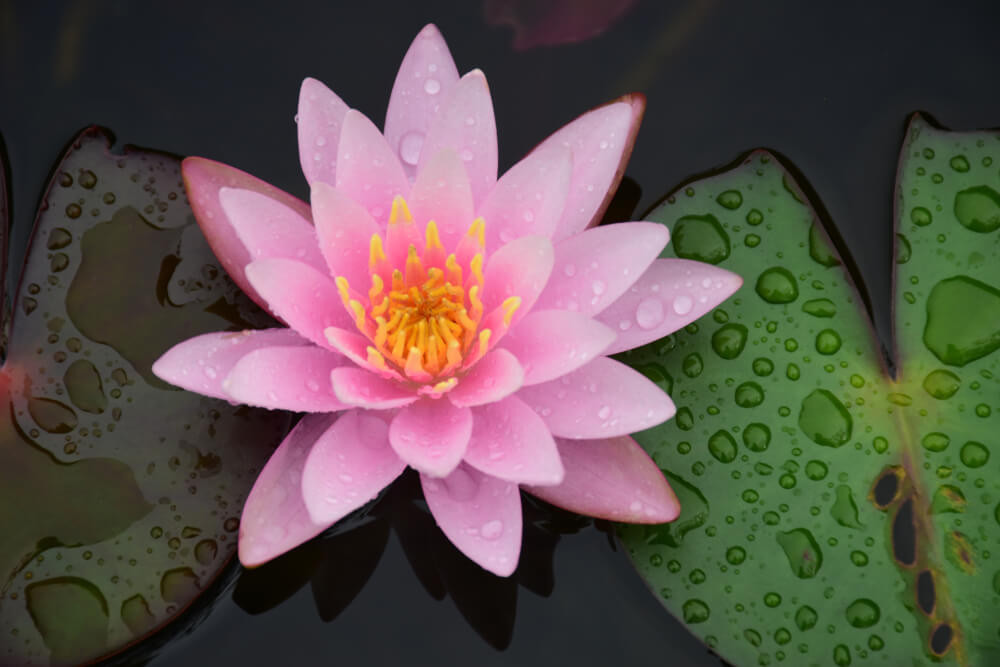
Stepping into the world of Pink Lotus is like entering a living history book that spans across the most influential civilizations in human history. Known scientifically as Nelumbo nucifera, this aquatic perennial is far more than just a beautiful bloom floating on a pond; it is a complex botanical specimen that has served as a symbol of purity and rebirth in both Buddhist and Hindu traditions for millennia. Unlike the water lilies of the Nile, the sacred Pink Lotus is a true lotus, belonging to its own distinct family and possessing a unique profile of natural alkaloids that are found nowhere else in the plant kingdom. For thousands of years, every part of the plant—from the seeds and the rhizomes to the vibrant pink petals—has been utilized for its specific aromatic and botanical properties. As modern consumers begin to seek out ways to shift their perspective without the legal complexities of modern synthetics, this sacred flower is emerging as a top-tier choice for those who value authenticity. It offers a sense of connection to a global heritage that stretches from the temples of India to the dynastic gardens of ancient China, providing a ritual that feels both timeless and perfectly suited for this decade.
The narrative of Nelumbo nucifera follows a timeline that is deeply intertwined with the development of human spirituality and early botanical science. It has survived through centuries of changing climates and political shifts to remain one of the most respected herbs in the world today:
- 7,000–5,500 BCE (Neolithic Era): The earliest evidence of lotus cultivation appears in the Yangtze River basin in China, where the seeds were prized as a stable and nutritious source of sustenance.
- 1000 BCE: The flower became a central motif in the Vedic texts of India, where it was established as a symbol of the divine and the unfolding of the human spirit.
- Sixth Century BCE: The lotus became permanently associated with the life of the Buddha, representing the ability to rise above the murky waters of daily life to achieve a state of clear-headed purity.
- 1951: Botanists successfully germinated a lotus seed that was over 1,300 years old, proving the incredible resilience and biological longevity of the plant's genetic material.
- Early 21st Century: The plant began to gain a dedicated following in the West, initially appearing in specialty botanical shops and among those interested in traditional aromatic absolutes.
- 2021–Present: Modern extraction techniques have allowed the industry to professionalize the production of the flower, offering everything from laboratory-tested tinctures to convenient disposable vape formats for a new generation of users.
When you incorporate Pink Lotus into your routine, the experience is driven by two primary natural alkaloids known as nuciferine and neferine, which work together to shift your internal environment. Nuciferine interacts with the parts of the brain that handle rewards and positive emotions, leading to a sense of quiet contentment and a mild botanical lift that feels very natural. Neferine provides a more balanced presence, acting as a natural compound that helps to anchor the experience and prevent it from becoming overwhelming or too intense. Many people describe the sensation as a gentle "opening" of their perspective, where the world seems a bit more vibrant and their body feels more settled in its surroundings without the heavy fogginess of other substances. It doesn't create the intense sensory distortion that people often report with other botanicals, which allows you to stay fully present and engaged with your tasks or your social circle. This unique balance of a mild lift and a clear-headed sense of presence is exactly why it has been a staple of meditation rituals and social gatherings for as long as human records have been kept.
The legal standing of Pink Lotus in the United States is one of its most attractive features for the modern consumer, as it occupies a much more stable position than many hemp-derived alternatives. It is not listed as a controlled substance by the federal government, which means it can be cultivated, sold, and purchased legally in nearly every part of the country. This legal clarity provides a massive sense of security for businesses and individuals who are tired of the constant "grey market" drama that surrounds other botanical products. Unlike certain other plants that have faced emergency bans, Pink Lotus is treated as a traditional aromatic and botanical specimen that falls outside of the current legislative crackdown on intoxicants. While the FDA has not approved the flower for human consumption as a food item, it can be legally sold as an herbal supplement or a botanical infusion. This allows you to build a routine around a plant that has a permanent and respected place in the American market without having to worry about a sudden change in its legal status.
As the industry has grown, the ways you can consume this sacred flower have expanded far beyond the ancient tradition of brewing dried petals into a simple tea. Modern extraction techniques have made it possible to create Pink Lotus products that’re consistent, easy to use, and fit perfectly into a fast-paced lifestyle without losing the integrity of the original plant, such as:
- Dried Flowers & Petals: The most traditional format, used for creating aromatic infusions or brewing teas that stay true to the plant’s historical origins.
- Teas & Beverages: Available as loose-leaf tea, pre-ground blends, or pre-bottled drinks that offer a consistent and enjoyable way to incorporate the botanical into your day.
- Extracts: Highly concentrated forms of the plant that isolate the active alkaloids, providing a more robust experience in a much smaller serving size.
- Tinctures: High-potency liquid drops that are taken under the tongue for rapid results or added to a favorite beverage for a discreet routine.
- Essential Oils & Absolutes: Used primarily for their deep floral aromatic properties in aromatherapy or as a natural perfume to help set the mood of a room.
- Topicals: Creams and lotions infused with lotus extract that allow the compounds to work on a specific area of the skin rather than the whole system.
- Vapes: One of the fastest-growing categories, offering a quick onset in a vaping format that many modern consumers already prefer.
THC 101
To truly grasp why Pink Lotus is being viewed as such a strong alternative, we have to look at the giant in the room, which is Tetrahydrocannabinol (THC) – the primary compound in the cannabis plant that is responsible for the psychoactive "high" that has dominated the relaxation market for decades. It works by mimicking natural chemicals in the body and binding to cannabinoid receptors in the brain, which can alter everything from your perception of time to your mood and sensory awareness. For a long time, THC was the only real player in the natural relaxation space, leading to a massive industry built around flower, concentrates, and infused products. However, the extreme intensity of modern THC and the complex legal web that currently surrounds it are starting to drive people toward options that feel more manageable and less legally volatile. The shift toward plants like the sacred lotus is a direct result of people wanting a more "anchored" experience that doesn't come with the heavy mental tax of high-potency cannabinoids.
The discovery of THC was the key that unlocked our current era of cannabinoid science, but the history of the plant itself goes back to the very beginnings of human civilization. From ancient textiles to traditional rituals, cannabis has been a constant companion to humanity, even if we didn't always have the tools to isolate its most famous chemical component in a lab:
- 2737 BCE: The legendary Chinese Emperor Shen Nung included cannabis in his official pharmacopeia, documenting its presence in traditional herbal preparations.
- 1964: Dr. Raphael Mechoulam and his team in Israel successfully isolated and synthesized THC for the first time, providing the foundation for all modern research.
- 1970: The United States passed the Controlled Substances Act, which placed cannabis in the most restricted category and made it very difficult for scientists to study the plant for decades.
- 1996: California led the way by legalizing the plant for medical use, which started a massive wave of state-level changes across the entire country.
- 2018–2026: The Farm Bill created a massive market for hemp-derived THC, but this era is now coming to a close as new federal rules move to ban these products.
When using THC-based products, the effects are usually felt quite quickly and can stay with you for several hours depending on how you consumed it. The most common report is a sense of euphoria or a "lifting" of the mood, which is why it has become so popular for social situations or winding down after a hard day. It can also lead to a heightened sense of awareness where colors seem brighter and music sounds more detailed, but it can also cause a significant amount of mental fog that makes it hard to focus on a conversation. Some people find that the experience is a bit too intense, especially with the high-potency products that are common today, leading them to look for something that feels a bit more "clean" and manageable. The effects vary widely from person to person, which is why some people swear by it while others find it a bit too much for their daily routine. Finding a botanical that provides a sense of contentment without the heavy fogginess is becoming a major goal for many.
THC’s innovation over the last decade has been nothing short of staggering, as brands have found ways to put the compound into almost anything you can imagine. This variety has made it incredibly accessible, allowing people to choose all types of THC products that fits their specific lifestyle and preferences without having to rely on traditional methods, such as:
- Drinks & Beverages and Shots: These are becoming very popular as a social alternative to alcohol, standard consumer drinks, and energy or nighttime shots, offering a way to enjoy the effects in a familiar liquid format.
- Capsules: A simple and discreet way to get a precise amount of THC without any smoke or smell, making them popular for those who want a pharmaceutical feel.
- Tablets: These are often designed to dissolve slowly or be swallowed, providing a consistent experience that lasts for a long time.
- Edibles: This is the biggest category in the market, as it turns the consumption process into a delicious delight that can be enjoyed anywhere, be it a gummy, baked good, chocolate, candy, mint, or any other snacks.
- Tinctures: Liquid drops that’re simple to use and allow for a lot of control over the exact amount of THC you are putting into your system.
- Topicals: Creams, lotions, balms, salves, gels, etc. that’re applied directly to the skin, allowing the compound to work on a specific area without affecting the whole mind.
- Vapes: A very fast-acting method where the liquid is heated and inhaled inside the cartridge or in a disposable vape pen’s tank, making it the top choice for hemp vapers who want results in a matter of minutes.
What the Upcoming THC Ban Means
The hemp industry is currently facing its biggest challenge since the 2018 Farm Bill was passed, and it all comes down to new language being introduced in the 2026 funding bills. For the last several years, businesses have been using a technicality to sell products like Delta 8, THC-P, and THCA because they were technically derived from hemp rather than marijuana. This allowed these "intoxicating hemp" products to be sold in places where marijuana was still illegal, creating a massive market that millions of people have grown to love. However, the federal government has finally decided to close this gap by redefining what qualifies as legal hemp in a way that is much more restrictive than it used to be. The new rules are specifically designed to target any product that is intended to provide a high, effectively putting an end to the "grey market" that has thrived in smoke shops and gas stations across the nation.
This new ban is going to set a very low limit on the total amount of THC that can be in any hemp product, with the proposed number being just 0.4 milligrams per container. To put that in perspective, a single gummy that people buy today might have ten or twenty milligrams, so this new limit would make nearly every popular product on the market illegal overnight. The law is also being written to include all types of THC, including the ones that were previously ignored, which means there will be no more room for creative labeling or technical workarounds. This is a massive blow to the industry and to the consumers who have found these products to be a helpful part of their lives, especially in states where they don’t have access to a legal marijuana dispensary. The shift is intended to bring hemp back to its roots as an industrial crop for fiber and grain, rather than a source for psychoactive extracts.
For the average person who stops by their local shop to pick up some gummies or a vape pen, this ban is going to feel like a sudden and unwelcome change to their daily routine. By November of 2026, most of these products will have to be pulled from the shelves, leaving people with very few options if they want to stick with natural botanicals. This is why there has been such a surge of interest in other plants like Pink Lotus, which aren't being targeted by these specific new rules. People are starting to realize that the era of "easy" THC is coming to an end, and if they want to maintain their lifestyle, they are going to have to find a new botanical partner that is a bit more stable in the eyes of the law. It’s a frustrating situation for many, but it is also forcing a lot of much-needed education on what else the natural world has to offer.
The economic fallout from this decision is expected to be massive, as the hemp-derived THC market has grown into a multi-billion dollar sector over the last few years. Thousands of small businesses, from farmers and extractors to retail shop owners, are now scrambling to figure out what they are going to do when their main source of income becomes illegal. This uncertainty is creating a lot of tension in the market, but it is also driving a wave of innovation as brands look for new ways to serve their customers within the new rules. Some companies are shifting their focus to non-intoxicating cannabinoids like CBD, while others are looking at how they can incorporate other traditional herbs like the sacred lotus into their lineup. The goal for many owners is to find a way to stay in business and keep providing their customers with the natural options they want, even as the federal government tightens its grip.
Ultimately, this upcoming ban is a reminder that the legal world is always in a state of flux, and what is allowed today might not be allowed tomorrow. It underscores the importance of having a diverse routine and not relying too heavily on any one single substance, especially one that is caught in the middle of a political tug-of-war. As we move closer to the 2026 deadline, the conversation is only going to get louder, and more people are going to be looking for a way to stay ahead of the changes. This is where Pink Lotus enters the picture as a very strong candidate for those who want a reliable, natural, and legal way to enhance their lives without having to worry about the next big federal crackdown. By understanding the science and the history of these plants now, you can make the right moves to protect your routine before the shelves go empty.
Now That you Know What Pink Lotus is, What THC is, and the Upcoming THC Ban, Why is Pink Lotus a Potential Alternative to THC Then?
As the legal walls close in on the hemp industry, many people are finding themselves at a crossroads where they need to choose between returning to the shadows or finding a new botanical partner. Pink Lotus stands out as a unique candidate because it offers a completely different chemical pathway while still checking many of the boxes that make THC so appealing to the modern consumer. Need more convincing? Well, we have got some reasons for why this sacred flower is becoming the go-to alternative for anyone looking to pivot away from the shifting sands of the THC market:
- A Stable Legal Standing for the Long Term: The most immediate reason to consider this switch is the diverging legal paths of these two plants in the current American landscape. While THC is currently being dismantled by federal lawmakers who want to close every possible loophole, Pink Lotus has maintained a remarkably stable legal status for years. It is not listed as a controlled substance by the DEA, which means it can be cultivated, sold, and purchased legally in nearly every state without the constant fear of a sudden "emergency ban." This long-term security allows you to build a routine with confidence, knowing that the botanical you enjoy today will likely be available and socially accepted for the long haul. Choosing a plant with this kind of legal transparency provides a sense of peace that is currently missing from the hemp-derived THC world.
- Maintaining a Functional and Sharp Mind: One of the most common complaints about modern THC products is the "brain fog" or the feeling of being mentally sluggish that can make it difficult to function in professional settings. Pink Lotus is famous for its ability to provide a sense of well-being while keeping the mind remarkably clear and focused on the task at hand. Many users find that they can enjoy the botanical benefits of the sacred flower while still being able to carry on a complex conversation or work on a creative project without feeling mentally weighed down. This "functional" aspect makes it a superior choice for those who want to enhance their day without losing their edge or their ability to stay productive. It allows you to feel a sense of contentment while remaining fully present in your own life.
- A Natural Connection to Ancient Social Rituals: For thousands of years, the lotus has been a centerpiece of social and spiritual gatherings, providing a sense of community that fits perfectly into a modern life. Unlike THC, which can sometimes lead to a feeling of being withdrawn or "in your own world," Pink Lotus is often described as a social botanical that encourages open and harmonious connection. This makes it an ideal choice for a quiet evening with friends or a social gathering where you want to unwind without losing your ability to engage with others. It provides a ritual that feels culturally rich and deeply human, rather than just a way to disconnect from your environment. You get to enjoy a sense of tradition that has been respected by civilizations since the dawn of time.
- A More Balanced and Gentle Sensory Shift: While THC is known for creating a total shift in consciousness that can sometimes feel a bit overwhelming, the sacred lotus offers a more subtle and manageable experience. The interaction of nuciferine and neferine creates a gentle sense of euphoria and quiet contentment that feels like a natural extension of your own mood. It provides a "lifting" of the spirit without the "heavy" body-load or the couch-lock that often comes with high-potency cannabis strains. This makes it an ideal companion for those who want to enhance their surroundings without making them feel out of sync with their environment. You remain perfectly "anchored" in the present moment, enjoying a sense of harmony that is truly unique to this plant.
- Avoiding the Intense "Peak" of Modern Concentrates: Modern THC products have been bred and extracted to reach extreme levels of potency, which can sometimes lead to an intense "peak" that causes a feeling of being over-stimulated. Pink Lotus is known for having a much smoother and more gradual curve, providing a gentle sense of shifting that builds slowly and settles in without the sudden jolt. This predictability makes it a much more approachable option for people who may have had bad experiences with the intensity of contemporary cannabis products. It provides a sense of being content and calm without the roller-coaster ride that can sometimes come with high-dose cannabinoids. You remain in control of the experience from start to finish, which is a major draw for the mindful consumer who values consistency.
- Discretion and Social Ease in Public Settings: THC has a very distinct scent and a visual look that can make it difficult to use discreetly in many public or professional environments. Pink Lotus is virtually indistinguishable from any other botanical supplement or herbal tea, making it a perfect companion for a busy life on the move. You can take your capsules or mix your powder into a drink at a social gathering without drawing any unwanted attention or having to worry about a lingering smell. This freedom allows you to maintain your chosen routine with complete privacy and a high degree of social ease, regardless of where you are. It removes the barrier of having to step away from a situation just to enjoy your botanical of choice.
- Whole-Plant Integrity Over Synthetic Conversions: The modern hemp market is flooded with synthetic "conversions" and laboratory-created chemicals, but the world of Pink Lotus remains rooted in the natural, whole plant. High-quality lotus products are the result of simple harvesting and extraction, preserving the natural balance of alkaloids that have been safely consumed for thousands of years. For the consumer who values an authentic and natural experience, this whole-plant approach is a major draw that sets it apart from the "grey market" chemicals. You don't have to worry about mystery additives or industrial-scale chemical alterations; you are simply enjoying a flower that has been respected by humanity for ages. This transparency provides a level of trust that is becoming increasingly hard to find in the modern market.
- Superior Versatility in Product Formats: The days of only having access to dried petals are long gone, as the industry has leaned into modern techniques to create products that are easier to use and more consistent. Whether you prefer the ritual of brewing a tea, the ease of a gummy, or the speed of a liquid tincture, there is a Pink Lotus product that mirrors your favorite THC delivery method. This ease of transition is vital for people who have grown accustomed to the convenience of modern shops and online boutiques. You can find the same level of professional packaging and precise dosing in the world of the sacred flower that you have come to expect elsewhere. It makes the switch feel like a natural evolution of your routine rather than a difficult new chore.
- A Sustainable Choice for a Daily Budget: Because the sacred lotus is a well-established global crop with a stable supply chain, it often offers a much better value for the consumer compared to premium THC products. When you factor in the high taxes and the premium price tags that plague the legal marijuana and hemp markets, the cost-per-serving of Pink Lotus is very competitive. This affordability makes it a sustainable choice for anyone who wants to make a botanical routine a permanent part of their life without feeling a financial pinch. You get a high-quality, culturally rich experience that fits into a normal person's budget, proving that you don't have to spend a fortune to enjoy a natural and effective way to unwind. It is a smart move for the long-term consumer.
- A Stable and Transparent Industry Future: Finally, because Pink Lotus is not caught in the middle of a federal "grey market" debate, the companies that produce it are able to focus more on quality and transparency. You can find laboratory-tested products that clearly list their purity and botanical origin, giving you a level of trust that is becoming harder to find in the hemp world. As the 2026 ban takes hold and wipes out a massive portion of the hemp retail market, the stable and established lotus industry will be one of the few places where you can still find consistent and high-quality botanicals. Investing your routine in a plant with a clear and legal future is simply a smart move for anyone who wants to stay ahead of the curve. It is a reliable choice that offers long-term value and a deep connection to history.
Disclaimer: Please keep in mind that the information shared in this post is presented for educational purposes and should not be viewed as a replacement for professional medical advice. Because every individual reacts differently to botanical substances, it is highly recommended to consult with a healthcare professional before beginning a new daily routine.
Reaching New Heights for Your Botanical Ritual
Choosing a new path forward doesn't have to be a stressful experience, even when the laws around us are changing so rapidly. By looking at what a plant like the sacred Pink Lotus has to offer, you are opening the door to a tradition that is both ancient and perfectly suited for the modern world. This is about taking control of your own routine and finding a botanical partner that is as reliable as it is versatile. As the dust from the 2026 shifts finally begins to settle, those who did their homework and made the pivot early are going to be the ones who feel the most prepared for the future.
Recent Posts
-

A Kratom Usage Question: How Long After Taking Suboxone Can I Take Kratom?
People who use Suboxone may wonder how long they should wait before taking Kratom. The most accurate …Sep 14, 2026 -

What's Going on with Kratom in The Wolverine State? Is Kratom Legal in Michigan?
Specialty storefronts and neighborhood herbal markets across The Great Lakes region showcase a diver …Sep 13, 2026 -

Does Narcan Work on Kratom?
When emergency response tools enter mainstream public awareness, curiosity naturally spreads to how …Sep 10, 2026