
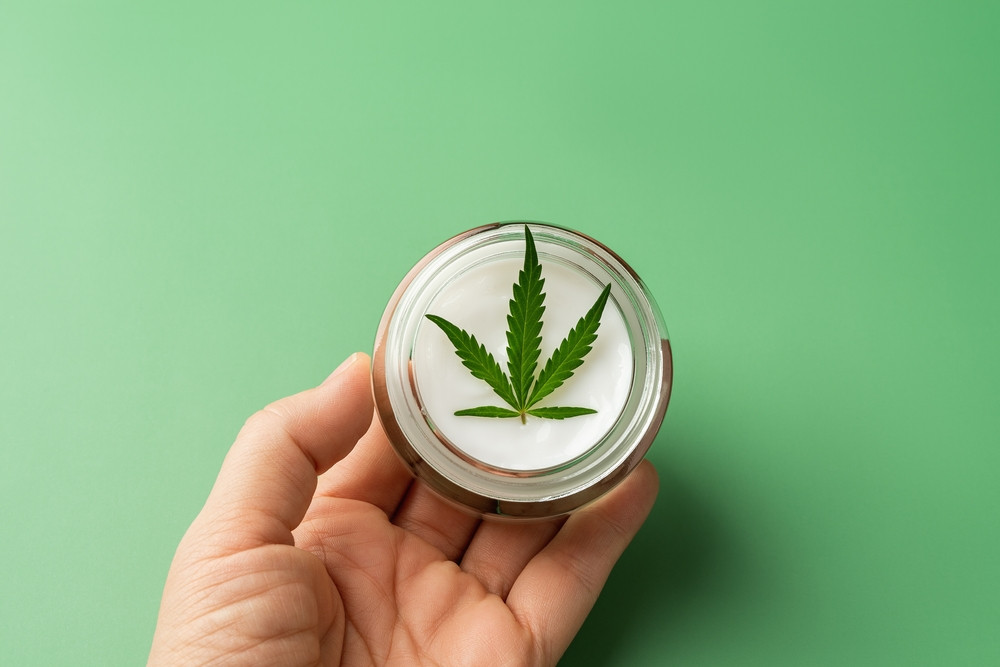
A CBD Topical Question: Can You Overuse CBD Topicals?
Maintaining a healthy skin barrier often involves the consistent use of botanical extracts to provide moisture and localized support. This routine naturally leads to a common question of whether or not you could actually be overusing CBD topicals, especially when a product feels particularly soothing. While it’s tempting to apply these infusions frequently, the skin can only absorb a specific amount of product before reaching a state of total saturation. Essentially, using more than necessary often results in a messy residue rather than an increase in the desired botanical effects. And so, recognizing the limits of topical saturation makes it possible to use these versatile products more effectively, maintaining skin health without crossing the line into unnecessary excess, as you’ll soon find out here today.
A Quick Refresher on CBD
The narrative of this remarkable compound begins with the Cannabis sativa plant, a botanical species that has been intertwined with human civilization for thousands of years. While many people often group all varieties of this plant together, it is important to distinguish industrial hemp from its high-THC cousins. Industrial hemp is specifically cultivated to be rich in non-intoxicating compounds while maintaining a very low concentration of the elements typically associated with a "high." This sturdy plant thrives in a variety of climates and has historically been used for everything from durable textiles to nutritious seeds. In the modern era, however, the focus has shifted toward the resinous flowers of the female hemp plant, where the most concentrated botanical compounds are found. These flowers are the primary source of the raw material used to create the diverse array of extracts available on the market today. By understanding the agricultural roots of this plant, one can better appreciate the natural complexity of the molecules it produces.
Within the intricate structure of the hemp plant, scientists have identified over a hundred unique molecules known as phytocannabinoids. Each of these molecules has its own distinct chemical fingerprint and potential for interacting with biological systems in a variety of ways. Among this vast library of compounds, cannabidiol, or CBD, is perhaps the most famous and widely researched due to its versatile nature. Unlike THC, which is the molecule responsible for the intoxicating effects of cannabis, CBD is completely non-psychoactive and does not alter one's state of mind. This characteristic makes it an attractive option for those who want to explore the botanical benefits of the plant without any cognitive shifts. Beyond CBD, the plant also contains other minor cannabinoids like CBG and CBN, as well as aromatic compounds called terpenes. These elements work together in a natural synergy that many researchers believe is more effective than any single molecule acting in isolation.
The transition from a field of green hemp to a concentrated botanical extract requires a sophisticated level of scientific processing and precision. One of the most respected methods in the industry is CO2 extraction, which utilizes pressurized carbon dioxide to pull the desired oils from the plant material. This technique is favored because it is incredibly clean and does not leave behind any of the harsh chemical solvents that can sometimes be found in cheaper extraction methods. Because CO2 acts as a solvent only under specific temperatures and pressures, it allows technicians to target and isolate specific molecules with incredible accuracy. This results in a pure, potent extract that retains the beneficial profile of the original plant without any unwanted contaminants. Once the extraction is complete, the resulting oil is often subjected to further filtration to ensure it meets strict purity standards. This rigorous process is what allows for the creation of consistent, high-quality products that people can trust for their daily routines.
When exploring these extracts, it is helpful to recognize the different formats they can take, such as full-spectrum, broad-spectrum, and isolate. A full-spectrum extract contains the entire range of cannabinoids, terpenes, and flavonoids naturally found in the hemp plant, including trace amounts of THC. For those who want to avoid THC entirely while still benefiting from other plant compounds, broad-spectrum extracts offer a middle ground by removing the THC while keeping the rest of the profile intact. On the other end of the spectrum is CBD isolate, which is a crystalline powder that is nearly 100% pure cannabidiol with no other plant elements present. Each of these formats offers a different level of interaction with the body’s internal regulatory systems, allowing for a personalized approach to botanical wellness. The choice between these extracts often depends on an individual's specific preferences regarding the "entourage effect" or their need for a THC-free experience. Understanding these chemical nuances is a key part of becoming a well-informed consumer in a rapidly growing industry.
At the heart of why these plant molecules are so effective is their interaction with a complex internal network known as the endocannabinoid system. This system is a vast signaling network that exists within almost every living creature, helping to maintain a state of internal equilibrium or balance. It consists of various receptors that are spread throughout the body, waiting to receive signals from both internal molecules and external plant-based compounds. When CBD is introduced into the environment, it doesn’t necessarily bind directly to these receptors in a simple "lock and key" fashion. Instead, it acts more like a technician, supporting the body’s own natural molecules and influencing the way receptors respond to various stimuli. This subtle, indirect interaction is why the effects of hemp extracts are often described as a gentle "balancing act" rather than a forceful change. By supporting this foundational system, these botanical compounds help the body maintain its own natural sense of harmony and resilience.
What are CBD Topicals and Why Do People Use Them?
The category of CBD topicals represents a fusion of ancient herbal wisdom and modern dermatological science, creating a bridge between traditional plant-based care and contemporary convenience. Historically, humans have reached for various oils and resins to soothe the skin after a long day in the sun or to protect themselves from the biting cold of winter. Modern topicals take that same foundational intent and refine it through the lens of precision manufacturing and targeted delivery systems. These products are specifically engineered to sit on the surface of the skin or penetrate into the initial dermal layers, providing a focused application that is quite distinct from any other form of cannabinoid use. Because they are applied externally, they bypass the digestive system and the liver, offering a direct route to the area of the body that the user wishes to address.
At its most basic level, a CBD topical is defined as any external-use formulation that has been infused with hemp-derived cannabidiol and is intended for application directly to the skin, hair, or nails. The base of these products is just as important as the CBD itself, as the carrier ingredients determine how the product feels, how quickly it absorbs, and what kind of finish it leaves behind. A water-based formula will feel light and cooling, making it ideal for large surface areas, while a wax-based mixture will offer a thicker, more protective layer that stays on the skin for a longer period. The concentration of CBD within these products can vary wildly, ranging from a few milligrams to several thousand per container, allowing users to choose a potency that aligns with their specific goals and the sensitivity of their skin. This diversity in formulation is what makes the "topical" label so broad, encompassing everything from a tiny stick of balm to a large bottle of exfoliating scrub.
People gravitate toward these products for a variety of reasons, often seeking a way to enhance their existing self-care rituals with the added support of plant-based compounds. The motivation is usually centered around creating a more comfortable sensory experience or improving the overall look and feel of the skin. For many, it is about the ritual itself—the act of taking five minutes to massage a fragrant cream into the skin or applying a cooling gel after a rigorous workout. This intentionality helps to foster a deeper connection with one’s own body and provides a moment of quiet reflection in an otherwise busy day. Beyond the psychological benefits, the physical reasons for use are numerous and varied, leading to a wide range of specific applications that people find beneficial in their daily lives:
- Soothing Surface Irritations: Many individuals reach for these products when their skin feels reactive or slightly overwhelmed by environmental factors like wind, sun, or dry indoor air.
- Enhancing Skin Hydration: By combining CBD with rich emollients like shea butter or cocoa butter, these topicals help to lock in moisture and prevent the skin from becoming parched and dull.
- Post-Activity Recovery: After a long hike or an intense gym session, the cooling sensation of a CBD-infused product can provide a pleasant contrast to the warmth of overworked limbs.
- Targeting Dry Patches: The localized nature of topicals makes them perfect for focusing on stubborn areas like elbows, knees, and heels that require extra attention and a heavier dose of moisture.
- Promoting a Radiant Glow: Many facial formulations use hemp extract to support a more even skin tone and a youthful, vibrant appearance that looks healthy and well-rested.
- Aromatic Relaxation: The inclusion of essential oils like lavender, peppermint, or eucalyptus creates a multi-sensory experience that can help a person unwind before bed.
- Supporting the Skin Barrier: Regular application can help reinforce the natural protective layer of the skin, making it more resilient against the daily wear and tear of modern life.
Different Types of CBD Topicals
The landscape of CBD-infused products is incredibly diverse, offering a texture and delivery method for every possible preference and skin concern. Each type of topical solution has its own unique personality, dictated by its ratio of oils, waxes, and water, as well as the specific way it interacts with the surface of your body. To better navigate the options available, it helps to look at the specific characteristics and the common packaging methods used to deliver these botanical mixtures:
- CBD Creams: These are perhaps the most common form of topical, featuring a balanced blend of water and oil that allows for easy spreading over large areas. They absorb relatively quickly, leaving the skin feeling soft and supple without an overly greasy residue, making them a staple for daily maintenance and hydration. You will typically find these packaged in wide-mouthed plastic or glass jars that allow you to scoop out the desired amount, though they are also frequently found in squeeze tubes for those who prefer a more portable and hygienic application method.
- CBD Lotions: Similar to creams but with a significantly higher water content, lotions are much lighter and more fluid in their consistency. They are excellent for those with oily skin or for use during the humid summer months when you want a refreshing layer of moisture that doesn’t feel heavy or occlusive on the limbs. Because of their liquid nature, they are almost exclusively housed in pump-action bottles or large plastic containers with flip-top lids, which help control the flow and prevent a mess during the application process.
- CBD Balms (Face and Lips): Balms are concentrated, wax-based products that contain very little to no water, resulting in a firm texture that melts upon contact with the warmth of the skin. Lip balms protect the delicate skin of the mouth from chapping and are usually found in small twist-up plastic tubes or tiny circular tins. Face balms, which offer a heavy-duty moisture shield for exceptionally dry nights, are often sold in elegant glass jars or small, flat aluminum containers that keep the product solid and protected from the air.
- CBD Salves: Often confused with balms, salves usually have a slightly softer consistency because they use a higher proportion of liquid oils combined with beeswax or carnauba wax. They are designed to stay on the surface of the skin longer, providing a sustained presence of CBD and protective lipids for areas like elbows or knees that need deep, long-lasting care. Most salves are packaged in shallow, wide metal tins with screw-on lids, which allow the user to easily press their fingers into the product to warm it up before rubbing it onto the skin.
- CBD Gels: Gels are often formulated with a high concentration of water and cooling agents like menthol or camphor to provide an immediate "snap" of cold upon application. They provide a unique sensory experience that is highly sought after by those looking for a quick, non-greasy way to refresh their limbs after a long walk or a day of physical exertion. These are most commonly found in flexible squeeze tubes or airless pump containers, which help preserve the integrity of the cooling ingredients and ensure that the gel remains easy to dispense.
- CBD Roll-Ons: This delivery method is all about convenience and precision, utilizing a liquid formula that glides over the skin via a rotating ball applicator. It allows for a "hands-free" application, which is perfect for targeting the neck or shoulders while you are on the go without getting any product on your palms or fingertips. The packaging is almost always a slender glass or plastic cylinder with a secure screw-cap, making it an ideal choice for carrying in a pocket, purse, or backpack for quick use throughout the day.
- CBD Body Oils: For a more luxurious and traditional experience, body oils offer a pure, liquid blend of botanical extracts and hemp that can be applied to damp skin after a shower. They help to lock in incredible amounts of moisture, leaving the body with a shimmering, healthy-looking finish and a silky texture that lasts for hours. These are typically packaged in tall glass or plastic bottles, often featuring a dropper lid or a slow-drip orifice reducer to prevent the user from pouring out more oil than is actually needed for the ritual.
- CBD Patches: These represent a more "set it and forget it" approach, using an adhesive backing to deliver a steady stream of CBD over several hours through the skin. They are unique because they provide a sustained presence of the compound, making them ideal for someone who wants consistent support throughout a long workday or an overnight sleep cycle. Each individual patch is usually sealed in a thin, flat foil packet to maintain its potency and adhesive quality, and these packets are often sold in small cardboard boxes containing a multi-day supply.
- CBD Face Serums: These high-potency liquids are designed with smaller molecules that can penetrate more deeply into the skin’s uppermost surface layers. They are usually packed with antioxidants and other high-end ingredients to target the specific needs of the facial complexion, such as maintaining a youthful and vibrant appearance. Serums are almost always housed in small, dark glass bottles with precision dropper caps, which protect the delicate botanical compounds from light degradation and allow for "drop-by-drop" application.
- CBD Salt Scrubs: Combining the benefits of physical exfoliation with the soothing properties of hemp, these scrubs help to slough away dead skin cells and reveal a fresh surface. The abrasive salt crystals manually smooth the skin, while the infused oils leave the newly revealed surface feeling incredibly soft and revitalized. Because they are used in the shower or bath, they are typically packaged in large, sturdy plastic jars with wide lids that are easy to open even when your hands are wet or soapy.
- CBD Bath Products: This category includes bath bombs, salts, and soaks that turn an ordinary tub into a full-body infusion experience that surrounds the skin with botanical support. As the product dissolves in warm water, it creates a surrounding environment of CBD and essential oils, allowing every inch of the body to benefit from the bath. Bath bombs are often individually shrink-wrapped in plastic to prevent them from crumbling, while bath salts and soaks are usually found in large resealable bags or decorative jars that keep moisture out.
Can You Overuse CBD Topicals?
When addressing the question of whether one can truly overdo it with these plant-based applications, the answer is a nuanced blend of biological reality and practical common sense. While it is physically possible to apply an excessive amount of product, the consequences are generally related to skin saturation and economic waste rather than any sort of serious health risk. Your skin acts as a natural gatekeeper, and once its receptors are occupied and its moisture barrier is full, the remaining product simply sits on the surface or is wiped away by clothing. Therefore, the "overuse" of these products is less about a toxic threshold and more about reaching a point of diminishing returns where you are no longer gaining any additional benefit.
What are the Reasons First Why Someone Might Overuse a CBD Topical Product?
It’s quite easy to find oneself applying a bit too much of a favorite botanical product, especially when the initial application feels so pleasant on the surface of the skin. Most of the time, this stems from a simple desire to maximize the experience or perhaps a slight misunderstanding of how much product the skin can actually handle at once. Identifying these common habits below is the first step toward creating a more efficient and balanced self-care routine that honors both the product and the body:
- The Pursuit of Rapid Results: Many people operate under the assumption that if a small amount of botanical extract provides a nice cooling sensation, a massive layer will work twice as fast, leading them to stack multiple coats in a short period.
- Inconsistent Application Habits: Without a set schedule, it is very common to lose track of when the last application occurred, resulting in "doubling up" on product simply because it’s sitting right there on the nightstand or desk.
- Enjoyable Sensory Profiles: Because many of these formulations feature incredibly luxurious textures and refreshing scents like peppermint or citrus, users often treat them as a general-purpose moisturizer or cologne rather than a targeted topical.
- Misjudging Product Concentration: It can be difficult to gauge how much cannabidiol is actually being applied if one doesn't closely read the label, often leading to the use of a large volume of low-potency product to compensate for a perceived lack of strength.
- The Habit of Mindless Reapplication: For those who carry a roll-on or a small tin of balm in their pocket, the act of applying it can become a repetitive, almost meditative habit that happens far more often than the skin actually requires for a localized effect.
- A "More is Better" Philosophy: There is a pervasive cultural idea that abundance is always superior, prompting individuals to slather on a thick layer of salve in hopes of seeing a more dramatic shift in skin radiance or surface comfort.
How Exactly Then Does a CBD Topical Product Get Overused
Understanding the mechanics of over-application requires a closer look at the interaction between a specific delivery system and the physical habits of the person using it. Each medium has a distinct threshold where the skin can no longer process the volume of material being introduced, leading to a visible or tactile buildup that serves as a sign of excess. To truly grasp how one might cross the line from a beneficial ritual to an inefficient one, it is helpful to examine the common ways these various botanical mixtures are applied and where the tendency toward surplus typically begins:
- CBD Creams: Overuse with this specific format typically manifests as a thick, white residue that refuses to sink into the dermal layers, leaving your skin feeling tacky and potentially staining your sleeves or bedsheets. This often happens because these products are frequently housed in wide-mouthed plastic or glass jars, which invite the user to take a large, unmeasured scoop rather than a precise amount. When you apply such a heavy "mask" of cream, you are essentially burying the skin under more lipids than it can metabolize, which leads to the product pilling into small, annoying flakes as it dries. Instead of a soft, hydrated finish, you end up with a congested surface that feels weighed down by the sheer volume of the application.
- CBD Lotions: Because lotions are thinner and almost always come in pump-action bottles, people often treat them with a sense of "mindless repetition," pressing the nozzle four or five times for an area that only requires one. This fluid consistency allows the product to spread quickly, which can trick the brain into thinking more is needed to achieve a "thorough" coat. When over-applied in this manner, the high water content can temporarily disrupt the natural oil balance of the skin, leaving it feeling "waterlogged" or strangely damp for an extended period. Over time, this excessive dampness can actually weaken the skin’s natural barrier rather than reinforcing it, making the frequent reapplication counterproductive to your overall goals.
- CBD Balms (Face and Lips): With lip balms packaged in small twist-up tubes or circular tins, the act of application often turns into a nervous or sensory habit throughout the day. You might find yourself swiping the tube across your lips every ten minutes without a second thought, which leads to a massive buildup of heavy waxes like beeswax or shea butter. This thick layer can actually trap dead skin cells and prevent the delicate surface of the lips from breathing, sometimes even resulting in small, localized breakouts or "clogged" pores around the mouth area. On the face, overusing a balm from a flat metal container can create a suffocating shield that prevents natural sebum from escaping, leading to a dull, overly shiny complexion that feels uncomfortably greasy.
- CBD Salves: Applying too much salve from a sturdy metal tin to a specific area can create a "grease slick" that effectively traps heat and sweat against the skin surface. Because salves are formulated to be occlusive and long-lasting, a thick "glob" of product won't simply evaporate or sink in; it stays exactly where you put it, acting as a magnet for dust, lint, and environmental debris. This not only makes the application area feel grimy and "dirty" but can also lead to minor surface irritation if the trapped sweat isn't allowed to escape. The finger-digging method used with these tins often leads to far more product being extracted than is necessary for a single elbow, knee, or knuckle.
- CBD Gels: Overusing cooling gels from a flexible squeeze tube is a common occurrence, especially after a long day of physical activity when the immediate "snap" of cold feels so refreshing. Users often squeeze out a large ribbon of gel and layer it on thick, but as the water and alcohol bases evaporate, they leave behind a stiff, "crunchy" residue that can feel tight and restrictive on the skin. Furthermore, applying too much menthol or camphor in one sitting can overwhelm the local sensory nerves, turning a pleasant cooling sensation into one that is uncomfortably chilly or even slightly tingly. This "over-freezing" of the area doesn't actually provide more support; it simply creates a sensory overload that can be distracting and unpleasant.
- CBD Roll-Ons: The danger here lies in the extreme convenience of the roller-ball cylinder, which encourages people to glide the product over the same area for minutes at a time while they are focused on a movie or a conversation. This repetitive motion can dump an incredible amount of the liquid solution—often a concentrated oil or ethanol base—onto a very small patch of skin. Because you aren't using your hands to rub it in, you may not realize how much has accumulated until you see a visible "drip" running down your limb, which is a clear sign of waste. This concentrated "puddling" can lead to localized redness or a minor reaction simply because the skin is being flooded with more botanical extract than its receptors can possibly process at once.
- CBD Body Oils: Using too much oil from a tall glass bottle or a dropper-topped container can make the skin dangerously slippery and can be a nightmare for your wardrobe. While it’s tempting to pour a large puddle into your palms to achieve that "spa-like" glow, any oil that isn't thoroughly massaged into damp skin will remain on the surface as an unstable film. This excess lipid layer can ruin delicate fabrics like silk, polyester, or high-thread-count sheets, leaving stubborn stains that are difficult to remove. Beyond the mess, over-oiling the skin can leave you feeling "slimy" for hours, making it difficult to get dressed or go about your day without feeling like you need a second shower to find a balance.
- CBD Patches: Overuse in this category is unique because it is usually a matter of duration within the foil-sealed packet guidelines rather than physical volume. Many users think that if a patch is rated for twelve hours, wearing it for twenty-four or even thirty-six will "squeeze out" every last bit of the compound. However, leaving an adhesive patch on for too long can lead to a condition known as skin maceration, where the area underneath becomes soft, white, and soggy because moisture is trapped with no way to escape. Additionally, the prolonged presence of the adhesive can cause a lingering sticky residue that requires harsh scrubbing to remove, which can leave the skin surface raw and sensitive for days afterward.
- CBD Face Serums: Since these are often the most expensive items in a collection and come in small dropper bottles, over-applying them is a fast track to both product waste and skin overwhelm. Many people assume that if three drops provide a youthful glow, then ten drops will result in a total transformation, but the skin has a very strict limit on how many small-molecule ingredients it can absorb at once. Applying too much serum results in a shiny, non-absorbent film that sits on top of your face, making it nearly impossible to apply makeup or other skincare products effectively. This excess can also "confuse" the skin’s natural oil production, potentially leading to a paradoxical dryness or a sudden surge in oiliness as the skin tries to compensate for the heavy surface load.
- CBD Salt Scrubs: Overusing a scrub from a wide-mouthed plastic container usually involves two mistakes: using too much physical material and using it with too much frequency. While the salt crystals are excellent for sloughing away dead cells, grabbing a massive handful and scrubbing vigorously every single day can lead to micro-tears in the delicate skin surface. This over-exfoliation strips away the natural sebum that protects you from the environment, leaving your skin looking flushed, feeling raw, and reacting to even the mildest soaps or clothes. The goal is a gentle polish, but over-application turns a soothing ritual into a harsh mechanical process that can take weeks for the skin barrier to fully repair.
- CBD Bath Products: It is very tempting to toss three or four bath bombs or half a bag of infused salts into a single tub for what feels like a "maximum strength" soak. However, creating an oversaturated environment in the bathwater can actually lead to a process of osmosis that draws moisture out of your skin and into the salty water, leaving you feeling dehydrated and "pruney". Furthermore, staying in a highly concentrated CBD bath for well over an hour can result in a temporary feeling of physical "heaviness" or lethargy. While a soak is meant to be relaxing, overdoing the concentration and the timing can leave you feeling drained rather than revitalized, which is exactly the opposite of the intended effect of a balanced botanical bath.
A Quick Word on Using CBD Tinctures Topically
While most people associate glass bottles of liquid extract with oral use, these versatile tinctures are frequently repurposed as a makeshift topical for targeted skin application. These products typically consist of a concentrated hemp extract suspended in a food-grade carrier oil like MCT, hemp seed, or grapeseed oil, which makes them quite compatible with the skin’s natural lipid structure. Because they lack the thick waxes or water-based stabilizers found in traditional lotions, they offer a very direct and potent way to introduce botanical compounds to a specific patch of skin.
Using a tincture in this manner allows for a high degree of customization, as you can apply a single drop precisely to a dry spot or mix it into your existing unscented body moisturizer for an added boost. However, because the liquid is so fluid and lacks the "grip" of a salve, it can be difficult to manage the spread, often leading to more of the oil being used than is actually necessary for the area. It is vital to remember that these formulations are highly concentrated, meaning that a little goes a significantly longer way than a standard cream would.
The potential for overusing a tincture on the skin is quite high due to the precision-dropper packaging, which can make it feel as though you are applying very little when you are actually saturating the surface. Because the oil is so thin, it is easy to assume that it has completely absorbed when it may actually just be spreading across the uppermost layer of the skin without being fully processed. If you continue to apply drop after drop in search of a "heavy" feel, you will quickly find yourself with an unstable oil slick that can clog pores or lead to localized sensitivity. Over-application also leads to significant economic waste, as these high-potency liquids are often the most expensive items in a collection and are designed to work efficiently in very minute quantities. Furthermore, using too much of an oil-based tincture can leave a persistent residue that feels heavy and "suffocating" to the skin, potentially disrupting the natural breathability of the area. To avoid this, it is best to start with a single drop and thoroughly massage it in, allowing the skin to signal its capacity before adding any more to the ritual.
Are There Actual Reactions or Side Effects from Overusing CBD Topicals?
While the compound itself is remarkably well-tolerated by the vast majority of individuals, the act of over-applying any substance to the skin can lead to localized reactions. These issues are almost always a result of the "carrier" ingredients—like the heavy waxes, fragrances, or preservatives—rather than the hemp extract itself. When you flood the skin with more material than it can process, you’re essentially asking the dermal barrier to manage a heavy load that can interfere with its natural functions. This can lead to a few predictable, albeit minor, side effects that serve as a signal to scale back your application frequency and volume.
What to Do if Experiencing One or More Reactions or Side Effects?
If you notice that your skin is looking a bit disgruntled or feeling less than stellar after a heavy application of your favorite topical, there is no need to panic. The skin is a highly resilient organ that usually bounces back quickly once the offending excess is removed and it is given a chance to reset. Follow these steps to help your skin return to its happy, balanced state:
- Gently Wash the Area: Use lukewarm water and a mild, fragrance-free cleanser to remove any remaining product residue from the surface of the skin without further irritating the area.
- Apply a Cool Compress: If the skin feels warm or slightly flushed, a clean cloth soaked in cool water can help soothe the surface and provide immediate comfort.
- Pause All Product Use: Give the affected area a "vacation" from all topicals for at least 24 to 48 hours to allow the natural moisture barrier to stabilize without interference.
- Hydrate Internally: Drink plenty of water to support your skin’s health from the inside out, which can help flush the system and keep the dermal layers plump and resilient.
- Monitor the Progress: Keep a close eye on the area over the next few days; if the minor irritation doesn't clear up or if it seems to be getting worse, it might be time to check in with a skincare professional.
- Reintroduce Slowly: Once the skin is back to normal, start with a very small amount of product (a "pea-sized" drop) to see how your skin responds before returning to a regular routine.
Tips to Avoiding CBD Topical Overuse
Developing a more intentional approach to your botanical routine can significantly improve the performance of your products while preventing the common pitfalls of over-application. Instead of relying on a "guess and smear" method, adopting a few deliberate habits allows the skin to process the hemp extract more effectively without becoming oversaturated. By focusing on precision rather than volume, you can maintain a consistent level of surface comfort while ensuring that your collection of topicals lasts much longer. These practical tips below are designed to help you with your daily routine; putting focus on efficiency and skin-surface harmony:
- Start with the Smallest Possible Amount: It’s much easier to add a little bit more product than it is to remove the excess once it’s already been smeared across your skin, so begin with a tiny, pea-sized dab and expand as needed. This approach is especially important when using concentrated formulas like salves or face serums where a little bit of the extract goes a very long way. By starting small, you allow your skin to dictate how much it truly needs, preventing that heavy, greasy sensation that often accompanies a "guessed" amount.
- Observe the Five-Minute Rule: After applying a topical to a specific area, wait at least five full minutes to see how the product absorbs and how the surface of your skin feels before deciding if you truly need another layer. Skin absorption is not an instantaneous process, and it often takes a few moments for the carrier oils and botanical compounds to settle into the upper dermal layers. Rushing to apply a second coat too quickly is one of the most common ways people end up with a sticky residue that simply won't sink in.
- Use Warmth to Your Advantage: Before you apply a cream or balm, try rubbing the product between your palms for several seconds to warm it up; this simple act thins out the heavy oils and waxes, allowing them to spread more evenly over a larger surface area. Warming the formula makes it much easier to achieve a thin, consistent coat, which ensures that every inch of the target area receives the benefit without needing a huge volume of material. This technique is particularly effective for thick salves housed in metal tins that might otherwise feel stiff or difficult to manipulate.
- Create a Consistent Application Schedule: Instead of reaching for the bottle every time you think about it throughout a busy day, try setting specific times for your ritual—such as once in the morning after your shower and once before you climb into bed. Establishing a routine helps prevent "application amnesia," where you unintentionally double up on product simply because the container is sitting right there on your desk or nightstand. A structured schedule ensures your skin receives a steady, predictable supply of support without being flooded by constant, unneeded reapplications.
- Target the Exact Area of Concern: Rather than slathering a heavy cream over your entire limb, try to focus your application specifically on the small patch of skin or the specific joint that actually requires the botanical support. This targeted approach naturally limits the total amount of product used and ensures that the concentrated compounds are being utilized exactly where they are most effective. Not only does this save you money over time, but it also prevents you from over-saturating healthy areas of skin that are already perfectly balanced and hydrated.
- Prioritize Quality and Potency Over Volume: Investing in a higher-potency product often means you can use a much smaller physical amount of the mixture to achieve the same sensory goals, which is better for your skin's breathability and your long-term budget. When a product is packed with a high concentration of hemp extract, a single pump or a small swipe can provide the same surface comfort as half a jar of a lower-quality alternative. By focusing on the strength of the formula rather than the size of the container, you can maintain a much more streamlined and effective self-care collection.
- Listen to Your Skin's Unique Feedback: If your skin starts to feel perpetually greasy, looks unusually dull, or develops small bumps, take those physical cues as a clear sign that you are likely using too much product and it’s time to dial back the frequency. Your skin is incredibly communicative, and it will often show you exactly when it has reached its saturation point through its texture and appearance. Learning to recognize these subtle shifts allows you to adjust your habits in real-time, ensuring that your use of topicals remains a helpful addition to your lifestyle rather than an overwhelming burden on your dermal health.
The Wisdom of CBD Topical Moderation
While it is tempting to reach for a botanical balm every time you seek a moment of comfort, your skin’s absorption threshold remains the ultimate guide for effective use. Recognizing that saturation leads to diminishing returns allows you to treat every pump and scoop with a sense of deliberate purpose. This mindset shifts the focus away from sheer volume and toward the actual quality of the interaction between the plant extract and your body. So, by avoiding the common trap of over-application, you guarantee that your pores remain clear and your skin remains responsive to the active ingredients. Besides, a focused routine not only protects your investment in these products but also maintains the natural equilibrium of your dermal barrier. Because in the end, the most impactful results come from a consistent and measured practice that honors the potency of nature without overwhelming the senses.
Recent Posts
-

2026 Cannabinoid Matchup: THCA vs. CBC
Building a well-rounded hemp collection in today’s times has evolved into a personalized craft tailo …Sep 24, 2026 -
Kratom vs. CBGA: How Do They Measure Up Against One Another?
The modern search for plant-based wellness solutions has introduced a diverse spectrum of botanical …Sep 23, 2026 -
Inside the Gel Cap: How Much Kratom is in 1 Capsule?
Holding a pre-filled Kratom capsule between your fingers gives the impression of a perfectly measure …Sep 22, 2026