
A THCA Vaping Question: How Should THCA Vapor Look and Smell?
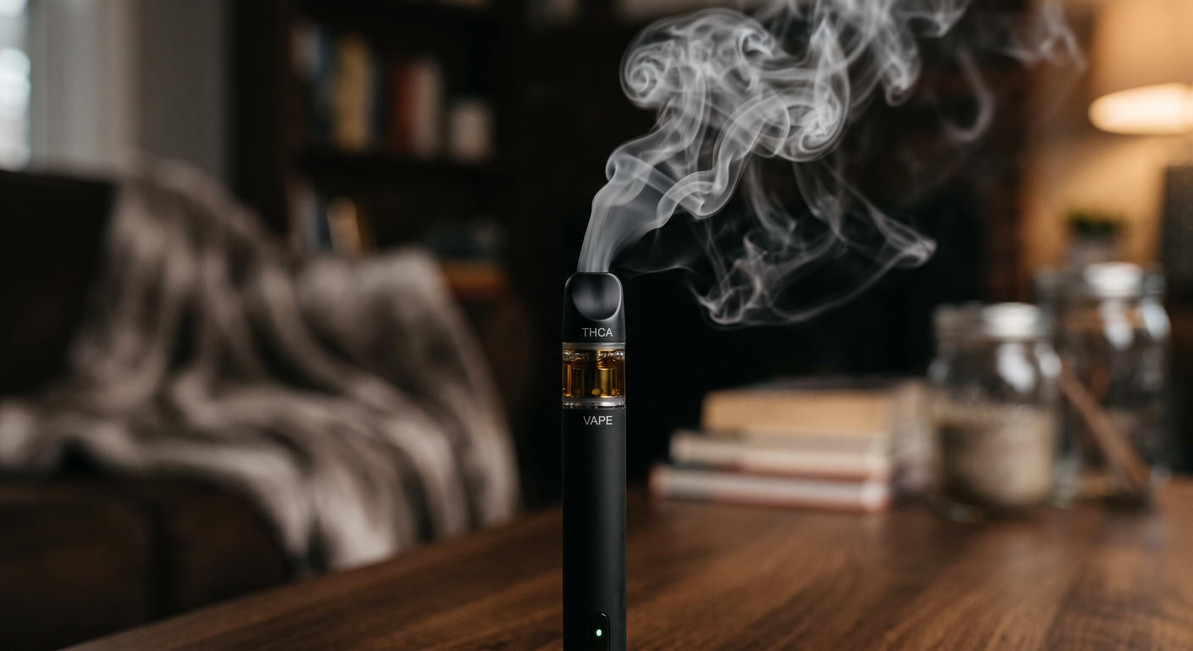
Taking a smooth pull from a freshly charged THCA vape often sparks immediate curiosity about what that exhale ought to look and smell like in real time. Since raw crystalline extracts transform the second electricity warms the heating chamber, it's natural for the resulting aerosol to display distinct visual traits and aromatic nuances. You'll notice the plume can range from a light, translucent shimmer to a soft, billowy mist depending on device airflow and internal coil temperatures. Meanwhile, the scent profile delivers everything from crisp, vibrant botanical accents to a clean, faint herbal whisper shaped by surrounding plant compounds. Getting familiar with these standard sensory markers gives you a solid baseline for recognizing authentic, properly vaporized THCA from the very first puff.
Some Quick Insights into THCA First
To make sense of what drifts out of a mouthpiece, it helps to start at the molecular level before any heat enters the picture. Tetrahydrocannabinolic acid (THCA) is the native phytocannabinoid that living plants produce in abundance inside their glandular trichomes. Fresh, unheated resin heads aren't packed with Delta-9 THC; they're loaded with this acidic precursor. In its raw state, THCA holds a distinct chemical structure defined by a carboxyl group, which is a small cluster of carbon, hydrogen, and oxygen atoms (-COOH) bound tightly to its carbon backbone. Because of that bulky carboxyl ring, the molecule can't readily bind to human CB1 receptors in the central nervous system, meaning raw THCA doesn't produce psychoactive effects on its own. It's a completely separate compound with its own physical traits, crystallization habits, and melting behavior.
The real magic happens the moment you apply thermal energy. When an atomizer coil fires up, it triggers a swift chemical reaction known as “decarboxylation”. As temperatures climb past roughly 220F and push toward standard vaporization ranges between 315F-400F, that fragile carboxyl group snaps off and releases as carbon dioxide gas. What's left behind is converted Delta-9, which vaporizes almost simultaneously as an aerosolized mist. If you've ever wondered why the cloud from a vape looks so consistent despite the raw material being an acid, that rapid thermal conversion is the exact reason. The user isn't breathing in solid crystalline acid suspended in air; they're inhaling a newly transformed aerosol created right at the surface of the heating element in fractions of a second.
Looking closely at the pure compound also clears up a lot of misconceptions about scent. In a laboratory setting, pure THCA isolate looks like bright white chalk or translucent rock candy, and it's virtually odorless. That's because the pungent, skunky, or fruity scents people associate with botanical extracts don't originate from cannabinoids at all. Those aromas come from terpenes, flavonoids, and volatile sulfur compounds that live alongside cannabinoids in the raw plant. If you were to vaporize one hundred percent pure THCA crystals without any added aromatic oils, the vapor would barely carry any detectable scent aside from a very faint, warm, neutral vapor smell. It wouldn't fill a room with heavy herbal funk, nor would it leave behind a lingering botanical signature on your clothing.
Visually, pure aerosolized cannabinoids also behave in specific ways depending on density and temperature. When pure converted vapor exits the chimney of an atomizer, it forms a pale, semi-translucent plume that disperses relatively quickly into the surrounding air. It doesn't hang around like heavy smoke caused by combustion, because there aren't any burnt plant fibers, carbon ash, or tar particles weighing down the vapor droplets. Instead, you're seeing micro-droplets of clean oil condensing as they hit cooler room-temperature air. When producers introduce botanical or cannabis-derived terpenes back into the oil, the vapor's visual density can shift slightly, while the aromatic footprint expands dramatically. Recognizing that THCA itself is clean, odorless, and structurally unstable under heat lays the foundation for evaluating every cloud that follows.
From Raw Extract to Cartridge and Chamber: Formulating THCA Vapes
Transforming solid crystalline THCA into a fluid oil that sits neatly inside a miniature glass reservoir isn't as straightforward as just melting down rocks and pouring them in. Because pure isolate naturally wants to snap back into a rigid crystal lattice at room temperature, lab processors have to deploy clever formulation methods to stabilize the extract without scorching delicate compounds. Finding that sweet spot between fluid viscosity and chemical stability determines how evenly the oil draws into ceramic wicks when heated. Without careful refinement, a cartridge will either clog completely from re-crystallization or burn unevenly the first time current passes through the atomizer.
Liquid Diamonds, Distillates, and Thermal Decarb in a Vape Cart Formulation
Getting raw crystals into a stable liquid medium usually starts with a process known as controlled partial decarboxylation or formulation with terpene-rich fractions. Pure THCA crystals—often referred to on the processing floor as "diamonds"—have a remarkably high melting threshold and will solidify right inside the tiny intake holes of a cartridge if they aren't properly melted down. Formulators place these crystals under precise pressure and moderate heat, gently liberating just enough carbon dioxide to disrupt the crystalline matrix without cooking off delicate monoterpenes. This transforms the rigid solids into what technicians call liquid diamonds: a viscous, pourable golden concentrate that stays homogeneous inside a glass tank instead of separating into cloudy chunks.
Another critical hurdle in cartridge formulation is winterization and lipid removal. Raw hydrocarbon or solventless extractions carry natural plant fats, sterols, and heavy waxes that might look fine in a jar of cold cure rosin, but they wreak absolute havoc inside a 510 cartridge. If those waxy lipids make their way past the intake ports, they coat the microporous ceramic core. Once the heating element heats up, those plant waxes singe against the coil rather than vaporizing cleanly. That scorching degrades the aerosol, turning what should've been a crisp, light, aromatic plume into a thick, harsh cloud that smells like burnt cooking grease. Experienced extractors strip out these compounds through cold-temperature alcohol baths and depth filtration, creating a clean base oil that preserves coil life and protects the vapor's aroma.
Terpene reintroduction also plays a structural role here, acting as both an aromatic driver and a natural viscosity modifier. Because pure cannabinoid distillates and melted isolates are thick like cold tree sap, they struggle to flow through microscopic ceramic pores on their own. Adding a measured five to ten percent terpene fraction lowers the surface tension of the fluid, helping the oil feed continuously toward the heating coil. If a technician under-formulates with too few terpenes, the wick dries out quickly between pulls, resulting in dry hits and a scorched ceramic odor. If they go overboard and dump in fifteen percent or more, the mixture thins out excessively, flooding the central chimney, sparking popping noises, and creating an intensely harsh vapor that smells artificial and chemically sharp on the exhale.
All-in-One (AIO) Disposable System Integration
Housing that formulated extract inside an all-in-one disposable system presents an entirely distinct set of engineering hurdles compared to modular screw-on tanks. In an AIO device, the oil reservoir, airflow tube, ceramic heating element, and lithium-ion battery share the exact same compact chassis. That close proximity means thermal management is paramount. During charging or sustained firing, heat from the battery cell can soak right into the neighboring oil chamber. When an extract sits in a warm reservoir for extended periods, that ambient heat gradually decarboxylates the resting THCA in the tank before it ever hits the coil. As that happens, the trapped liquid darkens to an amber hue and the volatile top-note terpenes boil off inside the reservoir, dulling the fresh pine or citrus aromas and replacing them with a flat, muted, slightly cooked scent on later pulls.
Factory filling and pre-wicking procedures inside AIO hardware also dictate how that first puff performs. Since users don't assemble or prime disposables themselves, the manufacturing line has to inject the warm concentrate directly into the reservoir and grant it enough rest time in temperature-controlled curing rooms for the ceramic pores to saturate completely. If a device gets boxed and shipped before the thick oil fully permeates the inner core, air pockets remain trapped right against the heating wire. A consumer taking their maiden draw from that under-saturated pod ends up scorching the dry interior of the ceramic cell. That single dry pull permanently ruins the hardware, causing subsequent clouds to smell faintly of burnt dust and singed mineral stone no matter how fresh the remaining oil inside happens to be.
Airway geometry inside these integrated units shapes how the vapor condenses before reaching your lips as well. Shorter, wider vapor chimneys minimize drag and keep the aerosol hot, producing voluminous, dense clouds with heavy aromatic punch. Conversely, longer, micro-bored air paths cool the aerosol droplets significantly before they exit the mouthpiece. That cooling effect tightens up the plume, creating a sleeker, semi-translucent mist that softens punchy odors while bringing subtle floral or earthy terpene notes to the front. Well-designed disposables balance this internal airflow so that the battery's fixed power curve matches the oil's vapor point, preventing unvaporized liquid droplets from spitting up the mouthpiece and maintaining a steady, consistent cloud appearance from beginning to end.
Hardware Architecture: Simplistic vs. Advanced Vaporization Systems
The device wrapped around an oil reservoir plays just as big of a role in vapor production as the extract itself. While the chemical makeup of THCA determines what compounds are available to vaporize, the atomizer geometry, power delivery, and coil materials dictate how cleanly those compounds enter the air. Simple hardware setups prioritize plug-and-play convenience with fixed outputs, whereas advanced rigs give users granular control over thermal curves and airflow dynamics. Examining these design tiers side by side shows why two people puffing identical oil can end up with completely distinct cloud volumes and scent profiles.
Cartridge Hardware: Basic Stick Setups vs. Precision Tuned Platforms
Cartridges rely entirely on the external power source they screw onto, creating a mechanical partnership where the battery's internal circuitry directly influences vaporization efficiency. Depending on whether you're using a bare-bones 510 stick or an advanced regulated battery, the electrical current sent to the heating wire will either surge unchecked or adapt smoothly to the oil's viscosity:
- Fixed Voltage and Direct Output Curves: Most entry-level pen batteries push a steady 3.3 to 3.7 volts straight into the atomizer without dynamic regulation. As the battery depletes, the power drops, meaning your morning pull produces a thick, warm cloud with strong terpene notes, while evening draws thin out into faint, cooler wisps that smell significantly less pronounced.
- Standard Single-Chamber Ceramic Cores: Basic carts feature standard cylindrical microporous ceramic cylinders wound with Kanthal or NiChrome wire. These cores work well for average viscosity extracts, but thicker liquid diamond mixtures can struggle to penetrate the narrow 1.2 to 1.5-millimeter fluid intake holes, risking subtle hot spots that give vapor a slightly dry, papery aroma.
- Static Airflow Channels: Air paths on basic carts pull directly through the bottom 510 connection threads with zero adjustment valves. This creates a fixed, relatively tight mouth-to-lung draw resistance that restricts air volume, yielding a concentrated, narrow stream of vapor that smells intensely aromatic right around your face but disperses into a modest plume.
- Variable Voltage and Pulse-Width Modulation: High-end smart batteries permit users to dial in power in micro-increments, ranging anywhere from 1.8 to 2.8 volts for terpene preservation. Pulse-width modulation cycles the power thousands of times per second, holding the coil at a stable temperature that prevents scorched wicks, keeping the vapor light, milky, and free of acrid undertones.
- Isolated Multi-Port Ceramic and Quartz Hybrids: Cutting-edge 510 tanks use widened 2.0-millimeter intake ports coupled with quartz-coated or medical-grade porous ceramic matrices. This configuration feeds viscous THCA blends evenly across a broader surface area, fostering instantaneous vaporization that generates crisp, voluminous, billowy clouds without degrading delicate floral monoterpenes.
- Adjustable Top-to-Bottom Airflow Control: Advanced batteries and luxury cart chassis feature dedicated airflow intake rings positioned away from the 510 pin. Opening up these intake slots introduces extra ambient air directly into the chimney, diluting the vapor density into a silky, translucent mist while cooling down the aerosol to preserve crisp citrus and pine scents.
All-in-One Disposables: Compact Convenience vs. Regulated Powerhouses
Integrated disposable units eliminate the pairing guesswork between tank and battery by tuning the internal cell directly to the factory-installed heating coil. Even so, the engineering gap between basic single-use disposable pens and sophisticated multi-mode disposable mods drastically alters how vapor condenses and smells upon release:
- Draw-Activated Pneumatic Sensors: Bare-bones disposable pens rely on tiny microphone-style vacuum switches that close an electrical circuit the moment you inhale. Because these sensors require steady suction pressure to stay engaged, users often pull harder, inadvertently rushing cold air through the coil and producing cooler, thinner plumes that smell faintly herbal with minimal room presence.
- Single-Pass Micro Airpaths: Traditional slim disposables house a narrow central chimney squeezed tightly between the battery casing and the outer plastic shell. This cramped interior leaves little space for vapor expansion, leading to rapid condensation inside the tube, which can spit tiny droplets onto the tongue and produce a dense, warm vapor stream with a sharp, heavy scent.
- Unregulated Lithium-Ion Chemistry: Budget-friendly disposables feature simple pouch cells without buck-boost circuitry. The heating element receives high voltage on a full charge and steadily weaker voltage as the cell drains, turning what began as dense, aromatic clouds into wispy, cooler vapor that barely carries any fragrant throw after a couple of days.
- Pre-Heat Cycles and Dual-Temperature Toggles: Modern disposable mods incorporate physical tactile buttons alongside automated pre-heat protocols that gently warm viscous THCA oil for five to ten seconds before you pull. This prevents dry-wick scorch, providing instant, plush, cloud-filling vapor that smells vividly true to the original botanical profile from the very first puff.
- Dual-Core Mesh and Porous Ceramic Arrays: Advanced pod systems deploy expansive mesh heating grids wrapped around multi-layered ceramic wicks instead of single wrapped wires. Distributing current across a wide surface area vaporizes THCA oil instantaneously at lower temperatures, producing huge, velvety white plumes while safeguarding delicate aroma compounds from high-heat degradation.
- Independent Vapor Chambers and Dynamic Air Ducts: High-tier disposables isolate the airway and reservoir from the battery housing, channeling outside air through dedicated acoustic cooling slots. This keeps the aerosol cool, smooth, and remarkably consistent, creating a full-bodied plume that lingers visually in the air while releasing a clean, pleasant, authentic bouquet.
The Core Sensory Benchmark: How THCA Vapor Should Look and Smell
Evaluating vapor quality requires tuning your senses to how light interacts with airborne droplets and how volatile aromatics hit your palate. When an atomizer functions at peak thermal efficiency, the exhaled cloud exhibits distinct physical behavior rather than dispersing like heavy smoke or disappearing like steam. The scent profile should align tightly with the extract's natural terpene makeup, reflecting clean processing instead of singed wick materials. Observing these visual and aromatic cues across separate usage patterns gives you a dependable benchmark for judging device health and oil freshness.
That Initial Draw: Unboxing and Firing for the First Time
Cracking the seal on a brand-new cartridge or all-in-one disposable device presents the purest baseline you'll ever get from that hardware. On that very first pull, the ceramic core is fully saturated with fresh, unheated concentrate that hasn't suffered any thermal degradation. You should expect the initial exhale to produce a light, semi-translucent plume that carries a soft bluish-white tint in direct lighting. It won't look like an opaque wall of white fog, because the atomizer is just reaching operating temperature and hasn't superheated the fluid chamber yet. The vapor drifts smoothly, breaking apart and dissipating into the surrounding atmosphere within ten to fifteen seconds without hanging like thick smoke.
Aromatically, the maiden draw delivers the crispest, most vibrant notes the extract will ever produce. Because the concentrate hasn't experienced repeated reheating cycles, delicate monoterpenes like alpha-pinene, limonene, and myrcene remain pristine and unoxidized. You'll catch immediate bright accents of fresh pine needles, zesty citrus peel, or light floral sweetness depending on the specific profile inside the reservoir. There shouldn't be even a trace of harsh acridity, scorched cotton, or singed mineral stone. If the first puff smells like a hot soldering iron or burnt paper, the factory wick wasn't properly primed before firing, or the heating element has an internal dry spot that's singeing the oil.
The Intermittent Session: Pulling Sparingly Across Days or Weeks
Setting a device aside between infrequent sessions introduces environmental exposure and time into the vaporization equation. When a cartridge sits untouched for several days or weeks, ambient oxygen seeps through the mouthpiece airway and interfaces with the oil resting right at the ceramic intake ports. This exposure slowly oxidizes the surface layer of concentrate, turning the perimeter near the wick a slightly darker amber or tea-colored shade. When you finally pick the pen back up and take a fresh pull, that resting oil has absorbed ambient moisture and settled into the microporous matrix. The resulting vapor cloud tends to appear slightly denser and whiter than that maiden draw, holding its shape just a moment longer before dispersing cleanly into the room.
The aromatic profile during sporadic use shifts in subtle, distinct ways that shouldn't alarm you. Since the lightest, most volatile monoterpenes evaporate or degrade first when exposed to resting air pockets, the bright citrus and sharp pine top notes soften down noticeably. In their place, sturdier sesquiterpenes like beta-caryophyllene and humulene step forward, producing an earthier, deeper, slightly woodier aroma on the exhale. You might detect warm herbal tones or rich spice notes that feel rounder than the sharp punch of that very first session. What you shouldn't smell is a stale, rancid, or oxidized metallic stink; if the exhale carries a musty odor reminiscent of damp cardboard, the extract has suffered excessive oxidation from poor seal integrity or heat exposure during its downtime.
Heavy Rotation: Frequent, Back-to-Back Draws
Running a device through a rapid series of consecutive draws changes internal chamber physics dramatically. As current repeatedly flows through the heating wire, residual heat soaks outward through the ceramic casing and warms the entire oil reservoir. This elevated temperature thins the surrounding THCA concentrate until it flows with the fluidity of warm water, flooding the intake pores rapidly. With the coil operating at peak thermal saturation, the visual output transforms into dense, heavy, milky-white plumes that billow outward with serious presence. These clouds appear significantly thicker than earlier draws and take twenty to thirty seconds to fully vanish, though they still clear out far faster than combustible plant smoke.
The aroma under heavy rotation demands close attention because there's a fine line between a warm, robust profile and a failing wick. As internal temperatures rise, the vapor takes on a deeper, toasted botanical character where rich diesel, damp earth, and roasted spice notes dominate the exhale. The scent hits the room with far more intensity and carries a stronger throw that lingers noticeably in enclosed spaces. However, if you chain-vape without giving the atomizer fifteen to twenty seconds to re-saturate, the coil's thermal demand outpaces fluid capillary action. That dry friction triggers a harsh, biting smell of scorched ceramic and charred concentrate that clings to the back of the throat. A healthy device running in heavy rotation should smell rich, warm, and deeply herbal, but never sharp, bitter, or burnt.
What Else Actually Shapes Vapor Density and Scent?
Well hemp vapers, a cloud of vapor doesn't materialize in a vacuum, because dozens of distinct chemical interactions and hardware factors dictate its final appearance and scent. Every single tweak to the heating element, carrier extract, or terpene ratio alters how the oil aerosolizes and travels through the mouthpiece. Even identical batches of extract will behave in contrasting ways if you vaporize them through mismatched coil materials or leave them sitting in harsh storage conditions. Beyond the base oil itself, the precise matrix of added cannabinoids, botanical infusions, and personal draw mechanics heavily influences what your eyes and nose detect. Taking a closer look at these physical and chemical variables breaks down why your sensory experience transforms so noticeably from one setup to the next:
- THCA in a Pre-Filled Cartridge Connecting to a Compatible Device: Screw-on tanks rely on a clean physical junction between the 510-pin and the battery plate to deliver accurate electrical current. If the connection picks up stray oil or dust, electrical resistance jumps unpredictably, causing the battery to misread the load and deliver uneven voltage spikes. When properly connected at a modest 2.2V-2.5V, the vapor emerges as a silky, semi-translucent stream that disperses within fifteen seconds, releasing pure, uncharred terpene notes. If dirt fouls the threads, localized resistance spikes can overheat the base, producing a harsher, wispy cloud accompanied by a sharp metallic tang that masks the extract's natural bouquet.
- THCA in a Disposable Vape System (Vape Pens and Vape Mods): Integrated hardware eliminates external connection variables but introduces structural differences based on device size and internal power cells. Slim disposable pens feature tiny ceramic chambers and short chimneys that deliver warm, concentrated vapor straight to your palate, emphasizing bold top-note aromatics while generating a modest, quick-clearing cloud. Larger disposable box mods house expansive sub-ohm ceramic coils and wider acoustic airflow chambers that drop internal temperatures significantly. These mod configurations generate vast, milky white plumes that billow across a room, muting sharp citrus accents into a mellow, full-bodied herbal aroma that drifts gently without harshness.
- THCA by Itself: Pure unadulterated isolate, often processed as crushed diamonds without added terpenes, behaves like a ghost compared to full-spectrum extracts. When pure crystalline THCA touches a hot coil, it decarboxylates instantly and vaporizes into a water-clear to pale white mist with minimal visual weight. Because isolated cannabinoids don't contain volatile aromatics, the cloud produces virtually zero detectable scent in the room, leaving behind only a faint, warm vapor whisper reminiscent of clean hot stone. The plume dissolves into ambient air within 8 seconds or slightly less, making it the most discreet and visually understated form of vapor you can produce.
- THCA Combinations: There are numerous types of one or more THCA combos, depending upon who the manufacturer is and if it's a pre-filled cartridge or all-in-one device, such as:
- THCA Combined with One or More Non-Psychoactive Cannabinoids: Formulating THCA with minor cannabinoids fundamentally shifts how the fluid interacts with ceramic wicks. CBD and CBG both raise the mixture's crystallization tendency if left unheated, with CBG contributing a rigid viscosity that demands steady coil temperatures to aerosolize into a smooth, medium-density white plume. Meanwhile, CBC acts as a natural thinning agent that promotes smooth capillary flow toward the heating element without artificial cutting agents. When CBN enters the formula, the unvaped oil takes on a deeper amber tint, and the resulting aerosol turns slightly heavier and slower to disperse. Aromatically, this non-psychoactive ensemble adds dry, earthy, hemp-like base notes that evoke freshly cured hay, dry cedar, and wild herbs, rounding out the bright top notes of the primary extract.
- THCA Combined with One or More Psychoactive Cannabinoids: Blending THCA with this broad spectrum of psychoactive compounds alters both fluid mechanics and thermal requirements because each molecule carries a distinct viscosity and boiling curve. High-viscosity distillates like Delta 8 and hydrogenated HHC flow like thick molasses, demanding higher coil heat to aerosolize cleanly, which yields exceptionally dense, chalk-white plumes that hang in the room. Standard Delta 9 creates a balanced, semi-opaque aerosol that disperses smoothly with a neutral, warm profile, whereas Delta 10 and THCV possess lighter fluid structures that vaporize at lower thresholds, producing crisp, airy plumes with a faint, dry herbal finish. Extended carbon-chain cannabinoids like THC-P, THC-B, THC-H, and THCjd are blended in potent trace amounts; while these active fractions don't dictate cloud size on their own, the heavy carrier distillates required to suspend them create a dense, throat-coating vapor that scatters light heavily. Introducing PHC rounds out the formula with a clean evaporation point that produces a soft, velvety mist without carbon buildup. Across all these pairings, the exhale takes on a warm, mildly sweet, resinous aroma that lingers in enclosed spaces noticeably longer than unblended THCA isolate.
- THCA Combined with Terpenes: Terpene selection creates the biggest dividing line in how a room smells after an exhale. Cannabis-derived terpenes (CDT) pulled from fresh harvest material preserve native sulfur compounds and delicate monoterpenes, yielding a light, billowy plume that smells unmistakably skunky, pungent, and authentically botanical. Botanical-derived terpenes (BDT) sourced from non-cannabis flora like lemons, cloves, and pine needles create a slightly sharper, thinner vapor mist. These botanical blends produce vibrant, candy-sweet, or perfume-like room aromas, such as candied berries or spiced citrus, that smell clean but lack the deep, skunky funk of genuine plant extracts.
- THCA Combined with Strains: Specific strain profiles dictate the precise ratio of aromatic hydrocarbons dancing through the vapor plume. Indica-leaning terpene profiles rich in beta-caryophyllene, myrcene, and linalool produce warm, velvety clouds that release heavy, musky aromas reminiscent of damp forest earth, crushed peppercorns, and soothing lavender. Sativa-inspired blends dominated by limonene, alpha-pinene, and terpinolene generate crisp, lighter-bodied clouds that burst with pungent diesel, sharp lemon zest, and fresh pine needles. Hybrid formulations strike a middle balance, creating medium-density plumes that interweave subtle fruit sweetness with a rich, savory finish.
- THCA Combined with Another Cannabinoid(s) + Extract: Introducing whole-plant concentrates alongside THCA and companion cannabinoids introduces natural lipids, flavonoids, and distinct terpene fractions that reshape cloud density and room fragrance. Liquid diamonds melt into an ultra-pure, uniform base that aerosolizes into pristine, bright white plumes with a crisp, neutral vapor profile that amplifies companion cannabinoids without interference. Formulating with live resin brings volatile, hydrocarbon-preserved monoterpenes into play, generating thick, billowy clouds accompanied by an explosive room aroma of sharp diesel, pungent skunk, and fresh pine. Solventless live rosin elevates vapor texture even further, delivering velvety, slow-moving plumes that smell authentically like raw, bubbling plant resin. Incorporating live sugar introduces micro-terpene crystals that vaporize into soft, medium-density clouds carrying a distinctly sweet, candied fruit fragrance. Whipped concentrates like liquid badder produce plush, creamy clouds that release a rich, doughy, sweet herbal pastry scent on the exhale, while liquid budder—carrying slightly heavier natural wax fractions—yields warm, dense plumes marked by toasted nut and sweet cream undertones. Finally, traditional hash rosin contributes heavy sesquiterpenes that create slow-dispersing, opaque clouds packed with deep spice, aged wood, and rich, earthy hash musk. Across every variation, these genuine extracts eliminate the thin, artificial feel of basic distillates to create an authentic, full-bodied vapor profile.
- THCA Combined with Another Non-Psychoactive Cannabinoid(s) + Extract: Blending non-psychoactive compounds like CBD, CBG, CBN, or CBC into specialized extracts alters the fluid matrix, thermal decay thresholds, and aromatic character of every exhale. When paired with liquid diamonds, CBD and CBG temper raw crystalline heat, producing an ultra-clean, pale white plume where dry herbal accents cut cleanly through a neutral vapor base without any burnt taste. Formulating them into live resin balances volatile hydrocarbon terpenes with mellow hemp undertones, sending out dense, billowy clouds that merge pungent diesel and fresh pine with dry cedar and green tea aromatics. With solventless live rosin, the addition of CBC helps fluid movement through the ceramic wick, yielding a velvety, slow-dispersing cloud that carries the rich, buttery fragrance of pressed resin layered over soft chamomile notes. Infusing live sugar creates a medium-density plume that marries crystalline sweetness and candied fruit aromas with the earthy, rustic undertones of natural minor cannabinoids. When whipped into liquid badder, the mixture produces plush, room-filling white vapor that smells like sweet pastry dough mixed with wild meadow herbs. Pairing these cannabinoids with heavier liquid budder thickens the aerosol, producing warm, opaque plumes defined by toasted walnut, sweet cream, and deep herbal tones that soften the sharper edges of raw THCA. Finally, blending them into traditional hash rosin brings out heavy sesquiterpenes, generating dense, slow-rolling clouds loaded with aged spice, damp cured wood, and rich hash musk that's nicely rounded out by amber CBN and earthy CBG profiles.
- THCA Combined with Another Non-Psychoactive Cannabinoid(s) + Extract + Strain: Like the last point, only now pairing strain-specific profiles with minor cannabinoids and premium extracts creates a nuanced four-part sensory profile. Because the extract base provides genuine plant lipids and the strain-specific terpenes direct the scent, the cloud billows out with velvety weight and notable opacity. The aroma exhibits incredible depth, where the signature traits of a cultivar (like sour fuel or ripe blueberries) are enriched by warm, herbal base notes that smell sophisticated and authentic.
- THCA Combined with Another Psychoactive Cannabinoid(s) + Extract: Merging potent psychoactive distillates like Delta 8, Delta 9, HHC, or THC-P with full-spectrum extract styles creates distinct vapor dynamics, as dense cannabinoid bases interact uniquely with each extract's lipid and terpene architecture. When paired with liquid diamonds, the ultra-pure melted crystalline base dissolves smoothly into heavy distillates, yielding bright, chalk-white clouds of dense vapor that scatter light cleanly while leaving behind a warm, mildly sweet cannabinoid scent with zero vegetative harshness. Formulating them into live resin pairs the heavy vapor retention of dense distillates with hydrocarbon-preserved monoterpenes, producing massive, room-filling plumes that hang in the air for up to forty seconds and erupt with an intense room aroma of sharp diesel, pungent skunk, and fresh citrus pine. Incorporating solventless live rosin adds natural trichome lipids to the psychoactive mix, creating a velvety, slow-dispersing aerosol that appears soft and creamy under light while releasing a rich, authentic aroma reminiscent of bubbling botanical resin and warm cedar. Blending into live sugar introduces terpene-coated micro-crystals that vaporize across a stepped thermal curve, producing a medium-heavy plume that fills the space with candied fruit, ripe berries, and a distinct sugary sweetness that masks heavy distillate undertones. Whipped liquid badder blends emulsify smoothly with dense psychoactive oils, creating plush, opaque clouds that linger in the room while releasing an exhale scented like sweet pastry dough, rich fuel, and warm herbal cream. Pairing these cannabinoids with liquid budder, which retains slightly higher natural wax fractions, generates dense, throat-coating vapor plumes characterized by toasted nuts, rich butter, and gassy spice notes. Finally, combining psychoactive distillates with traditional hash rosin creates the heaviest vapor profile of all, generating dense, slow-rolling, opaque clouds that cling to enclosed spaces and carry an unmistakable scent of dark aged spices, damp forest earth, and deep, vintage hash funk.
- THCA Combined with Another Psychoactive Cannabinoid(s) + Extract + Strain: Like the last point, only now pairing strain-specific profiles, this quad-blend represents the heaviest, most aromatic tier of vapor formulations. The addition of targeted strain profiles to an extract-bolstered psychoactive base produces massive, room-filling white clouds that mimic the look of traditional smoking without the ash. The scent throw is immediate and powerful, saturating the space with complex cultivar aromas like sharp chemical skunk, sweet tropical citrus, or rich garlicky gas that lingers on your breath and in the room for several minutes.
- THCA Combined with Amanita Mushrooms: Formulating decarboxylated THCA with purified Amanita extracts brings fungal alkaloids like muscimol into the aerosol stream. Because fungal extracts possess a distinct thermal decomposition point, the resulting vapor cloud takes on a slightly heavier, off-white appearance that breaks apart in slow-moving eddies. The scent on the exhale is wildly unique, introducing a savory, earthy, almost brothy umami aroma reminiscent of sun-dried porcini mushrooms and toasted forest soil that completely transforms standard herbal notes.
- THCA Combined with Functional Mushroom Blends: Suspending functional fungal fractions within a THCA fluid changes the surface tension of the oil against ceramic heating pores. The aerosolized cloud looks light, soft, and slightly wispy, dissipating quickly into the background air without leaving a heavy fog. Scent-wise, functional mushrooms contribute a warm, nutty, slightly bitter roasted grain aroma that blends smoothly with earthy botanical terpenes, smelling more like an herbal kitchen infusion than a typical vape puff.
- THCA Combined Another Active Flower: Infusing active floral essences into the oil introduces delicate aromatic esters and volatile organic alcohols that vaporize at relatively low temperatures. Blue and pink lotus impart a silky, ethereal mist that smells exotic, sweet, and lightly powdery with subtle berry undertones. Chamomile and lavender contribute natural bisabolol and linalool, creating a soft, pillowy vapor that fills the room with clean, pleasant floral perfumes and crisp apple-like sweetness. Passion flower brings an earthy, dry green finish that rounds out the floral bouquet with a scent reminiscent of dried wild meadows.
- THCA Combined with Kratom: Formulating refined kratom alkaloid extracts alongside THCA creates a dark, highly viscous oil blend that demands steady heat to aerosolize properly. The vapor output is dense, heavy, and visibly chalky, hanging in the room with substantial presence. The scent profile is dominated by a deep, astringent, dry tea-leaf bitterness that cuts through sweet terpenes, producing an exhale that smells herbal, woody, and intensely rustic.
- THCA Combined with Kava: Incorporating kavalactone extracts into a THCA reservoir thins the fluid slightly, resulting in a smooth, silky cloud that looks clean and semi-translucent against natural light. When exhaled, kava introduces a distinctive peppery, tongue-tingling vapor with an aroma marked by spicy roots, damp wood bark, and a faintly sweet, earthy funk that smells entirely distinct from traditional botanical extracts.
- THCA Combined with Kanna: Adding Sceletium tortuosum extracts introduces mesembrine alkaloids into the vapor path, creating a very light, fast-clearing aerosol that leaves zero visual haze behind. The scent profile is delightfully mild, carrying faint accents of sweet fermented grass, sun-cured alfalfa, and light herbal tea that blends harmoniously with citrus or pine terpenes without overpowering your environment.
- How the Device is Stored: Leaving your hardware resting on its side or upside down lets air bubbles migrate over the ceramic intake ports, creating dry zones that singe the moment current fires. Storing a pen in a scorching hot car bakes the oil, degrading delicate monoterpenes and thinning the fluid until it leaks into the airway, resulting in a thin, hot, gurgling vapor that smells burnt. Conversely, leaving a device in freezing temperatures thickens the concentrate into an unyielding gel that starves the wick, producing scorched ceramic odors. Keeping your hardware upright at room temperature preserves even saturation, yielding smooth, milky white plumes and crisp, pristine aromas.
- How Long the Pre-Filled Cartridge or Disposable System Was Sitting on a Shelf or Warehouse Prior to Purchase: How Long the Pre-Filled Cartridge or Disposable System Was Sitting on a Shelf or Warehouse Prior to Purchase: Time spent idling in warehouse staging or stockroom bins acts as a slow catalyst for physical and chemical changes, though it affects standalone cartridges and all-in-one disposables in distinct ways. For a standalone pre-filled cartridge, months of storage expose the concentrate to micro-leaks of ambient air through the silicone thread covers and mouthpiece seals. This slow oxidation turns the top layer of oil amber, degrades delicate monoterpenes like pinene and limonene, and nudges minor fractions of the cannabinoid profile toward CBN. When you finally fire that aged cart, the vapor plume appears noticeably yellower and denser than fresh oil, but the scent profile loses its crisp punch, carrying a muted, peppery, or slightly stale aroma. For an AIO disposable system, prolonged shelf latency triggers a three-way decline across the liquid, the internal battery, and the coil. The concentrate inside sits in perpetual contact with the heating chamber, allowing stagnant oil to oversaturate the microporous ceramic while volatile aromatics bleed into the empty air chimney, leaving the remaining fluid flat and prone to clogging. Meanwhile, the integrated lithium-ion battery naturally self-discharges over months of inactivity; an under-voltage cell can't deliver the wattage needed to hit the proper boiling point, leading to under-heated, lukewarm vapor that spits unvaporized fluid instead of forming a clean cloud. Compounding that power drop, the submerged ceramic coil and heating wire spend months soaking in stagnant extract, which oxidizes the thin fluid film resting on the metal. When power finally surges through that aged coil, it flash-heats degraded oil and settled moisture, producing popping sounds, thin wispy clouds, and a harsh, metallic, singed-cardboard odor that completely overpowers the original botanical scent.
- How You Pull on the Device: Your inhalation technique dictates how much outside air mixes with the aerosol inside the central chimney. Taking quick, aggressive, forceful puffs rushes cold ambient air over the coil, dropping its operating temperature and generating thin, wispy clouds that taste weak and underdeveloped. Taking slow, steady, continuous draws lasting three to five seconds lets the ceramic core reach and sustain its ideal vaporization window. This measured technique yields thick, velvety, full-bodied clouds that release the complete aromatic spectrum of the oil across your palate.
- Your Overall Sensory Experience: What you see and smell is heavily colored by ambient surroundings and your own olfactory biology. In dry, brightly lit rooms, vapor droplets evaporate rapidly, making your clouds look thin and faint, whereas cool, humid environments cause the aerosol to condense into massive, billowing white shapes. Furthermore, taking multiple draws in a single sitting triggers rapid olfactory fatigue, commonly called vaper's tongue, where your olfactory receptors become temporarily desensitized to dominant terpene notes. The vapor might seem to lose its scent halfway through a session, even though someone walking into the room catches an intense, room-filling herbal bouquet.
When That THCA Vapor Finally Clears
Every clean pull comes down to that quiet split second where crisp aromatics and a pale, dancing mist prove your coil and concentrate are firing in total sync. You shouldn't have to second-guess whether an exhale feels right, because properly dialed heat and fresh oil will always deliver vibrant plant notes alongside a plume that dissolves without clinging to the room. The second acrid bite or a singed, chalky odor creeps in, your vapor is waving a red flag about failing hardware or tired oil long before you even inspect the tank. Once you know what authentic performance looks like, spotting great vapor isn't a guessing game; it's just second nature every time you pull.
Recent Posts
-

A THCA Vaping Question: How Should THCA Vapor Look and Smell?
Taking a smooth pull from a freshly charged THCA vape often sparks immediate curiosity about what th …Oct 07, 2026 -

What's Going on with THCA in The Mountain State? Is THCA Legal in West Virginia?
Walking past downtown dispensary shops and specialty vape/hemp storefronts from Huntington to Morgan …Oct 05, 2026 -
Kava vs. CBG: How Do They Measure Up Against One Another?
Finding an effective way to unwind during a demanding week often leads curious wellness seekers towa …Oct 02, 2026