
Everything You Need to Know About the “Medicinal Vine” Known as Cat's Claw
Deep within the emerald canopy of the Peruvian rainforest, a formidable woody vine winds its way toward the tropical sun, brandishing curved thorns that mirror the talons of a jungle cat. This botanical wonder, scientifically labeled as Uncaria tomentosa, has earned its place as a cornerstone of traditional Amazonian lore through centuries of reverence. While the dense thickets of the highlands hide many secrets, few plants possess the striking visual identity and cultural significance of this climbing giant. Known colloquially as Cat's Claw, it represents a bridge between ancient wisdom and contemporary botanical interest, offering a glimpse into the vast biodiversity of the South American interior.
Scaling the Heights of the Peruvian Interior
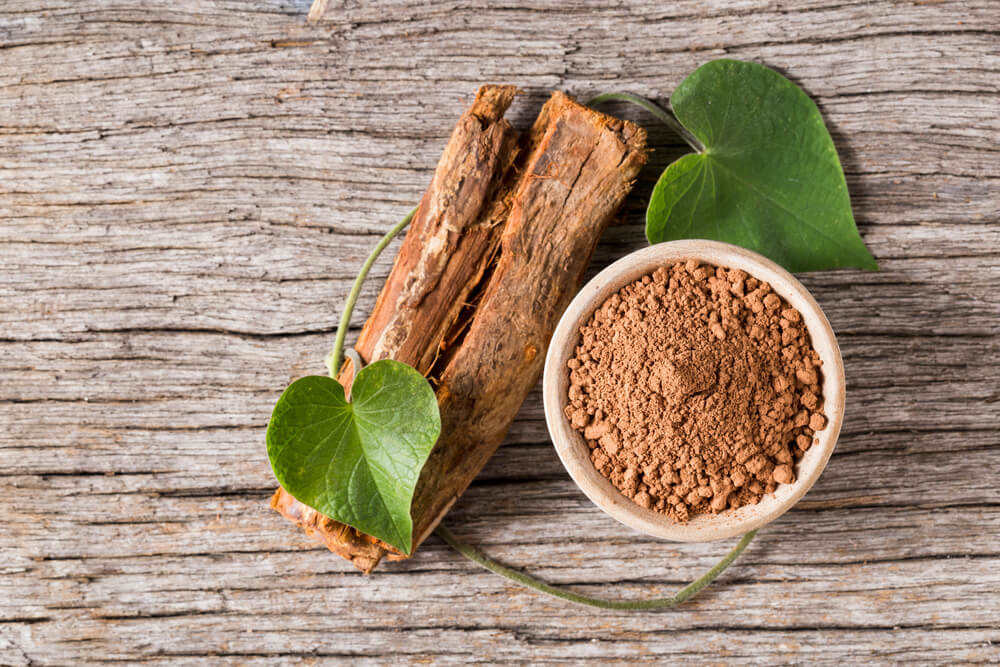
The foliage itself consists of ovate leaves that grow in opposite pairs, often featuring a fine, downy texture on the underside. This specific trait is what gives the tomentosa species its name, derived from the Latin word for "covered in hair." Below the surface of the green exterior lies the truly prized portion of the plant: the inner bark. This fibrous, reddish-brown layer is where the concentrated botanical profile resides, and it has been the focus of harvesting efforts for generations. Identifying the plant in the wild requires a discerning eye, as it often blends into the tangled tapestry of vines and secondary growth that defines the Peruvian highlands. Because the vine can grow so thick, sometimes reaching several inches in diameter, it serves as physical evidence of the longevity of the rainforest itself.
Beyond its climbing prowess, the vine is known for its ability to store water. In many indigenous stories, the plant is described as a "water vine" because a quick, diagonal cut to the woody stem can release a clear, drinkable liquid. This has made it a survival resource for those traveling through the dense brush, further cementing its status as a vital part of the jungle landscape. When the vine reaches maturity, it also produces small, trumpet-shaped flowers that range in color from pale yellow to white. These blossoms are rarely seen by the casual observer, as they typically bloom high above the forest floor, accessible only to the various pollinators that inhabit the canopy. This elusive nature only adds to the mystique of the plant, marking it as a true giant of the South American wilderness.
Heritage of the Asháninka People
The narrative of Cat's Claw does not begin in a laboratory or a modern apothecary; it starts with the indigenous peoples of the Amazon basin, most notably the Asháninka of central Peru. For these communities, the vine was never just another plant in the forest; it was a sacred entity woven into the very fabric of their cultural identity. Traditional use involved a deep respect for the lifecycle of the liana, confirming that the harvest never compromised the survival of the species. The Asháninka utilized the inner bark in a diverse array of liquid preparations, often simmering it for long periods to create a concentrated brew that served as a staple for communal wellness.
Historical records and oral traditions suggest that this relationship has existed for millennia. The vine was considered a protective spirit of the forest, and its application was guided by a profound awareness of the natural world. In these traditional contexts, the plant was utilized to maintain balance within the body and provide support during seasonal transitions. The wisdom of these indigenous groups laid the foundation for everything we recognize today, as their techniques for harvesting and preparing the bark remain the gold standard for potency and ecological responsibility. Other tribes, such as the Boras and Yanesha, also held the vine in high regard, each developing their own specific methods for incorporating it into their daily lives.
The cultural significance of the vine also extended to its role as a symbol of resilience. Because the plant thrives in the face of intense competition for sunlight and space, it was viewed as a teacher of endurance. Indigenous harvesters would often offer a prayer or a sign of respect before removing the bark, an act that highlighted the reciprocal relationship between humans and the Amazonian ecosystem. This spiritual connection ensured that the forest remained healthy and that the "claws" of the vine would continue to climb for future generations.
The 1970s: Crossing the Atlantic to Global Recognition
The transition of Cat's Claw from a localized traditional secret to a worldwide botanical phenomenon began in earnest during the 1970s. A pivotal figure in this shift was Dr. Klaus Keplinger, an Austrian researcher who became fascinated by the stories coming out of the Peruvian interior. After spending time with the Asháninka and observing their methods, Keplinger brought samples back to Europe for rigorous analysis. This marked the start of a new era for the vine, as researchers began to isolate the specific compounds that gave the plant its stellar reputation.
Throughout the late 20th century, interest exploded across the Western world. As more individuals sought natural ways to maintain their vitality, the demand for high-quality Amazonian botanicals surged. This led to a significant increase in the Peruvian export market, transforming small-scale harvesting into a major industry. However, the rise in popularity also brought challenges regarding authenticity and over-harvesting, prompting the development of stricter regulations to protect the delicate rainforest ecosystem.
By the time the 1990s arrived, the vine had become a mainstay in the health food stores of North America and Europe. It was no longer a mystery discussed only in remote villages; it was a celebrated botanical backed by a growing body of scientific curiosity. Today, the vine stands as one of the most successful examples of a traditional botanical making a successful leap into the global mainstream without losing its cultural soul. It serves as a reminder that the most impactful wellness resources often come from the deepest corners of the natural world, preserved by those who have lived in harmony with the land for centuries.
The Chemical Symphony Within the Bark
To truly appreciate why this vine has remained a focal point of botanical study for decades, one must look beyond the physical thorns and into the microscopic world of its active compounds. The inner bark of Uncaria tomentosa is a dense reservoir of secondary metabolites, which are chemicals the plant produces to protect itself from the harsh tropical environment. Among these, the most celebrated are the oxindole alkaloids. These nitrogenous compounds are the primary reason the vine is categorized as a "powerhouse" in the world of herbalism. However, the true story lies in the specific types of alkaloids present and how they interact with one another to create a unified biological effect.
Decoding the Alkaloid Profile: POAs vs. TOAs
Within the spectrum of oxindole alkaloids, there are two distinct groups that researchers monitor with great precision: Pentacyclic Oxindole Alkaloids (POAs) and Tetracyclic Oxindole Alkaloids (TOAs). The POAs are generally considered the "stars" of the show. These compounds are sought after for their perceived ability to support a balanced internal environment and promote systemic vitality. Modern extraction techniques often aim to maximize the concentration of these pentacyclic structures, as they are believed to be the most compatible with human physiology.
On the other side of the equation are the TOAs. While they are naturally occurring within the plant, many specialists in the field suggest that a higher ratio of POAs to TOAs is preferable. In fact, some argue that the presence of too many tetracyclic alkaloids can actually interfere with the beneficial properties of the pentacyclic ones. This complex "tug-of-war" between compounds is a perfect example of botanical synergy. It is not just about the presence of a single ingredient, but the harmony of the entire profile. When you consume a high-quality extract, you are essentially tapping into this delicate natural balance that has been refined by the plant over millions of years of evolution.
Beyond Alkaloids: The Supporting Cast
While alkaloids receive the bulk of the attention, the vine contains several other key players that contribute to its overall utility. One of the most significant groups is the quinovic acid glycosides. These molecules are often studied for their role in maintaining structural integrity and supporting a clean, efficient internal system. They work in tandem with the alkaloids to create a more comprehensive botanical effect than any single compound could achieve on its own.
Additionally, the bark is rich in tannins and phytosterols. Tannins are polyphenolic compounds often associated with that slightly astringent or "dry" quality found in certain teas and wines. In the context of Cat's Claw, these tannins provide a layer of protection for the plant’s own tissues and are thought to offer similar supportive qualities when introduced to a wellness routine. Phytosterols, such as beta-sitosterol, are plant-based fats that resemble cholesterol in structure and are frequently included in products aimed at promoting general physical longevity. Together, these varied elements form a chemical tapestry that is as intricate as the rainforest itself.
Guardians of the Canopy: Ethics and Growth
The sudden rise of Cat's Claw on the international stage created a massive demand that the Peruvian rainforest had to suddenly accommodate. This brought the issue of sustainability to the forefront of the conversation. Because the most valuable part of the plant is the inner bark, harvesting requires removing the outer layer of the vine. In the past, less responsible methods involved cutting down the entire liana or over-stripping the bark to the point where the plant could no longer transport nutrients. Today, however, the focus has shifted toward regenerative practices that verify the vine remains a permanent fixture of the Amazonian landscape.
Distinguishing Between the Two Species
When discussing cultivation, it is vital to recognize that not all "Cat's Claw" is created equal. There are two primary species that dominate the market: Uncaria tomentosa and Uncaria guianensis. While they may look similar to the untrained eye, they possess distinct characteristics and chemical makeups. Uncaria tomentosa is the species most frequently used in supplements and is generally found in the higher elevations of the rainforest. Its thorns are more curved and hook-like, perfectly suited for its name.
Uncaria guianensis, on the other hand, tends to grow in lower, more humid areas and features thorns that are more straight or slightly bent. From a chemical perspective, guianensis typically has a lower concentration of the highly sought-after alkaloids found in tomentosa. Because of these differences, ethical suppliers must be diligent in their botanical identification to ensure that the consumer is getting the specific profile they expect. This distinction is a hallmark of professional harvesting, as it prevents the accidental mixing of species that could dilute the effectiveness of the final product.
The Art of the Sustainable Harvest
The most responsible way to harvest the vine is a method known as "selective stripping." Instead of destroying the plant, harvesters carefully remove longitudinal strips of the bark, leaving plenty of surface area intact so the vine can heal and continue to grow. This approach mimics the natural "scarring" that might occur from animals or fallen branches in the wild. Furthermore, experienced collectors know to leave the roots and the first few feet of the vine untouched. This ensures that the root system remains strong and can continue to push water and minerals up into the canopy, allowing the plant to regenerate its bark over a period of several years.
Peruvian regulations have also played a significant role in protecting the species. The government has implemented quotas and management plans that require harvesters to be registered and to follow specific guidelines. These measures have helped transform the industry into a model for sustainable wild-crafting. By supporting brands that prioritize these ethical sources, consumers are playing a direct role in preserving the biodiversity of the Amazon. It creates a cycle of respect where the forest provides a valuable resource, and in return, we provide the protection needed for that resource to thrive indefinitely.
Traversing the Marketplace of Amazonian Offerings
The transition from the wild, tangled depths of the Amazonian canopy to the precisely calibrated environment of a modern manufacturing facility has resulted in a fascinating variety of ways to engage with Uncaria tomentosa. No longer is the someone limited to what they can find and brew by a campfire; today, the botanical library offers diverse options tailored to specific wellness objectives:
- Standardized Capsules: These are composed of a protective shell, typically crafted from gelatin or a plant-derived cellulose, which functions as a specialized vessel for the botanical powder or concentrated extract. This specific delivery system is excellent for shielding the sensitive oxindole alkaloids from environmental factors like light and moisture, which helps preserve the integrity of the inner bark until the moment of consumption. Since the shell encapsulates the contents completely, this remains the primary option for those who want to integrate the vine into their routine without experiencing any of the characteristic bitterness or peppery notes associated with the plant.
- Standardized Tablets: These are distinct, solid units formed through the high-pressure compression of botanical material, often combined with natural binders to maintain a sturdy, durable shape. This format allows for a high density of active components in a compact size, making them easy to transport and store without the fragility of a shell. Furthermore, tablets offer the unique possibility of including natural coatings or even specific flavorings, which can turn a traditionally sharp-tasting botanical into a more palatable or even chewable experience. This versatility provides a middle path for individuals who want the convenience of a solid dose but prefer a more approachable mouthfeel and flavor profile than raw bark provides.
- Liquid Tinctures and Hydro-Ethanolic Extracts: For those who prefer a more rapid interaction with the plant's active profile, liquid extracts offer a highly bioavailable alternative. These are typically created by macerating the bark in a solution of alcohol and water, which acts as a powerful solvent to pull out the various alkaloids and glycosides. The result is a concentrated liquid that can be added to water or juice, providing an adjustable serving size that is easy to customize. This format is often favored by herbalists who appreciate the way the alcohol preserves the full spectrum of the vine's chemical identity, giving the body's mucosal linings a chance to absorb the compounds quickly.
- Contemporary Botanical Gummies: As the lines between functional food and traditional supplementation continue to blur, gummies have emerged as a surprisingly effective way to integrate Cat’s Claw into a modern lifestyle. These soft, chewable formats are often infused with natural fruit extracts that complement the earthy notes of the vine, making the experience more pleasant for those with sensitive palates. While they are often viewed as a more casual option, the best versions still utilize potent extracts, offering a portable and convenient solution for busy professionals who want to maintain their vitality without the need for water or extensive preparation.
- Traditional Raw Bark and Shredded Decoctions: Reaching back to the roots of Amazonian wisdom, the use of raw, shredded inner bark for brewing tea offers a sensory experience that no pill can replicate. This method requires a bit more patience, as the bark must be simmered—not just steeped—to break down the tough cellulose and release the beneficial tannins and quinovic acid glycosides. The resulting brew is robust and deeply colored, providing a direct link to the historical preparations of the Asháninka people. For many, the act of preparing the tea is a vital part of the wellness process, turning the consumption of the vine into a mindful ritual that honors the plant’s origins.
The Contemporary Pulse of Botanical Integration
In the hustle of our modern, technology-driven world, the quest for botanical allies that can help maintain physical resilience has never been more relevant. Cat’s Claw has transitioned from a localized tribal secret to a cornerstone of the global wellness movement because it addresses the needs of individuals living in demanding, high-activity environments. By integrating this vine into a daily regimen, seekers can tap into a diverse array of functional advantages:
- Dynamic Immune System Modulation: Rather than simply pushing the body's defenses into overdrive, the vine acts as a balancer, helping the immune system remain responsive and efficient. This is especially valuable during seasonal changes or when traveling through varied climates, as it provides the biological cues needed for the body to sustain its own protective barriers. The pentacyclic oxindole alkaloids work behind the scenes to support the natural activity of white blood cells, creating a sturdy foundation for overall physical vitality without over-stimulating the system.
- Urban Pollution and Antioxidant Defense: Living in a modern city often means constant exposure to environmental factors that can tax our cellular health. The rich profile of polyphenols and flavonoids found within the bark functions as a natural shield against the oxidative stressors common in urban life. By neutralizing free radicals, the vine helps promote cellular longevity and structural integrity, seeing to it that the body’s internal systems are not overwhelmed by the invisible demands of a smoggy or high-traffic environment.
- Harmonious Systemic Balance: Beyond any single function, the "Medicinal Vine" is prized for its ability to foster homeostasis across multiple physical systems. It works in a holistic manner, supporting the body’s natural ability to recover and maintain equilibrium after physical exertion. This harmonizing effect is why many athletes and high-performance individuals include the plant in their routine; it doesn't just target one area, but instead offers a comprehensive blanket of support that encourages long-term wellness and functional endurance.
- Vitality and Seasonal Resilience: As we move through the various cycles of the year, our bodies often require extra support to stay synchronized with the natural world. Cat's Claw provides a sense of "seasonal armor," helping to maintain energy levels and a robust sense of well-being even when environmental conditions are less than ideal. This proactive approach to wellness focuses on building strength from the inside out, providing a way to navigate daily life with a greater sense of confidence in one's physical resilience.
Please Note: As with any potent botanical, the key to a successful experience with Cat's Claw is mindful integration and a respect for the plant’s strength. While it’s generally well-tolerated by most adults, there are certain considerations to keep in mind to verify a safe and positive journey with this Amazonian giant, such as those with autoimmune conditions, individuals scheduled for surgery, or those on specific blood-related medications. Also, expectant or nursing mothers are also generally encouraged to avoid Cat's Claw. For the average healthy adult, starting with a lower serving size and paying attention to how the body responds is the best practice. Some individuals may experience mild digestive shifts as their system adjusts to the tannins and alkaloids, but these usually subside as the body becomes accustomed to the botanical. By being a "listener" to your own physical cues, you can find the perfect balance that provides the support you need without overstepping.
A Legacy Written in the Canopy
The story of the "Medicinal Vine" is one of profound resilience, spanning from the hidden valleys of the Andes to the modern world’s most advanced wellness centers. By honoring the traditional wisdom of the Asháninka and combining it with our current botanical knowledge, we can appreciate Cat's Claw as more than just a supplement. It remains a vibrant, living link to the immense biological wealth of the Amazon, standing as a primary example of how nature provides the tools for our own vitality. As we look forward, the continued ethical stewardship of this climbing giant confirms that its protective thorns will remain a fixture of the rainforest for centuries to come.
Recent Posts
-

2026 Cannabinoid Matchup: THCA vs. CBC
Building a well-rounded hemp collection in today’s times has evolved into a personalized craft tailo …Sep 24, 2026 -
Kratom vs. CBGA: How Do They Measure Up Against One Another?
The modern search for plant-based wellness solutions has introduced a diverse spectrum of botanical …Sep 23, 2026 -
Inside the Gel Cap: How Much Kratom is in 1 Capsule?
Holding a pre-filled Kratom capsule between your fingers gives the impression of a perfectly measure …Sep 22, 2026