
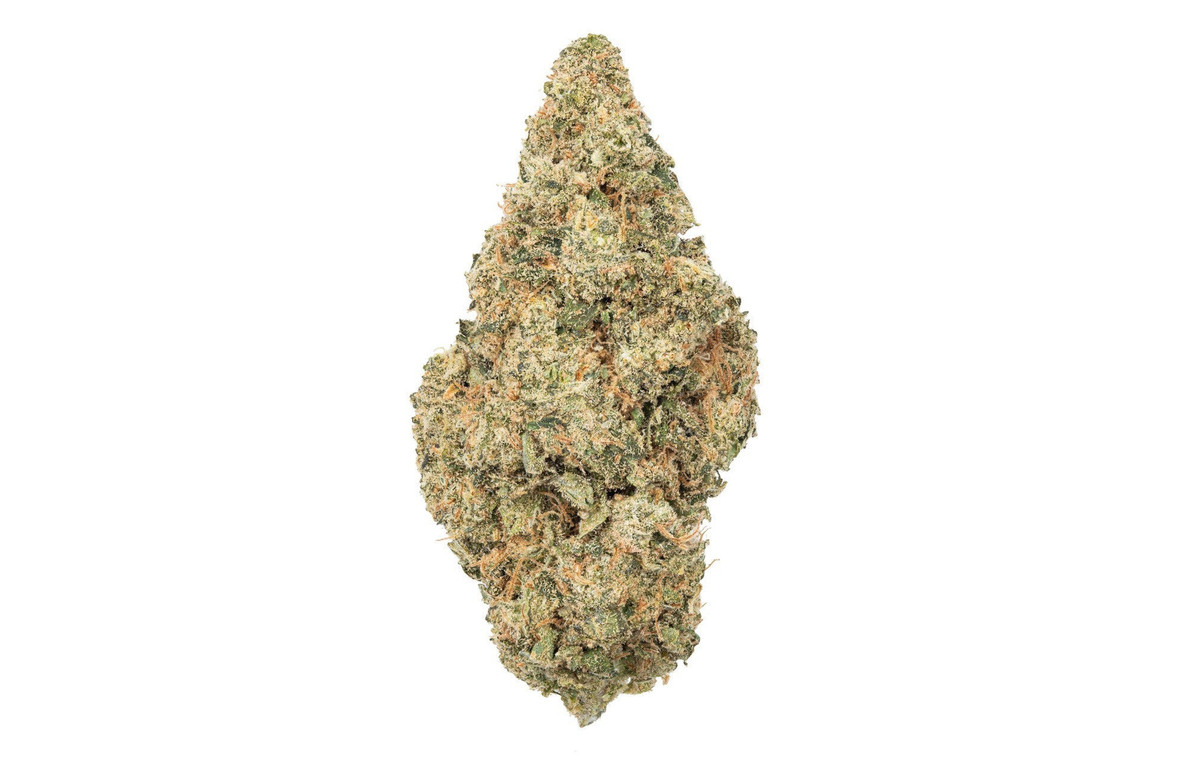
How Much is a Pound of THCA Flower?
Standing in front of a sprawling field of hemp or peering into a high-tech grow room feels like looking at the future of agricultural science in real-time. There’s a specific kind of magic in seeing how a raw plant can be transformed into a sought-after commodity through nothing more than careful timing and environmental control. While many people are familiar with the finished items found on store shelves or online, the real story begins much earlier, hidden within the complex chemistry of the living plant. This in turn, leads up to a question of how much is a pound of THCA flower?
Getting to the heart of the matter requires looking past the flashy labels and digging into the actual substance that makes these flowers so unique. It is a world where tiny crystals hold the secret to a multi-million dollar industry, and the price tag is written in the language of molecules.
THCA Flower’s Chemical Blueprint: Life Before the Spark
To appreciate why someone would pay hundreds or even thousands of dollars for a pound of plant material, we have to look at what is happening at the microscopic level. Tetrahydrocannabinolic Acid (THCA) is often described as the "raw" version of the most famous cannabinoid in the world. It’s the form that the plant naturally produces as it grows under the sun or high-intensity lights. In its natural state, the plant isn't interested in providing a finished experience for a consumer; it is simply performing its biological functions. The trichomes (tiny, frosty-looking hairs on the surface of the buds) serve as biological factories, churning out acidic cannabinoids that protect the plant from pests and UV radiation.
When talking about THCA flower, we’re referring to hemp that has been bred and cultivated specifically to maximize this particular molecule while staying within the legal definitions provided by agricultural regulations. The chemistry here is fascinating because THCA is non-psychoactive in its native state. It sits there, stable and waiting, until it’s introduced to a specific catalyst. This molecular structure is the foundation of the entire market. If the plant didn't produce this specific acid, the industry as we know it today would look vastly unrecognizable.
The Acidic Ancestry of Modern Hemp
The history of how we arrived at THCA-dominant flower is a tale of selective breeding and a deep grasp of botanical genetics. For years, the focus of hemp cultivation was on fiber, seeds, or CBD. However, as the market matured, cultivators began to realize that the same plant could be nudged in a different direction. By focusing on strains that naturally lean toward higher acidic content, growers were able to produce a crop that looks, smells, and feels identical to traditional varieties while maintaining a distinct chemical profile.
This isn't about synthetic alterations or laboratory tricks. Instead, it is about the raw potential of the genetics themselves. When you hold a high-quality bud, you are looking at the culmination of generations of cross-breeding. Farmers have spent years hunting for "phenotypes"—specific individual plants that show the best traits—to create the stable, high-potency lines we see in May 2026. This focus on genetics is one of the primary drivers of cost. Rare genetics that produce high yields of THCA with a complex aroma are far more valuable than standard, run-of-the-mill seeds that produce a lackluster crop.
The Alchemy of Temperature
The most important thing to grasp about THCA is its relationship with heat, a process known as decarboxylation. This is the moment where the "A" in THCA—the carboxyl group—is removed. Think of it like a safety pin that holds a spring in place; once the pin is pulled by the application of heat, the molecule changes its shape and its function. This transition happens naturally over a long period, but it occurs almost instantly when exposed to the high temperatures of a flame or a vaporizer.
In the context of the marketplace, this chemical "potential" is exactly what people are buying. A pound of flower is essentially a bulk storage unit for this transformation. Cultivators must be incredibly careful during the drying and curing process to prevent this conversion from happening too early. If a harvest is exposed to too much heat or light before it reaches the customer, the chemical balance shifts, which can have significant implications for the legal status and the shelf life of the product. The skill required to preserve the acidic state of the cannabinoid through the harvest and shipping process is a major factor in why premium flower carries a higher price tag. It is a delicate dance between biology and physics, where the goal is to stop time just before the molecule changes forever.
The Modern Face of Compliant Cultivation
As we look at the state of the market in 2026, the landscape for THCA flower has moved far beyond its infancy. It is no longer a niche segment of the agricultural world but a massive, highly sophisticated industry that rivals any other high-value crop. To understand why a pound of this material costs what it does, we first have to recognize how the industry itself has matured. In the early days, "hemp" was a term that mostly brought to mind scratchy rope or dietary seeds. Today, the term represents a triumph of selective breeding, where the goal is to produce a flower that is indistinguishable from top-tier boutique varieties while adhering to specific regulatory frameworks.
This shift in the landscape is driven by a massive influx of professional agricultural talent. We are seeing farmers who previously focused on food crops or traditional medicinal herbs bringing their expertise into the world of THCA. This transition has led to a much higher standard of quality across the board. When a buyer looks at a pound today, they aren't just looking at plant matter; they are looking at the result of high-end humidity controls, specialized lighting schedules, and precision curing techniques that were once the domain of only the most elite secret gardens.
The Great Cannabinoid Pivot
For a long time, the hemp world was dominated by CBD. However, as the market became saturated and consumer preferences evolved, there was a visible pivot toward more complex profiles. This is where THCA stepped into the spotlight. Unlike the early days of CBD flower, which often lacked the visual appeal and aromatic punch of its cousins, modern THCA-dominant strains are bred for their "bag appeal." This includes everything from the density of the buds to the complexity of the scent profile.
The reason this matters for the price per pound is simple: quality is expensive to maintain. Breeding a plant to produce high levels of THCA while keeping other cannabinoids within strict limits requires constant testing and vigilance. If a grower isn't careful, a harvest can "run hot," meaning it exceeds the legal thresholds and becomes a total loss. This risk is baked into the price of every pound on the market. When you buy a pound of high-quality THCA flower, you are paying for the expertise that kept that plant within the lines of compliance throughout its entire life cycle.
Natural Purity Versus Chemical Coatings
One of the most significant developments in today’s landscape is the clear distinction between natural THCA flower and infused or "sprayed" products. In previous years, the market was flooded with flower that had been treated with various distillates like Delta-8 or HHC. While those products have their place, the current demand is overwhelmingly focused on natural, untreated flower. Consumers are much more savvy now; they can tell the difference between a bud that is naturally frosty with THCA crystals and one that has been coated in a sticky, artificial layer.
This preference for purity has pushed prices higher for authentic THCA flower. Because the flower is produced naturally through the plant's own biological processes, it requires much more skill to grow than simply spraying low-quality hemp with a chemical solution. The labor involved in hand-trimming and carefully curing these natural buds to preserve their fragile trichomes adds a significant premium to the final cost. A pound of naturally grown, high-potency flower represents hundreds of hours of labor, from the initial planting to the final vacuum seal.
The Rise of the Connoisseur Market
We’re currently witnessing a "connoisseur" culture emerging within the THCA space, much like what you see with fine wine or craft coffee. This segment of the market doesn't just want any pound of flower; they want specific lineages and terpene profiles. They are looking for "landrace" genetics or the newest hybrids that offer a unique aromatic experience. This demand for rarity and excellence has created a tiered pricing structure that can be quite wide.
For instance, a standard commercial-grade pound might be abundant and relatively affordable, but a small-batch harvest of a rare "Exotic" strain will command a much higher price due to its scarcity. These top-tier flowers are often grown in smaller rooms with individual attention paid to every single plant. This level of care ensures that the final product is a masterpiece of botanical art, but it also means that the price per pound reflects that artisanal approach. Understanding this divide between commercial and boutique production is key to navigating the costs we will discuss in the upcoming sections.
Breaking Down How Much is a Pound of THCA Flower by Type: Outdoors, Greenhouse, Indoors, and Exotics/Premium
Alright folks, now that you have a much better understanding of what THCA flower is and what really goes into it, we need to really break down each THCA flower type, as that’s the direction to take to answering the “how much is a pound of THCA flower?” question. This way, you’ll be able to know why the cost associated with that said pound of flower is justified.
The Raw Power of the Sun: Harvesting the Great Outdoors
When we move our gaze from the laboratory and the climate-controlled rooms out into the open air, the economics of the THCA world shift dramatically. Outdoor cultivation is the oldest and most natural way to produce hemp, relying on the immense power of the sun and the natural rhythms of the earth. In this setting, the sky is the only ceiling, and the scale of production can reach levels that indoor growers could only dream of. This massive scale is the primary driver behind why outdoor flower represents the most accessible entry point for anyone looking to purchase a pound. It is the backbone of the bulk market, providing the raw material for everything from budget-friendly pre-rolls to high-volume extraction projects.
There is a rugged beauty to sun-grown flower that you simply do not find in indoor varieties. Because the plants are exposed to the elements—the wind, the rain, and the varying intensity of natural UV rays—they often develop a hardier structure and a unique chemical complexity. While indoor plants are pampered and protected, outdoor plants have to fight a bit for their survival, and that struggle is often reflected in the final product. The cost savings of not having to pay for electricity or complex HVAC systems are passed directly to the consumer, making the outdoor pound a staple for those who value volume and value over pristine, manicured aesthetics.
The Philosophy of Sun-Grown Terroir
In the world of high-end agriculture, there is a concept known as "terroir," which refers to how a particular region's soil, climate, and geography affect the taste and quality of a crop. Just as a grape grown in the hills of France will taste different from one grown in California, a THCA plant grown in the rich soil of Oregon will have a distinct profile compared to one from the mountains of North Carolina. This natural variation is one of the most appealing aspects of sun-grown flower. The sun provides a full spectrum of light that artificial bulbs struggle to replicate perfectly, which can lead to a more diverse array of secondary metabolites in the plant.
When a buyer looks at a pound of outdoor flower, they are often seeing a snapshot of a specific place and time. The minerals in the local water and the specific bacteria in the soil all play a role in how the trichomes develop. This "organic" feel is highly prized by a segment of the market that prefers a more natural experience. However, the lack of a controlled environment also means that outdoor flower can vary more in quality from one harvest to the next. A particularly rainy season or an early frost can impact the final look and potency of the buds, which is why transparency and lab testing are so vital in the outdoor market.
Seasonal Cycles and the "Croptober" Effect
One of the most important things to grasp about the pricing of outdoor THCA flower is the influence of the seasons. Unlike indoor facilities that can harvest every few weeks, outdoor farmers generally have one massive harvest per year. This usually happens in the fall, a period affectionately known in the industry as "Croptober". During this time, the market is suddenly flooded with a massive amount of fresh flower, which naturally drives prices down. If you are looking to secure a pound at the best possible rate, timing your purchase around these seasonal peaks is a smart strategy.
As we move into the winter and spring, the supply of fresh outdoor flower begins to dwindle, and prices may start to creep up as the previous year’s stock is sold off. The freshness of the product is a major factor in its value. A pound harvested in October will be at its peak aromatic quality in the weeks following its cure, but by the following summer, it may have lost some of its vibrance. This seasonal ebb and flow is a fundamental part of the outdoor economy and explains why you might see a wide range of prices for what seems like the same grade of flower depending on the month you are shopping.
Pricing Tiers for the Outdoor Pound
Looking at the specific cost of an outdoor harvest requires a sharp eye for the subtle variations that separate a bulk bargain from a craft-quality floral arrangement. While the sun provides a massive amount of free energy, the labor required to sort, trim, and cure these massive harvests creates a sliding scale of value for the consumer. You’re often balancing the desire for a low entry price with the aesthetic appeal of the flower and its overall potency profile. The market for these sun-grown pounds is segmented into several distinct brackets based on those specific production factors:
- General Outdoor Range: A standard pound of sun-grown material usually lands between $250 and $600 depending on the cultivar and the volume of the purchase.
- Budget and Clearance: Lower-grade options or older stock that needs to move quickly can often be found in the $400 to $500 range, offering a solid entry point for bulk buyers.
- Small-Batch and High-Grade: For those seeking the top tier of sun-grown production, where hand-trimming and boutique curing are the standard, prices typically reach between $600 and $800.
- Seasonal Fluctuations: These prices often dip or peak around the fall harvests, as the abundance of fresh supply creates a more competitive environment for buyers.
The Greenhouse Hybrid: The Middle Path to Quality
If outdoor grows represent the raw power of nature and indoor grows represent total human control, greenhouse cultivation is the sophisticated bridge between the two. This method, often referred to as "light deprivation" or "mixed light," has become one of the most popular ways to produce high-quality THCA flower at a scale that remains sustainable. By using a glass or poly-enclosed structure, growers can harness the natural spectrum of the sun while still protecting the plants from the harsh realities of the outside world. This environment allows for a level of consistency that is difficult to achieve in an open field, leading to a product that often rivals indoor quality but at a more palatable price point.
The greenhouse approach is particularly effective because it allows for multiple harvests throughout the year. By using blackout curtains to "trick" the plants into flowering regardless of the actual season, a greenhouse manager can maintain a steady flow of fresh flower. This technology removes the reliance on the "Croptober" cycle, ensuring that the market has access to fresh, vibrant buds even in the dead of winter. For the buyer, this means that the greenhouse pound often represents the perfect balance of freshness, potency, and cost-effectiveness.
The Technology of Light Deprivation
The secret to the success of the modern greenhouse lies in its ability to manipulate light. In a standard outdoor grow, the plants only begin to flower when the days naturally grow shorter in the late summer. In a high-tech greenhouse, however, the grower can pull heavy, light-proof tarps over the structure to simulate a shorter day whenever they choose. This level of control is a major reason why greenhouse flower is more expensive than outdoor. The infrastructure required—the automated tarp systems, the supplemental LED lighting for cloudy days, and the fans for airflow—represents a significant investment in the final quality of the crop.
This controlled environment also means that the plants are far less likely to be damaged by pests or dust. Because the air is filtered and the temperature is moderated, the trichomes remain pristine and clear. When you examine a greenhouse-grown bud, you will notice that it often has a lighter color and a more intact structure than outdoor flower. This visual appeal is a key selling point for retailers and bulk buyers alike. The labor involved in maintaining these systems, combined with the cost of the facility itself, pushes the price of a greenhouse pound into a higher tier than its sun-grown counterparts.
Greenhouse Quality and Potency Standards
Presently, the quality of greenhouse THCA flower has reached impressive heights, with many strains testing between 20% and 35% THCA. This high potency is achieved through a combination of elite genetics and the ability to push the plants to their limit within a safe enclosure. Because the plants aren't fighting off the stress of wind or extreme temperature swings, they can dedicate all their energy to resin production. This results in a flower that is not only potent but also rich in the aromatic compounds that define a high-quality experience.
The trim quality in this category is also a step up from the bulk outdoor market. While outdoor pounds are frequently machine-trimmed to save time, greenhouse pounds are more likely to see at least some level of hand-finishing. This preserves the "crown" of the bud and ensures that the most resinous parts of the plant aren't lost in a mechanical tumbler. For a buyer looking to stock a shelf or provide a premium bulk option, the greenhouse pound offers a level of professionalism that is immediately apparent upon opening the bag.
Breaking Down the Greenhouse Price Scale
Calculating the value of a greenhouse harvest involves looking at the specific technology used to shield the plants from the unpredictable nature of the outdoors. You have to consider the operational costs of light deprivation systems and the supplemental energy required to maintain a perfect climate year-round. These facilities sit at a unique intersection of agricultural efficiency and boutique quality, resulting in a product that serves a wide variety of market needs. The pricing for these mid-tier pounds reflects the diverse levels of sophistication found in modern greenhouse structures:
- Standard Greenhouse Range: A pound of high-quality greenhouse flower typically costs between $400 and $1,400, reflecting the broad spectrum of cultivation tech available today.
- The Sweet Spot: Many of the most popular and consistent options on the market fall into the $600 to $800 range, offering a professional appearance and strong terpene profiles.
- Budget Greenhouse Options: Smaller buds, lower-grade harvests, or bulk clearance items can often be found starting closer to $400 for those prioritizing price over aesthetics.
- Premium Greenhouse Tier: At the top of this category, premium flowers grown in high-tech facilities with elite genetics can reach prices on par with some indoor varieties.
The Indoor Professional Standard: Precision in Every Gram
When we step into the world of indoor cultivation, we are entering an environment where every single variable is dictated by human design. In these facilities, there is no reliance on the sun or the local weather; instead, the plants live in a perfectly balanced ecosystem of high-intensity LED or HID lighting, precision-tuned CO2 levels, and surgical-grade climate control. This level of total dominance over the environment is why indoor flower has long been considered the gold standard for the industry. It allows for a level of consistency and visual perfection that is nearly impossible to replicate in any other setting.
The cost of an indoor pound is heavily influenced by the sheer amount of overhead required to keep these facilities running. Unlike a farm that uses the sun for free, an indoor grower has to pay for every lumen of light and every breath of fresh air the plants receive. This energy-intensive process is reflected in the final price tag, but it also results in a flower that is exceptionally dense, remarkably frosty, and bursting with a clean, potent aroma. For the buyer, the indoor pound represents the peak of reliability and the highest tier of "bag appeal" available in the volume market.
The Science of Total Control
In an indoor facility, the grower acts as a conductor, orchestrating a complex symphony of light, water, and nutrients. Because the plants are not exposed to the stressors of the outside world, they can be pushed to produce an incredible amount of resin. This is where you see the most dramatic expressions of a strain’s genetic potential. The trichomes are allowed to develop without being battered by wind or rain, resulting in a "crystal" coating that looks like a layer of fresh snow. This pristine condition is a major factor in why indoor flower commands such a significant premium.
Furthermore, the indoor setting allows for a level of sanitation that is unmatched. Growers can implement strict integrated pest management protocols that keep the facility clean without the need for harsh interventions. This focus on purity is something that sophisticated buyers look for when they are evaluating a pound of high-end material. The labor involved in maintaining these sterile environments—wearing protective gear, filtering the air, and meticulously cleaning every piece of equipment—is a silent but significant contributor to the $1,343 average price seen in 2026.
Aesthetics and the "Top-Shelf" Expectation
When you open a pound of indoor-grown THCA flower, the first thing you notice is the visual strikingness of the buds. Indoor flowers are typically hand-trimmed with extreme care to preserve the delicate structure of the plant. You won't find the compressed or "smushed" look that sometimes occurs with large-scale outdoor harvests. Instead, each bud is a standalone piece of botanical art, showing off its vibrant colors and intricate geometry. This level of aesthetic quality is what most retail customers expect when they hear the term "top-shelf."
The aromatic profile of indoor flower is also typically more intense and "loud" than other cultivation methods. Because the terpenes are protected from the degrading effects of UV light and heat during the grow, they remain trapped within the resin glands until the moment the flower is used. This leads to a much more pungent and complex scent that can fill a room the moment the seal is broken. In a competitive market, this sensory experience is a powerful tool for vendors, justifying the higher cost of acquisition for these premium indoor pounds.
Navigating the Indoor Pricing Spectrum
While the average price for an indoor pound sits around $1,343, there’s a surprising amount of variety within the category. The price can swing significantly based on the rarity of the strain and the reputation of the grower. We’re currently seeing a market that has matured enough to offer both professional-grade commercial indoor and more exclusive "boutique" options. The pricing structure for these climate-controlled harvests typically breaks down into the following tiers:
- The Indoor Average: Most high-quality indoor pounds typically range from $500 to $1,900, with $1,343 serving as a common middle-ground price for reputable harvests.
- Commercial Indoor/AAA: This tier generally costs between $800 and $1,200, offering a great balance of professional aesthetics and consistent potency for retail environments.
- Entry-Level Indoor: For those looking for the indoor look on a budget, some bulk or "smalls" options can be found starting as low as $300 to $500 per pound.
- Operational Variation: Prices in this category are often tied to the specific energy costs and labor standards of the region where the flower was produced.
The Upper Echelon: Unpacking the World of Exotics and AAA
When the conversation shifts to the very top of the market, we are no longer just talking about a commodity or a simple agricultural product. We are entering a space where the flower is treated with the same reverence as a rare vintage of wine or a piece of fine art. This is the realm of "Exotics" and "AAA" indoor flower, where the standard for excellence is so high that only a small percentage of harvests ever make the cut. In this tier, the focus is not on yield or ease of growth, but on pushing the limits of what the plant can produce in terms of visual beauty and chemical complexity.
The term "exotic" has become a bit of a buzzword in recent years, but in the context of May 2026, it refers to a very specific set of criteria. These are flowers that possess a unique "it" factor—perhaps a color palette of deep purples and bright oranges that look almost neon, or a scent profile so rare and pungent that it defies standard descriptions. Producing these pounds requires more than just a clean room and expensive lights; it requires a deep, intuitive knowledge of plant biology and a willingness to take risks with rare genetics that may be finicky or difficult to master.
The Allure of Rarity and Genetic Prestige
The price of a top-shelf pound is often driven by the scarcity of the genetics involved. While many commercial growers stick to reliable, high-yielding strains that are easy to manage, the "exotic" grower is often hunting for something new and exclusive. They might spend months or even years searching through hundreds of individual plants to find a single "mother" that exhibits truly exceptional traits. When a new, highly sought-after strain hits the market, the price per pound can skyrocket simply because the demand far outweighs the available supply.
These genetics are often guarded closely, with some growers keeping their best cuts exclusive to their own brand. This exclusivity creates a "hype" cycle that fuels the upper end of the market. For a buyer, acquiring a pound of a genuine exotic strain is about more than just the product itself; it is about offering something that can’t be found anywhere else. This prestige is a major factor in why these pounds can easily cross the $1,600 mark. You are paying for the time, effort, and botanical detective work that went into stabilizing a rare genetic line.
Visual Standards and Cannabinoid Concentration
In the AAA and Exotic categories, the visual presentation must be flawless. Each bud is expected to be a masterpiece of symmetry and color, with a dense, "sticky" texture that indicates a high concentration of resin. There is a zero-tolerance policy for seeds, stems, or poorly trimmed leaves. In fact, many of these pounds are "manicured" rather than just trimmed, with specialists using tiny scissors to ensure that every single flower is perfect from every angle. This level of labor-intensive detail adds a significant amount to the final cost.
The potency in this tier is also remarkably high, with many exotic strains regularly testing at 30% THCA or even higher. While potency isn't the only metric for quality, it serves as a benchmark for the grower's skill. Reaching these levels without sacrificing the aroma or the visual appeal of the flower is a difficult balancing act. It requires a perfect nutritional regimen and a deep familiarity with the specific needs of the strain. When you are looking at a pound of flower that tests in the top tier of the market, you are looking at a product that has been pushed to its absolute biological limit.
The Economics of High-End Exotics
Identifying the true value of a top-tier harvest involves more than just looking at a lab report or a high-resolution photo. You have to consider the reputation of the breeder and the specific pedigree of the plants involved in the production process. These premium pounds represent the pinnacle of current cultivation technology and genetic selection, often acting as the benchmark for the rest of the industry. The pricing structure for these elite tiers reflects the immense amount of specialized labor and the high risks associated with growing rare cultivars:
- Exotic and Top-Shelf Indoor: As of May 2026, these premium pounds generally range from $1,200 to $1,600+, depending on how rare the strain is and the complexity of its terpene profile.
- Commercial Indoor/AAA: This professional-grade category usually commands between $800 and $1,200, providing the high-end look and feel that retail environments require for their top displays.
- Quality Indicators: These prices are justified by high cannabinoid content, often exceeding 30%, and a superior bud structure that is preserved through meticulous hand-finishing.
- Wholesale Structure: Prices in this tier are also influenced by the vendor's specific volume discounts and the rarity of the specific harvest in the current market cycle.
Beyond the Flower: The Infrastructure of the Wholesale Market
When discussing “how much is a pound of THCA flower?”, we’re looking at a transaction that involves much more than just a simple exchange of plant material. At this scale, the logistics of the move become a central part of the cost structure. A single pound represents sixteen individual ounces of high-value agricultural product that must be protected from oxygen, light, and heat to maintain its integrity. This means that the packaging itself—often heavy-duty, food-grade vacuum seals and moisture-control inserts—is a necessary part of the overhead. If a vendor’s shipping these units across the country, the cost of secure, discreet, and temperature-stable transport also begins to factor into the final wholesale quote.
The transition from a retail mindset to a wholesale one requires a shift in how we perceive value. In a retail setting, a consumer might pay a premium for a single gram because of the convenience and the small quantity. In the world of the pound, however, the price is dictated by the efficiency of the supply chain. Buyers are looking for consistency across the entire sixteen ounces. They need to know that the buds at the bottom of the bag are just as vibrant and potent as the ones at the top. This expectation of uniformity is what separates a professional wholesale operation from a casual gardener.
The Integrity of the Laboratory Report
One of the most critical components of the modern THCA marketplace is the Certificate of Analysis, or COA. In May 2026, no serious transaction at the pound level happens without this documentation. A COA is a forensic look at the flower’s chemical makeup, performed by a third-party laboratory. It provides an objective look at the THCA percentage, the presence of other cannabinoids, and the terpene profile that gives the strain its unique character. This document serves as the "source of truth" for the transaction, allowing both the buyer and the seller to agree on the value of the harvest based on hard data rather than just visual guesswork.
Beyond the cannabinoid count, these reports are vital for confirming the purity of the crop. They check for the presence of heavy metals, pesticides, and residual solvents, which is especially important for outdoor and greenhouse grows that might have been exposed to environmental contaminants. The cost of this testing is a significant line item for the grower. A comprehensive panel of tests can cost hundreds of dollars per batch, and this expense is naturally integrated into the price per pound. For a buyer, this documentation is a form of insurance, verifying that the product they are purchasing meets the high standards of safety and quality that the 2026 market demands.
Scaling the Economics of Volume
The logic behind buying in bulk is rooted in the dramatic drop in price-per-gram that occurs as the volume increases. When a cultivator or a large-scale distributor moves a pound, they are saving a massive amount of time on labor. Instead of weighing out hundreds of individual small jars or bags, they are performing a single large-scale trim and pack. This efficiency is passed on to the buyer in the form of a lower entry price. For a business or a collector, purchasing by the pound is the most effective way to secure a high-quality supply at a rate that allows for a much more sustainable long-term strategy.
This scaling also applies to the rarity of the strains. In the exotic and AAA categories, a pound might be the only way a buyer can secure a specific harvest before it is broken up and sold in smaller quantities. By "locking in" a full pound, the buyer gains access to a level of quality and genetic exclusivity that is often reserved for those who can move at a wholesale pace. It is a world where the speed of the transaction and the volume of the order define the relationship between the farm and the final destination.
Transparency in the 2026 Pricing Structure
To navigate the market effectively, one must appreciate the specific breakdown of costs that define the current era of THCA commerce. These figures are not arbitrary; they are the result of a complex interplay between energy prices, labor laws, and the fluctuating cost of agricultural nutrients. When a buyer looks at a wholesale list in May 2026, they are seeing a snapshot of an industry that has become incredibly efficient at delivering high-value flower at every imaginable price point. The following tiers represent the most common valuations found in the current bulk marketplace:
- Market Averages: The wide range from $250 for outdoor to $1,600+ for exotics reflects the vast diversity of cultivation techniques and genetic rarity.
- Logistical Additions: Prices often include the cost of professional vacuum sealing and third-party lab testing, which are mandatory for any high-volume transaction.
- Wholesale Incentives: Many vendors offer tiered pricing, where the cost per pound drops even further if multiple units are purchased at the same time.
- Genetic Premiums: The most sought-after cultivars in the boutique market will always carry a higher price tag due to the limited number of plants that can be grown in a single harvest cycle.
A Fresh Perspective on the Botanical Market
The complex intersection of genetics, cultivation methods, and seasonal rhythms creates a vibrant marketplace that is constantly shifting under the weight of innovation. Rather than viewing these numbers as simple price tags, we should see them as reflections of the dedication required to maintain a plant’s purity from seed to the final vacuum-sealed bag. Every frost-covered bud and every nuanced aromatic profile tells a story of an industry that has matured into a professional agricultural powerhouse. As the landscape continues to evolve, the true value of a harvest will always be found in the balance between nature's raw potential and the precision of the hands that guide it.
Recent Posts
-

What's Going on with Kratom in The Beaver State? Is Kratom Legal in Oregon?
Retail establishments and specialty storefronts across the Pacific Northwest feature an expansive se …Sep 21, 2026 -

A Kratom Usage Question: How Long After Taking Suboxone Can I Take Kratom?
People who use Suboxone may wonder how long they should wait before taking Kratom. The most accurate …Sep 14, 2026 -

What's Going on with Kratom in The Wolverine State? Is Kratom Legal in Michigan?
Specialty storefronts and neighborhood herbal markets across The Great Lakes region showcase a diver …Sep 13, 2026