
How Should Concentrates Smell When Dabbing with a Traditional Dab Rig?
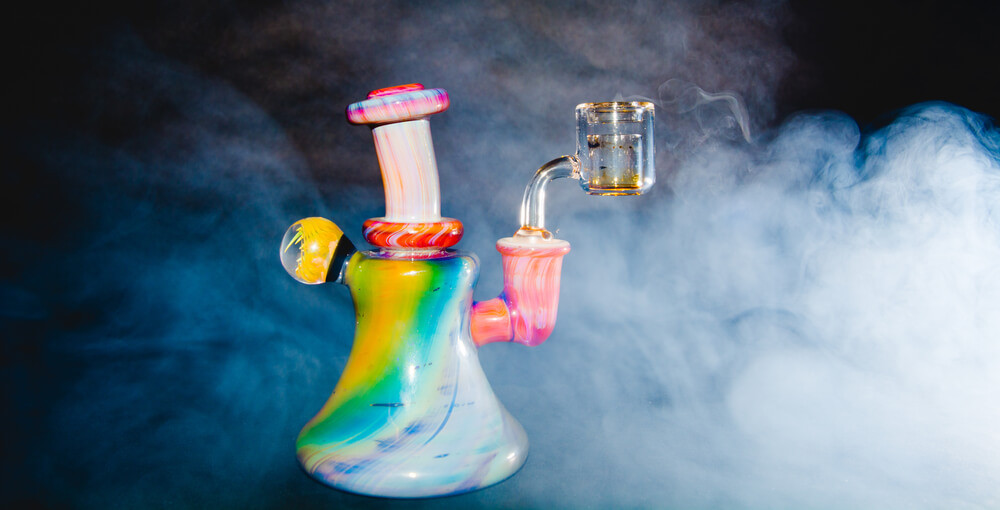
The rhythmic hiss of a butane torch against a quartz banger creates a specific kind of anticipation that defines the ritual of dabbing with a traditional rig. As the glass begins to glow and then slowly fades back to its transparent state, the environment primes itself for a massive release of botanical aromatics. Dropping a small bead of concentrate into the heated chamber should result in an immediate, crystalline bloom of scent that feels much more focused than the aroma of dry plant material. Instead of the earthy, muffled smell of heated leaves, the air should fill with a sharp, vibrant, and almost syrupy representation of the plant's essential oils. This olfactory explosion is the primary indicator of a successful session, providing an instant report on the purity of the extract and the accuracy of the temperature. It's a sensory transition that bridges the gap between raw chemistry and pure, atmospheric enjoyment.
The Symphony of a Cold Jar
Before the heat ever touches the concentrate, the "cold" smell serves as the first chapter in the olfactory narrative. When you twist the lid off a small glass jar containing live rosin, budder, or shatter, the scent should be immediate and un-muffled. High-quality extracts possess a "loudness" that can fill a small space almost instantly, offering a complex bouquet that often smells like a hyper-realistic version of a specific fruit, spice, or forest floor. If the concentrate smells faint or has a dull, waxy odor that reminds you of a crayon, it often suggests that the volatile aromatic compounds were lost during the extraction process or through improper storage. A vibrant cold start is the blueprint for the vapor that will eventually follow, promising a session that is as expressive as the raw material itself.
Different textures often carry their own unique aromatic weight. For example, a "sauce" or "jam" texture, which is rich in liquid terpenes, will often smell much more pungent and liquid-centric than a stable piece of shatter. The shatter might require a bit of agitation or warmth to truly reveal its nose, whereas a budder or a wax might offer a creamier, more rounded scent profile. Regardless of the consistency, the overarching theme should be one of cleanliness and intensity. There should be no "off" notes—nothing that suggests mold, dust, or stale air. The cold jar is a promise of things to come, and its fragrance is the most honest advertisement for the quality of the dabbing experience ahead.
Deciphering the Purity of the Extract
The nose is an incredibly sensitive instrument for detecting the presence of unwanted elements in a concentrate. A high-quality extract should smell like the plant and nothing else. If you detect any sharp, chemical stings that remind you of cleaning fluid or industrial solvents, it is a significant red flag. While some extracts use hydrocarbons like butane or propane during the process, the final product must be completely purged of these elements. Any lingering scent of gas or artificial chemicals suggests an incomplete process that will negatively impact the aroma of the vapor.
Similarly, solventless extracts like live rosin should have an exceptionally "green" and floral scent because they are produced using only heat and pressure. This results in an aroma that is often described as "fresher" than solvent-based alternatives. When evaluating the raw concentrate, look for these specific olfactory markers:
- A bright, punchy citrus or fruity top note.
- Deep, resinous undertones of pine or sandalwood.
- A complete absence of any "sizzling" or chemical odors.
- A lingering sweetness that smells natural rather than artificial.
The Neutrality of the Heated Quartz
A traditional rig relies on the thermal properties of a quartz banger, and the scent of that quartz as it heats up is just as important as the scent of the concentrate. When you apply the torch to a clean banger, there should be absolutely no smell at all. Quartz is a non-reactive material that, when maintained correctly, provides the cleanest possible surface for vaporization. If the banger starts to give off a faint, acrid smell of burnt popcorn or old grease as it warms up, it means there is residual carbon or "reclaim" left over from a previous session. This "ghost" of dabs past will immediately contaminate the fresh aroma of your new concentrate, muddled the intricate terpene profile with a heavy, bitter layer of char.
Maintaining this olfactory neutrality is the hallmark of an enthusiast who values purity. A "fresh" banger should look and smell like a piece of laboratory equipment. If the banger is "chazzed"—a term for quartz that has become permanently cloudy and carbon-encrusted—it will always introduce a slight "burnt" smell to every session. This is because the microscopic pits in the damaged quartz trap old oils that burn every time the torch is applied. For the most evocative and accurate scent, the heating element must be a silent partner in the process, offering heat without any additional fragrance.
The Impact of Water Filtration on the Nose
The water in your rig serves as a cooling agent, but it also plays a secondary role in the olfactory experience. Fresh, clean water should have no scent, allowing the vapor to pass through and reach your nose un-muffled. However, if the water is old or has been sitting for several days, it will begin to develop a stale, "pond-like" odor. This stagnant water can actually "wash" some of the more delicate aromatic notes out of the vapor, replacing them with a flat, swampy smell.
Moreover, the volume of water and the complexity of the percolators inside the rig can alter how the vapor's scent is perceived. A rig with heavy diffusion might break the vapor into tiny bubbles, which exposes more of the vapor's surface area to the air as it exits the mouthpiece. This can make the aroma feel more "aerated" and light. A rig with minimal diffusion might deliver a more concentrated, "syrupy" scent profile. Regardless of the rig's design, the water must be pristine to facilitate a clear, unobstructed path for the terpenes.
The Low-Temperature Terpene Bloom
The true magic of a traditional rig is found in the low-temperature dab, typically between 450°F and 550°F. At this range, the concentrate doesn't "flash" into a harsh cloud; instead, it gently melts and begins to bubble, releasing its aromatic compounds in a controlled, sequential manner. The smell should be incredibly multifaceted and "wet." You will first notice the bright, volatile top notes—the zesty limonene or the floral linalool—followed by the deeper, muskier base notes like myrcene or caryophyllene. It is a layered experience that feels like smelling a fresh garden in high definition.
Low-temp vapor is also much thinner and lighter in the air than high-temp vapor. It should smell "clean" enough that it doesn't immediately saturate the room with a heavy, clinging odor. Instead, it wafts through the space like a high-end botanical incense. The aroma should be so distinct that you can easily identify the specific "personality" of the extract. If it's a citrus-forward variety, the room should smell like someone just peeled a crate of oranges. If it's an earthy variety, it should smell like a damp forest after a thunderstorm. This clarity is the ultimate reward for patient temperature management.
Deciphering the Terpene "Map"
When the vapor hits the air during a low-temp session, it provides a vivid "map" of the plant's chemistry. You might notice:
- Limonene: A sharp, refreshing citrus scent that can feel almost "fizzy" in the nostrils.
- Pinene: A crisp, cooling aroma that reminds you of pine needles and mountain air.
- Caryophyllene: A spicy, peppery note that adds a savory "kick" to the bouquet.
- Linalool: A soft, floral sweetness that smells like lavender or spring blossoms.
These scents should feel "alive" and vibrant. In a traditional rig, where the airflow is controlled by a carb cap, you can actually manipulate how these scents are released. By moving the cap, you create turbulence that helps the oils vaporize more evenly, resulting in a more consistent and robust aromatic profile throughout the entire draw.
The Warning Signs of the Scorched Dab
On the opposite end of the spectrum is the high-temperature dab, which occurs when the banger is too hot—usually above 600°F or 700°F. When the concentrate hits quartz that is too hot, the aromatic profile is instantly destroyed. Instead of a botanical garden, the room will fill with a sharp, acrid, and "singed" smell. This is the scent of the delicate terpenes being literally incinerated rather than vaporized. It is a heavy, irritating odor that can cause a stinging sensation in the nose and throat.
A scorched dab smells remarkably similar to burnt cooking oil or a singed wick. The complexity of the plant is replaced by a monolithic, bitter aroma that lingers in the air for a long time. This is not just a matter of lost flavor; the high heat can actually break down the beneficial compounds into irritating byproducts that have no place in a clean session. If your dab immediately turns into a thick, dark-grey cloud that smells like a chemical fire, it is a clear signal that your timing with the torch was off. The goal of a traditional rig is to find the "sweet spot" where the oil vaporizes completely without ever reaching the point of combustion.
While dabbing, pay close attention to the sound and the accompanying smell as the oil hits the quartz. A pure concentrate should melt silently or with a very soft, consistent hiss. If you hear a loud "snap, crackle, and pop" followed by a sharp, localized scent of steam, it often means there is residual moisture or leftover solvent in the extract. Moisture will smell like "wet" air and is generally harmless but indicates poor storage. However, if the popping is accompanied by a chemical or "sulfur-like" smell, it is a sign of an impure product that should not be used. A clean dab should be a smooth, silent, and purely aromatic transition from solid to vapor.
The Ambient Presence and Persistence of Vapor
One of the most fascinating aspects of dabbing with a traditional rig is how the scent interacts with the room. Concentrate vapor is much more "weighty" and "syrupy" than dry herb vapor, but it is still fundamentally different from smoke. When you exhale a large, low-temp cloud, the aroma will "bloom" and fill the space with a potent botanical fragrance. However, because the vapor lacks the tar and carbon of smoke, it doesn't "grip" onto fabrics or wallpaper in the same way. The scent is intense at first, but it typically dissipates much faster than the smell of a cigar or a pipe.
That said, the "room note" of a heavy dabbing session can be quite persistent if there is no airflow. It can leave a sweet, slightly resinous scent in the air that some people find very pleasant, resembling a high-end cologne or an exotic candle. To maintain a neutral environment, a simple fan or an open window is usually sufficient. Within fifteen to twenty minutes of the session's end, the air should return to a relatively neutral state. If a heavy, "stale" smell remains, it is usually a sign that some of the vapor was scorched, as "burnt" particles are much heavier and stickier than "clean" vapor.
The Stealth Factor of Concentrates
For those who prioritize discretion, the scent of concentrate vapor is a double-edged sword. On one hand, the initial "bloom" is very pungent and can be detected from several rooms away if the doors are open. On the other hand, the scent doesn't have the "burnt" quality that screams "combustion" to the uninitiated. To a casual observer, the smell of a low-temp dab might be mistaken for a strong essential oil diffuser or a localized cooking project involving exotic spices. The lack of a "skunky" or "ashy" undertone makes it a much more stealthy option for indoor use, provided you manage your temperatures and airflow correctly.
The "Reclaim" Odor and the Importance of Cleanliness
As you use a traditional rig, a certain amount of vapor will inevitably condense inside the glass, forming a golden-brown substance known as "reclaim." While this reclaim still contains active compounds, its olfactory profile is a far cry from the fresh concentrate. Reclaim has a very distinct, "heavy," and somewhat "stale" smell. It loses the bright, floral top notes and settles into a deep, earthy, and almost "toasted" aroma. If you allow too much reclaim to build up in your rig, it will eventually begin to taint the smell of every new dab.
The air being pulled through a dirty rig will pick up the "sour" notes of the old oil, muddled the fresh terpenes of your high-quality extract. This is why many enthusiasts clean their rigs frequently—sometimes even daily. A rig that is "studio-quality" clean will allow the vapor to smell exactly as the extractor intended. When you take a draw from a pristine rig, the scent should be "high-definition," with every subtle nuance of the plant clearly audible to the nose. If the rig smells like a "locker room" or an "old attic," it is time for a deep soak in a cleaning solution to restore the olfactory clarity.
Let’s not forget, the banger is the heart of the traditional rig, and its condition is the single biggest factor in the scent of your vapor. After every dab, the residual oil should be wiped away with a cotton swab while the quartz is still warm. If this step is skipped, the remaining oil will burn the next time you heat the banger, creating a layer of carbon. Over time, this carbon buildup will give the banger a permanent "charred" smell that is impossible to hide. A well-maintained banger can provide hundreds of sessions with a perfectly neutral scent, while a neglected one will ruin the aroma of even the most expensive live rosin within a week.
The Ritual of the Senses
Dabbing with a traditional rig is a deeply sensory experience that rewards those who pay attention to the details. The "nose" of the session is your most reliable feedback loop; it tells you if your temperature is too high, if your product is impure, and if your equipment is clean. When all these factors are in alignment, the resulting vapor is a masterpiece of aromatic complexity. It is a reminder that you are working with a highly concentrated, refined version of nature’s chemistry, and it deserves to be experienced in its purest form.
By engaging with the scents of the raw jar, the heated quartz, and the exhaled vapor, you become more than just a consumer—you become a connoisseur. You learn to appreciate the difference between a "fresh-press" rosin and a "cold-cure" budder based solely on the way the room fills with scent. You develop the ability to time your dabs perfectly by waiting for the banger to reach that silent, neutral state of readiness. It is a holistic practice that turns a mechanical process into a vibrant, olfactory journey that honors the plant and the craftsmanship behind the extract.
The Atmospheric Resonance of the Perfect Drop
The relationship between a traditional rig and the concentrate it vaporizes is one of profound sensory feedback, where the nose acts as the primary arbiter of quality and technique. As the vapor blooms into the room, it carries a crystalline representation of the plant's true character, unburdened by the heavy presence of combustion or carbon. This clean, multifaceted aroma is the definitive marker of a session handled with care and precision. Recognizing the subtle shifts from the cold pungency of the jar to the warm, floral resonance of a low-temp draw allows for a much deeper appreciation of the botanical's complexity. By prioritizing the olfactory clarity of the experience, you provide the necessary conditions for every session to remain a fresh and evocative encounter with the essence of the garden.
Recent Posts
-

2026 Cannabinoid Matchup: THCA vs. CBC
Building a well-rounded hemp collection in today’s times has evolved into a personalized craft tailo …Sep 24, 2026 -

Kratom vs. CBGA: How Do They Measure Up Against One Another?
The modern search for plant-based wellness solutions has introduced a diverse spectrum of botanical …Sep 23, 2026 -
Inside the Gel Cap: How Much Kratom is in 1 Capsule?
Holding a pre-filled Kratom capsule between your fingers gives the impression of a perfectly measure …Sep 22, 2026