
Everything You Need to Know About Ketone in 2026
The human body is often compared to a hybrid engine, capable of switching between fuel sources depending on the demands of the day and the contents of the pantry. While most people spend their lives running exclusively on the fast-burning energy of carbohydrates, there is a secondary, highly efficient system that sits dormant in the background. This system relies on small carbon molecules known as ketones, which serve as an alternative energy currency when glucose is in short supply. Stepping into the current landscape of metabolic health, we find that the conversation has moved far beyond simple weight management and into a sophisticated era of cellular performance. Tapping into this biological backup plan is no longer a matter of extreme deprivation but a deliberate choice for those looking to sharpen their internal focus and physical output.
Decoding the Metabolic Pivot
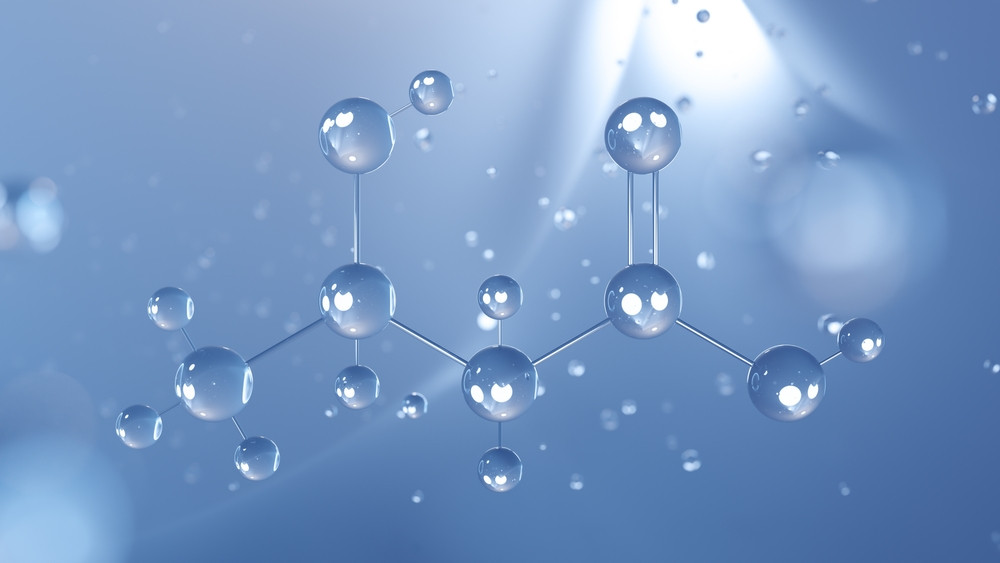
To truly grasp the impact of these molecules, we have to look past the buzzwords and into the actual biochemistry of how the liver transforms fat into usable energy. Ketones are essentially organic compounds that contain a carbonyl group bonded to two hydrocarbon groups, but in the context of human physiology, we are primarily concerned with three specific types: Beta-hydroxybutyrate (BHB), Acetoacetate, and Acetone. These aren't just byproducts of a specific diet; they are high-octane signaling molecules that tell the body to shift its priorities from storing energy to burning it. When the system detects a significant drop in circulating glucose, the liver begins a process called ketogenesis, breaking down fatty acids into these three distinct molecules to power the brain and heart.
The Dominance of Beta-hydroxybutyrate
Among the trio of ketone bodies, Beta-hydroxybutyrate (BHB) is the undisputed workhorse of the system. While it is technically a carboxylic acid rather than a "true" ketone in the strictest chemical sense, it is the most stable and abundant form found in the bloodstream. BHB is unique because it can easily cross the blood-brain barrier, providing the gray matter with a consistent stream of energy that doesn't rely on the "peaks and valleys" associated with sugar consumption. This stability is why so many people report a sense of sustained mental clarity when their BHB levels are elevated. It acts as a more efficient fuel than glucose, requiring less oxygen to produce a higher amount of Adenosine Triphosphate (ATP), which is the primary energy unit of the cell.
In the current market, BHB is also the molecule you will most frequently find in supplemental forms. Because it is so resilient, it can be bonded to minerals like sodium, calcium, or magnesium to create "ketone salts". This allows an individual to elevate their circulating levels without having to spend days in a fasted state. The biological beauty of BHB lies in its dual role; it is both a fuel and a messenger. It has been shown to interact with specific cellular pathways that support a healthy internal environment, helping the body maintain its natural defenses against environmental stressors. This multifaceted nature is what makes BHB the primary focus of both clinical research and the performance-minded consumer.
Acetoacetate: The Original Precursor
While BHB gets most of the limelight, Acetoacetate is the first ketone body produced by the liver during the breakdown of fat. It is the precursor from which the other two are derived. In the early stages of a metabolic shift, the body often has a higher ratio of Acetoacetate. This molecule is slightly less stable than BHB and is more prone to being utilized by the muscles during high-intensity activity. It serves as a vital bridge in the energy production chain, ensuring that the heart and peripheral tissues have access to a rapid-response fuel source while the liver is ramping up its overall production.
As the body becomes more efficient at utilizing fat for fuel—a state often referred to as being "fat-adapted"—the ratio of Acetoacetate to BHB begins to shift. The system becomes more adept at converting Acetoacetate into the more stable BHB for long-term storage and transport. However, Acetoacetate remains a critical component of the metabolic puzzle. It’s often measured in the breath or urine during the initial phases of a routine change, providing a window into how effectively the liver is beginning to pivot away from carbohydrate reliance. Understanding the role of this precursor is essential for anyone looking to optimize their internal chemistry, as it represents the first true step into the world of alternative fuel.
Acetone: The Breath of Transition
The third and least abundant ketone is Acetone. Unlike BHB and Acetoacetate, Acetone is not used as a primary fuel source. Instead, it is a byproduct created when Acetoacetate breaks down spontaneously. Because Acetone is highly volatile, it is primarily excreted through the lungs and the skin. This is the source of the "fruity" or "metallic" breath that many people notice when they first begin to enter a state of high fat-oxidation. While it might seem like a simple waste product, Acetone serves as a highly accurate biomarker for metabolic activity.
In recent years, the technology used to measure breath Acetone has become incredibly sophisticated, allowing individuals to track their fat-burning status in real-time with a simple exhale. This non-invasive method provides immediate feedback on how the body is responding to specific foods or physical activities. Although you won't find Acetone in a supplement—as it isn't an energy source—its presence is a clear signal that the internal "furnace" is lit and functioning. It is the final piece of the chemical trio that confirms the body has successfully made the transition from a sugar-burner to a fat-lifter.
A Lineage of Survival and Science
Ketones’ story didn’t begin in a lab or a high-end wellness boutique; it’s a story of human survival that stretches back to our earliest ancestors. For the vast majority of human history, food was not available in every corner of the environment. Our ancestors frequently faced periods of scarcity where they had to rely on their stored body fat to survive and, more importantly, to remain mentally sharp enough to find their next meal. This ability to switch fuel sources is an evolutionary "fail-safe" that ensured the survival of the species during the lean winter months or unsuccessful hunting seasons.
In the early 20th century, the scientific community began to look at this survival mechanism through a clinical lens. Researchers at the Mayo Clinic and other institutions noticed that a diet mimicking the metabolic effects of fasting—high in fats and very low in carbohydrates—had a profound impact on the brain's electrical activity. This led to the development of the classical ketogenic diet in the 1920s. For several decades, this was primarily a specialized tool used in specific medical settings, and the general public remained largely unaware of the potential benefits of circulating ketones.
The narrative began to shift in the late 1960s and 70s as researchers started to isolate the specific molecules responsible for the "fasting effect." This era marked the first time that BHB and Acetoacetate were identified as more than just emergency fuels. Scientists began to realize that these molecules were actually a more efficient form of energy for the heart and the brain than glucose. However, it wasn't until the early 2000s that the "biohacking" movement began to take these clinical findings and apply them to the pursuit of peak performance. This explosion of interest transformed a niche clinical tool into a global phenomenon, leading to the sophisticated delivery systems we see on the market today.
The shift from a niche clinical application to a global lifestyle movement was accelerated by the digital age, where information—and misinformation—could spread with lightning speed. As we move further into the current landscape, the focus has matured. It is no longer just about seeing a specific number on a scale; it is about the profound realization that our internal chemistry is adjustable. The history of this movement is a map of human curiosity, showing how we transitioned from fearing fat to recognizing it as the high-grade foundation for a more resilient physical state.
The DARPA Connection and the Birth of Exogenous Options
A significant but often overlooked chapter in the history of these molecules involves the military and aerospace sectors. In the late 1990s and early 2000s, organizations like DARPA began looking for ways to enhance the cognitive and physical resilience of soldiers operating in high-pressure environments. They were looking for a fuel source that could sustain focus and physical output when traditional rations were scarce or when the body was under intense environmental demand. This research was a catalyst for the development of exogenous ketones—substances that could be consumed to provide an immediate spike in blood BHB levels without the need for weeks of dietary restriction.
This military-grade research eventually trickled down into the civilian world, providing the technological basis for the esters and salts we see today. It proved that ketones were not just a backup fuel for the starving, but a superior energy source for the elite performer. This realization fundamentally changed the narrative, moving the conversation away from "deprivation" and toward "optimization." It allowed for a more flexible approach to metabolic health, where an individual could utilize these molecules as a tactical tool to support specific goals, whether that was a long day in the boardroom or a grueling physical challenge in the mountains.
The Biological Engine: Production Versus Consumption
In the modern era, the most important distinction for any enthusiast to grasp is the difference between endogenous and exogenous ketones. This is essentially the choice between "making your own" fuel and "importing" it from an outside source. Both pathways lead to elevated levels of BHB in the bloodstream, but they interact with the body’s systems in notably distinct ways. Understanding these two mechanisms is the key to creating a routine that actually aligns with your personal goals, rather than just following a generic trend.
The Endogenous Factory: Liver-Driven Energy
Endogenous production is the traditional, internal method of generating ketones. This process, known as ketogenesis, occurs primarily in the mitochondria of liver cells. When you significantly reduce your intake of carbohydrates or go for an extended period without food, your insulin levels drop and your body begins to release stored fatty acids from your adipose tissue. These fatty acids travel to the liver, where they are broken down into acetyl-CoA and eventually transformed into acetoacetate and BHB. This is the body's natural way of tapping into its long-term energy reserves, turning your own stored fat into a clean-burning fuel for the brain and heart.
The transition into endogenous production is a profound metabolic shift that requires a period of adaptation. During this phase, the body is essentially "re-tooling" its cellular machinery. It has to increase the production of specific enzymes and transporters that are capable of moving and utilizing these fat-derived molecules efficiently. This is why the initial phase of a dietary change can feel like a significant hurdle; your cells are learning how to speak a new chemical language. However, once this adaptation is complete, the system becomes incredibly efficient at maintaining steady energy levels, effectively eliminating the "crashes" associated with a glucose-heavy lifestyle.
The Exogenous Entry: Direct Delivery Systems
Exogenous ketones represent a technological leap that allows an individual to bypass the adaptation period and deliver BHB directly into the bloodstream. These products, which typically come in the form of salts or esters, provide a near-instant elevation of ketone levels regardless of what you have eaten. When you consume an exogenous source, the BHB is absorbed through the digestive tract and enters the blood, where it is immediately available for the brain and muscles to use as fuel. This provides a "dual-fuel" environment where the body can utilize both glucose and ketones simultaneously.
This direct delivery method is a powerful tool for those who want the cognitive benefits of BHB—such as sharpened focus and mental endurance—without the strict requirements of a high-fat diet. It is also utilized by athletes to support recovery and provide a stable energy source during prolonged activity. However, it is vital to recognize that exogenous ketones are a supplement to, not a replacement for, a healthy metabolic foundation. They provide the fuel, but they don't necessarily trigger the same fat-breakdown processes as endogenous production. In the current landscape, the most successful individuals are those who find a balance between the two, using exogenous options to supplement a lifestyle that already prioritizes metabolic flexibility.
The 2026 Standard: Achieving Metabolic Flexibility
The goal for most people today is no longer to stay in a state of deep "ketosis" forever, but to achieve what is known as metabolic flexibility. This is the body’s ability to switch seamlessly between burning carbohydrates and burning fats depending on what is available and what the situation requires. A metabolically flexible person can enjoy a meal with friends on a Saturday night and then wake up on Sunday morning and transition right back into a fat-burning state during a workout. This is the "hybrid engine" in its most optimized form, and ketones are the primary indicators that this flexibility is functioning correctly.
Achieving this state is about more than just what you eat; it is about the overall resilience of your cellular mitochondria. When your system is flexible, you are no longer a slave to your next meal. You have the internal confidence that your body can access its own energy stores whenever necessary. This leads to a more stable physical state where energy levels remain consistent, even during periods of high demand or missed meals. It is the ultimate form of internal autonomy, allowing you to navigate the complexities of modern life with a steady hand and a clear head.
The Chemistry of Modern Formulations
As the demand for alternative fuel sources has grown, so too has the sophistication of the products available on the shelf. We are no longer limited to the early, unpalatable powders that defined the first generation of supplements. Today, the focus is on maximizing bioavailability and making the experience of using these molecules as seamless as possible. The current market is defined by three primary categories: Ketone Salts, Ketone Esters, and MCT precursors. Each of these offers a unique chemical profile and a specific set of attributes that cater to different goals.
Ketone Salts: The Mineral Balance
Ketone salts are the most common form of exogenous BHB found in capsules and powders today. In this formulation, the BHB molecule is chemically bonded to a mineral, such as sodium, potassium, magnesium, or calcium. This serves two purposes. First, the mineral stabilizes the BHB, allowing it to be stored and consumed in a solid form. Second, it provides the essential electrolytes that the body often loses when it shifts into a fat-burning state. When insulin levels are low, the kidneys tend to excrete more minerals, so a ketone salt helps to replenish these vital nutrients while simultaneously raising blood BHB levels.
These salts are generally well-tolerated and provide a moderate, sustained increase in energy. They are often used as a daily support tool for mental clarity and to help ease the transition into a fat-burning lifestyle. Because they are balanced with minerals, they help support overall systemic harmony, ensuring that the body has the electrical components it needs for proper nerve and muscle function. For the average individual looking to improve their daily performance, a high-quality blend of ketone salts is often the most practical and effective starting point.
Ketone Esters: The High-Octane Alternative
If ketone salts are the standard fuel, then ketone esters are the racing fuel. In an ester formulation, the BHB molecule is bonded to an alcohol precursor, such as butanediol. This chemical bond is much more potent than a mineral bond, leading to a significantly higher and faster spike in blood ketone levels. Esters are the format most frequently used by elite athletes and in clinical research because they can push BHB levels into a range that is difficult to achieve through diet alone. They represent the absolute "cutting edge" of metabolic technology, providing a massive influx of fuel in a very short amount of time.
However, this potency comes with a few trade-offs. Historically, ketone esters have been famous for their intense, medicinal taste, which many have compared to gasoline. While the current generation of products has made great strides in improving the flavor, they are still a more "serious" tool that requires careful management. Esters are typically used for high-performance events or as a tactical tool for intense cognitive tasks rather than a casual daily supplement. They provide a level of metabolic power that was once thought impossible, marking a new frontier in human performance and cellular energy.
Contemporary Delivery Systems
As we continue to break down the current landscape of metabolic fuel, it is crucial to look at how these chemical advancements are actually making their way into daily routines. The "Golden Age" of biohacking has moved past messy powders and into highly refined delivery systems that respect the consumer's time and palate.
You see, the challenge for modern manufacturers isn’t just producing the raw molecules, but creating a format that maintains stability while remaining highly bioavailable. The current shelf reflects a deep understanding of human habits, offering several distinct pathways for integrating BHB into a demanding schedule:
- Standardized Capsules: For those who prioritize efficiency and absolute consistency, the capsule remains the foundational delivery format. These units typically house a precise measure of ketone salts—often a blend of sodium, calcium, and magnesium BHB—encased in a plant-derived cellulose shell. The primary advantage here is the complete avoidance of the sharp, salty taste inherent to BHB compounds. Because the shell protects the active ingredients from light and moisture, capsules provide a highly stable option that can be taken anywhere, making them the preferred choice for busy professionals who need to maintain their mental edge without the hassle of mixing a drink.
- Specialized Solid Tablets: The tablet format offers a different structural approach, relying on the compression of the raw materials into a dense, solid unit. This allows for a higher concentration of active BHB per serving compared to a standard capsule. Moreover, the modern tablet often incorporates advanced natural coatings or subtle flavor profiles to make the swallowing process easier, which is especially beneficial when dealing with the density of mineral salts. Tablets are a robust option that travels well and provides a sturdy vehicle for delivering a substantial amount of exogenous fuel with minimal fuss.
- Liquid Tinctures and Hydro-Ethanolic Extracts: The liquid format, often utilizing a tincture or extract model, is where the more potent ester formulations typically reside. By suspending the BHB—or its precursor, butanediol—in a specialized liquid base, manufacturers can achieve an incredibly rapid rate of absorption. These liquids are designed to bypass the digestive lag associated with solid formats, entering the bloodstream quickly through the mucosal linings. While they are known for their bold, often challenging flavor profile, the trade-off is an almost immediate elevation of circulating energy, making them a tactical tool for those facing acute physical or cognitive demands.
The Role of MCTs in the Delivery Ecosystem
It is impossible to discuss modern delivery systems without mentioning Medium-Chain Triglycerides (MCTs). While not a ketone themselves, MCTs are specialized fats that serve as highly efficient precursors. Unlike long-chain fats, which require a complex digestive process, MCTs travel directly to the liver where they are rapidly converted into BHB and acetoacetate. They are often included in powders, capsules, and even tinctures alongside exogenous ketones to create a "time-release" effect.
This combination of direct BHB and the slower-burning MCTs creates a staggered energy profile. The exogenous salts or esters provide the immediate spike in cognitive fuel, while the MCTs provide a secondary wave of energy as the liver processes them over the next several hours. This synergistic approach is a hallmark of high-quality formulations today, ensuring that the consumer receives both a fast-acting and a sustained level of metabolic support throughout their day.
Navigating the 2026 Wellness Horizon and Beyond!
The integration of these alternative fuels into a daily routine is no longer a haphazard experiment; it is a calculated strategy designed to support specific performance goals. Whether the focus is on maintaining a sharp mind during a long shift or pushing through the final miles of an endurance event, BHB has established itself as a versatile tool for systemic resilience. However, utilizing this fuel requires a mindful approach to the body's shifting requirements:
- Cognitive Clarity and Mental Endurance: The most profound application for many individuals is the support of brain function. Because BHB easily crosses the blood-brain barrier and utilizes oxygen more efficiently than glucose, it provides a very "clean" feeling of focus. Many users describe it as a quiet, sustained alertness that doesn't involve the jittery physical sensations often associated with heavy caffeine use. This makes it an ideal companion for deep work sessions, long periods of study, or any situation where maintaining a sharp, steady train of thought is critical for success.
- Physical Output and Systemic Recovery: On the physical front, these molecules provide an alternative energy source that helps spare the body's glycogen reserves during prolonged activity. When the muscles can utilize BHB and acetoacetate, they can push harder for longer periods before experiencing a drop in output. Furthermore, the presence of ketones is thought to support a healthy post-activity environment, aiding in the recovery process by encouraging the body to clear out the byproducts of intense exertion efficiently.
- Mindful Integration and Electrical Balance: Shifting the body's primary fuel source demands attention to internal hydration and mineral balance. When the system begins utilizing these molecules efficiently, it naturally flushes out more water and sodium. To verify a safe and positive transition, it is essential to proactively replace these elements. This means staying ahead of hydration and confirming that your intake of key electrolytes—specifically sodium, potassium, and magnesium—matches your activity level. Proper hydration is the simple, fundamental step that prevents the sluggishness some experience when transitioning, allowing the body to harness the full power of its new fuel source effectively.
The evolution of how we view and utilize internal energy represents one of the most significant shifts in modern physical awareness. We have moved from treating our bodies like simple sugar-burning engines to recognizing the profound capability of our metabolic backup systems.
Recent Posts
-

2026 Cannabinoid Matchup: THCA vs. CBC
Building a well-rounded hemp collection in today’s times has evolved into a personalized craft tailo …Sep 24, 2026 -
Kratom vs. CBGA: How Do They Measure Up Against One Another?
The modern search for plant-based wellness solutions has introduced a diverse spectrum of botanical …Sep 23, 2026 -
Inside the Gel Cap: How Much Kratom is in 1 Capsule?
Holding a pre-filled Kratom capsule between your fingers gives the impression of a perfectly measure …Sep 22, 2026