
Everything You Need to Know About the “Golden Smoke” Known as Corydalis
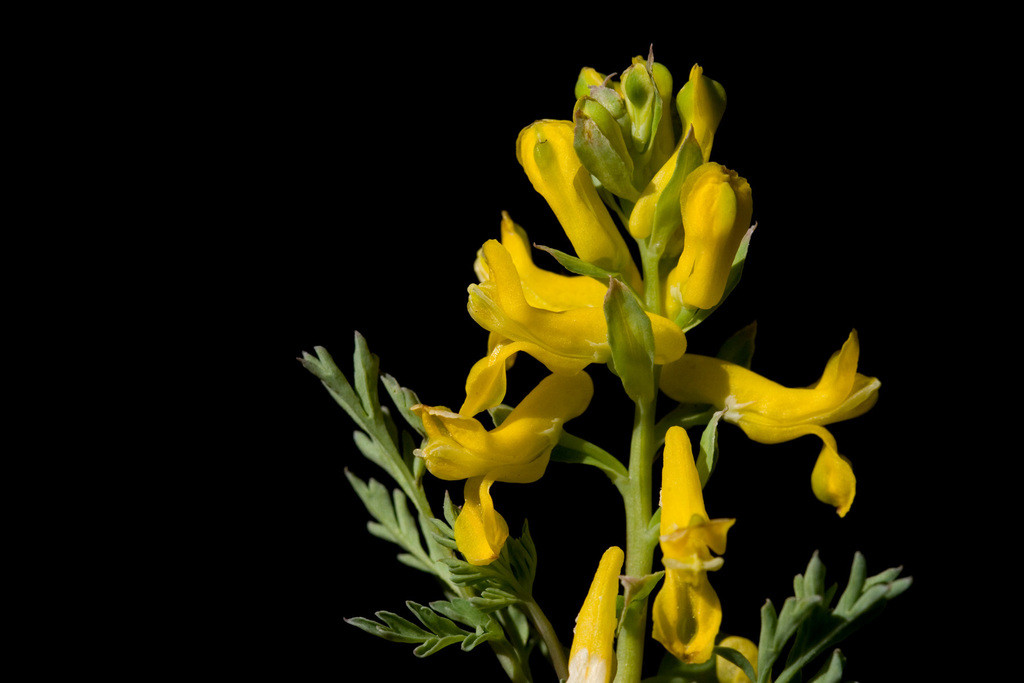
Floating like a delicate mist above the damp soils of East Asia, the vibrant yellow blossoms of the Corydalis yanhusuo plant offer a striking contrast to the rugged mountain slopes they inhabit. This perennial herb, often referred to as "Golden Smoke" due to its wispy, fine-textured foliage, carries a reputation that far exceeds its modest physical stature. While many casual observers might mistake it for a simple garden variety flower, those who study the world of ethnobotany recognize it as a cornerstone of traditional herbal practice. Corydalis conceals its most valuable attributes beneath the earth, where small, golden-hued tubers harbor a chemical complexity that has fascinated scholars for centuries.
The Golden Shadow of the High Fields
However, the true identity of the plant is anchored in its subterranean structures. The tubers, or corms, are small, hard, and typically a bright yellowish-tan color when harvested and dried. These are not merely roots; they are specialized storage organs that hold the plant’s energy and its vast array of bioactive constituents. In the wild, Corydalis is often found growing along the edges of forests or in clearings where the soil remains moist but well-drained. Its ability to colonize these specific niches speaks to its resilience in the face of shifting mountain climates. To the trained harvester, the appearance of the "smoke" above the soil is the signal that the golden treasures are ready to be unearthed.
The seasonal lifecycle of the plant is relatively brief, as it blooms in the early spring before the canopy of the surrounding trees becomes too thick. This window of growth is critical, as it allows the plant to photosynthesize and store nutrients in the tubers before entering a dormant phase during the hotter summer months. This cycle of rapid growth followed by deep dormancy is a common trait among high-altitude herbs, concentrating the plant's profile into a compact, potent package. Because it vanishes from the surface for much of the year, it was historically seen as a somewhat elusive resource, requiring a deep familiarity with the land to locate and harvest correctly.
A Lineage Carved in the High Altitudes
The story of "Golden Smoke" is inseparable from the history of East Asian wellness practices. While modern science is only recently catching up to the intricacies of its chemical makeup, traditional practitioners have been utilizing the plant for well over a thousand years. Its first recorded appearances in significant botanical texts date back to the Tang Dynasty, though it was during the Ming Dynasty that its status was truly solidified. In these historical records, the plant is referred to as "Yuan Hu", and it was categorized as a vital resource for those seeking to promote the smooth flow of internal energy and support physical comfort.
In the classic texts of Chinese herbalism, Yuan Hu was described as having a warm nature and a pungent, bitter flavor. These descriptors were not merely about taste but served as a classification system for how the plant interacted with the body's internal systems. The "warmth" of the tuber was believed to help invigorate stagnant areas, while the "bitterness" was thought to help clear heat and support a sense of calm. Traditional harvesters were highly selective about the time of year they gathered the corms, believing that the potency was at its peak just as the flowers began to fade.
This historical usage wasn’t limited to a single application. Instead, it was integrated into a wide variety of formulas designed to address physical restlessness and support a relaxed state. The cultural importance of the plant grew so large that specific regions in China, particularly the Zhejiang province, became famous for producing the highest quality tubers. These regions developed specialized cultivation techniques that have been passed down through generations, ensuring that the plant remains a staple of the botanical library. The transition from wild-harvested "smoke" to organized agricultural production marked a significant shift in its availability, allowing it to move from remote mountain villages into the bustling apothecaries of the major cities.
An Architectural Marvel of Chemistry
What truly sets Corydalis apart from other members of the poppy family is the sheer volume of its bioactive constituents. Current research has identified over 160 distinct compounds within the yanhusuo species, a number that places it in the upper echelon of botanical complexity. This chemical density is not accidental; it is the result of the plant's evolutionary strategy to defend itself against mountain pests and environmental stressors. For the wellness enthusiast, this means that every extract or capsule contains a symphony of molecules working in tandem to support the body’s equilibrium.
The Diverse World of Alkaloids
At the heart of the "Golden Smoke" profile are the alkaloids. Scientists have isolated more than 80 different types of alkaloids within the tuber, a staggering variety that accounts for the plant's multi-faceted effects. Alkaloids are nitrogen-containing organic compounds that are known for having significant physiological impacts on humans. In Corydalis, these are primarily protoberberine and aporphine alkaloids, which are studied for their ability to interact with specific receptors in the nervous system related to comfort and relaxation.
One of the most notable alkaloids is Tetrahydropalmatine, or THP. This compound has become a focal point of modern study due to its ability to support a tranquil state and promote a healthy sleep cycle without being overwhelming. THP is often used as a marker for quality in Corydalis extracts, as its concentration is a strong indicator of the tuber’s overall potency. Another critical alkaloid is Dehydrocorybulbine (DHCB), which researchers have identified as a key player in supporting physical ease during times of activity. Unlike some other botanicals that rely on a single "hero" molecule, Corydalis succeeds because of the synergistic relationship between these 80+ alkaloids, which provide a broad-spectrum approach to wellness.
Beyond the Alkaloid Spectrum
While the alkaloids often take center stage, the remaining bioactive compounds—totaling nearly 80 more—provide the supporting structure that makes the plant so effective. These include various organic acids, volatile oils, and phytosterols that contribute to the overall stability and absorption of the alkaloids. For instance, the presence of specific organic acids is thought to assist in the solubility of the alkaloids, making them more accessible to the body during digestion.
This complex chemical architecture is why whole-herb or broad-spectrum extracts are often preferred over isolated compounds. When you utilize the full tuber, you are benefiting from the natural ratios that the plant has perfected. This prevents the "spiking" effect that can sometimes occur with synthetic isolates and instead promotes a more gradual and sustained interaction with the body’s systems. The interplay between the different molecules ensures that the plant provides a balanced experience, supporting a sense of physical harmony and relaxation that feels natural rather than forced.
The Art of the Harvest and Processing
The journey from a mountain field to a finished product is a labor-intensive process that requires both botanical knowledge and traditional expertise. Harvesting Corydalis is a delicate task, as the tubers are small and can easily be damaged during extraction from the soil. Once the corms are unearthed, they undergo a series of cleaning and drying steps that are vital for preserving their chemical integrity. If the tubers are dried too quickly or exposed to excessive heat, the delicate alkaloids can begin to degrade, reducing the effectiveness of the final product.
One of the most fascinating aspects of Corydalis preparation is the traditional "vinegar-frying" method. In this practice, the dried tubers are sliced and then lightly fried with rice vinegar. While this might sound like a culinary choice, it is actually a sophisticated form of pharmaceutical processing. The acetic acid in the vinegar reacts with the alkaloids in the tuber, converting them into a salt form that is more water-soluble. This significantly increases the bioavailability of the plant’s active components, ensuring that they can be easily absorbed by the body. This technique is a perfect example of how ancient wisdom anticipated modern chemistry, identifying a way to unlock the plant’s full potential through a simple yet effective reaction.
Integrating Corydalis into the Modern Routine
As we transition from the ancient hillsides and traditional processing fires into the modern wellness space, Corydalis has undergone a significant transformation in how it’s delivered to the enthusiast. The contemporary market offers several distinct pathways for integrating this complex tuber into a daily routine, each catering to specific lifestyle needs and desired levels of absorption.
You see, the sheer chemical density of Corydalis, with its eighty-plus alkaloids, requires a delivery method that can maintain stability while making these molecules accessible to the human system. And so, choosing which product type/delivery method comes down to whether an individual prioritizes the slow release of active compounds or a more immediate interaction with the botanical's profile:
- Standardized Capsules: These are a staple for those who appreciate the simplicity of a measured, pre-calibrated intake. A capsule typically consists of two interlocking shells made from gelatin or a plant-derived cellulose, which act as a protective vault for the powdered extract or raw tuber material inside. This format is particularly effective for "Golden Smoke" because it shields the sensitive alkaloids from oxidation and moisture, seeing to it that the potency remains intact until the moment of digestion. For many, the greatest advantage here is the total avoidance of the plant’s naturally bitter and pungent flavor, allowing for a seamless addition to a morning or evening wellness stack.
- Specialized Solid Tablets: Unlike a shell-based capsule, a tablet is created by compressing the botanical material under intense pressure into a hard, durable unit. This format is often favored for its structural resilience and its ability to hold a higher concentration of extract in a smaller physical footprint. High-quality tablets may feature natural coatings to aid in swallowing or even subtle flavorings to offset the inherent bitterness of the alkaloids. Because they are so compact, they are the ideal choice for those who are frequently on the move and need a portable solution that won't be easily damaged in a bag or travel kit.
- Liquid Tinctures and Hydro-Ethanolic Extracts: For individuals who prefer a more rapid absorption and the ability to customize their serving size drop by drop, the liquid extract is the gold standard. These tinctures are produced by soaking the processed tubers in a solution of water and alcohol, which functions as a powerful solvent to pull out the full spectrum of protoberberine and aporphine alkaloids. The resulting liquid is often a deep, amber hue with a robust, earthy aroma that signals its concentration. While the taste is undeniably bold, the bioavailability of a tincture is generally higher, as the active compounds are already dissolved and ready for the body to utilize.
Contemporary Applications and Benefits
Now, in a world where physical demands and the pace of life are constantly accelerating, finding natural ways to support physical ease and a quiet mind has become a priority for many. Corydalis has found its niche as a versatile botanical ally, prized for its ability to foster a sense of systemic harmony without the heavy-handed approach of more aggressive alternatives. By leaning into its historical use and modern chemical analysis, we can identify several key roles it plays in a comprehensive wellness strategy:
- Promotion of Physical Comfort and Ease: The most celebrated application of "Golden Smoke" today is its ability to support a comfortable physical state, especially after periods of intense activity or environmental tension. The alkaloids within the tuber, particularly dehydrocorybulbine, are studied for their interaction with the body’s natural comfort pathways. This makes the plant a popular choice for those who wish to maintain a resilient and fluid physical presence throughout the day. Rather than masking sensations, the botanical works with the body to encourage a relaxed and harmonious physical environment, allowing the individual to remain focused and active.
- Support for Restful Sleep and Nighttime Harmony: Because of its natural ability to encourage a tranquil state, Corydalis is frequently used as a evening companion for those who struggle to find quiet at the end of a long day. The compound tetrahydropalmatine (THP) is particularly influential here, as it supports the body's transition into a restful state by encouraging a sense of internal calm. Unlike many sleep-focused botanicals that can leave a person feeling groggy the next morning, the "Golden Smoke" approach is more about providing the biological cues for relaxation, seeing to it that the sleep cycle feels natural and restorative.
- Circulatory Support and Systemic Flow: Traditional wisdom often speaks to the plant's ability to invigorate stagnant energy, and modern observations suggest this translates to a healthy support for circulatory flow. By encouraging a smooth and efficient internal environment, the vine helps promote the delivery of oxygen and nutrients to the various tissues of the body. This systemic support is vital for maintaining vitality and ensuring that the body can recover effectively from daily wear and tear. It provides a quiet, foundational form of wellness that supports the body’s overall resilience and longevity.
Please Note: Because the “Fumewort” is so effective at interacting with the nervous system, it can sometimes amplify or interfere with other products. Starting with a lower amount and paying close attention to how your body responds is the most responsible way to explore what this mountain herb has to offer. However, expectant mothers and those who are nursing should avoid Corydalis. Furthermore, individuals who are already utilizing specialized wellness products for their mood or circulatory system should consult with a professional before integrating it.
Beneath the Canopy of the “Yellow Bloom”
Integrating this East Asian botanical into a routine is less about finding a quick fix and more about appreciating the sophisticated chemical synergy that has thrived in mountain soils for millennia. Those small, golden corms hold a vast library of alkaloids that work in concert to promote a sense of internal quiet and physical ease during our most active or demanding hours. By looking beyond the delicate, smoky foliage, we discover a sturdy biological partner that supports systemic harmony while respecting the body’s natural boundaries. This enduring connection to Corydalis confirms that the most profound ways to support long-term vitality are frequently those that nature has already perfected.
Recent Posts
-

2026 Cannabinoid Matchup: THCA vs. CBC
Building a well-rounded hemp collection in today’s times has evolved into a personalized craft tailo …Sep 24, 2026 -

Kratom vs. CBGA: How Do They Measure Up Against One Another?
The modern search for plant-based wellness solutions has introduced a diverse spectrum of botanical …Sep 23, 2026 -
Inside the Gel Cap: How Much Kratom is in 1 Capsule?
Holding a pre-filled Kratom capsule between your fingers gives the impression of a perfectly measure …Sep 22, 2026