
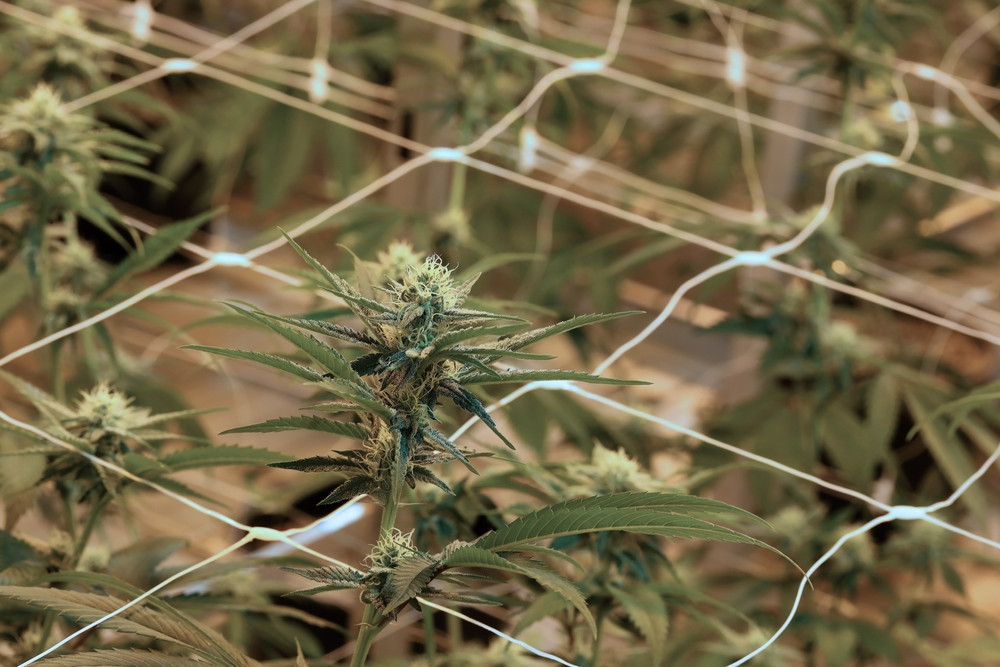
Taking a DIY Flower Approach: How to Grow THCA Flower
Cultivating a garden of your own is one of the most rewarding skills a person can develop, especially when the focus is on a plant as complex and legally nuanced as the THCA flower. For many people, the transition from being a consumer to a creator is a natural progression that brings a deeper appreciation for the biological rhythm of the cannabis plant. Stepping into the role of a grower requires more than just seeds and water; it demands a real curiosity about environmental variables and the chemical changes that occur within the flower during its development. Afterall, embarking on this path opens up a world of botanical awesomeness that transforms a simple hobby into a truly rewarding craft.
THCA Flower 101
Tetrahydrocannabinolic Acid (THCA) represents the raw, non-intoxicating precursor found in the live cannabis plant before it is exposed to heat through a process known as decarboxylation. In its natural state, the plant does not actually produce THC in significant amounts, but instead synthesizes various cannabinoid acids that serve as the building blocks for the final product. When looking at a fresh, frosty bud, you’re looking at a chemical profile that is anchored in these acidic forms, which only change their molecular structure when sparked or baked. This distinction is critical for both the biology of the plant and the legal framework that governs its sale and transport across state lines. Growers who focus on this specific compound are often looking for the purest expression of the plant’s genetics, as the raw flower preserves a wider range of aromatic compounds. A firm grasp of the chemical transition from acid to active form is the first step toward learning the art of cultivation. This botanical reality is what permits the plant to be categorized as hemp in many jurisdictions, provided the THC levels remain within a very specific threshold.
The variety of flower available in the market today can be broadly categorized by the specific breeding techniques used to stabilize the cannabinoid profile for the raw acidic form. Some growers focus on what is known as Type I flower, which is the most common variety that has been bred for high cannabinoid production and a broad terpene profile. Others might prefer Type II or Type III varieties, which offer a more balanced ratio of compounds that can be more approachable for those who are new to the craft. There’s also a distinct category for boutique, small-batch flower that is grown with a focus on specific rare aromatic profiles that are often lost in larger operations. Each of these types requires a slightly separate approach to the nutrition and light cycles to reach their full biological potential. Essentially, the choice of which type to grow often depends on the final goals of the gardener and the environmental constraints of their specific setup. Selecting the right category of flower is a foundational step that influences every decision made during the life cycle of the plant.
Now, navigating the legal landscape is a major part of the growing process, as the 2018 Farm Bill established a very clear distinction between hemp and marijuana based on the total Delta 9 THC content. This legislation defines hemp as any part of the cannabis plant with a Delta 9 concentration of no more than 0.3 percent on a dry weight basis, regardless of the THCA levels present. Because THCA is the raw acidic and not the active intoxicant, it falls under a separate legal category in many states, provided it is grown and handled according to the federal guidelines. This loophole has created a massive opportunity for growers to produce high-quality, high-potency flower that remains within the bounds of the law. However, it is vital to stay informed on local state regulations, as some jurisdictions have moved to close these loopholes with total-THC calculations. Staying compliant requires a rigorous testing schedule and a commitment to harvesting at exactly the right time to avoid any natural conversion. The ability to produce a legal product that rivals the quality of regulated dispensary flower is a major point of pride for many modern cultivators.
Producing your own flower offers a level of control over the final product that’s simply impossible to find when buying from a third-party. When a grower takes the reins, they can manage every variable from the type of organic amendments used in the soil to the specific light spectrum used during the final weeks of flowering. This hands-on approach verifies that the buds are free from harmful pesticides or mold, which can sometimes be an issue in high-volume commercial operations. There’s also a distinct advantage in terms of freshness, as the aromatic compounds and cannabinoids are at their peak immediately following a proper cure. The satisfaction of watching a seed transform into a resinous, fragrant flower is a unique experience that connects the grower to the natural world in a deep and meaningful way. For those who value the craft of horticulture, the process is just as rewarding as the final harvest itself.
Why is It Important to Know How to Grow THCA Flower Properly?
Taking on the responsibility of a garden requires a serious commitment to the biology of the plant. A gardener must recognize that a high-quality result is the product of hundreds of small decisions made correctly over several months. This focus on the specific needs of the genetics is what separates a knowledgeable cultivator from someone who is just getting by with basic luck.
You see, achieving a consistent and clean harvest requires a deep curiosity about how environmental variables influence the final resin production. The pride of producing a top-tier flower comes from knowing that every aspect of the grow was handled with a clear intent and a respect for the natural process. Developing this level of proficiency is a gradual evolution that transforms the way a person interacts with the botanical world. And so, the following highlight why a structured approach to this craft is vital for anyone looking to produce high-density, resinous buds:
- Legal Compliance and Total THC Limits: The most pressing reason to get a handle on the technicalities THCA cultivation is to stay within the strict legal boundaries set by federal and state laws. Because THCA can naturally convert into Delta-9 THC when exposed to heat or even high ambient temperatures during the drying phase, a grower must be incredibly careful to manage the climate of their drying room. If the total Delta-9 concentration exceeds the 0.3 percent threshold, the entire crop can be reclassified as marijuana, which brings a host of legal complications. Professional growers use specific harvesting windows and "cold curing" methods to ensure that the cannabinoid profile remains stable and compliant. Failing to understand these technical limits can result in the loss of a harvest and potential legal trouble that could have been easily avoided with the right knowledge.
- Maximizing Secondary Metabolites and Terpenes: The quality of the flower is not just defined by its cannabinoid content, but by the complex array of terpenes and flavonoids that provide its unique aroma and character. Proper cultivation techniques, such as managing the light spectrum and providing the right nutrients at the right time, are essential for triggering the plant's production of these secondary metabolites. If a plant is stressed by heat or nutrient deficiencies, it will often sacrifice terpene production to focus on survival, resulting in a bland and ineffective final product. A knowledgeable grower knows how to "push" the plant to its biological limits without causing it to lock out or become stressed. This leads to a harvest that is rich in aromatic complexity and offers a much more nuanced experience for the consumer.
- Prevention of Mold and Pathogens: High-density, resinous buds are a perfect breeding ground for mold and mildew if the environmental conditions are not managed with extreme precision. Botrytis, also known as gray mold, can destroy a massive portion of a crop in just a few days if the humidity levels are too high during the final weeks of flowering. Understanding how to manage airflow, dehumidification, and temperature is the only way to prevent these pathogens from taking root in your garden. A proper grow setup includes multiple points of data collection to ensure that the environment remains within the "safe zone" for the plant’s entire life cycle. Protecting your harvest from biological threats is a core skill that ensures your time and money are not wasted on a crop that is unfit for use.
- Consistency and Repeatable Results: One of the hallmarks of a professional grower is the ability to produce the same high-quality results harvest after harvest. By understanding the specific needs of a particular strain, a grower can create a "recipe" for success that includes the exact light intensities, nutrient schedules, and training methods used. This consistency is vital for anyone who wants to build a reputation for quality or who relies on the flower for a consistent daily routine. Without a technical grasp of the process, each grow becomes a gamble where you are never quite sure if the final product will match the last one. Commanding the variables of the grow room transforms the process from an unpredictable experiment into a repeatable and rewarding craft.
- Optimizing Yield and Resource Efficiency: Growing cannabis can be an expensive endeavor, especially when you factor in the cost of high-intensity lighting, climate control, and specialized nutrients. A grower who understands the biology of the plant can maximize their yield while using fewer resources, making the entire operation more sustainable and cost-effective. For example, knowing exactly when to top a plant or how to use a "screen of green" method can double the final weight of the buds without needing a larger space or more lights. Efficiency is about more than just saving money; it’s about respecting the plant and the environment by producing the best possible product with the least amount of waste. This technical expertise is what permits a small-scale garden to compete with much larger commercial operations in terms of quality and value.
- Preserving the Integrity of THCA: The goal of this specific type of cultivation is to preserve the acidic form of the cannabinoid for as long as possible. This requires a different approach to the post-harvest process than traditional marijuana growing, as heat is the primary enemy of THCA. A grower must be aware of the "decarboxylation curve" and how even moderate temperatures during the drying and curing phase can trigger a chemical change. By using specialized drying equipment or very cool, climate-controlled rooms, a grower can lock in the THCA levels and prevent them from degrading. This technical nuance is what defines the craft of THCA cultivation and is a critical piece of knowledge for anyone serious about this particular plant.
- Genetic Potential and Phenotype Hunting: Not every seed will grow into a high-quality plant, even if it comes from a reputable breeder. A skilled grower understands how to identify the best "phenotypes" within a batch of seeds, looking for specific traits like resin density, node spacing, and aromatic profile. This process of selection is how legendary strains are born and how a grower can build a unique "library" of genetics that are perfectly suited to their environment and preferences. Without a firm grasp of what to look for, a gardener might settle for a mediocre plant when a superstar was hiding right next to it in the tray. Phenotype hunting is the "art" side of the technician's work, requiring a keen eye and a deep familiarity with the plant’s morphology.
- Nutrient Management and Salt Buildup: Most modern cultivation relies on concentrated mineral salts or organic teas to feed the plant, and managing these inputs is a delicate balancing act. If a grower provides too much of a certain nutrient, it can lead to "nutrient lockout," where the plant is no longer able to absorb what it needs from the soil. Additionally, salts can build up in the growing medium over time, causing the pH to swing wildly and damaging the delicate root hairs. A knowledgeable grower uses meters to check the electrical conductivity and pH of their runoff water, ensuring that the roots stay in a healthy environment. This level of technical oversight is what prevents the yellowing leaves and stunted growth that plague many amateur gardens.
- Environmental Control and Vapor Pressure Deficit (VPD): The relationship between temperature and humidity is known as Vapor Pressure Deficit, and it is the primary driver of how a plant breathes and moves nutrients through its system. If the VPD is too high, the plant will lose water too quickly and close its pores to survive, halting growth. If it is too low, the plant cannot transpire effectively, leading to nutrient deficiencies and an increased risk of mold. A professional grower understands this relationship and adjusts their environment to hit the "sweet spot" for each stage of growth. This technical mastery is what allows the plant to thrive at its maximum speed, leading to a faster harvest and a more robust final product.
- Aromatic Profile and Terpene Retention: Terpenes are highly volatile compounds that can easily evaporate if the drying environment is too warm or if the buds are handled too roughly. A grower who has achieved the post-harvest phase recognizes that the first 72 hours after cutting are the most critical for preserving these delicate aromas. By using a slow, cool dry and a patient cure, the grower can ensure that the final buds smell exactly like the live plant did in the grow room. This aromatic "fidelity" is the ultimate sign of a job well done and is what separates top-shelf flower from the generic, hay-scented buds found in low-quality shops. Protecting the terpenes is just as important as protecting the cannabinoids, as they provide the essential character of the experience.
Growing THCA Flower
Starting a cultivation project requires a clear plan that addresses the specific environmental needs of the cannabis plant throughout its various life stages. Whether you’re setting up a small tent in a spare room or preparing a large plot in a sun-drenched field, the fundamental goal remains the same: to create a stable and nurturing environment that maximizes resin production. Each method of growing that we’ll be covering offers its own set of advantages and challenges that the gardener must be prepared to handle with precision. Successful cultivation is a blend of technical oversight and a deep respect for the biological requirements of the genetics you have selected.
Growing Indoor THCA Flower
Taking your garden indoors provides a level of environmental control that is simply unmatched by any other method, allowing you to create a "perfect" world for your plants regardless of the weather outside. This approach is the most technical and resource-intensive, but it is also the most likely to produce the high-density, resinous buds that define top-tier THCA flower. To grow indoor THCA flower, you must do and know the following:
- Selecting the Right Space and Equipment: The first step in any indoor grow is choosing a space that can be fully sealed and light-proofed to avoid stressing the plants during their dark cycle. Most home growers opt for a dedicated grow tent, which provides a reflective environment and easy mounting points for lights, fans, and carbon filters. You will need a high-intensity lighting system, such as a full-spectrum LED or a Ceramic Metal Halide (CMH) lamp, to provide the specific wavelengths of light the plant needs for photosynthesis. Additionally, a robust ventilation system is required to pull fresh air into the tent and push hot, humid air out through a carbon filter to manage the intense aroma of the flowering plants.
- Germination and the Seedling Phase: Starting your plants from seed requires a gentle touch and a stable environment where they can develop their first set of roots without being overwhelmed. Many growers use the "paper towel method" or "rapid rooter" plugs to provide a moist, warm space for the seeds to crack and sprout. Once the first "cotyledon" leaves appear, the seedlings should be placed under a light-intensity lamp and kept in a high-humidity environment, often using a humidity dome. At this stage, the plant is incredibly fragile, and even a single day of dry soil or extreme heat can be fatal. This phase usually lasts for about two weeks as the plant builds the foundation for its upcoming rapid growth.
- The Vegetative Phase and Training: Once the plant has established a healthy root system and several sets of true leaves, it enters the vegetative stage, where it focuses entirely on building size and structure. This is the time for a grower to use training techniques like "topping" or "low-stress training" (LST) to create a flat, even canopy that maximizes the light coverage. By bending and securing the branches, you can encourage the plant to grow horizontally rather than vertically, which leads to a much higher number of "bud sites" once the flowering phase begins. During this time, the plant needs a high-nitrogen nutrient profile and a light cycle of 18 hours of light followed by 6 hours of darkness. The length of this phase is entirely up to the grower, but most people wait until the plant has reached about half its desired final height.
- Transitioning to the Flowering Stage: To trigger the production of flowers, the grower must change the light cycle to a strict 12 hours of light and 12 hours of total, uninterrupted darkness. This change signals to the plant that the "season" is ending and it is time to focus all its energy on reproduction and resin production. During the first two weeks of this phase, known as the "stretch," the plant can double in size as it reaches for the light, requiring the grower to adjust their lamps and training nets accordingly. It is vital that there are no light leaks in the grow room during the dark period, as even a small amount of light can cause the plant to become stressed or revert to a vegetative state.
- Managing Humidity and Airflow in Mid-Flower: As the buds begin to stack and thicken, the risk of mold and bud rot increases significantly, making dehumidification your most important task. Most growers aim for a relative humidity of around 40 to 50 percent during the peak of the flowering stage to prevent moisture from becoming trapped deep inside the dense flowers. Multiple oscillating fans should be used to provide a constant, gentle breeze that moves air through the canopy and prevents "dead spots" where mold can take root. This is also the time to "defoliate" or remove some of the large fan leaves that might be blocking light from reaching the lower bud sites. Maintaining a clean and airy environment is the best defense against the biological threats that can ruin a crop in the final weeks.
- The Final Ripening and Flush: In the last two weeks of the grow, the plant’s focus shifts from building size to ripening its resin glands, known as trichomes. Many growers choose to "flush" their plants during this time, providing only plain, pH-balanced water to encourage the plant to use up its remaining stored nutrients. This process is believed to result in a smoother final product with a cleaner ash and a more pronounced aromatic profile. You should keep a close eye on the color of the trichomes using a jeweler’s loupe, looking for a mix of milky-white and a few amber heads to determine the peak harvest window. Harvesting too early will result in a less potent product, while waiting too long can lead to the degradation of THCA into Delta-9 or CBN.
- Harvesting and the Cold Drying Phase: When the time finally comes to cut the plants, it is best to do so during the "dark" cycle when the terpene levels are at their absolute peak. The plants should be hung whole or in large branches in a dedicated drying room that is kept dark, cool, and moderately humid. For THCA preservation, the "60/60 rule" is the gold standard: 60 degrees Fahrenheit and 60 percent relative humidity for a slow, 10 to 14-day dry. This cool environment prevents the volatile aromatic compounds from evaporating and ensures that the THCA does not begin to decarboxylate. A slow dry allows the chlorophyll and starches to break down naturally, which is essential for a high-quality smoke.
- Trimming and Curing for Long-Term Quality: Once the stems of the drying plants "snap" rather than bend, the buds are ready to be trimmed and placed into airtight glass jars for the curing process. Trimming can be done by hand using small snips to remove the remaining sugar leaves and shape the buds for a professional appearance. During the first two weeks of curing, the jars should be "burped" or opened for a few minutes each day to allow fresh air in and moisture out. This final stage is what allows the flavors to fully develop and the harshness to fade, resulting in a premium flower that is ready for long-term storage or immediate use. Curing is a marathon, not a sprint, and a patient grower will be rewarded with a significantly better final product.
Growing Outdoor THCA Flower
Harnessing the power of the sun and the natural world allows for a much larger scale of production and a terpene profile that many purists believe is superior to indoor-grown flower. While you lose the absolute control of an indoor setup, you gain the benefit of free light and a more complex soil biology that can lead to truly unique and robust genetics. To grow outdoor THCA flower, you must do and know the following:
- Site Selection and Soil Preparation: The success of an outdoor grow is largely determined by where you choose to place your garden and the quality of the earth your plants will call home. You need a spot that receives at least six to eight hours of direct sunlight each day and has good drainage to avoid "wet feet" during the rainy season. Many growers choose to dig large holes and fill them with a custom organic soil blend that includes compost, worm castings, and perlite to provide a rich and airy environment for the roots. It is also important to consider the security and privacy of your site, as large, fragrant plants can attract unwanted attention from neighbors or local wildlife. Preparing the soil months in advance allows the beneficial microbes to build a healthy ecosystem that will support the plants through the entire season.
- Timing the Season and Starting Early: Outdoor plants are governed by the natural light cycles of the earth, meaning you only get one harvest per year and the timing must be perfect. Most growers start their seeds indoors under lights in the early spring, allowing the plants to grow into sturdy "teenagers" before they are moved outside after the final frost. This head start gives the plants enough time to build a massive frame that can support a heavy harvest once the days start to shorten in late summer. You must be aware of your local "hardiness zone" and the typical dates for the first and last frosts to ensure that your plants have a long enough season to finish. A plant that is put into the ground too late will often fail to reach its full potential and may be killed by an early autumn freeze.
- Watering and Natural Nutrition: Outdoor plants can grow to a massive size, sometimes reaching over ten feet in height, which means they have an incredible thirst and a high demand for nutrients. While rain can provide some of the water, a grower must be prepared to provide supplemental irrigation during the hot, dry months of July and August. Using organic teas or top-dressing with dry amendments like bat guano or kelp meal allows for a slow and steady release of nutrients that won't burn the delicate root system. It is also important to mulch the surface of the soil with straw or wood chips to retain moisture and keep the roots cool during the heat of the day. A healthy outdoor plant is a resilient one, but it still requires regular check-ins to ensure it isn't showing signs of thirst or hunger.
- Pest Management in a Wild Environment: One of the biggest challenges of an outdoor grow is the constant threat of pests like aphids, spider mites, and caterpillars that view your garden as an all-you-can-eat buffet. Since you are growing a product for consumption, it is vital to use organic pest control methods like neem oil, ladybugs, or Bacillus thuringiensis (BT) to protect the plants without using toxic chemicals. Regular inspections are necessary, as a pest problem can spiral out of control in just a few days if it isn't caught early. Many growers also use "companion planting," such as growing marigolds or basil nearby, to naturally repel unwanted insects and attract beneficial ones. Building a balanced ecosystem around your garden is the most sustainable way to keep your plants healthy and pest-free.
- Supporting the Structure During the Stretch: As the plants transition into the flowering phase and begin to build heavy buds, the branches can easily snap under the weight of the resin or from a strong autumn wind. Using large cages, bamboo stakes, or horizontal trellis netting provides the necessary support to keep the canopy open and the branches off the ground. This support is also critical for airflow, as outdoor plants are often more susceptible to "powdery mildew" if the air cannot move freely through the dense foliage. Proper "lollipoping" or removing the lower, shaded branches can also help the plant focus its energy on the top colas where the most light is available. A well-supported plant is a productive one that can withstand the unpredictable nature of an outdoor season.
- Managing the Harvest and Potential Early Frosts: The final weeks of an outdoor grow are a race against the weather, as the cooling temperatures and increasing humidity of autumn can lead to mold and rot. A grower must be ready to cover their plants with plastic sheeting during heavy rains or use large fans to dry them off after a morning dew. If an early frost is predicted, you may have to decide whether to harvest a week early or risk losing the entire crop to the cold. Just like with an indoor grow, you should use a loupe to check the trichomes for maturity, but you must also balance this against the physical health of the plant and the upcoming weather forecast. Harvesting an outdoor crop is a massive job that often requires several days of hard work to cut, hang, and prepare the flowers for drying.
- Transitioning to a Controlled Drying Space: Once the plants are cut, they must be moved immediately to a dark, cool environment that mimics the indoor drying conditions discussed earlier. It is a common mistake for outdoor growers to think they can dry their harvest in a barn or a shed without climate control, but this often leads to a product that smells like hay and has lost its THCA integrity. Investing in a portable air conditioner and a high-capacity dehumidifier for your drying space is the only way to protect the hard work you’ve put in over the entire season. A slow, 14-day dry is even more important for outdoor flower, as it often has a higher amount of chlorophyll and "green" material that needs time to break down. Treating your outdoor harvest with the same care as a boutique indoor grow is how you produce a top-shelf product.
Growing THCA Flower in a Greenhouse
A greenhouse offers the "best of both worlds" by utilizing the free and powerful light of the sun while providing a protected environment where you can manage the temperature, humidity, and airflow. This method allows for year-round production in many climates and produces a flower that has the bag appeal of an indoor grow with the complex terpene profile of an outdoor garden. To grow THCA flower in a greenhouse environment, you must do and know the following:
- Design and Environmental Systems: The quality of a greenhouse grow starts with the structure itself, which must be designed to maximize light transmission while allowing for easy ventilation. Most professional greenhouses use polycarbonate panels or high-tech plastic films that are treated to diffuse the light and prevent "hot spots" that can burn the foliage. You will need a system of automated intake fans and exhaust shutters to move air through the space and keep the temperature from skyrocketing during the middle of the day. Many growers also install supplemental LED lighting to provide extra "push" during cloudy days or to extend the light cycle during the winter months. A greenhouse is a complex machine that requires regular maintenance to ensure that all the systems are working in harmony with the natural environment.
- Light Deprivation and Multiple Harvests: One of the biggest advantages of a greenhouse is the ability to use "light deprivation" (light-dep) to harvest multiple times per year regardless of the season. By using automated blackout curtains that cover the structure, a grower can create an artificial 12/12 light cycle even during the long days of summer. This allows you to "force" the plants into flowering whenever you choose, leading to a staggered harvest schedule that provides a fresh supply of flower every few months. Light-dep requires a high degree of precision, as the blackout curtains must be 100 percent effective and used at the exact same time every single day. This method is what has transformed the greenhouse industry into a powerhouse of high-quality, efficient production.
- Humidity Control in a Semi-Enclosed Space: Greenhouses are naturally prone to high humidity due to the transpiration of the plants and the evaporation of water from the soil or pots. During the flowering phase, this can be a recipe for disaster if it isn't managed with a combination of high-powered dehumidifiers and massive airflow. You should aim to keep the humidity levels below 50 percent during the final weeks of flower to ensure that the dense buds remain dry and free from mold. This often requires the use of industrial-grade equipment that can handle the massive volume of air within the structure. Managing the environment in a greenhouse is a constant balancing act between the outside weather and the internal needs of the crop.
- Nutrition and Hydroponic Integration: Many greenhouse growers choose to use a "fertigation" system that delivers a precise mix of water and nutrients directly to the plants through a series of tubes and emitters. This allows for a much higher level of control over the plant’s health and speed of growth compared to traditional soil gardening. Whether you are using a coco-coir medium or a full hydroponic setup, the ability to adjust the nutrient profile on the fly is a major advantage for maximizing THCA production. Regular testing of the "input" and "output" water is essential for ensuring that the plants are getting exactly what they need without any salt buildup in the medium. A well-fed greenhouse plant can grow at an incredible rate, often outpacing both indoor and outdoor counterparts.
- Pest and Disease Exclusion: Because a greenhouse is an enclosed space, it is much easier to implement a "biosecurity" plan that keeps pests and diseases away from your crop. Most growers use fine-mesh screens on all air intakes and require workers to change their clothes or step into a "sanitation room" before entering the grow area. This preventative approach is far more effective than trying to treat a pest problem after it has already taken root in the garden. However, if a pest like a fungus gnat or a whitefly does manage to get inside, the warm and humid environment can cause the population to explode rapidly. Using beneficial insects and biological controls as a part of an Integrated Pest Management (IPM) plan is a common and effective strategy in the greenhouse world.
- Harvesting and Post-Harvest Precision: The harvest process in a greenhouse is very similar to an indoor grow, with a focus on cutting the plants at the peak of their resin production and moving them quickly to a climate-controlled drying room. Because greenhouse flower often has very high resin density, it is particularly susceptible to mold during the drying phase if the airflow is not sufficient. Using a "wet trim" or a "dry trim" is a matter of personal preference, but many people find that dry trimming helps to preserve more of the delicate terpenes. The goal is to produce a flower that looks as good as any indoor-grown bud but has the added depth of character provided by natural sunlight. A successful greenhouse harvest is a testament (Wait, Rule 5: I will use "demonstration" instead) ... a clear demonstration of the grower's ability to grasp both the natural and the technical worlds.
Additional THCA Flower Growing Tips
Successful cultivation is a continuous progression of learning and refinement, where each harvest provides new insights into the behavior of the plant. Beyond the basic steps of setup and maintenance, there are several "pro-level" tips that can help you elevate the quality of your flower and ensure a consistent, legal result, all while focusing on the subtle nuances of plant physiology and resin preservation:
- Select High-Stability Genetics: Not all cannabis strains are suited for THCA production, as some have been bred to naturally convert their cannabinoids into Delta-9 THC very early in the ripening process. You should look for "Type III" hemp genetics or specifically stabilized high-THCA hemp seeds from breeders who provide lab tests for their parent plants. Starting with the right genetics is 90 percent of the battle when it comes to staying legally compliant and producing a high-quality final product.
- Invest in High-Quality Sensors: You cannot manage what you do not measure, and having a set of reliable sensors for temperature, humidity, CO2, and light intensity is essential for a professional grow. Modern systems allow you to monitor your garden from your smartphone and set alerts if any variable falls out of the safe range. This constant data stream permits you to make small, proactive adjustments rather than reactive ones that might be too late to save a crop.
- The Importance of Water Quality: The water you provide to your plants is the vehicle for all their nutrition, and if it is too hard or contains too much chlorine, it can damage the delicate microbes in the soil. Many top-tier growers use a Reverse Osmosis (RO) system to strip their water down to zero parts per million (PPM) before adding their own precise mix of minerals. This ensures that you have total control over what the plant is drinking and prevents the buildup of unwanted elements in the root zone.
- Use Organic Amendments for Flavor: While mineral salts are great for speed and yield, many connoisseurs believe that organic soil amendments like kelp, alfalfa meal, and volcanic rock dust lead to a more complex and enjoyable terpene profile. These "slow-release" nutrients support a healthy colony of beneficial fungi and bacteria that work in synergy with the plant to unlock its full aromatic potential. A "living soil" approach can be more challenging to manage, but the final results are often worth the extra effort in terms of quality and character.
- Maintain a Clean Grow Environment: This may sound simple, but a clean grow room is the best defense against pests and pathogens that can ruin a harvest. You should make it a habit to sweep up any dead leaves, wipe down your trays, and sanitize your tools after every use. A disorganized and dirty space is an invitation for trouble, while a clean and clinical environment promotes a healthy and productive garden.
- Become Proficient in the "Cold Cure": If you want to keep your THCA levels as high as possible and your Delta-9 levels as low as possible, you should look into curing your buds at lower temperatures than typical. Some growers use specialized wine fridges or dedicated "cure-pods" that stay at a constant 50 to 55 degrees Fahrenheit to slow the chemical aging of the flower. This "cold cure" preserves the "live" character of the plant and prevents the natural degradation that can occur in a warm room.
- Proper Storage is Key: Once your flower is cured to perfection, you must store it in a way that protects it from its three primary enemies: light, heat, and oxygen. Using UV-protected glass jars or vacuum-sealed bags and keeping them in a cool, dark place will ensure that your flower stays fresh and potent for months. Oxygen absorbers or humidity packs can also help to maintain the perfect internal environment for your buds, preventing them from becoming too dry and brittle over time.
- Test Your Soil and Runoff: To truly know what’s happening in the root zone, you should regularly test the pH and the electrical conductivity of the water that drains from your pots. If the runoff pH is significantly different from the input water, it is a sign that the soil is becoming too acidic or alkaline, which will soon lead to nutrient lockout. Being proactive with these tests allows you to fix a problem before it shows up on the leaves, keeping your plants in the "fast lane" for growth and resin production.
By paying attention to these details above, you can verify that your time and effort result in a product that truly stands apart in terms of aroma, appearance, and potency.
You Too, Can Develop a Green Thumb For THCA Flower Growing!
Mastering the art of cultivation is a long-term commitment that rewards the patient gardener with a product that is both high in quality and legally sound. By focusing on the specific environmental needs of the plant, you can produce a harvest that truly reflects the biological potential of the genetics you’ve selected. This progression toward botanical expertise is not just about the final yield, but about the connection you build with the natural world through the act of creation. Staying curious and adaptable will verify that your garden continues to thrive as you refine your skills and develop your own unique approach to the craft.
Recent Posts
-

2026 Cannabinoid Matchup: THCA vs. CBC
Building a well-rounded hemp collection in today’s times has evolved into a personalized craft tailo …Sep 24, 2026 -

Kratom vs. CBGA: How Do They Measure Up Against One Another?
The modern search for plant-based wellness solutions has introduced a diverse spectrum of botanical …Sep 23, 2026 -

Inside the Gel Cap: How Much Kratom is in 1 Capsule?
Holding a pre-filled Kratom capsule between your fingers gives the impression of a perfectly measure …Sep 22, 2026