
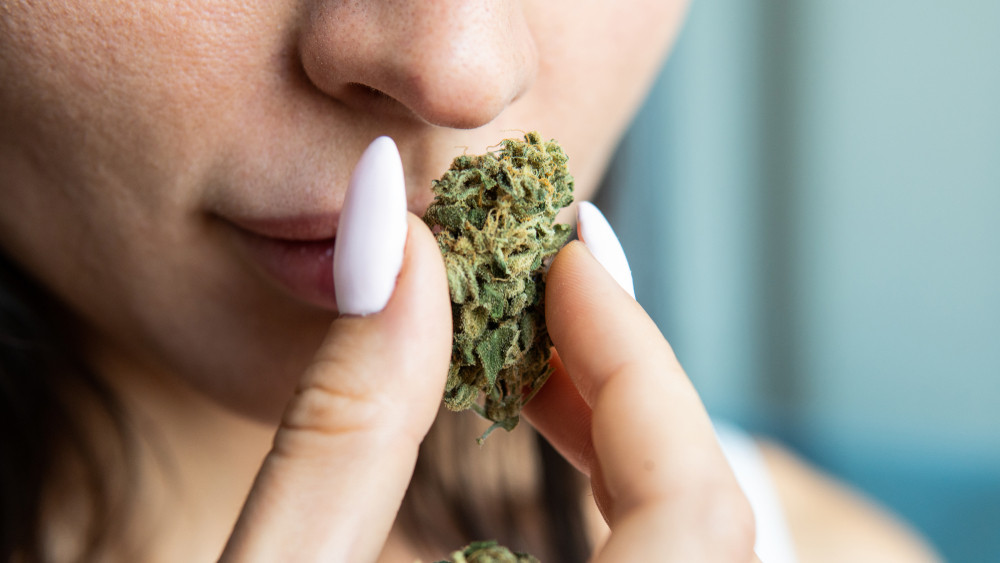
Taking a Whiff: Does THCA Smell Like Weed?
The curiosity surrounding the scent of hemp derivatives often begins the moment a package is first held in hand, regardless of the specific format it takes inside. There’s a frequent expectation that anything tied to this specific botanical family should carry a heavy, recognizable aroma that fills the room instantly. However, the olfactory reality of THCA is far more varied, fluctuating significantly based on how the material was processed and what other elements remain in the final blend. Exploring these aromatic nuances reveals a surprising world where some items are nearly scentless while others pack a punch that mimics the classic profile people know so well. Getting to the bottom of this scent mystery is about more than just checking for quality; it is about recognizing the invisible forces that shape every sniff, in order to finally answer the question at hand, which is “does THCA smell like weed?”.
THCA 101
Tetrahydrocannabinolic acid (THCA) serves as the primary acidic precursor found within the living, breathing cannabis plant before any heat is applied to the material. Unlike its famous cousin that most people recognize by name, this specific cannabinoid exists in a raw state that maintains an extra carboxyl group in its molecular chain, which alters its character. This tiny structural addition changes how the compound interacts with the world, keeping it in a dormant phase while it sits on the shelf or remains attached to the drying flower. You can think of it as the raw blueprint of the plant’s potential, waiting for a specific spark to change its very nature and unlock its hidden properties. Most of the time, this substance is harvested from hemp plants that have been carefully bred to prioritize this particular acid over others in a legal and controlled environment. Because it is found in the resinous trichomes that coat the flower like tiny diamonds, it is often seen as a sign of a high-quality, potent harvest by those in the know. These trichomes act as little factories, churning out cannabinoids and aromatic oils that define the entire experience.
One of the most fascinating aspects of this compound is that it does not provide the intoxicating effects usually associated with traditional cannabis consumption when it remains in its raw form. Because the molecule is physically larger than its heated counterpart, it cannot bind effectively to the specific receptors in the human body that trigger a change in perception or mood. This makes it an incredibly versatile option for people who are interested in the botanical benefits of the hemp plant without the immediate shift in their mental state that THC would cause. It’s a distinct characteristic that sets it apart from many other items you might find in a local shop, offering a unique path for exploration for the curious consumer. Many enthusiasts appreciate this subtlety, as it allows them to incorporate the plant into their daily routines in a much more manageable and predictable way. This lack of psychoactivity is a major reason why THCA has gained so much traction in the market recently, as it fits into a variety of lifestyles and preferences. It provides a way to engage with the plant's chemistry while staying fully present and functional throughout the day.
To change the identity of this molecule, a process known as decarboxylation must take place, which is basically a descriptive way of talking about the application of heat. When you apply a flame, a vaporizer’s heating element, or even the steady warmth of an oven, that extra carboxyl group we mentioned earlier simply drops away from the chain. This transformation is what turns the stable, raw acid into the active compound that most people are searching for when they engage with these types of products. It’s a chemical bridge that every user crosses, whether they realize it or not, the moment they spark up or turn on their device. Without this thermal catalyst, the substance would remain in its original state indefinitely, locked away behind its own molecular structure like a secret waiting to be told. Broadening your understanding of this shift is vital for anyone who wants to get the most out of their purchase, as it dictates exactly how the product should be used for the best results. It’s the literal turning point where the raw material becomes something entirely new and far more potent than it was in its cold, crystalline state.
Most of the THCA found in modern products is derived from industrial hemp, which’s defined by its low levels of THC and its high concentration of other beneficial compounds. Farmers use specialized cultivation techniques to encourage the plant to produce massive amounts of this acidic resin while staying within the legal boundaries set for modern hemp production. Once the plants reach their peak maturity, the flowers are harvested and can be processed in a variety of ways to create crystals, diamonds, or high-percentage flower that caters to specific needs. Some processors use cold-press methods or sophisticated extraction techniques to isolate the compound, resulting in a pure, white crystalline powder that looks nothing like a traditional bud. This level of purity is what makes the substance so intriguing to those who enjoy the science behind their stash and want a clean experience. By focusing on the isolation of this single molecule, producers can offer a product that is consistent and incredibly powerful for a wide range of applications. This careful management of the plant’s lifecycle helps to ensure that the final result is exactly what the consumer expects to find when they open that package.
Weed 101
The structure of the cannabis plant is a marvel of natural engineering, specifically designed to protect its genetic future. Its leaves and stems act as the support system for the flowers, which are the primary sites for chemical production. Within these flowers, specialized glands called trichomes work around the clock to create a sticky protective layer. This resin serves multiple purposes in nature, acting as a shield against hungry insects and harsh UV rays from the sun. For humans, these resinous beads are the source of the flavors and effects that define the entire experience. Without these tiny, mushroom-shaped structures, the plant would lack the power and fragrance that make it so recognizable. Observing these natural defenses provides a deeper appreciation for the complex life cycle of this resilient vegetation.
Most people think of cannabis as a single entity, but it is actually a diverse collection of hundreds of separate components working in tandem. While cannabinoids like THC and CBD get most of the attention, they are only a part of the larger chemical picture. The presence of hundreds of other minor compounds guarantees that no two batches are ever exactly the same in their makeup. This natural diversity is what allows for such a wide range of choices pertaining to finding a specific profile that fits a person's needs. It is the interaction between these various parts that creates the specific qualities often attributed to high-grade weed. When you isolate just one molecule, like THCA, you’re looking at a very small slice of a much larger and more complicated pie. This distinction is fundamental for those who want to grasp why disparate formats of the plant behave so uniquely.
Cultivation practices have advanced significantly, moving from simple outdoor patches to highly controlled laboratory-like environments. Modern growers use sophisticated climate control systems to mimic the perfect spring day throughout the entire lifecycle of the plant. This level of precision enables the maximization of the plant's natural traits, resulting in flowers that are more potent and fragrant than ever before. These techniques are applied to both traditional cannabis and hemp, showing that the method of growth is just as important as the genetics. By manipulating factors like soil composition and light spectrum, a grower can influence the final chemical output of the harvest. This evolution in farming has made it possible to produce massive amounts of high-quality material for a variety of industries. In the end, the way a plant is raised dictates everything from its appearance to the way it interacts with our senses upon first contact.
So, Does THCA Smell Like Weed?
The answer to this question: “does THCA smell like weed?” isn’t a simple yes or no, as it heavily relies on the purity of the product. In its absolute purest form, such as a crystalline isolate, the molecule is virtually odorless because it has been stripped of the aromatic oils that usually provide the fragrance. However, when you find it in its natural floral state or mixed into a broad-spectrum concentrate, the surrounding plant materials provide a very strong aromatic presence. This means that while the chemical itself is silent on the nose, the company it maintains defines the final sensory experience for the user. Therefore, a jar of white diamonds might smell like nothing, but a bag of high-percentage flower will likely satisfy those looking for that classic pungency.
The Role of Terpenes and Their Impact on the Smell of THCA
The true architects behind the fragrance of any botanical product are the organic compounds known as terpenes. These volatile oils are produced in the same resin glands as the cannabinoids and serve to give each batch its unique aromatic signature. When these oils are present in a high enough concentration, they can completely transform a neutral substance into a sensory powerhouse. Several key terps are responsible for the most common notes found in the market today:
- Myrcene (Earthy/Musky): This is frequently cited as the most common aromatic compound found in the hemp and cannabis world, often making up a significant portion of the total oil volume in a given plant. It provides a deep, heavy base note that reminds many people of damp earth, rich soil, or even a slightly overripe tropical fruit like a mango. Because it is so prevalent in traditional varieties, its presence in a THCA product is often the primary reason why that item smells so much like a classic bag of weed. It’s a very sturdy scent that tends to linger in the air long after a container has been closed, creating a lasting impression of muskiness. Many people find this particular aroma to be the literal foundation of the "skunky" smell that defines the industry for so many observers. Its molecular structure is relatively simple, but its impact on the final profile of a harvest is massive, often drowning out more delicate notes.
- Caryophyllene (Spicy/Peppery): Standing out as one of the most interesting oils in the plant kingdom, this compound offers a sharp, spicy kick that mirrors the experience of smelling fresh cracked black pepper. It is also found in high concentrations in cloves, cinnamon, and hops, giving the plant a complex, woody undertone that adds a layer of sophistication to the scent. Unlike many other oils, it has a unique molecular shape that allows it to interact with the body in a way that very few other terpenes can manage. In a THCA blend, it provides a "gassy" or "fuel-like" edge that many enthusiasts seek out when they want a product that feels authentic and potent. It acts as a bridge between the deep earthiness of other compounds and the brighter, sharper notes that sit on the top of the profile. This spiciness is often what provides that "tickle" in the nose when you take a particularly deep whiff of a high-quality concentrate.
- Limonene (Citrus/Bright): As the name suggests, this oil is what provides those unmistakable notes of lemon, lime, and orange that can cut through even the heaviest musky scents. Limonene is found in the rinds of citrus fruits and is prized for its ability to create a bright, clean, and refreshing aromatic experience. When a THCA flower or vape is rich in this compound, it takes on a much sweeter and more approachable character that many find pleasant for daytime use. This citrusy edge can sometimes mask the more traditional "weedy" smells, making the product feel a bit more discreet or fruity to the casual observer. It’s a highly volatile oil, meaning it evaporates quickly, so it is often the first thing you notice when you break open a fresh bud or pop a seal. Its presence usually indicates a profile that leans toward the more energetic and vibrant side of the botanical spectrum.
- Pinene (Pine/Forest): Walking through a dense evergreen forest after a fresh rain provides the exact sensory experience that this specific terpene brings to the table. It’s the most widely distributed aromatic compound in nature, found in everything from pine needles to rosemary and basil. In the context of a hemp product, it adds a sharp, cooling, and herbal quality that balances out the sweeter or muskier notes of other oils. It provides a sense of clarity to the fragrance, making it feel fresh and crisp rather than heavy or stagnant. Products that are high in this oil often have a very "green" scent that reminds people of live plants and fresh air. This forest-like quality is a major component of the complex bouquet that defines high-grade floral material, contributing to that unmistakable "outdoor" or "natural" vibe.
- Linalool (Floral/Lavender): This is the compound responsible for the soothing and unmistakable scent of lavender, providing a delicate floral layer to the plant’s profile. It is a much softer aroma than the spicy or citrusy oils, often acting as a calming influence on the overall scent of a THCA blend. When you detect hints of spring flowers or a slightly sugary, herbaceous sweetness, you are likely smelling the work of this particular terpene. It helps to round out the harsher edges of a pungent harvest, making the final result feel more balanced and elegant. While it is rarely the dominant scent in a batch, its presence is vital for creating a full-bodied and nuanced experience for the nose. It adds a level of botanical depth that separates artisanal products from those that are mass-produced without a focus on the finer details.
- Humulene (Woody/Herbal): Closely related to the oils found in hops, this compound provides an earthy, woody, and slightly bitter fragrance that is a staple of many traditional strains. It is often what gives a product its "hoppy" or "beer-like" undertone, which many enthusiasts find incredibly satisfying and grounding. It works in tandem with other earthy oils to create a robust and rugged scent profile that feels very close to the raw nature of the plant. This terpene is often found in high-resin flowers and contributes to the overall "body" of the aroma, ensuring that it doesn't feel thin or one-dimensional. It is a subtle but persistent note that provides a sense of authenticity to any product that aims to replicate the experience of high-quality weed. Many find that this woody character is what gives a blend its "old school" feel, harkening back to classic varieties from decades past.
How Strains Impact the Smell of THCA
Beyond individual oils, the genetic background of the plant dictates how these aromas are bundled together in a single harvest. Breeders have spent decades selecting for specific scent profiles that range from sweet and fruity to gassy and pungent. This genetic blueprint determines which aromatic oils will dominate the profile and how they will interact with your senses. Most products fall into three primary categories that offer distinct olfactory experiences:
- Indica: Products derived from these genetics are famous for their heavy, pungent, and often skunky aromatic profiles that can easily take over a room. They tend to have a much higher concentration of myrcene, which leads to that deep earthiness and musky character that many associate with a traditional cannabis experience. You might also notice hints of dark berries, chocolate, or even a slight coffee-like bitterness in some of the more complex variations. The scent is often described as "thick" or "heavy," lingering in the air and on the fingers long after the material has been handled. For someone looking for a THCA product that smells exactly like weed, these varieties are almost always the most successful choice. They offer a powerful and unmistakable presence that leaves very little room for doubt about what is inside the jar.
- Sativa: On the opposite side of the spectrum, these varieties are known for being much brighter, sharper, and more focused on sweet or citrusy notes. They often feature high levels of limonene and pinene, resulting in a scent that is more reminiscent of tropical fruits, sour candies, or fresh pine needles. The aroma is usually much more uplifting and "airy" compared to the dense muskiness of other categories. While they still carry that fundamental botanical scent, it is often masked by these sweeter layers, making them feel a bit more modern and less "stinky" in a traditional sense. This makes them a popular choice for people who enjoy a more fragrant and flavorful experience that doesn't necessarily scream "skunk" the moment the bag is opened. They offer a vibrant and diverse range of smells that can vary from smelling like a lemon grove to a bowl of exotic fruit.
- Hybrid: These are the result of crossing the two primary categories, aiming to find a perfect middle ground between the heavy musks and the bright sweets. Because they can be bred to lean in either direction, the scent of a hybrid product is incredibly varied and depends entirely on the specific parentage used. You might find a blend that starts with a sharp citrus blast and finishes with a deep, earthy aftertaste, providing a multi-layered sensory experience. This category offers the most diversity for the consumer, as the possible combinations of terpenes are nearly endless. It allows for "designer" scents that can mimic everything from fresh-baked cookies to diesel fuel or even creamy vanilla. This complexity is often what draws enthusiasts to hybrids, as every new batch offers a chance to discover a unique and unexpected aromatic profile.
Adding a High-Potency Cannabis Concentrate to THCA for Its Smell
When processors want to amplify the aromatic profile of THCA, they often turn to the world of high-potency concentrates to bridge the gap between isolate and flower. These substances are packed with the original oils of the plant, capturing a snapshot of the harvest at its peak of fragrance. By blending these extracts with raw cannabinoids, a product can take on a much more authentic and robust scent that mimics the complexity of high-grade weed. The following varieties represent the most popular methods for infusing that signature pungency back into the mix:
- Live Resin: This extract is created using a flash-freezing process that preserves the living profile of the plant immediately after harvest. By skipping the traditional drying and curing stages, the processors secure the most volatile oils that would otherwise evaporate into the air. The resulting golden oil is incredibly fragrant, smelling exactly like a fresh plant sitting in a field during the height of summer. When this is added to a THCA product, it provides a "loud" and vibrant scent that is nearly impossible to ignore. It is prized for its ability to maintain the true essence of the strain without any of the dulling effects of age.
- Live Rosin: Often considered the gold standard for those who prefer a solventless approach, this concentrate is made using only heat and pressure. It starts with fresh-frozen material that is turned into ice water hash before being pressed into a sappy, translucent substance. Because no chemicals are used in the process, the natural aromatic profile remains completely untainted and pure. It carries a heavy, creamy, and complex scent that reflects the exact genetics of the starting material with stunning clarity. This is frequently the go-to choice for connoisseurs who want the most authentic olfactory experience possible.
- Live Sugar: Characterized by its grainy, crystalline texture that resembles wet sugar, this concentrate is rich in both potency and flavor. It forms when the cannabinoids begin to crystallize while staying submerged in a thick layer of terpene-rich oils. This separation creates a product that smells incredibly sharp and sweet, often leaning into the citrusy or fruity side of the spectrum. It offers a very clean aroma that lacks the heavy musk of some other extracts, making it a favorite for those who enjoy a brighter nose. The granular consistency also makes it very easy to work with when mixing it into other formulations.
- Live Batter: This variant is whipped during the finishing process to create a smooth, cake-batter-like consistency that is soft and easy to handle. The whipping action incorporates a bit of air into the mix, which can actually help to release the aromatic oils and make the scent even more pronounced. It typically has a very rich and "creamy" nose that feels substantial and well-rounded to the senses. It avoids the stickiness of resin while maintaining all of the pungent qualities that define a high-quality extract. This texture is particularly popular in dabbing circles because of how consistently it carries its fragrance from the jar to the device.
- Live Butter: Similar to batter but often having a slightly more solid and opaque appearance, this extract feels like cold dairy butter to the touch. It is known for having a very deep and savory aromatic profile that often leans into the earthy and spicy categories. The processing involves specific temperature controls that encourage a stable, creamy texture without losing the precious volatile compounds. When you open a container of this material, the scent is often the first thing that hits you, providing an immediate preview of the botanical complexity within. It is a fantastic option for adding a heavy, weed-like presence to any raw cannabinoid blend.
- Live Hash: This is a classic form of concentrate that has been modernized through the use of fresh-frozen plants and ice water filtration. By separating the resin heads from the plant material while they are still frozen, the producers create a product that is purely the "essence" of the harvest. It smells like a concentrated version of the living plant, offering a deep, resinous, and almost incense-like aroma. It lacks the solvent-heavy notes that can sometimes plague lower-quality oils, providing a very natural and traditional scent. Many old-school enthusiasts prefer this method because it feels the most connected to the historical roots of the plant.
- Hash Rosin: Taking live hash one step further, this product is made by pressing that high-quality hash through a fine mesh screen using a specialized heat press. The result is a pure, potent oil that is completely free of any plant matter or solvents. It offers one of the most intense and multi-dimensional aromatic profiles available on the market today. You will often detect layers of scent that range from sweet floral notes to heavy, "gassy" fuel smells all in a single whiff. It is the highest level of aromatic preservation, ensuring that every subtle nuance of the original strain is carried through to the final user.
- Cured Resin: Unlike the "live" versions, this extract is made from plant material that has been dried and cured in the traditional manner. This process allows the chemical profile of the plant to settle and change, often leading to a deeper and more mellow aroma. It typically carries a scent that is more reminiscent of a finished bag of flower rather than a living plant in the dirt. You might notice more of the musky, woody, and "skunky" notes that develop during the aging process. It provides a very familiar and comforting scent for those who have spent a long time in the industry and recognize the smell of a well-cured harvest.
- Cured Rosin: This solventless extract is pressed from dried and cured flower or hash, offering a rich and stable aromatic experience. Because the starting material has already been aged, the scent is often very concentrated and heavy on the base notes like earth and spice. It is a very "sturdy" concentrate that holds its fragrance well over time, making it a reliable choice for long-term storage. The aroma is often described as warm and inviting, lacking the sharp "green" bite of live products but making up for it with a deep, resinous complexity. It is an excellent example of how the curing process can add a unique and desirable character to the final aromatic profile.
How Product Type/Delivery Impacts THCA’s Smell
The specific way you choose to interact with THCA has a massive influence on whether your surroundings will soon smell like a botanical garden or stay completely neutral. While the raw material holds its own aromatic profile, the physical state of the product dictates how those volatile oils are released into the air around you. Whether you’re dealing with a solid, a liquid, or a vaporous cloud, the delivery method acts as the final gatekeeper for the olfactory experience. Understanding these the following THCA product/delivery formats is the best way to predict just how much attention your session might draw from those nearby:
- Flower: This is the most traditional format and arguably the one that carries the most potent and recognizable "weed" smell because the plant material is still fully intact. When you are dealing with loose buds, you are smelling the raw, uncured or cured resin glands exactly as they were harvested, which provides a very loud and unmistakable presence. If you choose to use a vaporizer, the scent is often described as "toasty" or like roasted nuts, as the heat releases the oils without burning the plant matter itself. In contrast, smoking those same buds by rolling them up or placing them in a bong creates a much heavier, acrid, and lingering aroma that everyone recognizes instantly. More specialized versions like "snowballs", which’re buds coated in THCA isolate, or "moonrocks," which are dipped in oil and rolled in kief, create an even more intense and multi-layered fragrance that can be quite overwhelming. Even using the flower for baking or cooking at home will fill your kitchen with a deep, herbal, and nutty scent that is very hard to mask.
- Pre-Filled Vapes: These devices, which include both replaceable cartridges and all-in-one disposable pens, offer a much more controlled and often more discreet aromatic experience. The liquid inside is usually a combination of high-purity distillate or live resin, which means the scent is concentrated but lacks the "burnt" quality of traditional smoking. When you take a puff, the vapor dissipates much faster than smoke, leaving behind a brief trail of whatever terpenes were added to the mix. If the vape uses botanical terpenes, it might smell more like blueberries or lavender than actual cannabis, which is a major draw for people who want to be subtle. However, if it uses cannabis-derived terpenes (CDT), the vapor will still carry a miniature version of that skunky or gassy profile that is very identifiable to an experienced nose. These devices are generally considered the middle ground for those who want a bit of flavor without the long-lasting odor of raw flower.
- Concentrates: Used primarily for dabbing, these products include various textures like crumble, shatter, and badder, each offering a unique way to experience the plant’s essence. Because these are highly refined versions of the plant’s resin, the smell is often incredibly concentrated and sharp, representing the "soul" of the strain in a very small package. Crumble has a dry, honeycomb-like texture that releases its scent the moment it is broken apart, while shatter is more stable and glass-like until it is heated. Badder offers a creamy, frosting-like consistency that is often very high in terpene content, making it one of the most fragrant options for those who enjoy the ritual of dabbing. The vapor produced from these concentrates is very rich and potent, carrying a "cleaner" version of the weed smell that focuses more on the spicy and citrusy notes rather than the earthy musk of burnt leaves. This makes the experience feel more like an artisanal extraction rather than a traditional smoke session.
- Gummies: As an edible format, these offer the most discreet way to consume THCA, as the scent is almost entirely masked by the sugary ingredients and fruit flavorings of the candy itself. Unless you put your nose directly into the bag and take a deep breath, you are unlikely to detect even a hint of a botanical or herbal presence. The manufacturing process often involves using an odorless distillate, which means the finished gummy smells more like a sour apple or a juicy peach than anything related to a hemp farm. This makes them the perfect choice for situations where you want to keep your activities completely private and avoid any lingering odors on your breath or clothing. Even when the package is open, the fragrance of the gelatin and sweeteners is far more dominant than any underlying cannabinoid. It is a completely scent-free experience for everyone except the person actually eating the treat.
- Tinctures: These are liquid extracts, usually held in a carrier oil like MCT or hemp seed oil, and are typically administered under the tongue using a dropper. Because they are not being heated or vaporized, they do not release any scent into the air, making them another excellent option for stealthy use. The liquid itself might have a slight earthy or grassy aroma if you sniff the bottle, but it is very mild and does not linger once the bottle is capped. Some tinctures are flavored with peppermint or citrus oils to further mask any natural hemp taste, which makes the olfactory footprint even smaller. It is a very practical and professional format for those who value a neutral sensory environment.
- Topicals: Creams, balms, and lotions infused with THCA are designed to be applied directly to the skin, and their scent is usually defined by the other ingredients in the recipe. Many of these products include cooling menthol, soothing lavender, or invigorating eucalyptus to create a spa-like experience that smells nothing like weed. While some "raw" topicals might have a very faint herbal undertone, it is usually so subtle that it is easily mistaken for a high-end botanical moisturizer. The goal of these items is to provide a localized experience without any of the aromatic baggage associated with other delivery methods. This allows a person to use them throughout the day at work or in public without worrying about carrying a tell-tale fragrance. They are perhaps the most disconnected from the traditional cannabis scent profile of all the delivery types.
THCA Combined with Other Cannabinoids to Impact Smell
The world of modern hemp products is rarely a solo performance by a single molecule, as many blends incorporate a variety of cannabinoids to create a more well-rounded profile. Each of these additions brings its own chemical personality to the table, and while they might not all have a strong scent on their own, they influence how the overall blend interacts with your senses. When these compounds are mixed, they create a "cocktail" of effects and aromas that can be quite distinct from a pure isolate. Here’s a look at the various partners you might find paired with THCA and how they contribute to the final nose of the product:
- CBD: Often found in 1:1 ratios with THCA, this cannabinoid usually comes from hemp varieties that are very rich in earthy and floral terpenes. Its presence often signifies a more "botanical" and less "gassy" scent profile, leaning toward the smell of dried hay or fresh herbs. Because it is so widely used, its scent has become a baseline for many people’s expectations of what a legal hemp product should smell like.
- CBG: Known as the "mother cannabinoid," this compound is often associated with very "green" and citrusy aromas when found in high-quality flower. It tends to add a bright, crisp edge to a THCA blend, making the scent feel a bit more uplifting and less heavy. It is a great partner for those who enjoy a clean, forest-like fragrance.
- CBC: This minor cannabinoid is usually found in very small amounts and does not have a strong aromatic presence of its own. However, it is believed to help the other compounds work more effectively, which in an olfactory sense means it helps the existing terpenes "pop" a bit more. It acts like a background singer that makes the lead vocalist sound better without taking center stage.
- Delta 8 THC: This is a very popular addition that is almost always found in a highly refined distillate form, meaning it is virtually odorless. When mixed with THCA, it acts as a neutral base that allows the added terpenes to really shine through without any interference. It provides a smooth, clean foundation for whatever flavor profile the manufacturer wants to build.
- Hemp-Derived Delta 9: Similar to its more famous counterpart, this compound carries the classic, pungent weight of traditional cannabis when it is included in full-spectrum products. It adds a layer of "depth" to the scent that many people find more satisfying than isolate alone. It is the key to achieving that true, "loud" weed smell in a legal hemp format.
- Delta 10 THC: This isomer is known for being a bit more subtle and is often used in products that target a more "energetic" vibe. The scent is typically very light and often paired with citrus or fruity terpenes to match its reputation. It doesn't add much in the way of musk or earthiness, keeping the profile feeling modern and fresh.
- THCV: Often found in specific African landrace strains, this cannabinoid is usually accompanied by very unique, spicy, and sometimes "cheesy" aromatic profiles. It adds a bit of an exotic flair to a THCA blend, offering a scent that is a bit different from the usual earthy suspects. It is a favorite for those who like to explore the outer reaches of the plant’s flavor map.
- THCAjd: This is a much rarer and more potent variant that is often found in specialized "legal high" blends. Because it is almost always used as an isolate or a distillate, it doesn't bring much of its own scent to the party. Instead, it relies on the other ingredients in the mix to provide the aromatic experience for the user.
- THCH: Another high-potency minor cannabinoid that is typically used to boost the overall strength of a product. Like many of these isolated compounds, it is neutral on the nose and does not alter the "weediness" of the scent in any significant way. It is all about the internal impact rather than the external fragrance.
- THCB: This compound is very similar to the others in this category, acting as a potency booster without adding its own aromatic baggage. It allows the formulator to create a very powerful product while keeping the scent profile entirely within the control of the added terpene blend. This level of control is great for creating consistent products.
- THCP: Known for being incredibly powerful, this cannabinoid is a common addition to "knockout" blends. Even in tiny amounts, it can significantly change the character of a product, though its impact on the smell is minimal. It is the invisible engine that drives many high-potency THCA products while letting the flower or resin handle the scent.
- HHC: This hydrogenated version of THC is becoming very popular because of its stability and long shelf life. It has a very mild, almost sweet plastic-like scent in its raw form, but this is easily covered up by any amount of plant material or added flavorings. It provides a very "clean" feeling to the vapor that many people enjoy.
- HHC-B: A more potent version of HHC that follows the same rules of being mostly odorless and flavorless in its pure state. It’s used to add a bit of a "kick" to a blend without making it smell more like weed. It is a very clinical addition to a product’s chemical makeup.
- HHC-P: This is the most powerful version of HHC and is used very sparingly in specialized formulations. Despite its strength, it remains an aromatic blank slate, allowing the manufacturer to decide exactly how they want the final product to smell. It is a testament to modern chemistry that such powerful compounds can be so sensory-neutral.
THCA Combined with Mushrooms to Impact Smell
In the modern marketplace, it is becoming increasingly common to see raw cannabinoids paired with ingredients from an entirely different biological kingdom. The inclusion of fungi into these blends creates a fascinating intersection of botanical and fungal chemistry, offering an experience that is quite separate from a traditional hemp session. While this might sound like an odd pairing to the uninitiated, these combinations are designed to offer a more holistic or functional approach to daily wellness. Because these two elements have vastly different aromatic origins, their combination creates a scent profile that is usually earthy, savory, and very distinct from a classic cannabis smell. Recognizing how these elements work together requires looking at the specific types of fungi used and the unique notes they bring to the formulation:
- Amanita Muscaria: This iconic red-and-white-spotted mushroom has a long history of traditional use and carries a very distinct, deep, and almost "musky-sweet" scent that is entirely its own. When dried and processed, it has a fragrance that reminds many of rich forest soil mixed with a very faint, sugary undertone. When paired with THCA, especially in a gummy or a chocolate format, the mushroom’s natural scent is usually heavily masked by flavorings. However, if you were to encounter a raw blend or a tincture, the resulting smell would be far more "woodland" than "weed," offering a heavy, grounding aroma. It provides a dense, complex base note that completely alters the typical cannabinoid fragrance.
- Proprietary Mushroom Blends: Many companies create specific formulas that combine various lesser-known fungi to achieve a particular functional goal, such as relaxation or focus. These blends often use extracts that have been highly processed to remove the fibrous material, leaving behind a concentrated powder that has a very sharp, almost medicinal or bitter scent. When mixed with a raw cannabinoid, the resulting aroma is often quite clinical, smelling more like a natural supplement aisle than a hemp dispensary. Because these blends are designed for specific results rather than flavor, the focus is rarely on preserving a pleasant aroma. The scent is usually considered a necessary byproduct of the functional ingredients working together.
- Functional & Nootropics Mushrooms: This category includes popular varieties like Lion’s Mane, Reishi, Cordyceps, and Turkey Tail, which are prized for their daily health benefits. These mushrooms generally have a very savory, "umami" scent that is reminiscent of dried broth, roasted nuts, or dark, damp wood. When these powders are combined with THCA, the overall fragrance takes a sharp turn away from anything resembling a skunk or a pine forest. Instead, you get a scent that feels very earthy, grounded, and slightly bitter, which appeals to those looking for a "cleaner" or more health-focused product. The aroma is very subtle and will almost never draw the kind of attention that a pungent bag of flower would, making it a very low-key option for daily use.
Other Factors That Can Affect the Smell of THCA (or Have It Smelling Like Weed)
Beyond the genetic makeup of the plant and the specific delivery method chosen, there are several external variables that play a massive role in how a product presents itself to your nose. The journey from the farm to the final container is full of moments where the aromatic integrity of the material can be either preserved or completely compromised. If you’ve ever wondered why two identical strains from different vendors smell completely separate, the answer almost always lies in how the product was handled after the harvest. These seemingly minor details are the true deciders in the battle for that perfect, pungent aroma:
- Product Quality (The "Top Shelf" Factor): This is perhaps the most obvious variable, as a high-quality product will almost always have a more robust and complex scent profile than a cheaper alternative. Premium cultivators take immense pride in their curing processes, guaranteeing that the volatile oils are protected and allowed to mature properly over time. This careful attention to detail results in a product that smells rich, vibrant, and undeniably like high-grade weed, with every subtle note of citrus or pine perfectly intact. On the other hand, mass-produced or lower-tier items are often rushed through the drying phase, which burns off the most delicate terpenes and leaves behind a smell that is grassy, like hay, or sometimes completely absent. When you pay for quality, you are largely paying for the preservation of those fragile aromatic compounds that define the experience.
- Storage (The Enemy of Scent): How a product is kept once it leaves the facility is a critical factor in maintaining its original fragrance. Terpenes are highly volatile, meaning they evaporate very quickly when exposed to air, light, or excessive heat. If a jar of flower or a container of live resin is left sitting on a sunny windowsill or in a hot car, the most delicate scents will vanish in a matter of hours, leaving the product smelling flat and uninteresting. Proper storage requires a cool, dark environment and an airtight seal, such as a glass jar, to trap the humidity and the oils right where they belong. A product that has been stored correctly for six months will often smell significantly better than a fresh batch that has been left open on a table for a week.
- Age and Oxidation: Time changes everything, and botanical products are no exception to this rule of nature. As a product ages, it undergoes a process called oxidation, where exposure to oxygen slowly degrades the chemical compounds within the plant material. This process not only alters the color and potency of the cannabinoids but also dramatically shifts the scent profile, turning bright, sharp smells into something much duller. A fresh batch of THCA flower might smell like a basket of lemons and pine needles, but after a year of sitting in a bag, it might smell vaguely of old wood and dried leaves. Recognizing the signs of an aged product is a crucial skill for anyone who values a vibrant and pungent aromatic experience, as freshness is truly the key to unlocking those classic smells.
- Moisture Content: The physical humidity level of the plant material is a delicate balancing act that growers and packagers must master. If a product is too wet, it runs the risk of developing mold, which carries a distinctly terrible, ammonia-like scent that ruins the batch completely. If it is too dry, it becomes brittle and the trichomes break off, taking all the precious aromatic oils with them and leaving the product smelling like literal dust. The "sweet spot" for moisture allows the plant to feel slightly spongy and alive, which is precisely when it will release its best and most authentic weed-like aroma. Maintaining this ideal humidity is why you often see small, specialized moisture packets included inside the jars of premium brands.
- Synthetic Additives: While many consumers seek out an all-natural experience, the market is full of products that use synthetic or botanically derived terpenes to artificially boost the smell of a neutral base. A cartridge might smell exactly like a bowl of sugary breakfast cereal or an artificial strawberry because the manufacturer has added a specific blend of food-grade flavorings. While these smells can be incredibly pleasant and fun, they are entirely disconnected from the natural scent of the cannabis plant and will never mimic that true, earthy pungency. For a purist, these artificial smells are a major red flag, as they mask the natural identity of the cannabinoids and change the overall vibe of the session. It is the difference between smelling a real rose and smelling a rose-scented candle; both are nice, but one is clearly an imitation.
The Final Word on the Scent Profile of Raw Cannabinoids
Taking a deep dive into the aromatic reality of these botanical products reveals a landscape that is far more nuanced than a simple comparison to traditional flower. It becomes evident that the isolated acidic molecule is merely a blank canvas, waiting for a complex network of organic oils and specific extraction methods to give it a true voice. Whether you find yourself holding a jar of silent, crystalline isolate or a bag of pungent, terpene-rich buds, the sensory result is a direct reflection of the journey that plant took from the soil to the shelf. Recognizing this intricate chemical dance allows you to choose your perfect profile with confidence, knowing exactly why your favorite jar smells the way it does.
Recent Posts
-

2026 Cannabinoid Matchup: THCA vs. CBC
Building a well-rounded hemp collection in today’s times has evolved into a personalized craft tailo …Sep 24, 2026 -
Kratom vs. CBGA: How Do They Measure Up Against One Another?
The modern search for plant-based wellness solutions has introduced a diverse spectrum of botanical …Sep 23, 2026 -
Inside the Gel Cap: How Much Kratom is in 1 Capsule?
Holding a pre-filled Kratom capsule between your fingers gives the impression of a perfectly measure …Sep 22, 2026