
What's Going on with THCA in The Mountain State? Is THCA Legal in West Virginia?
Walking past downtown dispensary shops and specialty vape/hemp storefronts from Huntington to Morgantown, it's hard not to notice the sudden surge of THCA-infused products. For everyday Mountain State shoppers, seeing for instance, raw flower that mirrors dispensary cannabis sitting right on retail shelves, brings up plenty of valid questions. Is this budding market genuinely compliant with state code, or are local storefronts pushing the envelope ahead of pending crackdowns? West Virginia officials have established a strict patchwork of age limits, excise taxes, and retail permits, yet confusion still runs high for both buyers and shop owners trying to keep up. Separating fact from fiction takes a closer look at the actual statutes, lab paperwork, and looming federal deadlines shaping the state's commercial counters today.
The Statutory Threshold and the Split Between Heated and Unheated Products
To grasp why THCA-based products line display cases across West Virginia, you've got to look at the exact wording of federal and state statutes. When the 2018 Farm Bill established a legal definition for industrial hemp, it created a strict cutoff: any cannabis material containing no more than 0.3% Delta-9-Tetrahydrocannabinol on a dry-weight basis is lawful hemp. West Virginia adopted that standard word-for-word in its agricultural statutes. That definition created a fascinating split in the commercial marketplace because the plant naturally produces raw cannabinoid acids rather than active THC. Living hemp plants primarily generate tetrahydrocannabinolic acid, or THCA, while Delta-9 only appears in trace amounts before processing or heat exposure.
This botanical reality creates two very distinct product categories on retail shelves, defined by whether consumers apply heat to them.
On one side of the counter, you have heated items like smokable flower (loose buds, pre-rolls, and joints) and vapes (pre-filled vape cartridges and AIO disposable vape pens). When someone sparks a lighter or takes a pull from a vape battery, thermal energy triggers rapid decarboxylation—a reaction that sheds a carboxyl group and converts raw THCA into active Delta-9 right as it's inhaled. Because the written statute only measured THC prior to consumption, these items easily passed pre-sale compliance tests.
On the other side of the counter sits an entirely separate lineup of non-heated products: gummies, sublingual tinctures, capsules, and swallowable tablets. Unlike smokeables and vapeables, nobody heats up a gummy or cooks a tablet before taking it. These ingestible items are consumed at room temperature, meaning the THCA enters the digestive tract without ever undergoing thermal decarboxylation. Formulators make these products using cold extraction methods or raw cannabinoid isolates, preserving THCA in its non-intoxicating, acidic state. Under current West Virginia rules, because these oral formulations maintain THC levels well below the 0.3% threshold, they qualify as legitimate consumable hemp products. Whether an item relies on user-applied heat or delivers raw cannabinoids straight from an unheated bottle, both categories entered the retail stream through the exact same statutory definition.
And just like gummies, tinctures, capsules, and tablets, beverages are consumed cold or at room temperature, meaning the raw acid never undergoes thermal decarboxylation. Formulators use water-soluble nano-emulsions and cold-fill bottling processes specifically to keep the THCA intact without heat triggering a conversion to Delta-9.
Beyond being a major shelf staple, drinks are arguably the category most threatened by the impending federal policy shift:
- The 0.4 mg Per-Container Ceiling: A 12-ounce can or 16-ounce bottle of a botanical seltzer or social tonic typically carries anywhere from 5mg to 25mg of cannabinoids. Under the federal 0.4mg finished-goods cap, even a single-serving beverage becomes federally non-compliant almost instantly (more on that later).
- Commercial Shelf Impact: In states like West Virginia where beverage coolers and craft hemp sodas sit right alongside edibles, reclassifying based on "total-THC" and capping containers at a fraction of a single milligram wipes the entire beverage cooler out in one stroke.
Inside West Virginia's Regulatory Playbook: Senate Bill 220
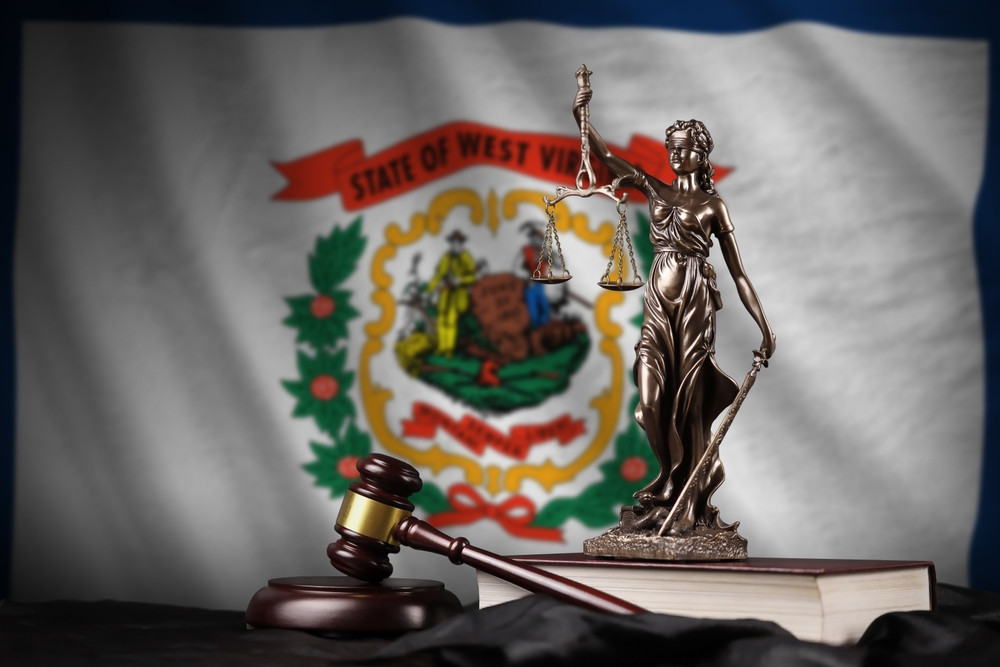
Rather than letting the hemp market run wild without guardrails, West Virginia legislators stepped in to establish direct state control over consumable cannabinoid products. Senate Bill 220 amended West Virginia Code Chapter 19, Article 12E, handing supervisory authority to the West Virginia Department of Agriculture and the state Alcohol Beverage Control Administration. The statute introduces mandatory retailer permits, strict age gates, and an 11% retail excise tax to ensure local operations remain accountable to state regulators. Most importantly, the law firmly separates over-the-counter hemp retail from the tightly controlled medical cannabis program.
The Divide Between Hemp Retailers and State Medical Dispensaries
It's easy for shoppers to get confused when visiting different shops, but West Virginia maintains a strict boundary between medical dispensaries and traditional hemp retailers.
The medical cannabis system runs under the Office of Medical Cannabis, housed within the state health department. Gaining access to a medical dispensary requires a diagnosed qualifying condition, a recommendation from a registered state doctor, and an official state patient card. Dispensaries operate behind secure doors with strict seed-to-sale tracking systems, catering strictly to certified patients who purchase state-tested medical inventory.
Independent vape shops, specialty hemp boutiques, and wellness stores operate in a completely separate commercial sphere. These neighborhood businesses sell compliant hemp-derived goods to any adult who is at least 21 years old, requiring nothing more than a valid government photo ID at the checkout counter. Store owners don't report customer names to a state registry, though they must hold active merchant permits from both agricultural and alcohol control officials. While both settings sell cannabis-derived items, their regulatory requirements, access rules, and tax setups couldn't be farther apart.
How Mountain State Shoppers Purchase Compliant THCA
Adults shopping for THCA in West Virginia have multiple purchasing avenues available, covering both traditional brick-and-mortar stores and remote digital options.
Physical shopping remains popular across major hubs like Wheeling, Parkersburg, and Beckley. Walking into a dedicated hemp boutique or smoke shop lets you inspect physical packaging, review printed certificates of analysis, and ask staff about specific product lines. Whether you're selecting raw buds, a pre-filled vape cartridge, or a bottle of unheated capsules, sales clerks must scan your identification to verify you're 21 or older before accepting payment. Many brick-and-mortar storefronts also run local online portals, letting nearby customers place orders for fast in-store pickup or curbside collection without waiting for postal transit.
Direct-to-consumer delivery has also gained traction across several Mountain State communities. Licensed local retailers frequently partner with specialized courier services that deliver sealed orders directly to residential addresses. Just like an in-person transaction, courier drivers must check a physical photo ID at your front door before handing over the parcel. For residents in more rural hollows where specialty storefronts are miles away, ordering online through the mail is another legal choice.
Under federal interstate commerce protections created by the Farm Bill, out-of-state vendors can lawfully ship lab-tested hemp products across state borders via standard mail carriers. Reputable digital merchants employ third-party age verification software at checkout, requiring buyers to verify their age before an order ever ships, keeping online sales aligned with regional standards.
Reading the Paperwork: Certificates of Analysis and Packaging Rules
Because raw flower and vape extracts look identical to controlled cannabis, verifiable paperwork is a consumer's best protection. West Virginia administrative rules demand that all consumable hemp products carry clear, traceable batch details so both buyers and inspectors can confirm legal status. Legitimate brands print a scannable QR code on every bottle, pouch, and box, linking directly to a third-party Certificate of Analysis from an accredited laboratory.
Reviewing these lab sheets takes just a minute when you know what details to verify:
- Dry-Weight Delta-9 Levels: Check that the active THC percentage sits comfortably at or below 0.3 percent.
- Cannabinoid Profile Breakdown: Review the numbers to see whether an oral tincture or gummy contains raw THCA or converted Delta-9 compounds.
- Accredited Laboratory Credentials: Confirm that the report comes from an independent, ISO-certified testing facility rather than an unverified internal lab.
- Matching Lot Identifiers: Make sure the batch number stamped on your container matches the specific identifier printed on the laboratory paperwork.
- Contaminant Clearance: Verify that the product passed comprehensive testing for heavy metals, residual chemical solvents, pesticides, and mold.
Packaging standards in West Virginia also require child-resistant caps and tamper-evident bands on every jar, bottle, and pouch. Manufacturers are legally barred from using packaging that mimics popular candy brands or features cartoon characters aimed at minors. When traveling with any THCA item, whether it's a jar of flower, a vape disposable, or a bottle of tablets, keeping the product inside its original labeled container with the purchase receipt gives you immediate proof that you're carrying legal hemp rather than contraband.
The December 11th Deadline: Federal Total-THC Rules and Market Impact
While West Virginia's retail shelves currently carry an extensive variety of THCA goods, a looming federal policy change threatens to disrupt the entire industry. Lawmakers in Washington have spent substantial time debating language attached to federal appropriations bills that seeks to close the divide between industrial hemp and regulated cannabis. The focal point of this national debate is a key deadline set for December 11th, which establishes a strict federal total-THC standard across all commercial hemp products.
Under a total-THC rule, laboratories can no longer look solely at active Delta-9 to determine legality. Instead, lab technicians must calculate the full intoxicating potential by multiplying the THCA percentage by 0.877 and adding that figure to any D9 present. Because high-grade THCA flower and concentrated vape carts typically carry between 15%-30% THCA, calculating total THC pushes these items drastically beyond the 0.3% federal limit.
More importantly, the new federal language doesn't spare non-heated items either. The impending rules include an aggressive cap of 0.4 milligrams of total THC per container on finished consumer goods. That restriction creates an enormous hurdle for unheated gummies, tinctures, capsules, and tablets. Even when an edible or oral tincture is formulated with raw THCA extract and never meant to be heated, the 0.4-milligram container ceiling means that almost every multi-serving bottle or gummy pack would suddenly become illegal under federal law. If this legislation takes full effect on December 11th without further congressional extensions, out-of-state shipping will grind to a halt, and Mountain State retailers will have to pull both heated extracts and unheated oral goods from their inventory.
Reading the Appalachian Horizon
Buying THCA across West Virginia today means participating in a fast-paced market where legality hinges on strict chemical thresholds rather than broad legalization. While state-issued retail permits and mandatory lab testing offer a transparent baseline for adults choosing to buy unheated gummies or vaporized extracts, the approaching December 11th federal standard threatens to reshape retail inventory from top to bottom. Staying protected as a consumer comes down to checking verifiable batch records, buying through authorized storefronts, and staying mindful of how local rules interact with changing national policy. With regulators preparing to shift the goalposts, keeping an eye on legislative updates will remain the surest way to track where Mountain State shelves go from here.
Recent Posts
-

What's Going on with THCA in The Mountain State? Is THCA Legal in West Virginia?
Walking past downtown dispensary shops and specialty vape/hemp storefronts from Huntington to Morgan …Oct 05, 2026 -
Kava vs. CBG: How Do They Measure Up Against One Another?
Finding an effective way to unwind during a demanding week often leads curious wellness seekers towa …Oct 02, 2026 -
How Long Do Mushroom Vapes Last Before Possibly Losing Their Potency?
Taking the first pull from a fresh mushroom vape delivers a potent botanical experience, but that pe …Sep 29, 2026