
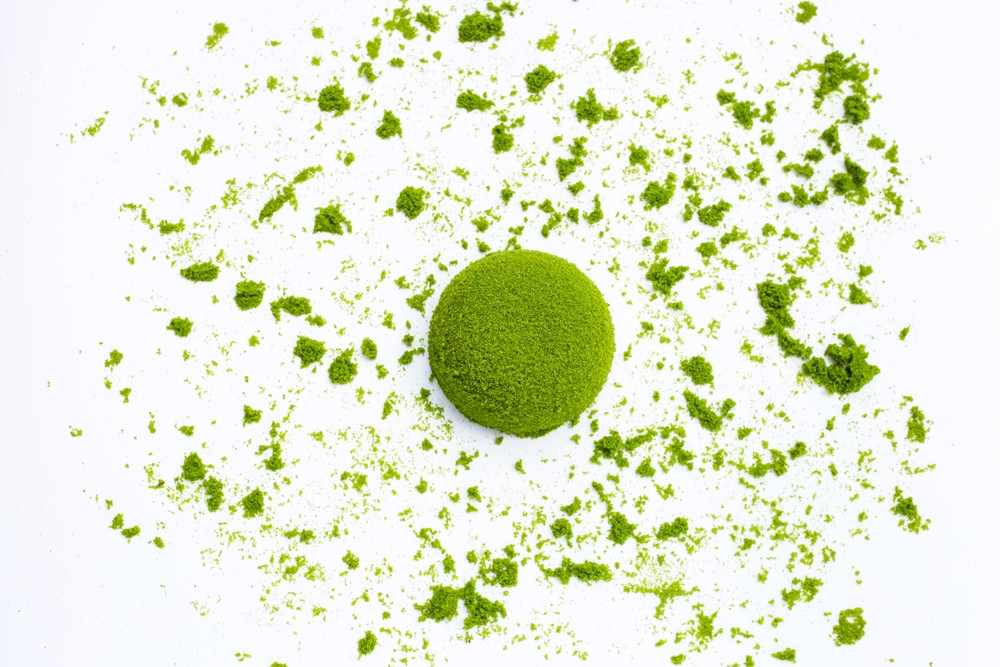
An Interesting Green Powder Choice: Matcha vs. Kratom
Walking into a modern wellness market or browsing online often brings consumers face-to-face with a sea of vibrant green powders that appear remarkably similar at first glance. These finely milled herbal options promise deep roots in traditional cultures, catching the eye of anyone looking to elevate their daily beverage choices with natural, earth-grown alternatives. However, beneath that identical emerald coloration lies a profound divergence in plant biology, preparation rituals, and operational properties that sets these options worlds apart. Exploring the specific profiles of shaded Japanese tea leaves alongside dense Southeast Asian forest foliage reveals just how distinct two natural powders can be despite sharing a visual palette. So, get ready as we break down this green powder choice (Matcha vs. Kratom).
Some Quick Insights into Matcha
Known scientifically as an ultra-refined derivative of the Camellia sinensis plant, Matcha traces its lineage back through centuries of Japanese cultural heritage and ceremonial traditions. While regular loose-leaf green tea involves steeping dried foliage in hot water and discarding the solids, this specialized style requires the consumer to ingest the entire pulverized leaf structure directly. The historical trajectory of this cultivation method actually began in China during the Tang and Song dynasties, where compressed tea bricks were milled into powder before whisking. Over the generations, Japanese Zen Buddhist monks adopted and refined these agricultural techniques, transforming the simple consumption of a botanical beverage into a highly structured meditative practice known as the Chanoyu. Today, the global marketplace treats this fine powder as both a prized luxury item for formal preparation and a highly adaptable ingredient for modern culinary creation. The careful preservation of these ancient processing methods guarantees that every single serving contains a concentrated expression of the specific microclimate where the shrubs were nurtured. As a result, the global appreciation for this shade-grown marvel continues to expand far beyond its traditional geographical borders into mainstream beverage culture.
The specific path to creating this elegant beverage begins in the pristine agricultural fields of regions like Uji and Nishio, where specialized farming practices dictate the lifecycle of the tea bushes. Approximately three to four weeks before the spring harvest occurs, farmers deliberately cover the entire plantation with wide straw mats or black synthetic netting to obstruct direct sunlight. This intentional light deprivation forces the tea plants to adapt by producing massive amounts of chlorophyll in their wide, tender leaves as they struggle to maximize photosynthesis. This sudden surge in chlorophyll gives the foliage a deep, dark jade hue that looks remarkably distinct from unshaded crops grown in open sunlight. Beyond changing the physical color, the shade restricts the conversion of natural L-theanine amino acids into bitter catechins, preserving a delicate chemical balance within the plant tissues. By carefully managing this shading timeline, growers alter the internal chemical makeup of the harvest to favor a rich savory profile over harsh astringency. The delicate environment underneath the canopies protects the young shoots from environmental weathering, yielding a softer texture that is ideal for subsequent processing steps.
Once the shaded leaves reach their absolute prime maturity, skilled harvesters carefully select the finest, most delicate top shoots during the annual spring plucking season. These freshly gathered leaves immediately undergo a rapid, high-temperature steaming process to halt natural oxidation and lock in that brilliantly bright green coloration. Following the steam application, the foliage passes through massive drying ovens where it transforms into a crisp, brittle material known historically as tencha. Workers then pass this dried material through specialized machinery designed to carefully strip away every single tough stem and fibrous vein, leaving behind only the pure, soft leaf flesh. This pure leaf flesh is subsequently transferred to traditional stone mills, where heavy granite wheels slowly rotate at a highly controlled speed to prevent generating excess frictional heat. A single granite mill often requires a full hour of continuous rotation just to yield a mere thirty grams of the silk-smooth, microscopic powder that consumers recognize on store shelves. The resulting fine particulate matter possesses a texture so soft that it mimics the consistency of cosmetic talcum powder, swirling into the air at the slightest breath.
Within the modern retail ecosystem, this powdered green tea is categorized into distinct tiers based primarily on the harvesting timeline and the specific location of the leaves on the bush. Ceremonial grade options represent the absolute peak of production, utilizing only the youngest first-flush leaves milled slowly on stone structures to provide a smooth, delicate, and entirely unbitter drinking experience. This premium tier boasts a complex flavor profile defined by a pronounced umami character, subtle notes of toasted nuts, and a sweet, creamy finish that requires zero added sugar. Conversely, culinary grade varieties utilize older leaves from later harvests, displaying a slightly muted khaki-green color alongside a more robust, astringent flavor profile. This stronger, sharper profile is intentionally cultivated so that the natural characteristics of the tea can pierce through heavy bases like milk, sweeteners, or flour when utilized in complex recipes. Recognizing these internal divisions within the marketplace helps buyers select the appropriate grade for their specific preparation methods without wasting premium ceremonial lots on blended iced drinks. Regardless of the selected grade, the final product remains a celebrated symbol of exquisite Japanese agricultural craftsmanship that blends historical reverence with contemporary flavor trends.
Some Quick Insights into Kratom
Originating in a completely distinct geographic and ecological realm, Kratom comes from the pulverized leaves of Mitragyna speciosa, a tropical evergreen tree native to the lush rainforests of Southeast Asia. These massive trees belong technically to the Rubiaceae family, making this botanical relative a distant cousin to the common coffee plant that drives global morning routines. For generations, these trees have flourished in the humid, low-lying river basins and swampy terrains of nations like Indonesia, Malaysia, Thailand, and Papua New Guinea. Indigenous communities throughout these tropical regions have maintained a relationship with the wild-growing trees, incorporating the raw foliage into local agrarian lifestyles and community customs. Unlike cultivated shrubs that require manicured fields, these majestic trees often grow naturally in wild, biodiverse jungle ecosystems, reaching heights of over eighty feet when left undisturbed. The local economies in rural Indonesian provinces, particularly within West Kalimantan, have shifted significantly toward harvesting these wild and semi-cultivated leaves to fulfill rising international demands. As international shipping networks evolved over the past few decades, this rustic jungle leaf found its way across oceans, transforming from a localized regional custom into a globally recognized botanical export.
The localized processing of this tropical leaf relies heavily on traditional outdoor drying methods that utilize the intense ambient heat and humidity of equatorial environments. Local harvesters typically scale the tall branches or utilize long pruning poles to pluck mature leaves directly from the dense jungle canopy. Once gathered, the raw leaves are thoroughly washed in local river water or clean storage vats to remove forest debris, dust, and native insects from the surface. The washed foliage is then spread across expansive wooden drying racks situated inside large, open-air barns or placed directly under the bright tropical sun depending on the specific product profile desired. The exact duration of exposure to UV rays and structural humidity plays a crucial role in altering the physical color of the leaves and stabilizing the internal botanical compounds before milling occurs. After the drying phase achieves the proper crispness, workers manually strip the brittle leaf tissue away from the thick central veins and stems before crushing the material down. Industrial milling machines then reduce the remaining leaf flakes into a fine, powdery consistency that can range from a pale olive tint to a dark, earthy forest green.
Commercial varieties of this tropical powder are commonly designated by the apparent coloration of the veins running through the raw leaf before processing, which includes red, green, and white distinctions. These visual categorizations do not signify separate species of trees, but rather indicate the maturity stage of the leaf or the specific drying techniques utilized by the processors. The internal composition of this botanical matter is characterized by a complex matrix of naturally occurring, plant-based compounds known as alkaloids, with Mitragynine serving as the primary constituent. White-veined selections typically involve early-harvest leaves dried primarily indoors with minimal exposure to direct sunlight, preserving a specific ratio of these delicate alkaloids. Green-veined variants occupy a middle ground, blending both indoor and outdoor drying cycles to mimic the balanced characteristics that occur during the peak mid-season growth periods. Red-veined options often utilize fully mature leaves that undergo prolonged exposure to intense sunlight or specialized fermentation processes inside sealed plastic bags to darken the final powder. This intricate variation in processing methodology guarantees that the global market receives a highly diverse catalog of options tailored to the specific aesthetic and aromatic preferences of international consumers.
In the contemporary consumer landscape, this imported botanical powder occupies a highly unique and frequently scrutinized niche within Western retail spaces. Unlike standardized agricultural products that enjoy smooth global acceptance, this Southeast Asian import operates within a fluid framework of shifting regulatory guidelines and localized legislative measures. Advocacy organizations like the American Kratom Association work diligently to promote standard manufacturing practices and quality verification programs to shield consumers from unverified material. Several individual states have enacted dedicated consumer protection laws to establish formal age restrictions, clear labeling mandates, and strict purity thresholds for all retail transactions. Despite these domestic efforts, consumers frequently discover that availability varies dramatically depending on specific municipal boundaries, state borders, and international customs policies. The powder is generally distributed via specialized online vendors, dedicated herbal storefronts, and specialized specialty shops rather than standard mainstream grocery aisles or conventional pharmacies. As a result, individuals exploring this option must adopt an observant posture, researching local statutes and independent vendor credentials thoroughly before making a purchase.
The Green Powder Matchup: Matcha Powder vs. Kratom Powder
When placing these two distinct botanical choices side by side, it becomes obvious that their superficial physical similarities mask a total contrast in function, flavor, and cultural intent. Both substances arrive on the modern kitchen counter as fine, emerald-colored particulates that require careful handling to avoid accidental spills and powdery clouds. However, the underlying methods of preparation, the sensory experiences they deliver to the palate, and the structural ways they interact with water couldn't be more divergent. Evaluating the precise attributes of each option helps consumers make informed decisions that match their lifestyle goals and flavor preferences. By breaking down the performance of each powder individually, we can uncover how they behave in practical everyday applications.
Green Contender #1: Matcha Powder
Preparing a bowl of this refined Japanese green tea involves an ancient, choreographed ritual that centers on specific traditional tools engineered over hundreds of years. Instead of a standard mug, users employ a wide-bottomed ceramic bowl known as a chawan, which provides ample space for rapid physical agitation. The critical tool in this process is the chasen, a delicate whisk carved explicitly out of a single piece of bamboo, featuring dozens of fine, curled tines. The user combines a small amount of sifted green powder with hot water resting precisely around eighty degrees Celsius, avoiding boiling water to prevent scorching the delicate leaf fragments. Using a rapid, energetic wrist movement that traces a strict layout, the whisk incorporates air into the liquid until a thick, jade-green foam covers the surface completely. This signature layer of micro-foam releases a captivating aroma while softening the physical texture of the liquid as it hits the tongue. The entire process demands a focused, deliberate presence of mind, transforming a simple act of beverage preparation into a moment of calm reflection amid a busy day.
From a structural perspective, this pulverized green tea does not actually dissolve in water like sugar or instant coffee crystals would typically behave. Instead, the microscopic particles of leaf flesh remain suspended within the liquid matrix, creating a rich, opaque colloid that holds its structure while warm. Because the particles are reduced to such an incredibly fine degree, they do not settle rapidly to the bottom of the cup, provided the whisking was executed properly. This unique physical behavior enables the product to blend smoothly into varied modern beverage formats, most notably the highly popular iced or hot green tea latte. Culinary professionals frequently leverage this suspension property to integrate the powder into ice creams, baked goods, specialized sauces, and sophisticated dessert designs worldwide. The vibrant emerald hue remains highly stable when mixed with dairy or plant-based milks, offering an aesthetically pleasing visual component that enhances consumer appeal. This broad-ranging adaptability guarantees that the tea powder remains a staple ingredient in both traditional tea houses and cutting-edge fusion kitchens across the globe.
The physiological experience of consuming this shaded green tea is defined by a natural combination of mild caffeine and the unique amino acid known as L-theanine. While a single serving delivers a notable amount of caffeine to help clear away morning grogginess, the co-presence of L-theanine alters how the body processes this compound. The amino acid works to slow the absorption of caffeine within the human system, promoting a gentle, sustained rise in mental clarity rather than a sudden spike. This balanced interaction avoids the unpleasant physical jitters and abrupt afternoon energy crashes commonly associated with synthetic energy drinks or heavy espresso roasts. Many professionals and students select this beverage specifically for long sessions of creative output or intense study because it fosters a calm, collected state of prolonged concentration. The natural chemical synergy within the leaf provides a steady, reliable flow of alertness that can last for several hours without disrupting evening sleep patterns. Consequently, this historic green drink serves as an excellent functional alternative for anyone looking to maintain refined productivity throughout a demanding schedule.
Pros & Cons
Evaluating the distinct advantages and historical limitations of this Japanese green tea helps clarify its overall value within a modern pantry. While its culinary pedigree and ease of use attract a broad audience, certain storage realities and cost factors merit closer inspection before purchasing.
Pros:
- Broad International Accessibility and Legitimacy: This powder enjoys universal legal status and widespread regulatory approval across every major continent, making it incredibly simple to source from standard supermarkets, boutique shops, and online retailers without encountering complex legal hurdles or localized restrictions.
- Dense Nutritional Composition: Because the consumer ingests the entire physical tea leaf rather than merely drinking steeped water, each cup delivers a concentrated serving of natural plant antioxidants, vitamins, and beneficial catechins like epigallocatechin gallate.
- Palatable and Versatile Flavor Profile: The sophisticated balance of natural savory umami notes mixed with a creamy, vegetal sweetness makes this ingredient highly enjoyable on its own or as a flavor enhancer in complex culinary applications.
- Superior Liquid Stability and Visual Appeal: When whisked correctly, the microscopic particles create a beautiful, uniform suspension that resists rapid separation, maintaining an attractive jade coloration that elevates the presentation of lattes and pastries.
- Standardized Quality Grading System: The existence of clear market divisions between ceremonial and culinary tiers enables buyers to understand exactly what level of sweetness, texture, and processing quality they are purchasing for their budget.
Cons:
- Premium Pricing for Higher Tiers: True ceremonial grade options produced through traditional milling methods require extensive physical labor and specialized agriculture, resulting in a high financial cost that may not fit every daily budget.
- Extreme Vulnerability to Oxidation: The ultra-fine grind makes the powder highly sensitive to air, heat, and ambient light exposure, requiring immediate preservation in airtight, opaque containers to prevent the vibrant green color from degrading into a dull, bitter brown.
- Dependency on Specific Preparation Tools: Achieving the ideal texture and iconic froth layer requires the use of specialized implements like a bamboo whisk and sifter, meaning it cannot be prepared easily on the go without carrying extra gear.
Contender #2: Kratom Powder
Shifting focus to the competing Southeast Asian botanical option brings consumers face-to-face with an incredibly intense and starkly contrasting sensory profile. Unlike the gentle, savory-sweet balance found in shaded tea leaves, this pulverized jungle leaf possesses an unapologetically bold, bitter, and profoundly earthy flavor. The high concentration of natural alkaloids creates a sharp, astringent taste that can catch unaccustomed palates completely off guard during an initial tasting experience. Because of this dominant flavor note, very few individuals enjoy consuming the raw powder mixed plainly into hot water without the assistance of strong masking agents. Enthusiasts frequently turn to highly acidic liquids, such as fresh orange juice, grapefruit juice, or lemon-infused water, to help neutralize the lingering bitterness on the tongue. Others opt to blend the material into thick smoothies packed with frozen berries, nut butters, and heavy sweeteners to completely mask the rustic, deep-forest flavor profile. Grounding this choice in practical reality requires a fair amount of culinary experimentation to discover a preparation method that is tolerable for routine consumption.
The physical behavior of this tropical tree leaf powder when introduced to liquids presents another set of unique operational challenges for the consumer. Due to the high content of tough, fibrous plant cellulose and natural waxy lipids, the crushed material exhibits strongly hydrophobic qualities that resist blending with water. When dumped carelessly into a glass of cool liquid, the powder tends to clump stubbornly on the surface, forming dry, unmixed pockets that resist simple spoon stirring. Even when vigorously shaken inside a specialized blending bottle, the resulting mixture behaves as a temporary mechanical suspension rather than a smooth colloid. The relatively coarse particle size causes the material to settle rapidly to the bottom of the vessel the moment the agitation ceases, leaving a thick, gritty sludge at the base. Drinking this mixture often requires continuous swirling between gulps to maintain the botanical particulate matter distributed evenly throughout the liquid column. This distinct textural reality makes the consumption process feel far more utilitarian and rustic compared to the elegant, velvety froth of a traditional whisked beverage.
The overall operational profile of this Southeast Asian import is heavily dictated by the complex, dose-dependent nature of its primary active alkaloids. Because the raw leaf matrix contains dozens of separate chemical constituents working in tandem, the quantity consumed alters the overall aromatic and functional experience. Small, measured amounts of the powder are typically favored by individuals seeking a crisp, clean sense of alert focus during demanding daytime tasks. Conversely, moving toward larger amounts shifts the focus toward a much heavier, deeply relaxing botanical presence that is better suited for quiet evening hours. This dualistic behavior requires consumers to exercise extreme precision, utilizing digital scales to measure out exact gram amounts rather than relying on loose spoonfuls. Selecting the appropriate vein color also plays a role, as white varieties skew naturally toward daytime focus, while red selections favor evening relaxation and winding down. This intricate level of personal customization enables experienced users to tailor the botanical experience precisely to their changing environmental needs throughout the week.
Pros & Cons
Examining the unique functional benefits and distinct practical challenges of this tropical tree leaf powder reveals its specific niche within the botanical marketplace. Grasping these dual aspects helps potential buyers safely determine whether this robust raw material aligns with their personal routine and tolerance levels.
Pros:
- Unique Alkaloid Mechanism: The primary active compounds inside this jungle foliage offer a completely distinct botanical interaction compared to caffeine-based drinks, delivering a novel alternative for those seeking non-traditional paths.
- Versatile Selection of Vein Varieties: The availability of red, green, and white vein choices provides consumers with options to select a specific powder version that fits their desired time of use.
- Deep Agricultural Roots: This product carries a fascinating cultural history tied directly to indigenous Southeast Asian communities, offering a connection to traditional, wild-harvested botanical practices.
- Minimal Processing Interference: Most available formats consist of simple, raw dried leaf tissue reduced to powder, guaranteeing that purists receive a product free from synthetic additives or complex chemical extractions.
- Tailored Operational Delivery: The dose-dependent nature of the plant enables experienced individuals to adjust their serving sizes precisely to achieve varied focus objectives throughout the day.
Cons:
- Fragmented and Fluid Legal Environment: The regulatory status of this imported leaf remains highly unstable and inconsistent across the globe, with strict prohibitions existing in several states, cities, and countries, creating potential compliance risks for traveling consumers.
- Challenging Culinary Palatability: The intense, inherent bitterness and raw forest taste make it exceptionally difficult to consume pleasantly, forcing users to rely on high-sugar juices or complex smoothie recipes to swallow the mixture.
- Poor Liquid Mechanics and Textural Grittiness: Because the material completely lacks water solubility and exhibits hydrophobic tendencies, it forms annoying clumps and settles rapidly to the bottom of the glass, creating an unpleasant, gritty texture during consumption.
What Else Should You Know About Using Either Matcha Powder or Kratom Powder?
Beyond the basic comparisons of flavor profiles, physical textures, and botanical histories, integrating either of these green powders into a modern lifestyle requires a deep commitment to consumer education and product safety. Because both items originate from foreign agricultural ecosystems, verifying the absolute purity and heavy metal content of the imported material is critical before daily use. The global market is filled with varied distributors, meaning that the responsibility falls squarely on the individual to seek out verified quality marks and independent testing records. To handle these purchasing decisions successfully and avoid contaminated retail batches, consumers must pay close attention to several foundational purchasing criteria:
- The Crucial Role of Third-Party Laboratory Testing: Reliable vendors across both the tea industry and the botanical import sector must provide public access to official Certificates of Analysis (COAs) generated by independent, certified laboratories. These documents confirm that the raw green powder is free from harmful levels of environmental heavy metals, such as lead, arsenic, and cadmium, which can accumulate naturally in plant tissues during growth. Additionally, lab testing verifies the complete absence of dangerous microbial contaminants like Salmonella or E. coli that can introduce severe foodborne wellness challenges if harvesting hygiene is neglected.
- Verifying Specialized Agricultural Certifications: When shopping for shaded Japanese tea options, consumers should look for formal organic certifications, such as the USDA Organic or JAS (Japanese Agricultural Standard) stamps, which verify sustainable land stewardship and the total absence of synthetic pesticides. For the competing Southeast Asian tree leaf, buyers should explicitly seek out manufacturers who comply fully with the American Kratom Association’s Current Good Manufacturing Practices (cGMP) program. This voluntary industry benchmark mandates strict clean-room processing standards, proper batch tracking protocols, and climate-controlled storage facilities to safeguard raw materials from mold contamination during transit.
- Optimal Storage Practices to Retain Botanical Freshness: Both pulverized products require specific environmental controls to slow down the natural degradation of their active compounds over time. The shaded green tea powder is exceptionally sensitive to oxygenation and light, meaning it should always be preserved inside opaque, airtight tins placed within a cool refrigerator to preserve its delicate flavor compounds and brilliant emerald color. The tropical tree leaf powder, while slightly more resilient to minor temperature shifts, must be shielded from moisture and high humidity inside dark pantries to prevent the growth of fungal spores that thrive in damp storage spaces.
- Intentional Timing and Mindful Serving Management: Developing a stable routine around these natural options requires careful consideration of when and how they are introduced to the body throughout the day. The tea option contains natural caffeine that makes it a perfect companion for early morning tasks or early afternoon focus blocks, though it should generally be avoided late in the evening to protect natural sleep rhythms. The tropical leaf alternative demands an even more cautious approach due to its dose-dependent mechanisms, making it critical for users to establish a clear purpose for each serving and avoid mixing it haphazardly with other concentrated botanical substances.
A Balanced Perspective on Earth's Emerald Offerings
Standing at the crossroads of contemporary botanical exploration, choosing between these two distinct emerald selections requires looking way past their shared powdery appearance, in order to respect their entirely separate cultural identities and operational profiles. Basically, integrating either natural resource into a modern lifestyle demands an educated consumer who values third-party verification, respects historical cultivation practices, and treats these potent gifts of the soil with a balanced sense of deliberate care.
Recent Posts
-

A Quick Update: Could THCA Gummies, Tinctures, Capsules, and Topicals Be Excluded From The Upcoming Ban?
Capitol Hill’s gearing up for a massive regulatory shakeup, and the entire hemp space is bracing for …Oct 22, 2026 -

What's Going on with Kratom in The Evergreen State? Is Kratom Legal in Washington?
Washington State has built a reputation for forging its own regulatory paths, often setting preceden …Oct 20, 2026 -

Choosing Your Next Cannabinoid + Liquid Diamonds: THCA Liquid Diamonds vs. Delta 8 Liquid Diamonds
If you've spent any time tracking high-potency extracts lately, you've probably noticed liquid diamo …Oct 19, 2026