
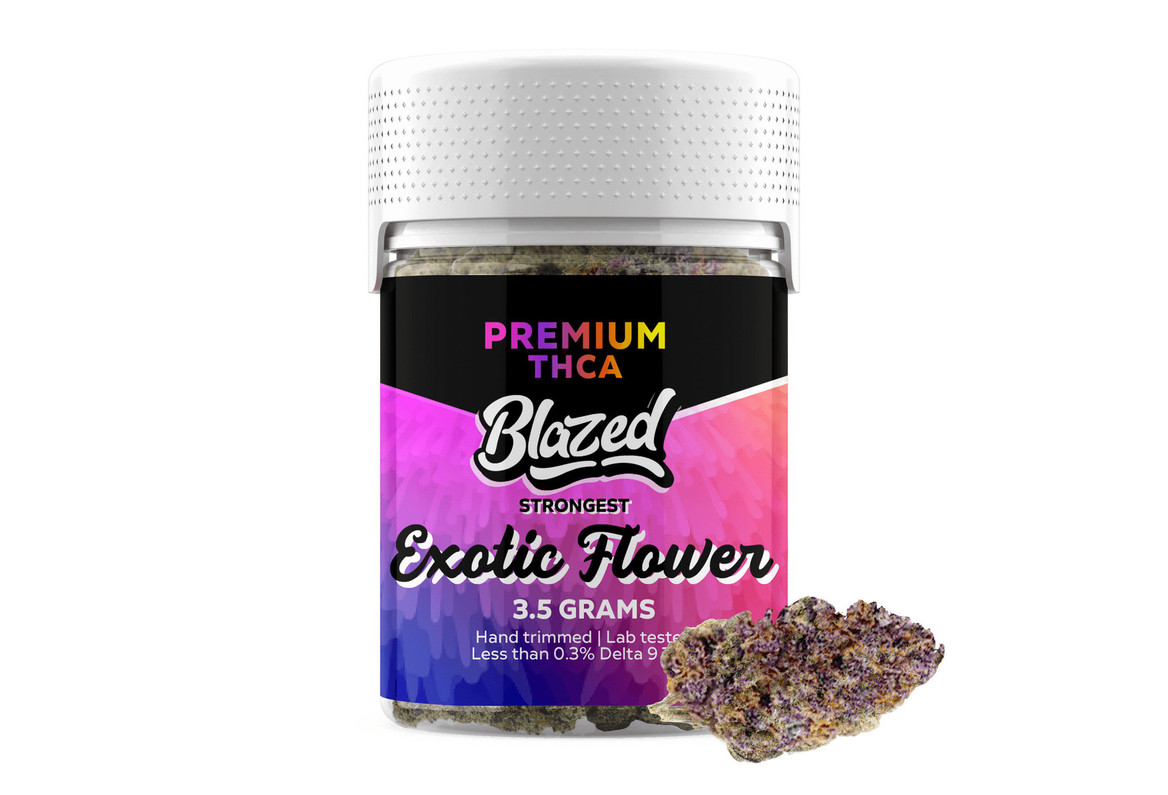
What is a High THCA Percentage?
Regardless if you’re scrolling through an endless digital catalog or browsing a retail shelf, the eyes always seem to gravitate toward that one specific number on the label. That little ‘percentage symbol’ next to the THCA content has become the unofficial North Star for anyone trying to gauge the punch a product packs before they even break the seal. This focus on potency isn't just a trend, but is also a reflection of how far cultivation and extraction have come in delivering a heavy-hitting experience. That’s why going through these high-octane options requires a bit of savvy to separate the truly elite THCA products from the rest of the pack.
A Quick Rundown of THCA
Tetrahydrocannabinolic Acid (THCA) is a fascinating compound as it exists in abundance in raw flower, but it’s not psychoactive on its own until you apply heat. A subtle difference in its molecular structure means it stays in its acid form until decarboxylation happens. THCA is derived from hemp, making it federally legal as long as the pre-heat Delta 9 levels remain below 0.3%. This legal status has fueled the rapid growth of high-THCA products.
Since THCA is harvested and sold in its raw state, you’re getting all the natural terpenes and minor cannabinoids that nature intended. That right there is why you can find it in a variety of product types/delivery method such as flower (like for smoking, vaping, or baking purposes), vaping (using pre-filled cartridges or disposable vape pens), dabbing, or just needing an easier and discreet way for usage (i.e. gummies, tinctures, capsules, tablets).
The experience you get from THCA changes entirely depending on whether you want to fire it up or keep it in its raw state. If you’re smoking flower, hitting a vape, or dabbing concentrates, then the heat triggers the process by turning that acid into a potent high that feels just like traditional cannabis. This activated version hits fast and supplies a well-rounded buzz that settles into both the mind & body with a layered intensity. Conversely, if you’re taking it raw through gummies, capsules, tablets, or tinctures, basically no heat, you won't feel high at all; instead, it offers a background sense of physical and mental balance that’s completely non-intoxicating. This right here is why understanding what a true “high THCA percentage” really means.
Drawing the Line at the 20% Mark
Setting a benchmark for what qualifies as high potency isn't just a marketing tactic; it’s a way to categorize the sheer volume of crystalline structures found on the surface of the plant or within a refined product. In the current era of legal markets and advanced lab testing, the twenty percent mark has emerged as the definitive line in the sand. When a product tests at or above this level, it signals that the genetics have been pushed to a point where the resin production is the primary focus of the growth cycle. This isn't a figure that occurs by accident. To hit a one-fifth concentration of THCA by weight, every environmental factor from the spectrum of the lighting to the precision of the nutrient delivery must be handled with expert care.
Seeing “20%” serves as a quick mental shortcut. It tells you that the batch has moved past the basic or mid-grade tiers and is now competing in the big leagues. While numbers used to hover much lower a few decades ago, the modern standard has shifted because of how specialized breeding has become. We are no longer looking at wild-type plants; we are looking at biological factories designed specifically to churn out as much THCA as possible. This benchmark is the entry point for what most enthusiasts consider "the good stuff," providing a reliable floor for quality that helps consumers narrow down their choices in a sea of options.
Cruising Through the High Tier of 20%-25%
Sitting comfortably between 20%-25% is where you find the vast majority of premium, top-shelf selections. This range is widely considered the sweet spot for a variety of reasons, most notably because it offers a significant punch without sacrificing the other aromatic qualities of the plant. When a cultivator aims for this specific window, they often have more room to focus on the preservation of the volatile oils that give a strain its personality. It is a balanced territory where the intensity is high enough to be felt immediately, but the flavor profile remains a massive part of the experience. Many of the most famous and sought-after strains in history tend to land right in this pocket because it provides a complete and well-rounded session.
In this tier, the visual cues become very apparent. You’ll notice that the buds are noticeably frostier, with a thick coating of resin that sticks to your fingers or the grinder. The density of the flower is usually much higher here compared to the lower tiers, as the sheer amount of crystalline material adds physical weight and structure to the buds. For someone who partakes regularly, this is the "daily driver" range. It provides a consistent level of power that is manageable but never underwhelming. It’s the kind of potency that works well for a long afternoon of creative work or a social gathering where you want to be fully present but clearly elevated.
The Heavy-Hitting Reality of the 25%-30% Range
Once the numbers climb past 25% and start knocking on the door of 30%, you’re entering the world of the heavy hitters. This is the "Very High" range, and it is a space reserved for those with a bit more experience or those looking for a truly intense session. Reaching these levels of THCA requires a perfect storm of elite genetics and master-level cultivation. The plant has to be physically capable of holding that much resin, and the grower has to manage the final weeks of the flowering cycle with extreme precision to make sure the compounds don't degrade before they reach the lab.
The experience in this bracket is often described as much more physical and immediate. Because the concentration is so dense, a very small amount of material goes a much longer way. This makes it a popular choice for people who want to be economical with their usage, as one or two puffs often provide the same result as a full session with a lower-testing strain. Visually, these products often look like they have been dipped in powdered sugar. The original colors of the plant—the deep greens, vibrant purples, and fiery oranges—are frequently partially hidden behind a wall of white crystals. This range represents the peak of what most standard flower can achieve naturally, and it is often the first thing to sell out when a fresh batch drops.
The Rare Air of 30%+
Crossing the 30% threshold puts a product into the "Extremely High" category, a realm that was once thought to be a biological impossibility for raw flower. This is the elite tier of the market, the absolute ceiling of modern potency. When you see these numbers, you are usually looking at the result of a "Snow Cap" style enhancement or a once-in-a-lifetime genetic pheno-hunt. Natural flower rarely hits these numbers without some help, so seeing a thirty-two or thirty-five percent on a label is a massive red flag to pay attention. It is a concentrated form of power that should be approached with a certain level of respect.
For many users, this range is reserved for special occasions or for the end of a long day when nothing else seems to hit the mark. The intensity here is so high that it can sometimes overshadow the more subtle nuances of the strain’s flavor, focusing almost entirely on the sheer strength of the THCA. It is important to remember that at this level, the chemical balance of the plant is heavily skewed. There is so much of one compound that there is physically less room for everything else. This is the choice for the connoisseur who wants the absolute maximum possible concentration, representing the furthest reaches of what human ingenuity and botanical science can currently produce.
The Grading Hierarchy of Modern Cultivation
When discussing high THCA levels, the conversation eventually leads to how the flower is graded. This system isn't just about how strong a batch is; it’s a holistic look at the plant’s health, the quality of the cure, and the physical structure of the buds. In a market where numbers often dominate the headlines, the grading system provides the necessary context to those figures. A high percentage in a poorly grown batch won't have the same impact as a slightly lower number in a masterfully cultivated "Quad". These grades serve as a roadmap for quality, helping to categorize everything from massive, resin-dripping colas to the smaller, high-potency bits found at the bottom of the harvest.
AAAA Exotic: The Gold Standard of Flower
The AAAA grade, often referred to as "Quads", represents the absolute peak of what a cultivation team can achieve. To earn this title, the flower must excel in every single category, with a THCA percentage that almost always sits in the very high or extremely high ranges. These buds are often characterized by their incredible density and a layer of trichomes so thick that the plant appears to be shimmering under the light. The cure is a major factor here; AAAA flower is dried and aged with such precision that the buds remain supple and resinous, never becoming brittle or dusty. The trim is done by hand to preserve every single crystal, ensuring that the final product looks like a piece of botanical art.
Beyond the aesthetics, AAAA Exotic flower is prized for its complexity. Because the plants are grown in highly controlled environments with no expense spared, they develop a profile that is deep and multi-layered. When you see a batch labeled as AAAA, you are looking at the result of years of genetic selection. These are the "elite" versions of classic strains, where the breeder has stabilized the plant to consistently produce maximum resin. It is the choice for those who want the highest possible quality without any compromises on the structure, the aroma, or the power of the session.
AAA Exotic: High Potency with Practicality
Moving into the AAA category, we find the workhorse of the premium market. While these buds might not have the "flawless" visual perfection of a Quad, they often boast THCA percentages that are nearly identical. The main differences usually lie in the size of the buds or a slightly less meticulous final trim. AAA Exotic flower still offers a massive amount of resin and a very strong experience, but it is often priced a bit more conservatively because it lacks that final five percent of "bag appeal." For most regular enthusiasts, this tier represents the best value, providing a high-potency session that hits just as hard as the top tier without the collector's price tag.
The AAA grade is often where you find the most diversity in terms of strain availability. Because it is slightly easier to produce at scale than AAAA, more cultivators are able to hit this mark consistently. This means you have a wider variety of flavor profiles and genetic leanings to choose from while still staying firmly within the high-potency bracket. The structure of these buds is still very solid, and the resin coverage is extensive, making them a fantastic option for those who prioritize the actual results of the session over the "perfect" look of the jar.
AA Exotic: Accessibility without Compromise
The AA grade is frequently misunderstood as being "low quality," but in the context of exotic flower, it simply refers to a more accessible entry point. AA Exotic flower still maintains a respectable THCA percentage, often sitting right at that twenty percent benchmark. These buds might be smaller, or the color might not be as vibrant as the higher tiers, but the core chemistry remains intact. This grade is often the result of a harvest where the environmental conditions were slightly less than perfect, or perhaps the plants were harvested just a few days earlier than the Quads.
Despite the lower grade, AA Exotic is a significant step up from standard "mids" or "bottom shelf" options. It still carries the hallmarks of exotic genetics, including a complex aroma and a dense coating of crystals. For many, this is the ideal choice for rolling larger quantities or for those who prefer a session that is potent but perhaps a bit more mellow than a thirty-percent powerhouse. It proves that even at the "entry level" of the exotic world, the standards for THCA production remain very high.
Boutique/Craft Exotic Variations
Boutique/exotic flower is a category all its own, often bypassing the traditional grading system to focus on "small-batch" craftsmanship. These are often the product of tiny, independent operations where every single plant is treated with individual care. Because the volume is so low, the growers can experiment with rare genetics that larger facilities can’t afford to risk. This often leads to some of the highest THCA percentages in the world, as the environment is tailored specifically to the needs of a single strain rather than a massive room of different varieties.
The "Exotic" label in the boutique world is more about rarity and unique characteristics than just a raw number. You might find a boutique strain that tests at twenty-four percent but has a physical structure and an aroma that you simply cannot find anywhere else. These are the "craft brews" of the world, where the focus is on the soul of the plant. Collectors often seek out boutique batches specifically for their uniqueness, knowing that the quality control in a small-batch facility is often superior to anything produced on a mass scale.
Snow Caps: The Iced-Out Powerhouse
Snow Caps are a fascinating example of how humans have learned to enhance the natural power of the plant. To create a Snow Cap, high-quality flower—usually already testing in the high range—is coated in a layer of pure THCA isolate. This gives the buds a stark white, "frozen" appearance that looks like a mountain peak after a heavy winter storm. By adding this layer of crystalline powder, the percentage of the product can be boosted significantly, often reaching levels between thirty-five and fifty percent.
This isn't just about making the bud look interesting; it’s about creating a product that bridges the gap between traditional flower and concentrates. When you break apart a Snow Cap, you are seeing the natural resin of the plant combined with the concentrated power of the isolate. It is a very specific type of experience, designed for those who want the fastest possible onset and the highest possible concentration. Because the isolate is usually flavorless, the original aroma of the flower still shines through, providing a potent session that remains true to its genetic roots.
Flower Smalls: Efficiency and Hidden Potency
One of the best-kept secrets in the industry is the category of "Smalls." These are the smaller buds that grow further down on the plant, often referred to as "popcorn" buds. While they don't have the massive size of the top colas, their THCA percentage is often surprisingly close to their larger counterparts. Because they are smaller, they are much easier to work with, requiring less breaking down and fitting perfectly into a grinder or a bowl.
The appeal of Smalls lies in their efficiency. You get the same exotic genetics and high-percentage resin for a much more affordable price point because they lack the "prestige" of the giant buds. Many seasoned consumers actually prefer Smalls because they have less stem-to-flower ratio, meaning you are getting more actual plant material per gram. It is a practical way to enjoy high-testing exotic flower without paying the premium for the aesthetic of a giant bud that you’re going to break down anyway.
Geological Potency: Building the Perfect Moonrock
Moonrocks represent a multi-layered approach to potency that is truly unique. The process starts with a dense, high-percentage bud which is then dipped in or sprayed with a thick layer of concentrated oil. Finally, the sticky nugget is rolled in a heavy coating of kief (the collected trichomes from the plant). This "triple threat" results in a product that is incredibly dense and packs an astronomical THCA percentage, often exceeding fifty or sixty percent.
Handling a Moonrock is a different experience altogether. They are too sticky for a standard grinder and usually need to be carefully broken apart with a blade or by hand. Because they combine three different forms of the plant—flower, oil, and kief—the session is incredibly long-lasting and complex. They are often used as an "enhancer," where small pieces are added to a bowl of regular flower to give it a massive boost in power. It is the ultimate expression of the "more is more" philosophy in the world of high-percentage products.
Pre-Rolls: Professional Convenience
Pre-rolls have evolved from being a "leftover" product to a premium category of their own. High-end pre-rolls are now made using the same AAAA or AAA exotic flower found in the jars, rather than the "trim" or "shake" used in the past. This ensures that the convenience of a ready-to-use product doesn't come at the cost of potency. Many top-tier pre-rolls now include lab results on the packaging, proving that they hit those twenty-plus percent benchmarks.
The benefit of a professional pre-roll is the consistency of the grind and the pack. When a machine or a trained professional rolls the flower, they ensure an even burn and optimal airflow, which helps you get the most out of the high THCA content. There are even "infused" pre-rolls that add concentrates or kief into the mix, pushing the potency even higher. It is a streamlined way to enjoy elite genetics without having to worry about the mechanics of rolling it yourself.
Blunts: The Robust Traditional Standard
The blunt remains a favorite for those who want a longer, more robust session. Traditionally rolled in leaf or hemp wraps, the blunt provides a slower burn that is perfect for high-percentage flower. Because the wrap itself is thicker and more durable than a standard paper, it can hold a larger amount of material, making it the delivery method of choice for social gatherings.
When you fill a blunt with exotic, twenty-eight percent flower, the resulting session is incredibly powerful. The slow burn allows the heat to gradually decarb the THCA, providing a steady stream of active compounds. For many people, the weight and the feel of a blunt are an essential part of the "high-potency" experience, offering a sense of finality and depth that is hard to replicate with smaller delivery methods.
The Mechanics of Vaporization and High-Potency Liquids
Transitioning from the raw, physical structure of flower into the world of vaporization requires a shift in how we look at THCA percentages. While flower is a complex mixture of plant fiber and resin, vaping products are almost entirely made of the active resin itself. This results in numbers that would be physically impossible for a bud to achieve. When you look at a vape, you are looking at a concentrated liquid that has been stripped of the bulk of the plant’s biological material, leaving behind a potent oil that is designed for rapid delivery. The process of vaporization uses controlled heat to transform this liquid into a mist, providing a way to consume high levels of THCA without the smoke or the weight of traditional combustion.
The way this technology handles the compounds is very precise. Instead of an open flame, these devices use a heating element to reach a specific temperature that activates the THCA. This precision means that very little of the material is wasted. In a joint, much of the active compound is lost to the air in the form of side-stream smoke, but in a vape, the delivery is direct. This efficiency is one of the reasons why even a small puff from a high-percentage cartridge can feel more profound than several hits of flower – a streamlined approach to potency that emphasizes purity and speed.
Concentrated Percentages in a Vape Form
When discussing 70%, 80%, or even 90% THCA in a vape, we’re talking about a level of concentration that is leagues ahead of even the strongest flower. This high density means that the body is receiving a much larger amount of the compound in a much smaller volume of vapor. For the consumer, this translates to a very rapid onset. Because the vapor is absorbed through the lungs and enters the bloodstream almost instantly, the effects are felt within seconds. This makes vapes an excellent tool for those who want to "micro-dose" or carefully control their intake, as they can feel the results of one hit before deciding if they need another.
This high concentration also changes the physics of the session. Since the oil is remarkably powerful, you don't need to take massive, lung-busting hits to get the desired result. Small, controlled pulls are often all that is needed to engage with the high THCA levels. This makes the experience much smoother and less taxing on the throat than smoking. It is a refined way to interact with the plant’s potency, where the focus is on the quality of the vapor and the purity of the numbers on the label.
The Engineering of Pre-filled Cartridges
510-thread pre-filled cartridges have become the industry standard for a reason. It’s a small piece of hardware that houses both the high-percentage oil and the heating element, usually a ceramic or quartz coil. The use of ceramic is a major upgrade in the world of high-potency vaping because it can handle high temperatures without burning the oil or changing the flavor. When you have a cartridge filled with ninety percent THCA oil, the last thing you want is for a metal coil to give it a burnt taste. These cartridges are designed to preserve the integrity of the liquid from the first hit to the last.
The liquid inside these cartridges is often a distillate or a high-terpene full-spectrum oil. Distillates are the "purest" form, often reaching those ninety-plus percent marks by isolating the THCA molecule above all else. Full-spectrum oils might have a slightly lower percentage, perhaps in the seventy to eighty percent range, but they provide a more comprehensive profile by including a wider array of the plant's original compounds. Grasping the distinction between these two types of oil is vital for anyone who wants to balance raw power with a more nuanced experience. The cartridge system is a favorite for those who value discretion and consistency, as it provides an exact dose every time without the need for any setup or cleanup.
The Evolution of Disposable Vapes
Disposable vapes have moved far beyond their humble beginnings as cheap, plastic devices. Modern high-end disposables are now integrated systems where the battery and the oil chamber are perfectly calibrated to work together. This integration is a huge benefit when dealing with high-percentage THCA oils, which can sometimes be very thick or viscous. In a standard cartridge, you might run into issues with the oil getting too cold and clogging, but a well-made disposable is built with a battery that provides the exact amount of power needed to keep that thick oil moving.
The quality of the oil in these one-and-done devices has also skyrocketed. It is now common to find disposables filled with "Live" extracts or boutique-grade oils that test in the same eighty to ninety percent range as premium cartridges. These devices are the ultimate in convenience, requiring no charging cables or separate batteries. They are a popular choice for social events or for those who want a high-potency option that they can simply use and then move on from. The focus here is on the simplicity of the experience, providing a high-octane session with zero technical hurdles.
The Concentrated Intensity of Dabbing and High THCA Extracts
Dabbing represents the frontier of potency, moving away from the organic structure of the plant and into the realm of pure resin. This method is specifically designed to handle the highest possible percentages of THCA, often starting where flower leaves off. While the most powerful buds might hit thirty-five percent, a standard dab usually begins at sixty percent and can easily climb into the mid-nineties. This jump in concentration is achieved through various extraction processes that strip away the lipids, waxes, and plant material, leaving behind a substance that is almost entirely composed of active compounds. Because of this density, dabbing is often seen as the most efficient way to engage with the plant, as a tiny "dab" the size of a grain of rice can provide a more robust session than an entire bowl of flower.
The chemistry behind these products is fascinating because the physical form of the concentrate—whether it is a brittle sheet or a creamy paste—is determined by how the THCA molecules are handled during and after extraction. The goal is to create a stable substance that can be easily manipulated and applied to a heated surface. When this concentrated resin hits a hot "nail" or "banger," it flash-vaporizes, turning the solid or semi-solid extract into a dense, high-potency mist. This process bypasses the slow burn of a joint or a pipe, delivering a massive dose of THCA in a single, clean breath. It is a specialized practice that requires a bit more hardware than traditional methods, but for those who prioritize the highest possible concentration, it is the undisputed champion of the market.
The Mechanics of Flash Vaporization and Surface Area
What makes dabbing so effective for high-percentage THCA is the way it interacts with heat. Unlike flower, which burns at a relatively low temperature and relies on a slow coal to stay lit, dabbing uses a high-heat surface to instantly convert the resin into vapor. This flash vaporization is the key to the intensity of the experience. Because the entire dose is converted into a mist at once, the concentration of THCA in that single breath is astronomical compared to any other method. This is why dabbing is often described as the most "direct" way to consume, as there is zero lag time between the application of heat and the delivery of the compound.
The surface area of the concentrate also plays a role in how the THCA is released. Formats like "Crumble" or "Honeycomb", which are dry and porous, have a massive amount of surface area. When these hit the heat, they vaporize almost instantly, providing a very fast and sharp onset. On the other hand, a dense "Glob" of wax might take a second or two longer to fully melt and vaporize, providing a slightly more gradual release of the high-percentage compounds. Mastering the temperature of the dabbing surface—ensuring it is hot enough to vaporize the THCA but not so hot that it scorches the delicate aromatic oils—is the final piece of the puzzle for anyone looking to get the most out of these elite-level extracts.
The Chemical Profile of Wax and Budder
Wax is perhaps the most common form of concentrate found in the dabbing world, prized for its user-friendly texture and high THCA content. Its opaque, creamy consistency is the result of the oil being agitated during the purging process. By whipping the extract, air is introduced, which causes the THCA to crystallize in a way that creates a soft, malleable "wax" or "budder." This texture is a favorite among enthusiasts because it is very easy to scoop with a tool and stays exactly where you put it. You don't have to worry about it shattering or melting away at room temperature, making it a reliable choice for both home use and traveling.
From a potency standpoint, waxes usually sit in the seventy to eighty-five percent range. Because the texture is so dense, it holds onto its aromatic profile quite well, providing a session that is as flavorful as it is strong. The opaque nature of the wax means that the light isn't passing through it, which helps protect the internal compounds from degradation. When you look at a high-quality budder, it should look almost like a thick peanut butter or a cold stick of dairy butter. This physical form is a sign that the THCA has stabilized properly, offering a consistent and heavy-hitting experience that has made it a staple in the dabbing community.
Shatter and the Glass-Like Stability of THCA
Shatter is the visual opposite of wax, appearing as a translucent, glass-like sheet that can be snapped into pieces. This form is achieved by keeping the extract completely still during the purging process, allowing the molecules to align in a very orderly, transparent fashion. It is one of the most stable forms of concentrate, often able to sit at room temperature for long periods without changing its shape or potency. The name comes from its physical property; if you drop it or hit it with a tool, it will often "shatter" like a pane of glass.
In terms of THCA percentage, shatter is frequently at the top of the list, often pushing into the eighty-five to ninety-five percent bracket. Because it is so pure and refined, it offers a very clean session with very little plant residue. However, because it is so stable and glass-like, it can sometimes be a bit more difficult to handle than wax. It requires a bit of technique to break off the right amount without sending shards flying across the room. Despite the learning curve, many prefer shatter for its purity and its long shelf life. It’s a high-potency concentrate that represents the "purest" look at what the resin can become when allowed to settle into a crystalline state.
The Digested Potency of High THCA Edibles
When you transition from inhalation to ingestion, the way we calculate and experience high THCA percentages takes a sharp turn. While smoking or vaping relies on the lungs for instant absorption, edibles must navigate the complex environment of the digestive system. This creates a much more gradual onset, but the trade-off is a session that lasts much longer than any joint or bowl. In the context of high-potency products, edibles are often crafted using the same elite extracts—like distillates or live resins—that we see in the vaping world. While a flower might be twenty-five percent, an edible is measured by the total milligrams of that high-potency extract packed into a single bite. This precision is what makes ingestibles so popular for those who want to know exactly how much they are taking without any guesswork.
The metabolic route is where the physics of the plant meet the biology of the body. Once consumed, the high-percentage concentrate is processed by the liver, which can transform the experience into something much more profound and physical. This is why a gummy infused with a ninety percent pure distillate can feel so much more powerful than a flower with a thirty percent rating. The delivery is constant and steady, providing a foundation for the session that doesn't fluctuate like the peaks and valleys of a smoking session. It is a refined approach to consumption that favors those who appreciate the slow reveal and the deep resonance of a well-made ingestible.
Gummies and the Modern Standard of Flavor
Gummies have taken over the market because they provide a perfect vehicle for high-potency concentrates. Because the texture is so forgiving, manufacturers can infuse them with a significant amount of THCA without affecting the consistency of the treat. When you have a gummy made from a high-purity extract, the results are incredibly concentrated. The manufacturing process involves melting down the base and carefully folding in the high-percentage oil to make certain every single piece has a uniform dose. This consistency is the gold standard for high-potency edibles, as it prevents the uneven distribution where one piece is much stronger than the next.
The appeal of the gummy also lies in its ability to mask the natural bitterness of concentrated resins. By using high-quality fruit flavors and organic sweeteners, producers can create a product that tastes like a premium candy while housing a heavy-hitting THCA profile. This makes them an excellent choice for those who are sensitive to the taste of raw extracts but still want the benefits of a high-percentage delivery method. They are portable, discrete, and offer a level of shelf-stability that is hard to beat, making them a staple in the collection of any serious enthusiast.
Candies and Long-Lasting Interaction
Hard candies and lozenges offer a slightly varied experience compared to soft chews. Because these products stay in the mouth longer, some of the high-percentage THCA is absorbed through the lining of the cheeks and under the tongue before it ever reaches the stomach. This "dual-pathway" absorption can lead to a slightly faster onset than a standard baked good. From a potency perspective, candies are often used to deliver a steady stream of the compound over a longer period. They are the marathon runners of the high-percentage world, providing a sustained level of interaction that is ideal for a full day out or a long event where you don't want to be constantly reaching for a vape.
The structure of a hard candy also allows for a very stable environment for the THCA. Unlike some other edibles that can be affected by heat or humidity, a well-made candy remains consistent in almost any environment. This durability is a massive plus for those who carry their supplies with them. When you are dealing with a product that contains a high concentration of active resin, maintaining that integrity is key to ensuring the results are the same every time you unwrap a piece. It is a reliable, old-school method that has been updated with the most advanced extraction techniques available.
Mints and the Art of the Micro-Dose
Mints represent the "smart" side of high-percentage products. They are often formulated with a focus on precision and subtle delivery. A high THCA mint might only have a few milligrams of active compound, but because the base extract is so pure, the experience is incredibly clean. This is the choice for the person who wants to maintain a specific level of elevation throughout the day without ever going overboard. The high percentage here refers to the quality of the starting material used to infuse the mint. By using a top-tier distillate, the mints remain fresh and free of any grassy aftertaste, proving that high potency and great flavor can coexist in a very small package.
The discrete nature of mints cannot be overstated. They look and smell exactly like a standard breath mint, allowing you to engage with your high-potency regimen in any setting without drawing attention. This level of privacy is a major draw for many professional users.
The Fluid Precision of High-Potency Tinctures
For those who want to sidestep the ritual of rolling or the cloud of a vape, the liquid format offers a level of control that is almost surgical. Tinctures are concentrated extracts suspended in a carrier liquid, often a high-quality MCT oil or alcohol, designed to deliver a measured dose of THCA with zero fuss. This delivery method is a favorite for the "functional" consumer who needs to maintain a consistent baseline without the physical weight of smoke. When we talk about a high-potency tincture, we are referring to a product that starts with that same twenty-plus percent flower or a ninety percent distillate and distills it into a liquid form where every drop counts.
The beauty of a tincture lies in its versatility. It doesn't require any gear, any heat, or any specialized storage beyond a cool, dark shelf. Because the THCA is already in a stable liquid state, it is ready to be used the moment the dropper hits the bottle. This format is the ultimate bridge between the raw botanical world and the world of modern wellness, providing a clean, lab-tested way to engage with the plant’s most powerful compounds. It removes the variables of how deep a breath you take or how long a joint burns, replacing them with a simple, numerical measurement that translates to a predictable outcome.
Sublingual Absorption and the Rapid Fluid Path
One of the most effective ways to use a high-percentage tincture is sublingual administration, which involves placing the drops under the tongue. This area of the mouth is rich in capillaries, providing a direct highway to the bloodstream that bypasses the digestive system. When you use a tincture this way, the onset is much faster than an edible, often being felt within fifteen to twenty minutes. It provides a sharp, clean entry point for the THCA, making it an excellent choice for someone who wants the speed of a vape but prefers a liquid format.
The potency of a sublingual dose is remarkably high because very little of the compound is lost during the process. In the world of high THCA percentages, this efficiency is a massive benefit. You are getting the maximum value out of every milligram of the extract. For the shop owner or the connoisseur, recommending a sublingual tincture is often about providing a way to "fine-tune" a session. You can take a base dose and then add single drops as needed to reach that specific level of elevation. It is a level of granularity that flower simply cannot match.
Carrier Oils and the Chemistry of Suspension
The liquid that holds the THCA is just as important as the extract itself. Most premium tinctures use MCT oil derived from coconuts because it is incredibly stable and has a very neutral flavor. More importantly, THCA is fat-soluble, meaning it needs a lipid to cling to so the body can process it effectively. When the high-percentage resin is infused into the MCT oil, it creates a uniform suspension where the active molecules are evenly distributed throughout the bottle. This means that the first drop in the bottle has the exact same potency as the last drop, a critical factor for anyone relying on a consistent regimen.
Some specialized tinctures might use extra-virgin olive oil or even avocado oil to provide a different nutritional profile, but the goal remains the same: protecting the high THCA content from oxidation while making it as bioavailable as possible. The choice of carrier oil also affects the shelf life. A well-made tincture in a dark glass bottle can stay potent for a year or more, as the oil acts as a shield against the light and air that would otherwise cause the THCA to break down. It is a durable, shelf-stable way to house a very high concentration of the plant’s power in a format that fits in a pocket or a desk drawer.
Discrete Integration and Culinary Use
Beyond direct sublingual use, tinctures are the king of discrete integration. Because they are often flavorless or lightly infused with natural terpenes, a few drops can be added to a morning coffee, a midday smoothie, or even a salad dressing. This allows for a "hidden" high-potency session that doesn't disrupt your daily routine. For the person who wants to maintain a specific THCA percentage in their system throughout the day, this culinary versatility is a game-changer. It turns any meal or drink into a high-octane delivery system.
When added to food or drink, the tincture follows the oral pathway, acting more like an edible with a slower, more physical onset. This flexibility effectively gives you two delivery methods in one bottle. You can choose the fast path under the tongue or the slow path through the stomach depending on what your schedule looks like. This dual-purpose nature is why tinctures remain one of the most respected categories in the high-potency market. They represent a sophisticated, mature way to interact with the twenty percent benchmark, focusing on longevity, precision, and the seamless blending of potency into a modern lifestyle.
The Standard of Numerical Precision in Capsule Form
When the goal is to remove every shred of guesswork from a high-potency regimen, capsules emerge as the logical choice. They offer a level of finality that other delivery methods can’t quite reach. While a tincture relies on a steady hand with a dropper and a vape depends on the length of a draw, a capsule is a fixed unit of measure. It represents the transition of the hemp plant into a format that looks and feels like a professional supplement. For those who prioritize a clean, no-frills approach to consuming high THCA percentages, these small, swallowable units provide a streamlined experience that fits perfectly into a morning or evening routine.
This format is particularly appealing because it bypasses the sensory aspects of the plant entirely – a purely chemical interaction, focusing entirely on the payload of THCA contained within the shell. This level of separation is a major draw for people who may appreciate the results of a twenty-five percent flower but don't necessarily want the traditional ritual that comes with it. By encapsulating the resin, producers can offer a product that’s as discrete as it is powerful, housing some of the most concentrated extracts in the industry inside a tiny, digestible container.
The manufacturing process for these softgels is a feat of modern laboratory science. Every batch is tested to verify that the concentration of THCA is exactly what the label claims, ensuring that there are no "hot spots" or weak units in the bottle. When a capsule is labeled as having twenty-five milligrams of a ninety percent pure extract, you can be confident that every single pill provides that exact amount. This level of reliability is the hallmark of the high-potency capsule market, providing a solid foundation for anyone who needs to manage their intake with a high degree of accuracy.
One of the often-overlooked benefits of the capsule format is how it protects the delicate chemical profile of the plant. THCA is a sensitive molecule that can be affected by light, heat, and humidity. By sealing the extract inside an opaque or dark-colored capsule shell, producers provide a built-in layer of protection against these environmental factors. This means that a capsule stays "fresh" and potent for much longer than a jar of loose buds might. Even in a high-potency environment where the percentages are pushed to the limit, the capsule acts as a vault for the resin.
This protection extends to the aromatic compounds as well. While capsules are designed to be flavorless, many full-spectrum versions still contain the original terpenes of the strain they were derived from. These oils are kept in a pristine state inside the shell, away from the air that would cause them to evaporate. When the capsule finally dissolves in the digestive tract, it releases a "fresh" dose of the entire plant profile.
The Compressed Solid Advantage of THCA Tablets
High THCA tablets provide a unique intersection between the world of traditional apothecary and modern hemp science. Unlike capsules, which house a liquid extract, tablets are often made from a compressed powder or a granulated form of the resin. This solid structure offers a specific set of benefits that distinguish it from every other oral delivery method. When a manufacturer takes a high-purity isolate—often testing at ninety-nine percent THCA—and presses it into a tiny, solid disk, the result is a product that is both incredibly stable and remarkably easy to handle. It is the ultimate expression of the "modern pill" approach to potency, providing a hard-hitting experience in a format that could be mistaken for a standard breath mint or a vitamin.
The physical density of a tablet is one of its most important features. Because the material is compressed under massive amounts of pressure, there is very little air or moisture trapped inside. This makes tablets highly resistant to the environmental degradation that can plague flower or oils. For someone who wants to carry their high-potency options in a pocket or a gym bag, the tablet offers a level of ruggedness that is hard to match. They don't leak, they don't melt, and they don't break apart easily. It is a durable, reliable way to maintain a high concentration of active compounds in a format that is ready for any environment.
Creating a high-THCA tablet is a complex process that goes far beyond just smashing powder together. It requires the use of binders and excipients that help the THCA isolate stay in its solid form while still being able to break down effectively once it enters the body. These additional ingredients are carefully selected to make certain they don't interfere with the purity of the twenty-plus percent benchmark. In many cases, these tablets are sugar-free or vegan, catering to a crowd that wants the power of a high-octane extract without any of the extra fluff found in some gummies or candies. The goal: provide a clean, direct delivery of the compound with zero distractions.
The precision involved in pressing these tablets allows for a level of consistency that’s vital for anyone managing their intake. Every tablet is identical in weight and composition, meaning the experience is the same every time you pop one. This uniformity is achieved through high-speed rotary presses that ensure each unit receives the exact same amount of force and material. For the consumer, this means no surprises. You can rely on the fact that a ten-milligram tablet contains exactly that amount, providing a stable foundation for your high-potency regimen.
The Collective Power of Cannabinoid Blends
While the spotlight is almost always on the THCA percentage, looking at that number in isolation is like judging a gourmet meal based only on how much salt it contains. The chemistry of the plant is incredibly vast, and the way THCA interacts with other compounds determines the true character of the session. This interaction is a complex dance where the major players and the minor contributors work in tandem to create a specific result. When a product’s formulated with a high THCA concentration alongside a curated selection of other cannabinoids, the experience shifts from a single-note performance to a full-scale symphony. It is this synergy that explains why a twenty percent flower with a rich profile often hits much harder and feels more complete than a thirty percent isolate.
For the person who wants to get the most out of their high-potency products, realizing that THCA is part of a team is a total game-changer. Breeders and extractors are no longer just chasing the highest number possible; they are now focused on building specific cannabinoid ratios that target different vibes. Whether it’s a "full-spectrum" oil or a "broad-spectrum" distillate, the goal is to leverage the natural complexity of the plant. By carefully selecting which major and minor cannabinoids to include, producers can steer the power of the THCA, making it feel more focused, more relaxing, or more physically resonant.
The Emerging Intersection of THCA and the Fungal Kingdom
A new wave of botanical innovation has arrived, seeing the world of high-percentage THCA collide with the fascinating realm of mycology. This isn't about the clandestine "magic" varieties often discussed in hushed tones, but rather a sophisticated blending of legal, lab-tested mushrooms with concentrated hemp resins. By pairing the heavy-hitting power of a 20%+ THCA extract with the unique chemical profiles of various fungi, producers are creating an entirely new category of products. These "stacks" are designed for those who want a session that offers more than just the standard experience, introducing a layer of botanical complexity that feels fresh and modern. It represents a move toward a more holistic view of potency, where the goal is to merge the earthiness of the fungal world with the crystalline strength of the plant world.
Amanita Muscaria: The Traditional Entheogen
Amanita muscaria, with its iconic red cap and white spots, is perhaps the most recognizable mushroom in history. In the context of high-potency THCA products, it is being used for its unique chemical constituents, specifically muscimol. When a high-percentage THCA extract is paired with a carefully processed Amanita extract, the result is a session that has a completely different weight and texture compared to a standard flower or vape. The Amanita provides a steady, earthy resonance that serves as a foundation for the sharper, more crystalline power of the THCA. This pairing is often found in premium gummies or chocolates, where the flavors can be balanced to create a sophisticated treat.
The processing of Amanita is a highly technical task, as the raw mushroom contains compounds that must be converted through heat—a process similar to how THCA becomes active. When done correctly in a professional lab, the resulting extract is stable and ready to be blended into high-potency formulations. For many, the appeal of an Amanita and THCA blend is the sense of history and tradition it brings to the table. It feels like a throwback to ancient botanical practices, updated with the precision of modern lab testing and high-percentage standards. It is a bold choice for those who want a deep, resonant experience that lingers and offers a unique perspective on what "potency" can really mean.
The Craft of Proprietary Fungal Blends
Moving beyond single varieties, many brands are now developing proprietary mushroom blends designed to complement specific THCA profiles. These are curated recipes where several different types of fungi are combined in exact ratios to achieve a specific outcome. A proprietary blend might include a mix of several species, each chosen for its unique aromatic or chemical properties. When these are infused into a product alongside a twenty-five percent THCA concentrate, the synergy is undeniable. It creates a "full-spectrum" experience that spans two different kingdoms of life, offering a level of depth that a single-ingredient product simply cannot match.
The "proprietary" aspect of these blends is where the artistry of the producer shines. Much like a master blender in the world of high-end spirits, these formulators spend months testing different combinations to find the perfect match for their high-potency resins. They might look for a blend that enhances the "bright" qualities of a Sativa-leaning extract or one that adds a layer of "weight" to an Indica-dominant batch. For the consumer, these proprietary options represent the cutting edge of the market. They are the "signature series" products that offer a one-of-a-kind session, proving that when you have a high enough THCA percentage, the addition of a complex fungal blend can take the entire experience to a whole new level of sophistication.
Functional and Nootropic Mushrooms in Potency Stacks
The most recent addition to the high-THCA landscape is the inclusion of functional and nootropic mushrooms like Lion’s Mane, Reishi, Cordyceps, and Turkey Tail. These are often referred to as "superfood" mushrooms, prized in the wellness world for their unique profiles. When these are added to a high-potency stack, the goal is to provide a session that feels balanced and "functional." For example, pairing a high-percentage THCA extract with Lion’s Mane is a popular choice for those who want to maintain a sense of focus and clarity during their session. It is about creating a "performance-driven" experience where the power of the hemp plant is supported by the botanical qualities of the fungi.
These nootropic stacks are usually delivered in the form of capsules or tablets, where the precise milligrams of each ingredient can be carefully managed. By combining a 20mg dose of pure THCA with a concentrated extract of Reishi or Cordyceps, producers are offering a product that fits seamlessly into a modern, active lifestyle. It moves the conversation away from the "lazy" stereotypes of the past and toward a future where high-potency products are used as a tool for intentional living. For the professional user or the busy creative, these functional mushroom blends offer a way to engage with the twenty-plus percent benchmark in a way that feels productive and grounded. It is the ultimate expression of the "modern apothecary" philosophy, where every ingredient is chosen for its ability to contribute to a well-rounded and high-quality session.
The Vibrant Profile of Live Extractions
In the world of high-percentage concentrates, the term "Live" has become a badge of honor for products that prioritize the preservation of the plant’s original chemical blueprint. Most traditional extracts are made from flower that has been dried and cured, a process that inherently changes the profile of the resin as some of the more volatile aromatic compounds evaporate. "Live" products, however, are made from material that is flash-frozen immediately upon harvest. By bypassing the drying phase, producers can capture the plant at the absolute peak of its vitality, locking in a spectrum of compounds that would otherwise be lost to the air. This results in a concentrate that isn’t just high in THCA, but one that smells and tastes exactly like a living plant in the field.
For someone chasing high-potency options, the appeal of a live extract is the harmony between strength and character. It is one thing to have a ninety percent pure distillate, but it is another thing entirely to have an eighty percent live resin that carries the full, robust profile of the original strain. The "Live" designation tells you that the producer has taken extra steps to protect the integrity of the resin, using specialized equipment to handle the frozen material at sub-zero temperatures. It is a premium approach to extraction that caters to the true connoisseur, offering a session that feels more "complete" because it retains the soul of the fresh harvest.
Live Resin: The Synergy of Science and Freshness
Live Resin is the cornerstone of the live extraction world, known for its incredible aromatic punch and its high THCA content. The process involves using a solvent, such as butane or propane, to pull the resin from the flash-frozen plant material. Because the solvent can be purged away at very low temperatures, the delicate compounds are never exposed to the kind of heat that would cause them to degrade. The result is a vibrant, translucent oil that is packed with both potency and flavor. When you see a high-percentage Live Resin, you are looking at a product that captures the exact ratio of compounds found in the living trichomes of an exotic strain.
The intensity of Live Resin comes from this high-density concentration of active resin. Because it retains so many of the plant’s original oils, the THCA works in tandem with a massive profile of secondary compounds. This creates a session that is often described as more physical and multi-dimensional than standard extracts. Whether it is used in a high-end vape cartridge or as a standalone dab, Live Resin provides a sharp, clean onset that reflects the quality of the starting material. It is the choice for those who want the power of a ninety percent extract but refuse to sacrifice the complex personality of their favorite exotic strains.
Live Rosin: The Artisan’s Approach to Solventless Potency
If Live Resin is a masterpiece of modern chemistry, then Live Rosin is a masterpiece of traditional craftsmanship. Unlike resin, which uses solvents, Live Rosin is made using only heat and pressure. The process starts with "bubble hash," which is made by agitating the flash-frozen flower in ice water to separate the trichome heads. These collected crystals are then pressed between two heated plates to squeeze out the high-potency oil. This solventless method is highly prized because it is seen as the "purest" way to consume, as no chemicals ever touch the plant material.
From a potency perspective, Live Rosin is incredibly dense. While it might test slightly lower than a solvent-based resin—often in the seventy to eighty percent range—its value lies in its purity and the complexity of its profile. Because it is a mechanical extraction rather than a chemical one, the resulting oil contains everything the plant had to offer in its most natural state. The texture of Live Rosin is often creamy or waxy, making it a dream to handle for dabbing purposes. It represents the pinnacle of artisanal extraction, where the skill of the processor is just as important as the quality of the high-percentage flower they started with.
The Textural Palette: Live Batter, Live Butter, and Live Sugar
The final form of a live concentrate is often determined by how it is handled after the initial extraction:
- Live Batter (or Budder) is created by whipping the oil at a specific temperature to introduce tiny amounts of air. This forms a smooth, creamy consistency that looks like cake batter. For someone using a dabbing rig, Batter is often the preferred texture because it’s very stable and easy to portion out. It doesn't snap or melt away too quickly, providing a reliable and high-potency experience that’s consistent from the first dab to the last.
- Live Butter is a denser, more solidified version of Batter, often having a texture that resembles cold dairy butter. It ‘ prized for its high THCA concentration and its ability to hold onto its aromatic profile over long periods.
- Live Sugar has a grainy, crystalline texture that looks like honey mixed with sugar. This texture is the result of the THCA molecules naturally separating and forming crystals within the oil. It’s often incredibly high in potency, as those tiny "sugar" grains are essentially pure THCA crystals.
Each of these textures offers a distinct way to interact with the twenty-plus percent benchmark, giving the enthusiast a variety of options to suit their personal preferences and their specific delivery hardware.
The Genetic Blueprint Behind the Percentage
Whether you’re holding a jar of exotic buds, a high-purity vape oil, a jar of live resin, or even a pack of strain-specific gummies, the genetic code of the plant is the fundamental force deciding how those high percentages interact with your system. Two items might both boast a 24% THCA rating, yet the experience they provide will be worlds apart because of their ancestry. A real grasp of these genetic leanings is what separates a casual buyer from a true connoisseur. It is the roadmap that helps you choose a high-octane product that actually fits the vibe of your day, regardless of the delivery method.
In the modern market, pure strains are becoming a rarity as breeders cross-pollinate to find the perfect balance of power and aroma. However, the foundational categories of Indica and Sativa still dictate the primary characteristics of the resin used in everything from dabs to edibles. The genetics determine the physical structure of the buds, the density of the trichomes, and the specific chemical profile that is eventually captured in a cartridge or a concentrate. Every seed carries a specific potential, and the skilled cultivator’s job is to unlock that potential to hit those twenty-plus percent benchmarks that eventually make their way into your favorite vape or gummy.
The Heavyweight Heritage of 100% Indica
A 100% Indica strain is the quintessential "heavy" option in the world of high-potency products. These plants are the biological workhorses of the resin world, originally hailing from the rugged, mountainous regions where they developed a short, bushy stature to survive harsh climates. Because they are so compact, they focus a massive amount of energy into producing thick, resinous coats of trichomes. This often leads to some of the highest natural THCA percentages in the industry. This heavy resin is prized by extractors who want to create potent wax or shatter that maintains a deep, physical resonance.
The session provided by a 100% Indica is defined by its physical depth, whether you are smoking the flower or taking a dab of its concentrated form. It is often described as "thick" or "heavy," offering a sense of finality that makes it a top choice for the end of a long, productive day. When infused into gummies, Indica genetics tend to lean into a more grounded, bodily experience that lingers for hours. For the person who wants to fully disconnect and lean into a state of total relaxation, the pure Indica is the gold standard. It doesn’t pull any punches, delivering its high-percentage payload with a directness that is unmistakable across all product types.
The Towering Energy of 100% Sativa
On the opposite side of the spectrum, we have 100% Sativa strains. These plants are the giants of the botanical world, growing tall and lanky with thin, narrow leaves. Unlike Indicas, Sativas take longer to reach maturity, often spending several extra weeks in the flowering stage. This extra time allows them to develop a unique chemical profile that is often more focused on aromatic complexity than raw, physical weight. While they can still hit high THCA marks—sometimes reaching twenty-five percent or more—they are prized more for their "bright" and "upward" energy. These traits are highly sought after for premium vape cartridges designed for daytime use.
A session with a pure Sativa is a heady, creative experience. It is the go-to choice for those who want to remain active and engaged while still enjoying a high-potency product. The effects are often felt behind the eyes and in the mind, providing a sense of clarity and motivation. Because these plants are harder to grow and take longer to harvest, finding a true 100% Sativa in the high-potency bracket—whether in a jar of boutique flower or a refined live resin—is a treat for any collector. It offers a sharp, clean entry into the world of THCA that avoids the physical heaviness associated with its mountain-dwelling cousins.
Navigating the Nuances of Dominance and Leaning
The vast majority of products you will encounter today, from disposables to pre-rolls, are hybrids, but they are rarely a perfect split. This is where the distinctions of "Dominant" and "Leaning" become vital for a proper understanding of what you are buying. An Indica-Dominant strain (70/30 or 80/20) is designed to provide the core experience of an Indica while using a splash of Sativa genetics to add a bit of character. These are the heavy hitters often used in "nighttime" gummies or concentrates, where the goal is a physical session that still has a bit of a "heady" edge. They keep the physical power of the Indica foundation but offer a slightly more complex finish.
Indica-Leaning and Sativa-Leaning strains (closer to a 60/40 or 55/45) are even more subtle. A Sativa-Leaning hybrid vape with a twenty-two percent THCA count is built for those who want the energy of a Sativa but appreciate a bit of the physical "anchor" that Indica genetics provide. It prevents the experience from feeling too racy or overwhelming. On the flip side, Sativa-Dominant concentrates are the powerhouse "activity" choices, pushing the headier side of the plant to its limit while maintaining just enough Indica influence to allow the session to feel smooth and well-rounded. These leanings are the fine-tuning knobs of the genetic world, giving consumers the ability to pick a potency level and a specific vibe with incredible accuracy across flower, vapes, and dabs.
50/50 Hybrid
A balanced Hybrid is the "Swiss Army Knife" of the high-THCA market, and you will find this balance represented in every product category from flower to edibles. These strains are the result of careful breeding aimed at achieving a perfect equilibrium between the two sides of the plant’s heritage. When you find a 50/50 hybrid gummy or concentrate testing at a high percentage, you’re looking at a product that is designed to be the "best of both worlds". It offers the physical relaxation of an Indica and the mental clarity of a Sativa in equal measure.
Ultimately, the 50/50 hybrid is about consistency and reliability. It doesn’t lean too hard in any one direction, providing a stable and predictable session that hits all the right notes. Because it captures the full spectrum of the plant’s genetic potential, the high THCA percentage feels incredibly complete. It is the choice for the person who doesn’t want to choose between a "head" high and a "body" high, but rather wants to experience the full power of the plant in a single, balanced package. It proves that in the world of high-potency genetics, sometimes the most impressive feat is not pushing to an extreme, but finding the perfect middle.
The Reality of Potency Degradation
One of the most important things to grasp about a high THCA percentage is that it isn’t a permanent number. From the moment the plant is harvested, the clock starts ticking on its potency. THCA is a relatively unstable molecule that wants to transform. Over time, and especially when exposed to the wrong conditions, that impressive twenty-eight percent can slowly begin to drop. This decrease is a natural part of the plant’s life cycle, but it can be accelerated significantly by poor handling or improper storage. If you find a jar that has been sitting on a shelf for a year, there is a very high probability that it no longer matches the numbers on the original lab report.
This degradation isn't just about the numbers going down; it’s about the chemistry changing into something else entirely. When THCA breaks down, it often converts into CBN. While CBN has its own unique properties, it doesn't provide the same kind of power or clarity as the original compound. This shift changes the entire profile of the product, making it feel "heavier" and less vibrant. For anyone who invests in high-potency exotic flower or premium concentrates, seeing those numbers slip away is a frustrating experience that can be avoided with a bit of knowledge about environmental stability.
Environmental Factors that Compromise Percentages
The primary enemies of a high THCA percentage are light, heat, and oxygen. Ultraviolet light is particularly destructive, as it physically breaks the chemical bonds of the THCA molecule. This is why clear jars or bags are the worst possible way to store a premium batch. Heat is another major factor; even a small increase in temperature can cause the decarboxylation process to begin prematurely, or worse, cause the delicate terpenes to evaporate. When the terpenes leave the plant, the protective "shield" for the THCA is gone, leaving the resin more vulnerable to the elements.
Oxygen is the final piece of the puzzle. When the resin is exposed to air, oxidation occurs, which is the direct path to THCA turning into CBN. This is especially true for concentrates like wax or shatter, which have a lot of surface area exposed to the atmosphere. If a product is left in a container that isn't airtight, the oxygen will slowly eat away at the potency, turning a top-tier extract into a shadow of its former self. Humidity also plays a role; flower that becomes too dry will lose its trichomes, which are the very containers that hold the THCA. If those crystals fall off and stay at the bottom of the bag, the percentage of the actual buds you are using will be much lower than expected.
Proper Storage and Preservation Tactics
To keep a high THCA percentage stable, you must act as a guardian of the resin. The gold standard for storage is a dark, glass container with an airtight seal. Glass is non-reactive and doesn't leach any chemicals into the product, while a solid seal prevents the constant cycling of fresh oxygen. Keeping these containers in a cool, dark place—like a cabinet or a dedicated storage box—is the best way to ensure the numbers on the label stay accurate for as long as possible. For flower, maintaining a consistent humidity level using specialized moisture packs can prevent the buds from becoming brittle and losing their precious crystalline coat.
For concentrates, keeping them in a temperature-controlled environment is even more critical. Many enthusiasts use "terp fridges" to maintain a specific, low temperature that prevents the oils from separating or the THCA from degrading. By treating your high-potency products with this level of respect, you are protecting your purchase and ensuring that every session is as powerful as the first one. It is a simple set of habits that makes a massive impact on the longevity of your supply, proving that the work of a master cultivator only matters if the consumer is willing to follow through with the proper preservation.
Respecting the Peak of the Craft
Selecting a top-tier product is really about acknowledging the thin line between a standard run and a true masterpiece of production. While the high numbers on the label might catch your eye first, the real payoff happens when you stop viewing potency as just a statistic and start seeing it as the peak of what the resin can achieve. It is a rewarding time to be a part of this landscape, where the best sessions are defined by raw power and the skill behind the extraction. Every choice is a chance to see just how far the craft has come in delivering a heavy-hitting experience that actually holds up.
Recent Posts
-
A THCA Smoking Question: How Should THCA Smoke Look and Smell?
The moment a bright orange ember catches the edge of a fresh bowl or rolled cone, you're immediately …Oct 13, 2026 -

What's Going on with Kratom in The Pine Tree State? Is Kratom Legal in Maine?
Maine's fiercely independent character often sets it apart from the rest of the country, especially …Oct 12, 2026 -
Kava vs. CBGA: How Do They Measure Up Against One Another?
Exploring the world of natural wellness often brings people face to face with fascinating botanicals …Oct 11, 2026