
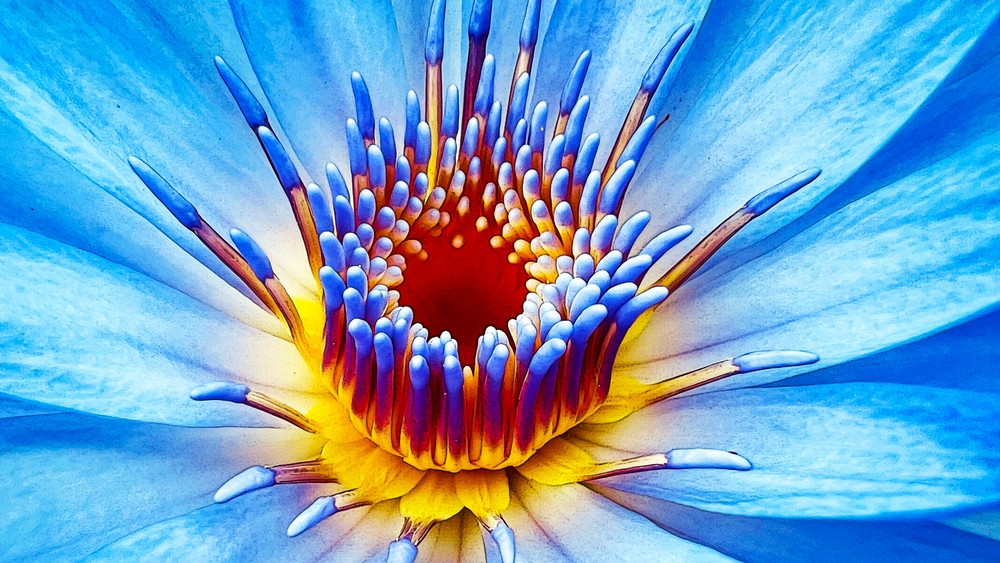
Why is Blue Lotus an Alternative to THC?
The shifting tides of the botanical world are currently leaving many people in a state of flux as they try to navigate the ever-changing landscape of legal relaxation. For a long time, the options felt relatively limited and often tied to a single plant that dominated the conversation, but the modern market is finally starting to look back at ancient traditions for inspiration. It is becoming evident that the answers to our modern needs for a clear-headed and natural experience have been hiding in plain sight for thousands of years within the petals of a sacred flower. This isn't just about finding a new product to put on a shelf, but rather about rediscovering a sense of harmony that has anchored civilizations since the dawn of time. As the doors begin to close on certain hemp-derived options, the brilliant blue petals of the Nile’s most famous lily are standing ready to offer a more stable and culturally rich path forward.
Know What Blue Lotus and THC are First, Before Getting into Why Blue Lotus Could Be the Alternative to THC (Due to the Upcoming Ban)
Getting a handle on the fundamentals of both Blue Lotus and THC is the only way to recognize why the market is pivoting so drastically toward traditional botanicals in 2026. These two plants interact with our internal systems through completely distinct chemical pathways, and seeing those differences clearly will help you make a more informed choice for your own routine.
Blue Lotus 101
Stepping into the history of Blue Lotus is like taking a trip back to the sun-drenched banks of the ancient Nile River, where this aquatic flower was revered as a literal gift from the gods. Known in scientific circles as Nymphaea caerulea, this water lily is far more than just a beautiful bloom; it’s a complex botanical specimen that has played a central role in human ritual and social life for millennia. For the people of ancient Egypt and parts of Asia, the plant was a staple of high-society banquets and sacred ceremonies, often infused into wine to create a specific kind of atmosphere. The flower itself contains a unique profile of natural compounds that interact with the brain in a way that feels both timeless and perfectly suited for the needs of the modern consumer. Unlike many other plants that have been genetically modified for extreme potency, Blue Lotus has remained remarkably consistent in its profile since the days of the pharaohs. As we look for ways to unwind that don't involve the legal headaches of modern synthetic conversions, this sacred lily is emerging as a top-tier choice for those who value authenticity. It’s a plant that tells a story of survival and cultural significance, offering a sense of connection to the past that few other botanicals can match in today's crowded market.
The story of the blue lily is a deep-rooted narrative that follows the rise and fall of civilizations, starting at the very beginning of recorded history and continuing into our modern era. While it is often seen as a simple flower today, its timeline reveals a plant that has been a cornerstone of ritual, medicine, and trade for over five millennia:
- c. 3100–2686 BCE (Early Dynastic Period): The flower first appears in the Hermopolitan creation myths, where it was believed that the sun god emerged from a giant blue lily rising from the primordial waters of chaos.
- c. 2686–2181 BCE (Old Kingdom): Egyptians began observing the flower's daily cycle of closing at night and reopening at dawn, leading to its permanent association with the sun god, Ra, and the concept of rebirth.
- 2494–2345 BCE (Fifth Dynasty): Shamanic and ritualistic use of the plant was first recorded during this era, as evidenced by the increasing presence of lotus motifs on altars and in funerary art.
- c. 2055–1650 BCE (Middle Kingdom): The plant’s role in the afterlife became codified in the Coffin Texts, where the lotus was promised to the deceased as a tool for resurrection.
- c. 1550 BCE (Ebers Papyrus): One of the oldest known medicinal documents recorded the use of the blue lily, specifically noting the properties found in its roots and petals for various traditional preparations.
- c. 1550–1070 BCE (New Kingdom): This period marked the peak of the flower's popularity; it became a luxury item at high-society banquets where it was famously steeped in wine to enhance social connection.
- 1323 BCE (Burial of Tutankhamun): When King Tut was laid to rest, his body was covered in blue lily petals, a fact confirmed by researchers who found the well-preserved flowers during the 1922 excavation.
- 332–30 BCE (Ptolemaic Period): Inscriptions in temples like those at Karnak and Luxor continued to mention large-scale floral offerings used to satisfy the spirits of ancestors and gods.
- c. 300 BCE (Greek Expansion): Trade between Egypt and Greece brought the botanical to the Mediterranean, where it was integrated into the Greek religion of Isis and Serapis.
- Late Roman Empire Era: The trade of the dried flower expanded to the edges of the known world, with mentions appearing in regions as far-reaching as India and Roman Britain.
- Middle Ages: The cultural and social significance of the plant began to fade in the West as shifting trade routes and the rise of new religious traditions moved the focus away from ancient botanicals.
- 1816–1820: Modern archaeological interest was reignited when major collections of Egyptian artifacts and frescoes depicting the blue lily were brought to the British Museum.
- 1889: Modern botanical research began to document the plant's specific chemical structure, though local cultures had been using its petals for rituals for thousands of years prior.
- 1922: The discovery of Tutankhamun’s tomb provided physical proof of the plant's ritual longevity, sparking a renewed wave of botanical and historical study.
- Late 20th Century: The plant began to gain a small but dedicated following in the West, initially appearing in specialty tea shops and among those interested in traditional ethnobotanicals.
- 2020–Present: The plant has experienced a massive contemporary resurgence, moving from niche tea circles into the mainstream as a verified alternative in the modern hemp and botanical markets.
When using Blue Lotus, the experience is driven by two primary natural compounds known as apomorphine and nuciferine, which work in harmony to shift your internal environment. Apomorphine acts as a non-selective dopamine agonist, which means it interacts with the parts of the brain that handle rewards and positive emotions, leading to a sense of euphoria and quiet contentment. Nuciferine provides a more balanced presence, acting as an alkaloid that helps to anchor the experience and prevent it from becoming overwhelming or too intense. Many people describe the sensation as a gentle "shifting" of their perspective, where the world seems a bit more vibrant and their body feels a bit more settled in its surroundings. It doesn't create the heavy mental fogginess that people often report with other botanicals, allowing you to stay fully present and engaged with your tasks or your friends. This unique balance of a mild botanical lift and a clear-headed sense of presence is exactly why it has been used in social gatherings for as long as human records have been kept.
Blue Lotus’ legal standing in the U.S. is one of its most attractive features for the modern consumer, as it occupies a much more stable position than many hemp-derived alternatives. It’s not listed as a controlled substance by the DEA, meaning it can be cultivated, sold, and purchased legally in nearly every part of the country. The only major exception is the state of Louisiana, where the plant is restricted, but for the rest of the nation, it remains an accessible and legal botanical option. While the FDA hasn’t approved the flower for human consumption and classifies it as unsuitable for food use, it can be legally sold as a botanical specimen, an incense, or a decorative item. This legal clarity provides a massive sense of security for businesses and individuals who are tired of the constant "grey market" drama surrounding other products. It is important to note that while it is legal, certain groups like active-duty service members are prohibited from using it due to internal military policies.
As the popularity of the sacred lily has grown, the ways you can incorporate it into your routine have expanded far beyond the ancient tradition of soaking petals in a bowl of wine. Modern extraction techniques have allowed brands to create a wide variety of Blue Lotus products that fit seamlessly into a busy lifestyle without losing the integrity of the plant, such as:
- Dried Flowers & Petals: The most traditional form, used for brewing teas or creating aromatic infusions that stay true to the plant’s origins.
- Teas & Beverages: Available as loose-leaf tea, pre-ground blends, or convenient pre-bottled drinks that offer a consistent and enjoyable way to consume the botanical.
- Extracts & Resins: Highly concentrated forms of the plant that isolate the alkaloids, providing a more robust experience in a smaller serving size.
- Tinctures: Liquid drops that can be taken directly under the tongue or added to a favorite beverage for a fast-acting and discreet routine.
- Essential Oils & Absolutes: Used primarily for their aromatic properties in aromatherapy or as a natural perfume to help set the mood of a room.
- Topicals: Creams and lotions infused with lily extract that allow the compounds to work on a specific area of the skin rather than the whole system.
- Tablets: These are made of compressed extract or powder, offering a high-density option that’s very easy to carry and swallow.
- Capsules: The perfect choice for anyone who wants to avoid the taste entirely, as they contain pre-measured amounts in a convenient form.
- Gummies: A fun and tasty way to enjoy Blue Lotus that turns the botanical experience into a delicious treat.
- Vapes: One of the fastest-growing categories, offering a quick onset of effects in a vaping forma that many modern consumers already prefer.
- Pre-Rolls: Dried petals that are rolled into a convenient format for smoking, often blended with other traditional herbs for a smooth and aromatic experience.
THC 101
To truly grasp why people are pivoting toward Blue Lotus, you first have to have a clear picture of what Tetrahydrocannabinol (THC) is and why it has dominated the market for so long. THC is the primary psychoactive compound found in the cannabis plant, and it is responsible for the signature "high" that people associate with both marijuana and hemp-derived products. It works by mimicking natural chemicals in the body and binding to cannabinoid receptors in the brain, which can alter everything from your perception of time to your mood and appetite. While it has been used by humans for thousands of years, the modern era has seen a massive explosion in how it is produced and sold, moving from a black-market item to a multi-billion dollar legal industry. This dominance in the market has made it the default choice for many, but as we are seeing with the changing laws in 2026, relying on just one plant can be a risky move for those who value a consistent routine. The intensity of modern THC products and the complex legal web that surrounds them are starting to drive people toward options that feel a bit more manageable and clear-headed.
Tetrahydrocannabinol’s journey from a mysterious plant resin to a globally recognized chemical compound is a story of scientific curiosity meeting massive social and legislative changes. While the plant itself has been documented since ancient times, our ability to isolate and understand its most famous component is a relatively recent achievement in the grand scheme of things:
- 2737 BC: Legend has it that Chinese Emperor Shen Nung first documented the use of cannabis in writing, noting its presence in traditional herbal preparations.
- 1964: Dr. Raphael Mechoulam and his team in Israel successfully isolated and synthesized THC for the first time, providing the foundation for all modern cannabinoid science.
- 1970: The Controlled Substances Act in the U.S. classified cannabis as a Schedule I substance, creating a massive barrier for research that lasted for several decades.
- 1996: California became the first state to legalize the plant for medical use, starting a massive wave of state-level changes across the country.
- 2018–Present: The Farm Bill created a massive loophole for hemp-derived THC, leading to a "grey market" that is currently being shut down by new federal rules.
When using a THC-based product, the effects are usually felt quite quickly and can stay with you for several hours depending on how you consumed it. The most common report is a sense of euphoria or a "shift" in your perspective, where mundane things can suddenly seem much more interesting or funny. It often brings about a deep sense of relaxation, but it can also cause a significant increase in sensory awareness where colors seem more vivid and music sounds more detailed. However, it isn't always a smooth ride for everyone; many people find that the intensity can lead to a feeling of being overwhelmed or a "mental fog" that makes it hard to focus on a conversation. These effects are why it has become such a popular choice for winding down at the end of the day, but they are also the reason some people are looking for an alternative that lets them stay more "anchored" in reality. Finding a botanical that provides a sense of contentment without the heavy fogginess is becoming a major goal for the modern consumer.
THC’s innovation over the last decade has been nothing short of staggering, as brands have found ways to put the compound into almost anything you can imagine. This variety has made it incredibly accessible, allowing people to choose all types of THC products that fits their specific lifestyle and preferences without having to rely on traditional methods, such as:
- Drinks & Beverages and Shots: These are becoming very popular as a social alternative to alcohol, standard consumer drinks, and energy or nighttime shots, offering a way to enjoy the effects in a familiar liquid format.
- Capsules: A simple and discreet way to get a precise amount of THC without any smoke or smell, making them popular for those who want a pharmaceutical feel.
- Tablets: These are often designed to dissolve slowly or be swallowed, providing a consistent experience that lasts for a long time.
- Edibles: This is the biggest category in the market, as it turns the consumption process into a delicious delight that can be enjoyed anywhere, be it a gummy, baked good, chocolate, candy, mint, or any other snacks.
- Tinctures: Liquid drops that’re simple to use and allow for a lot of control over the exact amount of THC you are putting into your system.
- Topicals: Creams, lotions, balms, salves, gels, etc. that’re applied directly to the skin, allowing the compound to work on a specific area without affecting the whole mind.
- Vapes: A very fast-acting method where the oil is heated and inhaled inside the cartridge or in a disposable vape pen’s tank, making it the top choice for hemp vapers who want results in a matter of minutes.
What the Upcoming THC Ban Means
The hemp industry is currently standing on the precipice of a massive shift as the 2026 federal rules begin to take hold, effectively ending the era of "intoxicating hemp". For several years, a technicality in the 2018 Farm Bill allowed for the sale of hemp-derived cannabinoids like Delta-8, THCA, and THC-P because they were technically not "marijuana" under the federal definition. This created a multi-billion dollar market where you could find potent products in gas stations and smoke shops in states where marijuana was still illegal. However, the government has finally decided to close this gap by redefining what qualifies as legal hemp in a way that is much more restrictive than it used to be. These new rules are specifically designed to target any product that is intended to provide a high, which means the convenient access many have enjoyed is about to vanish.
The most significant change in this new legislation is the setting of a very low limit on the total amount of THC that can be in any hemp product. The new rule states that any finished hemp-derived product cannot contain more than 0.4 milligrams of total THC per container. To put that in perspective, a typical hemp gummy that people buy today might have ten or twenty milligrams, so this new limit would make nearly every popular product on the market illegal overnight. This cap includes not just Delta-9 THC, but also THCA and any other cannabinoids that federal health officials decide have similar effects or are marketed as such. It is a massive blow to the industry and to the consumers who have found these products to be a helpful part of their lives, as there will be no more room for creative labeling or technical workarounds.
For the average person who stops by their local shop to pick up some gummies or a vape pen (or decides to shop online), this ban will feel like a sudden and unwelcome change to their daily routine. By later on this year, most of these products will have to be pulled from the shelves, leaving people with very few options if they want to stick with natural botanicals. This is exactly why there has been such a surge of interest in other plants like Blue Lotus, which aren't being targeted by these specific new rules. People are starting to realize that the "Wild West" era of the hemp industry is coming to a close, and if they want to maintain their lifestyle, they need a botanical partner that is more stable. The shift is intended to bring hemp back to its roots as an industrial crop for fiber and grain rather than a source for psychoactive extracts.
The economic fallout from this decision is expected to be staggering, with industry executives estimating that the threshold will wipe out 95% of the $28 billion hemp retail market. Thousands of small businesses, from farmers and extractors to retail shop owners, are now scrambling to figure out what they are going to do when their main source of income becomes illegal. This uncertainty is creating a lot of tension in the market, but it is also driving a wave of innovation as brands look for new ways to serve their customers. Some companies are shifting their focus to non-intoxicating cannabinoids like CBD, while others are looking at how they can incorporate other traditional herbs like Blue Lotus into their lineup. The goal for many owners is to find a way to stay in business and keep providing their customers with the natural options they want, even as the federal government tightens its grip.
Ultimately, this ban is a signal that the days of using loopholes to access intoxicating products are coming to a close for good. While some see it as a necessary step for safety and regulation, others view it as a step backward that limits consumer choice and ignores the demand for accessible, natural alternatives. This environment of uncertainty is driving both businesses and consumers to look elsewhere for their botanical needs, leading many to discover the unique properties of the Nile lily for the first time. As the deadline approaches, the conversation around these alternatives is only going to get louder, and those who do their homework now will be the best prepared for the shift. It underscores the importance of having a diverse routine and not relying too heavily on a single substance that is caught in the middle of a political tug-of-war.
Now That you Know What Blue Lotus is, What THC is, and the Upcoming THC Ban, Why is Blue Lotus a Potential Alternative to THC Then?
As the legal walls close in on hemp-derived THC, many people are finding themselves at a crossroads where they need to choose between returning to the shadows or finding a new botanical partner. Blue Lotus stands out as a unique candidate because it offers a completely different chemical pathway while still checking many of the boxes that make THC so appealing to the modern consumer. Need more convincing? Well, we have got some reasons for why this sacred lily is becoming the go-to alternative for those looking to pivot away from the shifting sands of the THC market:
- A Clear Path Toward Legal Stability: The most immediate reason to consider this switch is the diverging legal paths of these two plants in the current American landscape. While THC is currently being dismantled by federal lawmakers who want to close every possible loophole, Blue Lotus has maintained a remarkably stable legal status for decades. It is not listed as a controlled substance by the DEA, which means it can be cultivated, sold, and purchased legally in nearly every state without the constant fear of a sudden "emergency ban". This long-term security allows you to build a routine with confidence, knowing that the botanical you enjoy today will likely be available and socially accepted for the long haul. Choosing a plant with this kind of legal transparency provides a sense of peace that is currently missing from the hemp-derived THC world.
- Maintaining a Functional and Sharp Mind: One of the most common complaints about modern THC products is the "brain fog" or the feeling of being mentally sluggish that can make it difficult to function in professional settings. Blue Lotus is famous for its ability to provide a sense of well-being while keeping the mind remarkably clear and focused on the task at hand. Many users find that they can enjoy the botanical benefits of the sacred lily while still being able to carry on a complex conversation or work on a creative project without feeling mentally weighed down. This "functional" aspect makes it a superior choice for those who want to enhance their day without losing their edge or their ability to stay productive. It allows you to feel a sense of contentment while remaining fully present in your own life.
- A Unique Sensory Lift Without the "Heavy" Feeling: While THC is known for creating a total shift in consciousness that can sometimes feel a bit overwhelming, the sacred lily offers a more subtle and manageable experience. The interaction of apomorphine and nuciferine creates a gentle sense of euphoria and quiet contentment that feels like a natural extension of your own mood. It provides a "lifting" of the spirit without the "heavy" body-load or the couch-lock that often comes with high-potency cannabis strains. This makes it an ideal companion for a quiet afternoon or an evening spent with friends, as it enhances your surroundings without making you feel out of sync with them. You get the benefits of a botanical ritual while staying perfectly anchored in the here and now.
- A Deep Connection to Ancient Ritual Traditions: For many consumers, the jump from a cannabis product to a tropical flower might feel a bit new, but the fact that the sacred lily has been used for rituals for thousands of years brings a sense of cultural weight. There is a certain level of trust that comes from using a botanical that was prized by the pharaohs and celebrated in the art and literature of the ancient world. Unlike the highly processed and synthetic "conversions" that dominate the modern hemp market, Blue Lotus is a whole-plant experience that stays true to its historical roots. It offers a sense of connection to human history and tradition that few other modern botanicals can match. Integrating this sacred lily into your routine feels like a return to a more authentic way of interacting with the natural world.
- Avoiding the Intense "Peak" of Modern THC: Modern THC products have been bred and extracted to reach extreme levels of potency, which can sometimes lead to an intense "peak" that causes a feeling of being over-stimulated. Blue Lotus is known for having a much smoother and more gradual curve, providing a gentle sense of shifting that builds slowly and settles in without the sudden jolt. This predictability makes it a much more approachable option for people who may have had bad experiences with the intensity of contemporary cannabis products. It provides a sense of being content and calm without the roller-coaster ride that can sometimes come with high-dose cannabinoids. You remain in control of the experience from start to finish, which is a major draw for the mindful consumer.
- A Socially Acceptable and Discreet Botanical: Let’s be honest about the practical side of things: THC has a very distinct scent and a visual look that can make it difficult to use discreetly in many public or professional environments. Blue Lotus is virtually indistinguishable from any other botanical supplement or herbal tea, making it a perfect companion for a busy life. You can take your capsules or mix your powder into a drink at a social gathering without drawing any unwanted attention or having to worry about a lingering smell. This freedom allows you to maintain your chosen routine with complete privacy and a high degree of social ease, regardless of where you are. It removes the barrier of having to step away from a situation just to enjoy your botanical of choice.
- A Natural Pathway for Sensory Appreciation: Instead of distorting your reality or creating a heavy mental fog, this sacred flower offers a way to enhance your surroundings while staying completely settled in the present. This interaction feels like a natural alignment with your environment, making your favorite music sound a bit richer or a conversation feel a bit more engaging without the intense sensory overload. It avoids the overwhelming peaks that can sometimes come with high-potency THC, providing a much more manageable and gentle experience for the user. By focusing on this more subtle shift in perspective, you can enjoy the best parts of your day with a clear head and a steady hand. It is about sharpening your appreciation for the world around you rather than stepping out of it entirely.
- Complete Versatility in Modern Product Formats: The days of only having access to raw petals are long gone, as the industry has leaned into modern extraction techniques to create products that are easier to use and more consistent. Whether you prefer the ritual of brewing a tea, the ease of a gummy, or the speed of a liquid shot, there is a Blue Lotus product that mirrors your favorite THC delivery method. This ease of transition is vital for people who have grown accustomed to the convenience of modern dispensaries and smoke shops. You can find the same level of professional packaging and precise dosing in the world of the sacred lily that you have come to expect elsewhere. It makes the switch feel like a natural evolution of your routine rather than a difficult new chore.
- A High-Density Experience Without the "Brain Fog": One of the biggest reasons people enjoy the botanical benefits of the lily is the way it interacts with the dopamine system without causing cognitive decline. While THC can sometimes make it difficult to find your words or follow a long story, the sacred lily actually supports a sense of mental clarity and introspective focus. Many users report that they feel a sense of "dreamy" introspection that is perfect for creative work or social connection. It provides the "lift" you are looking for while ensuring that you wake up the next morning feeling refreshed and ready to tackle your day. This lack of a "hangover" or lingering fogginess is a significant advantage for those who have a busy life and need to stay at their best.
- A Stable and Transparent Industry Future: Finally, because Blue Lotus is not caught in the middle of a federal "grey market" debate, the companies that produce it are able to focus more on quality and transparency. You can find laboratory-tested products that clearly list their alkaloid content and purity, giving you a level of trust that is becoming harder to find in the hemp world. As the ban takes hold and wipes out 95% of the hemp retail market, the stable and established Blue Lotus industry will be one of the few places where you can still find consistent and high-quality botanicals. Investing your routine in a plant with a clear and legal future is simply a smart move for anyone who wants to stay ahead of the curve. It is a reliable choice that offers long-term value and a deep connection to the natural world.
Disclaimer: Please keep in mind that the information shared in this post is presented for educational purposes and should not be viewed as a replacement for professional medical advice. Because every individual reacts differently to botanical substances, it is highly recommended to consult with a healthcare professional before beginning a new daily routine.
A New Path Forward with the Sacred Nile Lily
Choosing a new path for your botanical routine doesn't have to be a stressful experience, even when the legal world around us is changing so rapidly. By looking at what a plant like Blue Lotus has to offer, you are opening the door to a tradition that’s both ancient and perfectly suited for the needs of the modern consumer. This is about taking control of your own routine and finding a reliably versatile botanical partner. And as the dust from the 2026 shifts finally begins to settle, those who did their homework and made the pivot early are going to be the ones who feel the most prepared for the future.
Recent Posts
-

2026 Cannabinoid Matchup: THCA vs. CBC
Building a well-rounded hemp collection in today’s times has evolved into a personalized craft tailo …Sep 24, 2026 -
Kratom vs. CBGA: How Do They Measure Up Against One Another?
The modern search for plant-based wellness solutions has introduced a diverse spectrum of botanical …Sep 23, 2026 -
Inside the Gel Cap: How Much Kratom is in 1 Capsule?
Holding a pre-filled Kratom capsule between your fingers gives the impression of a perfectly measure …Sep 22, 2026